Morrow Plots
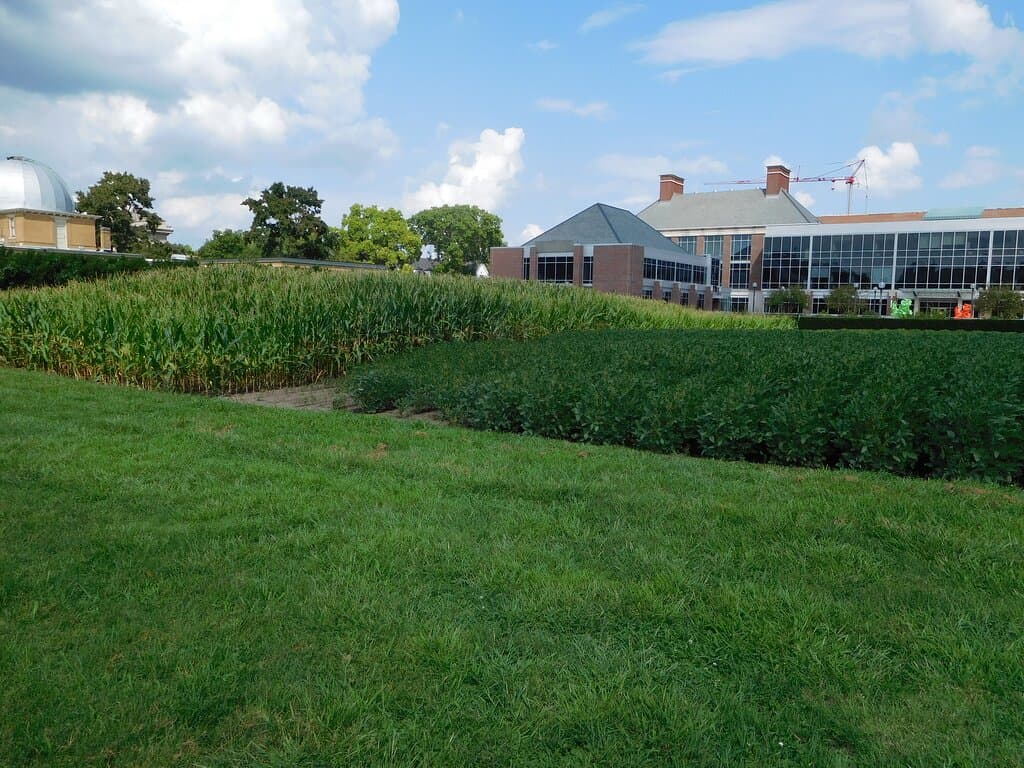
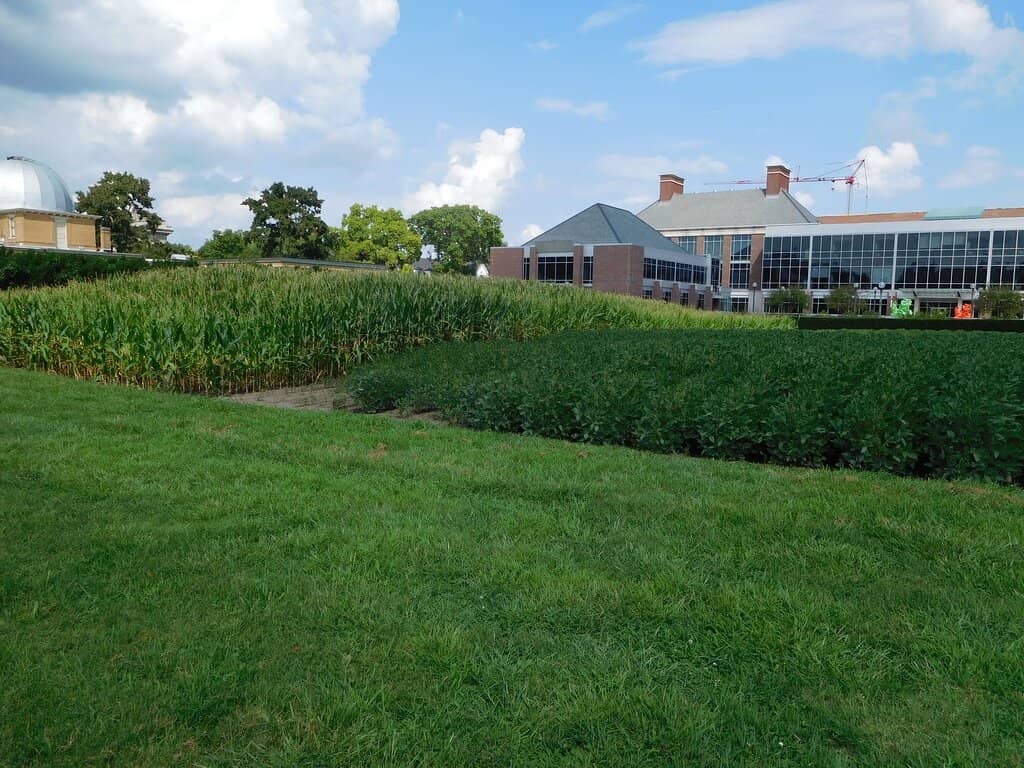
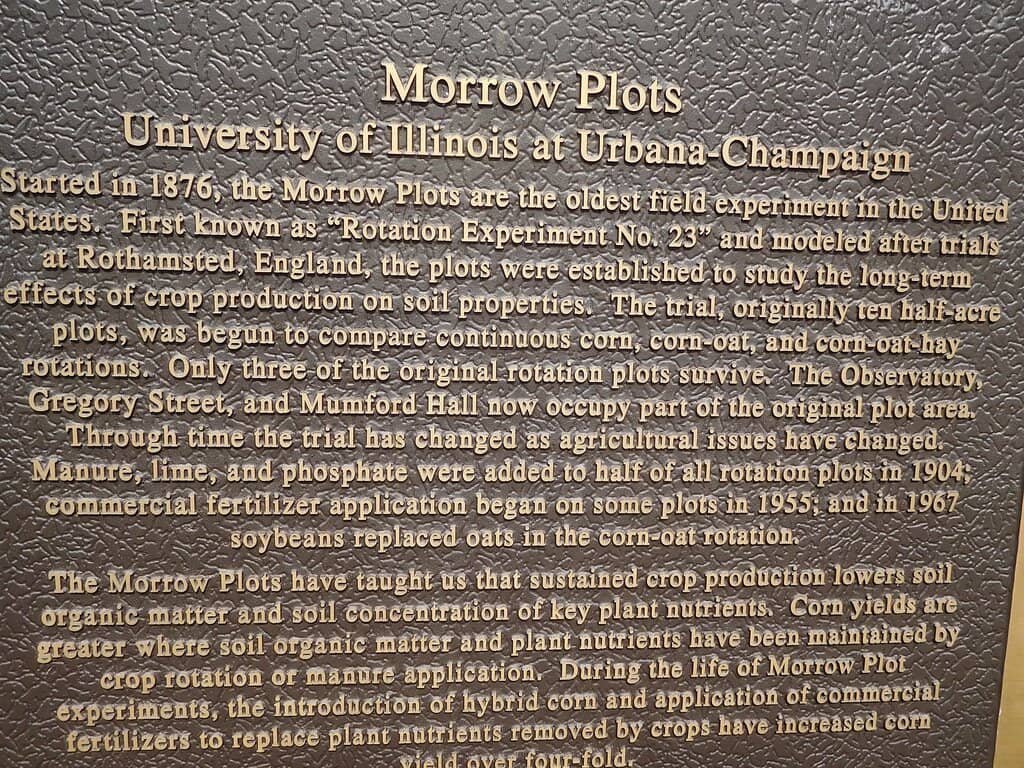
America's oldest experimental agricultural field, established in 1876, showcasing over 148 years of soil fertility and crop rotation research.
Highlights
Must-see attractions

Social
From TikTok & Reddit
Best Time
Growing season for visual research
Morrow Plots
Best Time
Growing season for visual research
Highlights
Must-see attractions
America's oldest experimental agricultural field, established in 1876, showcasing over 148 years of soil fertility and crop rotation research.
"A good quick stop if you're into agriculture or research."
🚶 Walk the Historic Ground
Explore America's oldest experimental agricultural field, established in 1876.
📚 Learn About Soil Science
Understand crop rotation and soil fertility research that spans over 148 years.
Quick Facts
Hours
Rating
4.3 · 26 reviews
Type
Historical Landmark
Highlights
Discover the most iconic attractions and experiences
The Historic Morrow Plots
University of Illinois Urbana-Champaign
America's oldest experimental agricultural field, a living testament to over 148 years of soil science research.
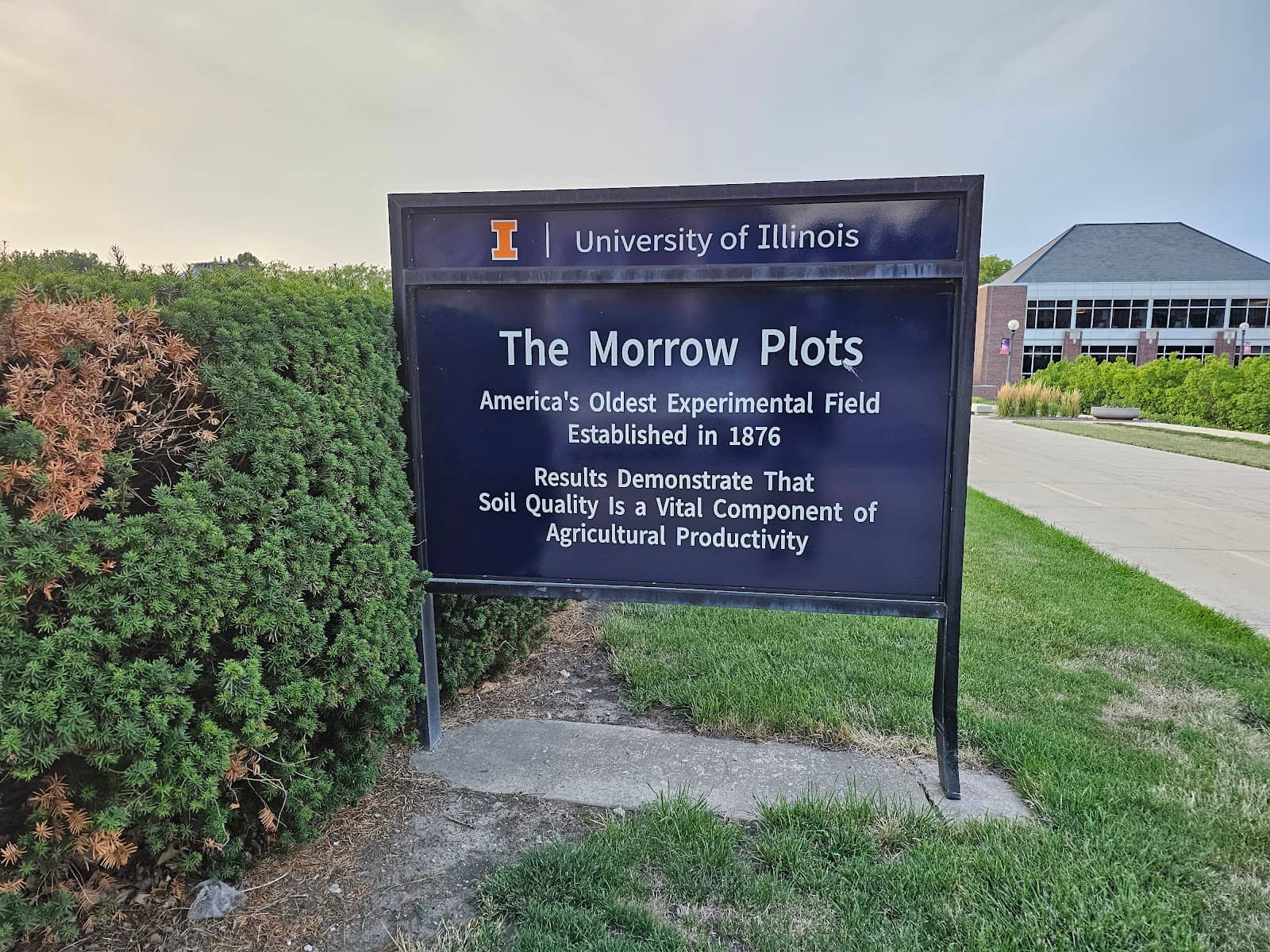
Crop Rotation in Action
Within the plots
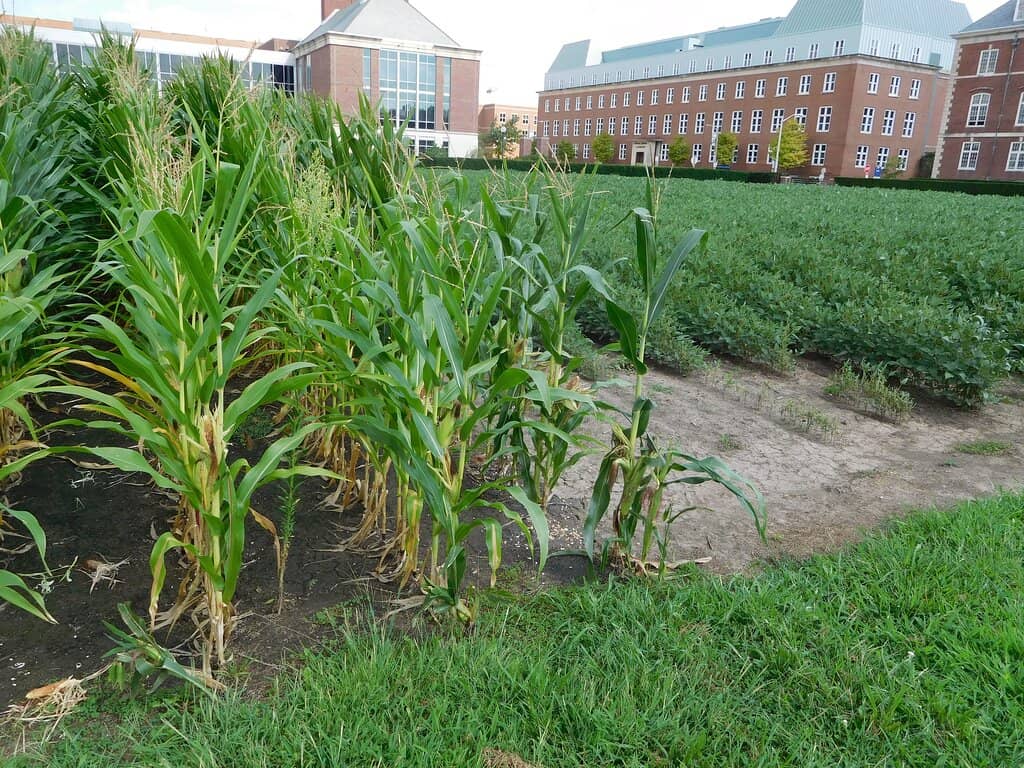
Witness firsthand how different crop rotations impact soil health and organic matter over decades.
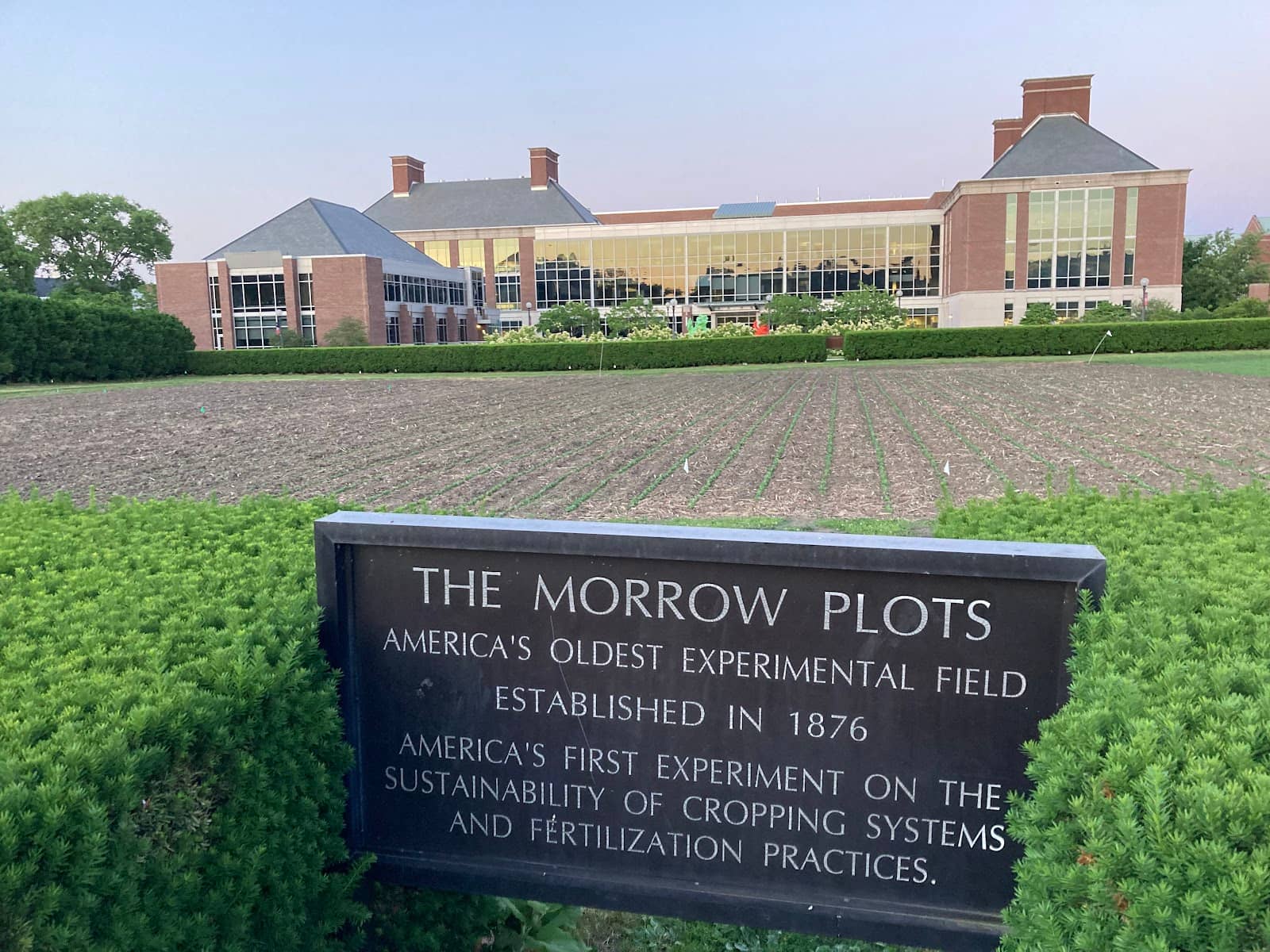
Soil Fertility Research
Within the plots
See the results of continuous study on maintaining and improving soil fertility for sustainable agriculture.
Plans like a pro.
Thinks like you
Planning Your Visit
Understand Its Historic Significance
Timing Your Visit for Insight
Best Times
Insider Tips
from TikTok, Instagram & Reddit
🚶 Walk the Historic Ground
Explore America's oldest experimental agricultural field, established in 1876.
📚 Learn About Soil Science
Understand crop rotation and soil fertility research that spans over 148 years.
📸 Capture the Legacy
Great spot for photos showcasing agricultural history and research.
🧐 Appreciate the Research
It's a research site, so expect to observe rather than interact directly.
Tips
from all over the internet
🚶 Walk the Historic Ground
Explore America's oldest experimental agricultural field, established in 1876.
📚 Learn About Soil Science
Understand crop rotation and soil fertility research that spans over 148 years.
📸 Capture the Legacy
Great spot for photos showcasing agricultural history and research.
🧐 Appreciate the Research
It's a research site, so expect to observe rather than interact directly.
What Travellers Say
Reviews Summary
Morrow Plots is appreciated as a historically significant agricultural research site, offering a unique glimpse into over a century of soil science. Visitors find it interesting for its educational value and historical context, though some desire more interactive elements or a more dramatic visual impact. It's considered a good, quick stop for those interested in agriculture or research.
"As far as plots go, I'd give this one a 3 out of 5. The corn was ok, but overall I'd like to see it do something special, like carnivorously attacking random passerby. When I walk by plots like this, I want to feel some sort of emotion, such as fear of my impending demise, but when I walk by these plots, I feel nothing."
Ian Brown
"A good quick stop if you're into agriculture or research"
Michael Flessner
"Never visited but my friend Luke says "It must be pretty cool". My other friend is bothered by the fact that the library is underneath the field."
Christian Hernandez
What People Like
What People Dislike
Frequently Asked Questions
🚇 🗺️ Getting There
Morrow Plots are located on the University of Illinois Urbana-Champaign campus. You can typically walk or bike to the area from other campus locations. Parking is available nearby, but check campus parking regulations.
Yes, the University of Illinois campus is served by local bus routes that can get you close to the Morrow Plots. Check the Champaign-Urbana Mass Transit District (CUMTD) for routes and schedules.
You can drive to the vicinity of Morrow Plots. Parking is available in nearby lots, but be aware of campus parking restrictions and potential fees.
Morrow Plots is an active research field and does not have a dedicated visitor center. Information is typically found on signage around the plots.
Walking or cycling are excellent ways to explore the UIUC campus and reach Morrow Plots. The campus is quite spread out and offers scenic routes.
🎫 🎫 Tickets & Entry
No, Morrow Plots are generally accessible to the public without an admission fee. It's an outdoor research area on the university campus.
Morrow Plots are accessible during daylight hours as they are an outdoor research field. Access may be restricted during specific research activities or events.
There is no cost to enter and view the Morrow Plots. It's a freely accessible part of the University of Illinois campus.
While not always advertised, occasional guided tours or educational events might be offered by the University of Illinois. It's best to check the university's agricultural department website for any scheduled opportunities.
Visitors are asked to respect the research nature of the plots. Stay on designated paths and do not disturb the experimental setups.
🎫 🧭 Onsite Experience
You can observe the different experimental plots, learn about crop rotation and soil fertility studies, and appreciate the historical significance of this long-term agricultural research site. 
Yes, Morrow Plots offer unique photographic opportunities, especially during the growing season when the crops are visible. The historical context adds to its appeal.
Established in 1876, Morrow Plots is America's oldest experimental agricultural field, dedicated to studying soil fertility and crop rotation over extended periods.
As Morrow Plots is an outdoor research field, there are no direct facilities. However, you can find restrooms and dining options within the nearby University of Illinois campus buildings.
Comfortable walking shoes are recommended as you'll be on foot. Dress for the weather, as it's an outdoor experience.
📸 📸 Photography
The entire area offers a unique backdrop. Capturing the distinct rows of crops and the historical signage provides great photo opportunities.
Drone usage is typically restricted on university campuses for safety and privacy reasons. It's best to check the University of Illinois' specific drone policy before flying.
Early morning or late afternoon light can provide beautiful, soft lighting for photographs. The growing season offers vibrant colors.
It's advisable to ask for permission before photographing individuals, especially researchers, to respect their work and privacy.
While generally open for photos, avoid disturbing the research plots or equipment. Respect the scientific nature of the site.
You may also like
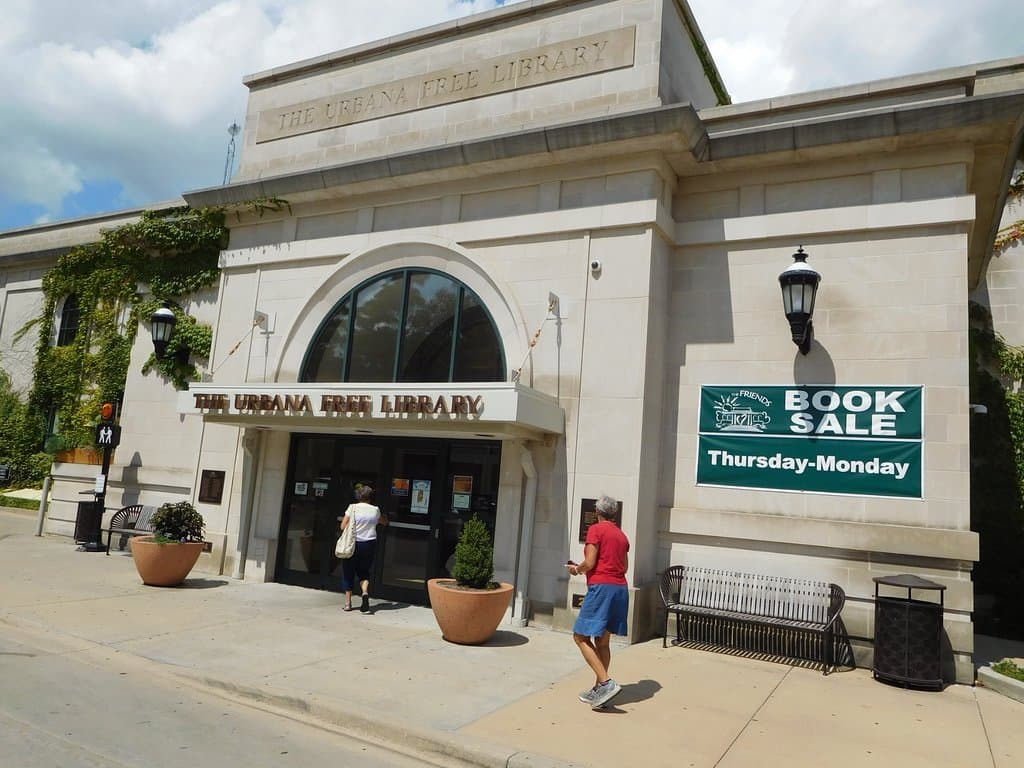
Urbana Free Library
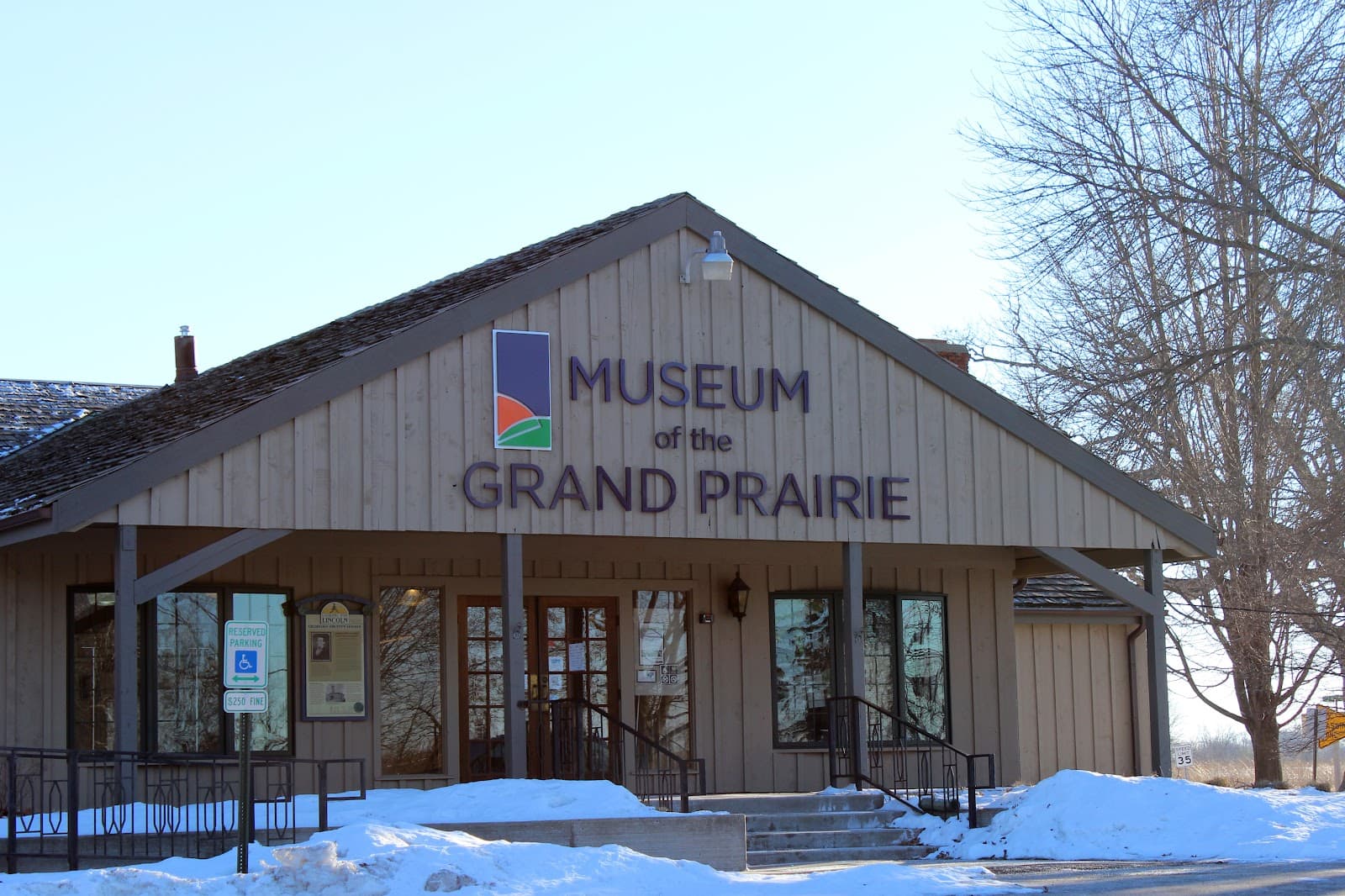
Museum of the Grand Prairie
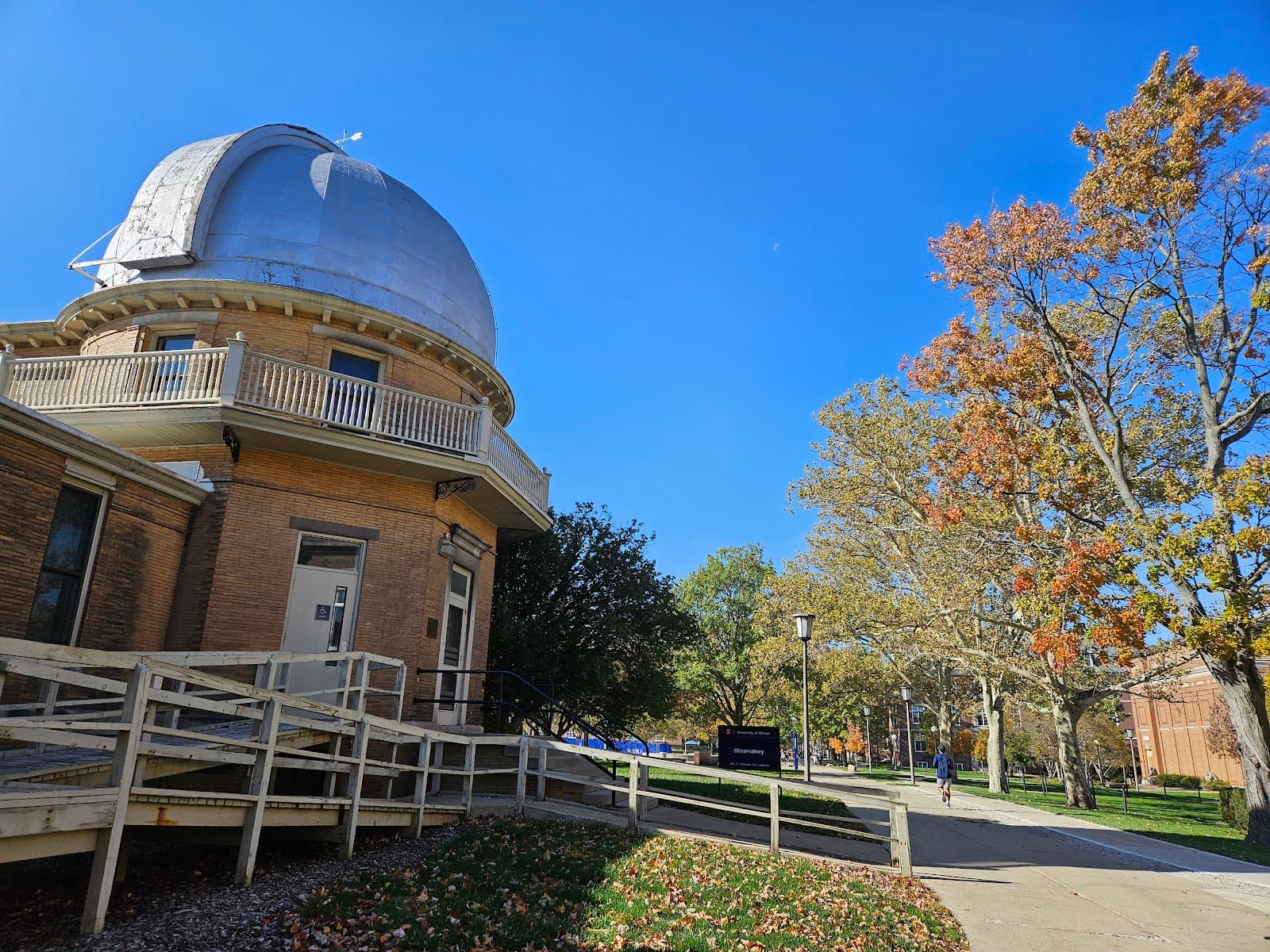
University of Illinois Observatory Urbana-Champaign
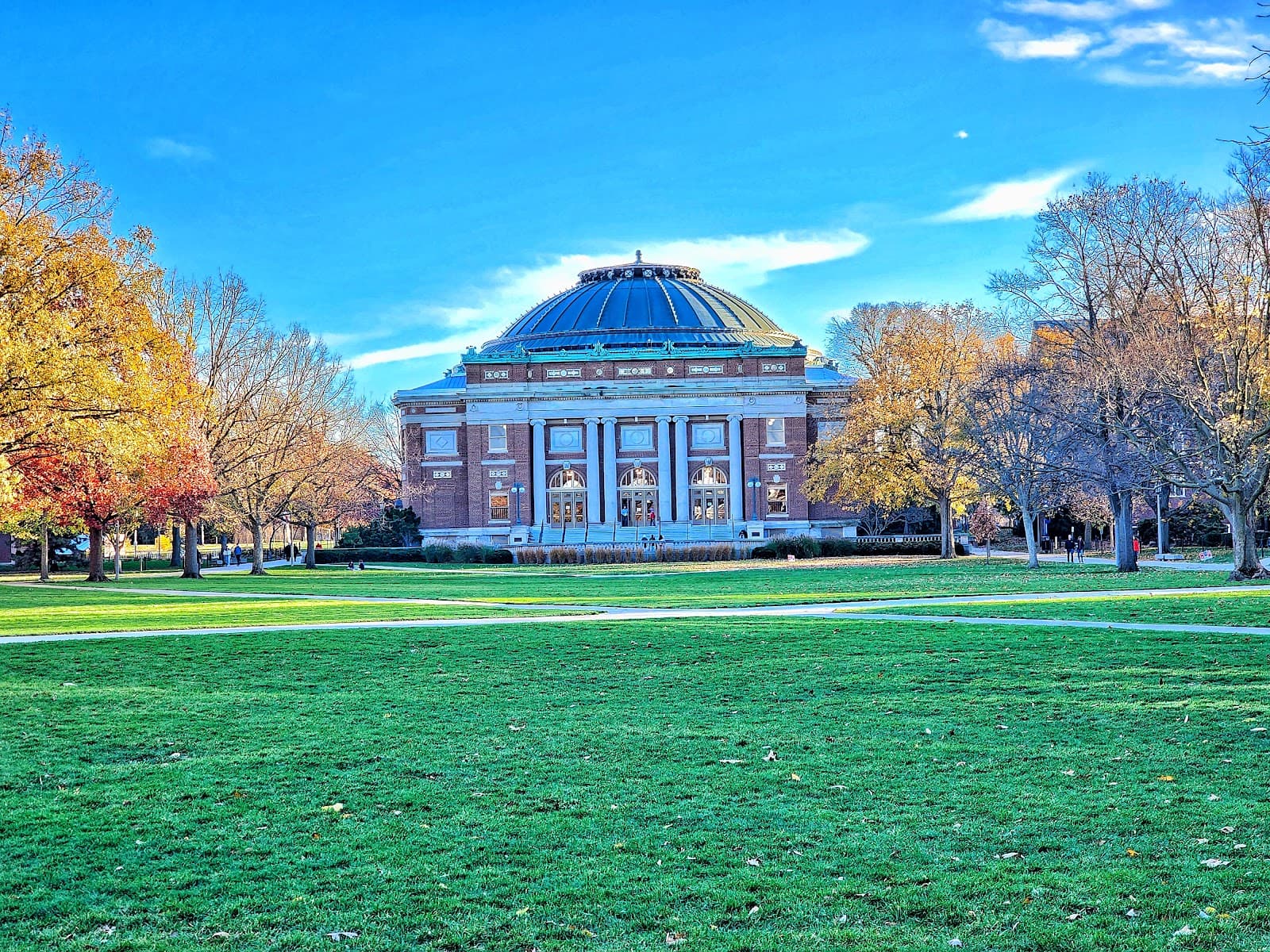
Main Quad University of Illinois Urbana-Champaign
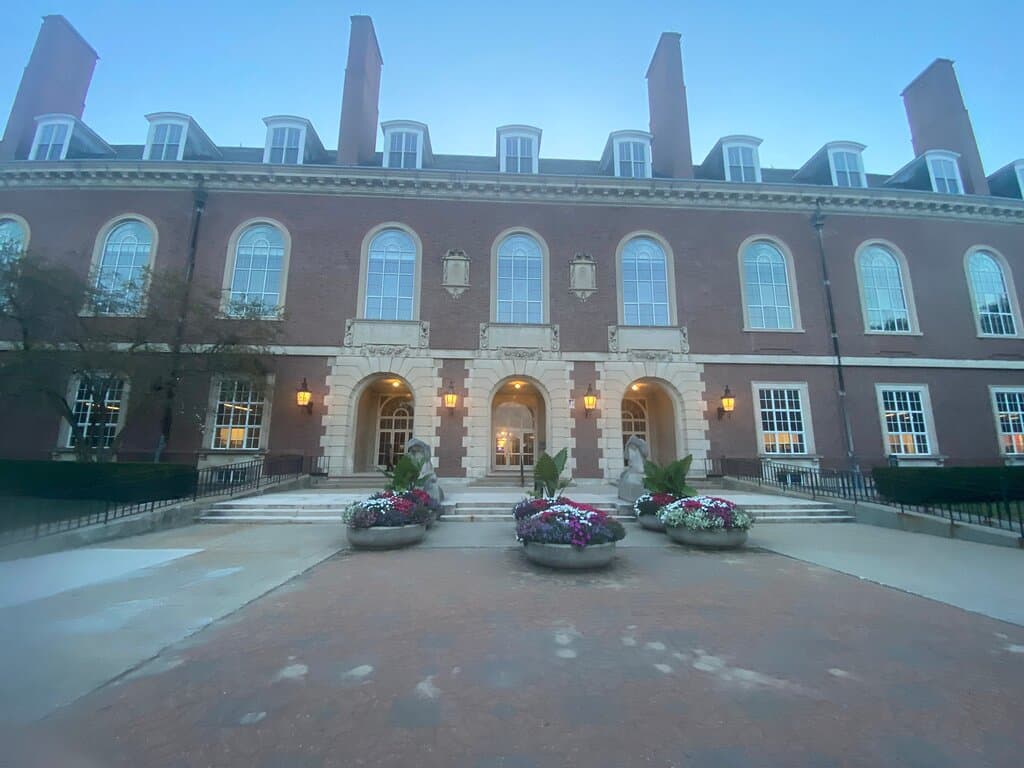
University Library Main Library and Stacks

Bardeen Quad (Engineering Quad)
Urbana Free Library
Museum of the Grand Prairie
University of Illinois Observatory Urbana-Champaign
Main Quad University of Illinois Urbana-Champaign
University Library Main Library and Stacks
Bardeen Quad (Engineering Quad)
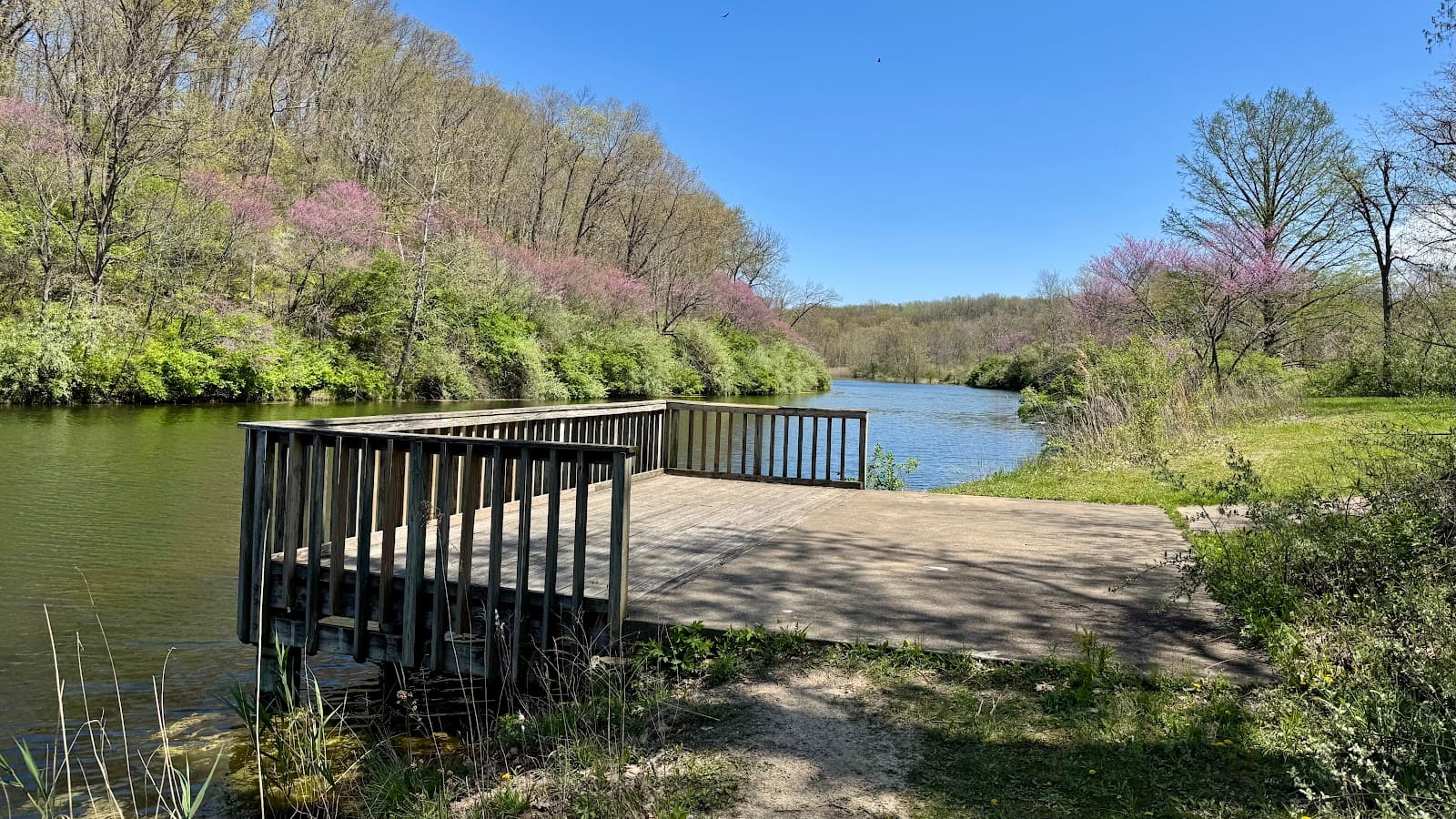
Kickapoo State Recreation Area Illinois
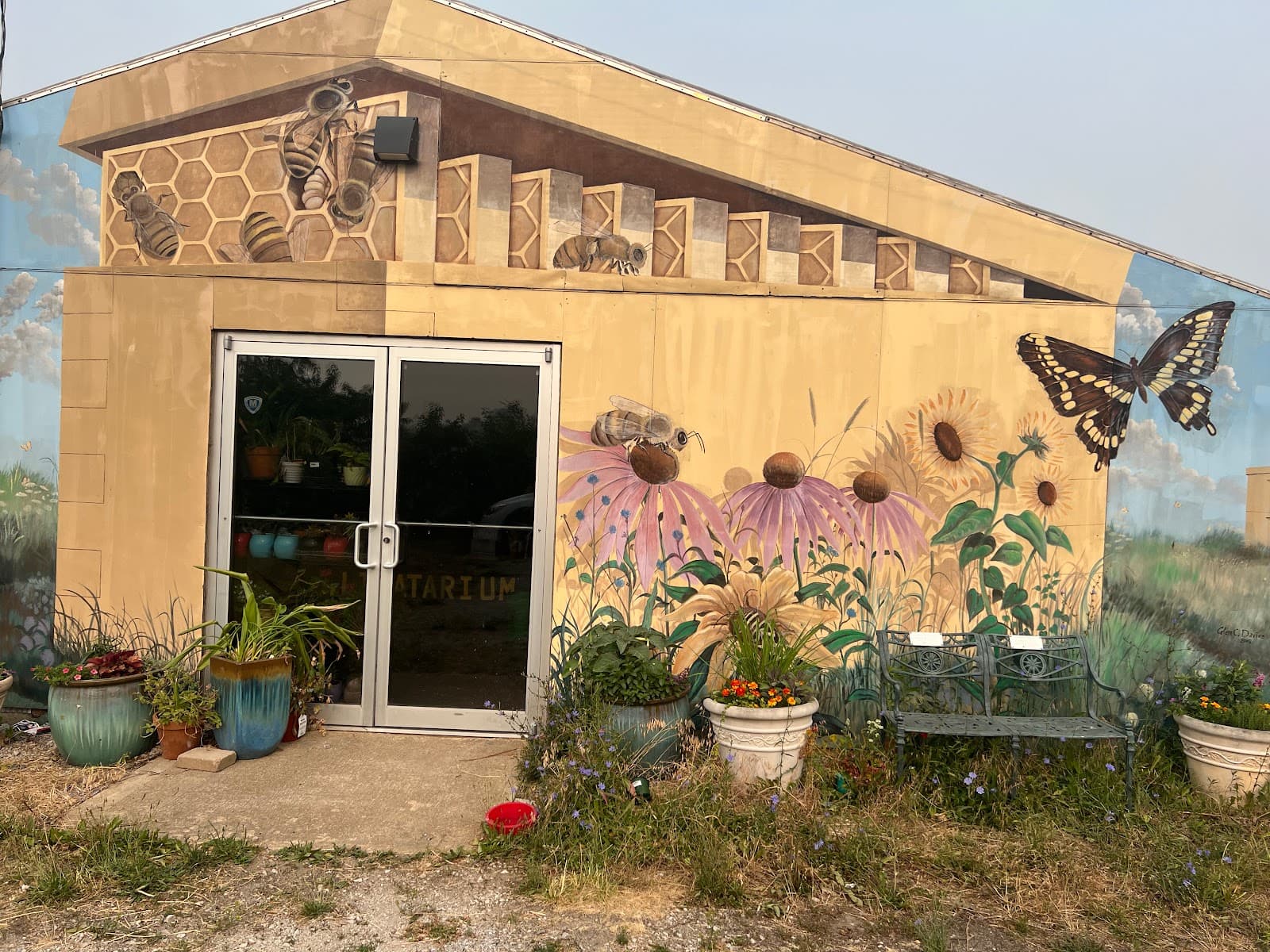
Pollinatarium
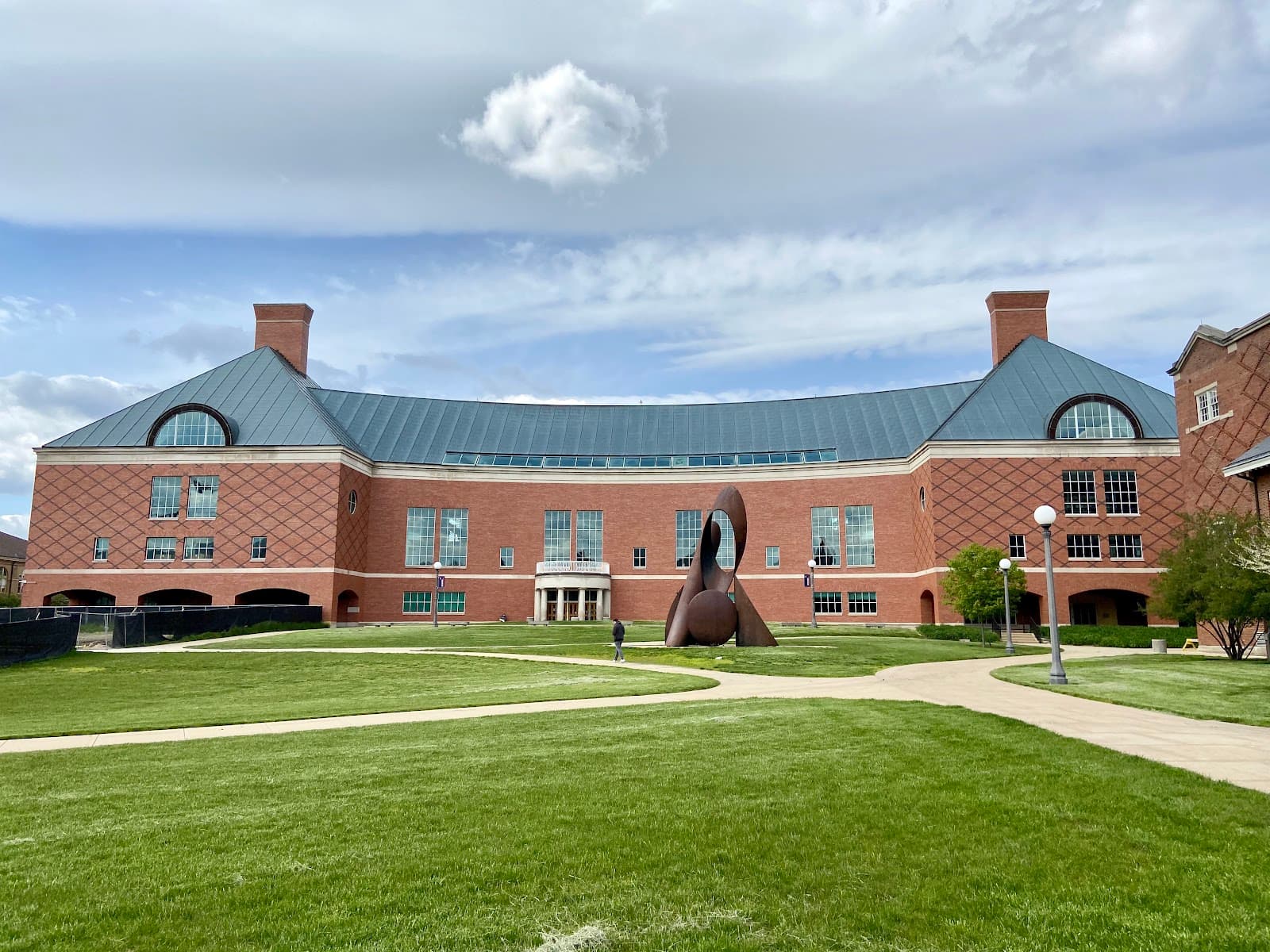
Grainger Engineering Library
Social
from TikTok, Instagram & Reddit