
World War II Memorial
A monumental tribute honoring the 16 million Americans who served in WWII, featuring symbolic pillars, arches, and a poignant Field of Stars.
Highlights
Must-see attractions

Social
From TikTok & Reddit
Best Time
Peaceful reflection
World War II Memorial
Best Time
Peaceful reflection
Highlights
Must-see attractions
A monumental tribute honoring the 16 million Americans who served in WWII, featuring symbolic pillars, arches, and a poignant Field of Stars.
"A sacred circle where the spirits of heroes still stand watch."

Allow ample reflection time
Don't rush! Give yourself at least 30 minutes to truly absorb the memorial's impact.
Look for hidden details
Seek out the 'Kilroy Was Here' markings for a fun, historical surprise.

Quick Facts
Hours
Rating
4.9 · 25,622 reviews
Type
Park
Highlights
Discover the most iconic attractions and experiences
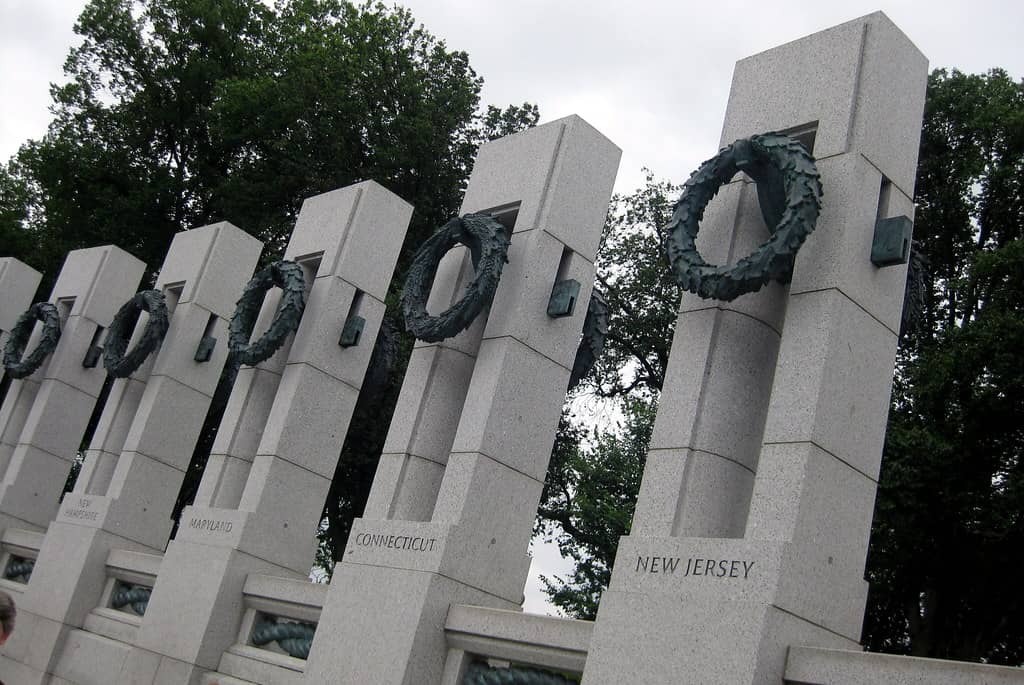
Pillars of States and Territories
Encircling the central pool
56 pillars stand tall, each representing a U.S. state or territory, symbolizing unity during the war.
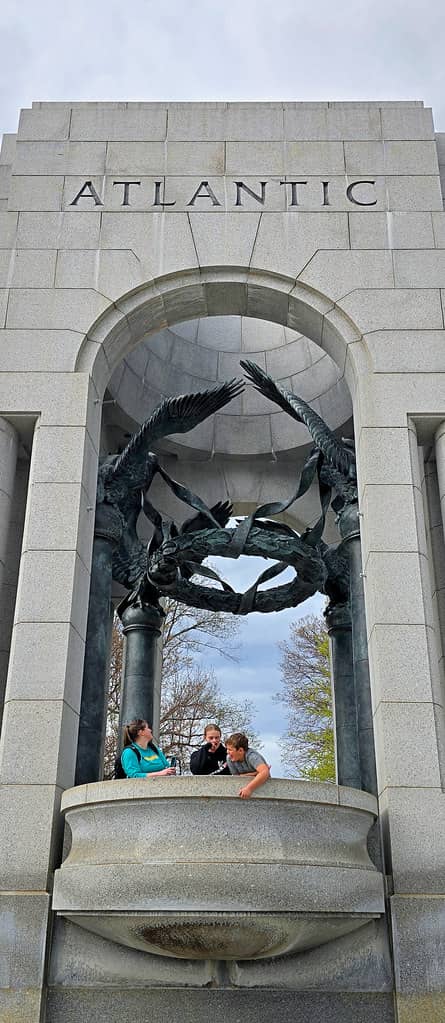
The Freedom and Victory Arches
North and South ends
Two grand arches symbolize the Atlantic and Pacific theaters, marking the vast scope of the conflict.
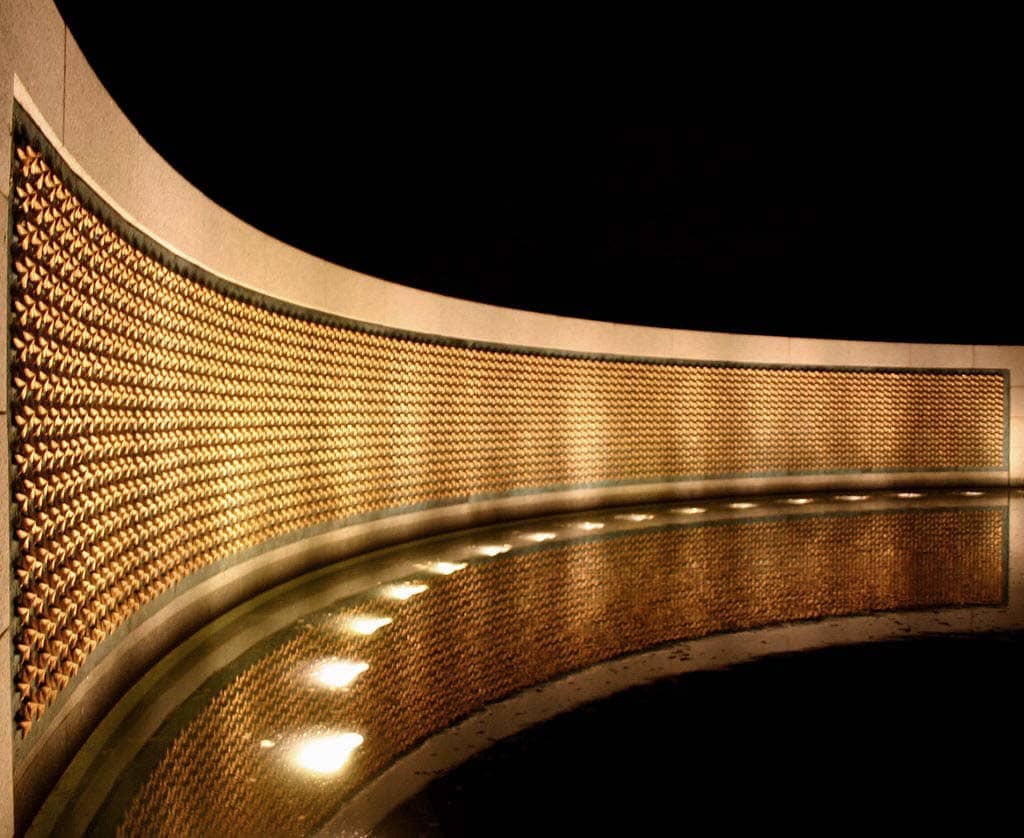
The Field of Stars
West end
4,048 gold stars, each representing 100 Americans lost, create a poignant reminder of the human cost.
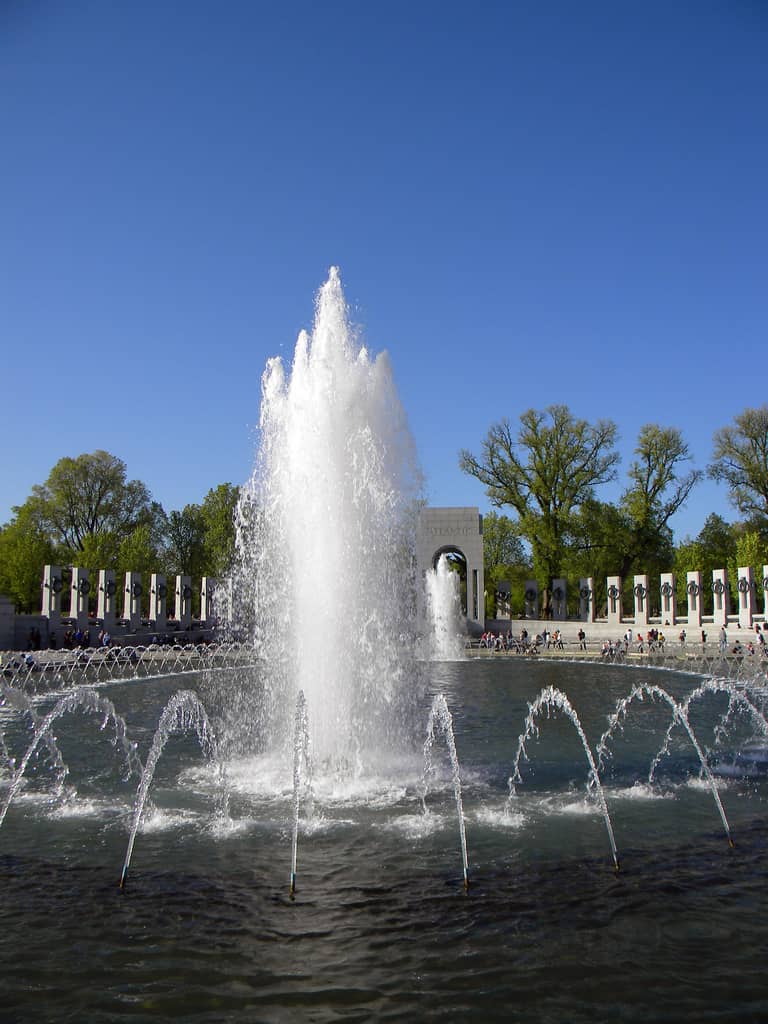
Central Fountain
Center of the memorial
A tranquil fountain offers a peaceful spot for reflection amidst the grandeur of the memorial.
Plans like a pro.
Thinks like you
Planning Your Visit
Timing Your Visit for Reflection
Understanding the Symbolism
Best Times
Insider Tips
from TikTok, Instagram & Reddit
Allow ample reflection time
Don't rush! Give yourself at least 30 minutes to truly absorb the memorial's impact.
Look for hidden details
Seek out the 'Kilroy Was Here' markings for a fun, historical surprise.
Best activities and add-ons to World War 2 museum
Hi folks, planning our trip to Nola and trying to hash out the details of our visit to the WW2 Museum. Traveling with my parents who are planning a visit to the D-Day beaches of Normandy next year, and my spouse is a big war/military/history fan, so planning to dig deep.…
Consider a guided tour
Gain deeper insights into the memorial's symbolism and history.
Visit during golden hour
The light is magical for photos and adds to the serene atmosphere.

Convince me to go to WWII museum.
My partner (41m) and I (37f) are going to new orleans Jan 30th- Feb 3rd from Toronto. Outside of amazing food, bars and jazz some activities we have planned are a ghost walk, sazerac house, pharmacy museum, garden district, maybe a cemetery and city park, a parade. The one…
Tips
from all over the internet
Allow ample reflection time
Don't rush! Give yourself at least 30 minutes to truly absorb the memorial's impact.
Look for hidden details
Seek out the 'Kilroy Was Here' markings for a fun, historical surprise.
Consider a guided tour
Gain deeper insights into the memorial's symbolism and history.
Visit during golden hour
The light is magical for photos and adds to the serene atmosphere.
Feet in the water
Dip your feet in the central fountain for a moment of peace.
What Travellers Say
Reviews Summary
Visitors consistently praise the World War II Memorial for its powerful symbolism, beautiful design, and serene atmosphere, making it a deeply moving tribute. Many appreciate the opportunity for quiet reflection and the educational value of understanding the sacrifices made. Some note that it can get crowded, and suggest visiting during off-peak hours for a more personal experience.
"World War II Memorial is a beautiful large stone plaza designed to honor the millions of Americans who served in World War II and contributed on the home front.
This Memorial is well laid out. It has a great touch of history and emotion. Everything here is symbolic. The plaza forms a ring of columns representing the U.S. states and territories, joined together by a bronze cord symbolizing their united effort.
The World War II Memorial has two victory pavilions, representing the Atlantic and Pacific theaters where the war was fought. It also houses massive bronze sculptures of eagles laying laurel wreaths above a representation of the Victory Medal. The west side of the memorial, has 4,048 gold stars each represent 100 American servicemen who died during the WWII.
The central fountain offer a sense of peace, reflection and relaxation for all who visit. It’s a place to calm the soul. Being able to sit with your feet in the water while ducks swim around is incredibly tranquil.
World War II Memorial is one of the best places to visit anytime you’re in Washington, DC. It helps you to appreciate the sacrifices of the servicemen and serves as a beacon of hope."
Daniel Gyasi
"The World War II Memorial is truly powerful and beautifully designed. I loved seeing all the state pillars—especially Nebraska—and how the whole space is laid out with incredible symmetry. The water features add a peaceful atmosphere that really makes you stop and reflect. And don’t miss the hidden Kilroy Was Here markings—it’s a fun little detail tucked into such a meaningful place."
Tyler Bundy
"Beautiful, very large memorial. I suggest stopping here on a guided tour as you get a lot of information about the memorial itself and all the things incorporated into it. Lovely place to spend some time. Fountains, flowers, a refecting pool with a few families of ducks swimming! Could have spent more time here but was on a tour. I would allow at least 30 minutes."
Sonja Amundson
What People Like
What People Dislike
Frequently Asked Questions
🚇 🗺️ Getting There
The World War II Memorial is located on the National Mall in Washington, D.C. It's easily accessible by Metro (Smithsonian or Federal Triangle stations are closest) or by bus. Many visitors also walk from other National Mall attractions.
Limited metered street parking is available on nearby streets, but it fills up quickly. It's often easier to use public transportation or ride-sharing services.
Yes, biking is a great option! There are bike racks available, and it's a scenic way to arrive on the National Mall.
Absolutely. The memorial is designed with accessibility in mind, featuring paved paths and ramps throughout.
It's perfectly situated on the National Mall, making it easy to combine with visits to the Lincoln Memorial, Washington Monument, and other nearby attractions.
🎫 🎫 Tickets & Entry
No, admission to the World War II Memorial is completely free. You can visit anytime during park hours.
The memorial is open 24 hours a day, seven days a week, though ranger programs may have specific times.
There is no entrance fee. The memorial is a public space managed by the National Park Service.
Yes, the memorial is open 24/7 and is beautifully illuminated at night, offering a different, serene experience.
As a national memorial, respectful behavior is expected. Large groups may need to coordinate with the National Park Service.
🎫 🧭 Onsite Experience
Most visitors spend about 30 minutes to an hour to appreciate the scale and symbolism. Some may wish to linger longer for quiet reflection.
Many find the 4,048 gold stars, each representing 100 lives lost, to be the most poignant and symbolic element.
Restrooms are available nearby on the National Mall, typically within walking distance.
Yes, photography is allowed and encouraged. The memorial offers many stunning photographic opportunities, especially during sunrise and sunset.
It's a small, hidden graffiti figure from WWII that has been incorporated into the memorial as a nod to the soldiers' camaraderie and spirit.
📸 📸 Photography
Early morning and late afternoon offer the best light for photography, with fewer crowds. The memorial is also stunning when illuminated at night.
The central fountain with the arches in the background, the rows of state pillars, and the Field of Stars are all highly photogenic.
Tripods are generally permitted for personal photography, but check with the National Park Service for any specific regulations, especially for commercial shoots.
Capture the grand scale with wide-angle shots, focus on the details of the pillars and stars, and try to include the reflecting pool for symmetry.
While personal photography is welcome, drones are prohibited, and commercial photography may require permits.
![Franklin Delano Roosevelt Memorial - Aerial view of Washington, D.C., showing the FDR Memorial in the foreground at Cherry Blossom Festival time. Color transparency by Carol M. Highsmith, [between 1980 and 2006]. Library of Congress Prints & Photographs Division. https://www.loc.gov/resource/highsm.14351/](/_next/image?url=https%3A%2F%2Fimages.unsplash.com%2Fphoto-1585128993280-9456c19c987d%3Fcrop%3Dentropy%26cs%3Dtinysrgb%26fit%3Dmax%26fm%3Djpg%26ixid%3DM3w3ODc2Nzh8MHwxfHNlYXJjaHwxfHxGcmFua2xpbiUyMERlbGFubyUyMFJvb3NldmVsdCUyME1lbW9yaWFsfGVufDB8MHx8fDE3NTg1MzExMjF8MA%26ixlib%3Drb-4.1.0%26q%3D80%26w%3D1080&w=2048&q=75)


Social
from TikTok, Instagram & Reddit