
Danish West India and Guinea Company Warehouse
A robust stone testament to colonial trade, this historic warehouse offers a tangible connection to the Danish West Indies' past.

Highlights
Must-see attractions

Social
From TikTok & Reddit
Best Time
Fewer crowds, peaceful exploration
Danish West India and Guinea Company Warehouse
Best Time
Fewer crowds, peaceful exploration
Highlights
Must-see attractions
A robust stone testament to colonial trade, this historic warehouse offers a tangible connection to the Danish West Indies' past.

Wear Comfortable Shoes
Cobblestone paths and uneven floors are common. :athletic_shoe: Explore with ease!
Check Local Events
Sometimes historical reenactments or special exhibits are held here. 📅

Quick Facts
Type
Historical Landmark
Highlights
Discover the most iconic attractions and experiences
Historic Architecture
Admire the robust stone structure, a testament to colonial-era trade and architecture.

Colonial History
Imagine the bustling trade of goods and the stories held within these ancient walls.
Plans like a pro.
Thinks like you
Planning Your Visit
Plan Your Visit
Getting Around
Best Times
Insider Tips
from TikTok, Instagram & Reddit
Wear Comfortable Shoes
Cobblestone paths and uneven floors are common. :athletic_shoe: Explore with ease!
Check Local Events
Sometimes historical reenactments or special exhibits are held here. 📅
Bring a Camera
Capture the unique textures and historical ambiance of the warehouse. :camerawithflash:
Tips
from all over the internet
Wear Comfortable Shoes
Cobblestone paths and uneven floors are common. :athletic_shoe: Explore with ease!
Check Local Events
Sometimes historical reenactments or special exhibits are held here. 📅
Bring a Camera
Capture the unique textures and historical ambiance of the warehouse. :camerawithflash:
What Travellers Say
Reviews Summary
Visitors often appreciate the historical significance and robust architecture of the Danish West India and Guinea Company Warehouse, seeing it as a tangible link to the past. Its presence in historic districts adds to the charm of exploring colonial heritage. Some visitors note that access to the interior may be limited, and information about its specific historical context could be more readily available.
What People Like
What People Dislike
Frequently Asked Questions
🚇 🗺️ Getting There
The warehouse is typically located in a historic town center. If you're in Charlotte Amalie, St. Thomas, it's often accessible by walking from cruise ship ports or downtown areas. Public buses are also an option for reaching the historic district.
Parking can be challenging in historic districts. Look for designated public parking lots or garages nearby. Arriving early or using public transport is often recommended.
🎫 🎫 Tickets & Entry
Entry to the exterior and grounds of many historic warehouses is often free. However, if there are specific exhibitions or guided tours inside, there might be an admission fee. It's best to check with local tourism boards or the site itself.
Opening hours can vary, especially for the interior if it's accessible. Generally, historic sites are open during daylight hours on weekdays. Always confirm current hours before your visit.
🎫 🧭 Onsite Experience
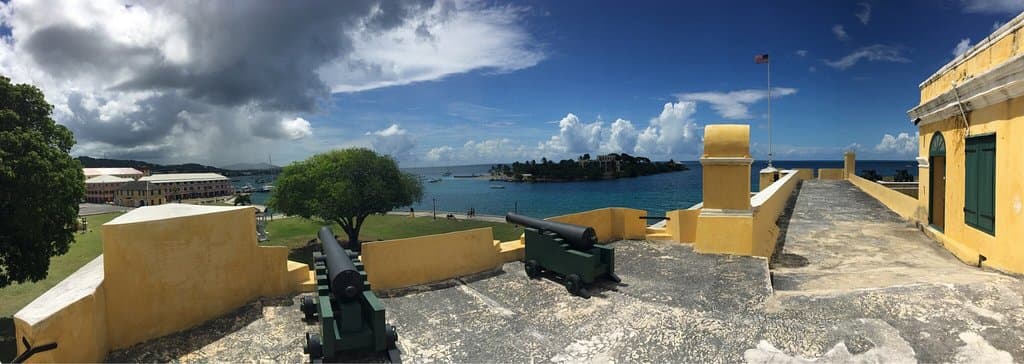
You can explore the impressive stone architecture, learn about its history as a hub for trade during the Danish colonial period, and imagine the goods that were once stored here. The surrounding area often offers a glimpse into colonial town planning.
Historic sites can present challenges. While the exterior might be accessible, uneven ground and stairs inside could be an issue. It's advisable to contact the site directly for specific accessibility information.
Photography is usually permitted for personal use, but check for any restrictions, especially if there are ongoing exhibits or if it's a private tour. :camerawithflash:
🍽️ 🍽️ Food & Dining
Typically, historic warehouses are preserved structures and do not house dining facilities. However, the surrounding historic districts usually have numerous restaurants, cafes, and bars offering local and international cuisine.
📸 📸 Photography
Early morning or late afternoon offers the best natural light for photography, creating dramatic shadows and highlighting the stone textures. Golden hour can be particularly stunning. :camerawithflash:
Expect to capture the robust, weathered stone architecture, details of the construction, and the overall historical atmosphere. It's a great spot for architectural and historical photography.



Social
from TikTok, Instagram & Reddit