Chashma Ayub Mausoleum
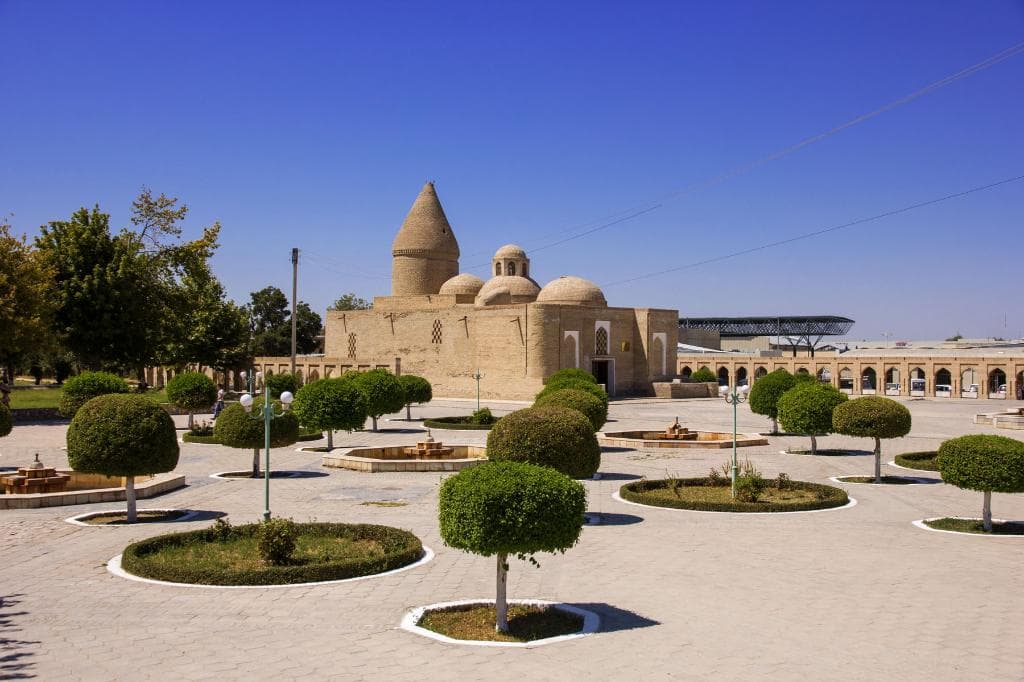
Mausoleum of Prophet Job, featuring a legendary healing spring and unique tent-shaped dome, plus a Water Museum.
Highlights
Must-see attractions

Social
From TikTok & Reddit
Best Time
Fewer crowds, cooler temperatures
Chashma Ayub Mausoleum
Best Time
Fewer crowds, cooler temperatures
Highlights
Must-see attractions
Mausoleum of Prophet Job, featuring a legendary healing spring and unique tent-shaped dome, plus a Water Museum.
"A place of legend, where Prophet Job's well offers a glimpse into history and healing."
💧 Drink from the Spring?
While legend speaks of healing water, it's best to observe rather than drink. The spring is a sacred site.
🚶♀️ Walk from Samanid Mausoleum
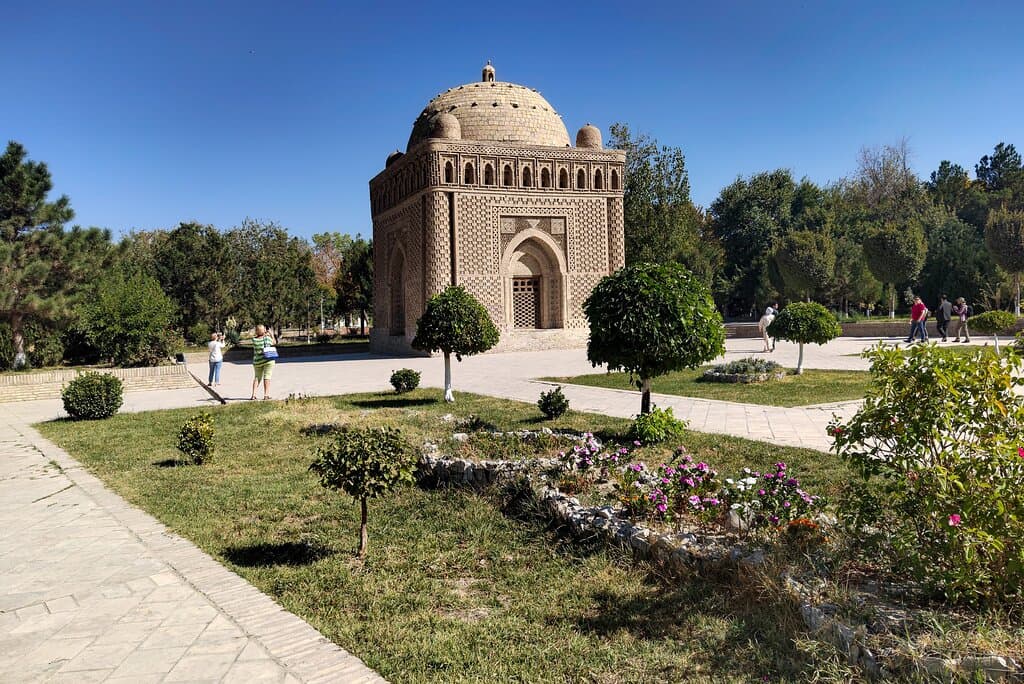
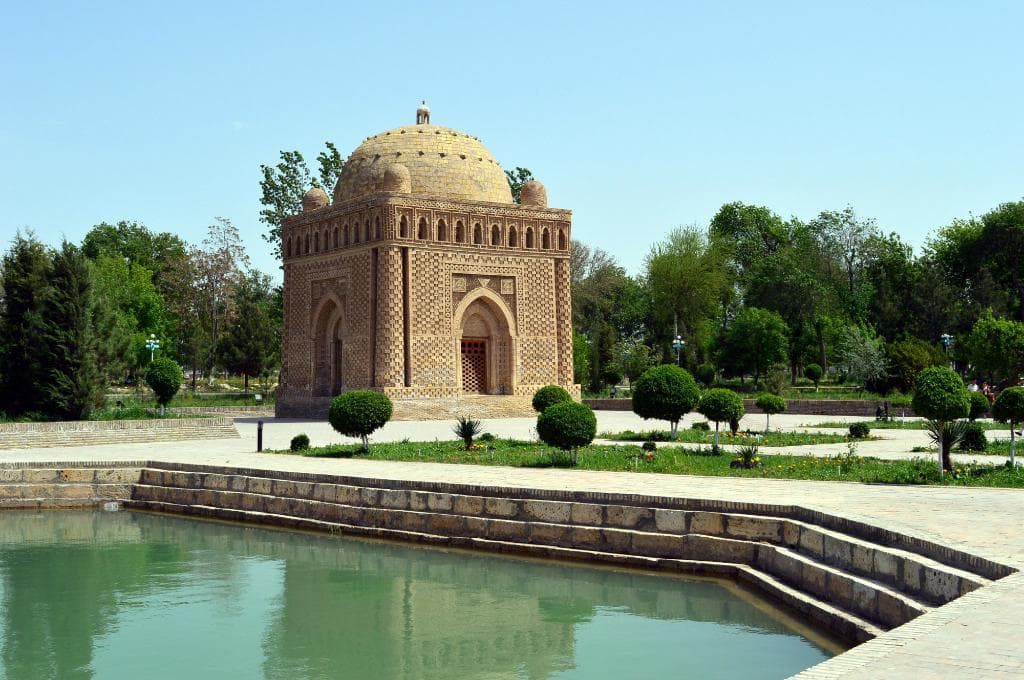
It's just a short walk from the Samanid Mausoleum, making it easy to visit both together.
Quick Facts
Hours
Rating
4.4 · 329 reviews
Type
Place of Worship
Highlights
Discover the most iconic attractions and experiences
The Healing Spring
Main chamber
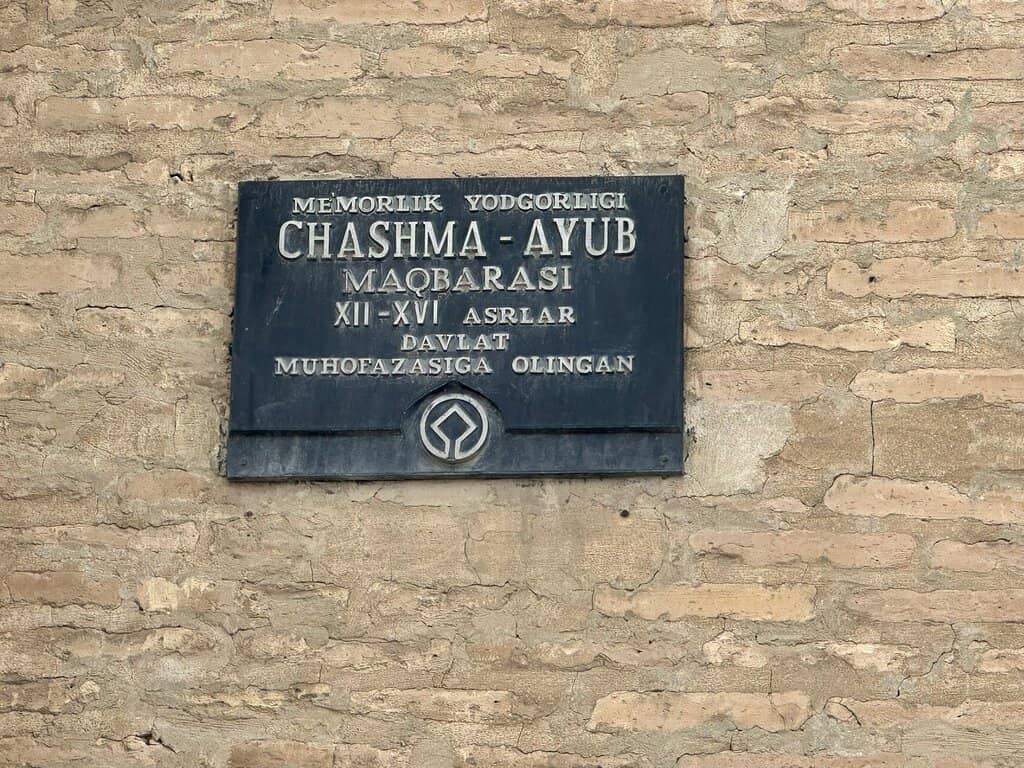
Legend says Prophet Job created this well. Locals believe its water has curative properties, a symbol of hope and healing.
Unique Tent-Shaped Dome
Main chamber
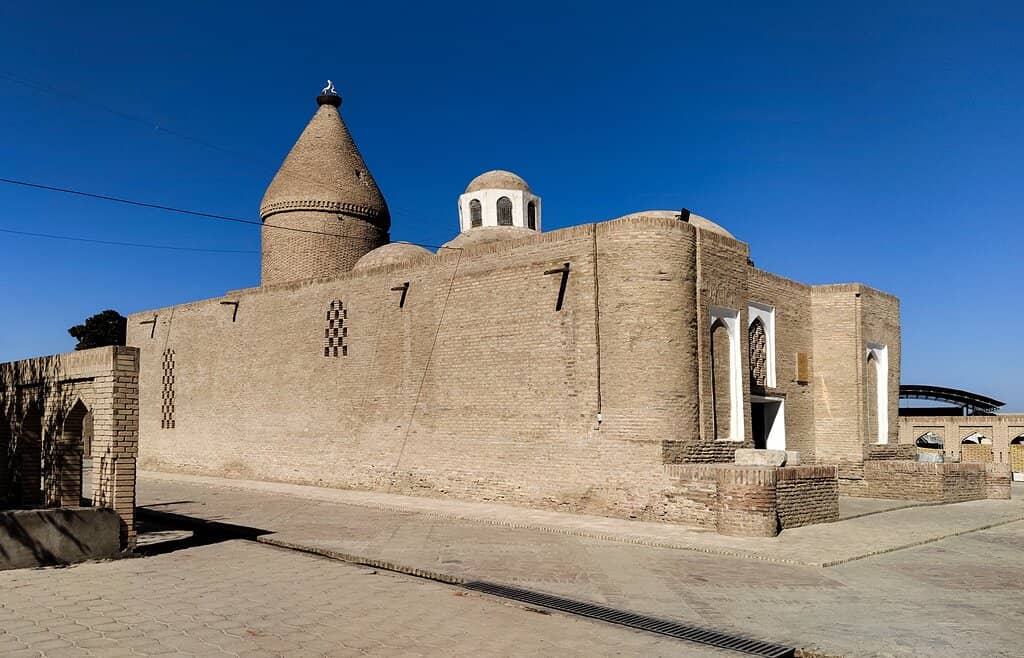
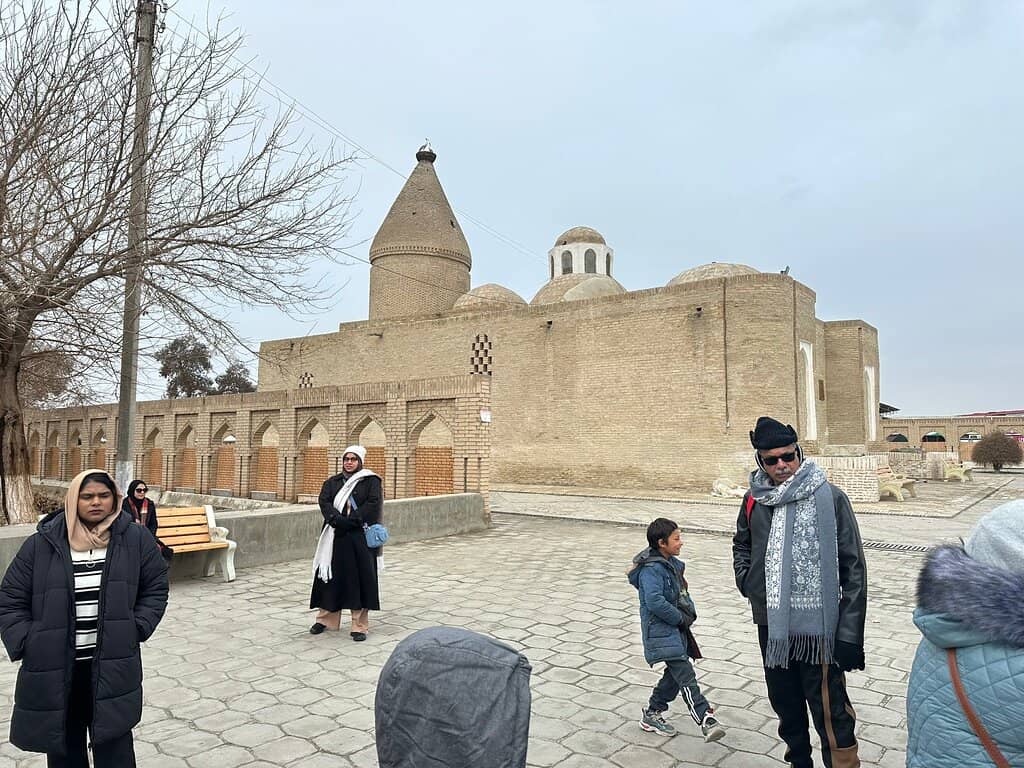
A distinctive architectural feature, this double dome is unusual for Bukhara, showcasing a blend of Khorezmian and local styles.
Water Museum
Inside the mausoleum
Discover the history of irrigation and water management in Bukhara, offering insights into the region's vital relationship with water.
Plans like a pro.
Thinks like you
Planning Your Visit
Understand the Legends
Combine with Nearby Sites
Best Times
Insider Tips
from TikTok, Instagram & Reddit
💧 Drink from the Spring?
While legend speaks of healing water, it's best to observe rather than drink. The spring is a sacred site.
🚶♀️ Walk from Samanid Mausoleum
It's just a short walk from the Samanid Mausoleum, making it easy to visit both together. 
📸 Capture the Architecture
The unique dome and intricate details offer great photo opportunities.
🕰️ Explore the Water Museum
Don't miss the small museum inside detailing Bukhara's water history.
Tips
from all over the internet
💧 Drink from the Spring?
While legend speaks of healing water, it's best to observe rather than drink. The spring is a sacred site.
🚶♀️ Walk from Samanid Mausoleum
It's just a short walk from the Samanid Mausoleum, making it easy to visit both together.
📸 Capture the Architecture
The unique dome and intricate details offer great photo opportunities.
🕰️ Explore the Water Museum
Don't miss the small museum inside detailing Bukhara's water history.
What Travellers Say
Reviews Summary
Visitors find the Chashma Ayub Mausoleum a historically significant and spiritually resonant site, particularly drawn to the legend of Prophet Job's healing spring and the unique architecture. The integrated Water Museum offers an unexpected educational element, though some note the spring itself may not be actively flowing or accessible for drinking.
"Chashma-Ayub - The Spring of Holy Ayub.
The Mausoleum of Chashma-Ayub is a historic religious site located in the center of Bukhara. It consists of a mausoleum and a sacred spring.
The structure was originally built in the 12th century during the rule of the Karakhanids (also spelled Qarakhanids). In the 14th century, Tamerlane brought master craftsmen from Khorezm to expand and enhance the building.
The mausoleum is named after the Prophet Ayyub—known as Job in the Bible. According to legend, during a period of severe drought, the people of Bukhara prayed to Allah for relief. Their prayers were answered when Prophet Ayyub passed through the area. He struck the ground with his staff, and a spring of clear, healing water emerged. The grateful residents named it Chashma-Ayub, meaning “Spring of Holy Job.” To this day, locals believe the water has curative properties.
The mausoleum, built directly above the spring, features domes of various sizes. The main chamber is topped with a distinctive tent-shaped double dome, a style uncommon in Bukhara. The smaller chambers, with their subdued lighting, add a mystical atmosphere.
Today, the site houses a Water Museum and Carpet Exhibition, showcasing the history of irrigation and water management in the Bukhara region."
Lefteris Stamatelatos
"This mausoleum is situated near Samani Park. According to legend, the water from the well can heal sickness. We tried to turn the tap but there was no water there. It's also a mini museum as well informing us of the history of water supply of Bukhara. Quite near to the market too."
Noorzidah M N
"In the northeast corner of the Samonids Recreation Park is the Chashmai-Ayyub ("Job's Well") Mausoleum. According to legend, the prophet Job (Arabic: Ayyub) visited Bukhara during a time of great drought and wanted to help the local people. He struck the ground with his staff and a spring of cool water immediately sprang up. The clear, pure water is still considered to have healing properties. The Chashmai-Ayyub is also a mausoleum, and is said to house the tomb of Job. However, there are five other sites that claim to have Job's tomb there. There are actually several tombs in the building, the oldest of which is the tomb of theologian Khwaja Hafiz Gunjari from 1022. The mausoleum is a mixture of styles, having been built in three phases. The first phase of construction dates back to the 12th century when the Karakhanid ruler Arslan Khan ordered the construction of the section with the conical dome. In 1380, during the time of Amir Timur (Tamerlane), a first expansion followed and the last construction phase took place in the 16th century, when the Shaybanid Khan Abdullaxon II had the mausoleum thoroughly renovated and expanded. Today, in addition to tombs and the spring, the building very appropriately houses a small water museum. An interesting piece of (Biblical) history."
Koen
What People Like
What People Dislike
Frequently Asked Questions
🚇 🗺️ Getting There
Chashma Ayub Mausoleum is located in the old city of Bukhara, near the Samanid Mausoleum. It's easily accessible by taxi or on foot if you're exploring the historic center. Many guided tours of Bukhara include this site.
Yes, it's very walkable from the Samanid Mausoleum and other key sites in the old city. It's a great addition to a walking tour of Bukhara's historical heart.
🎫 🎫 Tickets & Entry
Typically, there is a small entrance fee to visit the mausoleum and its museum. It's advisable to check current prices upon arrival.
Opening hours can vary, but it's generally open during daylight hours. It's best to confirm the exact times before your visit, especially during local holidays.
The Water Museum is part of the mausoleum complex, so the admission fee usually covers both.
🎫 🧭 Onsite Experience
It's named after Prophet Job (Ayub), who legend says struck the ground here, creating a spring of healing water. It's a site of spiritual importance and a testament to Bukhara's history.
While the water is believed to have healing properties, it's generally not recommended to drink it. It's a sacred site, and observing its significance is key.
Inside, you'll find the sacred spring, tombs, and a Water Museum showcasing the history of water supply in Bukhara. The unique tent-shaped dome is also a highlight.
Yes, the unique architecture, especially the dome, and the historical ambiance make it a great spot for photography.
🍽️ 🍽️ Food & Dining
Yes, the mausoleum is located in the historic center of Bukhara, which has many restaurants and cafes offering local cuisine. You're close to the market area as well.
📸 📸 Photography
Focus on the distinctive tent-shaped dome, the interior of the mausoleum, and any interesting architectural details. The late afternoon light can be particularly beautiful.
Photography rules can vary. It's best to check for any signage or ask a staff member before taking pictures inside the museum exhibits.
Social
from TikTok, Instagram & Reddit