Observatorio Llano del Hato Venezuela
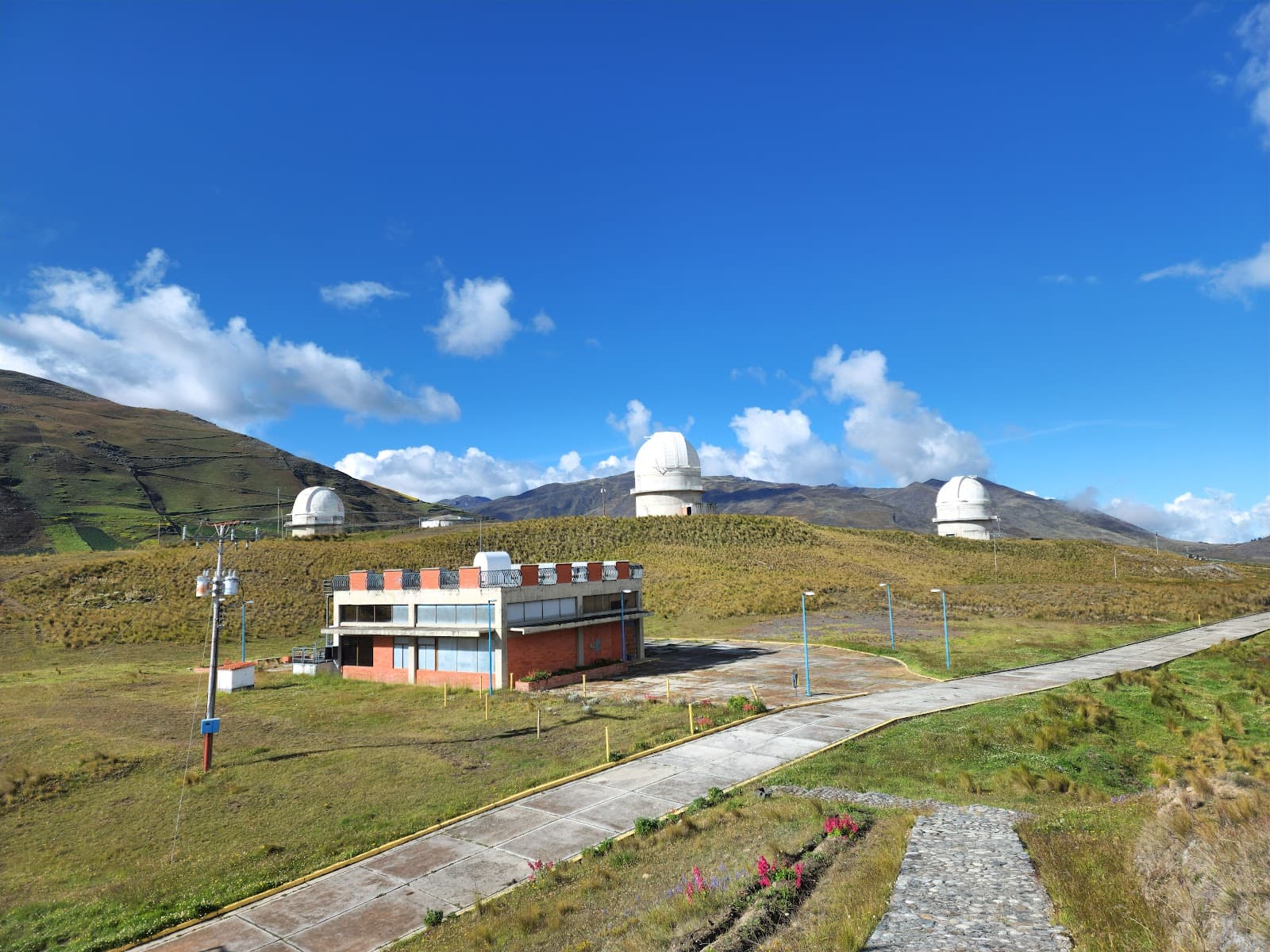
Venezuela's premier astronomical observatory at 3600m, offering incredible stargazing and a glimpse into cosmic wonders.
Highlights
Must-see attractions

Social
From TikTok & Reddit
Best Time
Best for stargazing
Observatorio Llano del Hato Venezuela
Best Time
Best for stargazing
Highlights
Must-see attractions
Venezuela's premier astronomical observatory at 3600m, offering incredible stargazing and a glimpse into cosmic wonders.
"Spectacular, wonderful! Beautiful, one of the best hikes we've ever taken."

🧥 Pack Warm Layers
It's cold at 3600m! Bring a jacket, hat, and gloves.
🚗 Drive Carefully
Access road is narrow and uneven. Be cautious, especially at night or in fog.

Quick Facts
Hours
Rating
4.6 · 273 reviews
Highlights
Discover the most iconic attractions and experiences
The Grand Telescopes
Observatory Domes
Witness the power of Venezuela's largest astronomical complex, housing advanced telescopes for celestial observation.
Museum of Astronomy and Space Science (MACE)
Main Building
Explore fascinating exhibits on astronomy and space science, offering an educational journey for all ages.

Stargazing Experience
Observatory Grounds
Marvel at the clear, dark skies, perfect for observing stars, planets, and other celestial wonders.
Solar Clock
Observatory Grounds
Learn about timekeeping through the sun with this unique and educational astronomical instrument.
Plans like a pro.
Thinks like you
Planning Your Visit
Altitude and Weather Preparedness
Optimal Visiting Hours and Booking
Best Times
Insider Tips
from TikTok, Instagram & Reddit
🧥 Pack Warm Layers
It's cold at 3600m! Bring a jacket, hat, and gloves.
🚗 Drive Carefully
Access road is narrow and uneven. Be cautious, especially at night or in fog.
⏰ Arrive Before 7 PM
Ensure entry for evening viewing as no one else can get in after this time.
✨ Clear Skies are Key
Visit when the sky is clear for the best astronomical observations.
Tips
from all over the internet
🧥 Pack Warm Layers
It's cold at 3600m! Bring a jacket, hat, and gloves.
🚗 Drive Carefully
Access road is narrow and uneven. Be cautious, especially at night or in fog.
⏰ Arrive Before 7 PM
Ensure entry for evening viewing as no one else can get in after this time.
✨ Clear Skies are Key
Visit when the sky is clear for the best astronomical observations.
🏨 Consider an Overnight Stay
The observatory now has rooms available for a unique experience.
What Travellers Say
Reviews Summary
Visitors consistently praise the Observatorio Llano del Hato for its spectacular stargazing opportunities and the breathtaking beauty of its high-altitude location. The well-maintained facilities, friendly and knowledgeable staff, and the impressive astronomical equipment contribute to a highly recommended experience. Some minor drawbacks include the challenging access road and the cold weather, which visitors advise preparing for.
"Bellisimo"
Maria Gabriela Pacheco
"Incredible! They're open Thursday through Saturday after 3 p.m. Tickets cost $8, and after 7 p.m., no one else can get in. It's best to go when the sky is clear."
Sergio Gimenez
"A very good experience. Highly trained, attentive, and friendly staff. Clean facilities with good services. They already have rooms for those who want to stay. The road is narrow and uneven. I would only improve signage when leaving at night or when the facilities are foggy. Even within the complex, you can easily take the wrong path. Otherwise, it was a spectacular experience. Bring warm clothing."
Sagid Enrique Rodríguez Hernández
What People Like
What People Dislike
Frequently Asked Questions
🚇 🗺️ Getting There
The observatory is located in the Llano del Hato sector, near Apartaderos in Mérida state. The access road is described as narrow and uneven, requiring careful driving, especially at night or in foggy conditions. Many visitors recommend it as a must-see when visiting Mérida.
Yes, the access road is noted as being narrow and uneven. Visitors suggest driving cautiously, particularly if arriving at night or during foggy weather, which is common in the high-altitude páramo region.
Information on public transport directly to the observatory is limited. It's generally recommended to travel by private vehicle or arrange transport through local tour operators in Mérida. Some tours may include transport as part of their package.
The observatory is situated at a significant altitude of 3600 meters above sea level (m.s.n.m.).
Yes, the observatory now houses an inn and offers rooms for overnight stays, which is highly recommended by visitors for a more immersive experience.
🎫 🎫 Tickets & Entry
The observatory is typically open Thursday through Saturday, starting after 3 p.m.. For evening stargazing, it's advised to arrive before 7 p.m., as no further visitors are admitted after that time.
Admission to the observatory costs $8.+1 This fee grants access to the facilities and potentially guided tours or stargazing sessions.
While not explicitly stated, it's advisable to check for any booking requirements, especially for evening sessions, as entry is limited after 7 p.m.. Contacting the observatory directly or through local tour providers is recommended.
Evening hours, particularly after sunset, are ideal for stargazing due to the darker skies. Aim to arrive before 7 p.m. to make the most of the celestial viewing opportunities.
No specific age restrictions are mentioned for general entry. However, the high altitude might require consideration for very young children or individuals with respiratory issues. The museum and stargazing activities are generally suitable for all ages.
🎫 🔭 Onsite Experience
Visitors can explore the Museum of Astronomy and Space Science (MACE), learn about the functioning of the Solar Clock, and, most importantly, engage in incredible stargazing sessions with powerful telescopes.
Due to its high altitude, the weather is typically cold. Visitors are strongly advised to bring warm clothing, including jackets, hats, and gloves, as temperatures can be significantly lower than in the surrounding valleys.
Yes, guided tours are often available, led by expert professionals who can explain the museum exhibits and the functioning of the telescopes.
The facilities are described as clean and well-maintained, with good services. The complex includes the museum, telescopes, and recently remodeled installations. There are also rooms available for overnight stays.
Photography is generally permitted, and many visitors capture stunning images of the observatory and the night sky. However, it's always good practice to check for any specific restrictions, especially inside sensitive areas or during observation sessions.
🍽️ 🍽️ Food & Dining
While the observatory has facilities including rooms for overnight stays, specific details about on-site dining options are not widely available. It's recommended to bring snacks or plan to dine in nearby towns like Apartaderos or Mérida.
Bringing your own food and drinks is generally acceptable for personal consumption, especially given limited on-site dining. However, always be mindful of keeping the facilities clean and dispose of trash properly.
Apartaderos is a small town, and dining options might be limited. It's advisable to check local listings or ask at your accommodation for recommendations on places to eat.
If you are staying overnight in the observatory's accommodations, inquire about meal services. Some inns or guesthouses offer breakfast or dinner options for their guests.
Information on specific dietary options is scarce. If dining in nearby towns, it's best to inquire directly with restaurants about vegetarian or vegan choices.
📸 📸 Photography
The observatory itself, with its distinctive domes,
Yes, visitors can photograph the telescopes and the observatory's interior spaces. However, always be respectful of ongoing scientific work and ask for permission if unsure.
The high altitude and low light pollution make it an excellent location for astrophotography. However, the cold temperatures can be a challenge for photographers and equipment, so proper preparation is key.
For daytime, a versatile camera is sufficient. For astrophotography, a camera with good low-light performance, a sturdy tripod, and wide-angle lenses are recommended. Don't forget extra batteries, as cold drains them faster.
Specific regulations regarding drone usage are not detailed. It's always best to check with the observatory administration or local authorities before flying a drone to ensure compliance with any airspace restrictions.

Social
from TikTok, Instagram & Reddit