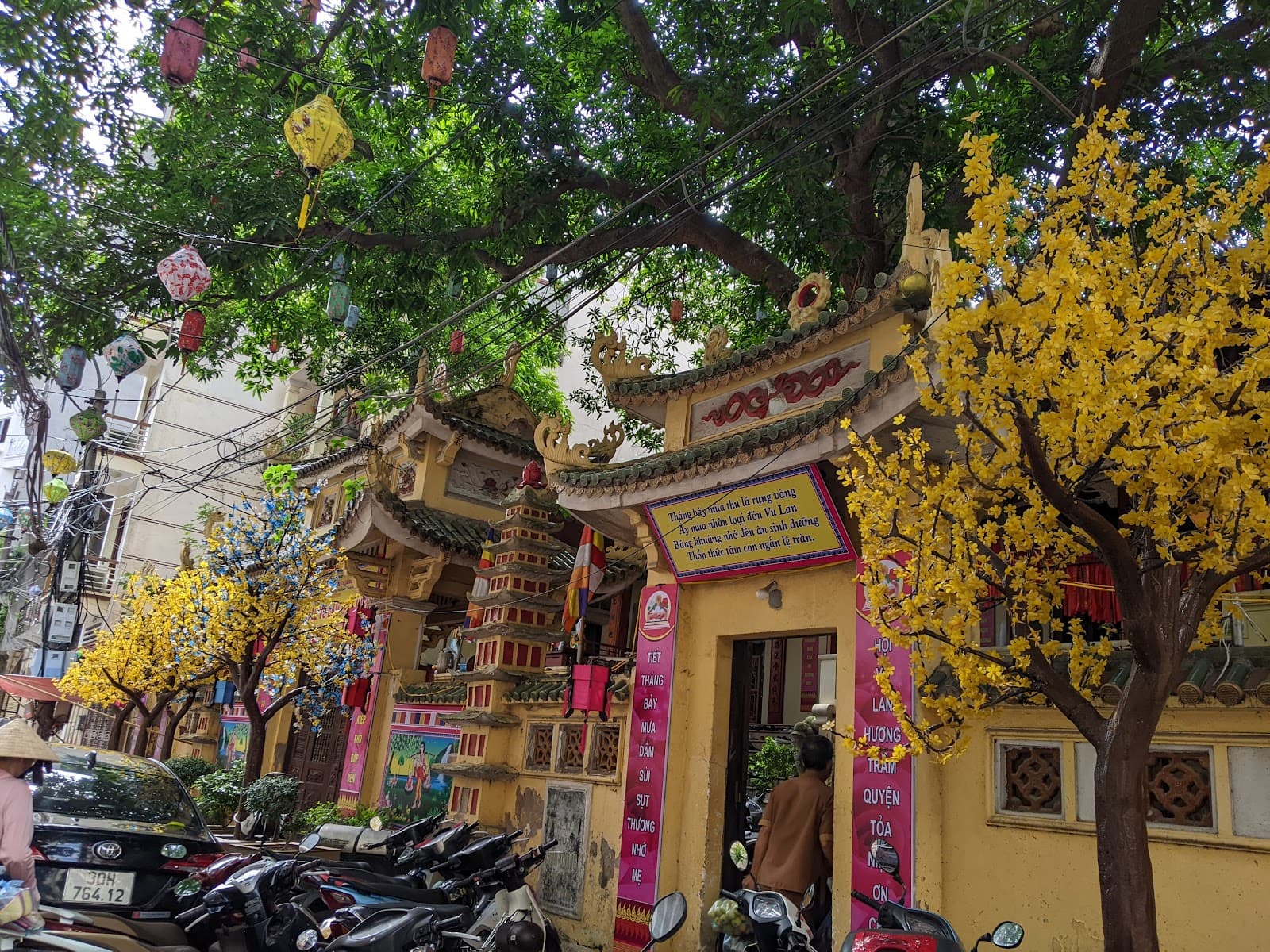
Chùa Ngũ Xã
A historic Hanoi pagoda renowned for Vietnam's largest bronze Buddha statue and its legacy of bronze casting.
Highlights
Must-see attractions

Social
From TikTok & Reddit
Best Time
Peaceful atmosphere
Chùa Ngũ Xã
Best Time
Peaceful atmosphere
Highlights
Must-see attractions
A historic Hanoi pagoda renowned for Vietnam's largest bronze Buddha statue and its legacy of bronze casting.
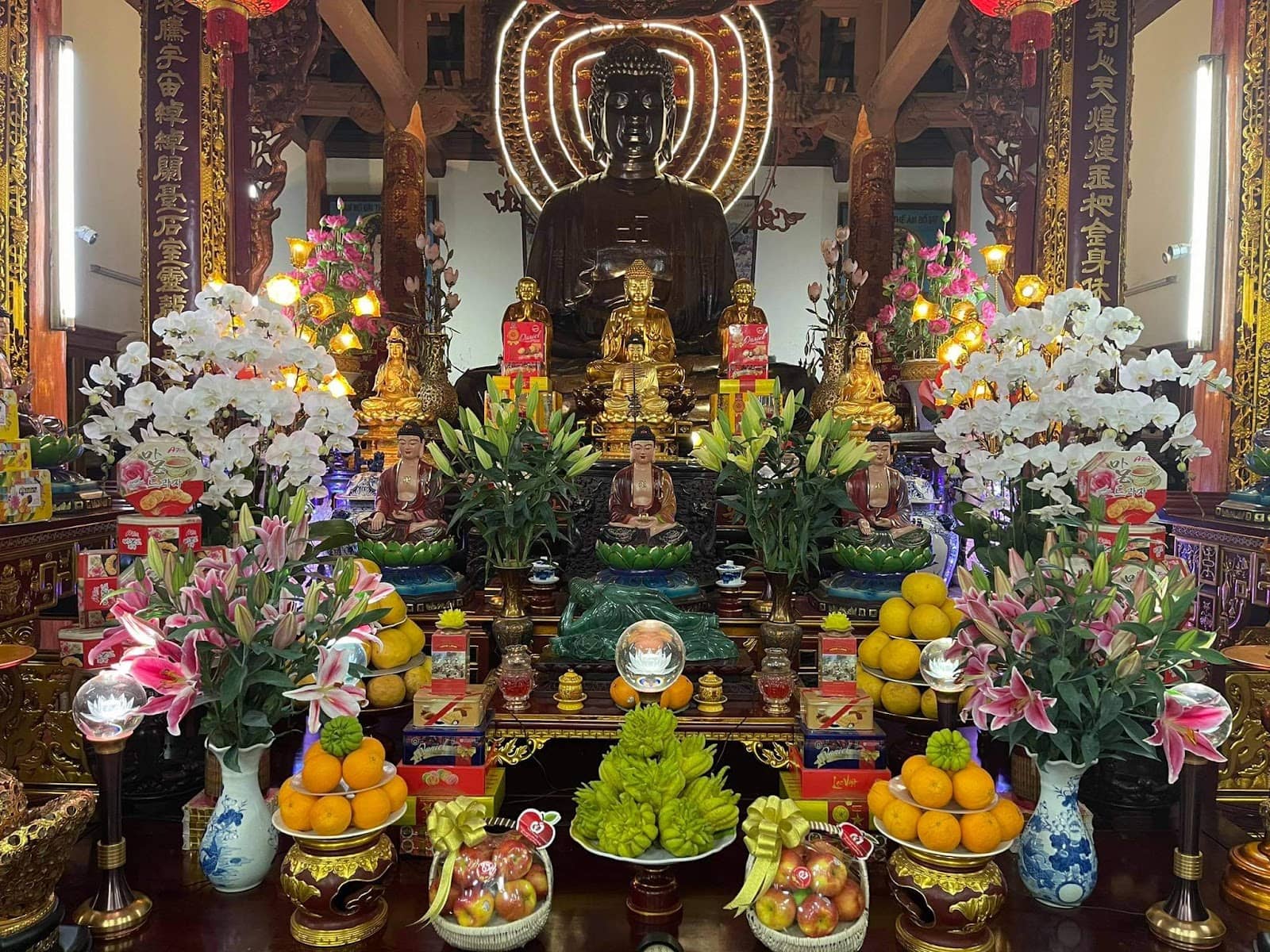
"Marvel at the largest bronze Buddha statue in Vietnam, a truly awe-inspiring sight."
Modest Dress Code
Cover shoulders & knees to show respect. 🙏 Essential for visiting this sacred site.
Quiet Exploration
Embrace the tranquility. Speak softly and move mindfully to preserve the peaceful ambiance. 👂
Quick Facts
Rating
4.7 · 61 reviews
Type
Place of Worship
Highlights
Discover the most iconic attractions and experiences
Giant Bronze Buddha
Main Hall
Marvel at the largest bronze Buddha statue in Vietnam, a truly awe-inspiring sight.
Historic Stone Steles
Pagoda Grounds
Discover ancient stone steles, some dating back to the early 20th century, offering a glimpse into history.
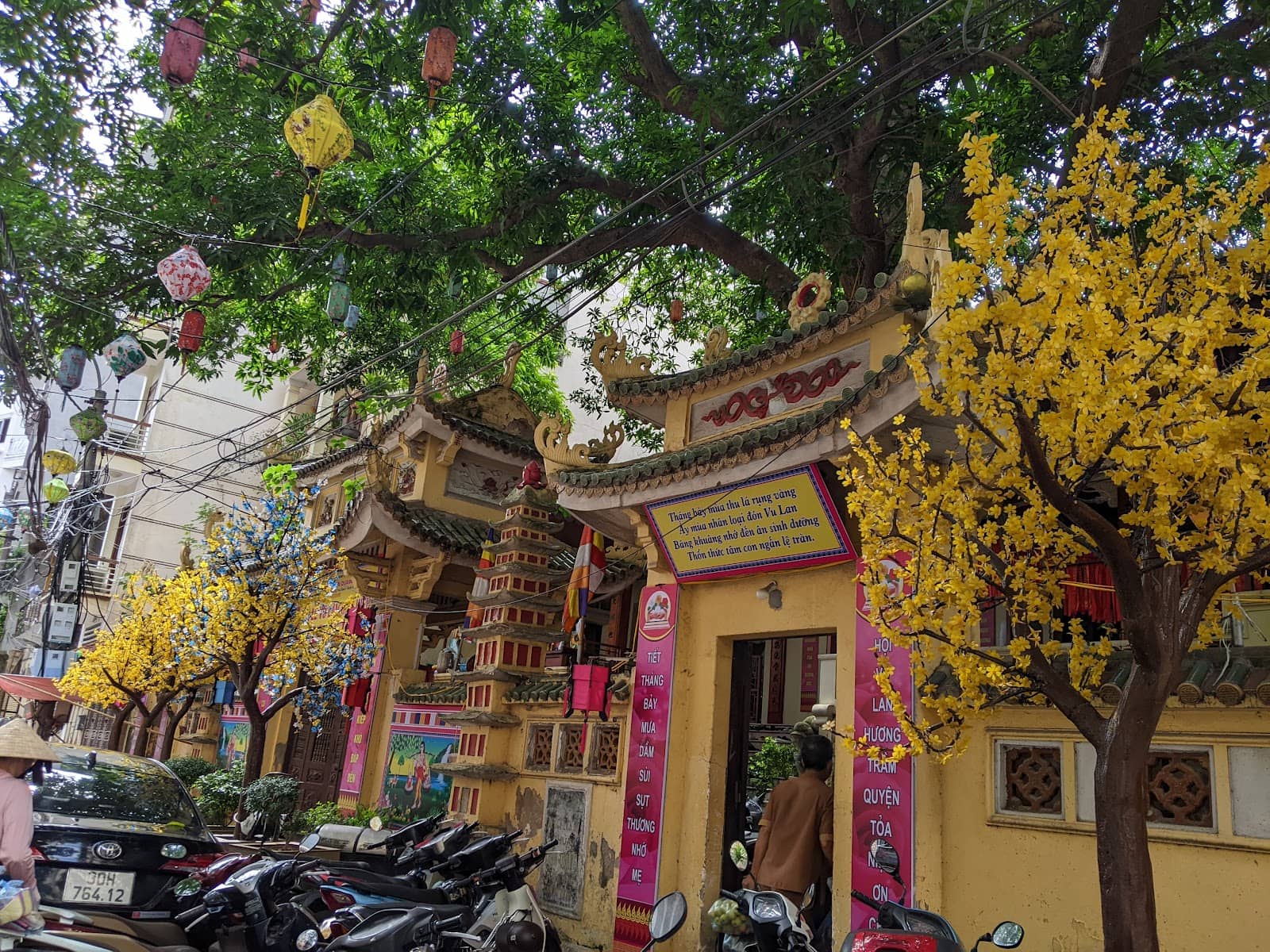
Zen Master Minh Khong Statue
Main Hall
Pay homage to Zen Master Minh Khong, legendary founder of bronze casting, whose statue is revered here.
Plans like a pro.
Thinks like you
Planning Your Visit
Timing Your Visit
Respectful Attire
Best Times
Insider Tips
from TikTok, Instagram & Reddit
Modest Dress Code
Cover shoulders & knees to show respect. 🙏 Essential for visiting this sacred site.
Quiet Exploration
Embrace the tranquility. Speak softly and move mindfully to preserve the peaceful ambiance. 👂
Photography Etiquette
Be discreet with photos, especially during prayer times. Ask permission if unsure. :camerawithflash:
Tips
from all over the internet
Modest Dress Code
Cover shoulders & knees to show respect. 🙏 Essential for visiting this sacred site.
Quiet Exploration
Embrace the tranquility. Speak softly and move mindfully to preserve the peaceful ambiance. 👂
Photography Etiquette
Be discreet with photos, especially during prayer times. Ask permission if unsure. :camerawithflash:
What Travellers Say
Reviews Summary
Visitors find Chùa Ngũ Xã to be a peaceful and historically significant temple, particularly noted for its impressive large bronze Buddha statue and ancient stone steles. While some reviews are brief, they generally convey a positive impression of the site's serene atmosphere and cultural value.
"Little temple near the lake."
Alexander Judt
"Ok"
Phái Phạm
"Nice"
Hau Thai Xuan
What People Like
What People Dislike
Frequently Asked Questions
🚇 🗺️ Getting There
Chùa Ngũ Xã is located at 44 Ngu Xa Street, Truc Bach Ward, Ba Dinh District, Hanoi. It's easily accessible by taxi or ride-sharing services from most parts of the city. For a more local experience, consider a Grab bike. The pagoda is situated near Truc Bach Lake, making it a pleasant destination to combine with a walk around the lake.
Parking for motorbikes is usually available on the street near the pagoda. If you're arriving by car, you might need to find a designated parking area a short walk away, as street parking can be limited in this area of Hanoi.
From the Old Quarter, a Grab car or taxi is the most convenient option, taking approximately 10-15 minutes depending on traffic. You can also take a local bus, but this requires more planning and knowledge of routes.
🎫 🎫 Tickets & Entry
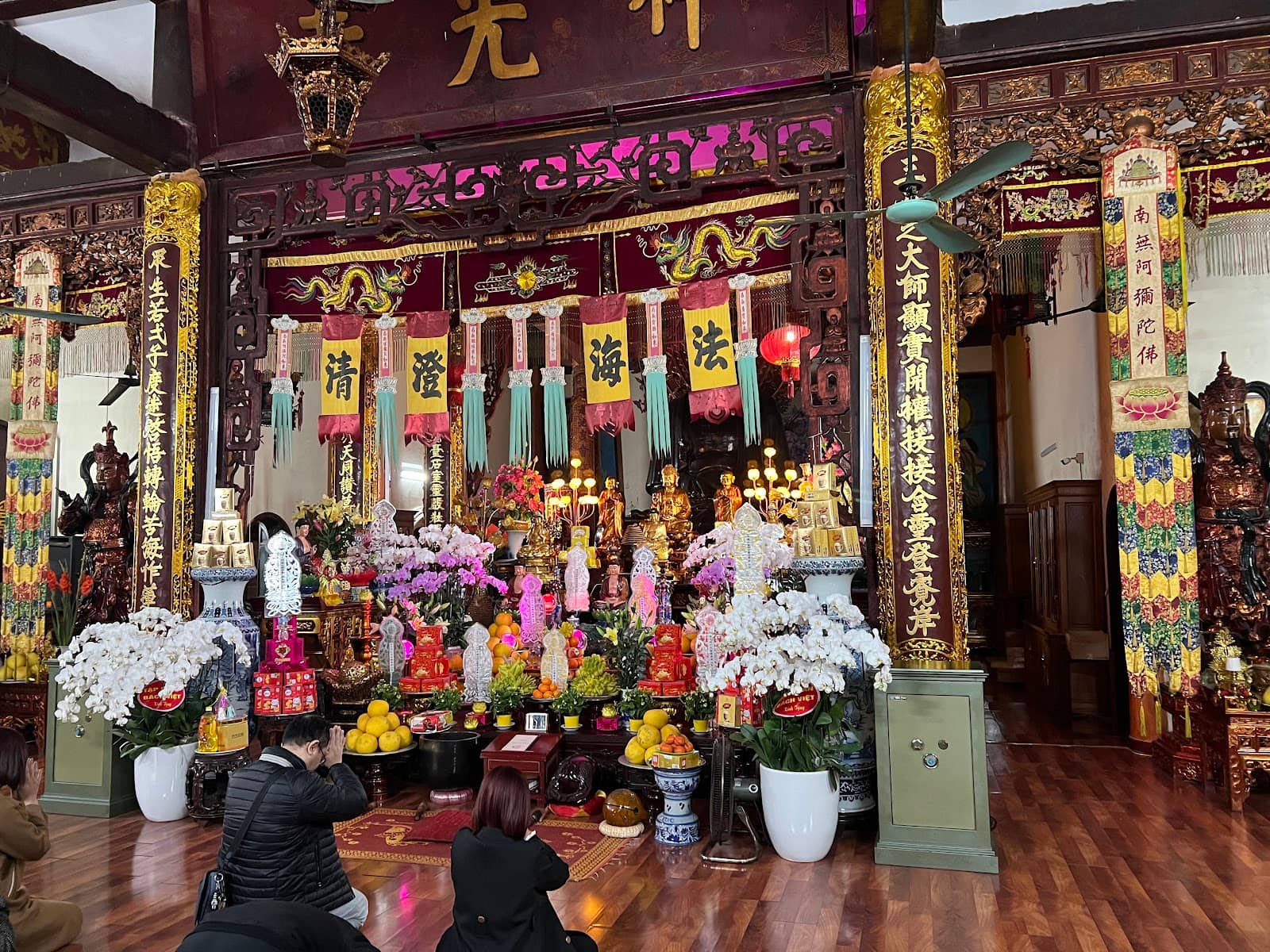
No, there is no admission fee to enter Chùa Ngũ Xã. It is a functioning temple, and visitors are welcome to explore its grounds and main hall respectfully.
While there are no strict official opening hours posted, temples in Vietnam typically open early in the morning and close in the late afternoon or early evening. It's best to visit during daylight hours, generally between 7 AM and 6 PM.
Donations are welcome and appreciated to help with the upkeep of the pagoda. There are usually designated donation boxes available for visitors who wish to contribute.
🎫 🧭 Onsite Experience
The most striking feature is undoubtedly the massive bronze statue of Amitabha Buddha in the main hall. It's noted as the largest bronze statue in Vietnam, standing 3.95m high and weighing 10 tons, a testament to the country's bronze casting heritage.
The pagoda preserves 16 stone steles erected between 1919 and 1947, offering historical inscriptions. You can also see a large bronze incense burner and two bronze lamps, all significant pieces of the temple's artistry.
Yes, Chùa Ngũ Xã offers opportunities for photography, particularly of the impressive Buddha statue and the architectural details. However, always be mindful and respectful, avoiding intrusive shots, especially during prayer times.
Zen Master Minh Khong is revered here as the legendary founder of bronze casting in Vietnam. The pagoda's impressive bronze works are a direct connection to his legacy.
🍽️ 🍽️ Food & Dining
Chùa Ngũ Xã is a place of worship and does not have food vendors or restaurants on its premises. However, the surrounding area near Truc Bach Lake offers numerous local eateries and cafes.
The streets around Truc Bach Lake are known for delicious Hanoi street food. You can find pho, bun cha, and various local snacks. Many cafes also offer Vietnamese coffee and light refreshments.
Social
from TikTok, Instagram & Reddit