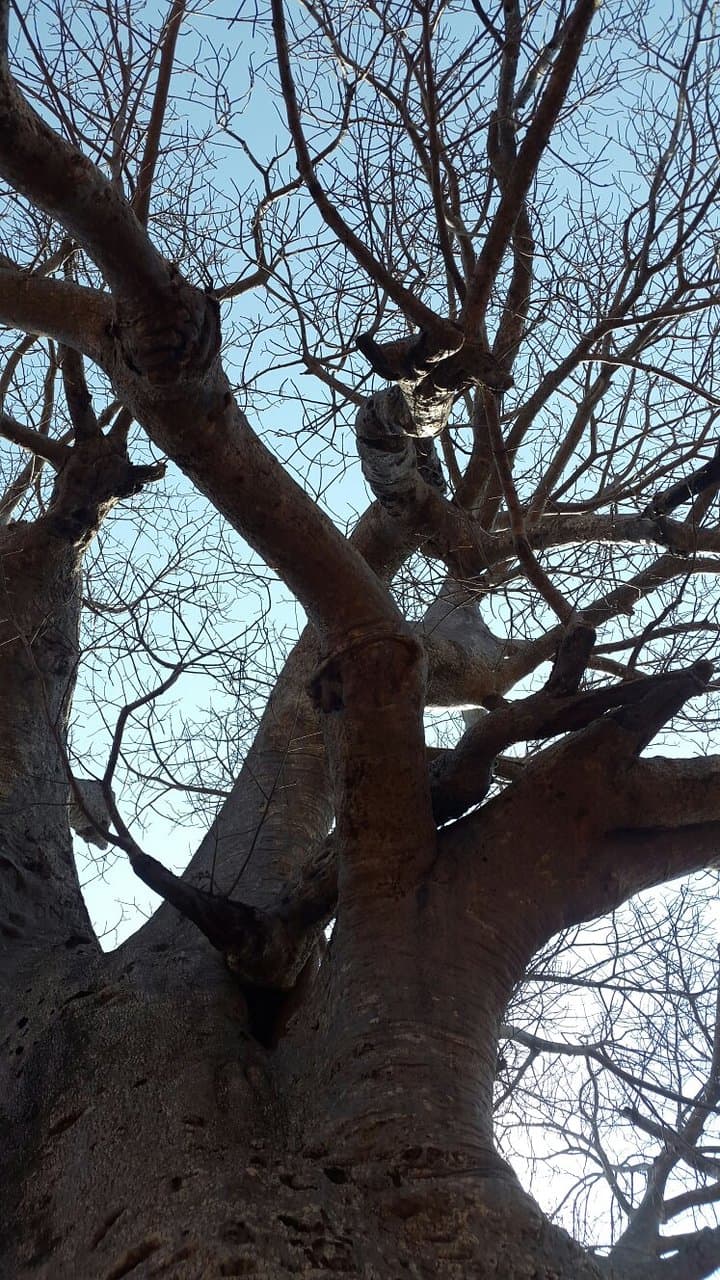
Livingstone Baobab
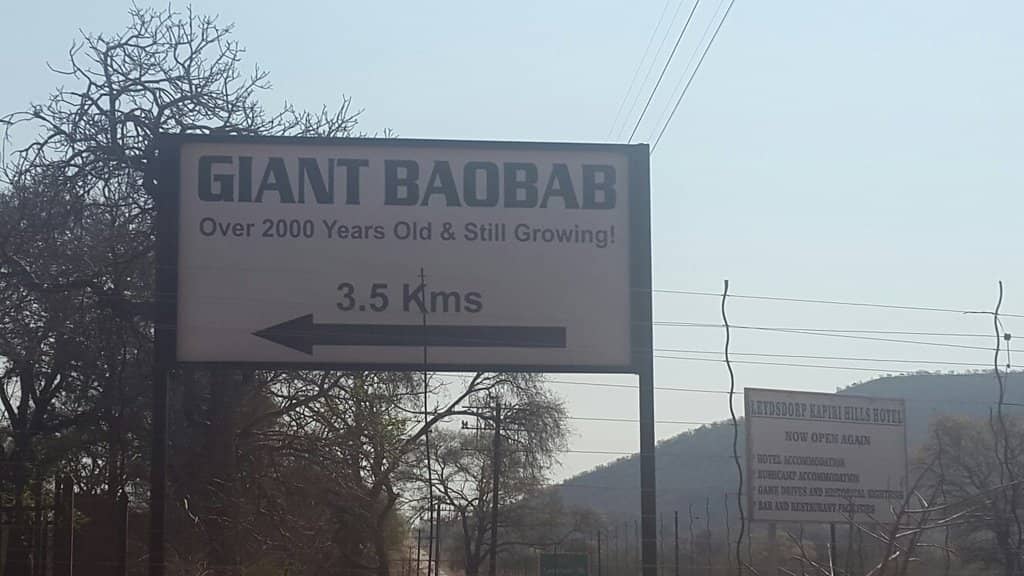
Witness the awe-inspiring 'Big Tree,' a 1500-2000 year old baobab, the iconic 'tree of life' near Victoria Falls.

Highlights
Must-see attractions

Social
From TikTok & Reddit
Best Time
Cooler temps, fewer crowds
Livingstone Baobab
Best Time
Cooler temps, fewer crowds
Highlights
Must-see attractions
Witness the awe-inspiring 'Big Tree,' a 1500-2000 year old baobab, the iconic 'tree of life' near Victoria Falls.
"The sheer size and ancient presence of the Livingstone Baobab are truly awe-inspiring."
Wear comfortable shoes
You'll be doing some walking around the impressive tree and potentially exploring nearby areas. :athletic_shoe:
Bring water and snacks
Stay hydrated, especially in the heat. Some visitors mention the 'tree of life' aspect due to water storage. :water_wave:
Quick Facts
Highlights
Discover the most iconic attractions and experiences
The 'Big Tree'
Near Victoria Falls
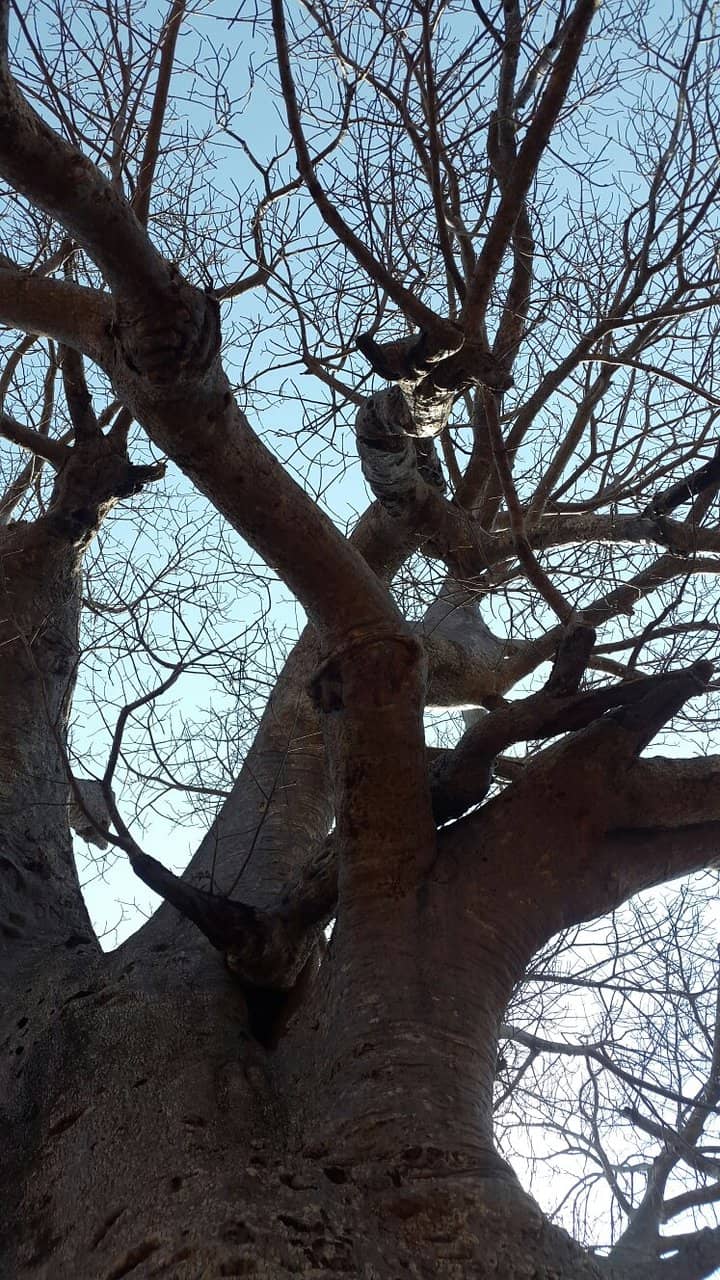
Marvel at this colossal baobab, estimated to be 1500-2000 years old. Its sheer size is awe-inspiring and a true icon of the African landscape.

Baobab Fruit Juice
Local markets
Taste the unique, refreshing baobab fruit juice, a local delicacy made from the fruit of these ancient trees.

Historical Significance
Various locations
Learn about the baobab's role as a 'tree of life' and its historical connections, including David Livingstone's interactions.
Plans like a pro.
Thinks like you
Planning Your Visit
Timing Your Visit to the Livingstone Baobab
Getting to the Livingstone Baobab
Best Times
Insider Tips
from TikTok, Instagram & Reddit
Wear comfortable shoes
You'll be doing some walking around the impressive tree and potentially exploring nearby areas. :athletic_shoe:
Bring water and snacks
Stay hydrated, especially in the heat. Some visitors mention the 'tree of life' aspect due to water storage. :water_wave:
Consider a guided tour
Guides offer fascinating insights into the baobab's history and ecological importance. :guide_dog:
Capture the scale
Use wide-angle shots to convey the immense size of the baobab tree. :camerawithflash:
Tips
from all over the internet
Wear comfortable shoes
You'll be doing some walking around the impressive tree and potentially exploring nearby areas. :athletic_shoe:
Bring water and snacks
Stay hydrated, especially in the heat. Some visitors mention the 'tree of life' aspect due to water storage. :water_wave:
Consider a guided tour
Guides offer fascinating insights into the baobab's history and ecological importance. :guide_dog:
Capture the scale
Use wide-angle shots to convey the immense size of the baobab tree. :camerawithflash:
Try local baobab juice
Sample this refreshing drink made from the baobab fruit at local markets. 🍹
What Travellers Say
Reviews Summary
Visitors are consistently awestruck by the sheer size and ancient presence of the Livingstone Baobab, often calling it a 'must-see' attraction. Many appreciate the historical context and the 'tree of life' significance. Some reviews mention minor issues with viewing decks or the need for better maintenance, but the overall experience is overwhelmingly positive.
"The area around Livingstone, Zambia, and Victoria Falls is home to some remarkably old and impressive baobab trees. Here's what Gemini AI says about it.
* The "Big Tree":
* This is a very famous baobab located near Victoria Falls. It's renowned for its massive size and estimated age.
* It's important to note that while often associated with David Livingstone, he actually carved his name on a different, smaller baobab tree on Garden Island, closer to the falls themselves.
* The "Big Tree" is a major attraction, and its sheer size is truly awe-inspiring.
* It is estimated to be around 1500 to 2000 years old.
* Baobab Characteristics:
* Baobabs, in general, are known for their longevity and distinctive appearance.
* They're often called "the tree of life" because they can store water in their trunks, allowing them to survive in harsh, dry environments.
* They are a very iconic part of the African landscape.
Therefore, when people speak of very old Baobab trees in the area of Livingstone, the "Big Tree" near Victoria falls is one of the most prominent examples."
ASHOK CHAWLA
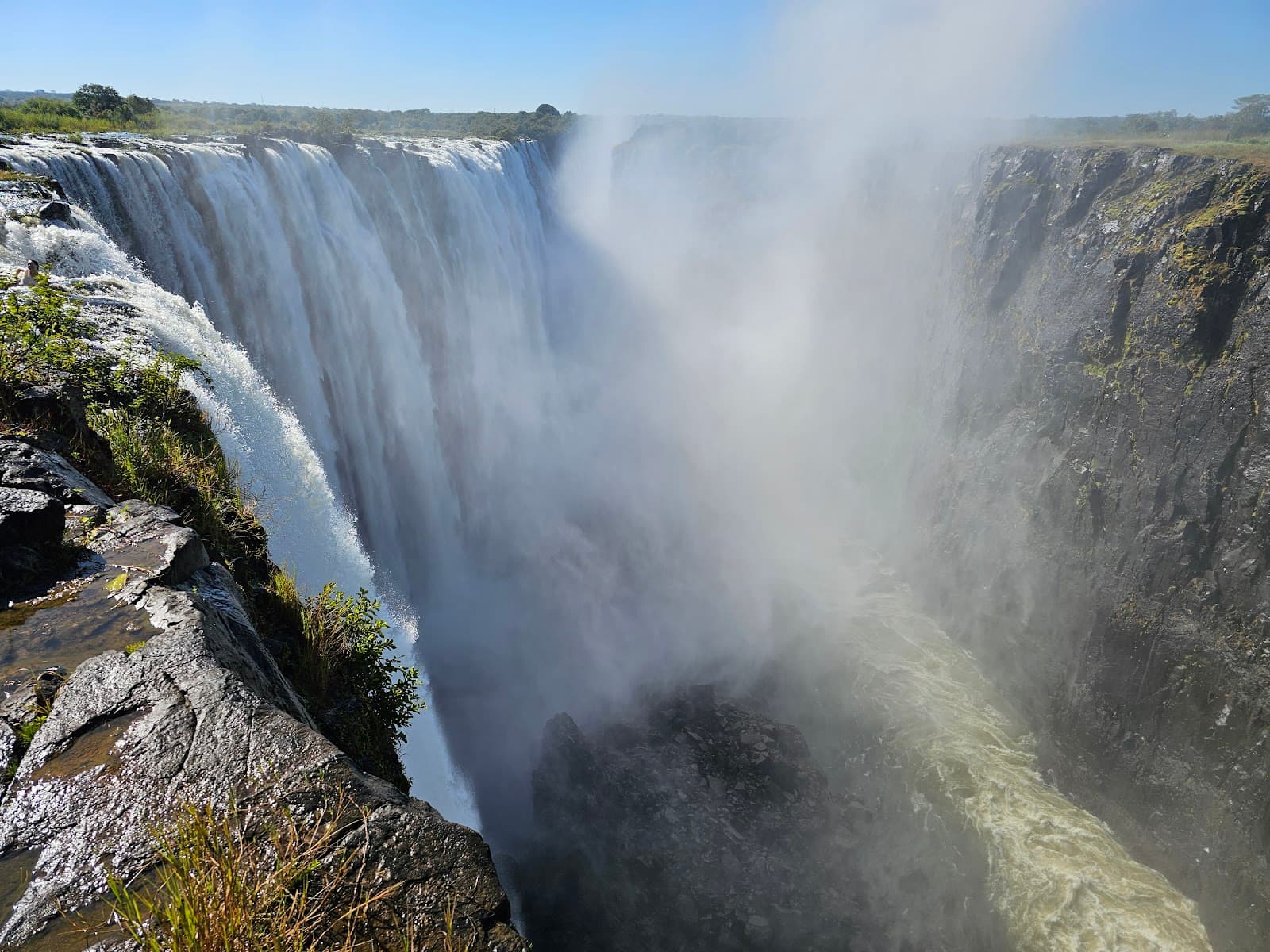
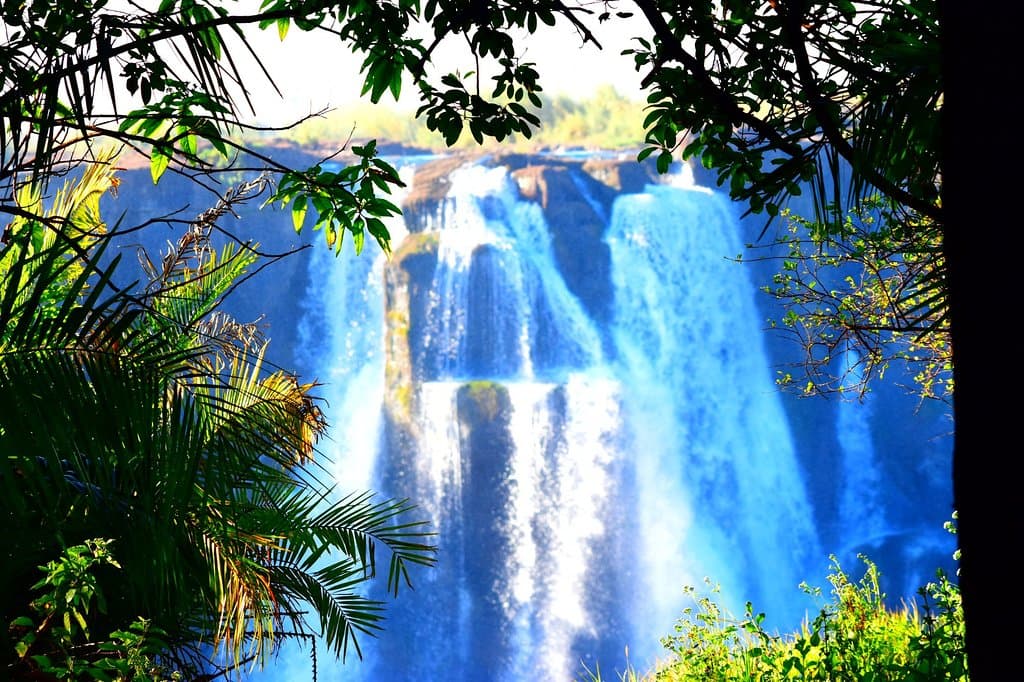
"It gave us the perfect view of the mighty Victoria Falls 😍. I loved it."
Cosmas Malubila
"It was good but viewing deck is damaged"
Paul Changuion
What People Like
What People Dislike
Frequently Asked Questions
🚇 🗺️ Getting There
The Livingstone Baobab, often referred to as the 'Big Tree,' is located near Victoria Falls in Livingstone, Zambia. It's easily accessible by road, and many tours to Victoria Falls include a stop here. If driving yourself, follow signs from Livingstone town towards the falls. Some visitors mention it's near the Zambia-Zimbabwe border.
Yes, the 'Big Tree' is a well-known landmark and a popular attraction. It's usually well-signposted, especially if you're already visiting Victoria Falls. Local guides are also very familiar with its location.
Absolutely! Visiting the Livingstone Baobab is a common and highly recommended activity for day-trippers in Livingstone. It can easily be combined with a visit to Victoria Falls.
Many visitors use taxis or hire a car to get around Livingstone and reach attractions like the baobab. Organized tours are also a convenient option, especially if you're unfamiliar with the area.
Roads in the Livingstone area are generally well-maintained, but it's always wise to check local conditions, especially during the rainy season when some routes might be affected.
🎫 🎫 Tickets & Entry
While the baobab itself is a natural wonder, there might be a small conservation fee or entry charge depending on the specific site or park it's located within. It's best to check with your tour operator or local information centers upon arrival.
The baobab is typically accessible during daylight hours, aligning with general tourist operating times for attractions around Victoria Falls. Early mornings and late afternoons are popular for visits.
For the baobab tree itself, advance booking is usually not required. However, if you're visiting as part of a larger tour package that includes Victoria Falls or other activities, booking that package in advance is recommended.
Visitors are generally encouraged to respect the tree and its surroundings. Avoid climbing on it unless specifically permitted (as one traveler mentioned doing in 2018 
Night visits are generally not permitted for safety reasons and to protect the tree. The best times to visit are during daylight hours when you can fully appreciate its grandeur.
📸 📸 Photography
The 'golden hours' – early morning and late afternoon – offer the most beautiful light for photographing the baobab. The soft, warm light enhances its texture and scale.
A wide-angle lens is highly recommended to capture the full majesty of the baobab's massive trunk and sprawling branches. A standard zoom lens will also be useful for capturing details.
Try shooting from a low angle to emphasize the tree's height and grandeur. Including people in the frame can also help convey its immense scale.
Drone regulations can vary, so it's essential to check with local authorities in Livingstone before flying a drone. Respecting privacy and wildlife is paramount.
If you visit a local market, you can get great shots of the baobab fruit and the vibrant juice. Focus on the textures and colors for appealing food photography.
🎫 🌳 Nature & Wildlife
Baobab trees are often called 'the tree of life' because their massive trunks can store thousands of liters of water, allowing them to survive in arid climates. They are incredibly long-lived and iconic to the African landscape.
The 'Big Tree' near Victoria Falls is a prime example, estimated to be between 1500 and 2000 years old. Its sheer size is a testament to its ancient origins.
Baobabs have played a vital role in local communities, providing food, water, and shelter. Historically, they've also served as meeting points and landmarks. One baobab in Malawi was even known as the Livingstone Tree.
While the baobab itself is the main attraction, the surrounding areas in Livingstone are rich in wildlife. You might encounter various bird species, and some lodges near baobabs have reported elephant sightings.
The 'tree of life' moniker comes from the baobab's ability to store vast amounts of water in its trunk, making it a crucial resource for survival in dry regions. This has made it indispensable to local ecosystems and communities.


Social
from TikTok, Instagram & Reddit