43 Underground Rome and Catacombs

See what's trending
We've done exactly what you would have done—spent hours scrolling through TikTok, Instagram, and Reddit to find the absolute best experiences. These 25 recommendations come from real travelers sharing their unfiltered takes, hidden gems, and insider secrets. No travel agency fluff, just the wisdom of people who've actually been there. This is how everyone really plans their trips these days.
![DON’T even *think* about skipping THIS in Rome! ☠️ 🇮🇹 [📌 comment “GUIDE” for the 🔗 for the most detailed guide to Rome you will EVER find] ☠️WHAT ARE THE CATACOMBS? Rome’s catacombs are ancient burial ground dating back to the 2nd century AD and they are an amazing experience!! Rome has over 60 catacombs but only 5 are currently open to the public. The biggest and most extensive catacombs in the ...](/_next/image?url=https%3A%2F%2Fcoinventmediastorage.blob.core.windows.net%2Fmedia-storage-container%2Ftiktok_thumbnail_7554086446827719949.jpg&w=2048&q=75)


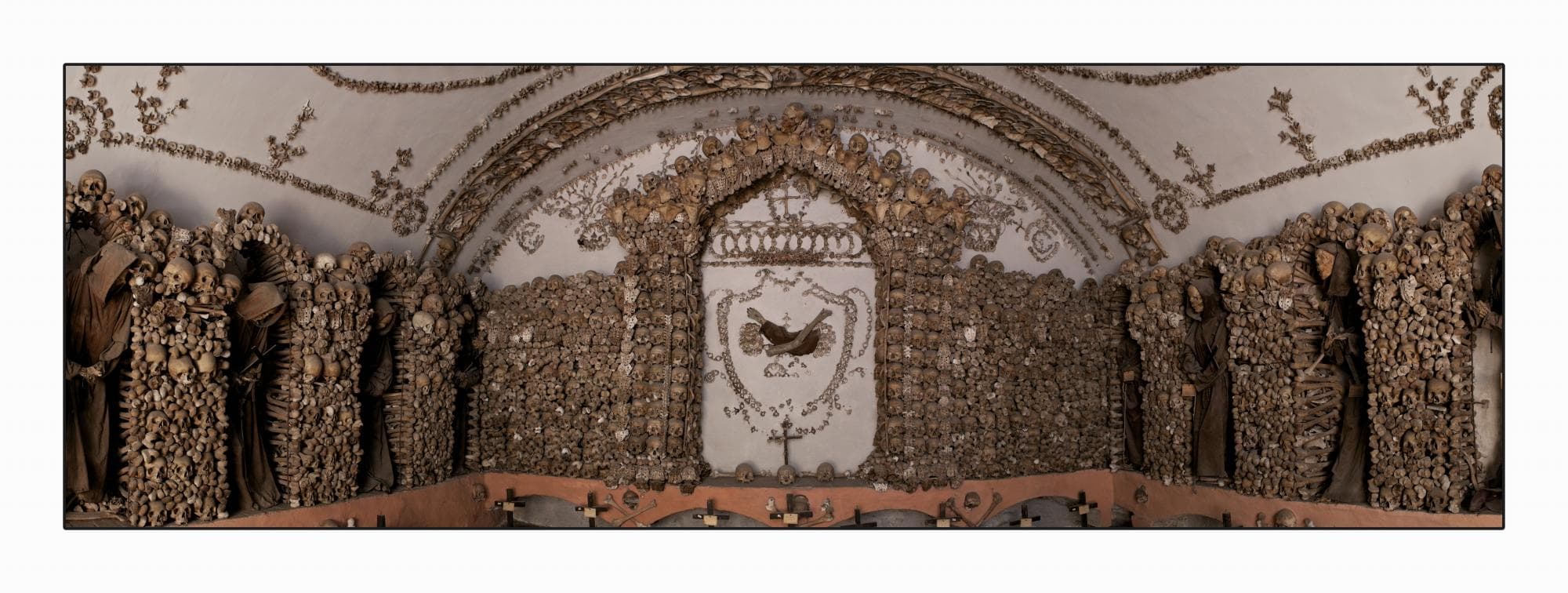
Step into a chillingly artistic crypt where the bones of thousands of Capuchin friars have been meticulously arranged into macabre decorations, creating a unique and somber experience.
Tip: Combine your visit with the Santa Maria della Concezione church upstairs for a fuller experience.

Explore one of Rome's largest and most significant ancient Christian burial sites, a vast underground labyrinth that once served as a papal cemetery.
Tip: Book tickets in advance, especially during peak season, as tours can fill up quickly.
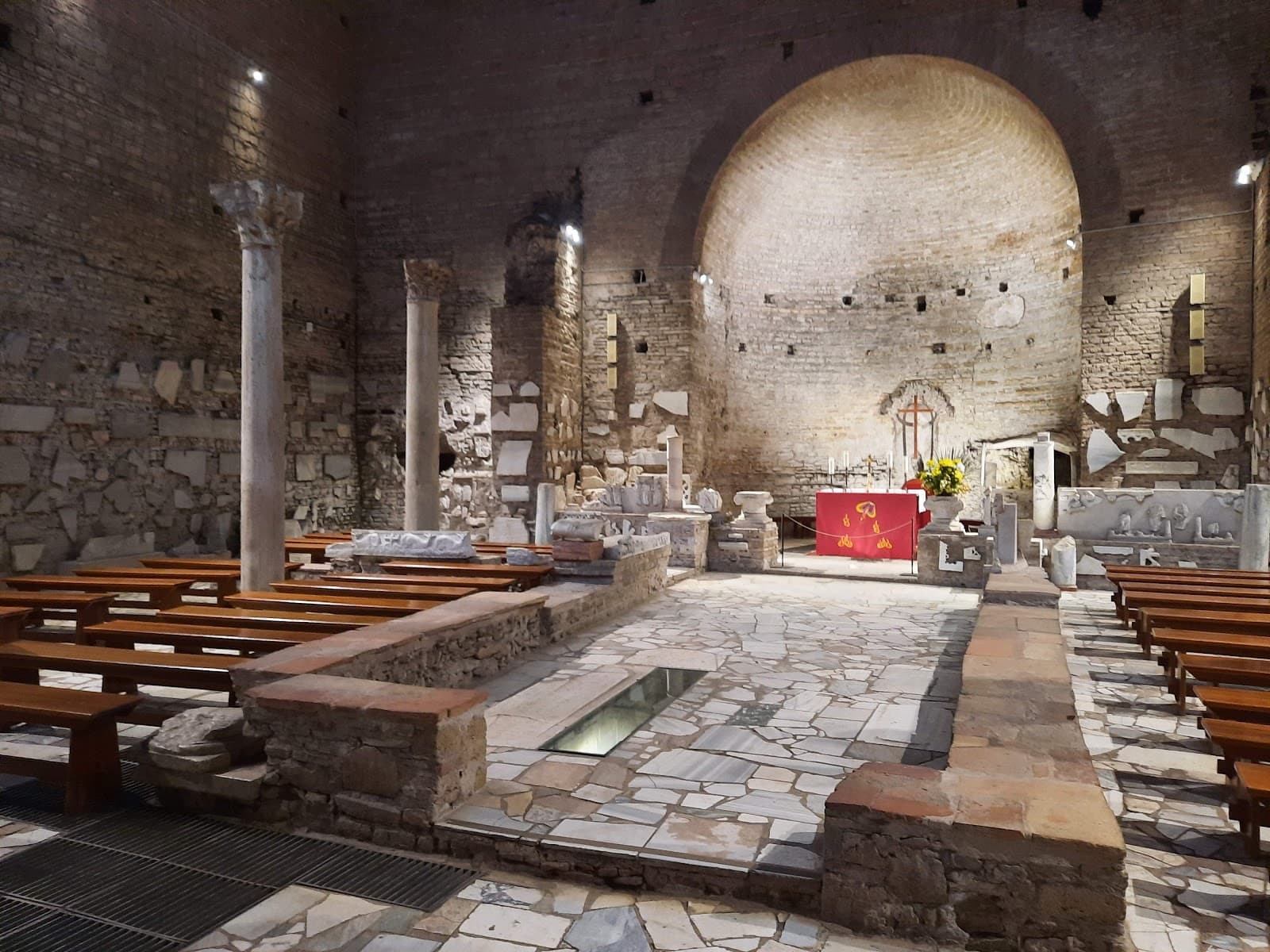
Wander through one of the oldest and most extensive catacombs in Rome, featuring early Christian art and the remains of martyrs.
Tip: Consider a guided tour to fully appreciate the history and significance of the site.

Discover the Catacombs of San Sebastian, an ancient underground burial site along the Appian Way, known for its historical significance and eerie atmosphere.
Tip: This catacomb is often less crowded than others, offering a more intimate exploration.
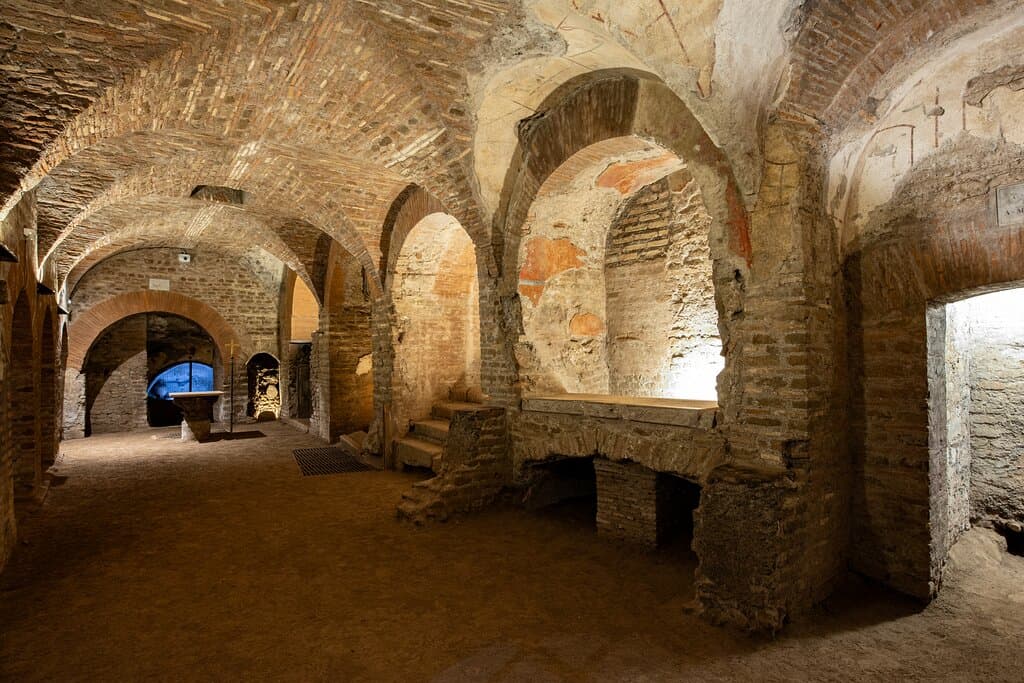
Explore the Catacombs of Priscilla, one of Rome's oldest and most sacred sites, featuring early Christian frescoes and a unique depiction of the Virgin Mary.
Tip: Look for the famous 'Good Shepherd' fresco, a significant piece of early Christian art.
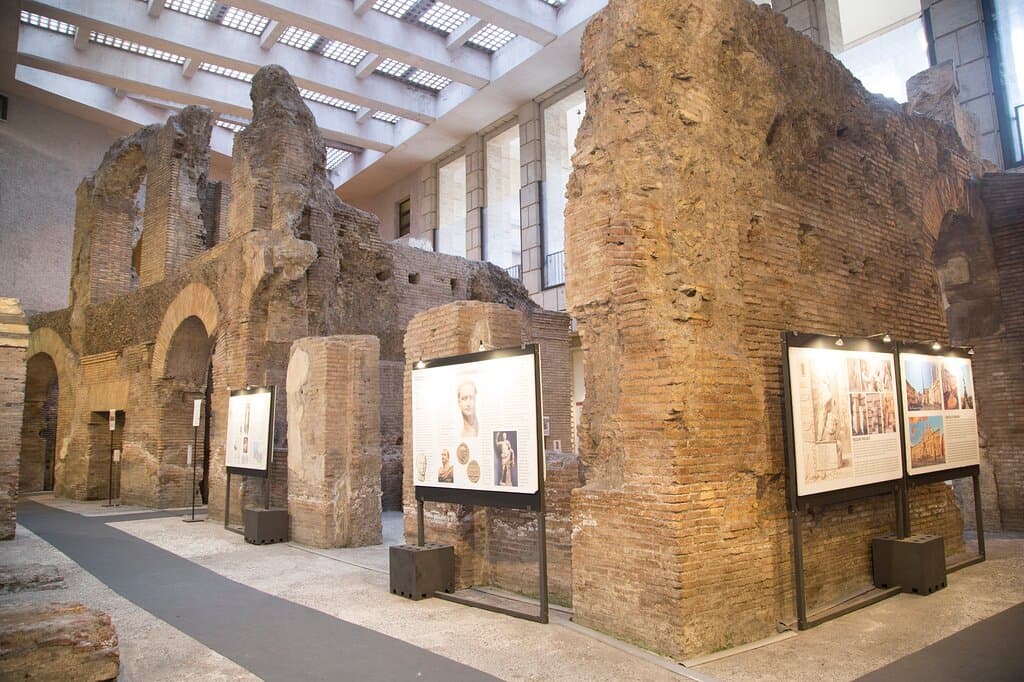
Descend beneath Piazza Navona to explore the remarkably preserved ruins of the ancient Roman stadium where gladiatorial contests once took place.
Tip: This site offers a unique perspective on Roman entertainment and urban development.

Journey through layers of history by exploring this basilica, which reveals a 12th-century church built over a 4th-century church, and further down, a 1st-century Roman house and a Mithraic temple.
Tip: Allow ample time to explore all three levels of this fascinating archaeological site.
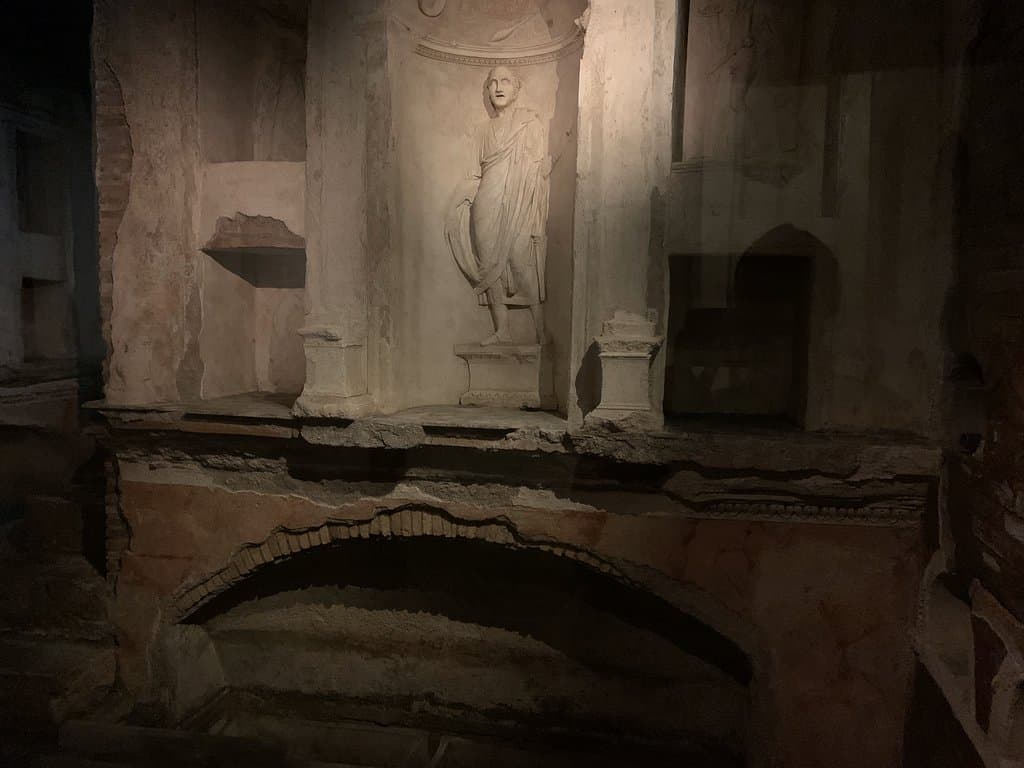
Embark on a highly exclusive tour beneath St. Peter's Basilica to explore the necropolis and the tomb of St. Peter himself, a deeply spiritual and historical experience.
Tip: Tickets are extremely limited and must be arranged months in advance through a written request.

Venture to the less-visited Catacombs of Saints Marcellino and Pietro, offering a more authentic and less crowded glimpse into ancient Roman burial practices.
Tip: Easily accessible via a short tram ride from Termini station, making it a convenient option.
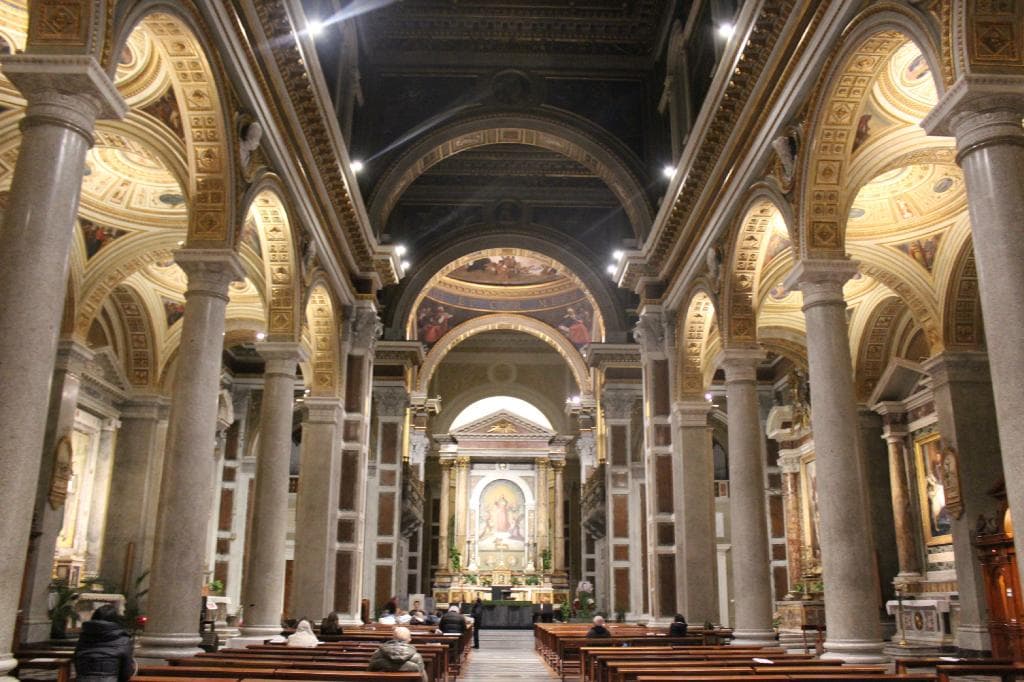
Visit a small, unique museum dedicated to the souls in purgatory, featuring artifacts that purportedly bear their imprints, offering a peculiar and thought-provoking experience.
Tip: This is a quick visit, often combined with other nearby attractions.
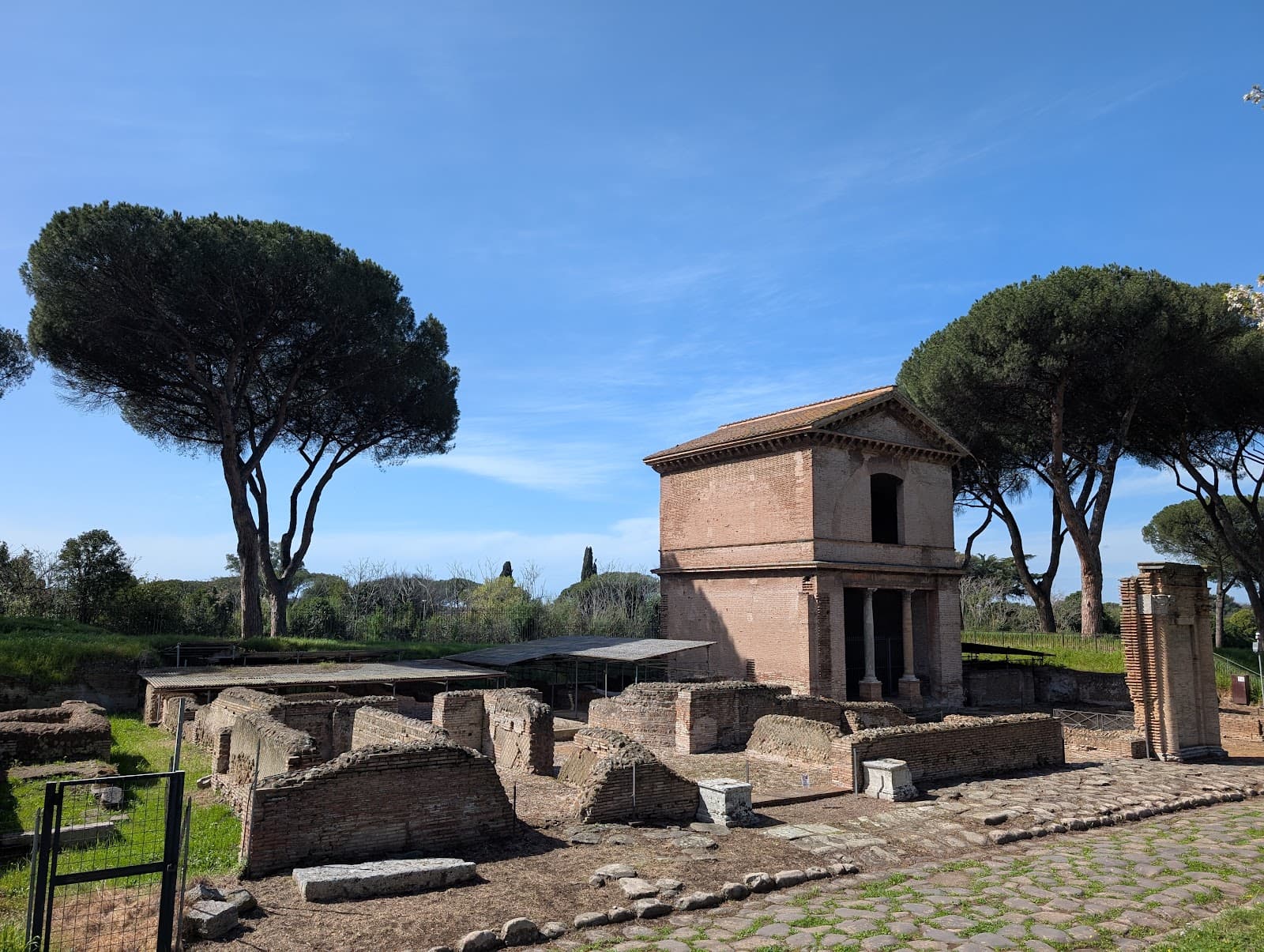
Explore the ancient Tombs of Via Latina, a less-visited archaeological area featuring well-preserved underground burial chambers adorned with fascinating frescoes.
Tip: This site offers a more intimate and less crowded experience compared to the more famous catacombs.

Discover the ancient Jewish catacombs of Rome, offering a unique perspective on the history and burial customs of Rome's early Jewish community.
Tip: Guided tours are highly recommended to understand the historical context and significance.
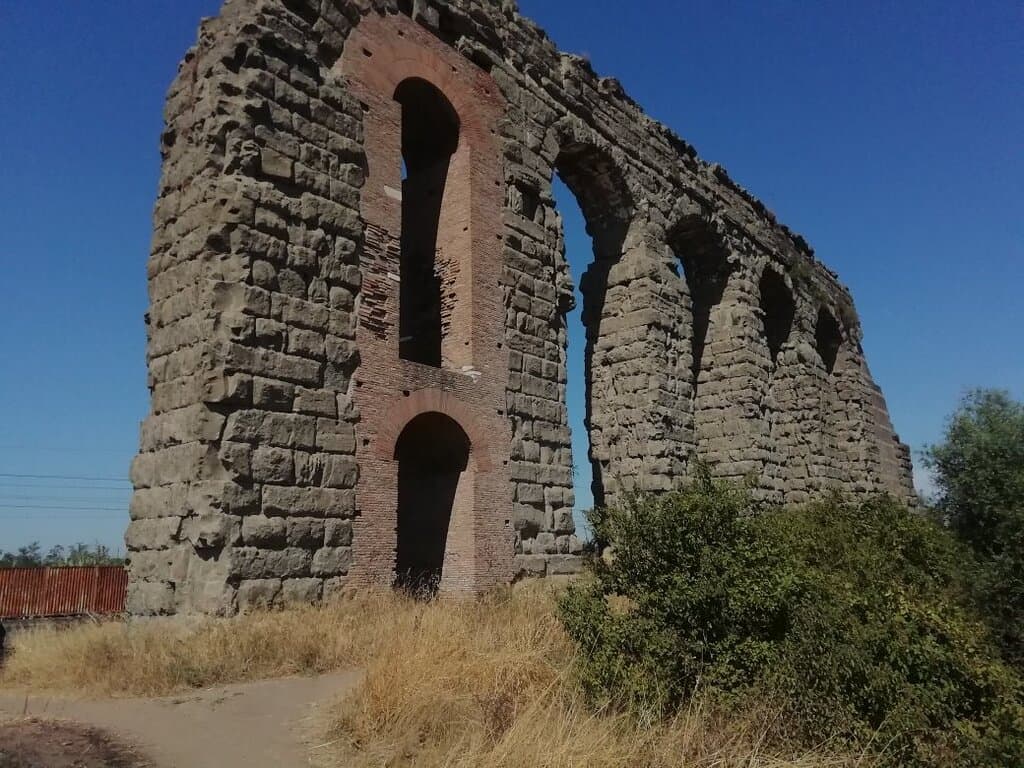
Wander through a vast park showcasing impressive ancient Roman aqueduct ruins, offering a serene escape and a glimpse into Roman engineering marvels.
Tip: Perfect for a leisurely walk or bike ride, especially on a sunny day.
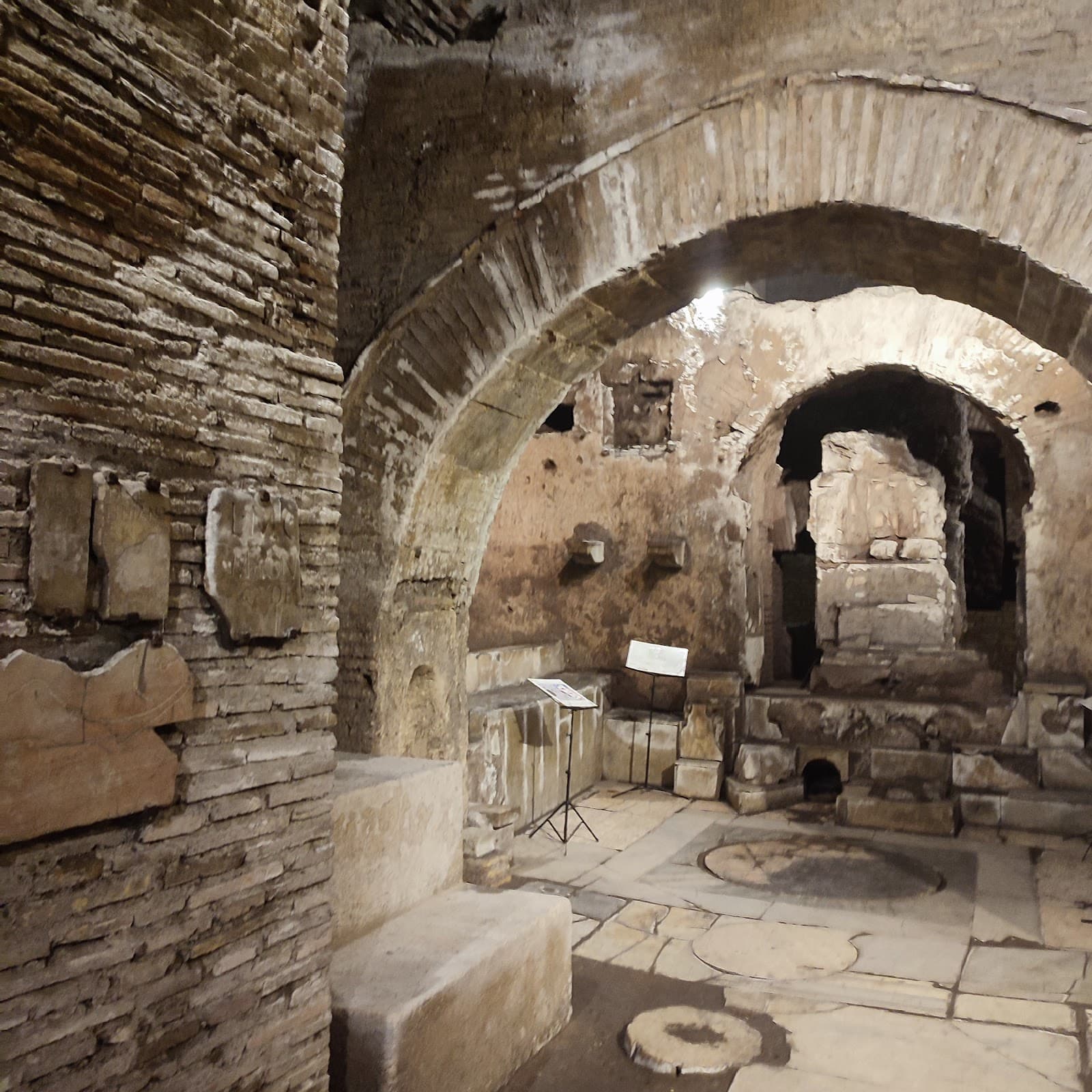
Explore a fascinating underground Mithraeum, a temple dedicated to the ancient Roman mystery cult of Mithras, offering a glimpse into a secretive religious practice.
Tip: This site provides a unique insight into Roman religious life beyond the mainstream pantheon.

Visit the Catacombs of San Pancrazio, an ancient underground burial site with historical significance, offering a quieter alternative to more popular catacombs.
Tip: This catacomb is part of a larger complex that can be explored.

Admire the stunning mosaics and architecture of the Mausoleum of Santa Costanza, a 4th-century imperial tomb that later became a church.
Tip: Often visited in conjunction with the nearby Catacombs of Sant'Agnese.

Explore the Catacombs of Sant'Agnese, an ancient burial complex that still contains some original remains, offering a glimpse into early Christian funerary practices.
Tip: This site is located near the Mausoleum of Santa Costanza, allowing for a combined visit.

See the imposing Tomb of Cecilia Metella, a well-preserved ancient Roman mausoleum on the Appian Way, offering a striking monument to Roman funerary architecture.
Tip: This is a prominent landmark along the Appian Way, easily visible and accessible.
Join a specialized tour that delves into Rome's hidden underground secrets, exploring lesser-known crypts, tunnels, and ancient structures.
Tip: Look for tours that focus on specific themes like early Christianity or ancient engineering.

Walk or cycle along the ancient Appian Way, a historic Roman road lined with tombs, ruins, and catacombs, offering a journey back in time.
Tip: Wear comfortable shoes as you'll be doing a lot of walking on uneven terrain.
Marvel at the impressive remains of the Aqua Claudia, one of ancient Rome's most significant aqueducts, stretching across a vast park.
Tip: This is a great spot for photography and understanding the scale of Roman infrastructure.

Explore the subterranean levels of the Roman Forum, uncovering hidden chambers, ancient structures, and the foundations of the city's most important historical site.
Tip: Access to the underground areas is often part of specific guided tours.

Visit the Largo di Torre Argentina, an archaeological site featuring the ruins of four Roman temples and a sanctuary for stray cats.
Tip: While not strictly underground, the ruins offer a glimpse into ancient Rome's foundations.
Discover the Catacombs of San Giovanni, an ancient Christian burial site that offers a glimpse into early Christian life and funerary practices.
Tip: This is another option for exploring Rome's extensive catacomb network.
Explore the Catacombs of St. Hippolytus, an ancient underground cemetery that provides insights into early Christian burial traditions.
Tip: Check for guided tour availability to enhance your understanding of the site.
Visit the Catacombs of St. Hermes, an ancient underground burial complex that offers a look into the lives and deaths of early Romans.
Tip: This site can offer a less crowded experience for those seeking a more tranquil exploration.

Explore the Catacombs of St. Cyriaca, an ancient underground burial site that holds historical and religious significance for early Christianity in Rome.
Tip: Consider visiting with a guide to learn about the specific historical context.
Discover the Catacombs of St. Alexander, an ancient underground burial site that provides a glimpse into the funerary practices of early Christians.
Tip: This catacomb offers a unique perspective on the development of early Christian communities.
Explore the Catacombs of St. Felix, an ancient underground burial complex that offers insights into the lives and beliefs of early Christians in Rome.
Tip: This site is part of the extensive network of catacombs found around Rome.
Visit the Catacombs of St. Pancratius, an ancient underground burial site that holds historical and religious significance, offering a glimpse into early Christian practices.
Tip: This catacomb is known for its historical importance and the stories associated with it.
Explore the Catacombs of St. Agnes, an ancient underground burial site that provides a look into early Christian funerary traditions and art.
Tip: This catacomb is often visited alongside the Mausoleum of Santa Costanza.
Discover the Catacombs of St. Callixtus, a significant ancient Christian burial site that served as a papal cemetery and holds important historical relics.
Tip: This is one of the most popular catacombs, so expect crowds and book tours in advance.
Explore the Catacombs of St. Sebastian, an ancient underground burial site on the Appian Way, known for its historical layers and connection to early Christian martyrs.
Tip: This catacomb has a rich history and is often included in guided tours of the Appian Way.
Wander through the Catacombs of St. Domitilla, one of Rome's oldest and most extensive underground burial sites, featuring early Christian art and chapels.
Tip: This catacomb offers a fascinating look into the lives of early Christians.
Visit the Catacombs of St. Pancras, an ancient underground burial site that offers a glimpse into early Christian funerary practices and history.
Tip: This catacomb is part of a complex that can be explored, offering a comprehensive historical experience.
Explore the Catacombs of St. Cyriacus, a significant ancient Christian burial site that served as a papal cemetery and holds important historical relics.
Tip: This is one of the most popular catacombs, so expect crowds and book tours in advance.
Venture to the less-visited Catacombs of St. Marcellinus and Peter, offering a more authentic and less crowded glimpse into ancient Roman burial practices.
Tip: Easily accessible via a short tram ride from Termini station, making it a convenient option.
Explore the Catacombs of St. Priscilla, one of Rome's oldest and most sacred sites, featuring early Christian frescoes and a unique depiction of the Virgin Mary.
Tip: Look for the famous 'Good Shepherd' fresco, a significant piece of early Christian art.
Explore the Catacombs of St. Agnes of Rome, an ancient burial complex that still contains some original remains, offering a glimpse into early Christian funerary practices.
Tip: This site is located near the Mausoleum of Santa Costanza, allowing for a combined visit.
Discover the Catacombs of St. Lawrence, an ancient underground burial site that offers insights into early Christian life and funerary practices.
Tip: This catacomb is part of the extensive network of underground sites in Rome.
Discover the Catacombs of St. Felix and Nabor, an ancient underground burial site that provides a glimpse into early Christian funerary practices.
Tip: This catacomb offers a unique perspective on the development of early Christian communities.
Visit the Catacombs of St. Pancratius, an ancient underground burial site that offers a glimpse into early Christian funerary practices and history.
Tip: This catacomb is part of a complex that can be explored, offering a comprehensive historical experience.
Explore the Catacombs of St. Agnes, an ancient underground burial site that provides a look into early Christian funerary traditions and art.
Tip: This catacomb is often visited alongside the Mausoleum of Santa Costanza.