
Manzana de las Luces Buenos Aires
Explore Buenos Aires' colonial heart: ancient Jesuit tunnels, historic churches, and buildings that shaped the city's intellectual past.
Highlights
Must-see attractions

Social
From TikTok & Reddit
Best Time
Guided tours available
Manzana de las Luces Buenos Aires
Best Time
Guided tours available
Highlights
Must-see attractions
Explore Buenos Aires' colonial heart: ancient Jesuit tunnels, historic churches, and buildings that shaped the city's intellectual past.
"A fascinating journey into Buenos Aires' past, offering a glimpse of its colonial origins and intellectual cradle."
Book Guided Tours 🎟️
Essential for understanding the history and accessing the tunnels. Check schedules and book in advance!
Wear Comfortable Shoes :athletic_shoe:
You'll be doing a lot of walking through historic sites and potentially uneven underground passages.
Quick Facts
Hours
Rating
4.4 · 8,270 reviews
Type
Museum
Highlights
Discover the most iconic attractions and experiences
Jesuit Tunnels
Underground network
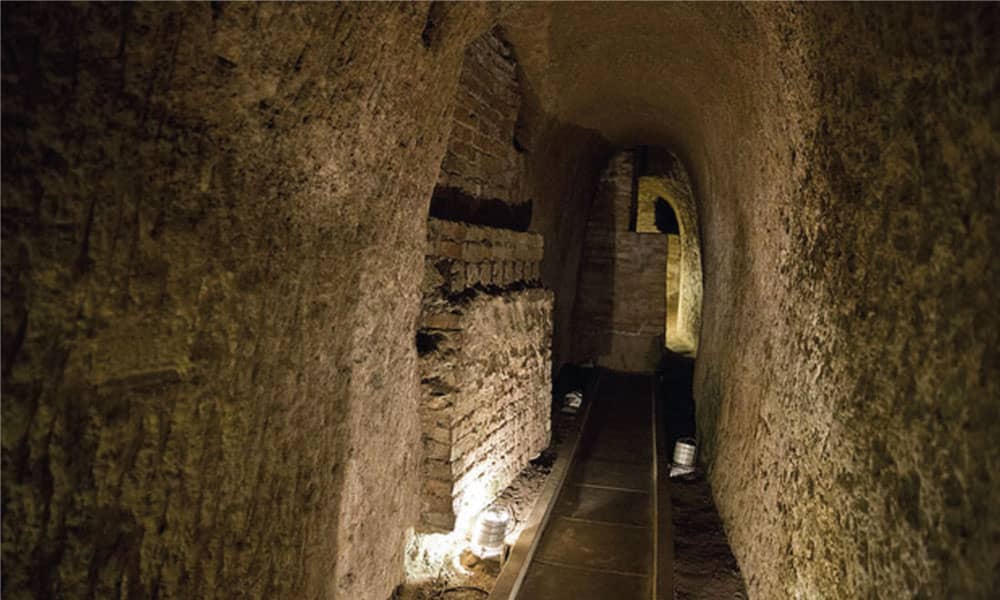
Explore ancient subterranean tunnels with centuries of history, once connecting key colonial buildings.
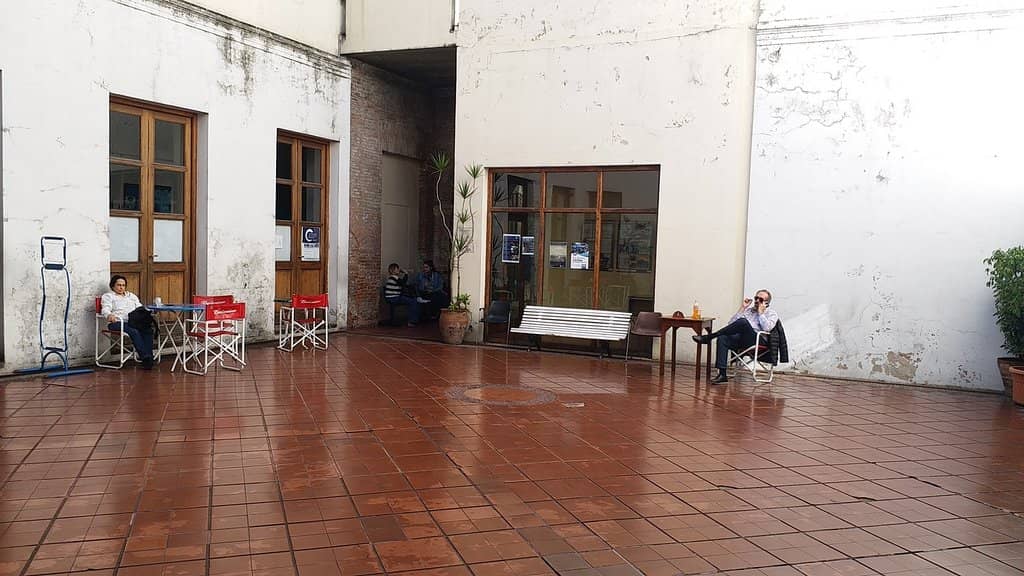
Iglesia San Ignacio de Loyola
Manzana de las Luces complex
Discover the oldest standing church in Buenos Aires, a stunning example of Baroque architecture.

Historic Buildings
Manzana de las Luces complex
Wander through structures that housed the first university, theater, and bank in Buenos Aires.
Plans like a pro.
Thinks like you
Planning Your Visit
Book Guided Tours in Advance
Embrace the History
Best Times
Insider Tips
from TikTok, Instagram & Reddit
Book Guided Tours 🎟️
Essential for understanding the history and accessing the tunnels. Check schedules and book in advance!
Wear Comfortable Shoes :athletic_shoe:
You'll be doing a lot of walking through historic sites and potentially uneven underground passages.
Allow Ample Time
Don't rush your visit; immerse yourself in the history. Guided tours can be quite informative.
Look for Special Exhibits
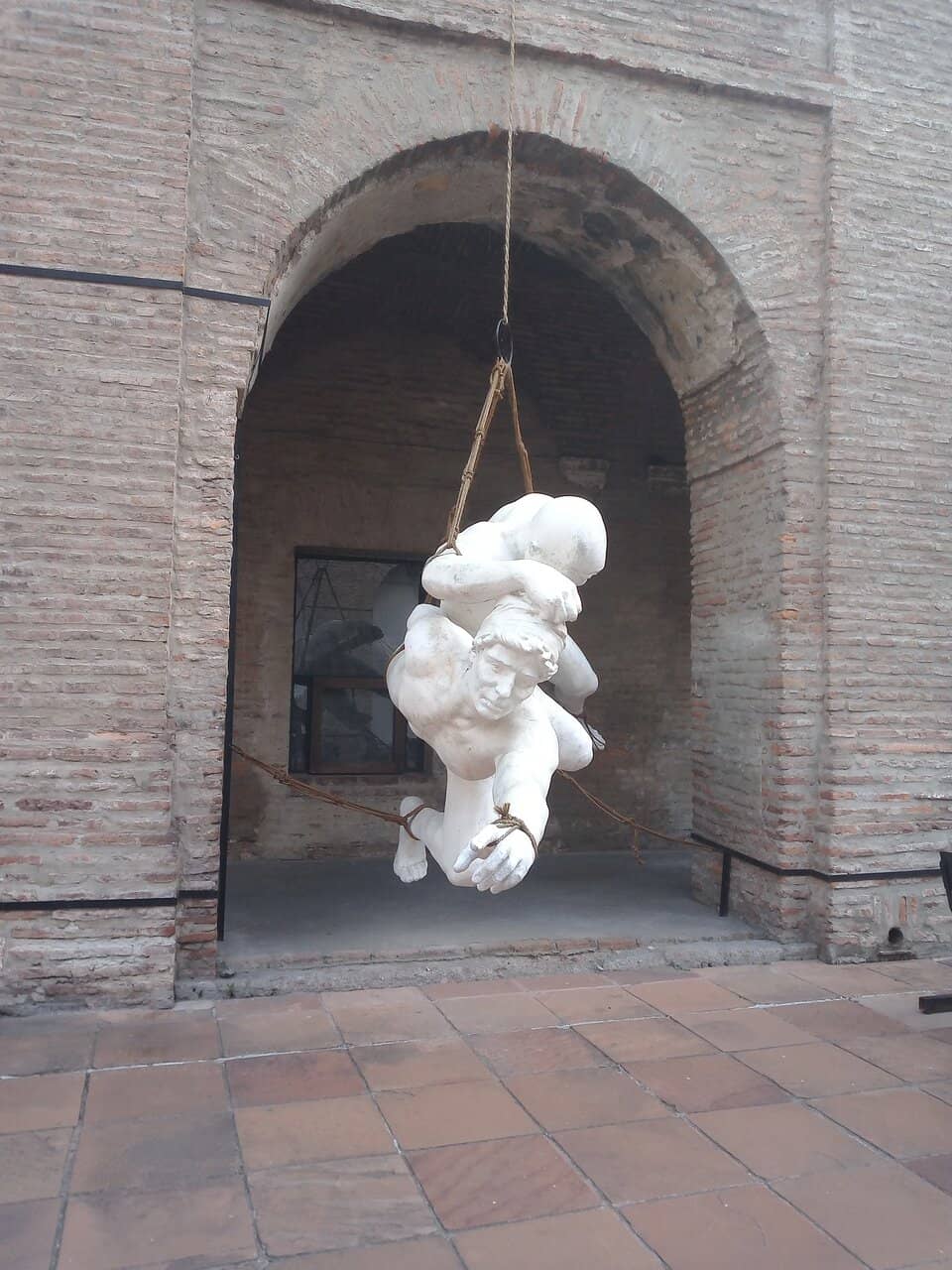
The complex sometimes hosts art exhibitions, adding another layer to your cultural experience.
Tips
from all over the internet
Book Guided Tours 🎟️
Essential for understanding the history and accessing the tunnels. Check schedules and book in advance!
Wear Comfortable Shoes :athletic_shoe:
You'll be doing a lot of walking through historic sites and potentially uneven underground passages.
Allow Ample Time
Don't rush your visit; immerse yourself in the history. Guided tours can be quite informative.
Look for Special Exhibits
The complex sometimes hosts art exhibitions, adding another layer to your cultural experience.
What Travellers Say
Reviews Summary
Visitors find Manzana de las Luces to be a fascinating journey into Buenos Aires' past, particularly appreciating the historical significance of the buildings and the intriguing Jesuit tunnels. While some feel the tours could offer more personal stories, the overall experience is highly valued for its educational and immersive qualities.
"Very interesting journey into Buenos Aires past."
Gmail Account
"Mixed feelings
Guide is good, but actually not much story given and missed opportunities to introduce small objects and ppl's stories. The tour is more about what they found in the buildings but not much about the related peoples and their daily life at all. My gut feeling is that it would be fantastic if they make better video materials on those small tv and place it on each sections. Then you don't even need a tour and visitor can take their time to digest.
I recommend checking out how cultural museum in Japan is designed."
mart p
"Tis museo is calle Manzana de luces
I extended an art exposition there
Its a beautiful old building , worth a visit
The foto's describe the history of the building through the ages .
The art was photografy on textile"
Esther Olario
What People Like
What People Dislike
Frequently Asked Questions
🚇 🗺️ Getting There
Manzana de las Luces is centrally located in downtown Buenos Aires, near Plaza de Mayo. You can easily reach it by public transport, with the nearest Subte (metro) station being Bolivar (Line E). Many bus routes also stop nearby.

While accessible by car, parking in the downtown area can be challenging and expensive. Public transport or ride-sharing services are often more convenient options for visitors.
Many visitors combine a visit to Manzana de las Luces with other nearby historical sites like Plaza de Mayo, the Metropolitan Cathedral, and the Cabildo.
🎫 🎫 Tickets & Entry
Yes, entry to the Manzana de las Luces complex, especially for guided tours of the tunnels, requires a ticket. General admission prices are around 10,000 ARS, with a reduced price for seniors.
The cost for a general admission ticket is approximately 10,000 Argentine Pesos, and for seniors, it's around 9,000 Argentine Pesos. Prices can vary, so it's best to check the official website or inquire locally.
Tickets can typically be purchased on-site at the Manzana de las Luces complex. For guided tours, especially the popular tunnel tours, it's advisable to check their website for online booking options to secure your spot.
The Manzana de las Luces complex has specific hours for its various attractions and guided tours. Guided tours for the tunnels are often held on Tuesdays, Thursdays, and Saturdays. It's crucial to check the current schedule as it can change.
While specific free entry days are not widely advertised, it's always worth checking the official Manzana de las Luces website or local tourism boards for any special promotions or free access periods.
🎫 🧭 Onsite Experience
Manzana de las Luces offers a deep dive into Buenos Aires' colonial past. You can explore the historic San Ignacio church, walk through the ancient Jesuit tunnels on a guided tour, and see buildings that were once the heart of the city's intellectual and administrative life.
Absolutely! The guided tours are highly recommended as they provide crucial historical context and access to the fascinating underground network. Guides share interesting stories and information that bring the history to life.
It's considered the 'block of enlightenment' and is home to some of the city's oldest buildings. It was the site of the first university, the first theater, the first museum, and the first bank in Buenos Aires, making it a cradle of the city's intelligentsia.
Photography is generally allowed in most public areas of Manzana de las Luces, but it's always a good idea to check for any specific restrictions within certain buildings or during guided tours.
To fully appreciate the history and take a guided tour, plan for at least 2-3 hours. If you're interested in exploring the surrounding historical district, you could easily spend half a day.
📸 📸 Photography
The Baroque architecture of the San Ignacio church, the entrance to the Jesuit tunnels, and the historic courtyards offer great photographic opportunities. The surrounding colonial-style streets also make for picturesque shots.
Yes, for history buffs and photography enthusiasts, Manzana de las Luces provides a unique glimpse into Buenos Aires' past with its well-preserved colonial architecture and intriguing underground passages.
Inside the buildings and tunnels, lighting can be dim, so a camera with good low-light performance or a tripod might be beneficial. Outdoor areas will have natural daylight, varying with the time of day.
You may also like

Pasaje Lanín Buenos Aires

Café Tortoni Buenos Aires

Parque de la Memoria Buenos Aires

Usina del Arte Buenos Aires

Museo de Arte Contemporáneo de Buenos Aires MACBA

Plaza Armenia Buenos Aires
Pasaje Lanín Buenos Aires
Café Tortoni Buenos Aires
Parque de la Memoria Buenos Aires
Usina del Arte Buenos Aires
Museo de Arte Contemporáneo de Buenos Aires MACBA
Plaza Armenia Buenos Aires
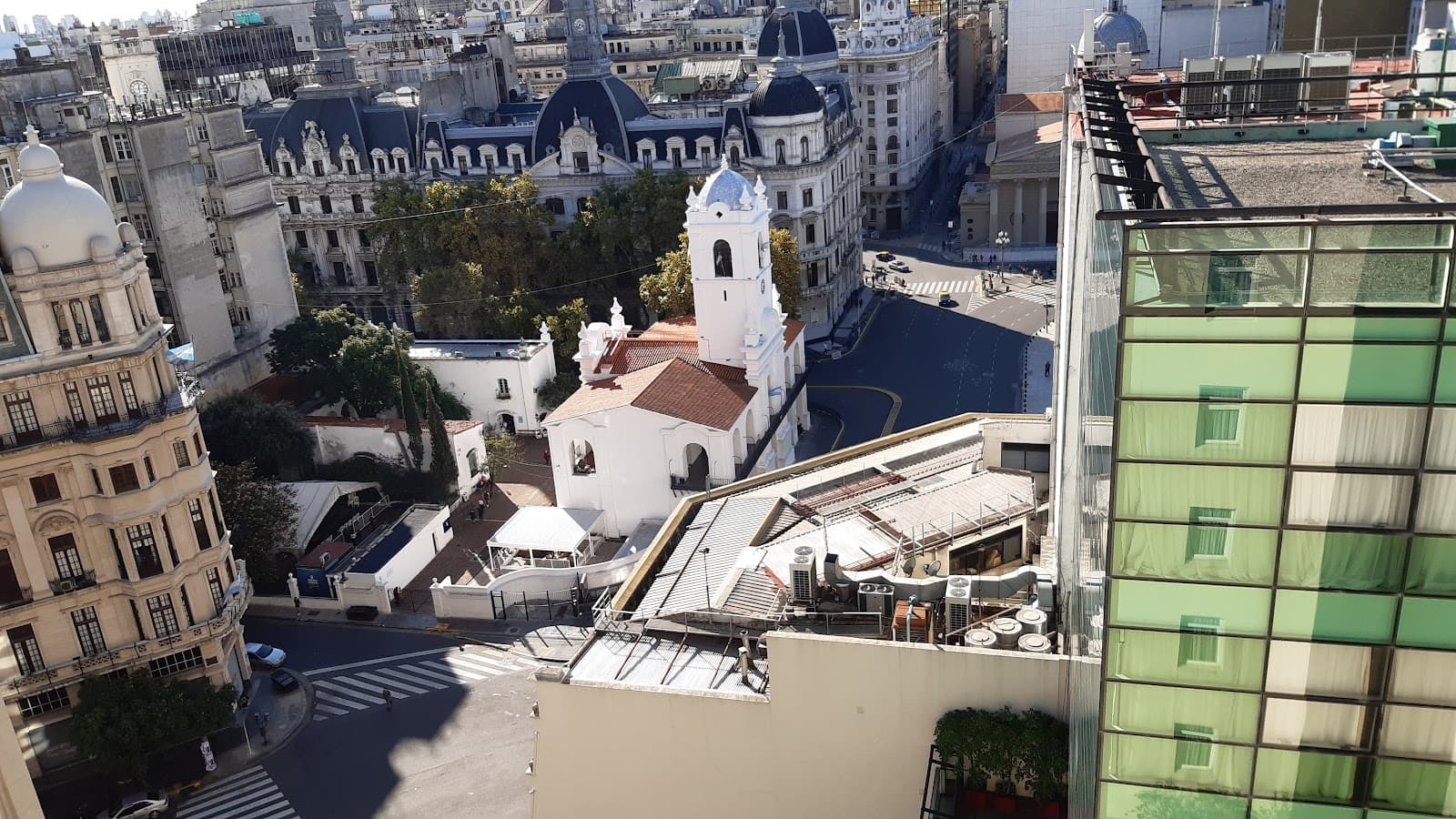
Monserrat Buenos Aires

Plaza de Mayo Buenos Aires

Casa Rosada

Cabildo de Buenos Aires Buenos Aires

Palacio Paz (Círculo Militar) Buenos Aires

Social
from TikTok, Instagram & Reddit