
Werakata State Conservation Area
A serene bushland escape perfect for birdwatching and nature photography, offering glimpses of vibrant native species.

Highlights
Must-see attractions

Social
From TikTok & Reddit
Best Time
Peak bird activity
Werakata State Conservation Area
Best Time
Peak bird activity
Highlights
Must-see attractions
A serene bushland escape perfect for birdwatching and nature photography, offering glimpses of vibrant native species.

Bring Your Binoculars
Essential for spotting the diverse birdlife! 🐦 Look for fairy-wrens and honeyeaters.
Golden Hour Magic
Afternoon light is perfect for photography and spotting smaller birds like Silvereyes. ✨

Quick Facts
Type
Park
Highlights
Discover the most iconic attractions and experiences
Variegated Fairy-wren Spotting
Various locations within the conservation area
Catch a glimpse of the vibrant male Variegated Fairy-wren in its natural habitat. A true gem for birdwatchers.

Yellow-tufted Honeyeater Encounters
Throughout the conservation area
Listen for the distinctive calls of the Yellow-tufted Honeyeater and try to spot this beautiful bird amongst the foliage.

Golden Hour Birding
Any open patch or edge of woodland
Experience the magic of golden hour with a chance to see Silvereyes, Scarlet Honeyeaters, and finches.
Plans like a pro.
Thinks like you
Planning Your Visit
Best Time for Birdwatching
Trail Preparedness
Best Times
Insider Tips
from TikTok, Instagram & Reddit
Bring Your Binoculars
Essential for spotting the diverse birdlife! 🐦 Look for fairy-wrens and honeyeaters.
Golden Hour Magic
Afternoon light is perfect for photography and spotting smaller birds like Silvereyes. ✨
Sturdy Footwear Needed
Trails can be uneven, so wear comfortable walking shoes. 👟
Water is Key
Carry plenty of water, especially on warmer days. Stay hydrated! 💧
Tips
from all over the internet
Bring Your Binoculars
Essential for spotting the diverse birdlife! 🐦 Look for fairy-wrens and honeyeaters.
Golden Hour Magic
Afternoon light is perfect for photography and spotting smaller birds like Silvereyes. ✨
Sturdy Footwear Needed
Trails can be uneven, so wear comfortable walking shoes. 👟
Water is Key
Carry plenty of water, especially on warmer days. Stay hydrated! 💧
Zoom Lens Recommended
For capturing detailed shots of birds, a good zoom lens is a must. 📸
What Travellers Say
Reviews Summary
Visitors praise Werakata State Conservation Area for its excellent birdwatching opportunities and natural beauty. The chance to see diverse species like fairy-wrens and honeyeaters is a major draw. However, some note the limited facilities and the need for preparedness regarding water and sturdy footwear.
What People Like
What People Dislike
Frequently Asked Questions
🚇 🗺️ Getting There
Werakata State Conservation Area is accessible by car. It's located near Cessnock, New South Wales. Ensure your GPS is updated for the most direct route. Parking is available at designated entry points.
Public transport options are limited for direct access to Werakata State Conservation Area. It's best to travel by car. Consider ride-sharing services if you're coming from a nearby town like Cessnock.
There are several entry points, often marked by signage. Popular access points are typically from roads leading off the main highways in the region. Check local maps for specific trailheads.
It's advisable to check the NSW National Parks and Wildlife Service website for any alerts regarding road closures, track conditions, or fire bans before your visit. Conditions can change due to weather.
Vehicle access is generally restricted to designated roads and parking areas. Most exploration will be on foot via walking tracks. Always adhere to signage regarding vehicle use.
🎫 🎫 Tickets & Entry
Entry to Werakata State Conservation Area is typically free. However, always verify this on the official NSW National Parks website, as policies can sometimes change.
State conservation areas are generally open from sunrise to sunset. Specific access times might vary, so it's best to confirm with the NSW National Parks and Wildlife Service.
No, there is usually no entrance fee for Werakata State Conservation Area, making it an accessible natural escape.
While official guided tours might be infrequent, it's worth checking the NSW National Parks website for any scheduled ranger-led activities or educational programs that may require booking.
If you have any problems with access or entry, contact the local NSW National Parks and Wildlife Service office. They can provide assistance and information.
🎫 🚶 Onsite Experience
The area offers various walking tracks suitable for different fitness levels. Popular choices include trails that lead to scenic lookouts or through diverse woodland habitats, ideal for birdwatching.
Absolutely! Werakata is a fantastic spot for birdwatching, with many visitors spotting species like the Variegated Fairy-wren and Yellow-tufted Honeyeater. Early mornings and late afternoons are prime times. 
Besides a rich variety of birdlife, you might encounter native Australian mammals like kangaroos or wallabies, as well as reptiles. Always observe wildlife from a safe distance.
Limited facilities are usually available, which may include picnic tables and basic restrooms at some access points. It's wise to pack your own food and drinks.
While many visitors hike alone, it's always recommended to inform someone of your plans, stick to marked trails, and be aware of your surroundings. Mobile reception can be spotty.
📸 📸 Photography Tips
Look for areas with good natural light, especially during the golden hours of early morning and late afternoon. The diverse flora and fauna offer many photographic opportunities.
A camera with a good zoom lens is highly recommended for capturing birds and other wildlife. Telephoto lenses (like 150-400mm) are ideal for getting close-up shots without disturbing the animals.
Yes, early mornings and late afternoons are best for wildlife photography due to softer light and increased animal activity. This is when you're most likely to see birds like the Variegated Fairy-wren.
For bird photography, use a fast shutter speed (e.g., 1/500 sec or faster) to freeze motion, a moderate aperture (f/5.6-f/8) for depth of field, and adjust ISO as needed.
Drone usage is typically restricted in national parks and conservation areas to protect wildlife and visitor experience. Always check the latest regulations with NSW National Parks and Wildlife Service before flying a drone.
You may also like

Nulkaba New South Wales

Oakvale Wines
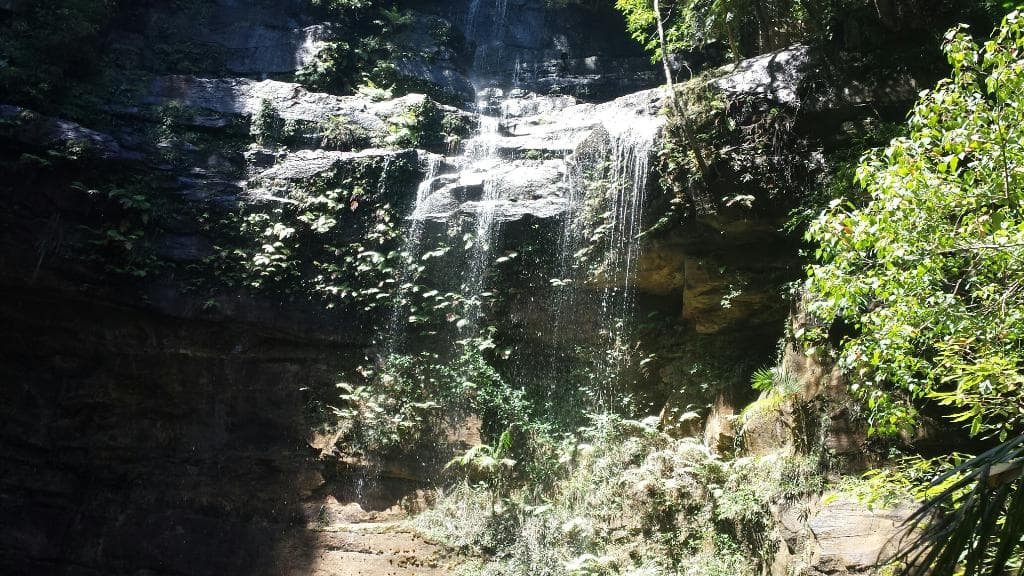
Watagans National Park Gap Creek Monkey Face
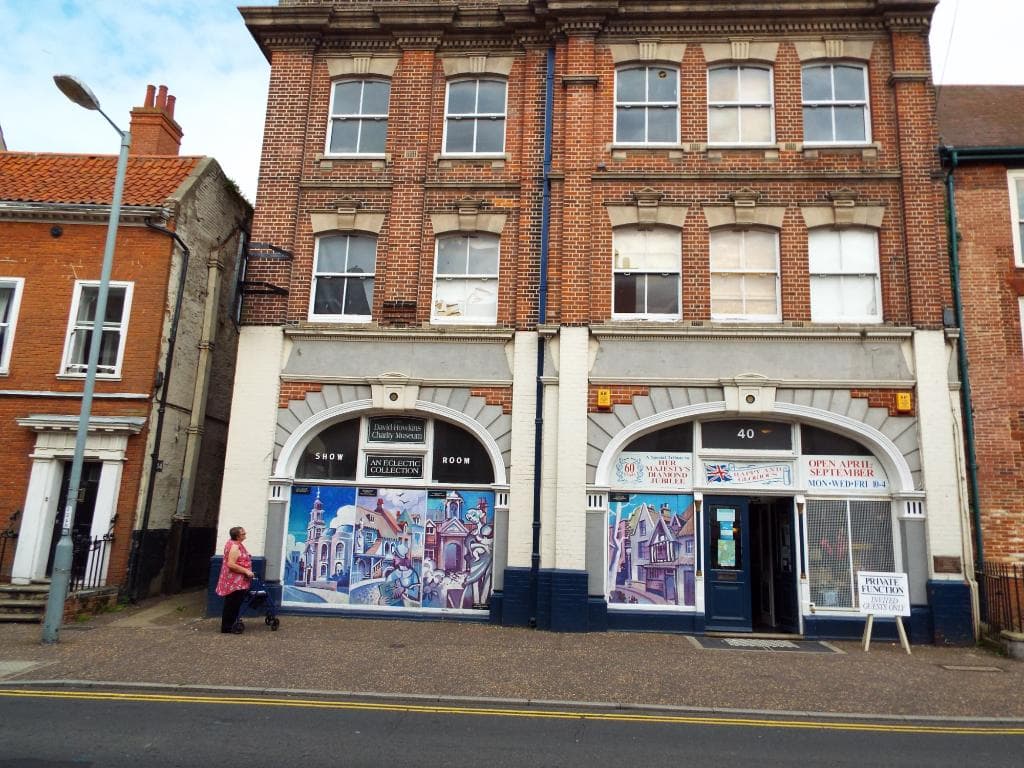
Sir Edgeworth David Memorial Museum

Werakata National Park
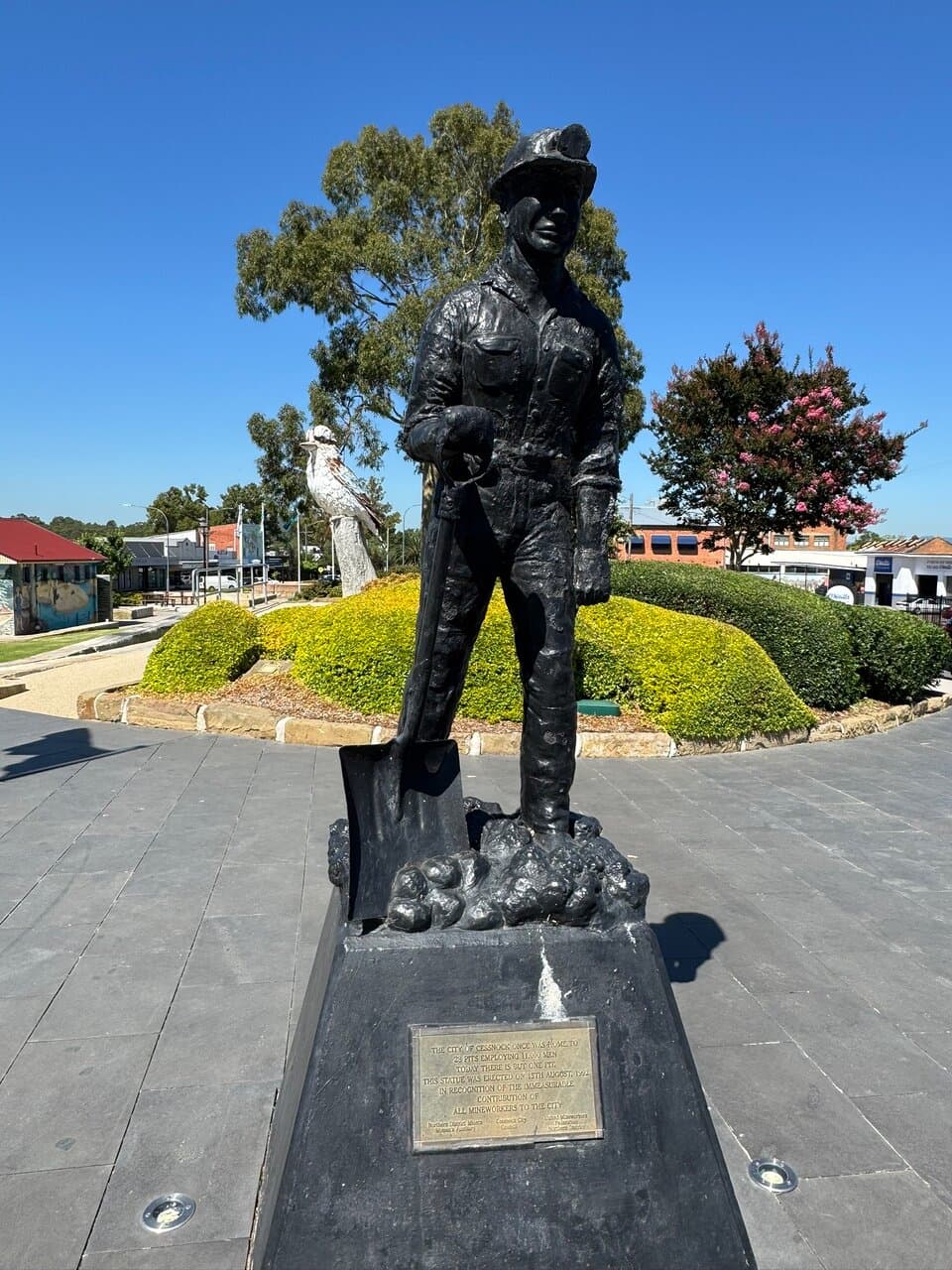
Big Kookaburra Kurri Kurri
Nulkaba New South Wales
Oakvale Wines
Watagans National Park Gap Creek Monkey Face
Sir Edgeworth David Memorial Museum
Werakata National Park
Big Kookaburra Kurri Kurri
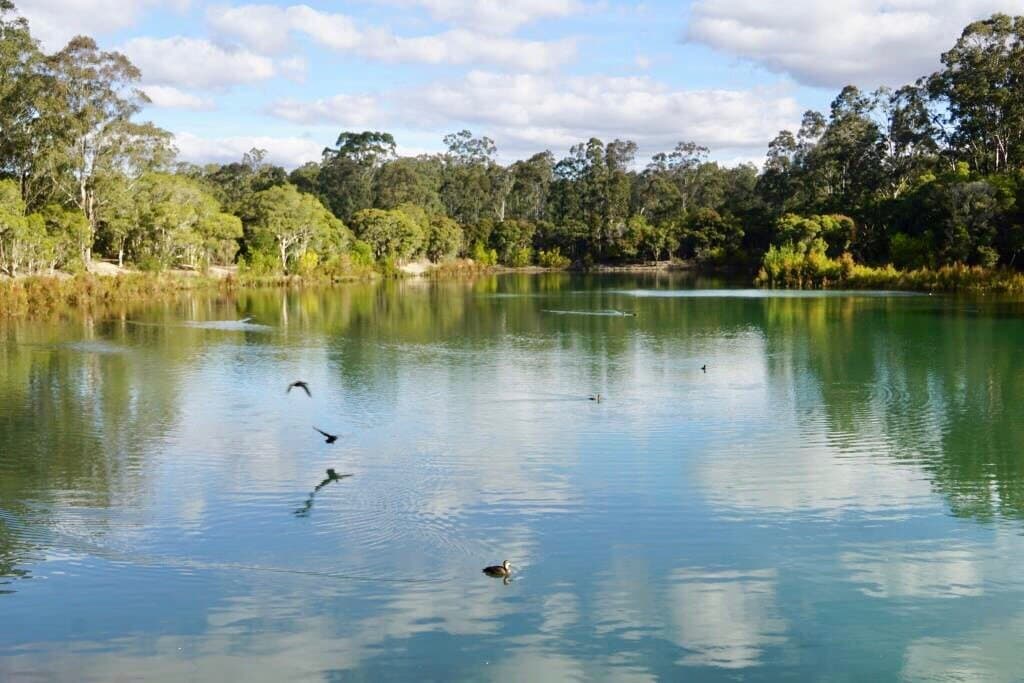
Kitchener Poppet Head

Hunter Valley Cheese Factory
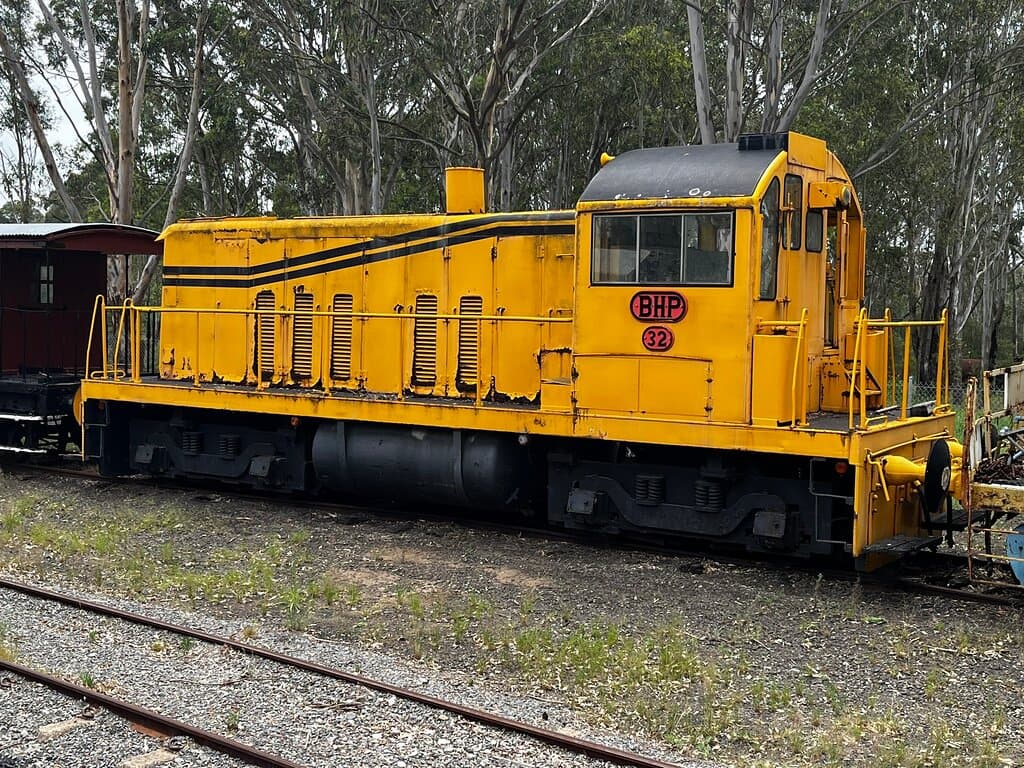
Richmond Vale Railway Museum

Kurri Kurri Murals

Cessnock Regional Art Gallery

Social
from TikTok, Instagram & Reddit