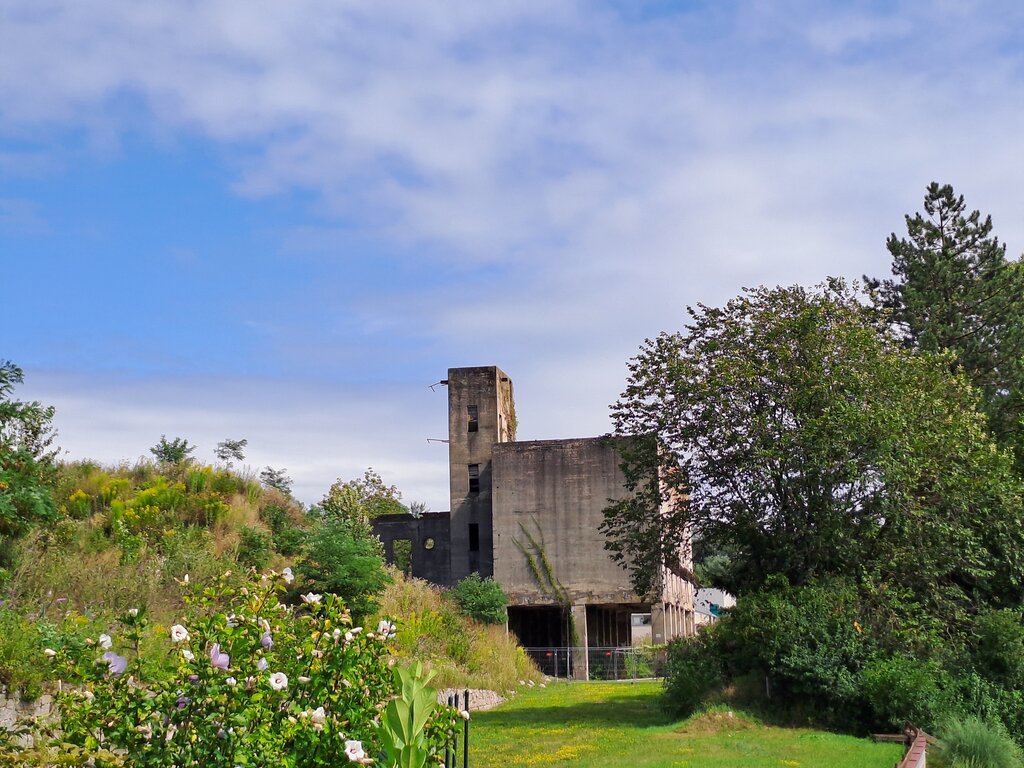
Gusen Memorial Austria
A solemn memorial to the tens of thousands murdered at Gusen concentration camp, a sub-camp of Mauthausen, through brutal forced labor.
Highlights
Must-see attractions

Social
From TikTok & Reddit
Best Time
Fewer crowds, more reflection
Gusen Memorial Austria
Best Time
Fewer crowds, more reflection
Highlights
Must-see attractions
A solemn memorial to the tens of thousands murdered at Gusen concentration camp, a sub-camp of Mauthausen, through brutal forced labor.
"A place that arouses sadness and terror, a crucial historical experience. "
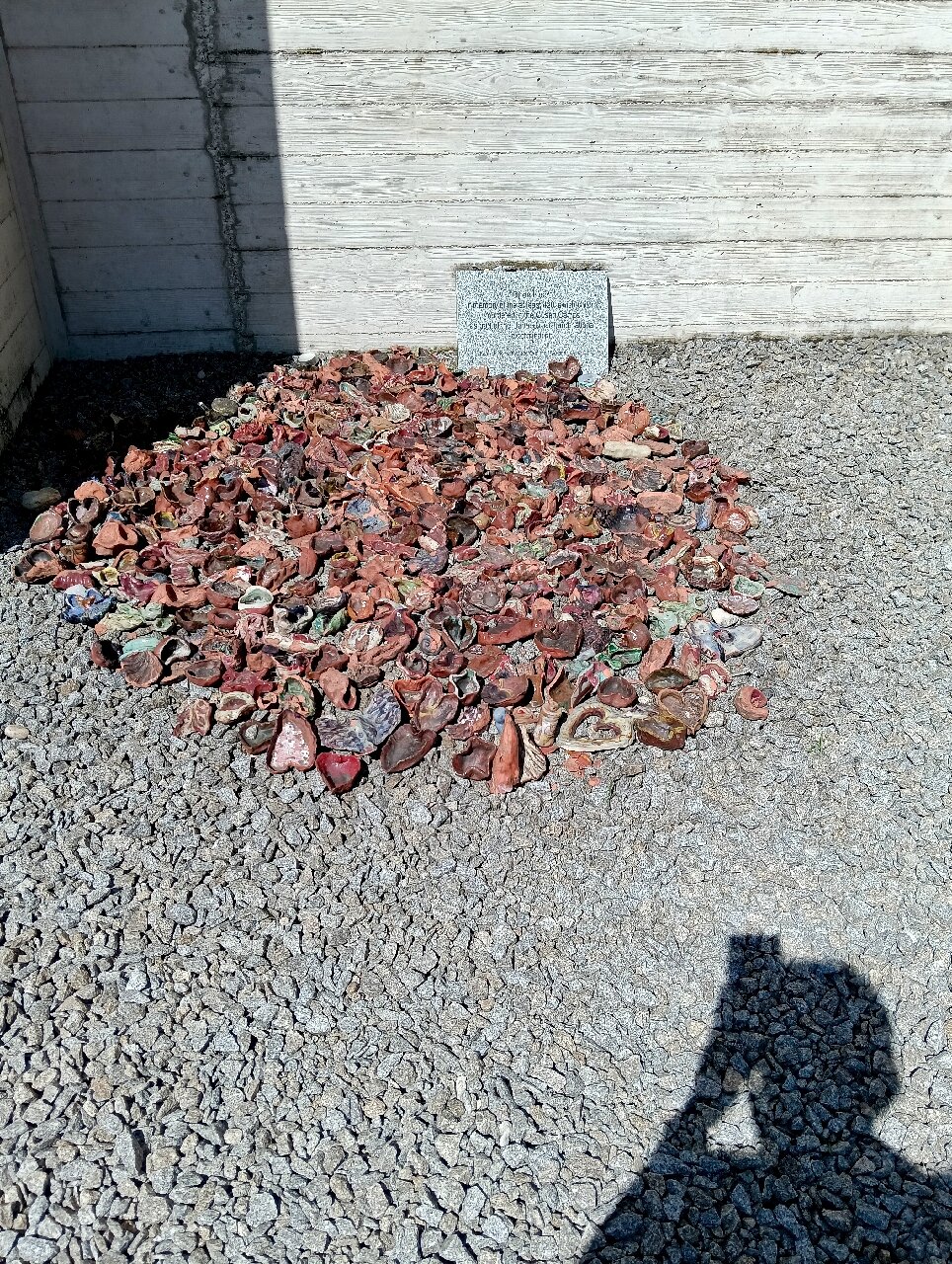
Approach with Respect
This is a place of immense sorrow, not a typical tourist spot. Come with an open heart and mind. 🙏
Combine with Mauthausen
Consider visiting Mauthausen Memorial too for a fuller picture of the region's history. :world_map:
Quick Facts
Hours
Rating
4.6 · 56 reviews
Type
Park
Highlights
Discover the most iconic attractions and experiences
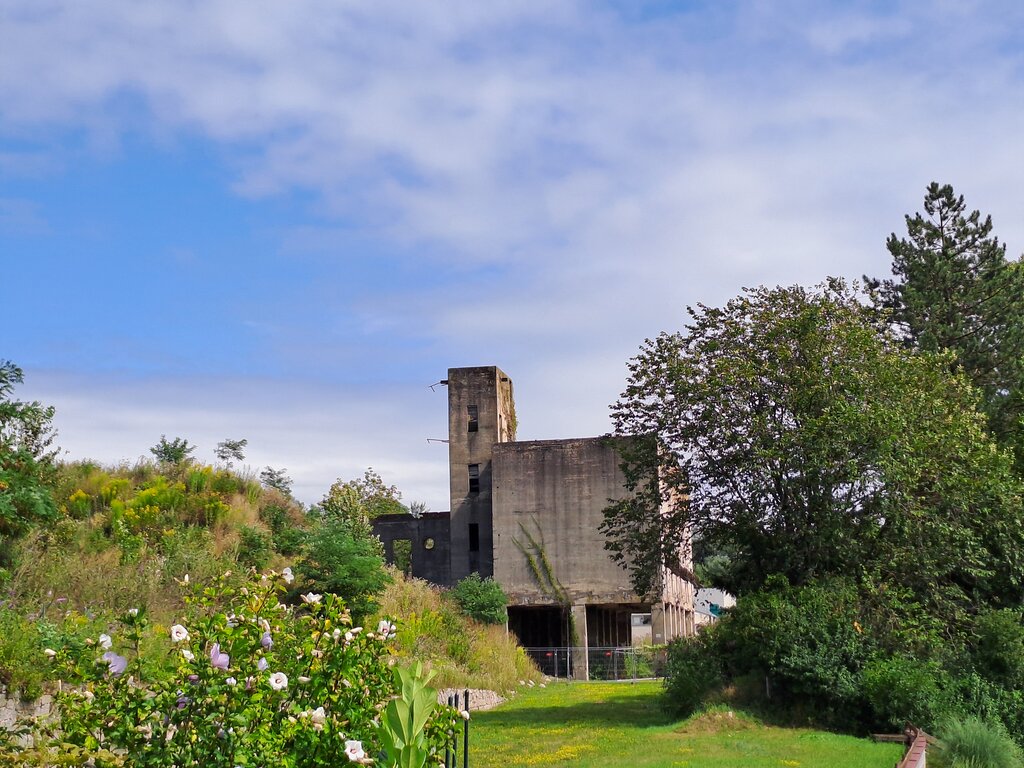
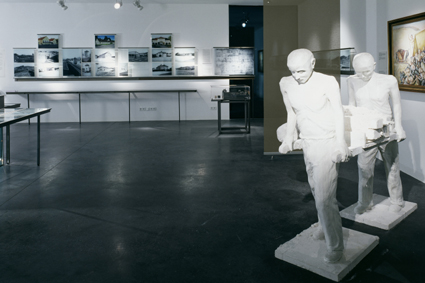
Gusen Memorial Museum
A poignant museum showcasing artifacts and stories from the camp, offering a concise yet impactful glimpse into its history.
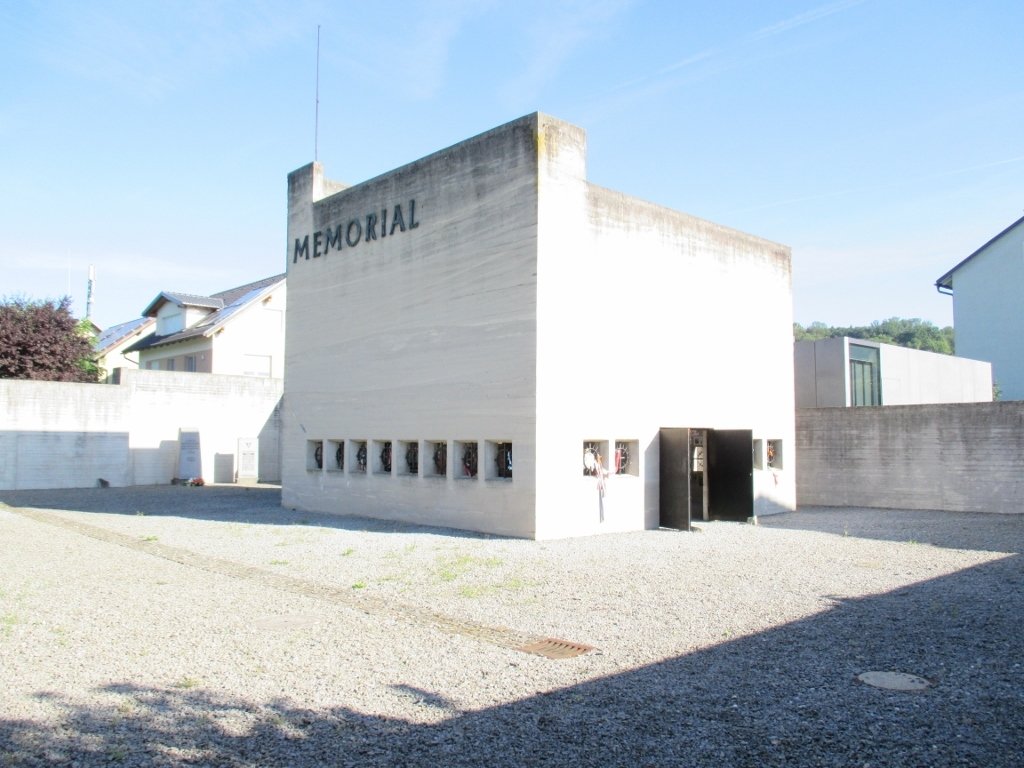
Original Ovens
Witness the chilling reality of the extermination process with the remarkably preserved original ovens still standing.
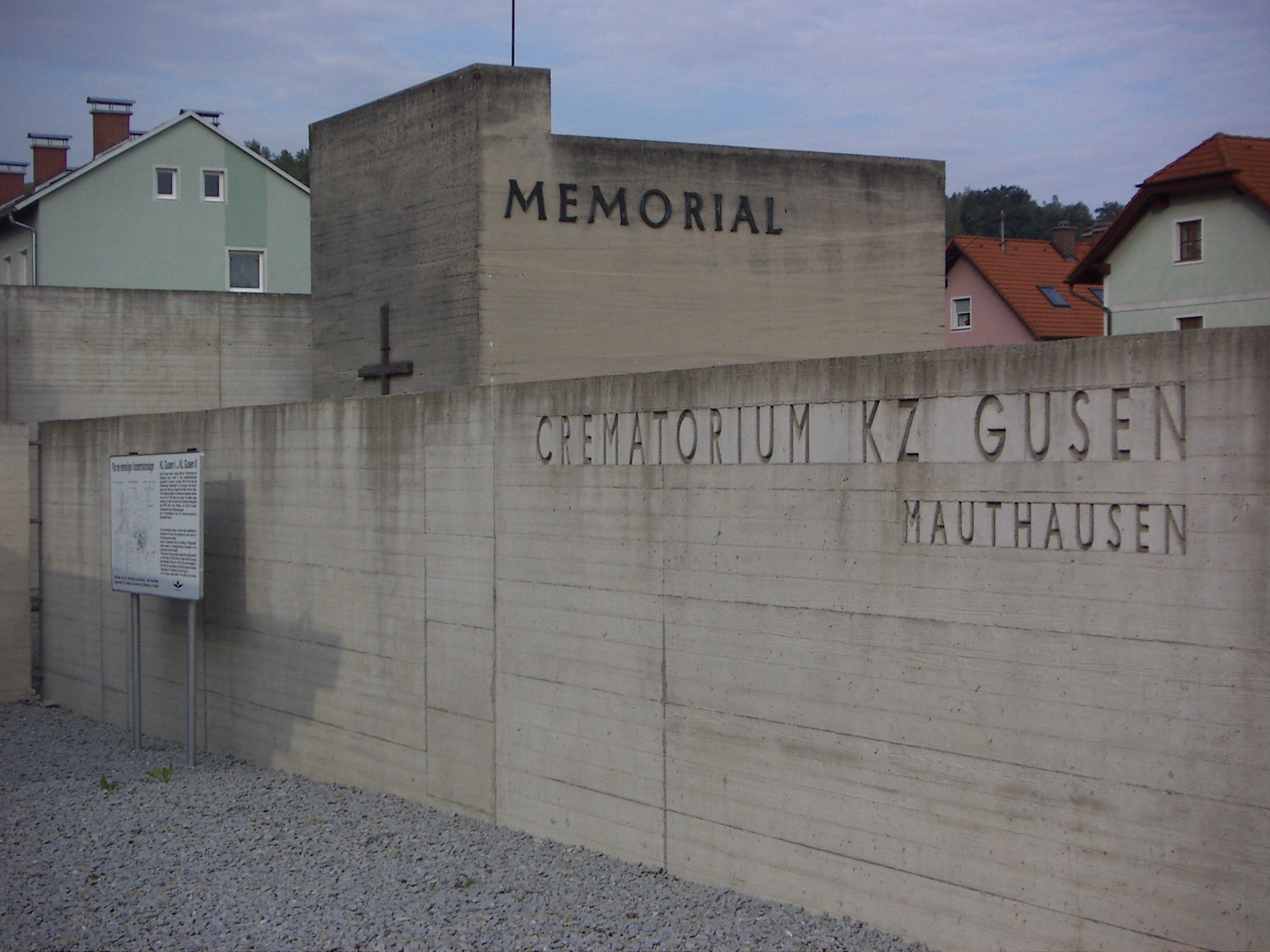
Site of Extermination by Labor
Understand Gusen's grim purpose: the systematic murder of tens of thousands through brutal forced labor.
Plans like a pro.
Thinks like you
Planning Your Visit
Understand the Gravity
Plan Your Visit Wisely
Best Times
Insider Tips
from TikTok, Instagram & Reddit
Approach with Respect
This is a place of immense sorrow, not a typical tourist spot. Come with an open heart and mind. 🙏
Combine with Mauthausen
Consider visiting Mauthausen Memorial too for a fuller picture of the region's history. :world_map:
Reflect on the 'Baths of Death'
Learn about the chilling 'baths of death' used by Commandant Karl Chmielewski. :cold_face:
Preserve History
If you find historical objects, consider donating them to museums to preserve their stories. 💼
Tips
from all over the internet
Approach with Respect
This is a place of immense sorrow, not a typical tourist spot. Come with an open heart and mind. 🙏
Combine with Mauthausen
Consider visiting Mauthausen Memorial too for a fuller picture of the region's history. :world_map:
Reflect on the 'Baths of Death'
Learn about the chilling 'baths of death' used by Commandant Karl Chmielewski. :cold_face:
Preserve History
If you find historical objects, consider donating them to museums to preserve their stories. 💼
What Travellers Say
Reviews Summary
Visitors find Gusen Memorial to be a deeply moving and essential historical site, despite its small size and the somber nature of its exhibits. While the museum is compact, the preserved ovens and the site's history of extermination by labor leave a profound impact. Some note that much of the original camp is now residential, but the memorial stands as a crucial reminder of the atrocities committed.
"So this is a small concentration camp memorial, near to Mauthausen. But it wasn't a small camp and shouldn't be overlooked. It has a really good museum, and the ovens are still there in original condition. The museum only takes about half an hour and I think it's an essential visit if you're nearby or going to Mauthausen."
Andy L
"a place that arouses sadness and terror.
😪"
Darius Cora
"The area has been renovated in to newer homes but here lies the sorrows and pain of many people in the 1900"
Saad Alam Khan
What People Like
What People Dislike
Frequently Asked Questions
🚇 🗺️ Getting There
Gusen Memorial is located very close to Mauthausen. You can typically reach it by a short taxi ride or a local bus service. Many visitors combine the two sites in one day, so check local transport schedules.
While public transport options exist, they might require careful planning. It's often easier to access via car or taxi, especially if you're visiting from a nearby city.
From Linz, you can take a train to Mauthausen and then a taxi or bus to Gusen. Alternatively, driving offers more flexibility.
Yes, there are usually parking facilities available for visitors, making it convenient for those traveling by car.
The distance is manageable for a dedicated walk, but it's not a common route for visitors. It's more practical to use local transport or a taxi for the short distance.
🎫 🎫 Tickets & Entry
Entry to the Gusen Memorial site itself is generally free, reflecting its nature as a memorial. However, there might be admission fees for specific exhibitions or guided tours.
Opening hours can vary, especially for the museum. It's advisable to check the official Gusen Memorial website or contact them directly for the most up-to-date information before your visit.
The museum is typically free to enter, but it's always a good idea to verify this on their official website as policies can change.
Yes, you can explore the memorial site and museum independently. However, a guided tour can offer deeper historical context and insights.
As a memorial site, visitors are expected to behave respectfully. Photography might be restricted in certain areas, particularly inside the museum.
🎫 🧭 Onsite Experience
The museum visit itself is quite short, often taking around 30 minutes. However, to truly absorb the atmosphere and reflect, allow at least an hour or more.
Comfortable walking shoes are recommended as you'll be on your feet. Dress respectfully, as this is a solemn memorial site. :athletic_shoe:
Gusen Memorial is a site of historical trauma. While educational, it deals with very sensitive and disturbing content. Parents should consider their children's maturity and emotional readiness.
Basic facilities like restrooms are usually available. However, amenities like cafes are generally limited or non-existent, so it's wise to bring water and snacks if needed.
Photography is often permitted at the outdoor memorial grounds, but it's usually restricted inside the museum to preserve the artifacts and maintain a respectful atmosphere. Always look for signage. :camerawithflash:
📸 📸 Photography
The outdoor memorial grounds, including the remnants of the camp structures and the surrounding landscape, offer poignant photographic opportunities. Focus on capturing the atmosphere of remembrance.
Yes, photography is typically prohibited inside the museum to protect artifacts and maintain a solemn environment. Always check for specific signage.
Photos that convey a sense of remembrance, solemnity, and the vastness of the historical tragedy are most impactful. Avoid overly cheerful or touristy shots.
Selfies are generally discouraged at memorial sites like Gusen. The focus should be on remembrance and respect for the victims, not personal photos.
Early morning or late afternoon light can create a more atmospheric and reflective mood for your photographs.





Social
from TikTok, Instagram & Reddit