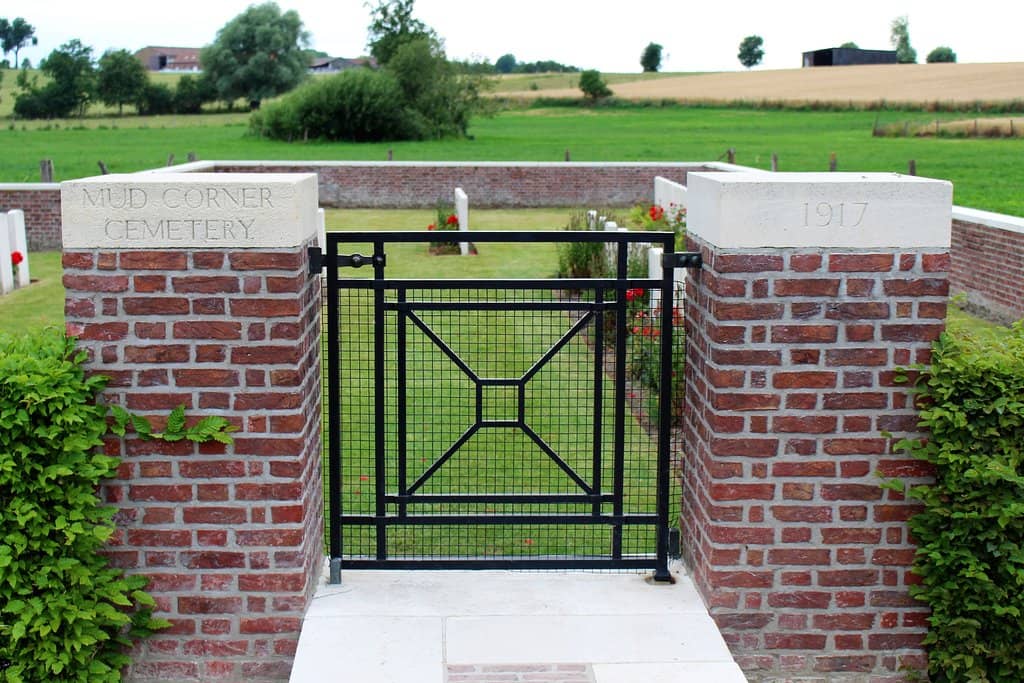
Mud Corner Cemetery
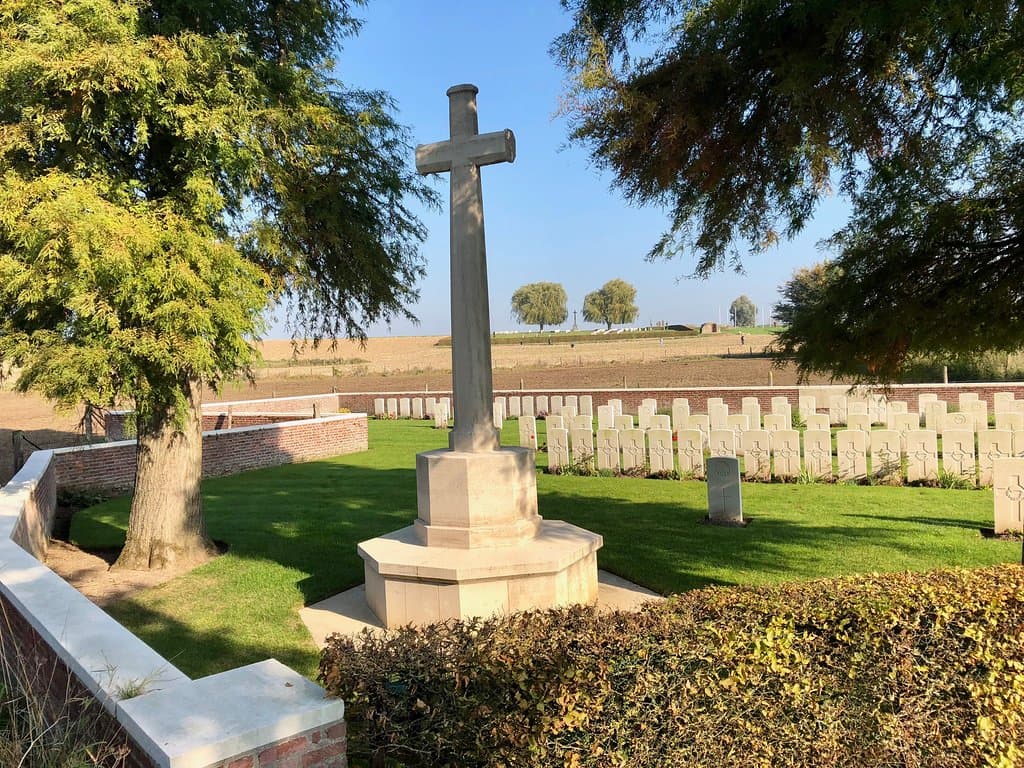
A small WWI cemetery near Ploegsteert, Belgium, named for its muddy conditions and serving as a key resting place for ANZAC soldiers.
Highlights
Must-see attractions

Social
From TikTok & Reddit
Best Time
Pleasant weather, fewer crowds
Mud Corner Cemetery
Best Time
Pleasant weather, fewer crowds
Highlights
Must-see attractions
A small WWI cemetery near Ploegsteert, Belgium, named for its muddy conditions and serving as a key resting place for ANZAC soldiers.
"A poignant reminder of the ANZAC sacrifice, this small cemetery evokes the harsh realities of WWI."
Wear Sturdy Shoes
The name 'Mud Corner' is no exaggeration; expect damp or muddy ground, especially after rain. :athletic_shoe:
Respectful Visit
This is a war cemetery. Please maintain a quiet and respectful demeanor during your visit. 🙏
Quick Facts
Hours
Rating
4.7 · 6 reviews
Type
Cemetery
Highlights
Discover the most iconic attractions and experiences
The ANZAC Connection
Mud Corner Cemetery
Primarily a resting place for Australian and New Zealand soldiers, this cemetery offers a poignant connection to the ANZAC experience in Belgium.
The Cross of Sacrifice
South side of the grounds
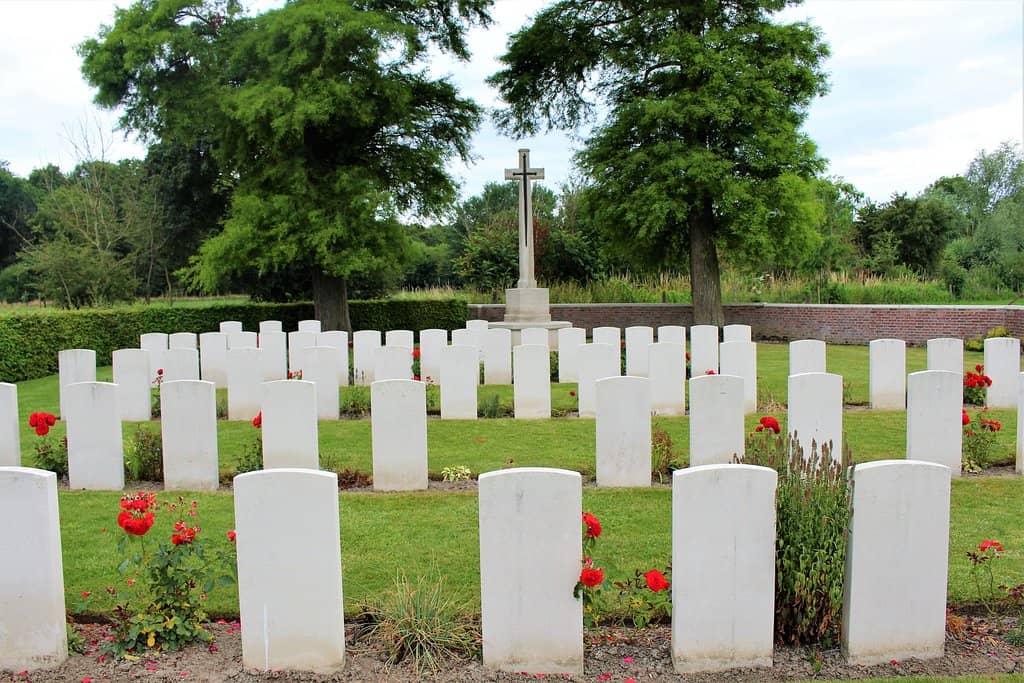
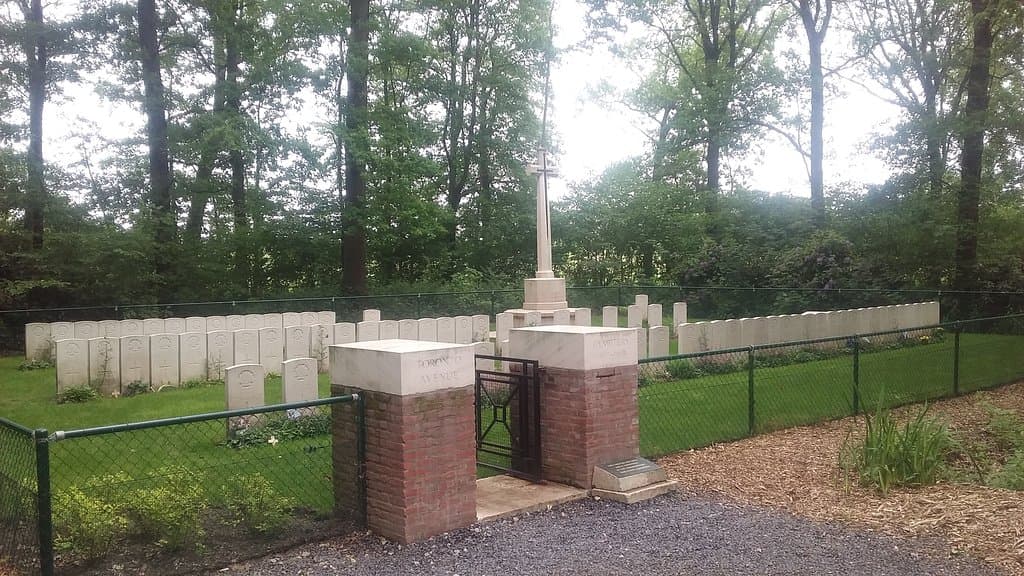
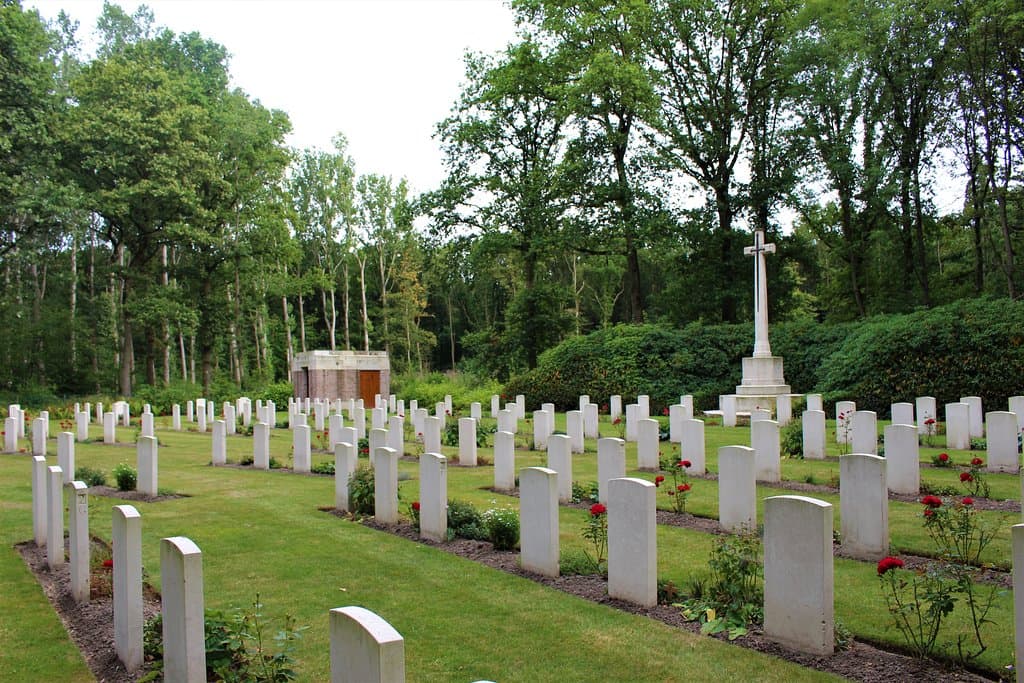
A prominent feature of the cemetery, the Cross of Sacrifice stands as a solemn memorial to the fallen soldiers.
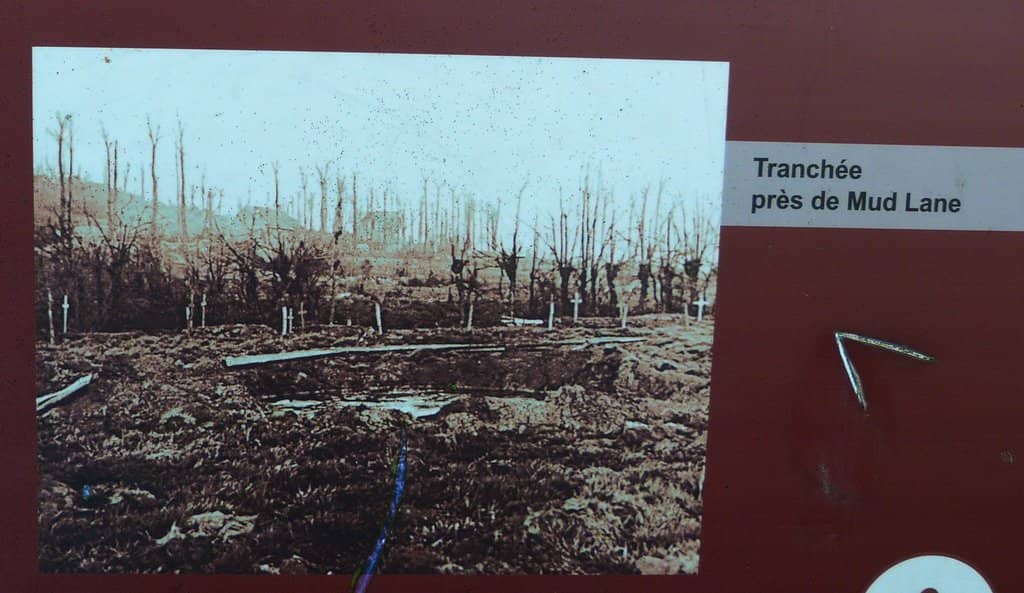
Evocative Name Origin
The cemetery grounds
The name 'Mud Corner' itself tells a story of the treacherous, boggy conditions soldiers endured.
Plans like a pro.
Thinks like you
Planning Your Visit
Understanding the Name
Proximity to Other Sites
Best Times
Insider Tips
from TikTok, Instagram & Reddit
Wear Sturdy Shoes
The name 'Mud Corner' is no exaggeration; expect damp or muddy ground, especially after rain. :athletic_shoe:
Respectful Visit
This is a war cemetery. Please maintain a quiet and respectful demeanor during your visit. 🙏
Combine with Nearby Sites
Mud Corner is one of several cemeteries in the area. Plan to visit others like Prowse Point for a fuller picture. :world_map:
Learn the History
Understanding the context of WWI in Ploegsteert Wood enhances the significance of this site. 📚
Tips
from all over the internet
Wear Sturdy Shoes
The name 'Mud Corner' is no exaggeration; expect damp or muddy ground, especially after rain. :athletic_shoe:
Respectful Visit
This is a war cemetery. Please maintain a quiet and respectful demeanor during your visit. 🙏
Combine with Nearby Sites
Mud Corner is one of several cemeteries in the area. Plan to visit others like Prowse Point for a fuller picture. :world_map:
Learn the History
Understanding the context of WWI in Ploegsteert Wood enhances the significance of this site. 📚
What Travellers Say
Reviews Summary
Mud Corner Cemetery is a small, poignant WWI burial ground, primarily serving as the resting place for Australian and New Zealand soldiers. Visitors find it a solemn and reflective site, deeply connected to the ANZAC experience and the harsh realities of trench warfare. While small, its historical significance and the quiet atmosphere make it a meaningful stop for those interested in WWI history.
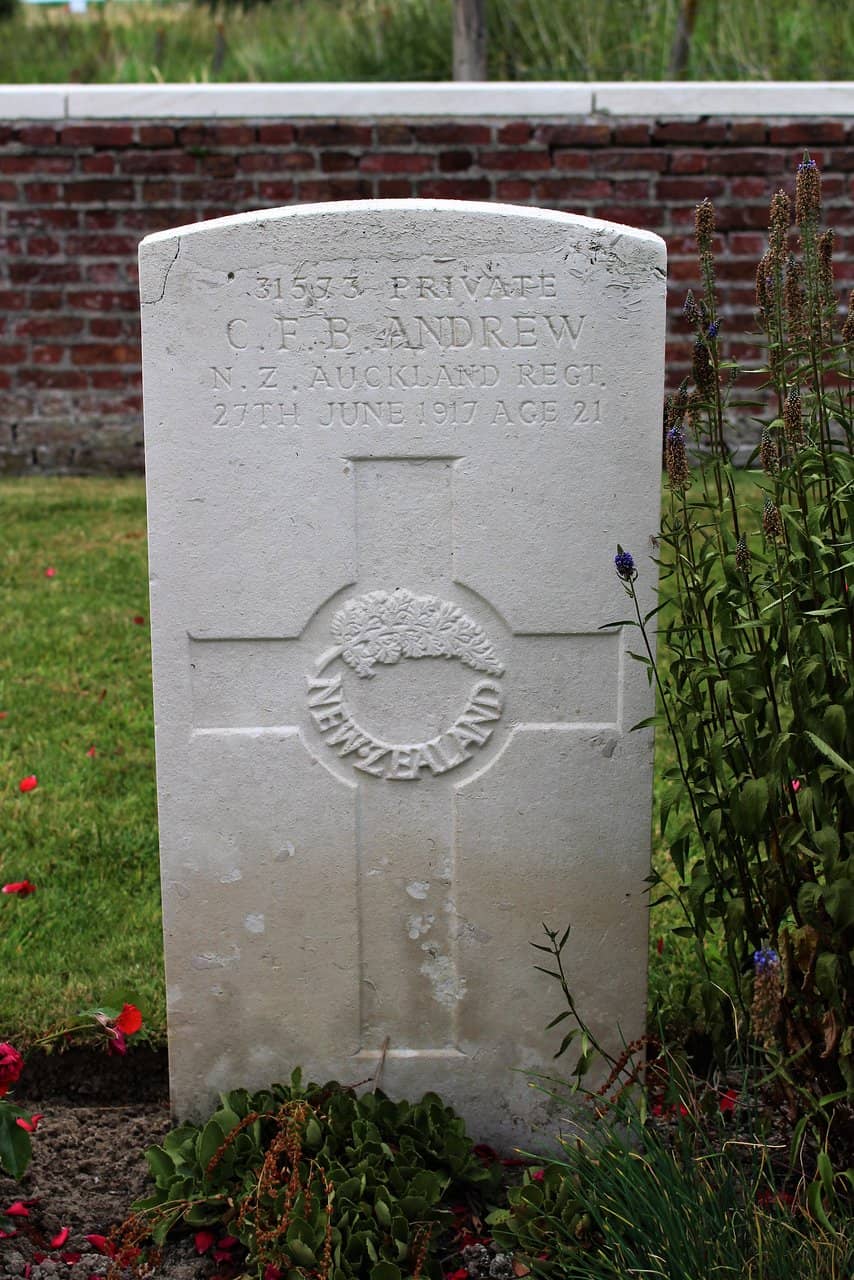
"Mud Corner Cemetery is a small WW1 cemetery near Ploegsteert, Belgium, on the northern edge of Ploegsteert Wood. It is the resting place of 85 soldiers, including two whose identities remain unknown. The site, a low-lying crossroads that often turned to mud, earned the nickname "Mud Corner" from the New Zealand troops who fought here. Between June and December 1917, they used it to bury their fallen comrades, most of whom were Australians or New Zealanders, making it essentially an ANZAC cemetery.
Many of the casualties occurred in June and July 1917, when the ANZAC Corps worked to strengthen the front lines after the Second Battle of Messines, a major offensive aimed at capturing the strategically important Messines Ridge. Even after the battle, the area remained dangerous. Troops spent the winter of 1917–1918 holding the trenches under harsh conditions, and more soldiers lost their lives during this time. Of the 83 identified soldiers buried here, 52 were New Zealanders, 31 Australians, and one British soldier.
(Follow Traces From The Past on Facebook)"
Jessy Lagrange
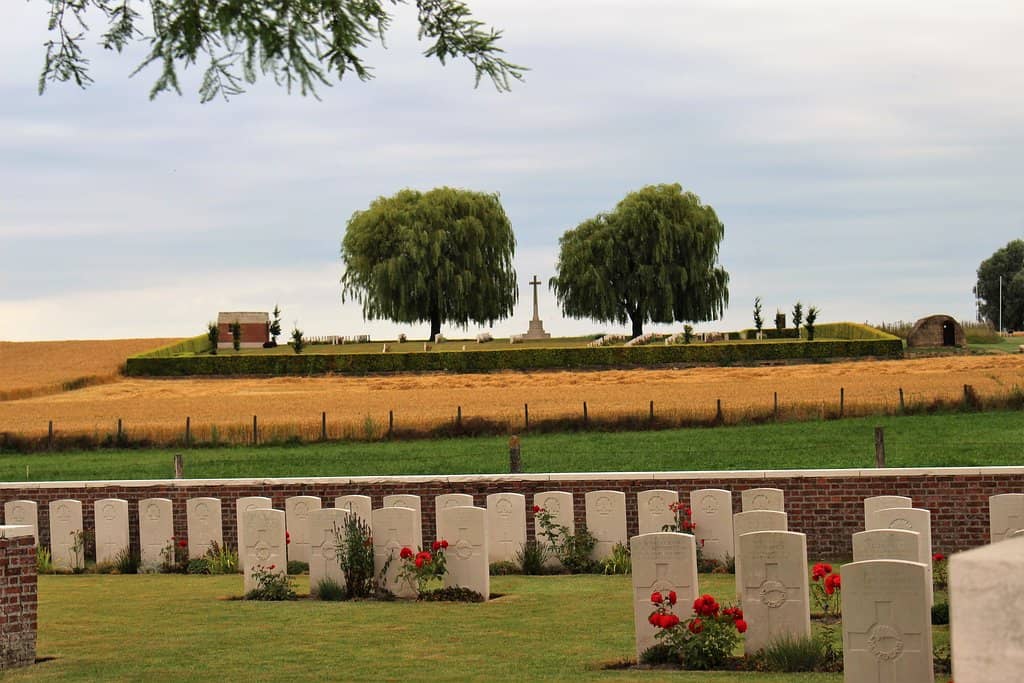
"A small walled cemetery with a small number of graves and headstones. One of several within close proximity of each other. Its name invokes thought about what it must have been like to have earnt its name, the mud, the rain, the water..."
Tim Griffiths
"Only a Tiny Cemetery,mostly if I Remember correctly,it contains the Graves of Australian & New Zealand Soldiers with just a Few British Casualties,But the Name of this Sad place Says it All. Once again Many Thanks to The CWGC Workers Who Look After These Precious Places."
Gordon Brown
What People Like
What People Dislike
Frequently Asked Questions
🚇 🗺️ Getting There
Mud Corner Cemetery is located near Ploegsteert, Belgium. From Ypres, you can drive, which takes approximately 20-30 minutes. Public transport options are limited, so a car or taxi is recommended for easier access. Check local bus routes if relying on public transport, but be prepared for longer travel times.
Parking is generally available near the cemetery, though it may be limited. It's advisable to arrive earlier in the day, especially during peak tourist seasons, to secure a spot.
Public transport to Mud Corner Cemetery can be challenging. While buses serve the Ploegsteert area, direct routes to the cemetery are scarce. It's often best combined with a car or a pre-booked tour for convenience.
From Lille, France, driving is the most straightforward way to reach Mud Corner Cemetery, taking around 45-60 minutes. Alternatively, you can take a train to Comines-Warneton and then arrange local transport or a taxi to the cemetery.
Yes, several WWI battlefield tours of the Ypres Salient and surrounding areas include visits to Mud Corner Cemetery and other nearby sites. These tours offer valuable historical context and logistical ease.
🎫 🎫 Tickets & Entry
No, there is no entrance fee to visit Mud Corner Cemetery. Like all Commonwealth War Graves Commission cemeteries, it is freely accessible to the public as a place of remembrance.
Mud Corner Cemetery is open year-round during daylight hours. There are no specific opening or closing times, allowing visitors to pay their respects at any time.
No booking is required to visit Mud Corner Cemetery. It is an open-access site for anyone wishing to pay their respects.
The cemetery is relatively small and has a generally flat terrain, but some areas might be uneven or muddy. Visitors with mobility issues should exercise caution, especially after rain.
Yes, photography is permitted at Mud Corner Cemetery. Visitors are encouraged to be respectful of the solemn nature of the site while capturing their memories.
🎫 🧭 Onsite Experience
Mud Corner Cemetery is significant as it primarily contains the graves of Australian and New Zealand soldiers who fought in WWI. Its name reflects the difficult, muddy conditions of the battlefield.
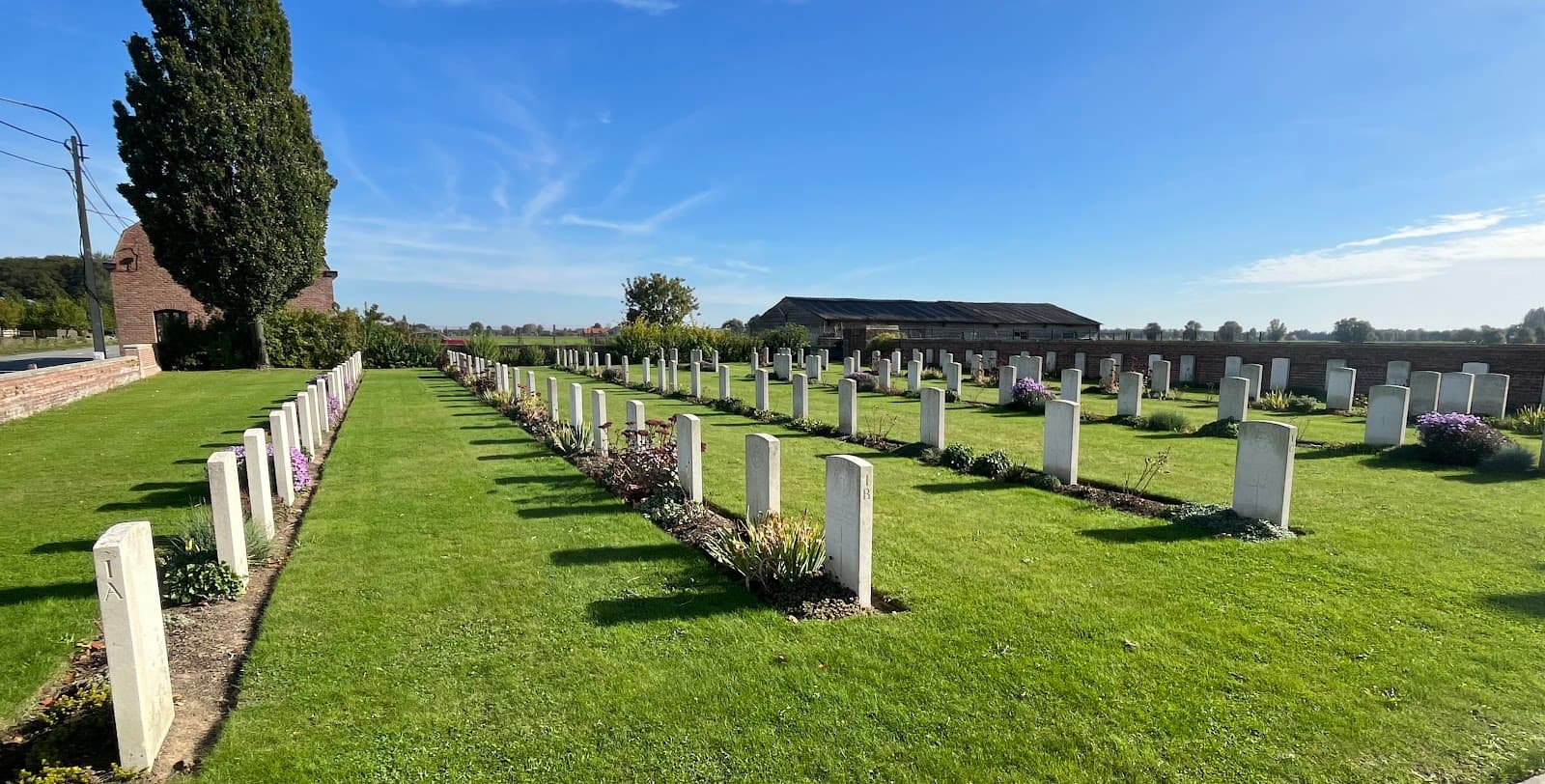
Mud Corner Cemetery is the resting place for 85 Commonwealth soldiers from WWI, including two unidentified individuals.
Visiting in the morning or late afternoon can offer a more peaceful and reflective experience, with softer light for photography and fewer visitors.
Typically, small cemeteries like Mud Corner do not have public restroom facilities. It's advisable to use facilities before arriving or at a nearby town.
Bring comfortable walking shoes, weather-appropriate clothing, and perhaps a small notebook to jot down reflections. A camera is also common for visitors.
🍽️ 🍽️ Food & Dining
There are no dining facilities directly at Mud Corner Cemetery. The nearest options for food and drink would be in the nearby villages of Ploegsteert or Comines-Warneton.
While there are no designated picnic areas, visitors can find quiet spots for a brief, respectful pause. However, it's generally recommended to have picnics in designated areas or cafes in nearby towns.
In the Ploegsteert area, you can expect traditional Belgian cuisine, including hearty stews, frites (fries), waffles, and a wide variety of local beers.
📸 📸 Photography
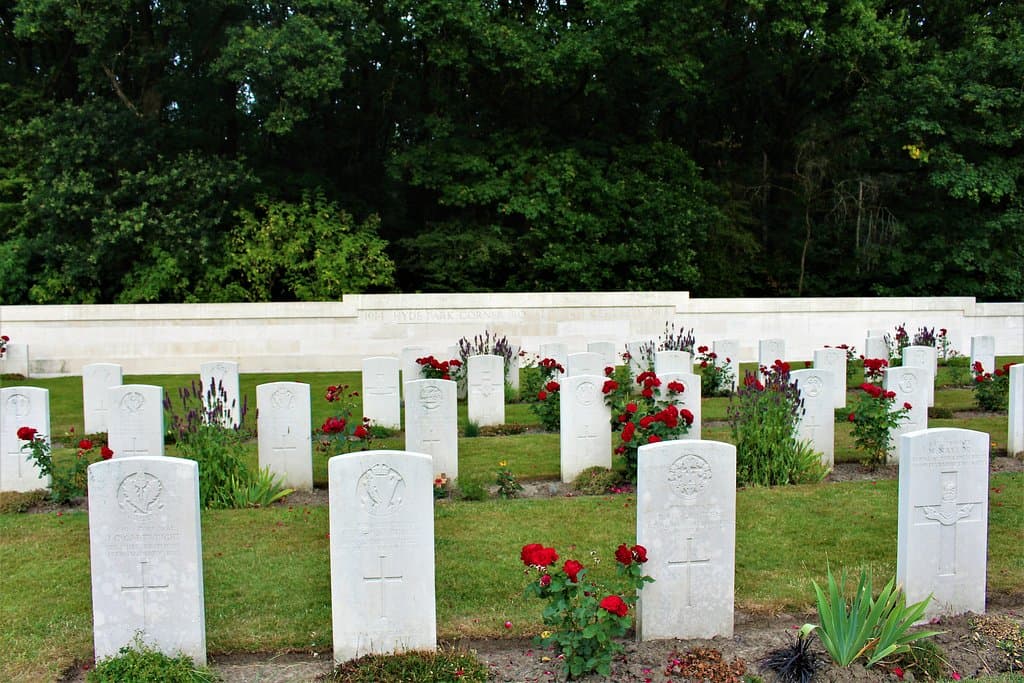
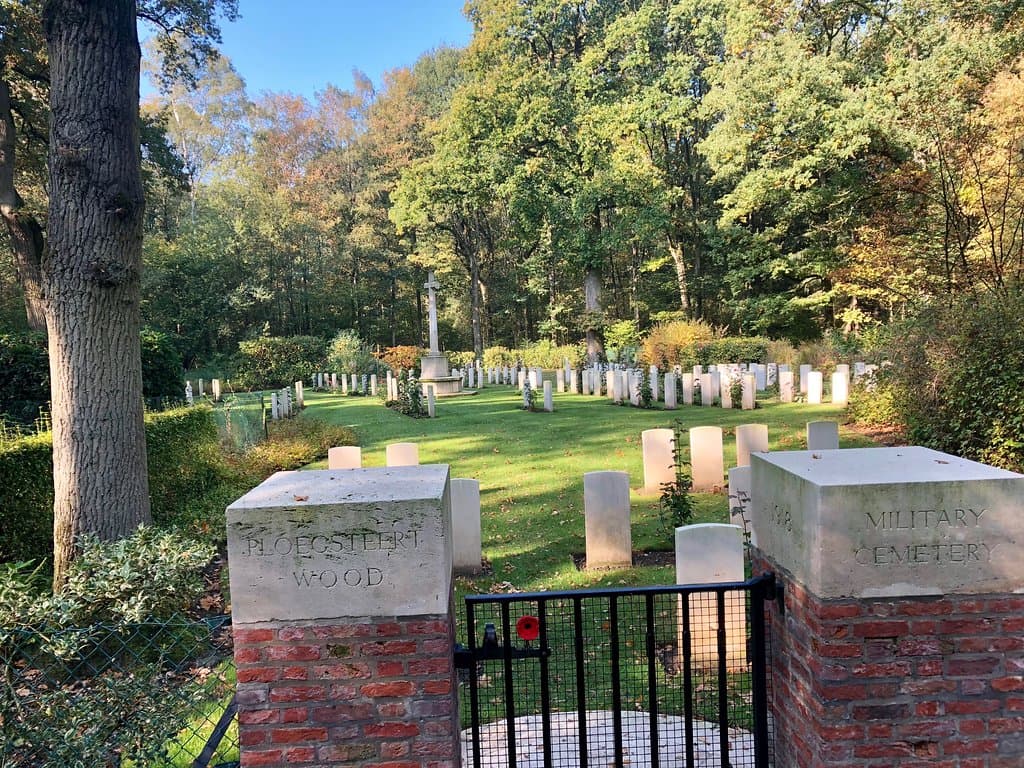
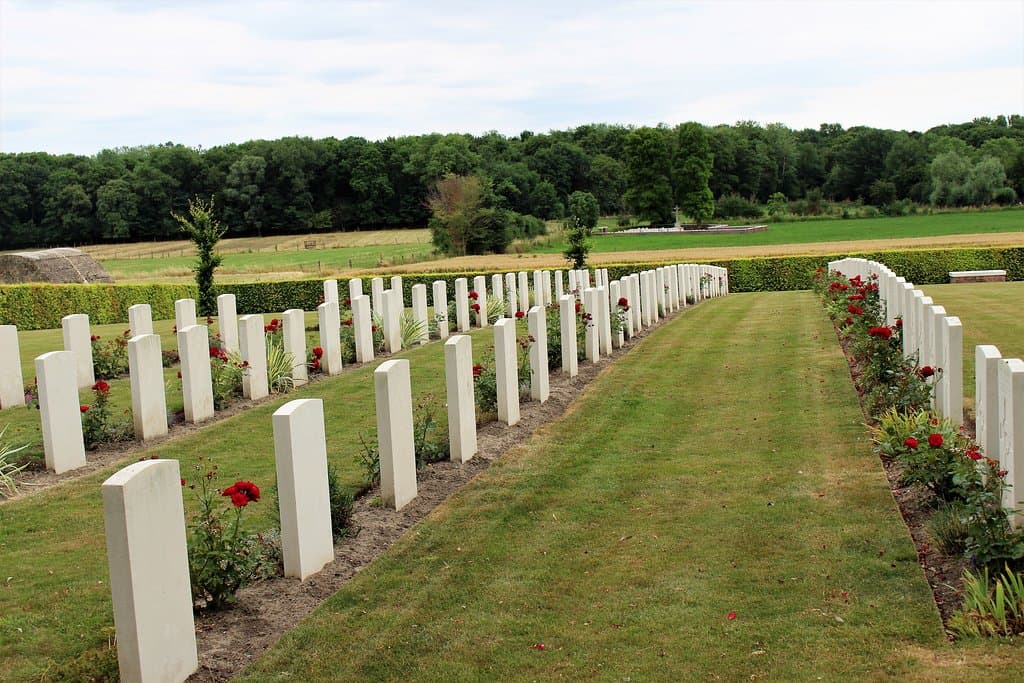
The Cross of Sacrifice, the rows of headstones, and the cemetery entrance sign are popular photo subjects. Capturing the atmosphere during golden hour can also yield beautiful, poignant shots.
While photography is allowed, selfies should be taken discreetly and respectfully. The focus should remain on remembrance rather than personal posing.
Early morning or late afternoon light (golden hour) provides the most atmospheric and flattering light for photography, creating long shadows and a serene mood.
Drone usage is generally restricted over cemeteries and memorial sites due to privacy and respect concerns. It's best to avoid using drones here.
A standard DSLR or mirrorless camera with a versatile lens is ideal. A wide-angle lens can capture the expanse of the cemetery, while a prime lens can focus on details of the headstones.

Social
from TikTok, Instagram & Reddit