Vladslo German War Cemetery
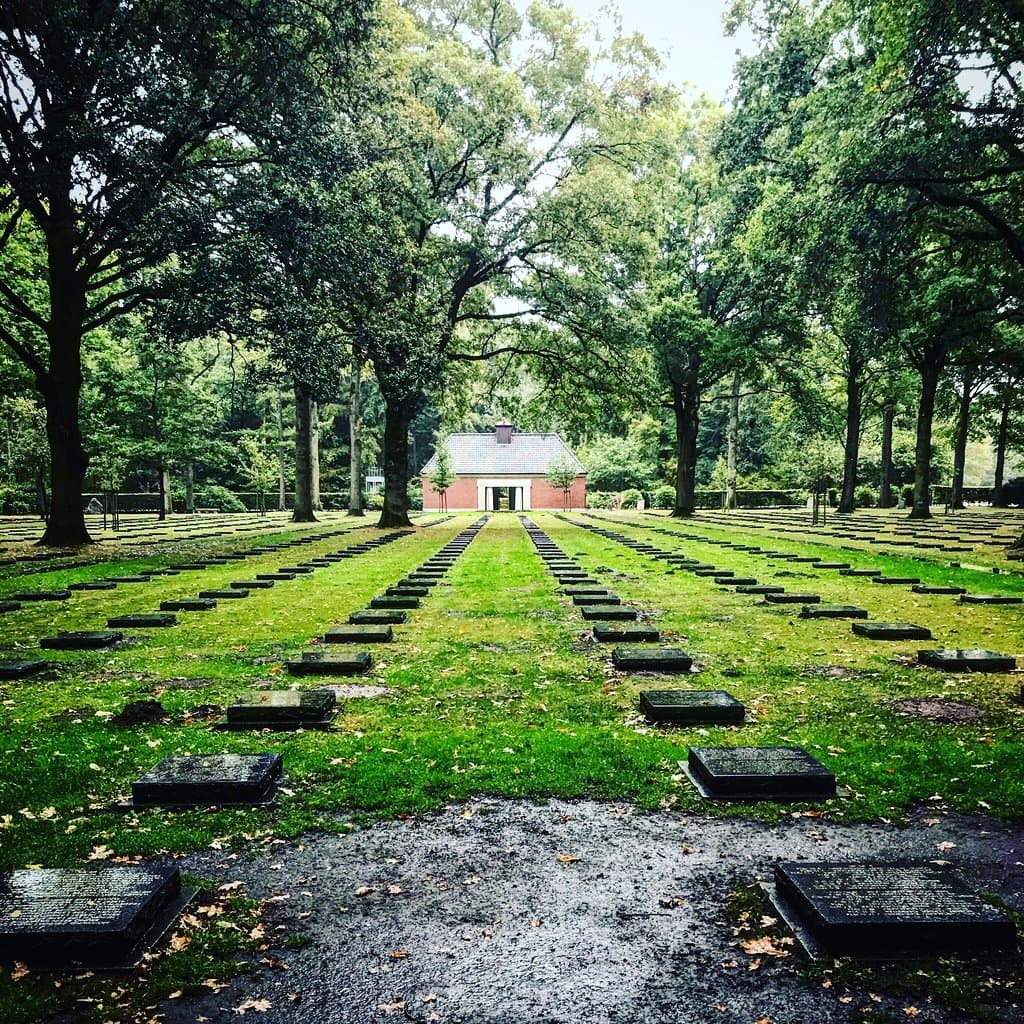
A vast and solemn memorial to 25,644 German soldiers, featuring Käthe Kollwitz's 'Grieving Parents' statues.
Highlights
Must-see attractions

Social
From TikTok & Reddit
Best Time
Fewer visitors, more peaceful atmosphere
Vladslo German War Cemetery
Best Time
Fewer visitors, more peaceful atmosphere
Highlights
Must-see attractions
A vast and solemn memorial to 25,644 German soldiers, featuring Käthe Kollwitz's 'Grieving Parents' statues.
"A hauntingly beautiful and deeply moving tribute to lost youth."
Wear Comfortable Shoes
You'll be walking on grass and uneven ground. :athletic_shoe: Explore the vast grounds comfortably.
Bring Insect Repellent
Especially during warmer months, mosquitoes can be present. :bug: Enjoy your visit without bites.
Quick Facts
Hours
Rating
4.6 · 61 reviews
Type
Cemetery
Highlights
Discover the most iconic attractions and experiences
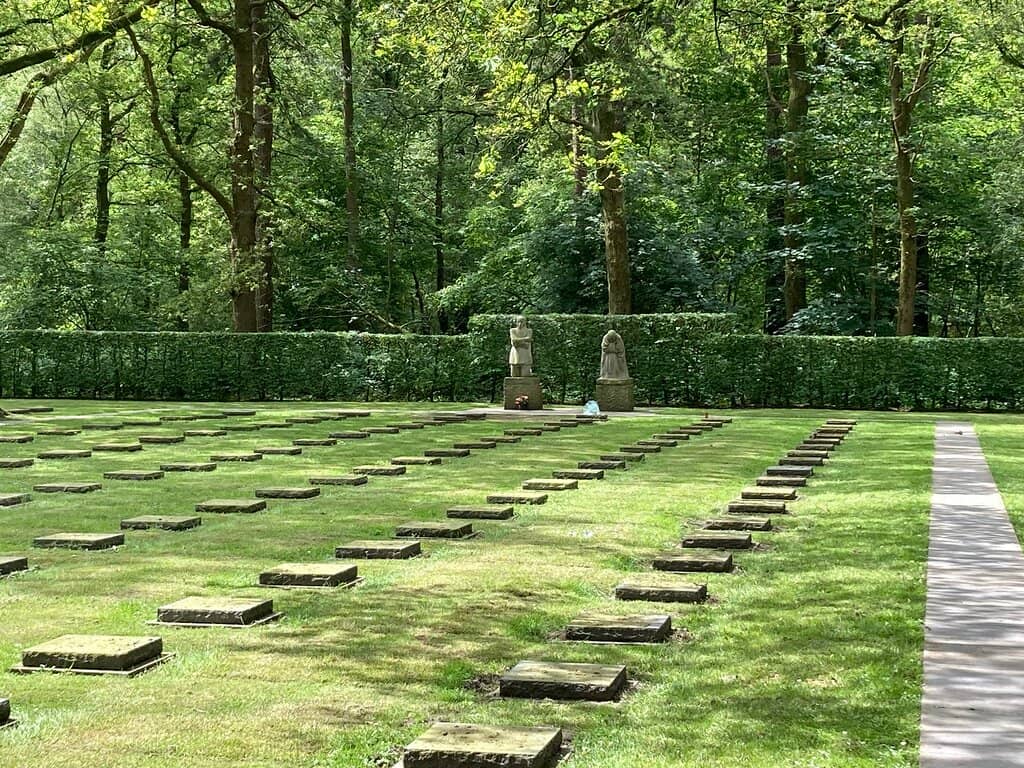
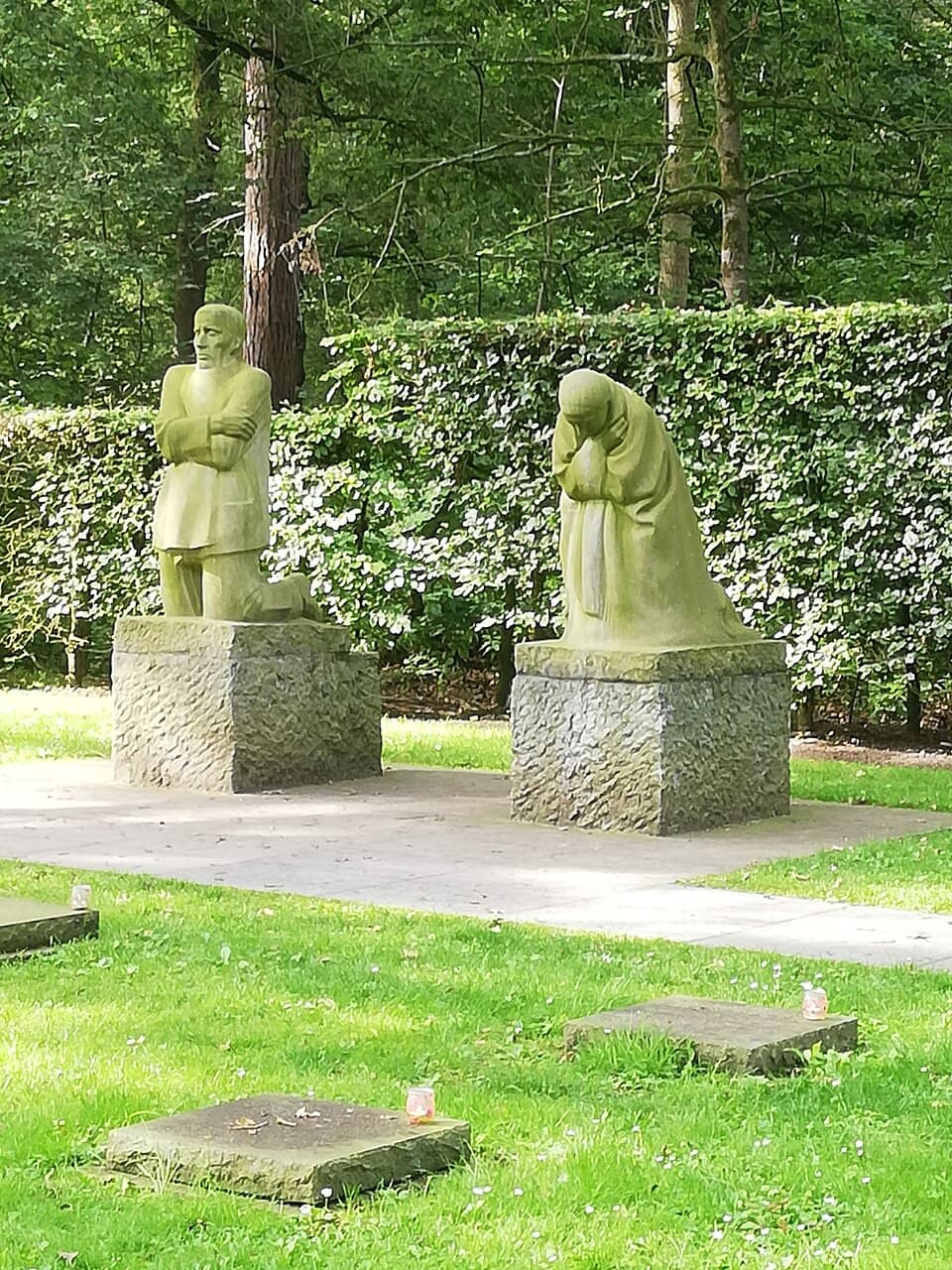
The Grieving Parents Statues
Center of the cemetery
Haunting sculptures by Käthe Kollwitz, a poignant tribute to lost youth and parental grief.
Sea of Gravestones
Throughout the cemetery
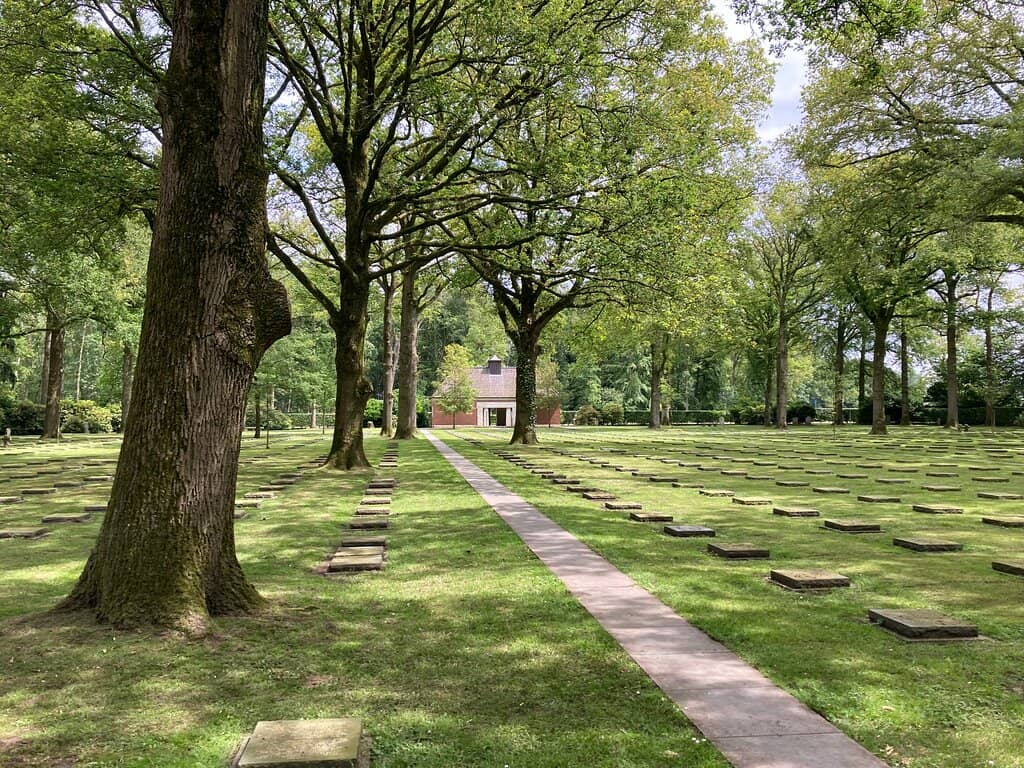
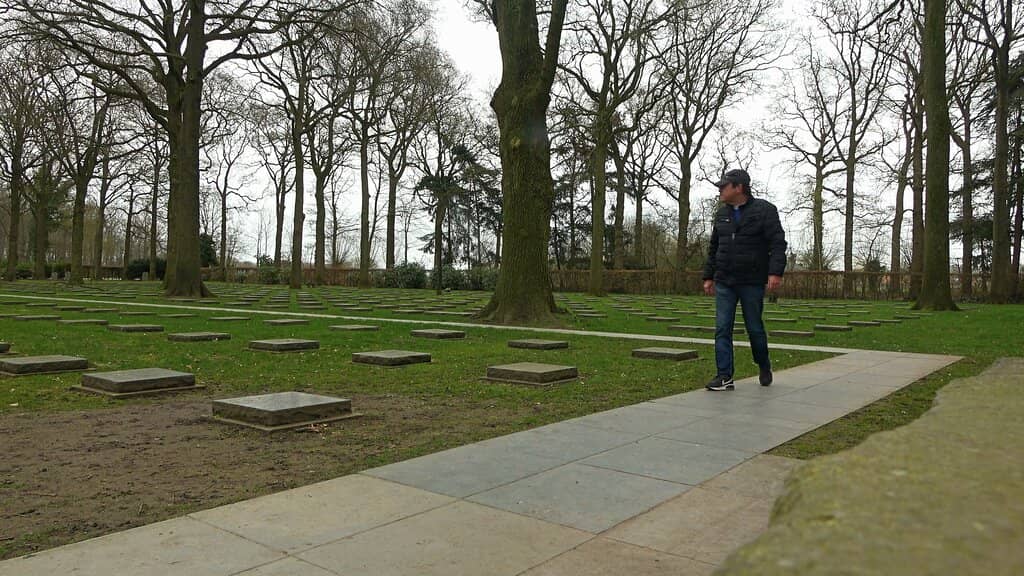
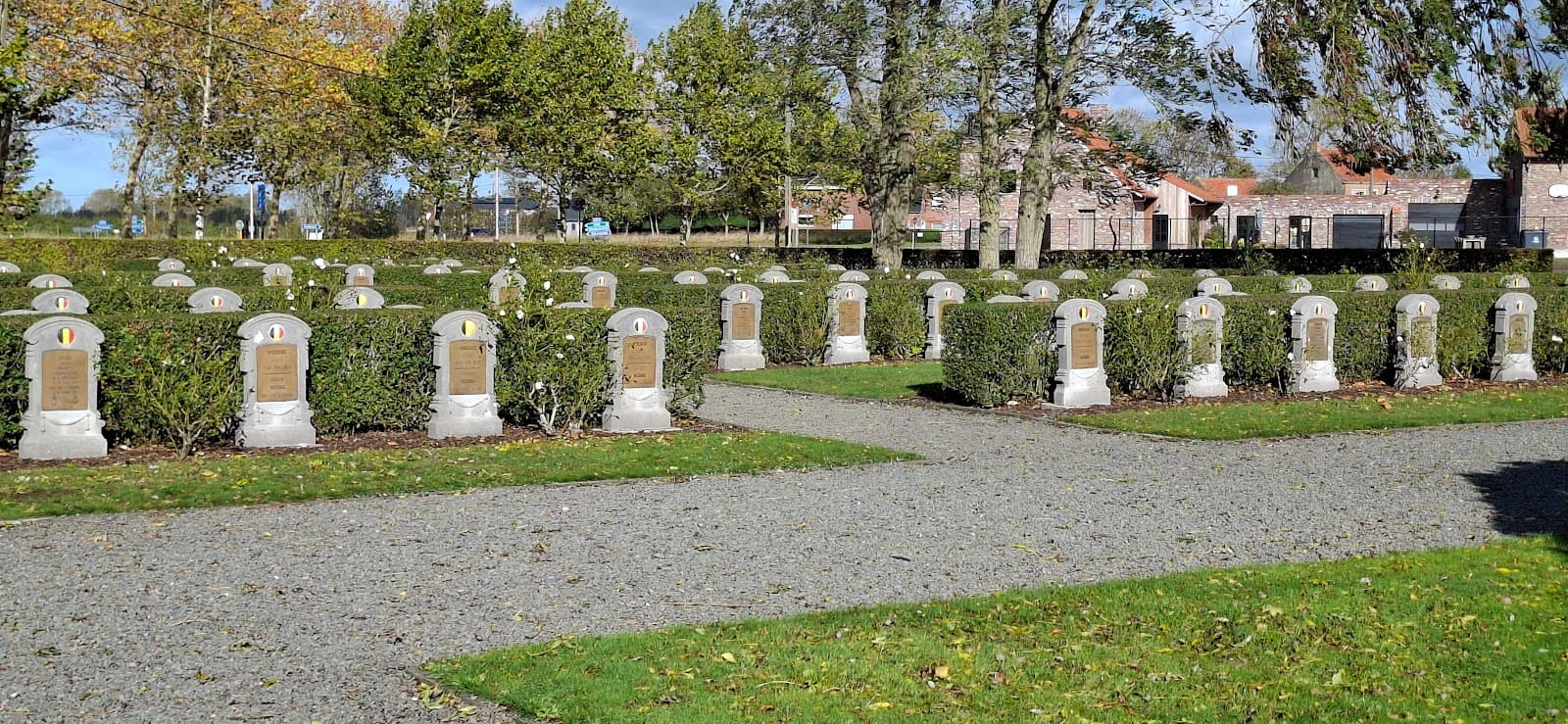
Thousands of granite markers, each inscribed with twenty names, create a powerful visual of sacrifice.
Käthe Kollwitz's Son's Grave
Near the statues
The personal connection to the artist's son, Peter, adds an emotional depth to the site.
Plans like a pro.
Thinks like you
Planning Your Visit
Respectful Visitation
Understanding the Scale
Best Times
Insider Tips
from TikTok, Instagram & Reddit
Wear Comfortable Shoes
You'll be walking on grass and uneven ground. :athletic_shoe: Explore the vast grounds comfortably.
Bring Insect Repellent
Especially during warmer months, mosquitoes can be present. :bug: Enjoy your visit without bites.
Check for Moss on Stones
Some names may be obscured by moss. :moss: Appreciate the history despite natural wear.
Prepare for Emotional Impact
The scale and the statues are deeply moving. ❤️ Allow time for reflection.
Tips
from all over the internet
Wear Comfortable Shoes
You'll be walking on grass and uneven ground. :athletic_shoe: Explore the vast grounds comfortably.
Bring Insect Repellent
Especially during warmer months, mosquitoes can be present. :bug: Enjoy your visit without bites.
Check for Moss on Stones
Some names may be obscured by moss. :moss: Appreciate the history despite natural wear.
Prepare for Emotional Impact
The scale and the statues are deeply moving. ❤️ Allow time for reflection.
What Travellers Say
Reviews Summary
Vladslo German War Cemetery is a deeply moving and solemn site, primarily recognized for its immense scale and the poignant 'Grieving Parents' statues. While the sheer number of graves is impactful, some visitors note that the cemetery's maintenance may not be as extensive as other war memorials, with faded gravestones and occasional moss obscuring names. Despite this, the emotional resonance of the site and its artistic elements make it a significant place for remembrance.
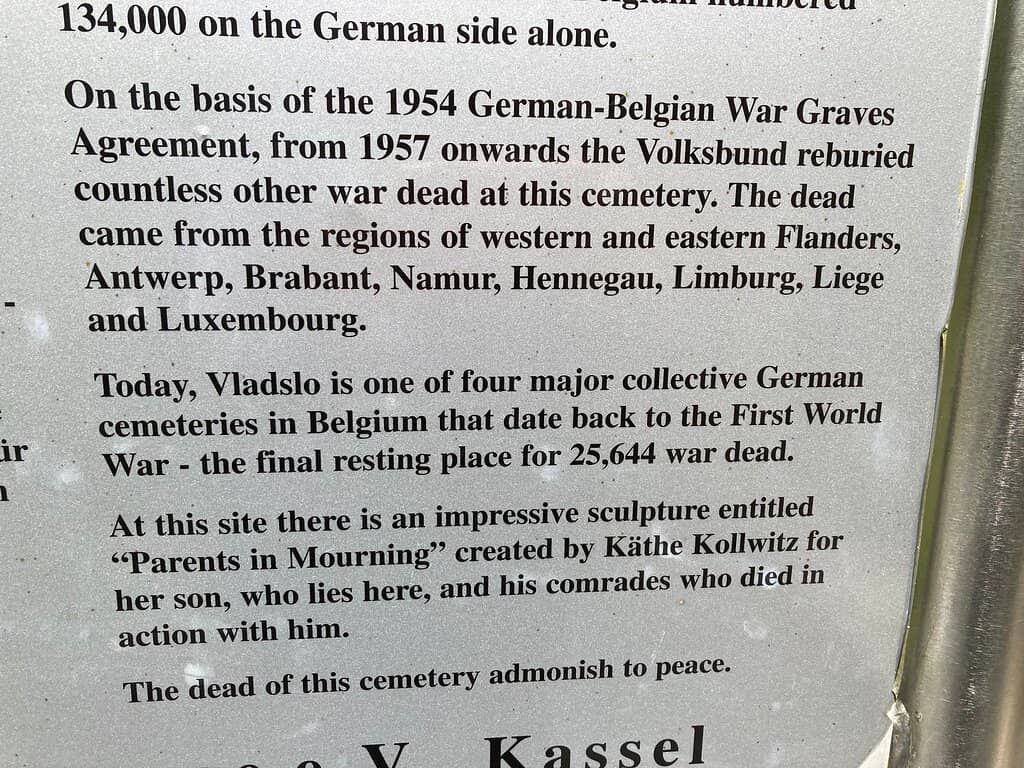
"Vladslo German Military cemetery is approx three kilometres north east of Vladslo, near Diksmuide. Established during World War I, the cemetery originally held 3,233 wartime burials. In 1956, burials from many smaller surrounding cemeteries were concentrated in Vladslo, and it now contains the remains of 25,644 soldiers. Each stone bears the name of twenty soldiers, with just their name, rank, and date of death specified.
The cemetery also contains a pair of statues – The Grieving Parents– designed by Käthe Kollwitz, a noted German sculptress. The sculptors were (father) August Rhades; (mother) Fritz Diederich. The two statues were made in the 1930s as a tribute to her youngest son, Peter, who was killed in October 1914 and is buried nearby. The eyes on the father-figure gaze on the ninth stone before him, on which his son's name is written.
The statues were first installed in 1931 at Roggeveld cemetery, and removed from there along with bodies of the dead, including that of her son, for installation at Vladslo in1956."
william willis
"Thirty Kilometres north of Ypres, this World War One Military Cemetery is the final resting place of 25644 fallen German soldiers. The presence of trees throughout its many rows of flat granite gravestones contributes to a certain quiet ambience and casts eerie splintered shadows over what is essentially a burial field of sacrificed and lost youth. The now famous "Grieving Parents" statues by the renowned artist Kathe Kollwitz symbolically captivates a profound and haunting heaviness over the whole site which may emotionally pierce visitors of a certain "sensitively honed awareness"!"
Abel Turpin
"Small graveyard of german soldiers. It houses two statues of Käthe Kollwitz."
Bart Eekhaut
What People Like
What People Dislike
Frequently Asked Questions
🚇 🗺️ Getting There
Vladslo German War Cemetery is located approximately three kilometers northeast of Vladslo, near Diksmuide. Driving is the most convenient option, with ample parking available. Public transport options are limited, so checking local bus schedules in advance is recommended if you are not driving.
Public transport to Vladslo German War Cemetery can be challenging. While buses may serve the general area of Vladslo, direct routes to the cemetery are infrequent. It's advisable to consult local transport websites or apps for the most up-to-date information on bus routes and schedules from Diksmuide.
If you're coming from Ypres, driving is the most straightforward method to reach Vladslo German War Cemetery, as it's about thirty kilometers north. Consider renting a car or arranging a taxi for a direct journey. Public transport would involve multiple changes and a longer travel time.
The cemetery is situated about three kilometers northeast of Vladslo village. Follow signs for Vladslo from Diksmuide, and then look for local signage directing you to the German War Cemetery. GPS navigation systems are generally reliable for locating the site.
🎫 🎫 Tickets & Entry
No, there is typically no entrance fee for Vladslo German War Cemetery. As a memorial site, it is generally open to the public free of charge. Donations may be accepted to help with maintenance.
War cemeteries are usually accessible during daylight hours. While specific official opening hours might not be strictly enforced, it's best to visit between sunrise and sunset to ensure you can experience the site fully and respectfully.
While the cemetery grounds are generally accessible during daylight, it's advisable to plan your visit during reasonable hours. Visiting during the day allows for better visibility of the gravestones and the 'Grieving Parents' statues.
No, booking tickets in advance is not necessary for Vladslo German War Cemetery as there is no admission fee. You can visit spontaneously during daylight hours.
Based on visitor feedback, there isn't a dedicated visitor center or information desk at Vladslo German War Cemetery. Information is primarily conveyed through the gravestones, statues, and the overall atmosphere of the site.
📸 📸 Photography
Yes, photography is generally allowed at Vladslo German War Cemetery. However, visitors are reminded to be respectful of the solemn nature of the site and avoid intrusive or disrespectful photography.
The 'Grieving Parents' statues are a focal point for photography, capturing their emotional weight. The long rows of granite gravestones also offer powerful, sweeping photographic opportunities, especially during golden hour.
While general photography is permitted, it's important to be sensitive. Avoid taking close-ups of individual names if they are obscured, and always maintain a respectful distance and demeanor. Drone photography is likely prohibited.
Late afternoon, during the 'golden hour,' can provide beautiful, soft light that casts long shadows across the gravestones, enhancing the atmosphere. Overcast days can also offer diffused light, which is good for capturing details without harsh contrasts.
Absolutely. The 'Grieving Parents' statues are a significant artistic and emotional element of the cemetery and are a popular subject for photography. Capture them from various angles to convey their impact.
🎫 🤔 Onsite Experience
The atmosphere is profoundly solemn and peaceful. The vast number of graves and the 'Grieving Parents' statues create a deeply moving and reflective environment, often described as haunting and heavy with the weight of lost youth.
Most visitors spend between 1 to 2 hours at Vladslo German War Cemetery to fully absorb the scale of the site, appreciate the statues, and allow for personal reflection. Some may wish to spend longer for a more contemplative experience.
Information regarding specific facilities like restrooms or benches is scarce. It's advisable to assume minimal facilities and plan accordingly. The focus of the site is on remembrance, not visitor amenities.
Designed by Käthe Kollwitz, the statues are a memorial to her son, Peter, who died in WWI and is buried nearby. They symbolize the profound grief of parents who lost their children in the war, adding a deeply personal dimension to the cemetery.
Each flat granite gravestone bears the names of twenty German soldiers. This design emphasizes the immense scale of loss and the collective sacrifice of soldiers during World War I.

Social
from TikTok, Instagram & Reddit