
Laguna Coña Coña
A developing urban lagoon in Cochabamba, transforming into a 'Turquoise Lagoon' for family recreation and tourism.
Highlights
Must-see attractions

Social
From TikTok & Reddit
Best Time
Water levels rise, birds arrive
Laguna Coña Coña
Best Time
Water levels rise, birds arrive
Highlights
Must-see attractions
A developing urban lagoon in Cochabamba, transforming into a 'Turquoise Lagoon' for family recreation and tourism.
"It's a developing oasis, aiming to be a unique beach-like experience for families in the city."
Check Project Status
Confirm development progress for the best experience.
Embrace Nature's Rhythm
Visit during rainy season for peak bird activity.

Highlights
Discover the most iconic attractions and experiences
The Turquoise Lagoon Project
Laguna Coña Coña
A developing urban oasis designed to mimic a beach and sea experience for family fun.
Nature and Wildlife Spotting
Lagoon waters
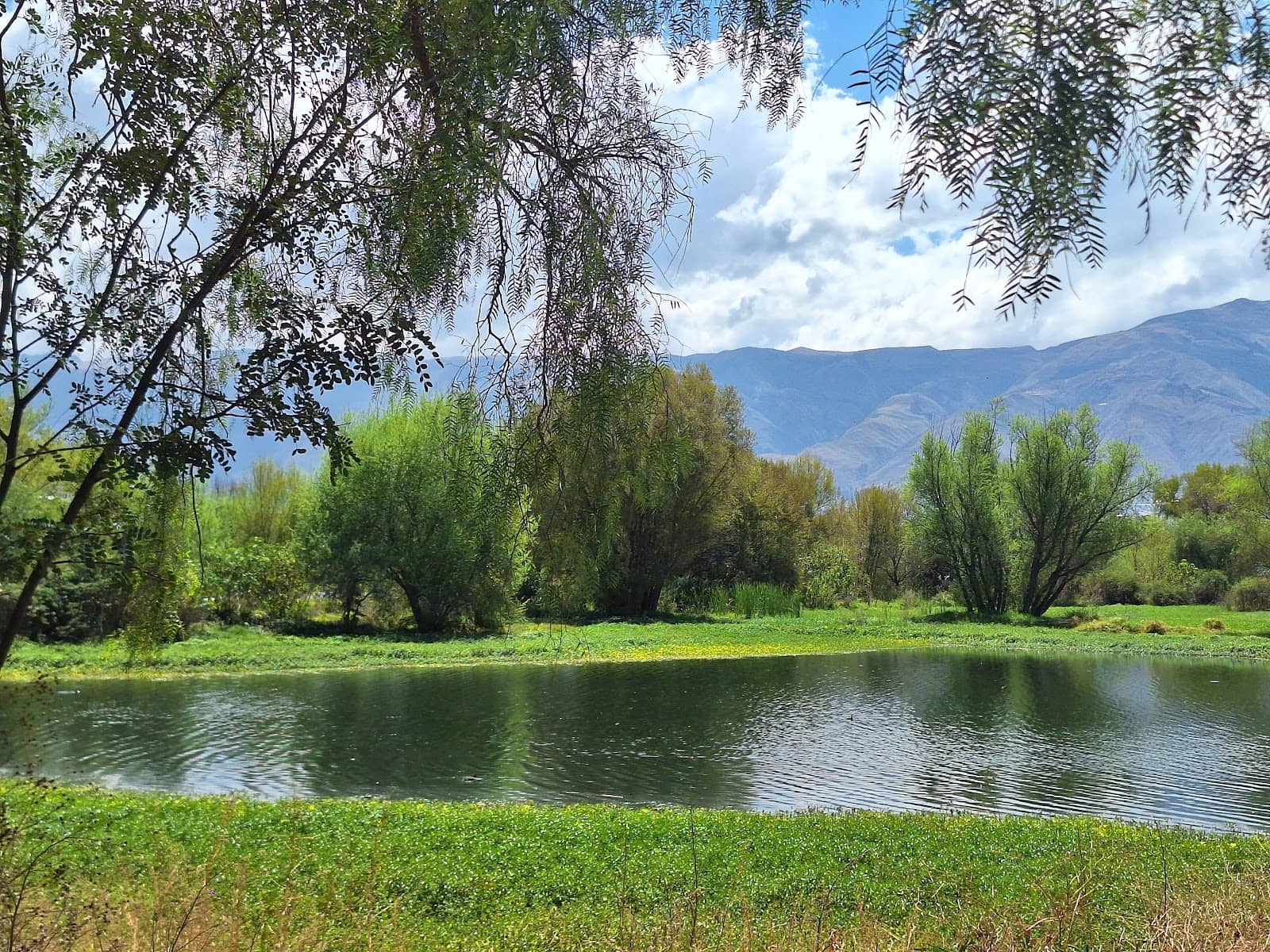
Observe ducks and wild birds, especially during the rainy season when the lagoon is fuller.
Jogging and Meditation Paths
Surrounding paths
Enjoy scenic routes around the lagoon, popular for exercise and quiet contemplation.
Plans like a pro.
Thinks like you
Planning Your Visit
Laguna Coña Coña: A Developing Oasis
Best Time to Visit for Nature Lovers
Best Times
Insider Tips
from TikTok, Instagram & Reddit
Check Project Status
Confirm development progress for the best experience. 
Embrace Nature's Rhythm
Visit during rainy season for peak bird activity.
Perfect for a Run
Popular spot for jogging and meditation.
Observe Wildlife
Keep an eye out for local bird species.
Tips
from all over the internet
Check Project Status
Confirm development progress for the best experience.
Embrace Nature's Rhythm
Visit during rainy season for peak bird activity.
Perfect for a Run
Popular spot for jogging and meditation.
Observe Wildlife
Keep an eye out for local bird species.
What Travellers Say
Reviews Summary
Laguna Coña Coña is a site of transformation, evolving from a natural lagoon into a planned 'Turquoise Lagoon' recreational area. While its potential for family fun and natural beauty is recognized, some visitors note areas of neglect and the ongoing nature of development. It's a place with historical roots, now aiming for a modern revival.
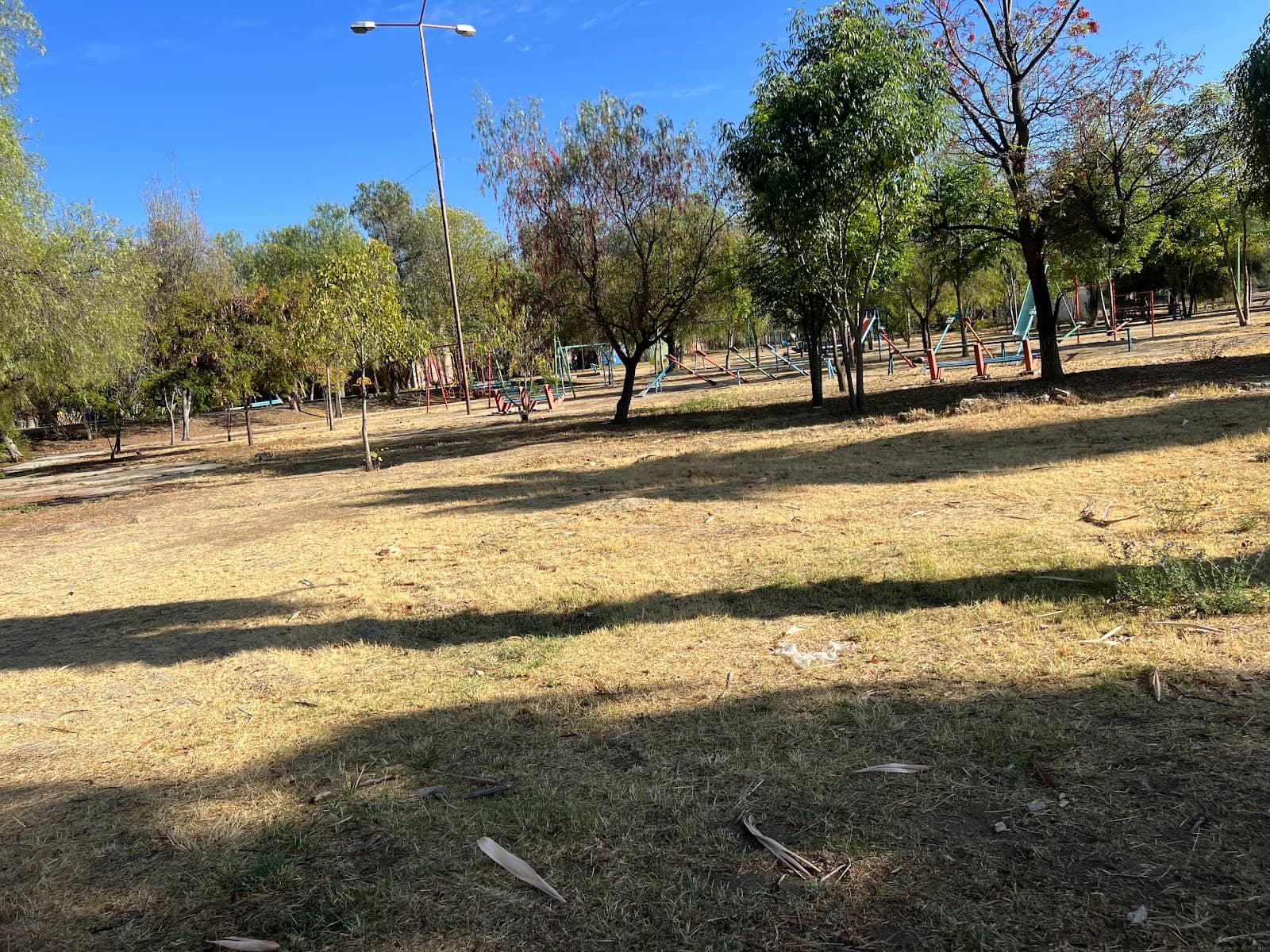
"Just ten years ago, it looked like a real lagoon. You walked the path around it, always enjoying a view of its splendor. Now, to my chagrin, it seems more like a swamp, thanks to each new mayor seeking to profit from the lagoon, always causing more harm than good.
Ultimately, what it once was will remain only in my memory, and in the memory of a few others."
Alexander Torrico
"Coña Coña is part of the remnants that remain of the enormous lagoon that covered Cochabamba. The first inhabitants found fertile lands around them and took advantage of the water to irrigate their crops, recalled researcher and ecologist Eduardo Morales.
The lagoon is fed by three streams of the Tunari National Park: Pajcha, Pinto Mayu and Taquiña. Until the 1980s, it served as a regulatory vessel to prevent flooding due to the overflow of the canals.
Later it was used for water sports and educational spaces that, with the deterioration of the lagoon, were abandoned. It has an area of 213,610 square meters (m2). It consists of four spaces: the lagoon (14 hectares), a playground, a soccer field and a school."
Von Moscov
"Nature is very beautiful and there are also many who go there to jog."
Abraham Huara
What People Like
What People Dislike
Frequently Asked Questions
🚇 🗺️ Getting There
Laguna Coña Coña is located in Cochabamba, Bolivia. It's accessible via Av. Sexta, north of Av. Blanco Galindo. Public transport options may be available, but specific routes would require local knowledge or ride-sharing apps.
Yes, the area around the lagoon has asphalted streets and public lighting, making it accessible by car. Parking availability may vary, especially during peak times or events.
While specific public transport routes aren't detailed, using a taxi or ride-sharing service is a reliable option from downtown Cochabamba to Laguna Coña Coña.
🎫 🎫 Tickets & Entry
Information regarding entrance fees is not readily available. However, as it's an urban park and recreational area, it's likely to be free or have a nominal fee. It's advisable to check locally upon arrival.
Specific opening and closing hours are not provided. As an urban park, it's generally accessible during daylight hours. For the 'Turquoise Lagoon' project, check for any specific operational times once fully developed.
Yes, the lagoon is accessible year-round. However, its appearance and the presence of wildlife can vary significantly between the rainy and dry seasons.
🎫 🏞️ Onsite Experience
Visitors can enjoy jogging, meditation, bird watching, and exploring the developing 'Turquoise Lagoon' project. It's also a place for relaxation and enjoying nature within the city.
The 'Turquoise Lagoon' project is specifically designed as a family recreation and tourist center. Once completed, it will offer a beach-like experience for all ages.
The lagoon is undergoing transformation. While some areas are being revitalized into a 'Turquoise Lagoon,' other parts have been described as showing signs of neglect or appearing swamp-like.
While generally safe for activities like jogging, some reviews mention the lagoon appearing neglected. It's always wise to be aware of your surroundings, especially if visiting during off-peak hours.
During the rainy season, you can expect to see ducks and various wild birds. The lagoon itself is a remnant of a larger historical lagoon system. +1
📸 📸 Photography
Capture the developing 'Turquoise Lagoon' project, the natural beauty of the water and surrounding greenery, and wildlife like birds. The contrast between urban development and nature can also make for interesting shots.
Yes, especially during the rainy season when the lagoon is full and birdlife is abundant. The evolving landscape of the 'Turquoise Lagoon' project also offers unique photographic potential.
For Different Travelers
Tailored advice for your travel style
👨👩👧 Families with Kids
+1While the project is underway, it's worth checking the current status of amenities. The surrounding areas are also popular for jogging, which can be a pleasant activity for families looking for some outdoor exercise. Keep an eye on local announcements for the official opening and any family-oriented events.
🏃♀️ Fitness Enthusiasts
The natural setting, especially during the rainy season when the lagoon is fuller and wildlife is present, adds to the appeal. It's a great place to combine exercise with enjoying a bit of nature within the urban landscape.
Deep Dives
In-depth insights and expert knowledge
The 'Turquoise Lagoon' Project: A Vision for Recreation
+1While the vision is grand, the reality on the ground has been mixed. Some social media content highlights the ongoing construction and the potential of the turquoise waters, while other observations point to areas that still appear neglected or have a swamp-like quality. The project's completion date has been a moving target, with announcements suggesting an opening for Children's Day in April, but it's essential to verify the current status before visiting.
+1This transformation is part of a larger effort to revitalize urban spaces and provide accessible leisure options. The success of the 'Turquoise Lagoon' will depend on its full development and ongoing maintenance, aiming to offer a refreshing escape for locals and visitors alike.
Historical Significance and Ecological Context
The lagoon is fed by three streams originating from the Tunari National Park: Pajcha, Pinto Mayu, and Taquiña. This natural water source highlights its ecological connection to the surrounding environment. The lagoon's original area was substantial, encompassing around 14 hectares, and it was once a site for water sports and educational activities before its deterioration.
Despite its current state and ongoing development, the lagoon's natural beauty is still appreciated by many. It remains a place where nature persists, with wildlife like ducks and birds frequenting its waters, particularly during the rainy season, offering a glimpse into its ecological past and potential future.



Social
from TikTok, Instagram & Reddit