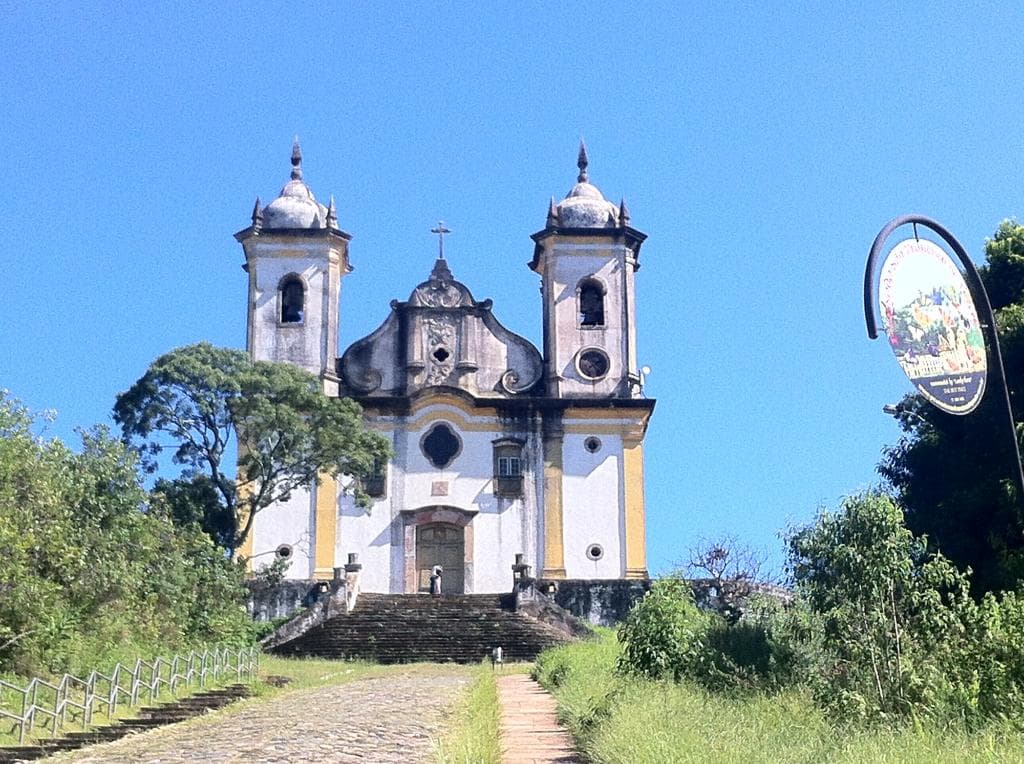
Igreja de São Francisco de Paula Ouro Preto
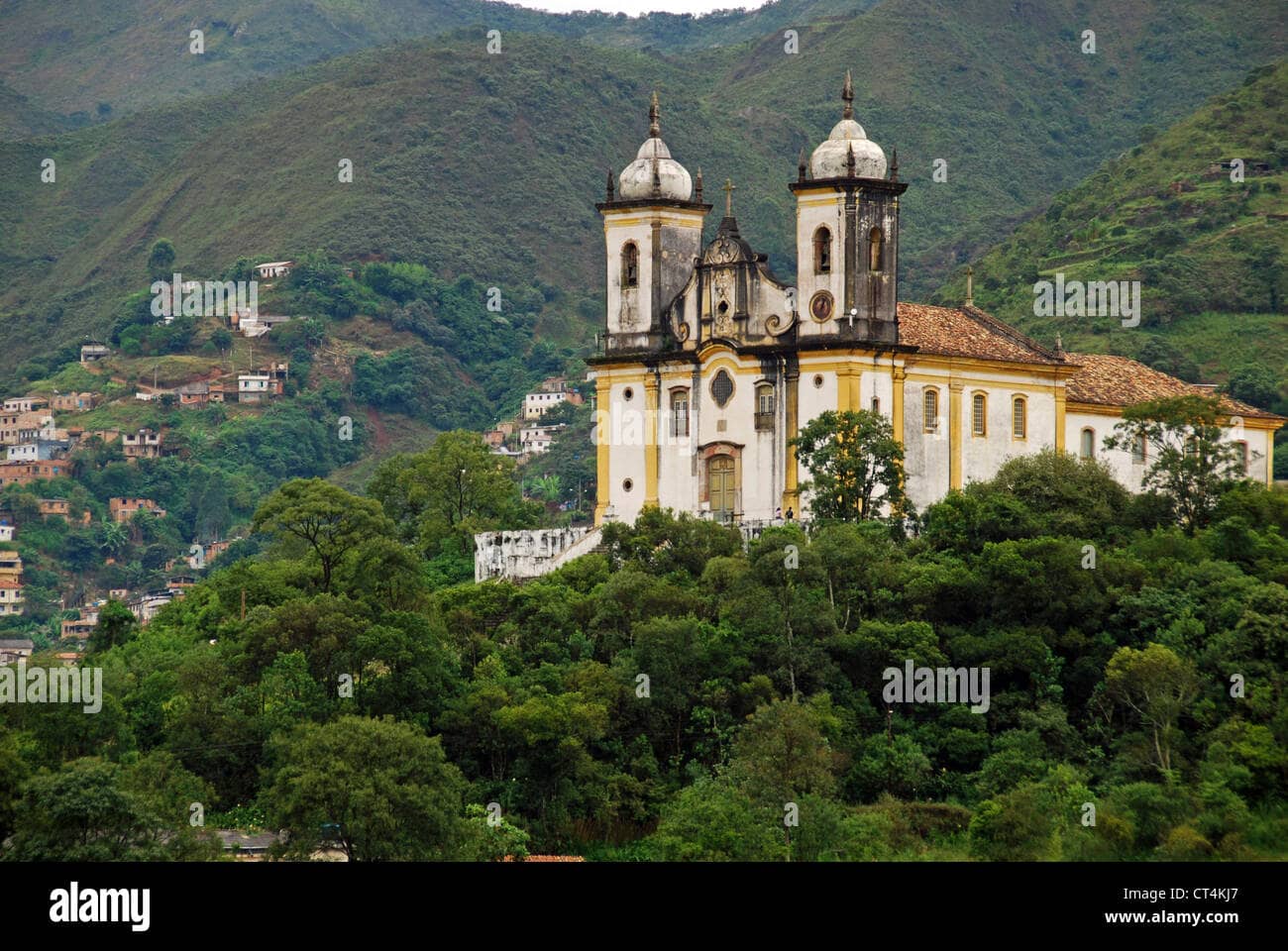
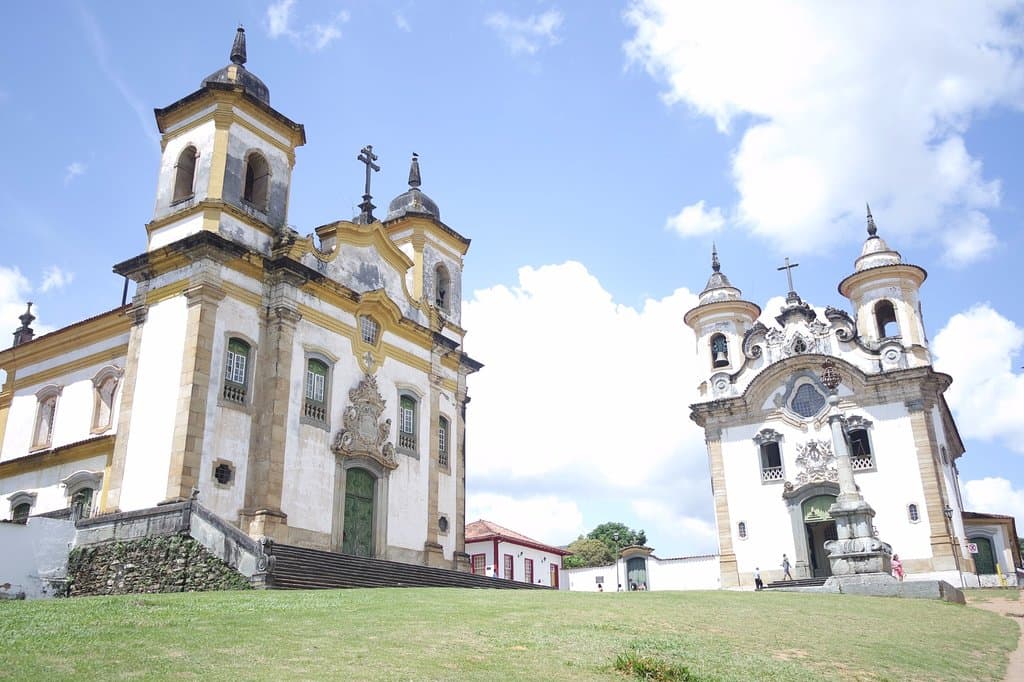
The last colonial church in Ouro Preto, offering stunning city views and a glimpse into Brazil's rich architectural past.
Highlights
Must-see attractions

Social
From TikTok & Reddit
Best Time
Fewer crowds, peaceful atmosphere
Igreja de São Francisco de Paula Ouro Preto
Best Time
Fewer crowds, peaceful atmosphere
Highlights
Must-see attractions
The last colonial church in Ouro Preto, offering stunning city views and a glimpse into Brazil's rich architectural past.
"Incredible looking church, could be out of a movie. From here you also have a very nice view into the city."
🎯 Easy Access Location
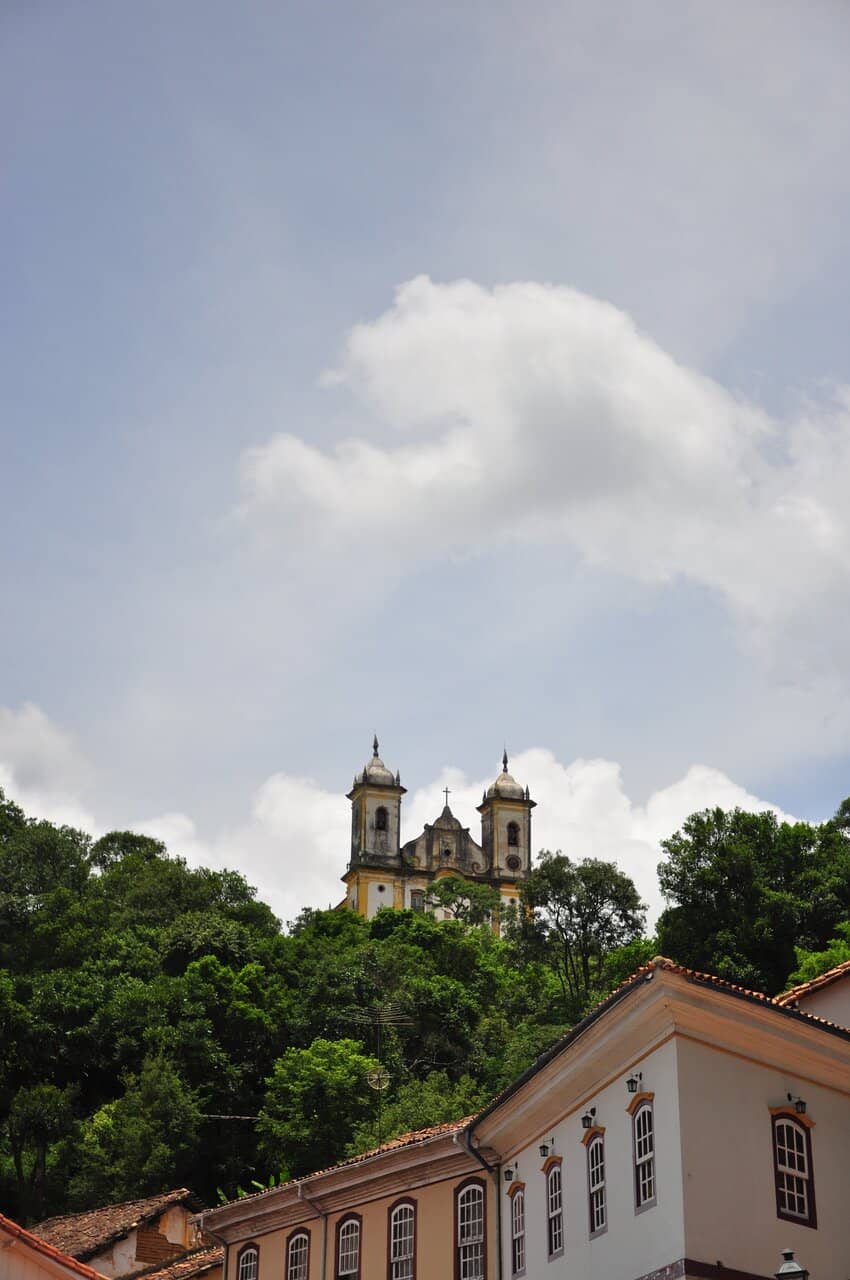
Conveniently located behind the bus station, making it a great first or last stop! 🚌
📸 Stunning City Views
Climb to the top for incredible panoramic views of Ouro Preto. Don't forget your camera! 📷
Quick Facts
Rating
4.7 · 724 reviews
Type
Church
Highlights
Discover the most iconic attractions and experiences
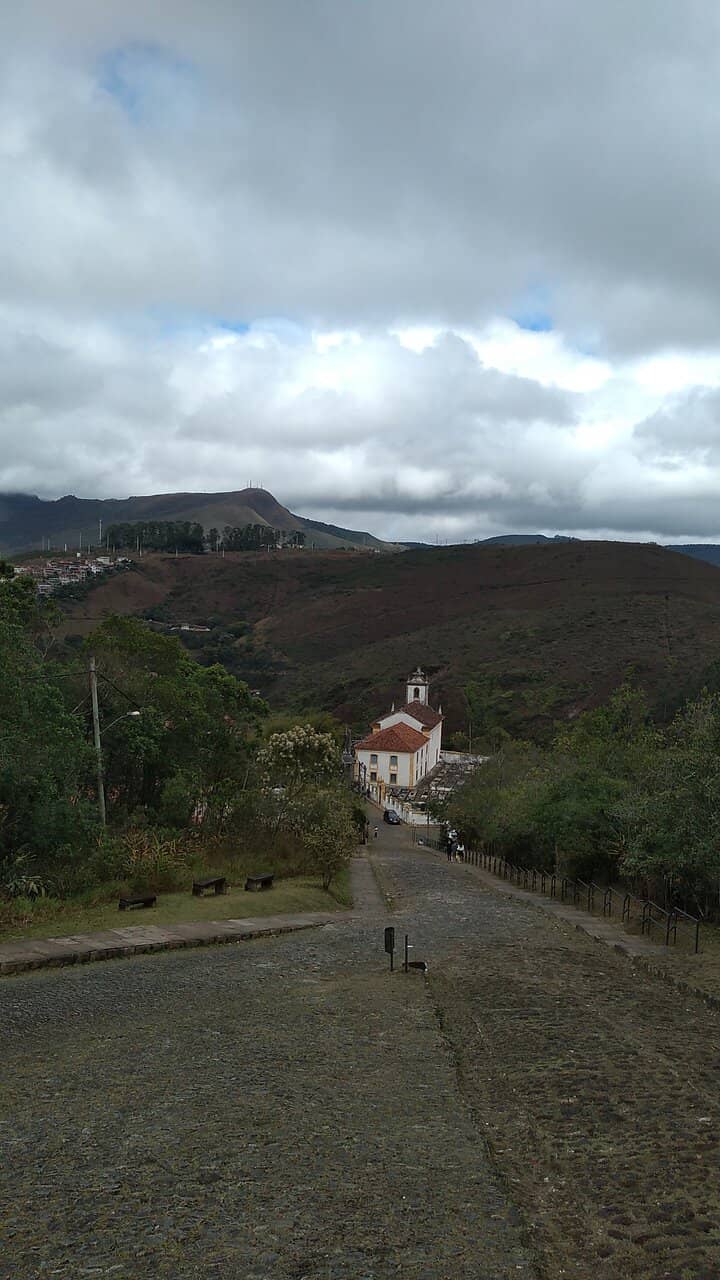
Panoramic City Views
From the church grounds
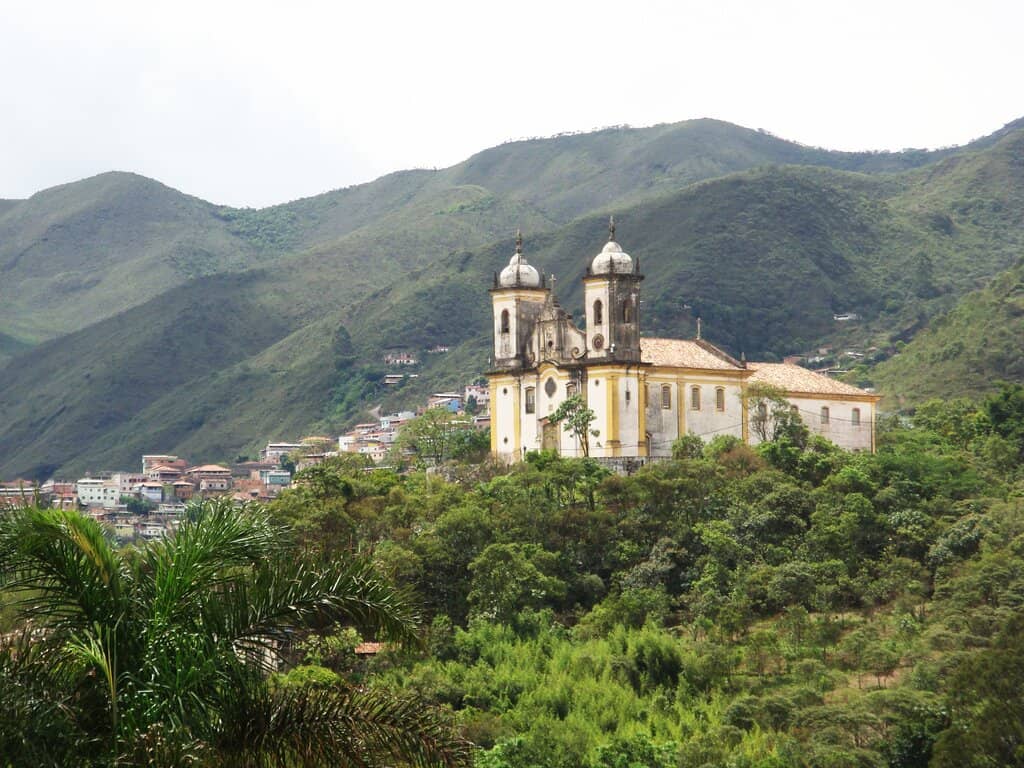
Capture breathtaking vistas of Ouro Preto's historic rooftops and rolling hills. A perfect photo opportunity!
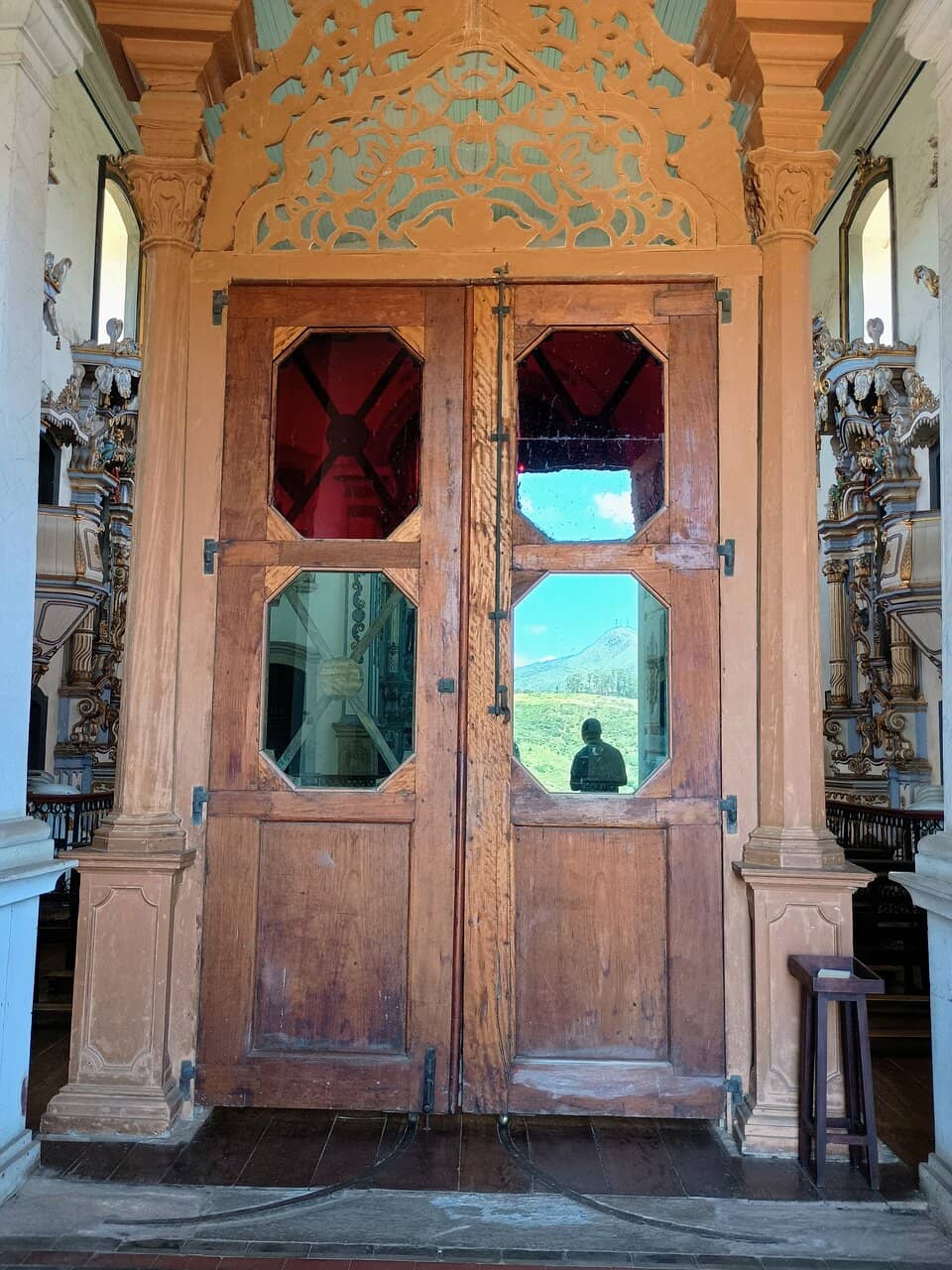
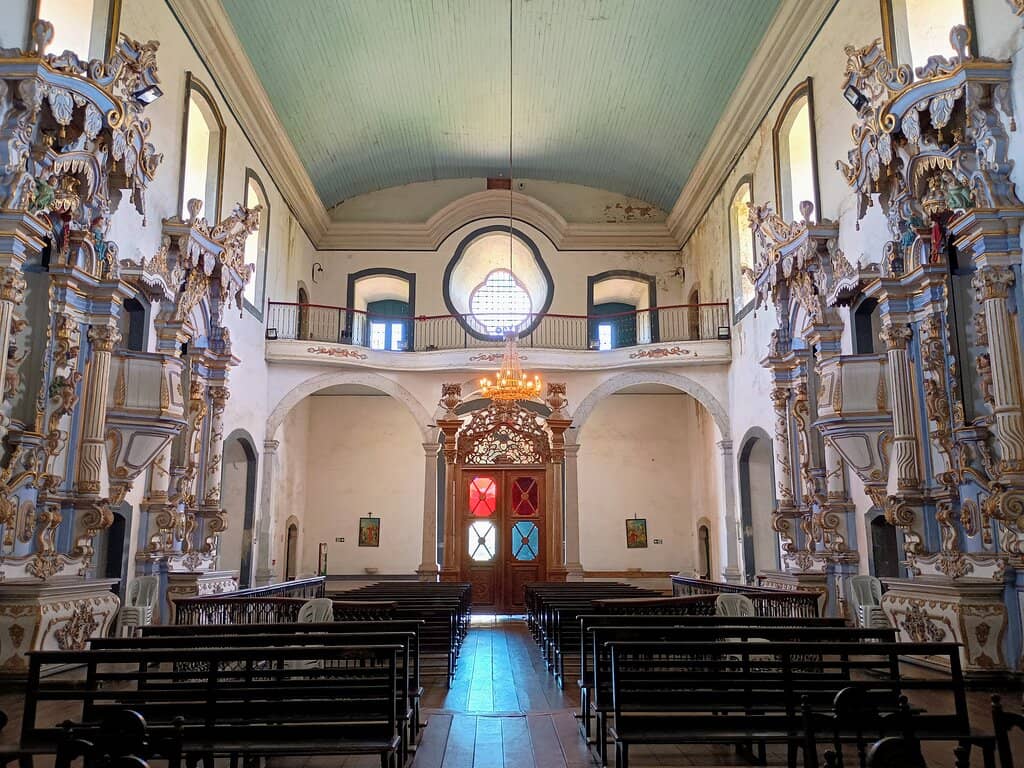
Colonial Architecture
Church facade and interior
Admire the blend of Baroque and Rococo elements in this late colonial masterpiece. A testament to Brazil's rich past.
Historical Significance
Throughout the church
Explore the site of the last church built in the colonial era, a significant landmark in Brazilian history.
Plans like a pro.
Thinks like you
Planning Your Visit
Strategic Arrival Point
A Glimpse of Colonial Grandeur
Best Times
Insider Tips
from TikTok, Instagram & Reddit
🎯 Easy Access Location
Conveniently located behind the bus station, making it a great first or last stop! 🚌
📸 Stunning City Views
Climb to the top for incredible panoramic views of Ouro Preto. Don't forget your camera! 📷
🆓 Free Admission
Enjoy the beauty and history without an entry fee. A budget-friendly gem! :moneywithwings:
🚶♀️ Explore the Interior
Discover the classic layout and late Rococo carvings inside. Rich in history and art. 🎨
Tips
from all over the internet
🎯 Easy Access Location
Conveniently located behind the bus station, making it a great first or last stop! 🚌
📸 Stunning City Views
Climb to the top for incredible panoramic views of Ouro Preto. Don't forget your camera! 📷
🆓 Free Admission
Enjoy the beauty and history without an entry fee. A budget-friendly gem! :moneywithwings:
🚶♀️ Explore the Interior
Discover the classic layout and late Rococo carvings inside. Rich in history and art. 🎨
What Travellers Say
Reviews Summary
Visitors are consistently impressed by the Igreja de São Francisco de Paula's incredible architecture and its cinematic appearance. The panoramic views of Ouro Preto from its elevated position are frequently highlighted as a major draw, offering a breathtaking perspective of the historic city. While its construction spanned a long period, its historical significance as the last colonial-era church is well-appreciated.
"Incredible looking church, could be out of a movie. From here you also have a very nice view into the city."
Flo
"The Igreja São Francisco de Paula in Ouro Preto, Minas Gerais, was the last colonial-era church, built between 1804 and 1898. Designed by Francisco Machado da Cruz, its notable features include the image of São Francisco de Paula, attributed to Aleijadinho, which is now housed at the Museu Aleijadinho. Despite being a 19th-century construction, its architecture follows the 18th-century religious style.
The church has a classic layout with a nave, chapel-mor, and sacristy, and its facade combines Baroque volutes and straight lines. Internally, it showcases late Rococo carvings, including six altars and significant sculptures, such as the São Francisco de Paula statue and Portuguese-imported evangelist statues. Extensive construction spanned over the century due to funding issues, with additional decorative works completed in the early 20th century. The site is a historic heritage landmark in Brazil."
Ednilson Kimura (Ed)
"#tuesdays around @ouropreto_ and visiting some churches so as way to learn a little bit about @minasgerais history that for me is a major tourist destination, for its well-preserved colonial appearance with old buildings and cobblestone streets around the city. Take a look into the city and enjoy it...😎😎😎"
Thefabiosilva
What People Like
What People Dislike
Frequently Asked Questions
🚇 🗺️ Getting There
The church is conveniently located behind the Ouro Preto bus station, making it easily accessible for travelers arriving by bus. It's a straightforward walk from the terminal. 
Yes, its location behind the rodoviária (bus station) makes it quite straightforward to find, especially for those arriving in the city.
While it's behind the bus station, it's still within a reasonable walking distance from many parts of the historic center, though it involves some uphill sections.
Approaching from the rear, near the bus station, offers a unique perspective, while walking around provides access to the main entrance and the stunning city views from its elevated position.
Parking can be challenging in Ouro Preto's historic center. It's often best to park further away and walk, or rely on public transport if available.
🎫 🎫 Tickets & Entry
No, there is no admission fee to visit the Igreja de São Francisco de Paula. It's a free attraction for all visitors.
The church is typically open for visitation from Tuesday to Sunday, from 9 AM to 12 PM. It's always a good idea to check locally for any unexpected changes.
Yes, the church is usually open on Saturdays and Sundays, typically from 9 AM to 12 PM, allowing weekend visitors to explore its historical significance.
The church is generally closed on Mondays. Visitation is typically from Tuesday through Sunday.
While primarily a historical site for visitors, religious services may occasionally take place. It's best to inquire locally if you're interested in attending a service.
📸 📸 Photography & Views
The most iconic photo opportunities are from the church's elevated position, offering panoramic views of Ouro Preto. The facade itself is also very photogenic.
Photography is generally allowed inside the church, but it's always respectful to be mindful of other visitors and any posted signage.
You can expect stunning, sweeping views of Ouro Preto's historic cityscape, including its red-tiled roofs and surrounding mountains.
The elevated position makes it a fantastic spot for sunset photos, as the golden hour light bathes the city in a warm glow.
Drone usage might be restricted in historic areas. It's advisable to check local regulations before flying a drone.
🎫 🏛️ History & Architecture
It holds the distinction of being the last church constructed during Brazil's colonial period, with its building spanning from 1804 to 1898.
The church's design is attributed to Sargento-mor Francisco Machado da Cruz.
The church exhibits a blend of Baroque volutes and straight lines on its facade, with late Rococo carvings and sculptures inside.
The image of the patron saint, São Francisco de Paula, is attributed to the renowned master Aleijadinho, though it is now housed at the Museu Aleijadinho.
The extensive construction period, spanning over a century, was primarily due to funding issues.
You may also like

Igreja de Nossa Senhora do Rosário dos Pretos Ouro Preto
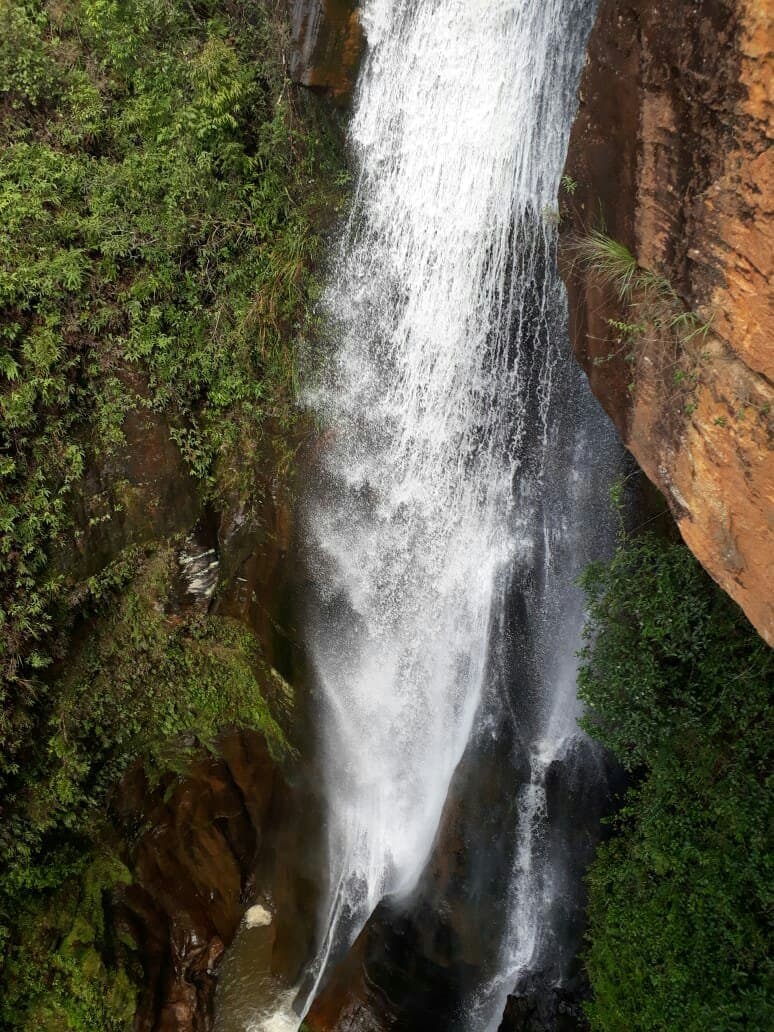
Parque Natural Municipal das Andorinhas

Itacolomi State Park
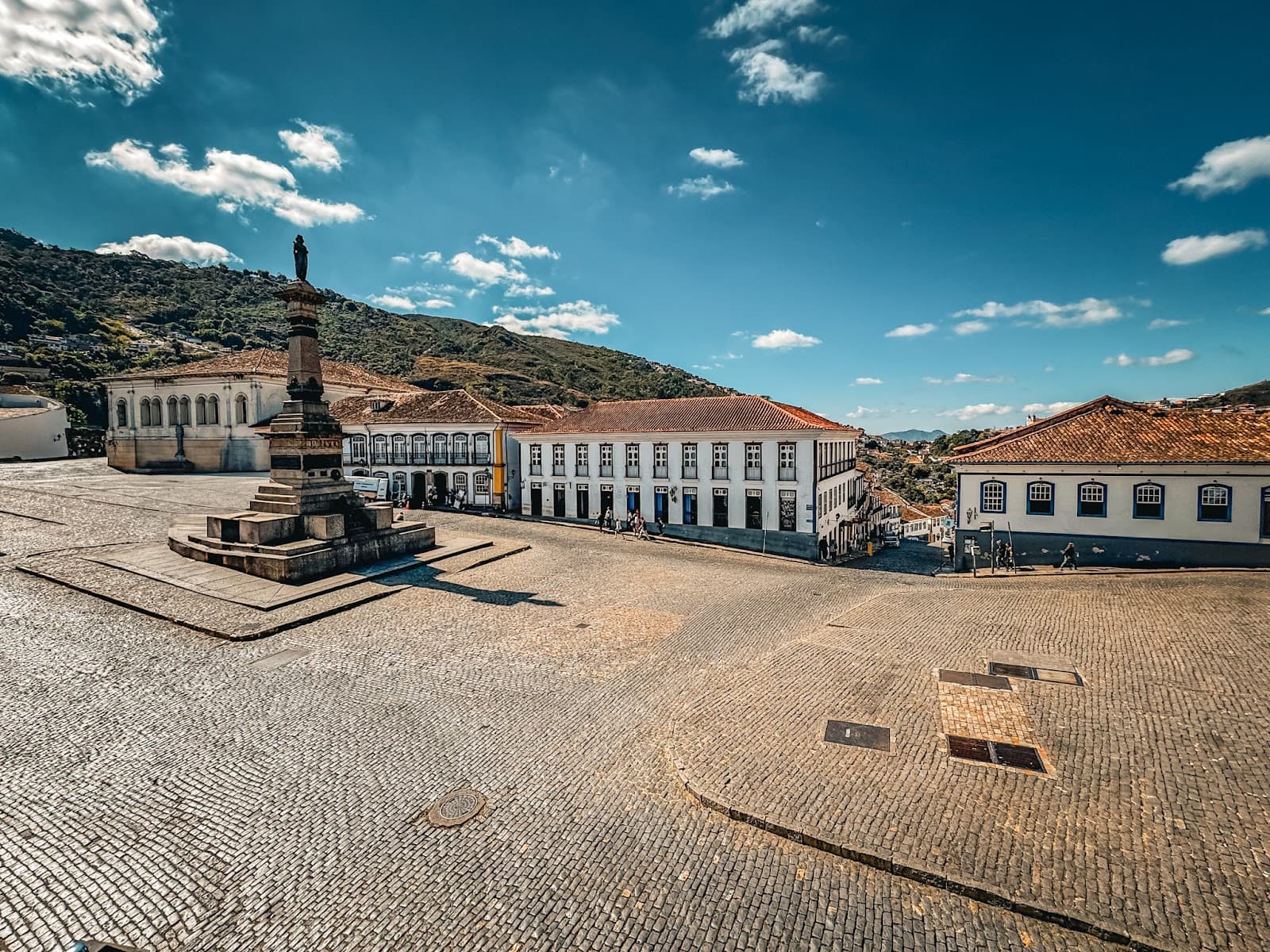
Praça Tiradentes Ouro Preto
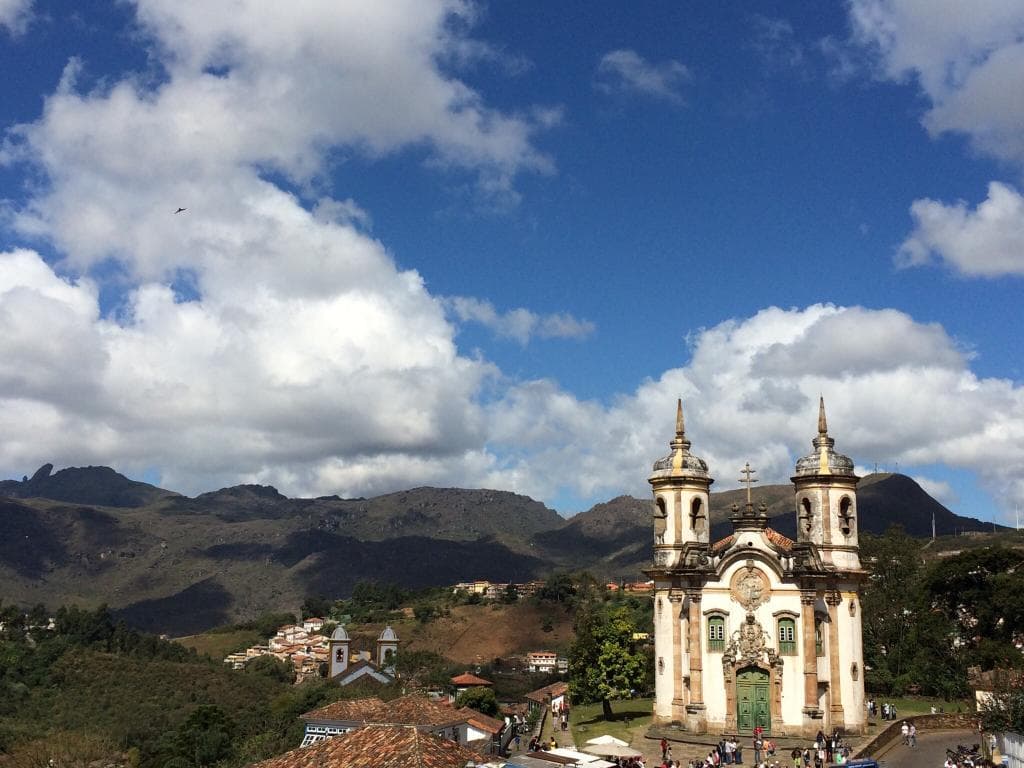
Igreja de São Francisco de Assis Ouro Preto
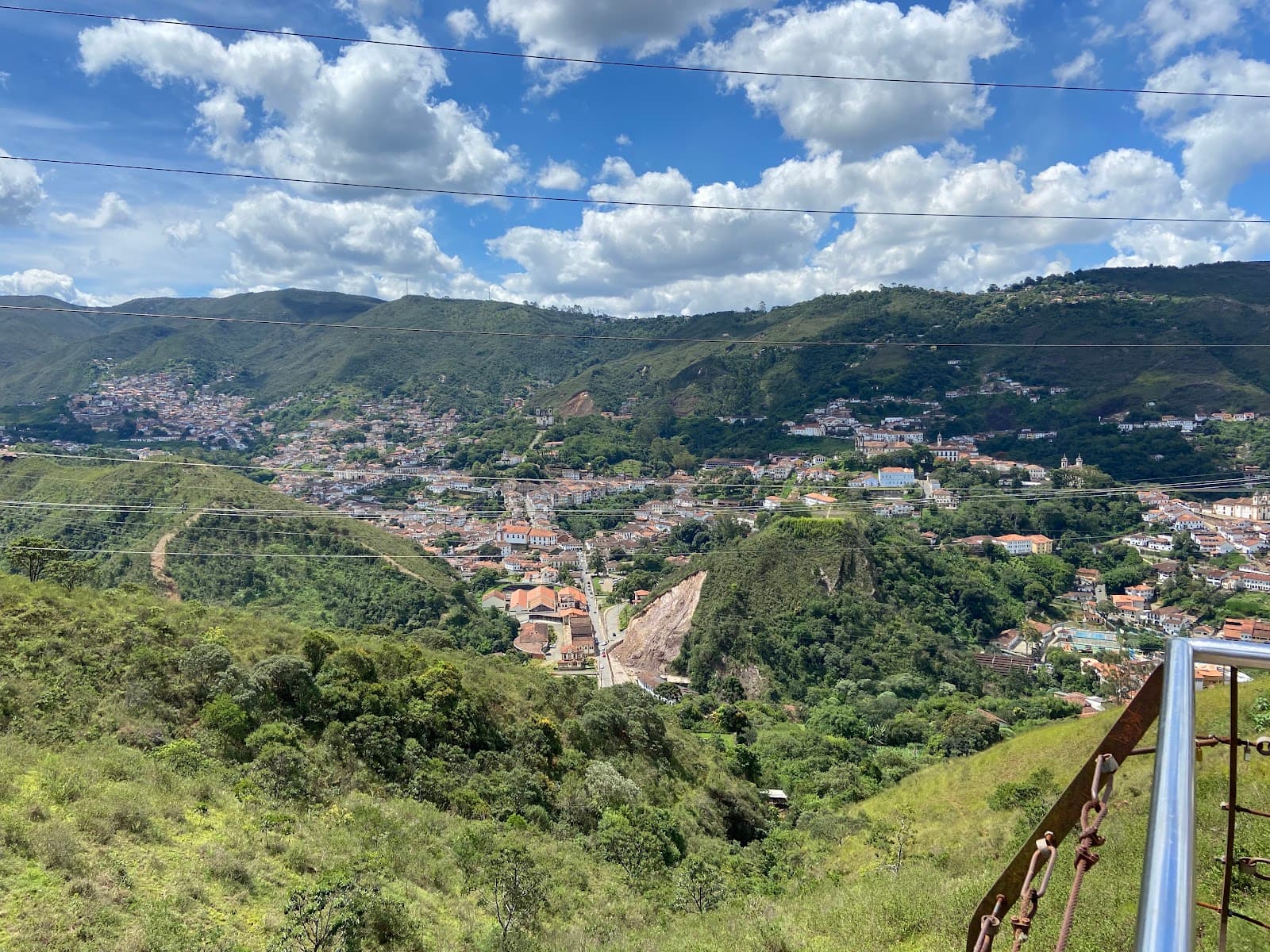
Mirante do Morro do Cruzeiro UFOP
Igreja de Nossa Senhora do Rosário dos Pretos Ouro Preto
Parque Natural Municipal das Andorinhas
Itacolomi State Park
Praça Tiradentes Ouro Preto
Igreja de São Francisco de Assis Ouro Preto
Mirante do Morro do Cruzeiro UFOP
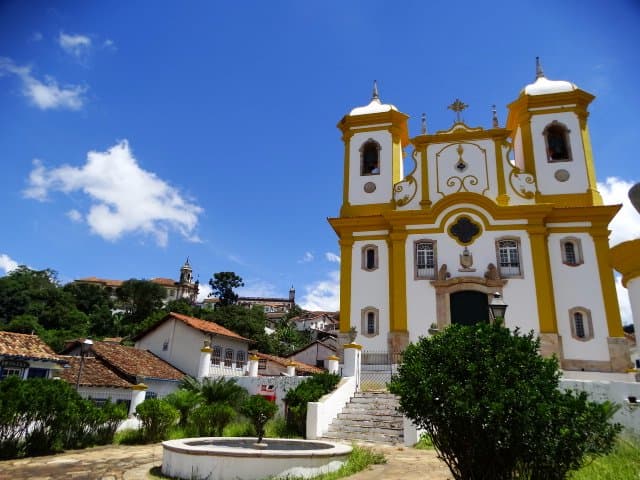
Matriz Nossa Senhora da Conceição Antônio Dias

Feira de Pedra-Sabão Praça Tiradentes

Mirante do Morro da Forca

Igreja de Santa Efigênia dos Pretos
Social
from TikTok, Instagram & Reddit