
Museu de Arte Sacra do Carmo
Discover colonial-era sacred art and architecture within historic churches, offering a glimpse into Brazil's rich religious heritage.
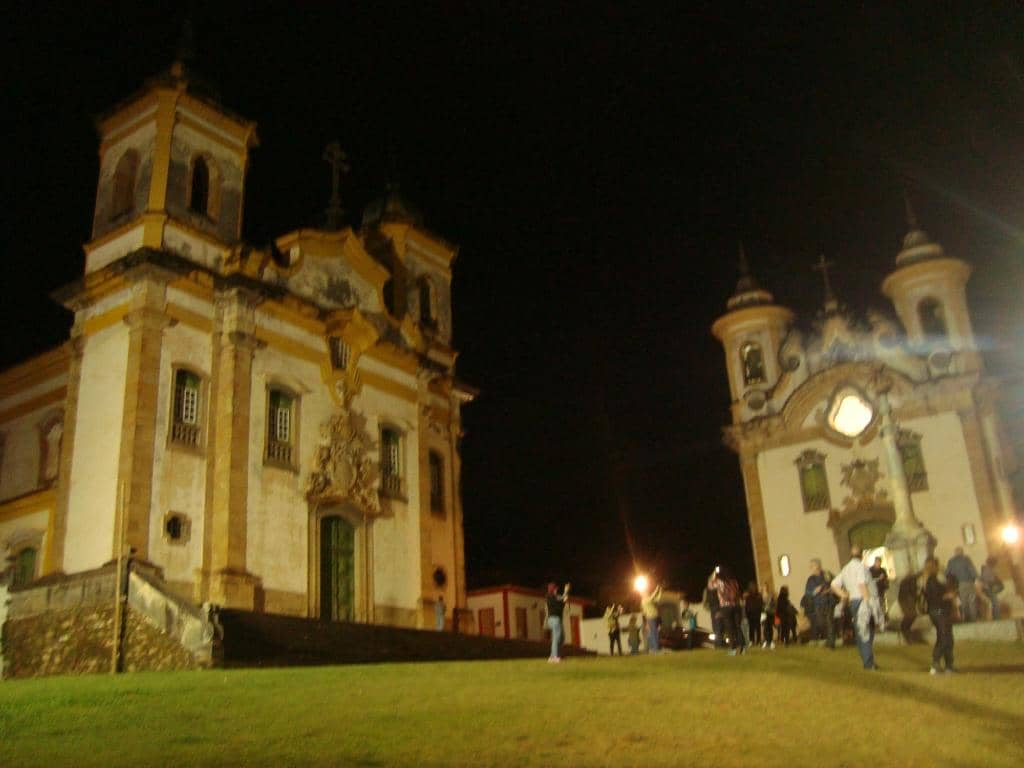
Highlights
Must-see attractions

Social
From TikTok & Reddit
Best Time
Fewer crowds, peaceful atmosphere
Museu de Arte Sacra do Carmo
Best Time
Fewer crowds, peaceful atmosphere
Highlights
Must-see attractions
Discover colonial-era sacred art and architecture within historic churches, offering a glimpse into Brazil's rich religious heritage.
"A small church with interesting history, offering a deep dive into art and faith."
💰 Low Admission Fee
Expect a very small entrance fee, offering incredible value for the historical immersion.
🗣️ Chat with the Caretaker
The caretakers are a treasure trove of local history and art details.
Quick Facts
Rating
4.6 · 344 reviews
Type
Church
Website
paroquiadorosario.org.brHighlights
Discover the most iconic attractions and experiences
Baroque Masterpieces
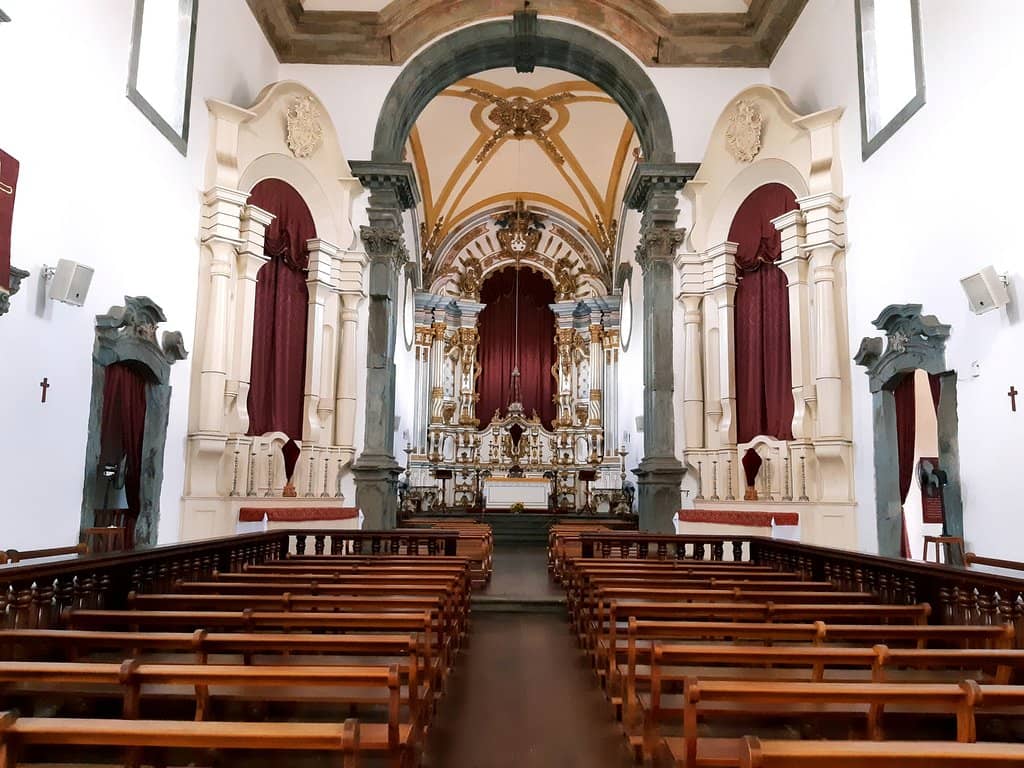
Interior of the Church
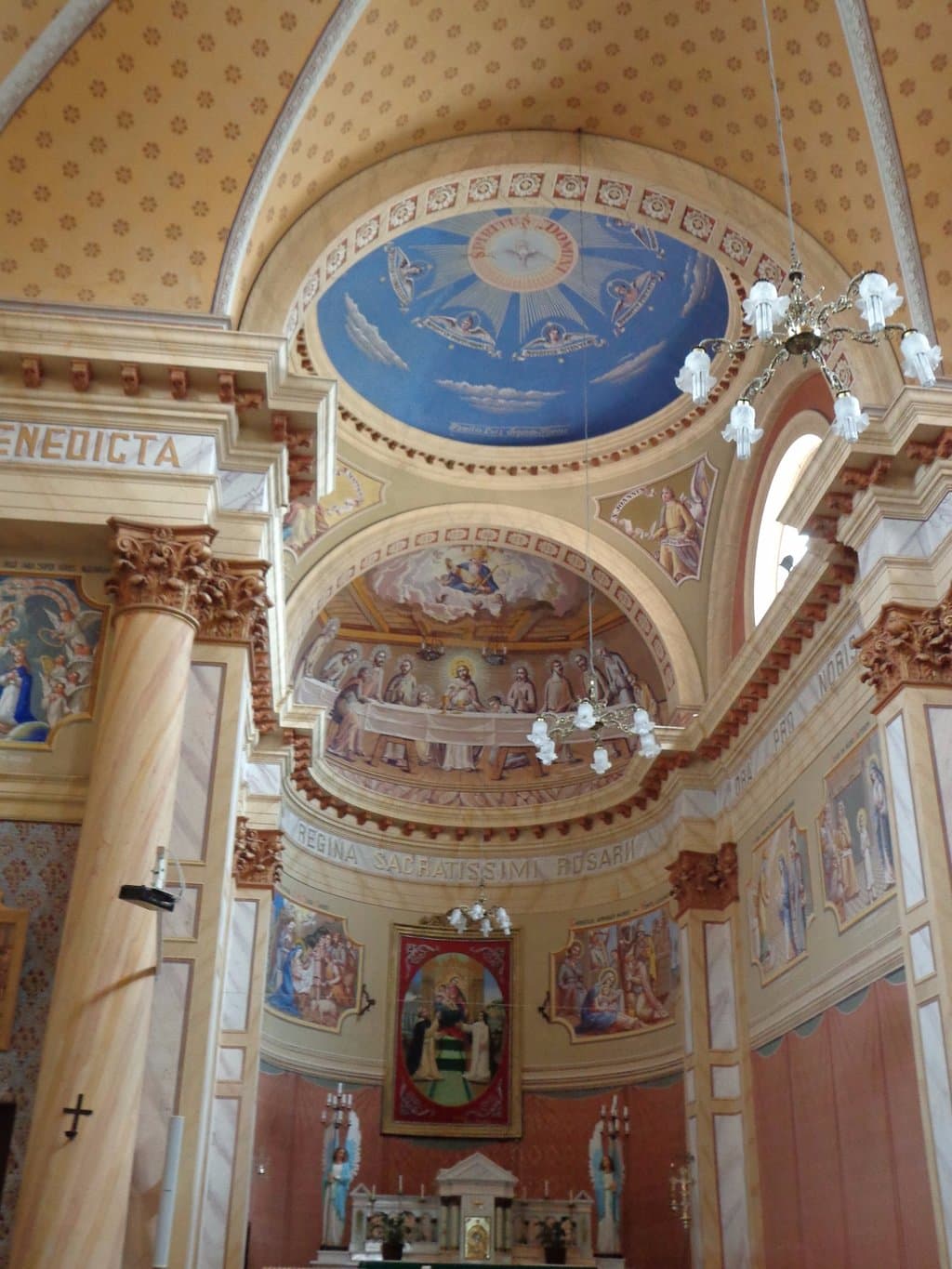
Admire intricate colonial-era religious art, including altars and sculptures from the 18th century.
Colonial Architecture
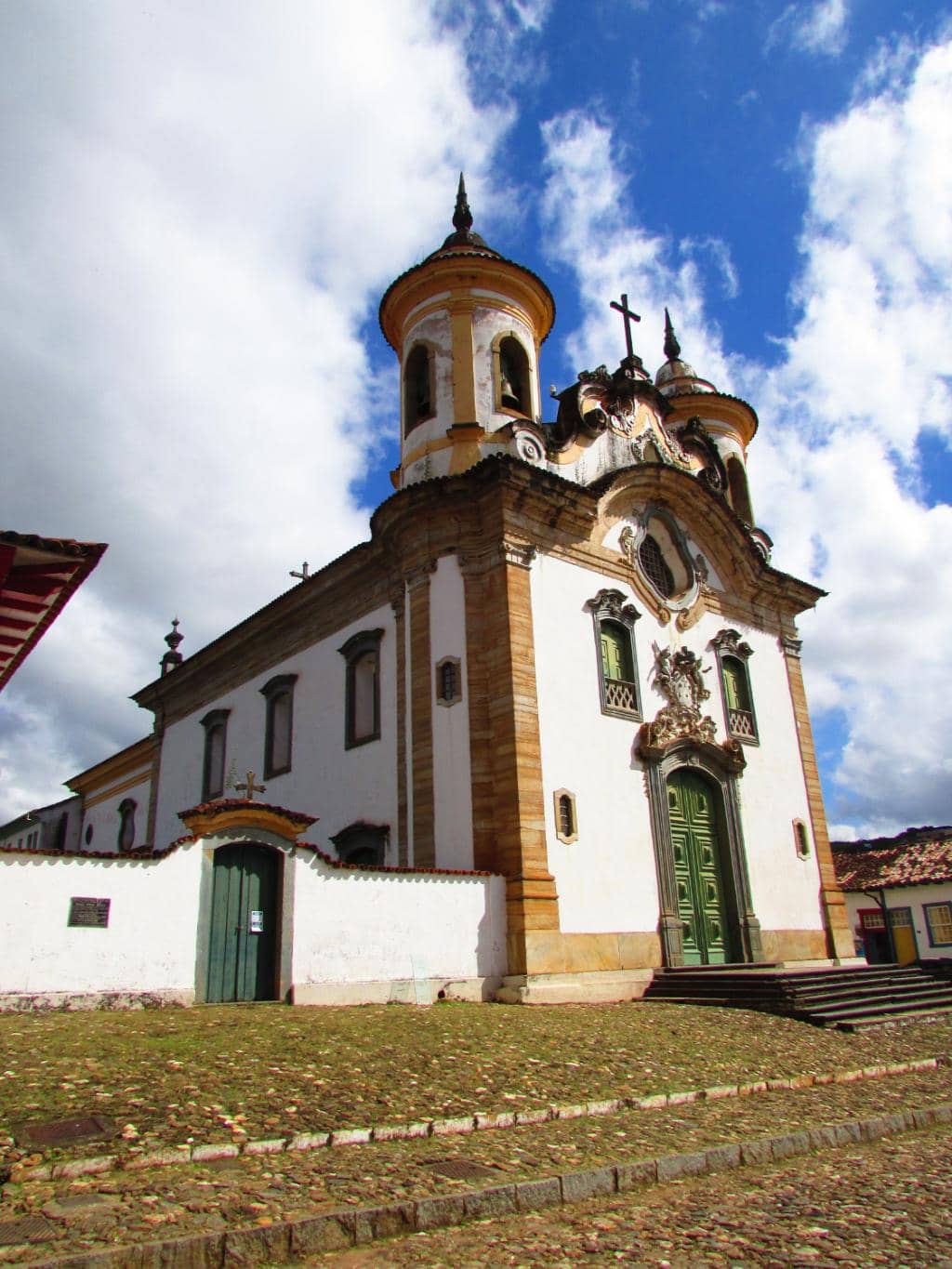
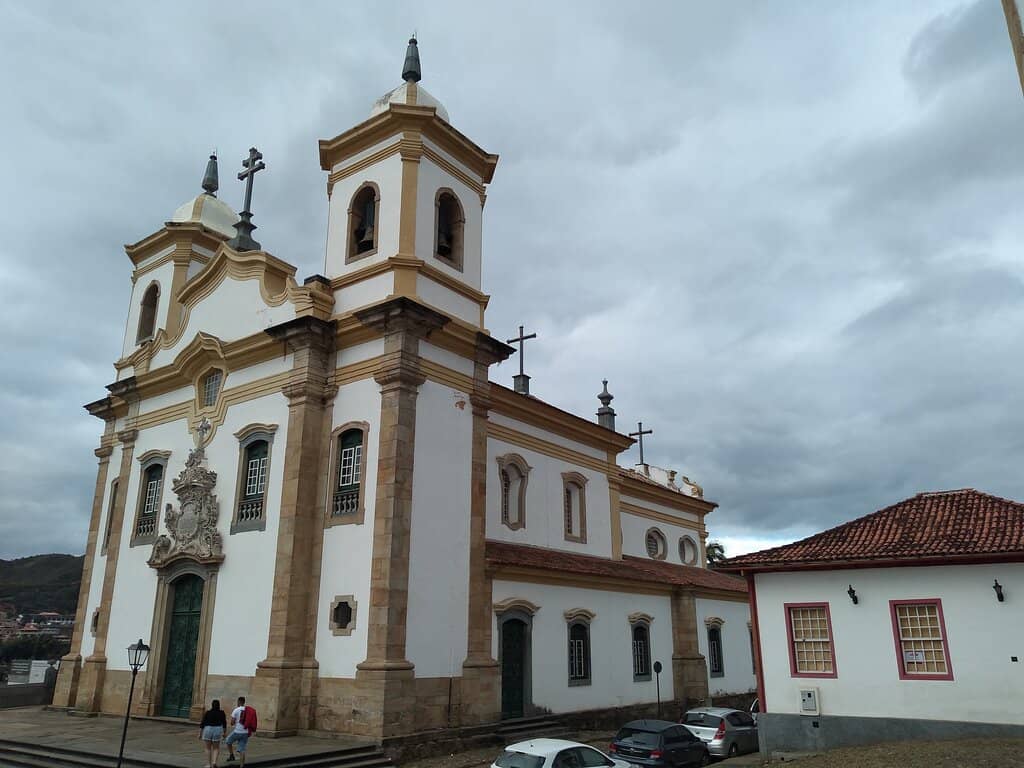
Church Exterior and Interior
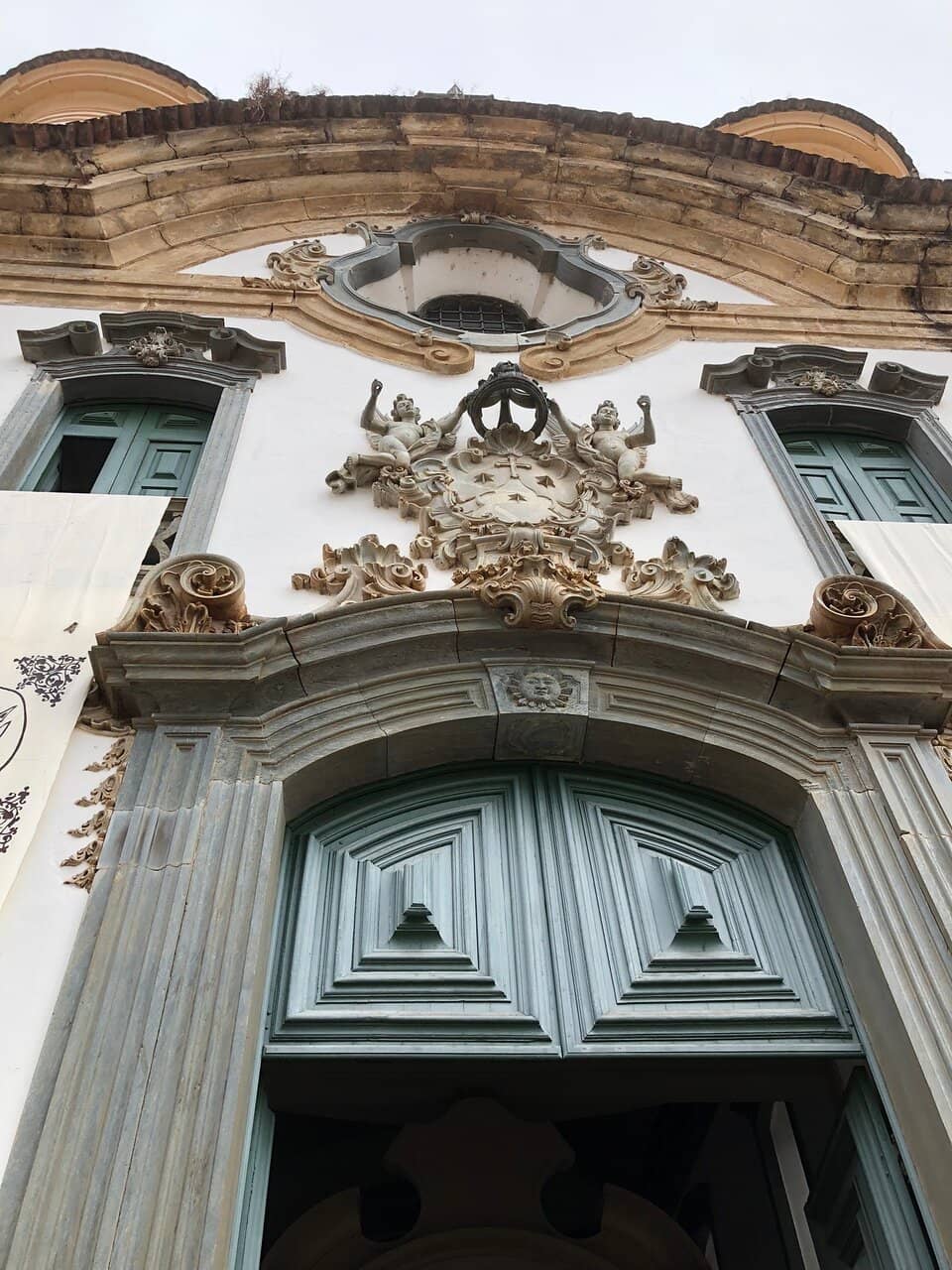
Experience the charm of a historic colonial church, often featuring simple facades and local materials.
Local Caretaker Insights
Entrance/Information Desk
Engage with knowledgeable caretakers who share rich historical details and stories about the sacred art.
Plans like a pro.
Thinks like you
Planning Your Visit
Timing is Key for a Peaceful Visit
Embrace the Local Charm
Best Times
Insider Tips
from TikTok, Instagram & Reddit
💰 Low Admission Fee
Expect a very small entrance fee, offering incredible value for the historical immersion.
🗣️ Chat with the Caretaker
The caretakers are a treasure trove of local history and art details.
⛪ Dual Church & Museum
Many locations combine a visit to a historic church with its attached sacred art museum. 
✨ Support Local Artisans
Some locations have adjacent NGOs or stores selling handmade items by local women.
Tips
from all over the internet
💰 Low Admission Fee
Expect a very small entrance fee, offering incredible value for the historical immersion.
🗣️ Chat with the Caretaker
The caretakers are a treasure trove of local history and art details.
⛪ Dual Church & Museum
Many locations combine a visit to a historic church with its attached sacred art museum.
✨ Support Local Artisans
Some locations have adjacent NGOs or stores selling handmade items by local women.
What Travellers Say
Reviews Summary
Visitors find the Museu de Arte Sacra do Carmo to be a historically rich and artistically significant site, often housed within charming colonial churches. The low admission fee and the invaluable insights provided by knowledgeable caretakers are frequently highlighted as major positives. While some may find the scale modest compared to larger museums, its intimate atmosphere and preserved heritage make it a worthwhile stop for cultural immersion.
"Small church. Interesting history. I highly recommend going next door to support the Aldeia do Pax. An NGO run by nuns who take in elderly (and formerly abused) women, as well as street women and their children. Everything in the store is hand woven by the women."
Erica M
"Top"
Marcelo Oliveira Pereira
"Histórica
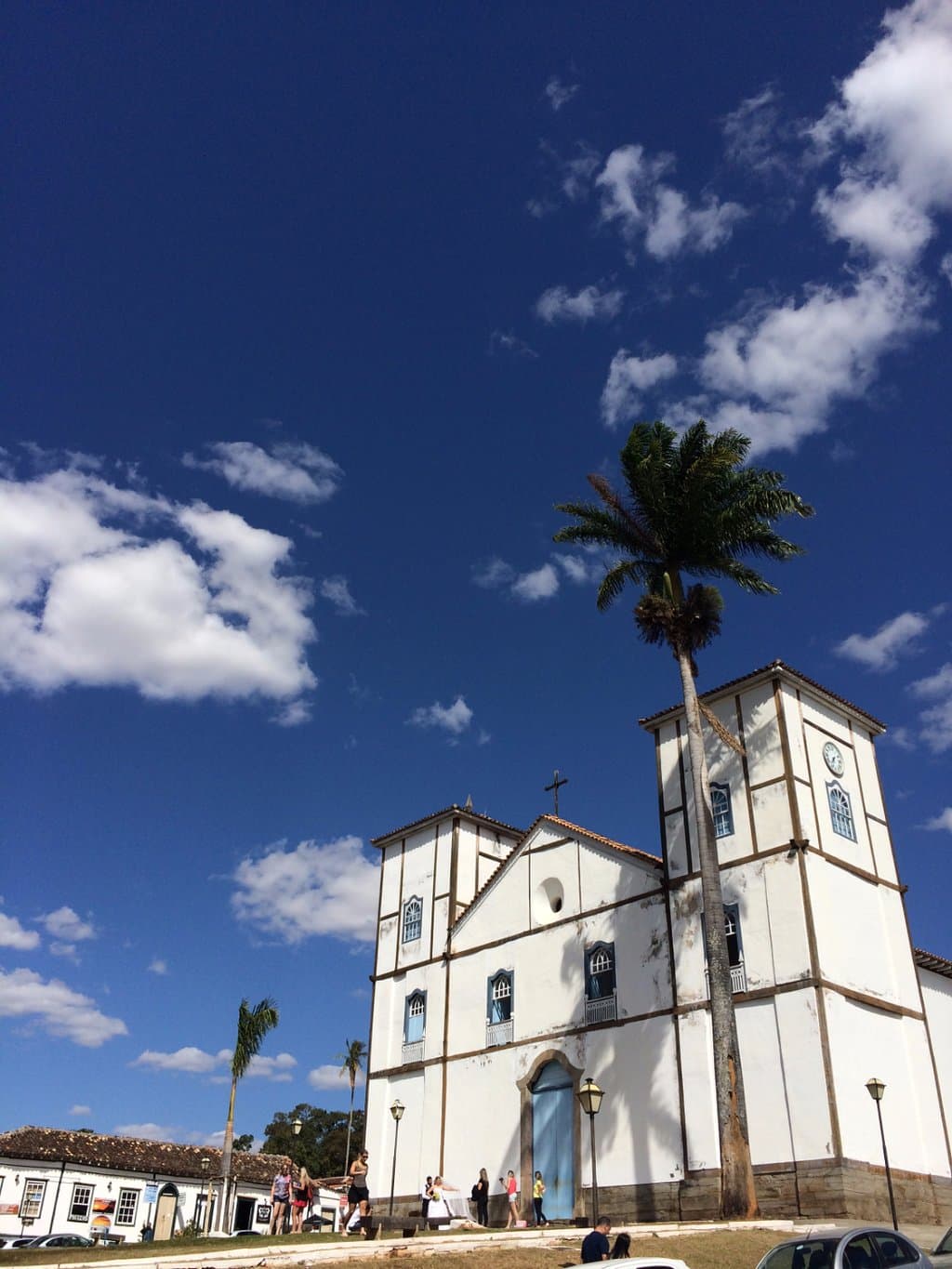
Igreja de arquitetura colonial, construída no século XVIII, a mando de Luciano Nunes Teixeira e familiares, mineradores da região. A edificação apresenta duas torres sineiras, fachada simples, empregou materiais locais como a madeira de cedro e aroeira, barro adobe e taipa, pedras. No seu interior é possível observar alguns elementos artísticos de rococó (nos 2 altares laterais que pertenciam à Igreja do Rosário dos Pretos). Atração que merece uma visita detalhada e uma boa conversa com a pessoa que atende na portaria, pois a mesma conta muito sobre a história e peculiaridades da edificação.
Pequena taxa para visitação de R$ 2,00.
Para quem admira e aprecia monumentos históricos, marcos de fé: recomendo."
Mara M.C. Hermes
What People Like
What People Dislike
Frequently Asked Questions
🚇 🗺️ Getting There
The museum is often located within historic city centers, making it accessible by walking if you're already exploring the area. Public transportation options like buses may serve the vicinity, depending on the specific city. It's best to check local transit information for the city you are visiting, as locations vary.
Parking availability can be challenging in historic city centers. Look for public parking lots or street parking, but be prepared for limited options and potential fees.
Since 'Museu de Arte Sacra do Carmo' can refer to several locations across Brazil, it's crucial to specify the city (e.g., Pirenópolis, Mogi das Cruzes, Salvador) for precise directions.
🎫 🎫 Tickets & Entry
The admission fee is typically very low, often around R$ 2,00. This makes it an incredibly affordable way to experience local history and art.
Opening hours can vary, as the museum is often managed by caretakers who may also oversee other nearby churches. It's advisable to check locally or confirm with the caretaker if possible.
Advance booking is generally not required due to the low admission fee and often informal management. However, for specific events or exhibitions, it's wise to check.
Historic buildings can present accessibility challenges. While some areas might be accessible, it's recommended to inquire about specific accessibility features beforehand.
🎫 🏛️ Onsite Experience
You'll find a collection of sacred art, including religious sculptures, paintings, and artifacts, often dating back to the colonial period and Baroque era.
The museum offers a glimpse into history and art, which can be educational for children. However, the focus is on religious artifacts, so engagement may vary.
Photography policies can differ between locations. It's best to look for signage or ask the caretaker before taking pictures to ensure you comply with their rules.
The Carmo Church is often a significant historical landmark, built during the colonial era using local materials, and may house important religious relics and art. +1
While formal guided tours might not always be available, the caretakers often provide informal insights and historical context, which can be just as valuable.
🍽️ 🍽️ Food & Dining
Historic city centers where these museums are typically located usually have a variety of restaurants, cafes, and local eateries offering regional cuisine.
Food and drinks are generally not permitted inside religious and museum spaces to preserve the artifacts and maintain a respectful atmosphere.
📸 📸 Photography
The colonial architecture of the church, the intricate details of the sacred art, and the surrounding historical streets offer excellent photographic opportunities.
Drone usage is typically restricted in historic areas and around religious sites due to privacy and safety regulations. Always check local ordinances before flying.




Social
from TikTok, Instagram & Reddit