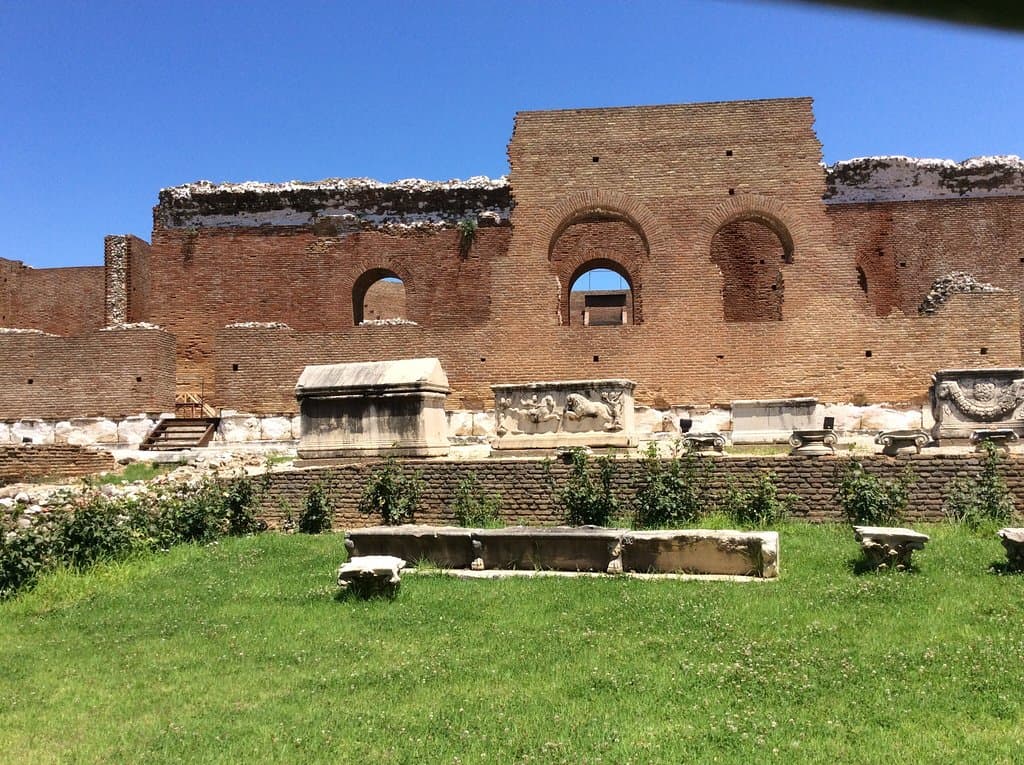
Odeon of Philippopolis
A remarkably preserved Roman Odeon in Plovdiv, offering a glimpse into ancient entertainment and urban life.
Highlights
Must-see attractions

Social
From TikTok & Reddit
Best Time
Fewer crowds, better photos
Odeon of Philippopolis
Best Time
Fewer crowds, better photos
Highlights
Must-see attractions
A remarkably preserved Roman Odeon in Plovdiv, offering a glimpse into ancient entertainment and urban life.
Wear comfy shoes! :athletic_shoe:
Ancient sites mean uneven ground. Comfortable footwear is essential for exploring the Odeon of Philippopolis.
Check for events 📅
The Odeon hosts performances. Check schedules to see if you can catch a show or avoid event crowds.
Quick Facts
Type
Building
Highlights
Discover the most iconic attractions and experiences
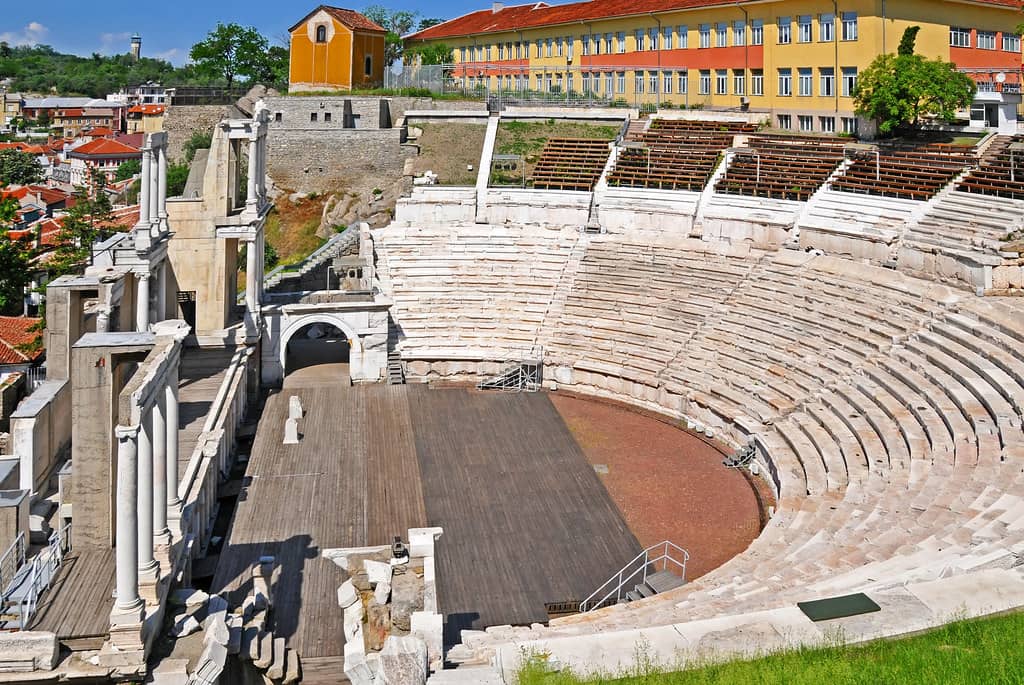
The Ancient Stage
Central area of the Odeon
Imagine ancient performances on this remarkably preserved stage. A true glimpse into Roman entertainment.
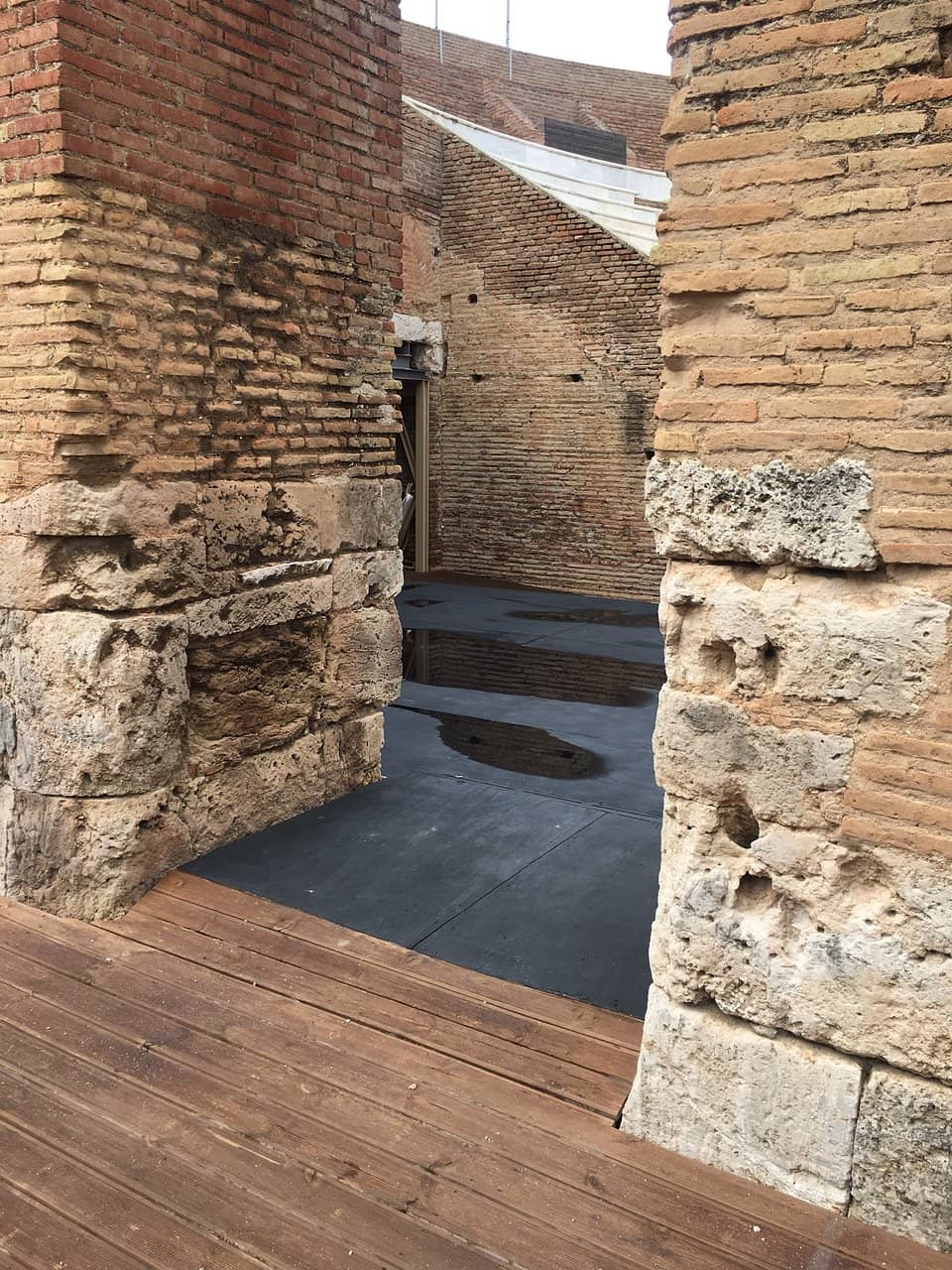
Intricate Seating Rows
Tiered seating area
Marvel at the detailed stone seating, offering a sense of the Odeon's former grandeur and capacity.

Architectural Details
Throughout the structure
Discover the surviving architectural elements that speak to the skill of Roman builders.
Plans like a pro.
Thinks like you
Planning Your Visit
Timing is Key for the Odeon
Comfortable Footwear Recommended
Best Times
Insider Tips
from TikTok, Instagram & Reddit
Wear comfy shoes! :athletic_shoe:
Ancient sites mean uneven ground. Comfortable footwear is essential for exploring the Odeon of Philippopolis.
Check for events 📅
The Odeon hosts performances. Check schedules to see if you can catch a show or avoid event crowds.
Visit early or late :sunrise_over_mountains:
Beat the midday rush for a more peaceful experience and better photo opportunities at the Odeon.
Tips
from all over the internet
Wear comfy shoes! :athletic_shoe:
Ancient sites mean uneven ground. Comfortable footwear is essential for exploring the Odeon of Philippopolis.
Check for events 📅
The Odeon hosts performances. Check schedules to see if you can catch a show or avoid event crowds.
Visit early or late :sunrise_over_mountains:
Beat the midday rush for a more peaceful experience and better photo opportunities at the Odeon.
What Travellers Say
Reviews Summary
Visitors consistently praise the Odeon of Philippopolis for its impressive preservation and central location, offering a tangible connection to Plovdiv's rich Roman heritage. Many appreciate its accessibility and the opportunity to imagine ancient performances. Some note that while it's a significant historical site, it's best enjoyed in conjunction with other nearby Roman ruins for a comprehensive experience.
What People Like
What People Dislike
Frequently Asked Questions
🚇 🗺️ Getting There
The Odeon of Philippopolis is centrally located in Plovdiv, making it easily accessible. It's a short walk from the main pedestrian street and many hotels. If you're coming from further out, local buses and taxis are readily available to take you to the city center. Many visitors find it convenient to combine a visit with exploring the nearby Roman Stadium and Old Town.
Parking directly at the Odeon is limited due to its central location. It's best to use public parking lots in the city center, which are a short walk away. Consider using public transport or walking if you are staying in the city center to avoid parking hassles.
Yes, the Odeon of Philippopolis is very close to the Plovdiv Old Town. It's a pleasant and short walk downhill from the Old Town, allowing you to easily incorporate it into your sightseeing itinerary. The path is generally well-maintained.
🎫 🎫 Tickets & Entry
Entry to the Odeon of Philippopolis is generally free, as it's an open-air ancient monument integrated into the city. However, if there are special events or performances, separate tickets may be required for those specific occasions. It's always a good idea to check local listings for any scheduled activities.
As an open-air site, the Odeon of Philippopolis doesn't have strict opening and closing hours in the traditional sense. You can typically view it at any time. However, for safety and comfort, visiting during daylight hours is recommended. Access might be restricted during private events.
No, there is typically no entrance fee to simply view and explore the Odeon of Philippopolis. It's a historical site that is part of the urban landscape. Special ticket prices apply only if you are attending a specific concert or performance held there.
While the Odeon is an open-air site, visiting at night might be less advisable due to limited lighting and safety concerns. However, if there's a scheduled evening performance, access will be managed and illuminated for the event. It's best enjoyed during daylight hours for full appreciation of its structure.
📸 📸 Photography
For the best photography, aim for early morning or late afternoon. The 'golden hour' light during these times casts a beautiful glow on the ancient stones, creating a magical atmosphere. Weekdays are also less crowded, offering clearer shots without many people in the background.
Generally, there are no restrictions on personal photography at the Odeon of Philippopolis. You're welcome to take pictures to capture its beauty. However, if you plan to use professional equipment for commercial purposes, it's wise to inquire about potential permits.
Experiment with different angles! Try capturing the sweeping view of the seating tiers from the top, or get closer to highlight the intricate stonework. Shots from the stage looking out, or from the surrounding streets looking in, can also offer unique perspectives.
🎫 🏛️ History & Architecture
The Odeon of Philippopolis dates back to the 2nd century AD, during the Roman Empire. It was a significant cultural venue used for musical performances, poetry readings, and theatrical shows. Its discovery and excavation have provided invaluable insights into Roman urban life and entertainment in the region.
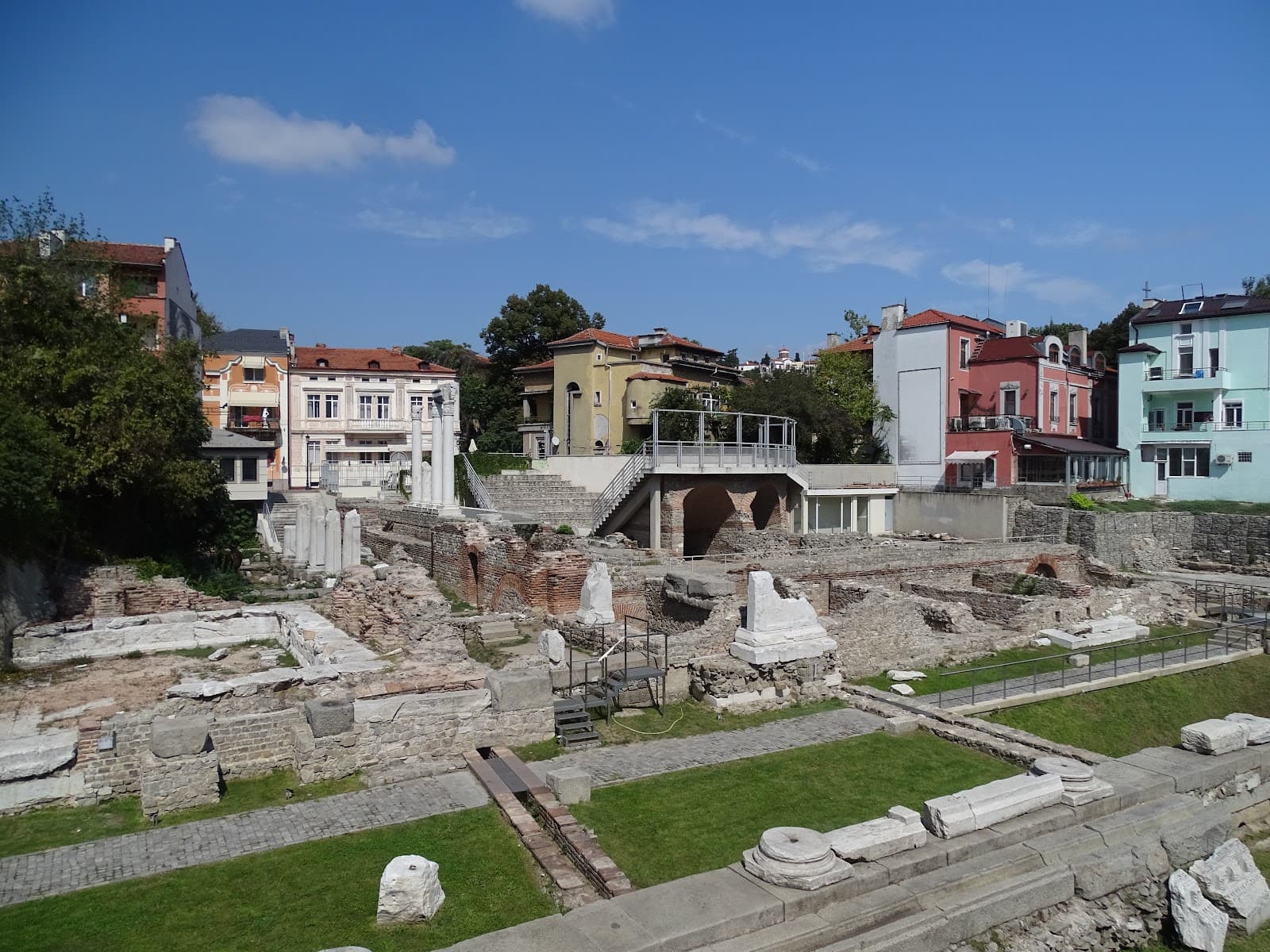
The Odeon is a prime example of Roman amphitheater architecture, featuring a semi-circular seating area (cavea) and a stage (scaenae frons). The surviving stone tiers and architectural fragments showcase sophisticated Roman engineering and design, adapted to the local terrain.
The Odeon was largely buried and forgotten for centuries. It was rediscovered during archaeological excavations in the mid-20th century, revealing its impressive scale and preservation. These excavations have been crucial in understanding Plovdiv's rich Roman heritage.








Social
from TikTok, Instagram & Reddit