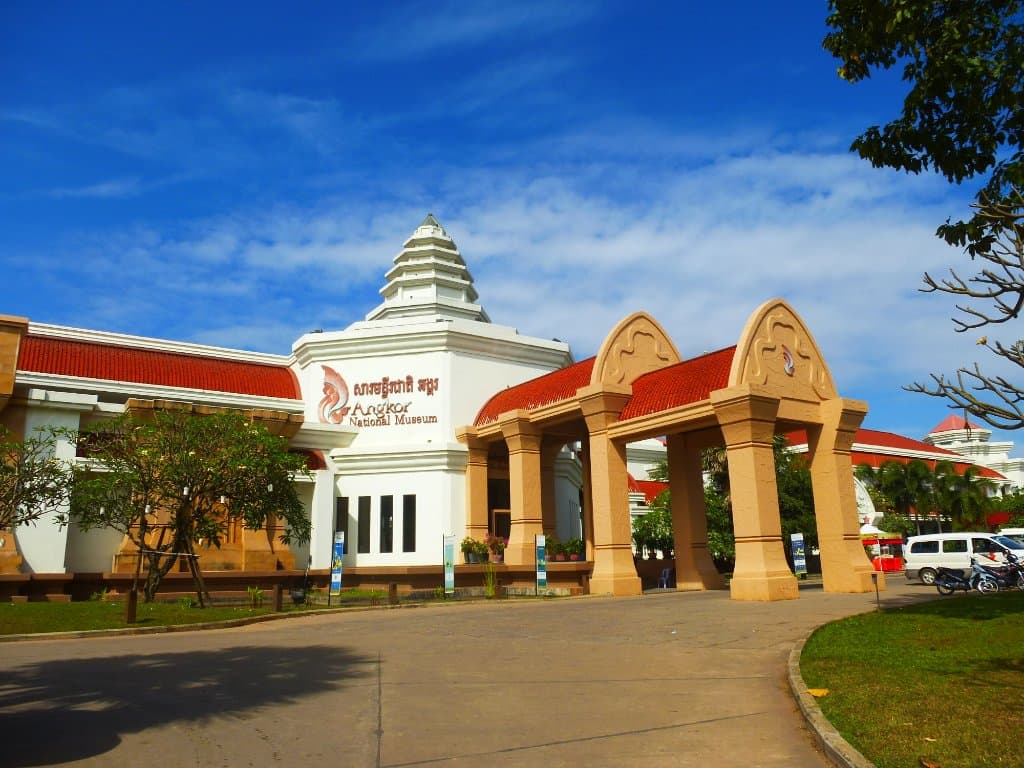
Angkor National Museum
Discover Khmer history and culture at this modern museum, offering vital context before exploring Angkor Wat's ancient wonders.

Highlights
Must-see attractions

Social
From TikTok & Reddit
Best Time
Beat the heat and crowds
Angkor National Museum
Best Time
Beat the heat and crowds
Highlights
Must-see attractions
Discover Khmer history and culture at this modern museum, offering vital context before exploring Angkor Wat's ancient wonders.
"Highly recommend visiting here before going to Angkor Wat. It gives helpful context that makes the temples even more meaningful."
Visit Before Temples
Gain essential context for Angkor Wat and other temples. It makes the temple visits much more meaningful! :temple_buddha:
Allow Ample Time
Dedicate at least 2-3 hours to explore the galleries thoroughly. An audio tour is highly recommended. :clock1:
Quick Facts
Hours
Rating
4.4 · 6,313 reviews
Type
Museum
Highlights
Discover the most iconic attractions and experiences
Gallery of 1,000 Buddhas
An awe-inspiring collection showcasing numerous Buddha statues in various poses and styles, explaining their significance.

Khmer History Exhibits
Explore the rich history of the Khmer Empire, from its origins to its golden age, providing context for Angkor Wat.

Religious Iconography
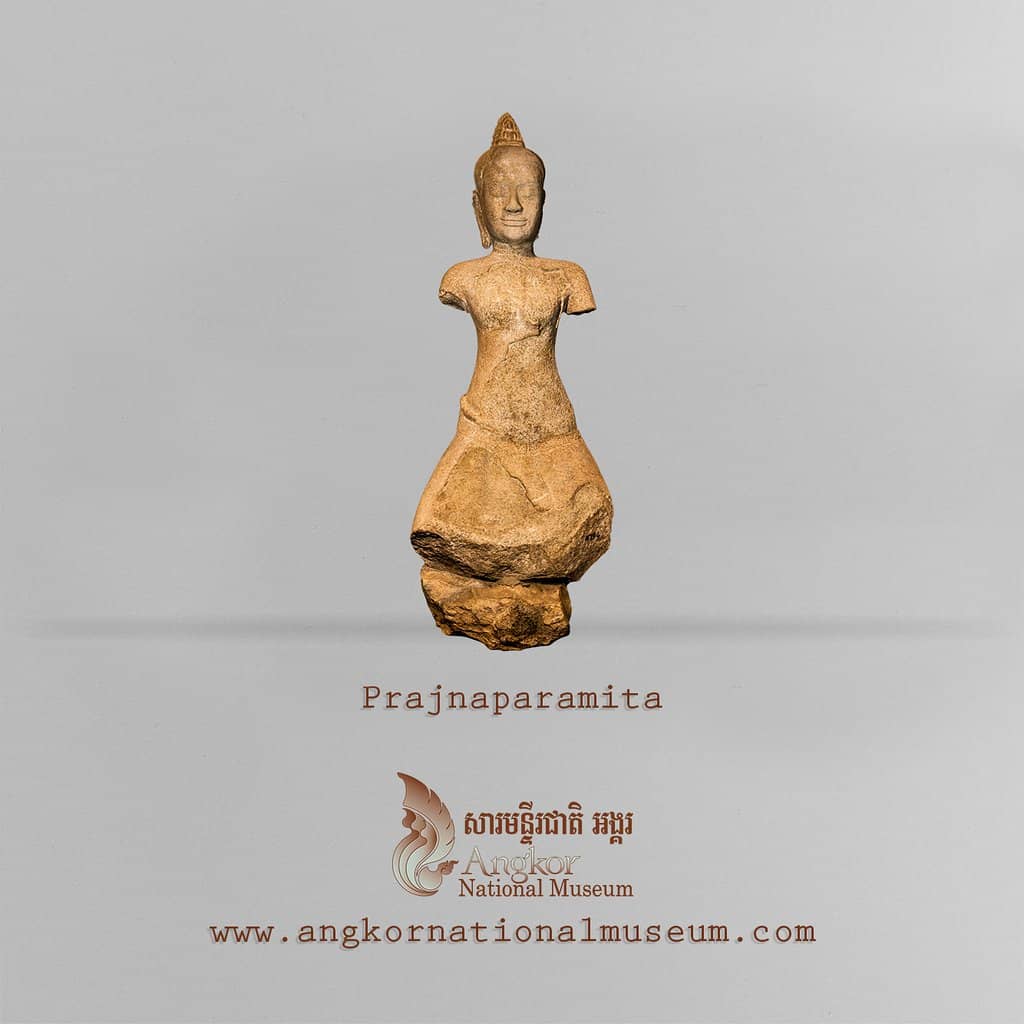
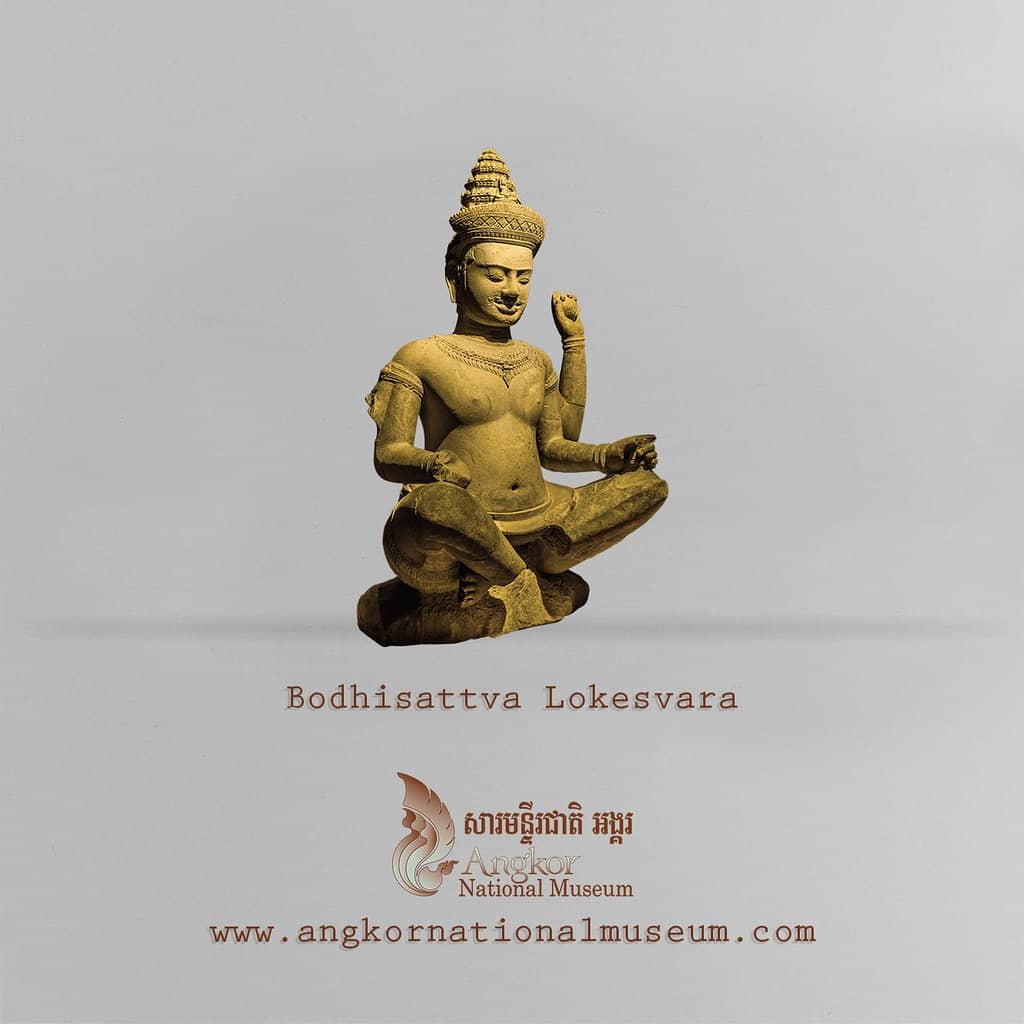
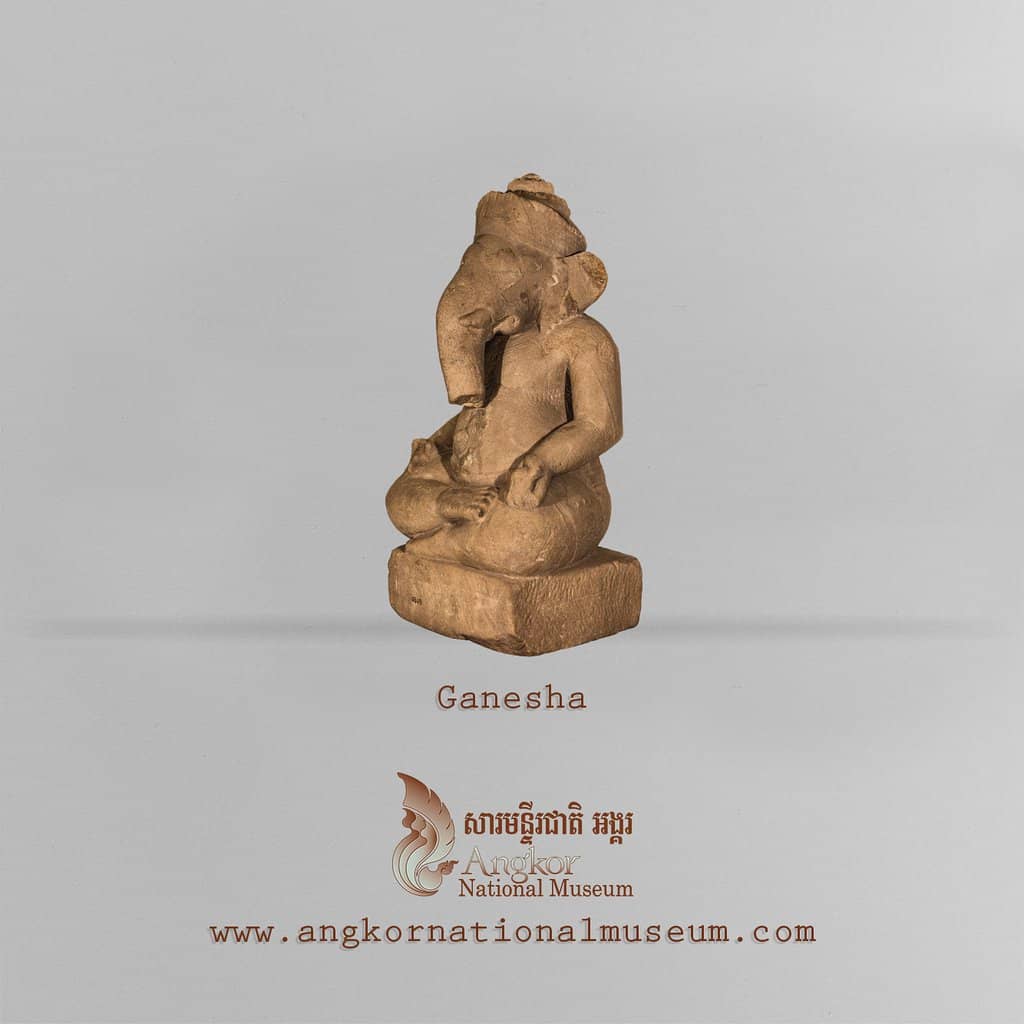
Discover intricate sculptures and artifacts detailing Hindu and Buddhist religious icons central to Khmer culture.
Plans like a pro.
Thinks like you
Planning Your Visit
Context is Key Before Angkor Wat
Plan Your Visit Wisely
Best Times
Insider Tips
from TikTok, Instagram & Reddit
Visit Before Temples
Gain essential context for Angkor Wat and other temples. It makes the temple visits much more meaningful! :temple_buddha:
Allow Ample Time
Dedicate at least 2-3 hours to explore the galleries thoroughly. An audio tour is highly recommended. :clock1:
Photography Restrictions
Be aware that photos are not allowed in most rooms. Focus on learning and experiencing the exhibits. :camerawithflash:
Beat the Heat
The museum offers a cool, air-conditioned respite from Siem Reap's afternoon heat. :snowflake:
Tips
from all over the internet
Visit Before Temples
Gain essential context for Angkor Wat and other temples. It makes the temple visits much more meaningful! :temple_buddha:
Allow Ample Time
Dedicate at least 2-3 hours to explore the galleries thoroughly. An audio tour is highly recommended. :clock1:
Photography Restrictions
Be aware that photos are not allowed in most rooms. Focus on learning and experiencing the exhibits. :camerawithflash:
Beat the Heat
The museum offers a cool, air-conditioned respite from Siem Reap's afternoon heat. :snowflake:
Audio Tour Essential
Enhance your understanding with the audio tour, which provides in-depth explanations of the exhibits. 🎤
What Travellers Say
Reviews Summary
Visitors highly recommend the Angkor National Museum as an essential precursor to exploring the temples, praising its modern facilities and insightful exhibits that provide crucial historical and cultural context. While photography is restricted, the educational value and the impressive Gallery of 1,000 Buddhas are consistently highlighted as major positives. It's considered a worthwhile investment for a deeper appreciation of Khmer heritage.
"As someone who has visited Angkor Vat many times, I have to say I am a bit disappointed in this museum. Firstly because 15 dollars to see national treasures - not just from the Angkor period, but pre- hindu goddesses; tapestry from villages in Northern India; Nepal, China; Bangladesh- humanity's treasures- should include an audio guide. This exceedengly important historical knowledge should be available to everyone, included and at choice. Regrettably, a few of the videos are at present outdated. The video room about Naga for example, a principal in Bhuddism- We couldn't make out a single word of what they were saying, the audio quality was unpleasant at best, inaudible in truth. You see that serpent? On all bills, guarding all temples, all parks, all bridges? But you're destined to google it instead: if you bother, that is. What is the point of having a giant pool on the first floor? Did I miss out since I didn't have enough for the audio guide? Just splendour? You could put up a plackard. For sure it's connected to the water pool of Ankor Vat. And the exhibit supposed to be dedicated to "life in the The Angkor period", missed- just that! It is the diety room, the bhuddas. What of the people who flourished there, the engineering of this civilisation-by means of water- all absent: what they wore, what they wrote, how they ate, how many they were- reconstructions of life around Siem Reap at the time, not to mention the wars fought over these temple grounds? From dynasty to dynasty, religion to religion.
More relevant now than ever - missing reconstructions. Why? And now I stop my criticisms.
The lovely, lively and exquisitely curated representations of bhuddas (must be one of the largest in the 🌎?.) From all over Asia and even Africa - is a SIGHT, the dim lighting, firebrick and crimson walls, highlighting faces and bodies: A room that calls you to the present.
Stepping in there it came to me how Bhuddism could reach so many, because these bhuddas undeniably look like like women or girls, they look like a neighbour, like someone familiar; a stranger at peace. The same way Siddharta never became a god, nor did he want to- but "a scent, a heartbeat, the thread in everyone". This room is to bow for.
Aaaand there should be a restaurant here that serves small portions of food, not just drinks."
Åse Ingeborg
"This was one of the first stops on my trip, and it was the perfect introduction to Khmer history and culture. The museum is modern, clean, and thoughtfully curated. Exhibits range from ancient sculptures and religious artifacts to displays of traditional costumes and architecture. The Gallery of 1,000 Buddhas is especially impressive.
Highly recommend visiting here before going to Angkor Wat. It gives helpful context that makes the temples even more meaningful. Also, great for escaping the afternoon heat in Siem Reap! 😄"
Phuong Le
"Highly recommended to visit this museum before going to Angkor Wat or other temples. It gives great background on Khmer history, religion, and architecture, which helps you understand what you’ll see at the temples. The museum is clean, air-conditioned, and well laid out. Don’t miss the 1,000 Buddha gallery. Entry is $12, worth it for the insights."
Ivan Lu
What People Like
What People Dislike
Frequently Asked Questions
🚇 🗺️ Getting There
The Angkor National Museum is conveniently located in Siem Reap town, a short tuk-tuk ride or taxi from most hotels. Many visitors find it easy to combine a visit with other attractions in the city. The museum is well-signposted and easily accessible by local transport.
Yes, there is parking available at the Angkor National Museum for visitors arriving by private car or motorcycle. Tuk-tuks and taxis can drop you off directly at the entrance.
If your accommodation is in the central Siem Reap area, it might be a pleasant walk, especially in the cooler parts of the day. However, it's a good idea to check the distance and weather conditions beforehand.
If you've hired a guide for Angkor Wat, they can often arrange transport to and from the museum as part of your tour package. This is a convenient option for a seamless experience.
While dedicated public bus routes might be limited, tuk-tuks are the most common and affordable form of public transport in Siem Reap and are readily available to take you to the museum.
🎫 🎫 Tickets & Entry
The admission price for the Angkor National Museum is $12 USD for adults. This is a reasonable price for the educational value it provides before visiting the temples.
You can purchase your Angkor National Museum tickets directly at the museum's ticket counter upon arrival. It's advisable to have USD cash ready for the transaction.
Information on discounts for students or seniors is not widely advertised, but it's always worth inquiring at the ticket counter. The standard adult price is $12.
Most visitors find the $12 ticket price to be very worthwhile, especially as it enhances the understanding and appreciation of the Angkor Wat temples.
While not explicitly stated as included, an audio tour is highly recommended and available for an enhanced experience. It's best to inquire about its availability and cost upon purchasing your ticket.
🎫 🏛️ Onsite Experience
Visitors generally recommend spending at least 2 to 3 hours at the Angkor National Museum to fully appreciate the exhibits and gain a comprehensive understanding of Khmer history and culture.
Photography is restricted in most galleries within the Angkor National Museum. Visitors are encouraged to focus on experiencing the exhibits rather than taking pictures.
Some galleries within the museum are air-conditioned, offering a welcome respite from the heat, while others may be warmer. It's a good idea to dress in light clothing.
The Gallery of 1,000 Buddhas is a standout exhibit, as are the displays detailing Khmer history, religious iconography, and traditional architecture. The museum provides excellent context for the temples.
Yes, an audio tour is available and highly recommended to enhance your understanding of the exhibits. It provides detailed information about the historical periods and artifacts.
🍽️ 🍽️ Food & Dining
While the museum focuses on exhibits, there might be a small cafe or refreshment area. However, it's advisable to plan your meals before or after your visit, as dedicated dining facilities are limited.
Siem Reap town offers a wide array of dining options near the museum, from local Khmer cuisine to international fare. Many restaurants are within walking distance or a short tuk-tuk ride away.
Typically, food and drinks are not permitted inside museum galleries to protect the artifacts. There may be designated areas where you can consume refreshments.
Siem Reap is quite accommodating to various dietary needs, and you'll find numerous restaurants offering vegetarian and vegan dishes in the vicinity of the museum.
It's generally recommended to eat before or after your visit to the museum. This allows you to fully immerse yourself in the exhibits without the distraction of dining.
📸 📸 Photography
No, photography is generally not allowed inside most galleries of the Angkor National Museum to preserve the artifacts and ensure a focused visitor experience.
While most areas prohibit photography, there might be designated zones, such as the entrance or gift shop, where it is allowed. Always look for signage or ask museum staff.
Focus on using your senses to absorb the exhibits. Consider sketching or taking detailed notes if you wish to document your experience. The memories of the artifacts will be vivid.
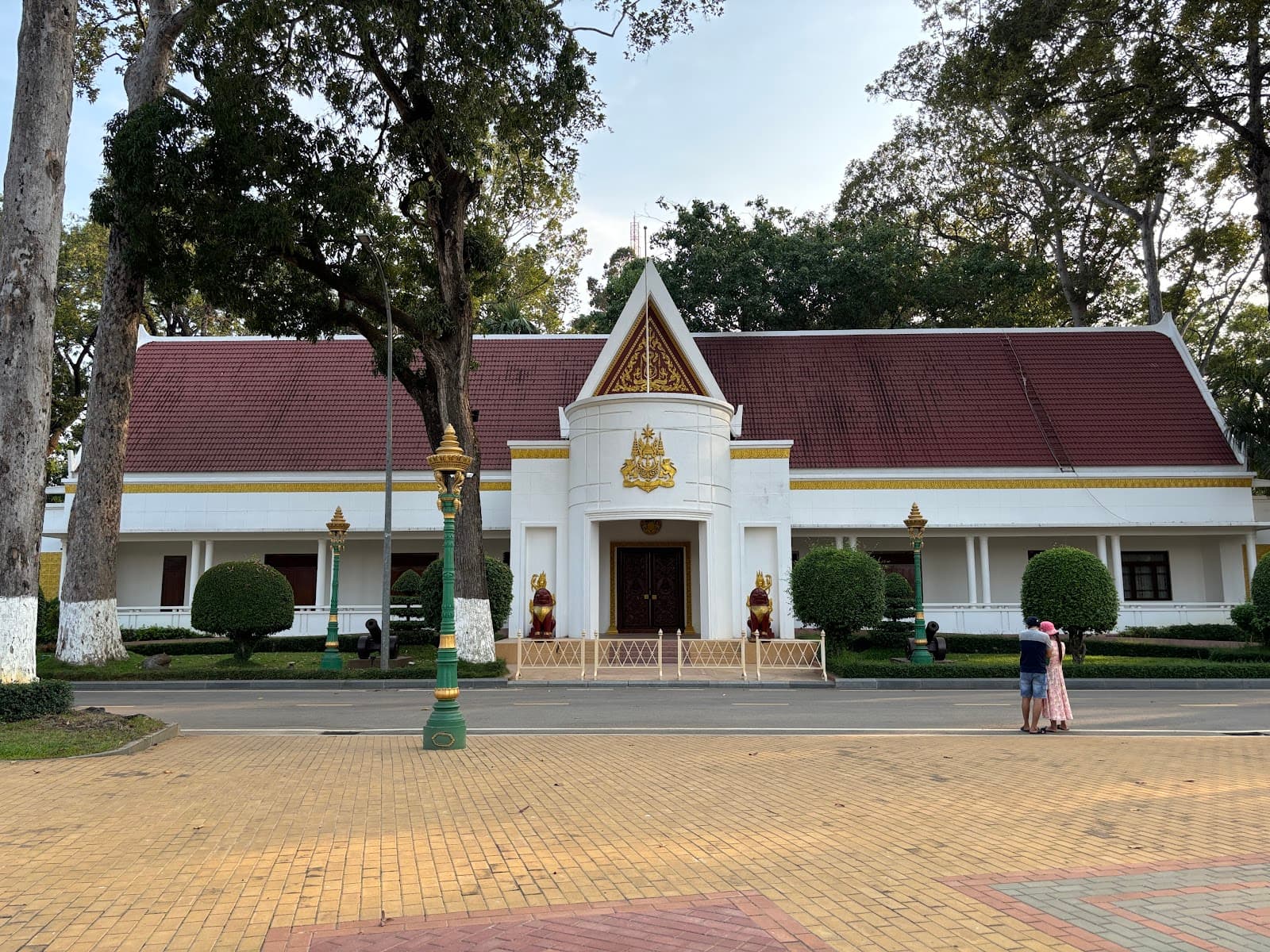
The exterior of the museum itself can be photogenic, and the surrounding Siem Reap area offers many opportunities for capturing the local atmosphere and architecture.
Photography restrictions are common in museums to prevent flash photography from damaging delicate artifacts and to ensure visitors engage with the exhibits directly rather than through a lens.





Social
from TikTok, Instagram & Reddit