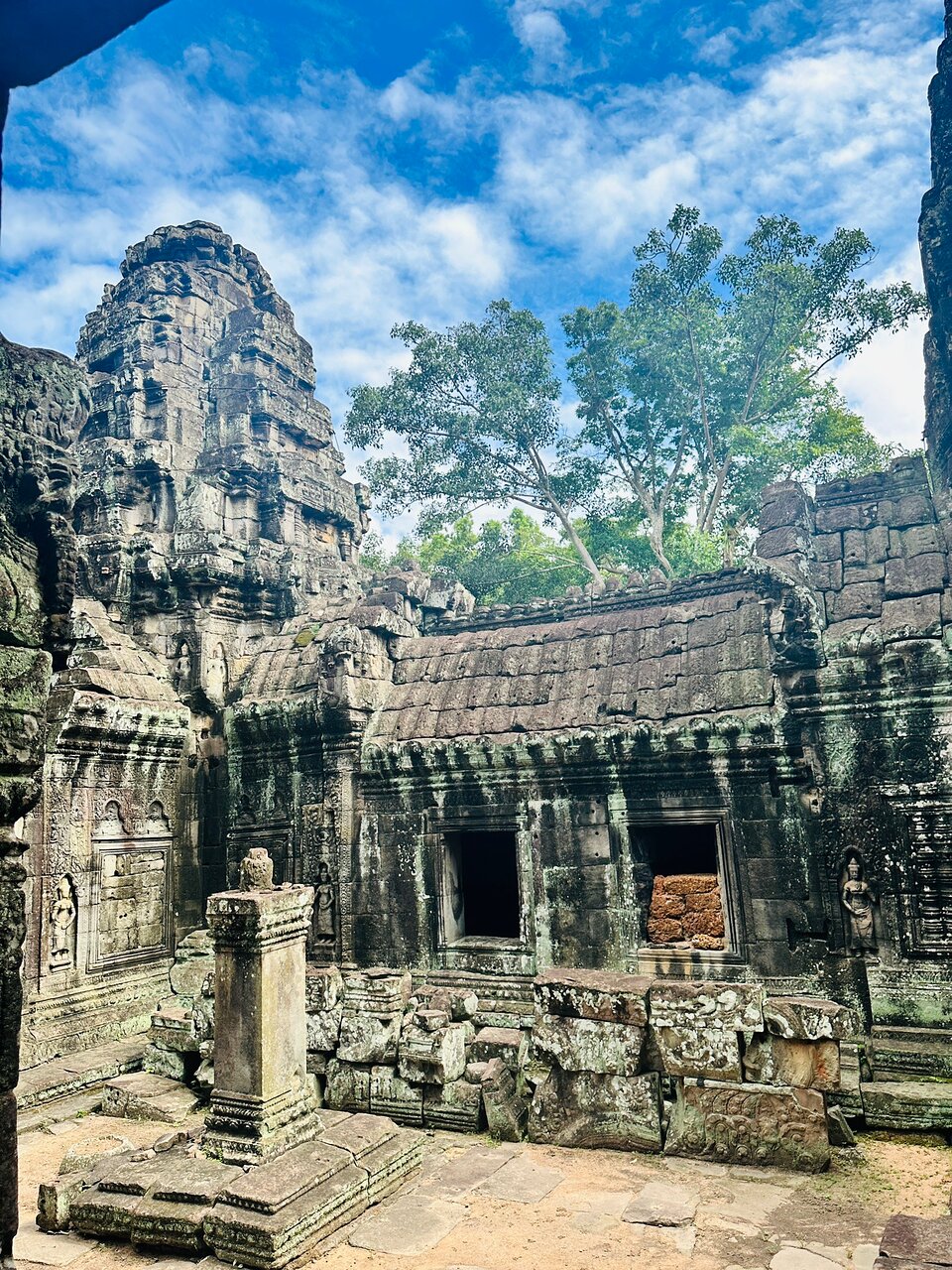
Banteay Kdei
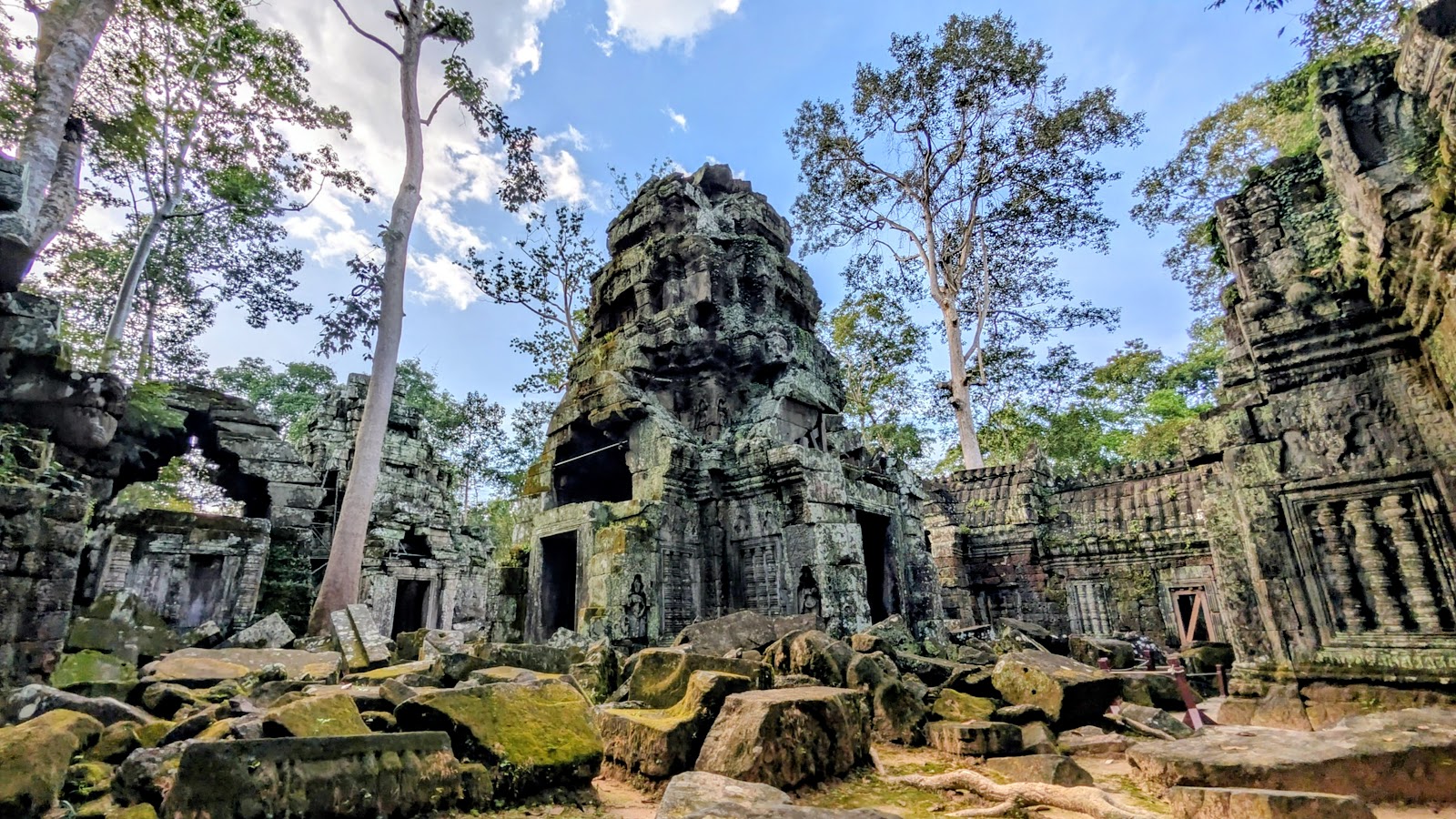
A peaceful Buddhist temple and monastery, Banteay Kdei offers a maze of sandstone chambers and intricate carvings, slowly being reclaimed by nature.
Highlights
Must-see attractions

Social
From TikTok & Reddit
Best Time
Peaceful exploration
Banteay Kdei
Best Time
Peaceful exploration
Highlights
Must-see attractions
A peaceful Buddhist temple and monastery, Banteay Kdei offers a maze of sandstone chambers and intricate carvings, slowly being reclaimed by nature.
"A perfect spot to soak in Angkor’s history without the crowds."
🤫 Seek Quiet Moments
Banteay Kdei is less crowded than other Angkor temples, offering a tranquil experience. Enjoy the peace!
🚶♀️ Explore the Maze
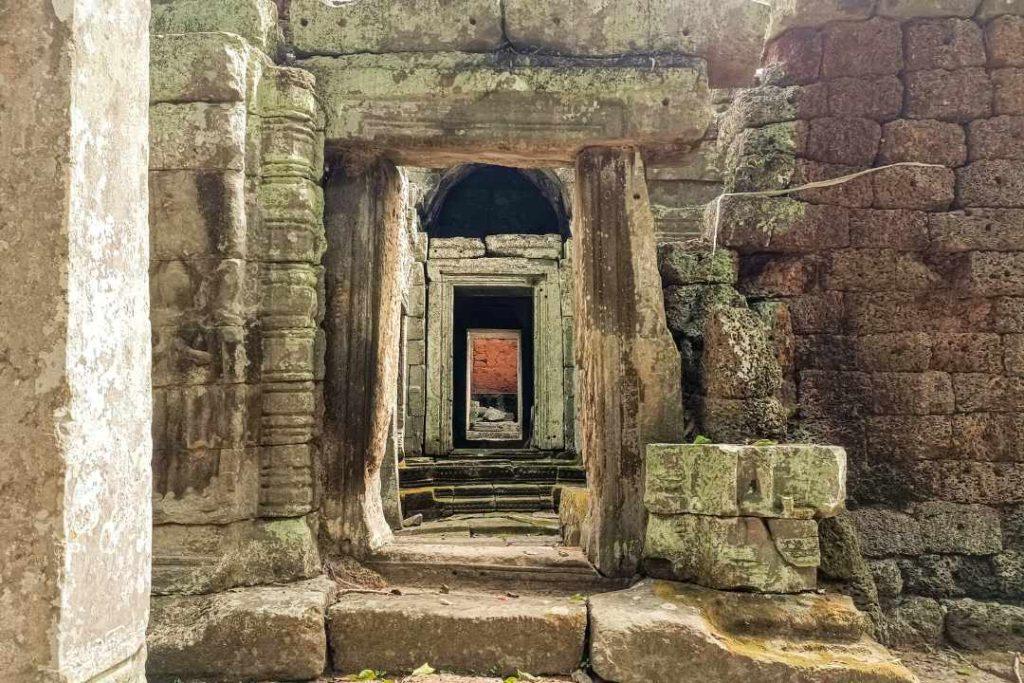
Wander through the numerous chambers and galleries; it's a delightful maze to get lost in.
Quick Facts
Hours
Rating
4.7 · 1,811 reviews
Type
Buddhist Temple
Highlights
Discover the most iconic attractions and experiences
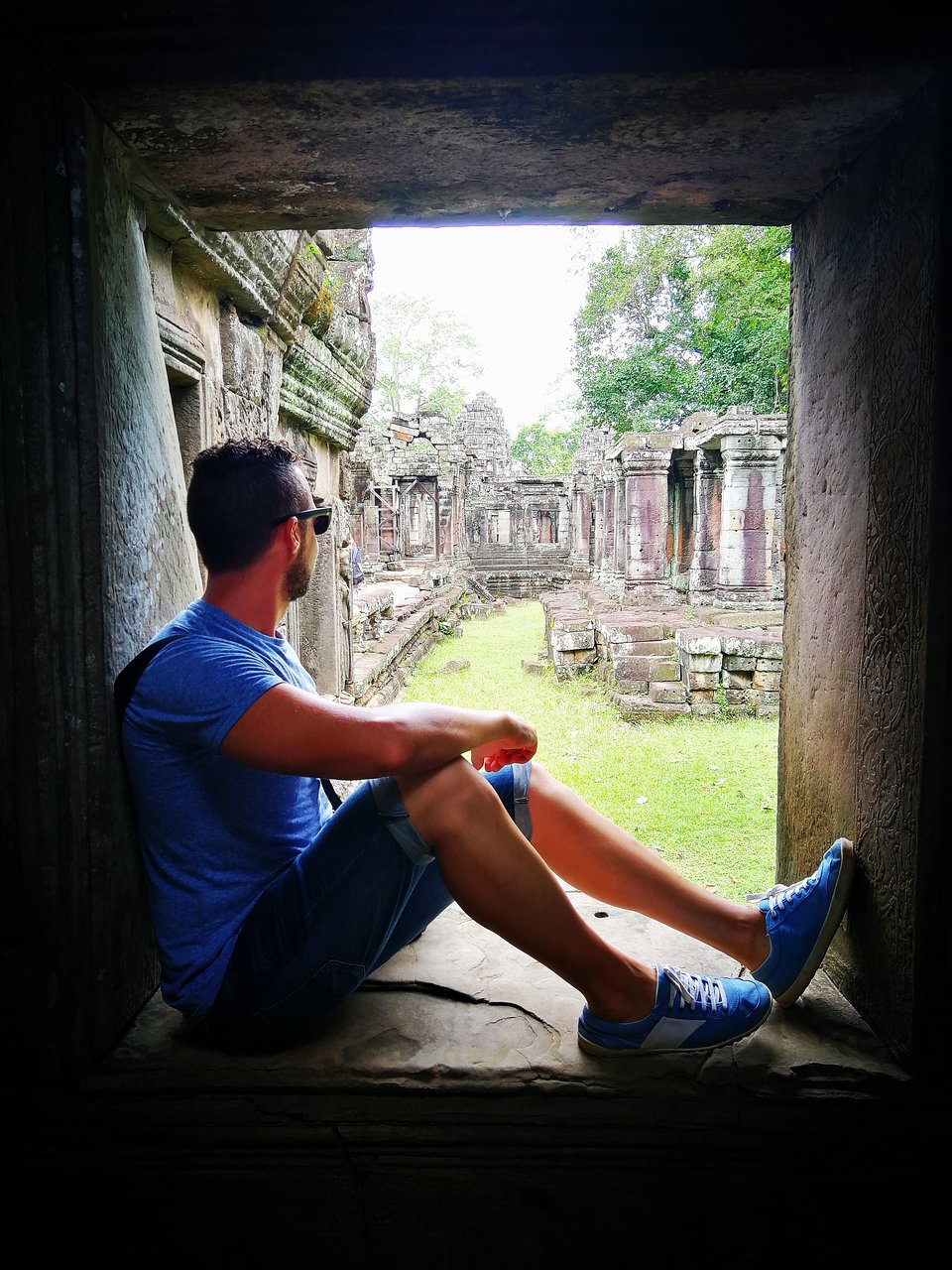
The Maze of Chambers
Central ruins
Explore a fascinating labyrinth of sandstone chambers, offering a sense of discovery and historical immersion.
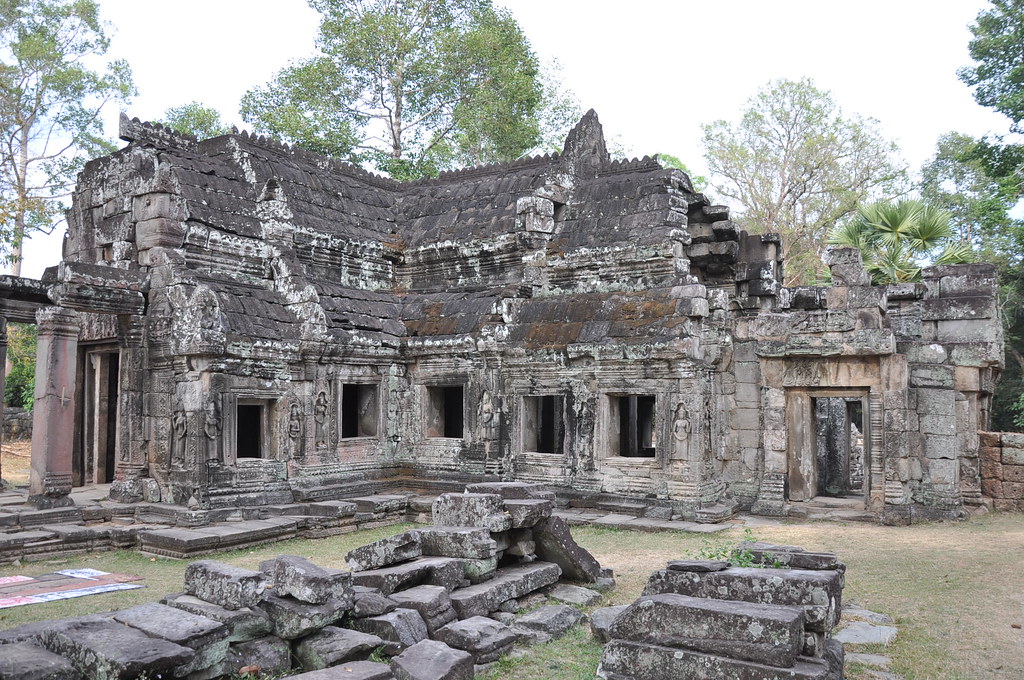
Bayon-Style Architecture
Towers and galleries
Admire intricate carvings and Bayon-style architecture, a blend of grandeur and decay.
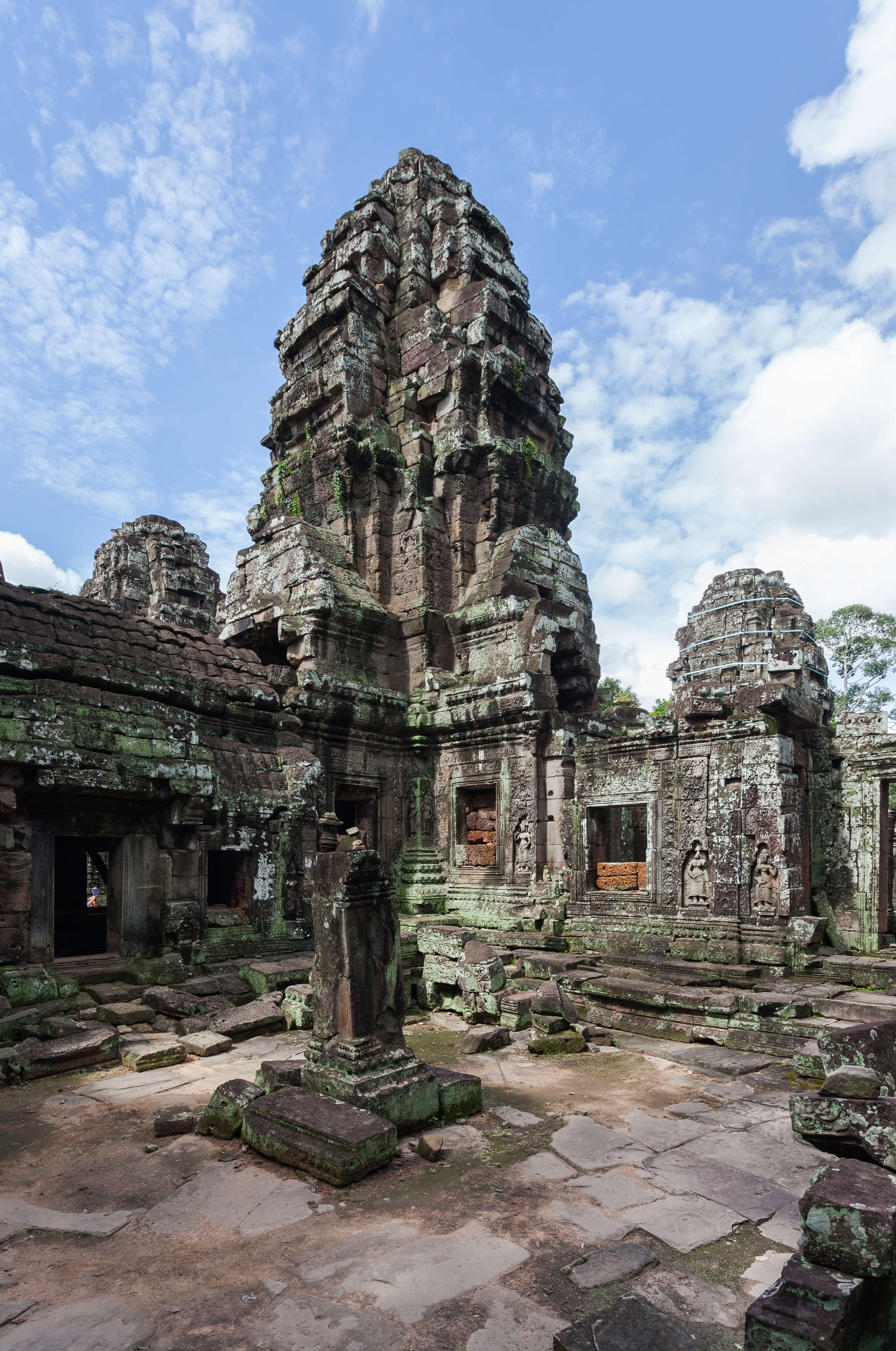
Nature's Embrace
Outer walls and courtyards
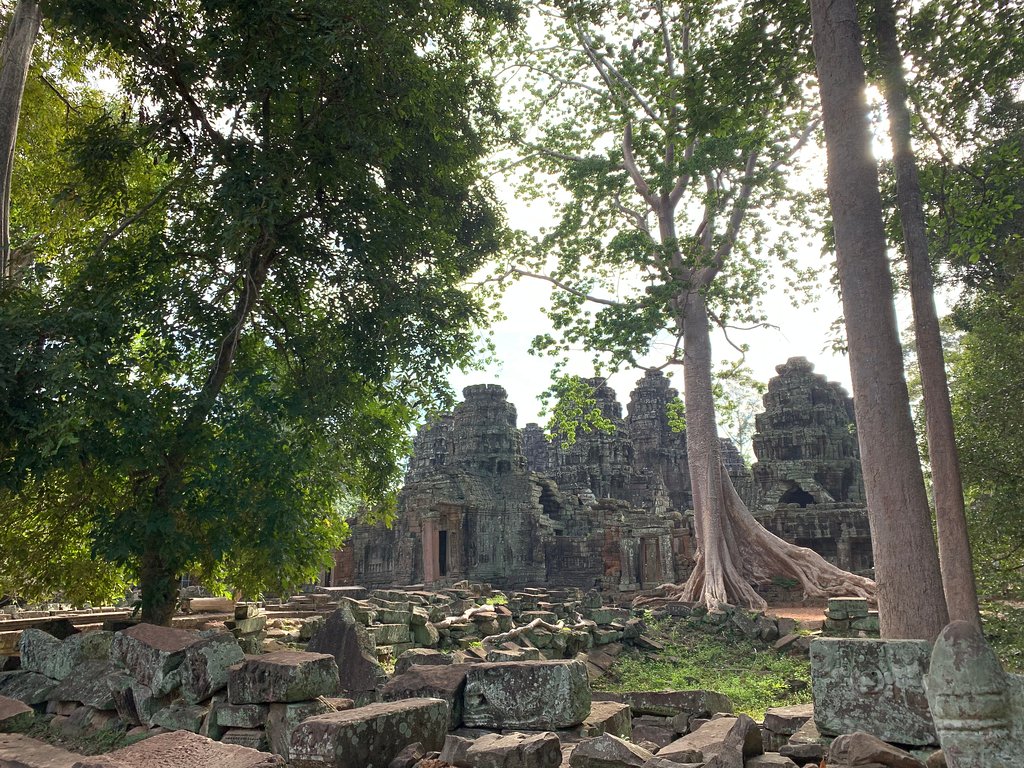
Witness nature reclaiming the temple, with roots intertwining with crumbling sandstone structures.
Plans like a pro.
Thinks like you
Planning Your Visit
Embrace the Serenity
Accessibility Insights
Best Times
Insider Tips
from TikTok, Instagram & Reddit
🤫 Seek Quiet Moments
Banteay Kdei is less crowded than other Angkor temples, offering a tranquil experience. Enjoy the peace!
🚶♀️ Explore the Maze
Wander through the numerous chambers and galleries; it's a delightful maze to get lost in.
☀️ Sunrise Spot
Consider visiting for sunrise; it's reported to be a beautiful and less crowded experience.
♿ Accessible Entry
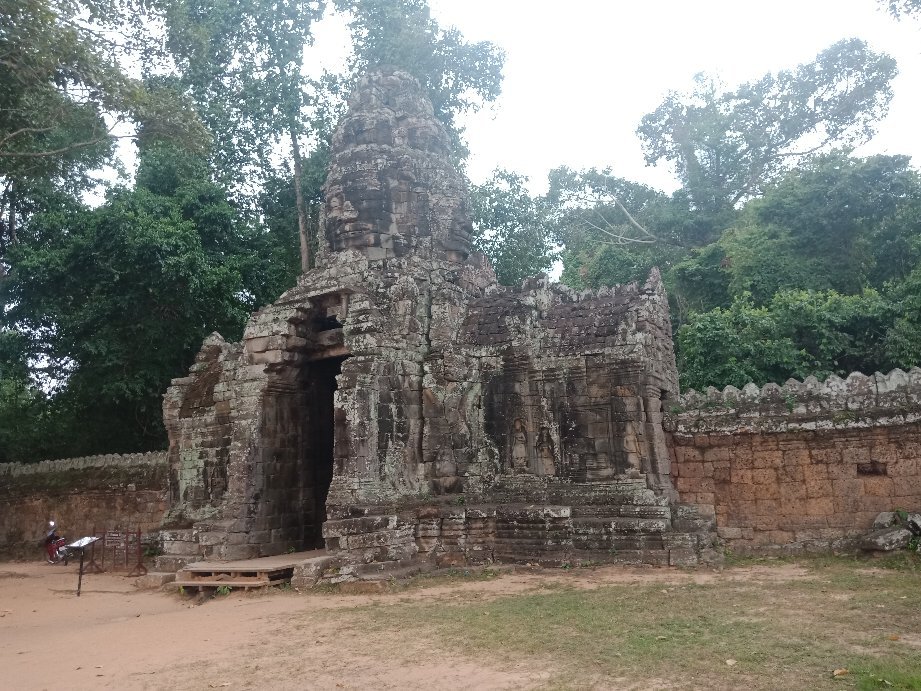
The West gate offers a flat, sandy path, making it the most accessible entrance.
Tips
from all over the internet
🤫 Seek Quiet Moments
Banteay Kdei is less crowded than other Angkor temples, offering a tranquil experience. Enjoy the peace!
🚶♀️ Explore the Maze
Wander through the numerous chambers and galleries; it's a delightful maze to get lost in.
☀️ Sunrise Spot
Consider visiting for sunrise; it's reported to be a beautiful and less crowded experience.
♿ Accessible Entry
The West gate offers a flat, sandy path, making it the most accessible entrance.
What Travellers Say
Reviews Summary
Visitors praise Banteay Kdei for its peaceful atmosphere and fascinating maze-like ruins, offering a serene escape from the typical Angkor crowds. Its blend of Bayon-style architecture and nature's embrace creates a unique, mystical ambiance. While accessibility is better than some temples, full interior access can be limited.
"So beautiful, peaceful and quiet place.
Its name means “Citadel of Chambers”, which is apt; the ruins are a fascinating maze of chambers that are a delight to explore. Also serving as a Buddhist temple, these ruins have been home to an active monastery at multiple time periods since their construction in the 12th century, up until the 1960s.
It’s a good location to watch the sunrise as I heard."
Elena Titkova
"Visiting Banteay Kdei, also known as the “Citadel of Monks’ Cells,” was such a peaceful experience. Built in the 12th–13th century by King Jayavarman VII, the temple has beautiful Bayon-style architecture with crumbling walls, towers, and galleries that feel timeless. It’s smaller and quieter than the more famous temples, which makes wandering through its ruins even more special. A perfect spot to soak in Angkor’s history without the crowds"
Dr. Subhasree Ray
"♿ Accessibility:
Banteay Kdei is probably the most wheelchair accessible temple out of the popular ones. Best to take the West gate, which has no steps, and a flat sandy path towards the temple.
The temple has a pathway leading around it but also some accessible paths up to the ruins.
Going inside is still not possible but you can get close enough if you can manage a bit of a rough road."
Outboundclub - travel blog
What People Like
What People Dislike
Frequently Asked Questions
🚇 🗺️ Getting There
Banteay Kdei is located within the Angkor Archaeological Park. You can hire a tuk-tuk or taxi from Siem Reap for a half-day or full-day tour. Many visitors combine it with nearby temples like Ta Prohm. The journey typically takes about 20-30 minutes from Siem Reap town.
Banteay Kdei is typically included on the 'Small Circuit' of the Angkor temples, often visited alongside Ta Prohm and Angkor Wat.
Tuk-tuks are a popular and affordable option for navigating the temples. Bicycles are also a great choice for independent exploration, especially for the smaller circuit.
While ride-sharing apps operate in Siem Reap, they may not be the most reliable for temple hopping within the park. Hiring a dedicated tuk-tuk driver for the day is often more convenient and cost-effective for exploring multiple sites.
Yes, Banteay Kdei is well-signposted within the Angkor Archaeological Park. Your tuk-tuk driver will know the way, and there are maps available at the park entrance.
🎫 🎫 Tickets & Entry
Yes, Banteay Kdei is part of the Angkor Archaeological Park, so you will need an Angkor Pass to enter. Passes are available for 1, 3, or 7 days.
The Angkor Archaeological Park, including Banteay Kdei, is generally open from 5:00 AM to 6:00 PM daily.
Prices for the Angkor Pass can vary, but typically a 1-day pass is around $37 USD, a 3-day pass is $62 USD, and a 7-day pass is $72 USD. It's best to check the official Angkor Enterprise website for the most current pricing.
No, you must purchase your Angkor Pass at the official ticket center before entering the park. You cannot buy tickets at individual temples like Banteay Kdei.
Beyond the Angkor Pass, there are no special entry requirements for Banteay Kdei. Dress respectfully, covering shoulders and knees, as it is a historical and religious site.
🎫 🧭 Onsite Experience
Banteay Kdei is known for its peaceful atmosphere, intricate Bayon-style architecture, and its 'Citadel of Chambers' layout, offering a maze-like exploration. It's less crowded than major temples.
Most visitors spend 1-2 hours at Banteay Kdei to explore its chambers and appreciate its unique atmosphere.
Absolutely! The interplay of light and shadow within the chambers, the crumbling sandstone, and the encroaching nature make Banteay Kdei a photographer's dream.
Banteay Kdei is considered one of the more accessible temples, especially via the West gate which has a flat, sandy path. While full interior access might be challenging, you can get close to the main structures.
Wear comfortable walking shoes and light, breathable clothing. Remember to dress respectfully, covering your shoulders and knees, as it's a historical and religious site.
📸 📸 Photography Tips
Look for the interplay of light filtering through the doorways and windows, the intricate carvings on the galleries, and the way nature is reclaiming the stone. The central courtyards and corridors offer great perspectives.
Early morning or late afternoon offers the best light for photography, with softer shadows and a warmer glow. Avoid midday sun which can be harsh.
Drone usage is generally restricted within the Angkor Archaeological Park to preserve the sites and for safety reasons. It's best to check the latest regulations with Angkor Enterprise.
A wide-angle lens is useful for capturing the scale of the chambers and corridors. A prime lens can be great for detailed shots of carvings. A tripod might be helpful for low-light conditions, but be mindful of other visitors.
Focus on atmospheric shots: use leading lines from corridors, capture the textures of the stone and roots, and look for moments where light creates a sense of mystery.




Social
from TikTok, Instagram & Reddit