Batoche National Historic Site
Explore the heart of Métis history and the site of the pivotal 1885 North-West Resistance. Discover rich culture and stunning river valley views.
Highlights
Must-see attractions

Social
From TikTok & Reddit
Best Time
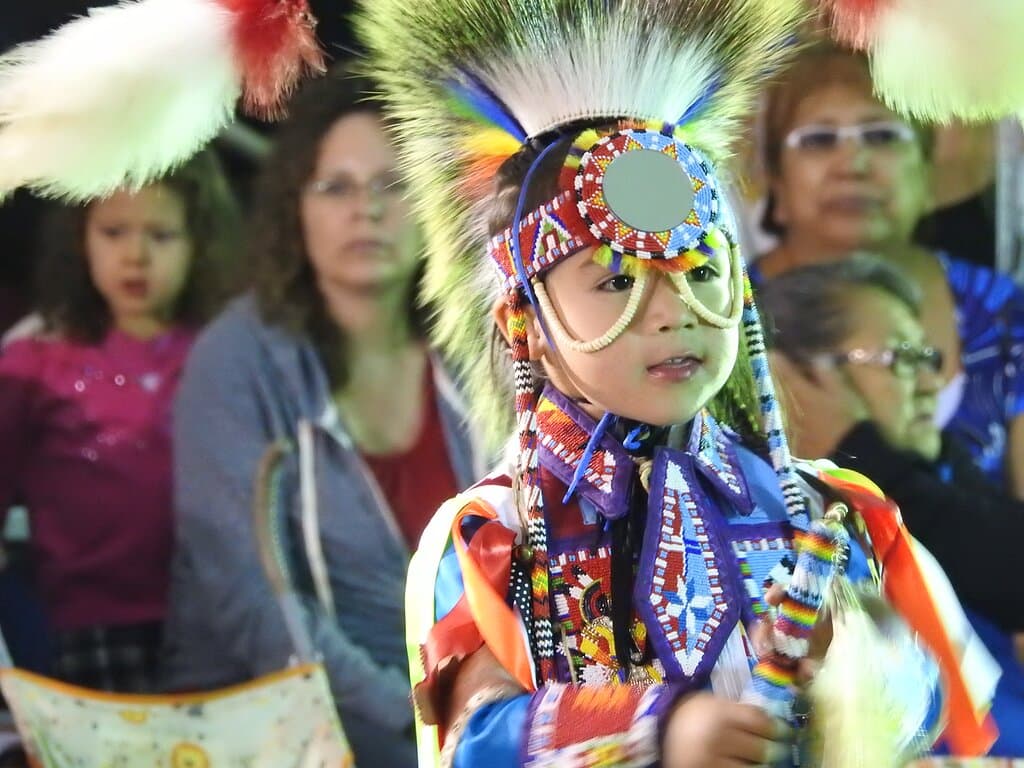
Vibrant cultural festival
Batoche National Historic Site
Best Time
Vibrant cultural festival
Highlights
Must-see attractions
Explore the heart of Métis history and the site of the pivotal 1885 North-West Resistance. Discover rich culture and stunning river valley views.
"A sad but amazing story; feel the history and learn about Métis heritage."
🎯 Attend Batoche Days
Experience cultural events and celebrations in July.
👟 Wear Comfortable Shoes
The site is spread out; walking is key to exploration.
Highlights
Discover the most iconic attractions and experiences
Batoche Museum
Discover artifacts and exhibits detailing the Métis resistance and the site's rich history.
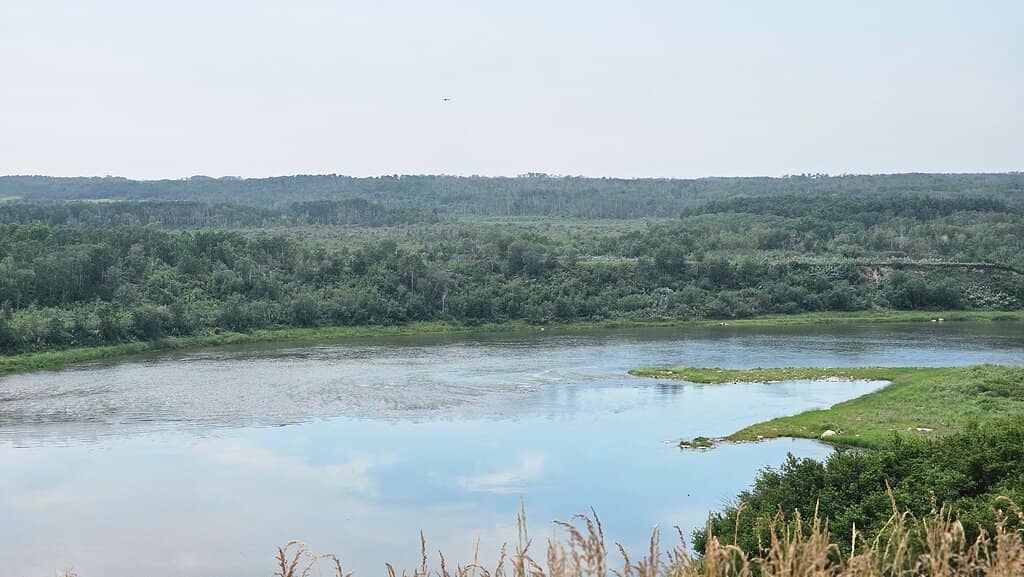
Caron House
Explore this historic Métis home and its charming garden, offering a glimpse into daily life.

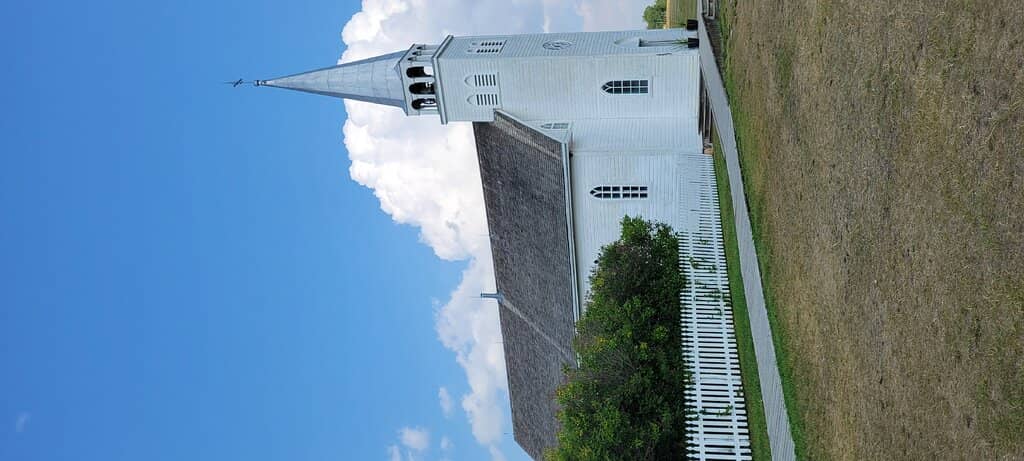
St. Antoine de Padoue Church
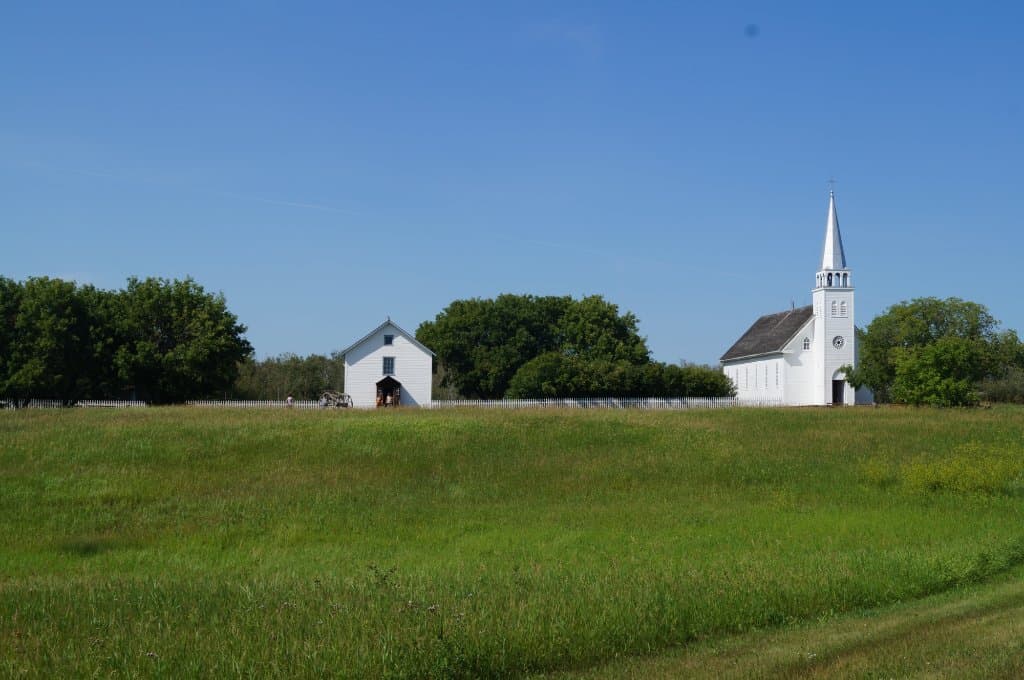
A poignant landmark with a significant role in the site's history, offering beautiful views.
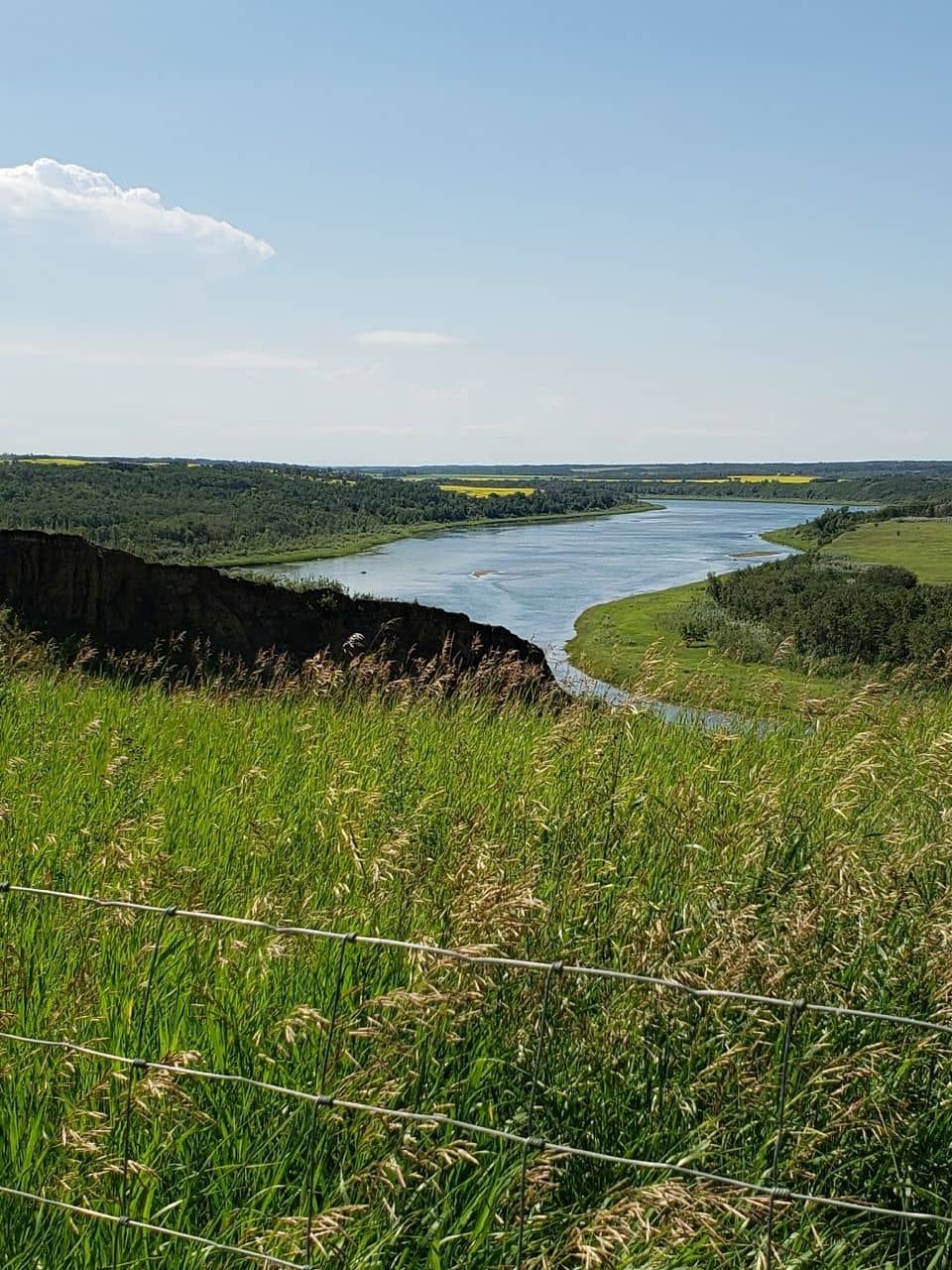
South Saskatchewan River Valley
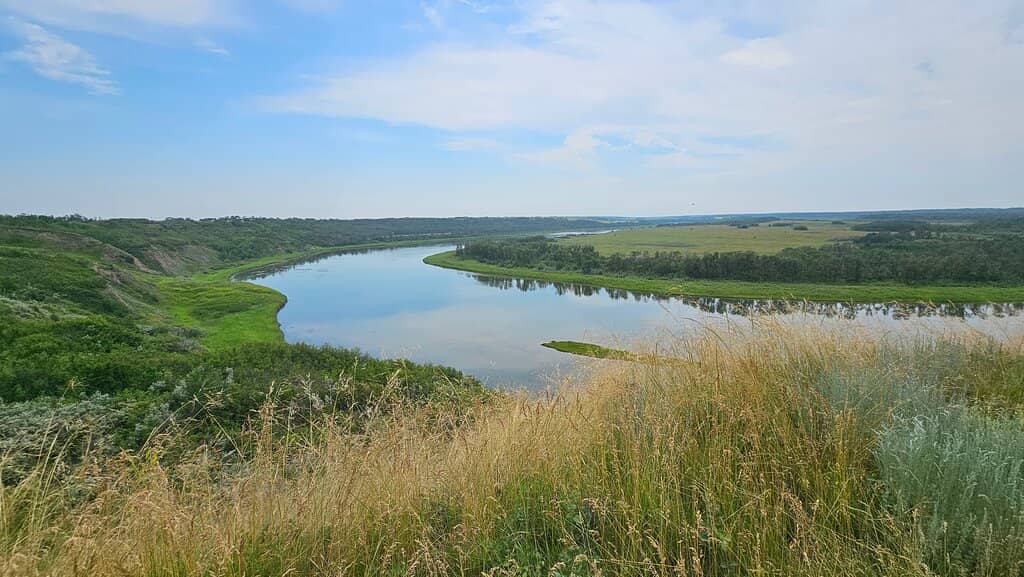
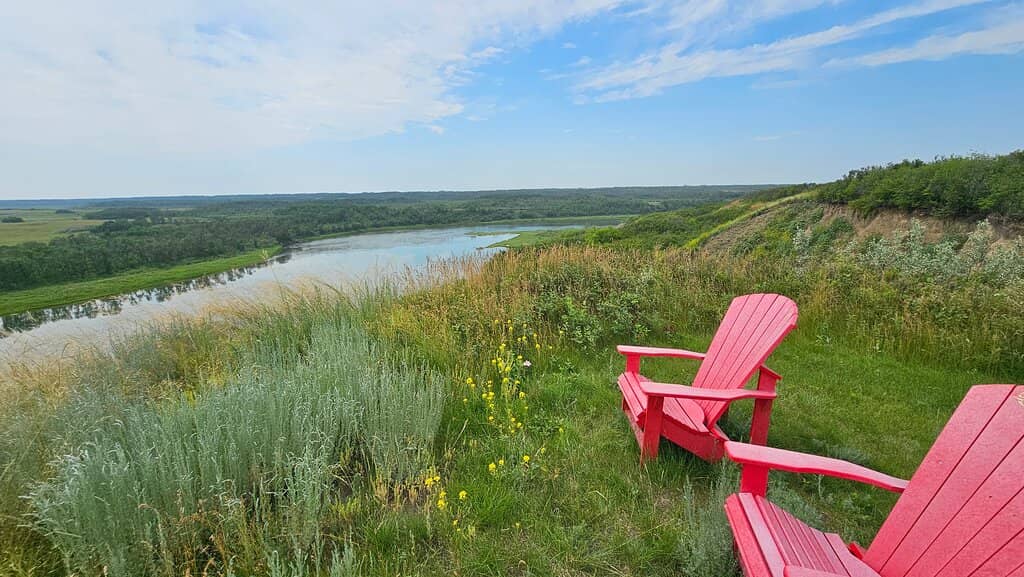
Enjoy scenic vistas and learn about the river's importance to the Métis people.
Plans like a pro.
Thinks like you
Planning Your Visit
Timing is Key for Immersion
Embrace the Landscape
Best Times
Insider Tips
from TikTok, Instagram & Reddit
🎯 Attend Batoche Days
Experience cultural events and celebrations in July.
👟 Wear Comfortable Shoes
The site is spread out; walking is key to exploration.
🚗 Utilize Golf Cart Shuttle
A great way to navigate the grounds and learn from guides.
🗣️ Engage with Guides
Passionate guides offer deep historical insights.
Tips
from all over the internet
🎯 Attend Batoche Days
Experience cultural events and celebrations in July.
👟 Wear Comfortable Shoes
The site is spread out; walking is key to exploration.
🚗 Utilize Golf Cart Shuttle
A great way to navigate the grounds and learn from guides.
🗣️ Engage with Guides
Passionate guides offer deep historical insights.
📸 Capture the Scenery
Beautiful views of the river and historic buildings.
What Travellers Say
Reviews Summary
Visitors praise Batoche for its profound historical significance and the opportunity to learn about the Métis heritage and the North-West Resistance. The passionate and knowledgeable guides are frequently highlighted as a key reason for an enriching experience. While the site is spread out, the historical narrative and the scenic river valley views make it a worthwhile journey for many.
"What a sad but amazing story. I’m so glad that we drove out to see the settlement. Yes, it is small and very spaced out, but you can feel the history as you’re walking around. I would absolutely recommend for people who wanna have a good journey and walk to drive to Batoche to learn about the Métis and indigenous heritage and what they endured."
Dione Pudlowski
"Great place to learn about the tragic history of the meti people in Saskatchewan but also about their life and culture and how two culture Mercedes into a new one! Also a wonderful place for walks around the historic site."
Jan Sassmannshausen
"Important indigenous history! The staff are really friendly. Learned a lot about history. Would definitely recommend"
Shilla Johnson
What People Like
What People Dislike
Frequently Asked Questions
🚇 🗺️ Getting There
Batoche National Historic Site is located about 90 minutes north of Saskatoon. You can drive directly to the site via Highway 11 and then Highway 220. The drive offers scenic views of the Saskatchewan landscape.
Public transportation options directly to Batoche are limited. Most visitors opt to drive. Carpooling or organized tours are also good alternatives if you don't have a vehicle.
Yes, experienced paddlers can kayak from Saskatoon to Batoche in a single, long day, especially if starting early. Launching from locations like Clarkboro or Hague ferry can shorten the trip.
From Saskatoon, take Highway 11 North towards Prince Albert. Take the exit for Highway 220 West towards Batoche. Follow Highway 220 directly to the historic site.
Yes, ample parking is available for visitors at the Batoche National Historic Site, including near the museum and main visitor areas.
🎫 🎫 Tickets & Entry
Admission fees can vary, but it's recommended to check the official Parks Canada website for the most current pricing. Often, there are fees for guided tours or special events.
Operating hours typically vary by season. The museum and grounds are generally open during the summer months, with reduced hours in the spring and fall. Always check the official website before your visit.
For general admission, advance booking is usually not required. However, for special events like Batoche Days, it's advisable to check for ticket sales and availability.
Parks Canada often offers discounts for seniors, youth, and families. Check their website for details on passes and potential discounts.
While the site is accessible year-round for viewing the grounds, the museum and interpretive programs typically operate seasonally, primarily from late spring to early fall.
🎫 🧭 Onsite Experience
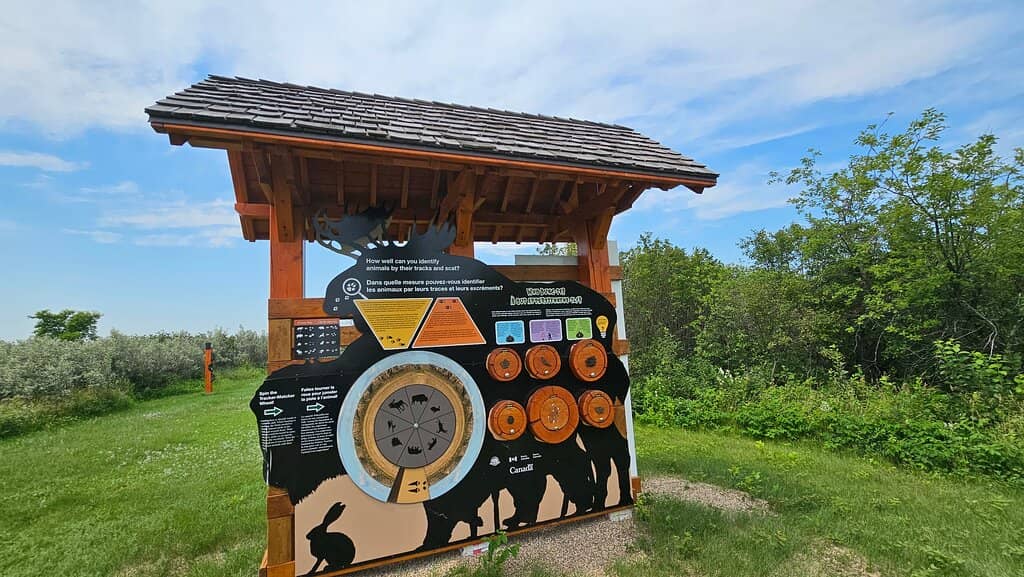
You can explore the Batoche Museum, walk the historic grounds, visit the St. Antoine de Padoue Church, see the Caron House, and learn about the Métis resistance through guided tours and interpretive displays.
Yes, guided tours are highly recommended. Guides like Marcus and Ross are known for their engaging and informative tours, offering deep insights into the history.
The site offers a golf cart shuttle service to help visitors navigate the grounds, making it more accessible. Some buildings may have limited accessibility, so inquire upon arrival.
Batoche is a National Historic Site of Canada and the location of the pivotal Battle of Batoche during the 1885 North-West Resistance, a crucial event in Métis history.
While primarily historical, the open grounds and engaging stories can be interesting for children. Field trips often visit, indicating its educational value for younger visitors.
📸 📸 Photography
The St. Antoine de Padoue Church, the Caron House with its garden, and the scenic views along the South Saskatchewan River are particularly photogenic.
Photography policies can vary. It's best to check signage within the museum and buildings or ask staff if photography is permitted, especially without flash.
The seeded bison skull sculptures, if present, offer a unique artistic and cultural photographic subject.
Early morning or late afternoon light can provide beautiful golden hour shots, especially along the river. Autumn also offers stunning fall colors.
Drone usage is typically regulated at National Historic Sites. It's essential to check Parks Canada regulations regarding drone operation before flying.
For Different Travelers
Tailored advice for your travel style
👨👩👧 Families with Kids
+1Many families find the site educational and memorable. Field trips are common, highlighting its suitability for school-aged children. The museum provides a good starting point for understanding the history before exploring the outdoor exhibits.
+1📚 History Enthusiasts
Take your time to explore the museum, the historic buildings, and the grounds. Reading up on Louis Riel and Gabriel Dumont beforehand can enhance your appreciation of the site's significance.
🚶♀️ Nature Lovers & Hikers
Consider visiting in the autumn for vibrant fall colors or in the summer to enjoy the lush landscape. The river itself offers opportunities for kayaking for those seeking a more active engagement with the natural surroundings.
Deep Dives
In-depth insights and expert knowledge
The History of the North-West Resistance
The Battle of Batoche, fought from May 9-12, 1885, was the final and most significant engagement of the resistance. Canadian government forces, armed with superior weaponry, eventually overwhelmed the Métis defenders. The defeat at Batoche marked a tragic turning point, leading to the suppression of the resistance and profound changes for the Métis and First Nations communities in the region.
Visiting Batoche offers a chance to connect with this complex history. The site preserves key locations like the St. Antoine de Padoue Church and the Caron House, providing tangible links to the past. Interpretive programs and knowledgeable guides help visitors understand the struggles, resilience, and enduring legacy of the Métis people.
Exploring the Métis Culture and Heritage
At Batoche, you can experience this heritage firsthand. The museum showcases artifacts that tell the story of Métis life, from their early settlements to their role in the fur trade and their fight for recognition. The Caron House, a preserved Métis home, offers an intimate look at domestic life, while the surrounding landscape speaks to their deep connection with nature.
+1Events like 'Back to Batoche Days' and 'Batoche Days' are crucial for celebrating and perpetuating Métis culture. These gatherings often feature traditional music, jigging, storytelling, and artisan markets, providing an immersive experience for visitors and a vital connection for the Métis community.
+2The Scenic Beauty of the South Saskatchewan River
Visitors can appreciate the river's beauty from various vantage points within the historic site. The rolling hills and the expansive river valley create a picturesque setting that contrasts with the historical narratives of conflict. The changing seasons bring different hues to the landscape, making it a beautiful destination in spring, summer, and especially autumn.
For the adventurous, kayaking or canoeing on the South Saskatchewan River offers a unique perspective on the region. The journey from Saskatoon to Batoche by water is a testament to the river's historical significance as a travel route and provides an intimate connection with the natural environment that shaped the lives of those who lived here.


Social
from TikTok, Instagram & Reddit