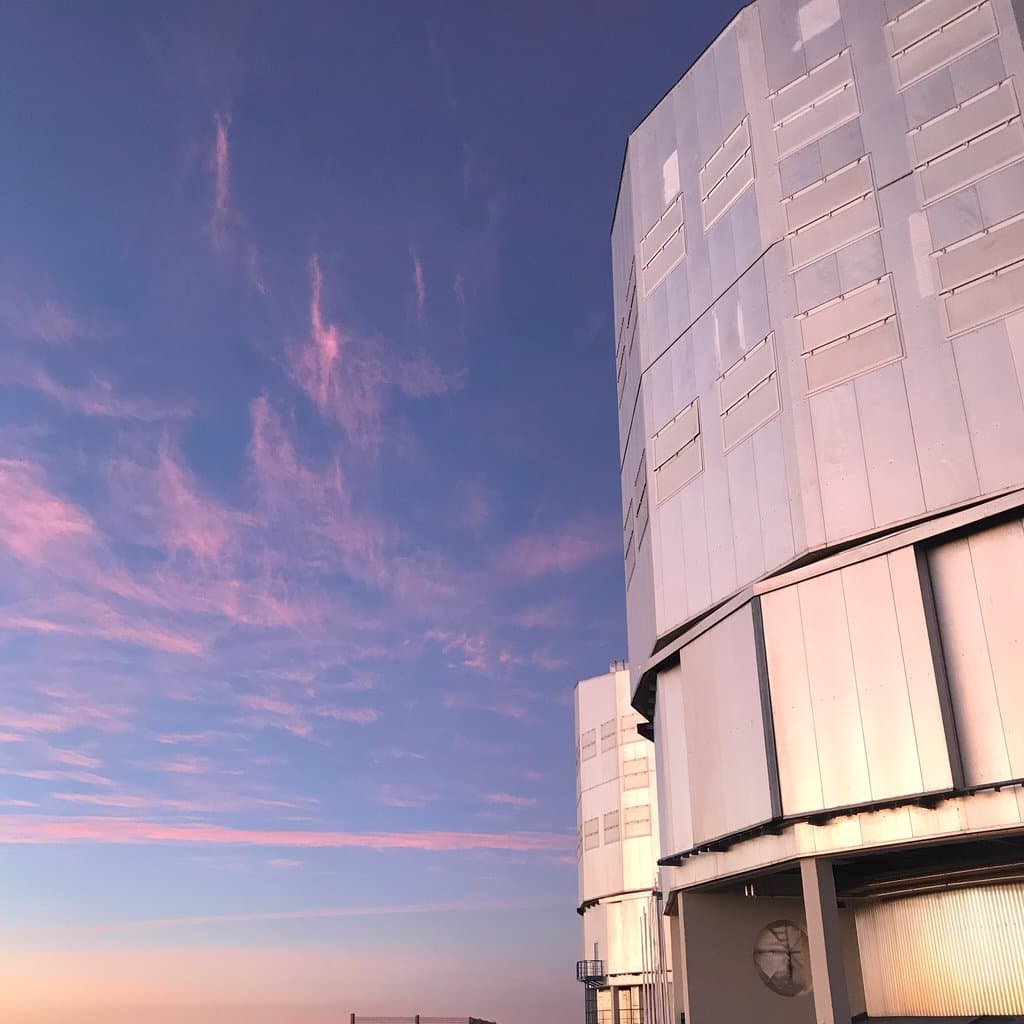
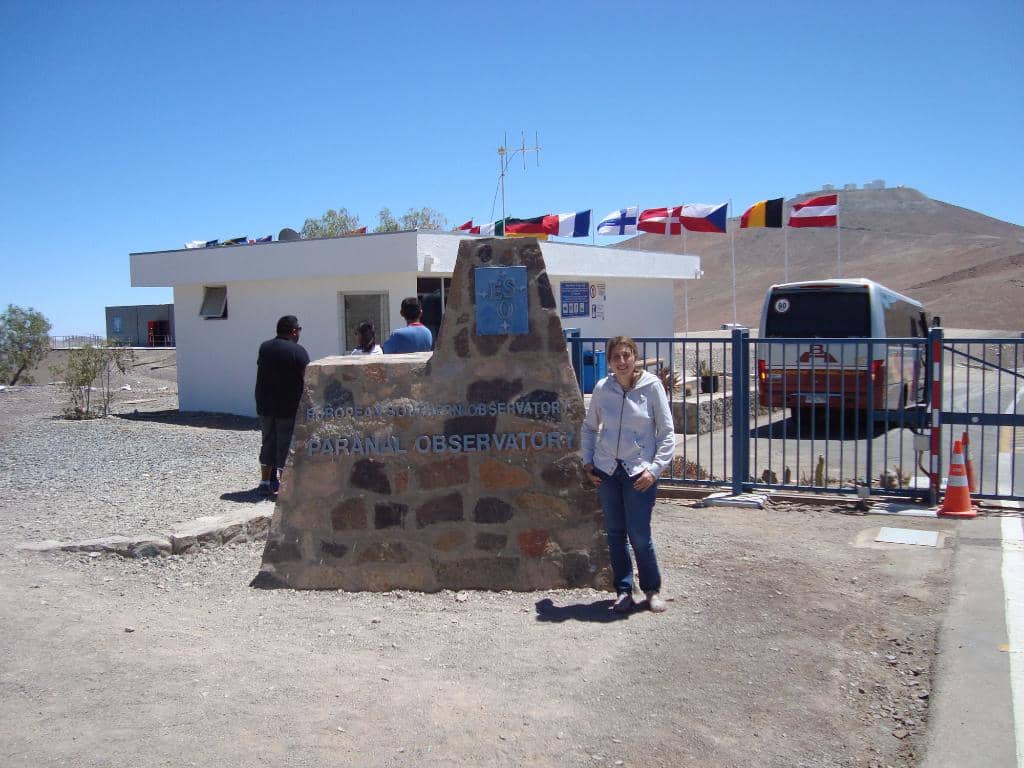
Paranal Observatory
World-class observatory in the Atacama Desert, offering free tours of its powerful telescopes.
Highlights
Must-see attractions

Social
From TikTok & Reddit
Best Time
Free guided tours available
Paranal Observatory
Best Time
Free guided tours available
Highlights
Must-see attractions
World-class observatory in the Atacama Desert, offering free tours of its powerful telescopes.
"Amazing place to visit and all for free too. Well done ESO! Highly recommended to all!"
🎯 Book Tours Early!
Free tours are popular and book up quickly. Reserve your spot online well in advance.
🚗 Rent a Car for Flexibility
Essential for reaching Paranal. Factor in toll costs if driving from Calama.

Quick Facts
Hours
Rating
4.8 · 155 reviews
Highlights
Discover the most iconic attractions and experiences
Very Large Telescope (VLT)
Inside Unit Telescope Rooms
Step inside the heart of astronomical discovery and witness the power of the VLT up close.

Extremely Large Telescope (ELT) Site
Viewpoint
See the future of astronomy with a glimpse of the massive ELT under construction.
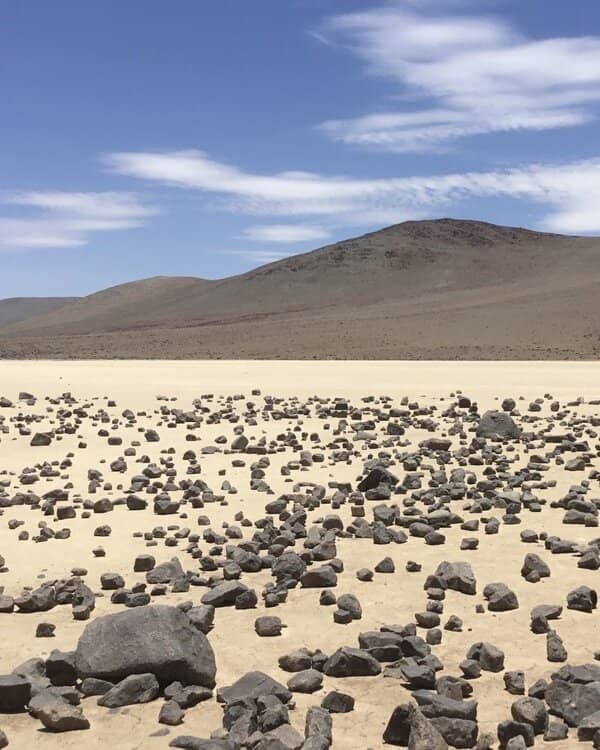
Atacama Desert Skies
Observatory Grounds
Experience some of the clearest night skies on Earth, perfect for stargazing.
+1Plans like a pro.
Thinks like you
Planning Your Visit
Book Your Free Tour in Advance
Getting There: Plan Your Journey
Best Times
Insider Tips
from TikTok, Instagram & Reddit
🎯 Book Tours Early!
Free tours are popular and book up quickly. Reserve your spot online well in advance. +1
🚗 Rent a Car for Flexibility
Essential for reaching Paranal. Factor in toll costs if driving from Calama.
🗣️ English Tour Availability
Tours are offered in English and Spanish, but guide clarity can vary.
📸 Capture the Sunset
The desert sunsets are spectacular and offer amazing photo opportunities.
Tips
from all over the internet
🎯 Book Tours Early!
Free tours are popular and book up quickly. Reserve your spot online well in advance. +1
🚗 Rent a Car for Flexibility
Essential for reaching Paranal. Factor in toll costs if driving from Calama.
🗣️ English Tour Availability
Tours are offered in English and Spanish, but guide clarity can vary.
📸 Capture the Sunset
The desert sunsets are spectacular and offer amazing photo opportunities.
💧 Stay Hydrated
The Atacama Desert is dry. Bring plenty of water, especially during tours.
What Travellers Say
Reviews Summary
Visitors rave about the free tours at Paranal Observatory, calling it an amazing and highly recommended experience for anyone interested in astronomy or physics. The chance to see the VLT up close and learn about scientific advancements is a major draw, though some find the tour guides' explanations rushed. The remote location and the sheer scale of the facility make it a worthwhile, albeit long, journey.
"A fun stop for anyone interested in physics or astronomy, even if it is a bit out of the way. Free public tours are offered every Saturday and Sunday, lasting about two hours, in both English and Spanish. My tour guide’s English was difficult to follow during the more technical explanations—she rushed through the material as if reciting a memorized speech, which made it hard to ask questions or have a real exchange.
Still, the visit is well worth the trip, since you actually go inside one of the giant Unit Telescope rooms, as well as see from a distance the new in-construction ELT (extremely large telescope), slated to be done by 2028.
Getting here is straightforward but long. You can fly into Antofagasta and rent a car, which is about 1.5 hours, or combine it with a visit to San Pedro de Atacama by flying into Calama and driving about 2.5 hours. If driving from Calama, bring cash for tolls—two booths total roughly 5,000 CLP.
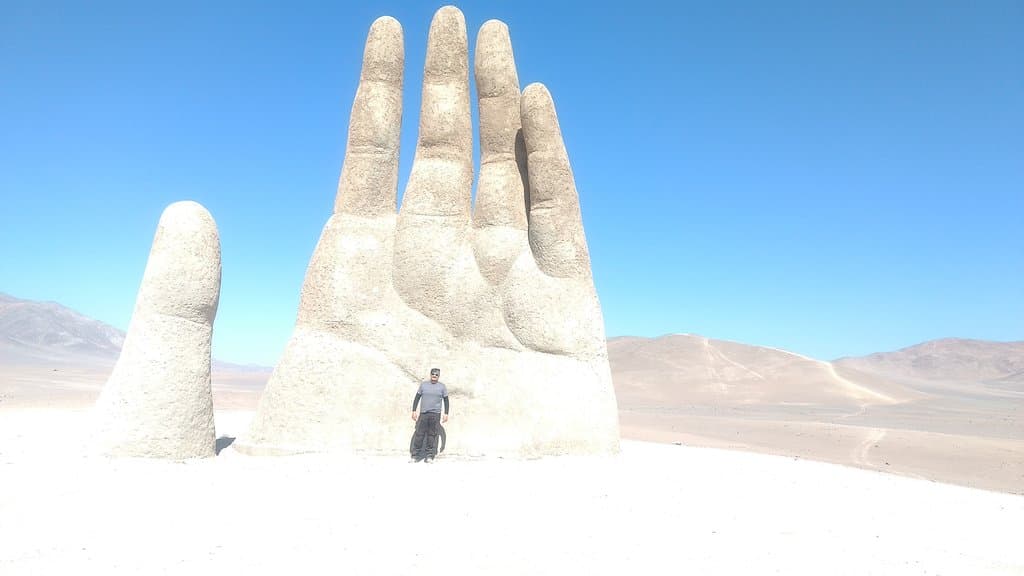
On the return, you can detour to the iconic Hand of the Desert statue. It’s an interesting photo stop, especially since there’s little else to do in Antofagasta itself."
Mandy
"Amazing place to visit and all for free too. Well done ESO! Highly recommended to all!"
George Birley
"Design and construction of a telescope that can rotate 980 million times per second, 990 golgi... Take pictures from space... Design and construction of a greenhouse to grow food crops in case of a food shortage for several months... Design and construction of 8,700 protective robots... Design and construction of a robot that mines digital currency with the support of metals"
Iman hojjatijou
What People Like
What People Dislike
Frequently Asked Questions
🚇 🗺️ Getting There
The most common ways to reach Paranal Observatory involve flying into Antofagasta (approx. 1.5-hour drive) or Calama (approx. 2.5-hour drive). Renting a car is highly recommended for flexibility. Be prepared for tolls along the route, which can cost around 5,000 CLP in total if driving from Calama.
While public transport directly to Paranal is limited, many visitors opt for organized tours from Antofagasta or San Pedro de Atacama. These tours often include transportation and guide services, making it a convenient option if you prefer not to drive. +1
The drive to Paranal Observatory takes you through the stark beauty of the Atacama Desert. Roads are generally well-maintained, but it's a remote location, so ensure your vehicle is in good condition and you have sufficient fuel.
Yes, many visitors combine their trip to Paranal with a visit to the iconic Hand of the Desert statue on the return journey, especially if coming from Antofagasta.
The closest major airports to Paranal Observatory are Antofagasta Airport (ANF) and Calama Airport (CJC). Antofagasta is closer, but Calama offers more flight options and is a gateway to San Pedro de Atacama.
🎫 🎫 Tickets & Entry
Yes, Paranal Observatory offers free guided public tours every Saturday and Sunday. These tours are highly popular and require advance booking online. +1
Visits to Paranal Observatory via the guided public tours are completely free of charge. This makes it an accessible and incredible experience for astronomy enthusiasts.
You must book your free tour online through the European Southern Observatory (ESO) website. Due to high demand, it's crucial to book as far in advance as possible. +1
Public tours are typically offered on Saturdays and Sundays at specific times, often in the morning and early afternoon. Check the official ESO website for the most up-to-date schedule and booking information.
Access to the Paranal Observatory grounds is generally restricted to guided tours. Independent visits are not permitted to ensure the safety and operational integrity of the scientific facility.
🎫 🔭 Onsite Experience
Tours typically include visits inside one of the Unit Telescope rooms, offering a close-up look at the VLT. You'll also see the site of the future Extremely Large Telescope (ELT) and learn about the observatory's operations.
The guided tours at Paranal Observatory usually last about two hours, providing a comprehensive overview of the facility and its scientific work.
Yes, tours are offered in both English and Spanish. However, some visitors have noted that the English explanations can sometimes be rushed or difficult to follow.
Paranal Observatory is situated at an impressive altitude of 2,600 meters (8,500 feet) above sea level in the Atacama Desert.
Given the high altitude and desert environment, it's advisable to wear layers. Comfortable walking shoes are essential, and bring a jacket as temperatures can drop significantly, especially after sunset.
📸 ✨ Photography & Stargazing
While public tours don't typically allow for extensive astrophotography sessions, the incredibly dark skies of the Atacama Desert surrounding Paranal are world-renowned for their stargazing and astrophotography potential.
During daytime tours, you won't see stars. However, the sheer scale and engineering of the telescopes are impressive. For stargazing, consider visiting the Atacama Desert during a night tour or staying nearby after sunset.
The Atacama Desert offers exceptionally dry air, high altitude, and minimal light pollution, creating some of the clearest and darkest skies on Earth, ideal for astronomical observations. +1
Photography is generally allowed during public tours, but it's always best to follow your guide's instructions. Tripods and professional equipment might have restrictions.
The powerful lasers are part of the VLT's adaptive optics system, used to correct atmospheric distortions and improve image quality by creating an artificial 'guide star' in the atmosphere.




Social
from TikTok, Instagram & Reddit