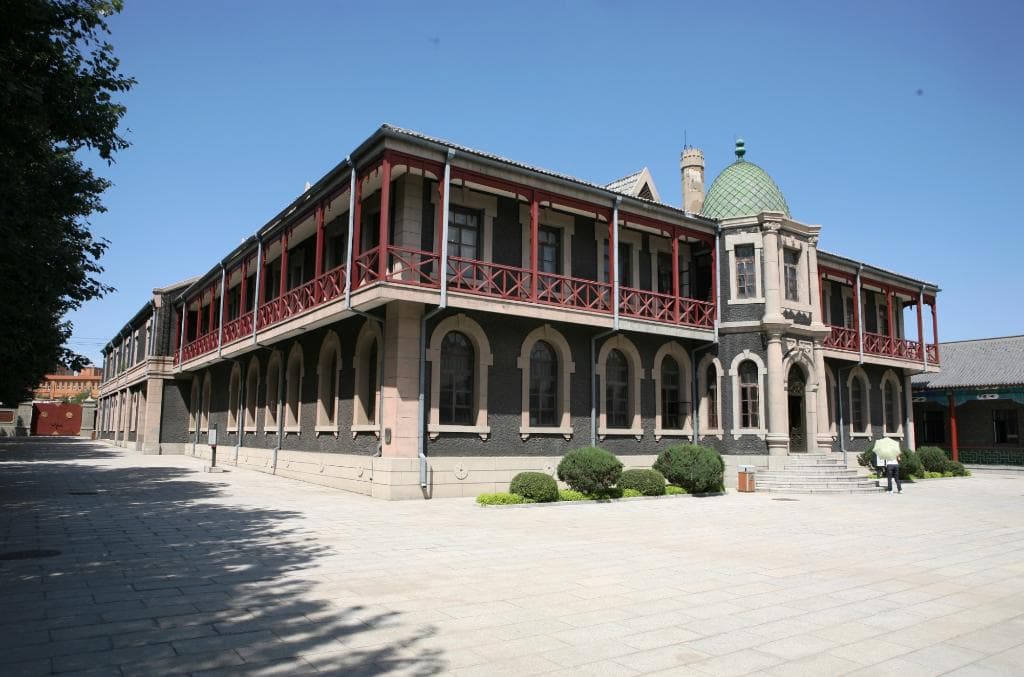
Puppet Emperor's Palace Changchun
Explore the historical residence of Puyi, China's last emperor, and witness a unique blend of Manchu and Japanese architecture.

Highlights
Must-see attractions

Social
From TikTok & Reddit
Best Time
Fewer crowds, better photos
Puppet Emperor's Palace Changchun
Best Time
Fewer crowds, better photos
Highlights
Must-see attractions
Explore the historical residence of Puyi, China's last emperor, and witness a unique blend of Manchu and Japanese architecture.
"A tick off my bucket list to visit this place, having watched 'The Last Emperor' and endless documentaries."
⏳ Beat the Weekend Rush
Visit on weekdays to avoid large crowds and enjoy a more peaceful exploration of the palace grounds.
🚶♀️ Guided Tours Enhance Experience
Staff-led tours offer detailed explanations of the history and significance of the palace.
Quick Facts
Rating
4.3 · 128 reviews
Type
Museum
Highlights
Discover the most iconic attractions and experiences
Puyi's Living Quarters
Main Palace Complex
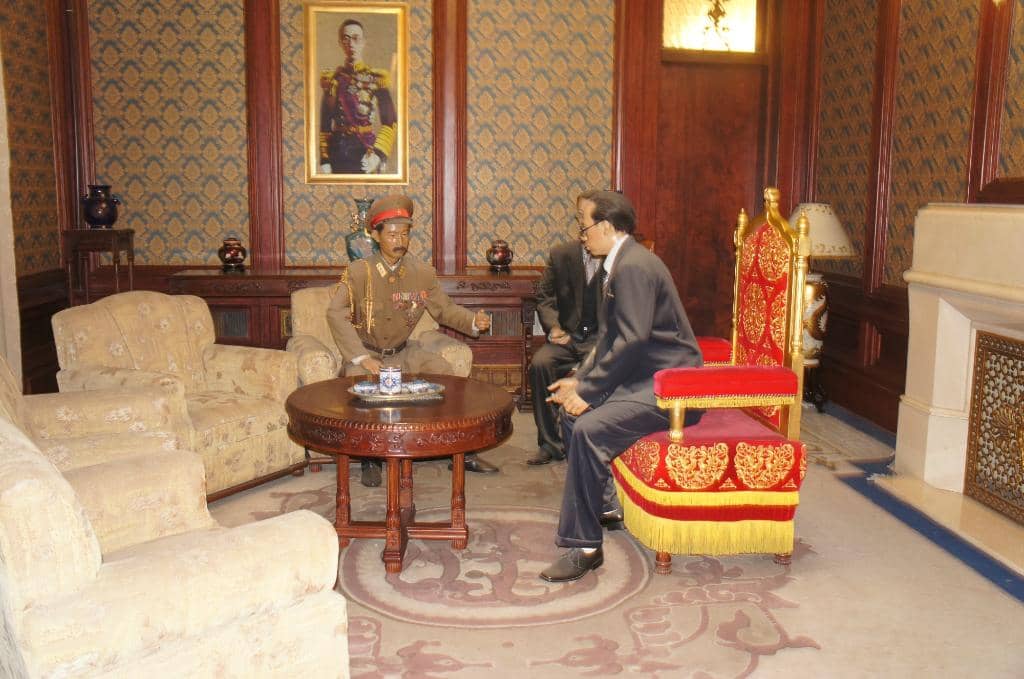
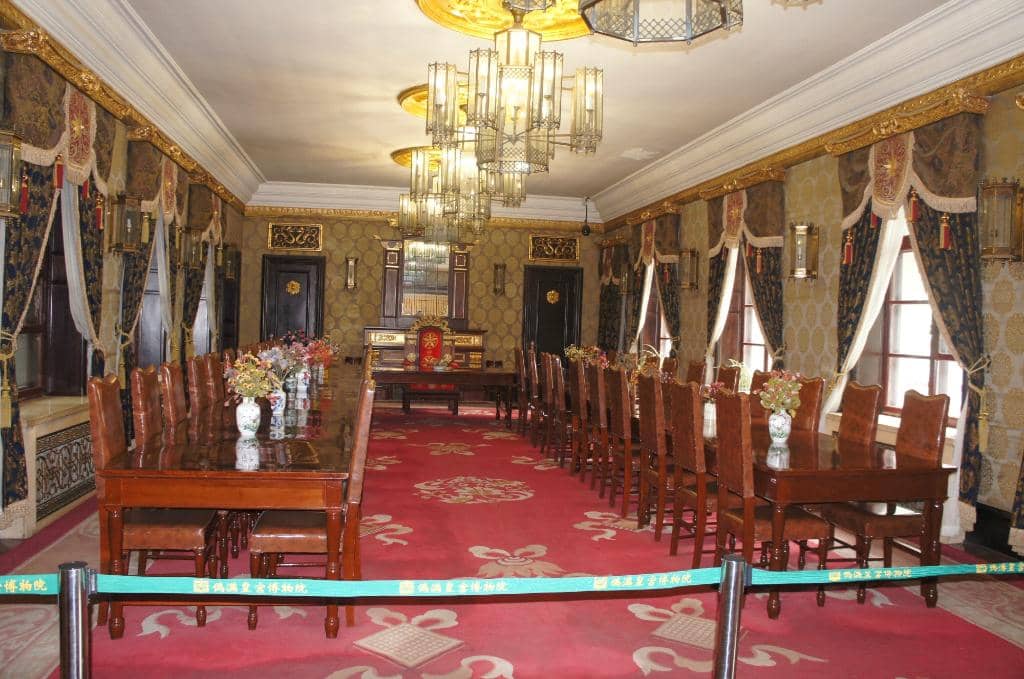
Step into the private chambers of the last emperor, offering a glimpse into his daily life and the opulent surroundings of his reign.
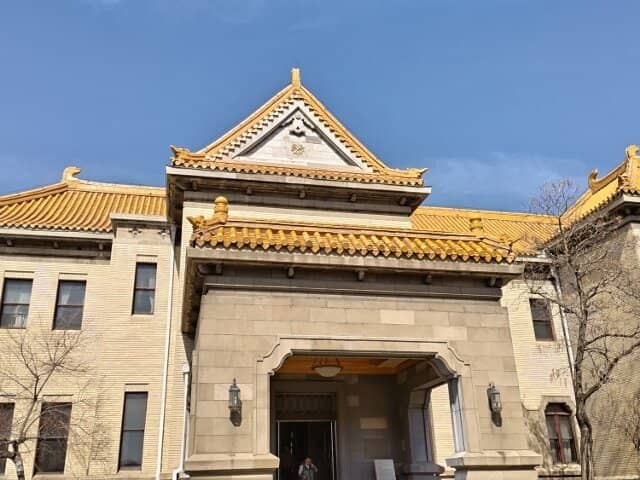
The Grand Gardens
Palace Gardens
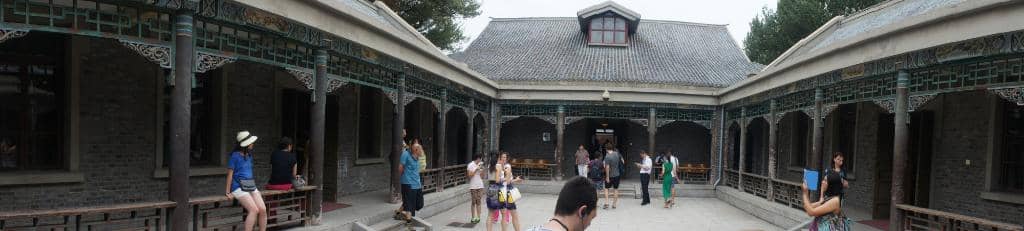
Wander through meticulously maintained gardens that offer a tranquil escape and showcase traditional Chinese landscape design.
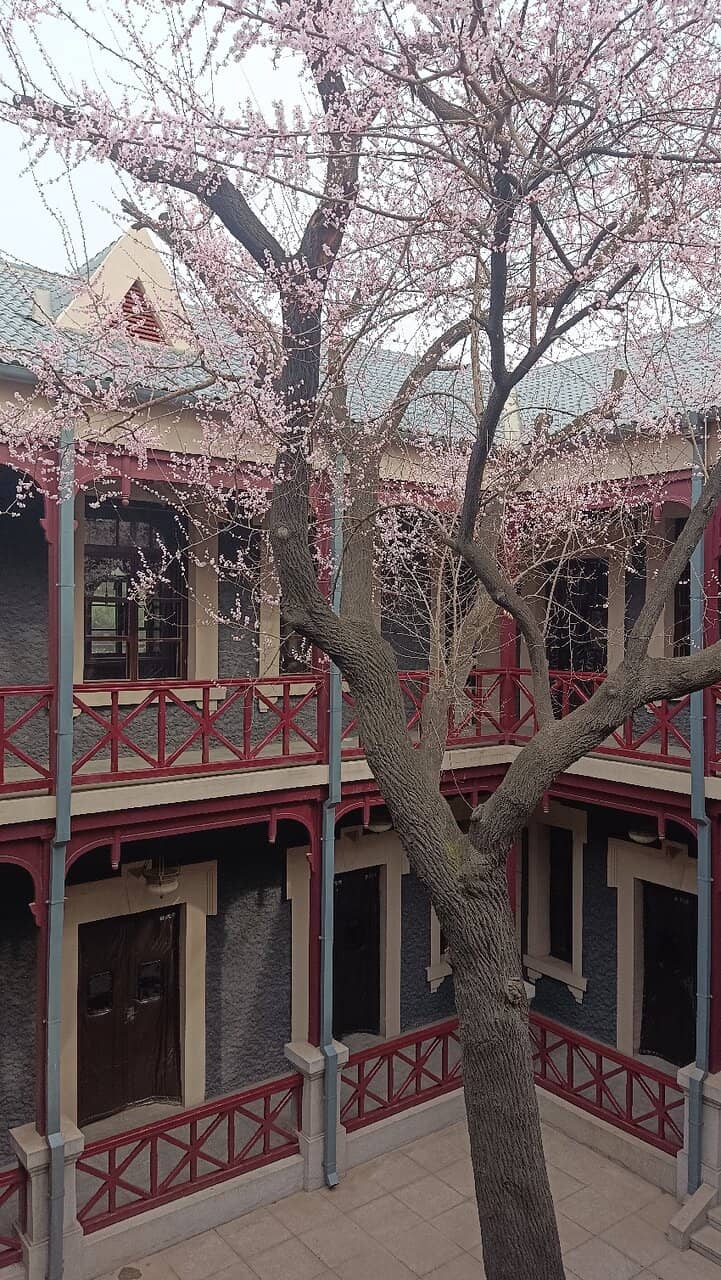
Architectural Blend
Various Buildings
Admire the unique fusion of traditional Manchu and modern Japanese architectural styles, reflecting a significant historical period.
Plans like a pro.
Thinks like you
Planning Your Visit
Timing Your Visit to Avoid Crowds
Understanding Puyi's Complex Legacy
Best Times
Insider Tips
from TikTok, Instagram & Reddit
⏳ Beat the Weekend Rush
Visit on weekdays to avoid large crowds and enjoy a more peaceful exploration of the palace grounds.
🚶♀️ Guided Tours Enhance Experience
Staff-led tours offer detailed explanations of the history and significance of the palace.
📸 Capture the Architecture
The blend of Manchu and Japanese styles makes for unique photo opportunities.

🤔 Reflect on History
Take time to consider Puyi's complex life and the historical context of the palace.
Tips
from all over the internet
⏳ Beat the Weekend Rush
Visit on weekdays to avoid large crowds and enjoy a more peaceful exploration of the palace grounds.
🚶♀️ Guided Tours Enhance Experience
Staff-led tours offer detailed explanations of the history and significance of the palace.
📸 Capture the Architecture
The blend of Manchu and Japanese styles makes for unique photo opportunities.
🤔 Reflect on History
Take time to consider Puyi's complex life and the historical context of the palace.
What Travellers Say
Reviews Summary
Visitors praise the Puppet Emperor's Palace for its well-preserved historical significance and the unique architectural blend of Manchu and Japanese styles. The opportunity to explore Puyi's former residence and gardens is a major draw, offering a poignant glimpse into China's last imperial ruler's life. Some visitors note that while the history is fascinating, the experience can be enhanced by guided tours for deeper context.
"1/3/2025 . A tick off my bucket list to visit this place , having watched “The Last Emperor” and endless documentaries and theories about the place. I am always very intrigued by the Qing dynasty that lasted 268 years. What does a toddler of 3 years old know about when he was being put on the throne.i think he must have felt that his country has betrayed by dethroning him. His life mission was to revive the dynasty that diminished in his hands. Was he a traitor? I personally felt not, he want to make regain the grounds that he has lost by making use of the Japanese. He did not expect to be a puppet. PuYi was married 5 times and have no offspring, considered both a public and private failure. But as a man, his life experience, the journey from an emperor to be a citizen was incredible!"
little dot
"In a vain attempt to stop the progress for history, Puyi the child emperor thought that collaboration with the Japanese might have been a good option. He lived a comfortable life that was probably better than many of the millions he nominally presided over, but he never had any real power."
Chin Zhi Hui
"It's very interesting to see this style of architecture here in China. You can see the newer buildings behind these older homes, and the difference is shocking. There are quite a few buildings to walk through, including the living areas. The gardens are gorgeous. A must-see if you're in the Changchun area."
Kertney Martinez
What People Like
What People Dislike
Frequently Asked Questions
🚇 🗺️ Getting There
The Puppet Emperor's Palace is accessible by public transport in Changchun. You can take local buses or taxis to reach the site. Many visitors opt for taxis for convenience, especially if coming from further afield in the city.
Yes, there is usually parking available for visitors who drive to the Puppet Emperor's Palace. It's advisable to check for specific parking fees upon arrival.
Taking a taxi or ride-sharing service is a straightforward option from the city center. Alternatively, several bus routes serve the area, offering a more budget-friendly choice.
The palace is located within Changchun city, so major transportation hubs like Changchun Railway Station are relatively accessible. From the station, you can take a taxi or bus.
Yes, using local transit apps or navigation apps like Baidu Maps or Amap can be very helpful for planning your route via public transport to the palace.
🎫 🎫 Tickets & Entry
Ticket prices can vary, but generally, there's an admission fee for the Puppet Emperor's Palace. It's recommended to check the official website or inquire locally for the most current pricing.
The palace typically operates during daytime hours, but specific opening and closing times can change seasonally. It's best to confirm the current operating hours before your visit.
While some attractions offer online booking, it's advisable to check if advance ticket purchase is available for the Puppet Emperor's Palace. This can sometimes save time.
Information on discounts for specific groups like students or seniors is usually available at the ticket office or on the official palace website. Inquire when you arrive.
Sometimes, special exhibitions or areas within the palace might have an additional charge. Clarify this when purchasing your tickets to ensure you have access to everything you wish to see.
🎫 🧭 Onsite Experience
A visit to the Puppet Emperor's Palace can take anywhere from 2 to 4 hours, depending on your interest in history and how thoroughly you explore the grounds and buildings.
Yes, guided tours are often available and highly recommended. The knowledgeable staff can provide in-depth historical context and stories about Puyi and the palace.
Don't miss Puyi's living quarters, the grand gardens, and the unique architectural features that showcase the blend of Manchu and Japanese styles.
While some areas might have stairs, efforts are usually made to make historical sites as accessible as possible. It's best to inquire about specific accessibility features upon arrival.
Photography is generally allowed in most areas, but there might be restrictions in certain exhibits. Always look for signage indicating where photography is prohibited.
📸 📸 Photography
The gardens offer beautiful natural light and scenic views. The unique architectural details, especially the blend of styles, are also prime subjects. Look for interesting doorways and courtyards.
While general photography is permitted, some interior exhibits or sensitive historical artifacts may have 'no photo' signs. Always respect these guidelines.
Early mornings or late afternoons provide softer light, ideal for capturing the ambiance of the palace and gardens. Weekdays also mean fewer people in your shots.
Tripod usage might be restricted in certain areas to avoid obstructing other visitors. It's best to check the palace's photography policy or ask staff.
Drone usage is almost always prohibited at historical sites like the Puppet Emperor's Palace due to preservation concerns and visitor safety. Please do not fly drones here.
Social
from TikTok, Instagram & Reddit