Great Bend of Jinsha River Benzilan
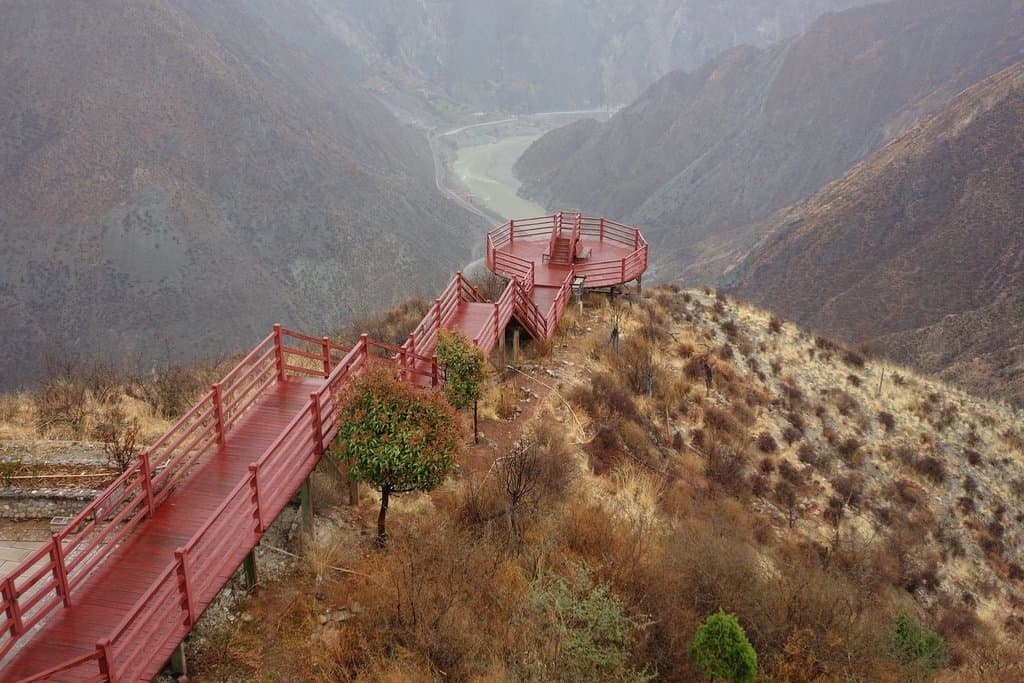
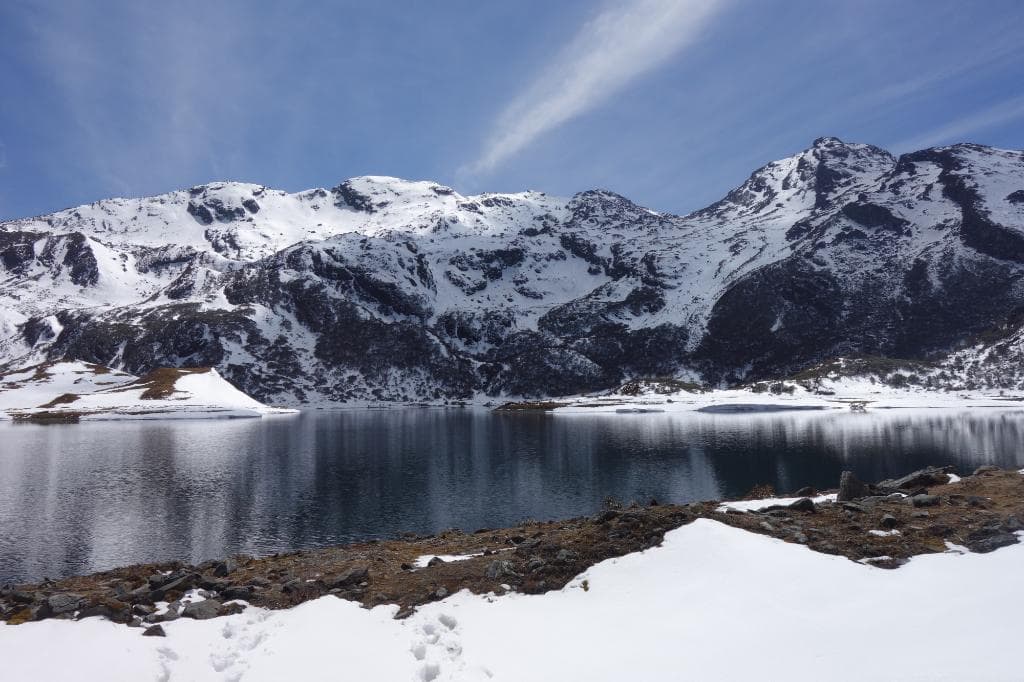
Witness the powerful Jinsha River carve through a deep canyon, flanked by towering, verdant mountains. A breathtaking natural spectacle.
Highlights
Must-see attractions

Social
From TikTok & Reddit
Best Time
Best light for scenic views
Great Bend of Jinsha River Benzilan
Best Time
Best light for scenic views
Highlights
Must-see attractions
Witness the powerful Jinsha River carve through a deep canyon, flanked by towering, verdant mountains. A breathtaking natural spectacle.
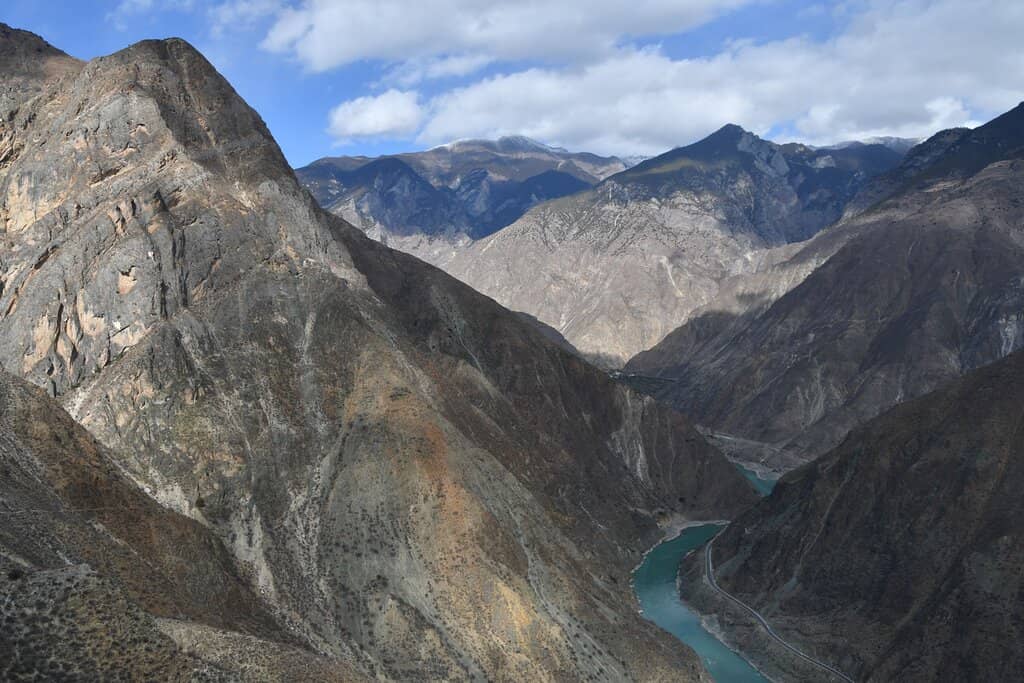
"A beautiful river flows through a deep canyon. On both sides are beautiful high mountains."
Scenic Bus Stopover
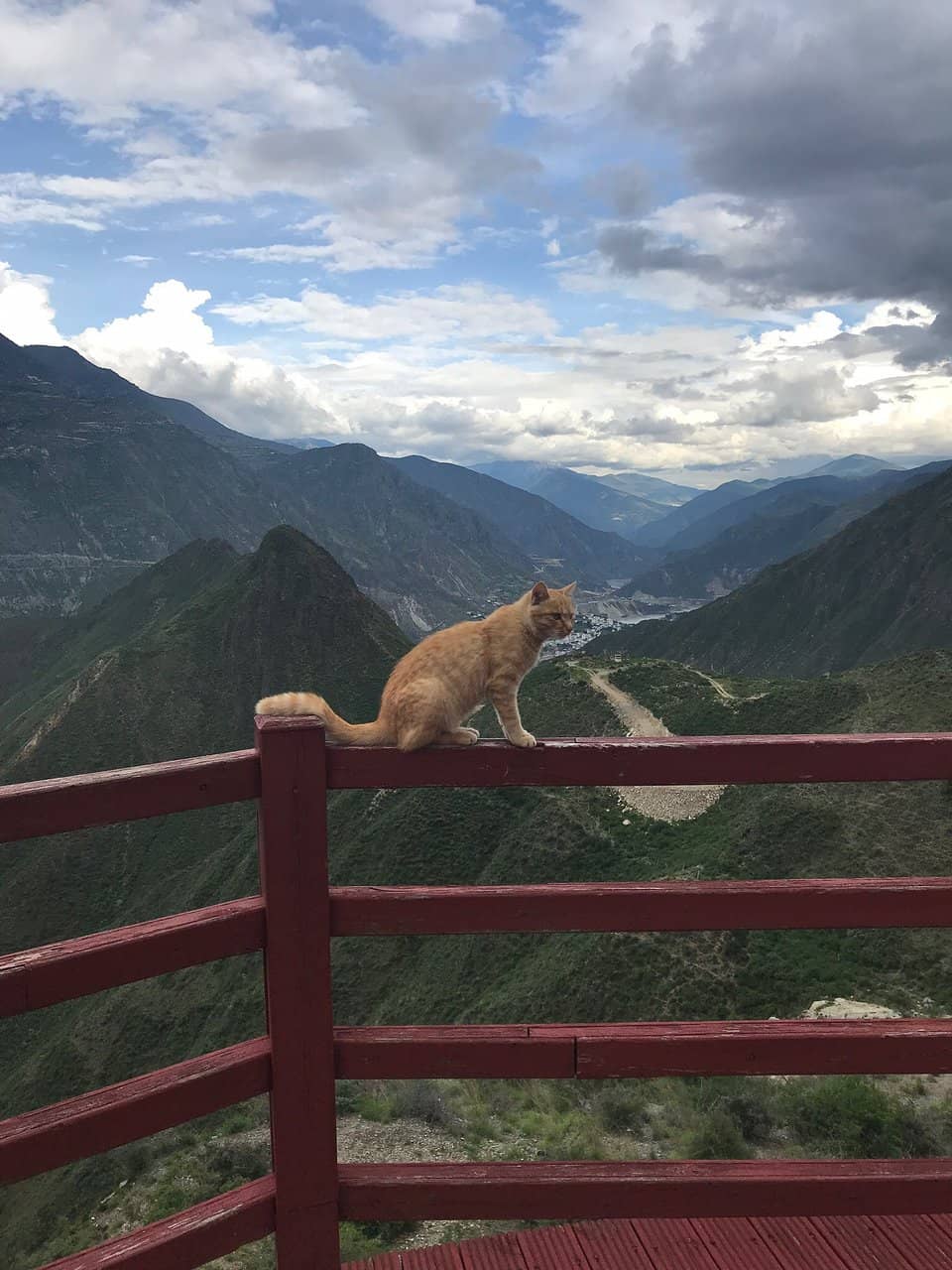
Take a bus to Lugu Lake and stop at the Jinsha River rest stop for super beautiful views. 🚌
Embrace the Altitude
If heading further into Tibet, be mindful of high altitudes (up to 4,500m). ⛰️
Quick Facts
Rating
4.3 · 44 reviews
Type
Natural Feature
Highlights
Discover the most iconic attractions and experiences
The Majestic Jinsha River Bend
Benzilan
Witness the powerful Jinsha River carve through a deep canyon, flanked by towering, verdant mountains. A truly breathtaking natural spectacle.
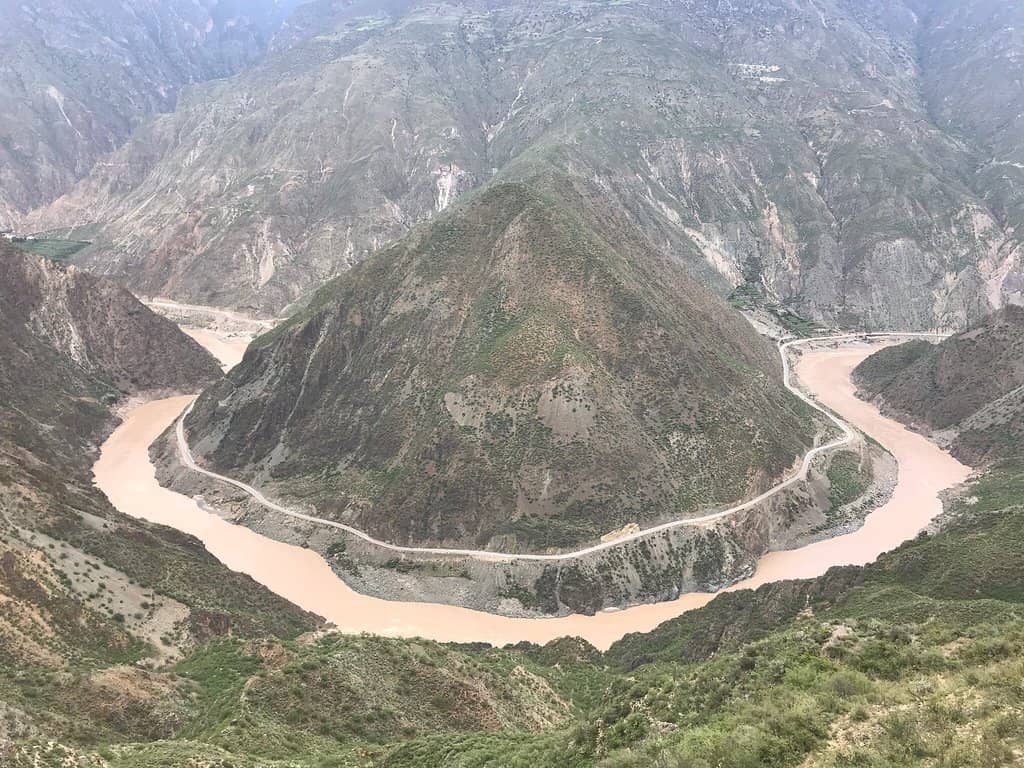
Scenic Mountain Vistas
Along the riverbanks
Admire the dramatic contrast of the blue river against the backdrop of lush, high mountains. Waterfalls add to the picturesque scenery.
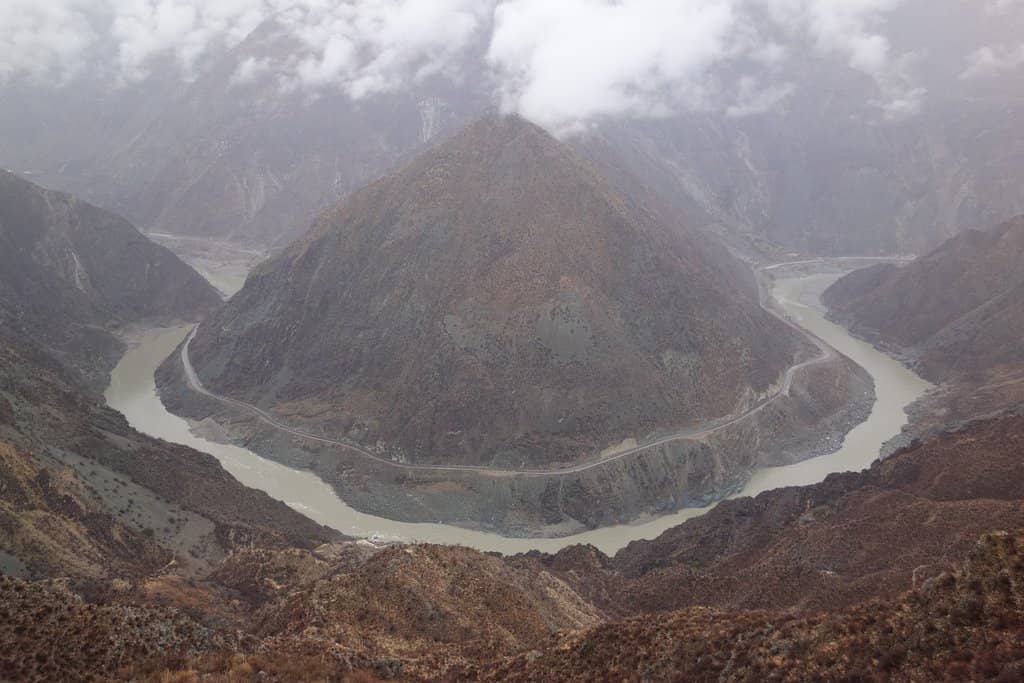
Rest Stop Serenity
Bus rest stops en route to Lugu Lake
Enjoy a peaceful break at a rest stop, offering beautiful views of the blue lake and green mountains, often with cascading waterfalls.
Plans like a pro.
Thinks like you
Planning Your Visit
Navigating the Benzilan Stretch
Understanding Access and Conditions
Best Times
Insider Tips
from TikTok, Instagram & Reddit
Scenic Bus Stopover
Take a bus to Lugu Lake and stop at the Jinsha River rest stop for super beautiful views. 🚌
Embrace the Altitude
If heading further into Tibet, be mindful of high altitudes (up to 4,500m). ⛰️
River Views
The river flows through a deep canyon with beautiful high mountains on both sides. 🏞️
Train to Tibet
Consider a train journey to Tibet for a romantic and unforgettable adventure. :train2:
Tips
from all over the internet
Scenic Bus Stopover
Take a bus to Lugu Lake and stop at the Jinsha River rest stop for super beautiful views. 🚌
Embrace the Altitude
If heading further into Tibet, be mindful of high altitudes (up to 4,500m). ⛰️
River Views
The river flows through a deep canyon with beautiful high mountains on both sides. 🏞️
Train to Tibet
Consider a train journey to Tibet for a romantic and unforgettable adventure. :train2:
What Travellers Say
Reviews Summary
Visitors are captivated by the dramatic natural beauty of the Great Bend of Jinsha River, praising the deep canyon, high mountains, and scenic blue river. However, one reviewer noted the river's condition as being quite dirty, suggesting a mixed experience regarding water quality.
"Dirtiest river i have ever seen"
Himanshu Shekhar
"Jinsha my daughter name"
Hitesh Keni
"Nice"
Anil Kumar
What People Like
What People Dislike
Frequently Asked Questions
🚇 🗺️ Getting There
The most common way to experience the Great Bend of Jinsha River near Benzilan is by taking a bus, often as a stopover on the way to Lugu Lake. Some travelers opt for train journeys to Tibet, which can be a scenic route to the broader region.
While specific driving routes can be complex, buses are a popular and accessible option for reaching this scenic spot, especially for those traveling between major destinations like Lugu Lake.
For travel within Tibet, including areas like Ngari which is at high altitude, options can include trains and buses. It's advisable to research current travel regulations for foreigners. +1
Train travel is a popular way to reach Tibet, offering romantic journeys. However, direct train access to Benzilan specifically might be limited; buses are more commonly used for this particular scenic stop.
Many bus routes heading towards Lugu Lake include a rest stop near the Jinsha River, offering travelers a chance to admire the scenery. It's best to confirm with the bus operator.
🎫 🎫 Tickets & Entry
Generally, viewing the Great Bend of Jinsha River from designated rest stops or along the road does not require a specific ticket. It's often enjoyed as a natural scenic point.
As a natural geographical feature, the Great Bend of Jinsha River does not have set opening hours. Access is typically available during daylight hours when traveling through the area.
While this specific area might not require special permits, travel to Tibet for foreigners often involves obtaining a Tibet Travel Permit. It's crucial to research current regulations.
Rest stops along the route are usually free to access, serving as convenient points for travelers to take a break and enjoy the surrounding scenery.
Independent travel is possible, especially if you are using public transport like buses. However, for broader travel within Tibet, specific permits might be necessary for foreigners.
🎫 🏞️ Onsite Experience
Daytime offers the best light for appreciating the vibrant blue of the river and the lush green of the mountains. Early morning or late afternoon can provide softer light and fewer crowds.
Expect a dramatic landscape featuring a deep canyon carved by the powerful Jinsha River, flanked by high, verdant mountains. Waterfalls are also a common sight, adding to the beauty. +1
The primary activity is sightseeing and enjoying the natural beauty. Rest stops offer opportunities to pause, take photos, and soak in the panoramic views.
One review described the Jinsha River as the 'dirtiest river I have ever seen,' suggesting that water quality can vary and may not always be pristine.
Comfortable walking shoes are recommended if you plan to explore rest stops. Layers are advisable as mountain weather can change quickly. :athletic_shoe:
📸 📸 Photography Tips
Capture the sweeping vistas of the river bending through the canyon, the majestic mountains, and any visible waterfalls. Rest stops provide excellent vantage points. +1
Daylight hours are ideal for vibrant colors. Consider early morning or late afternoon for softer light and potentially fewer people. :camerawithflash:
Wide-angle shots showcasing the vastness of the canyon and river bend are popular. Look for compositions that include the dramatic mountain backdrop.
Drone usage regulations can be strict in China, especially in sensitive natural areas or near transportation routes. It's best to check local rules before flying. :drone:
Use a wide aperture for landscape shots to ensure depth of field. Consider a polarizing filter to enhance the blue of the water and sky. :iphone:
Social
from TikTok, Instagram & Reddit