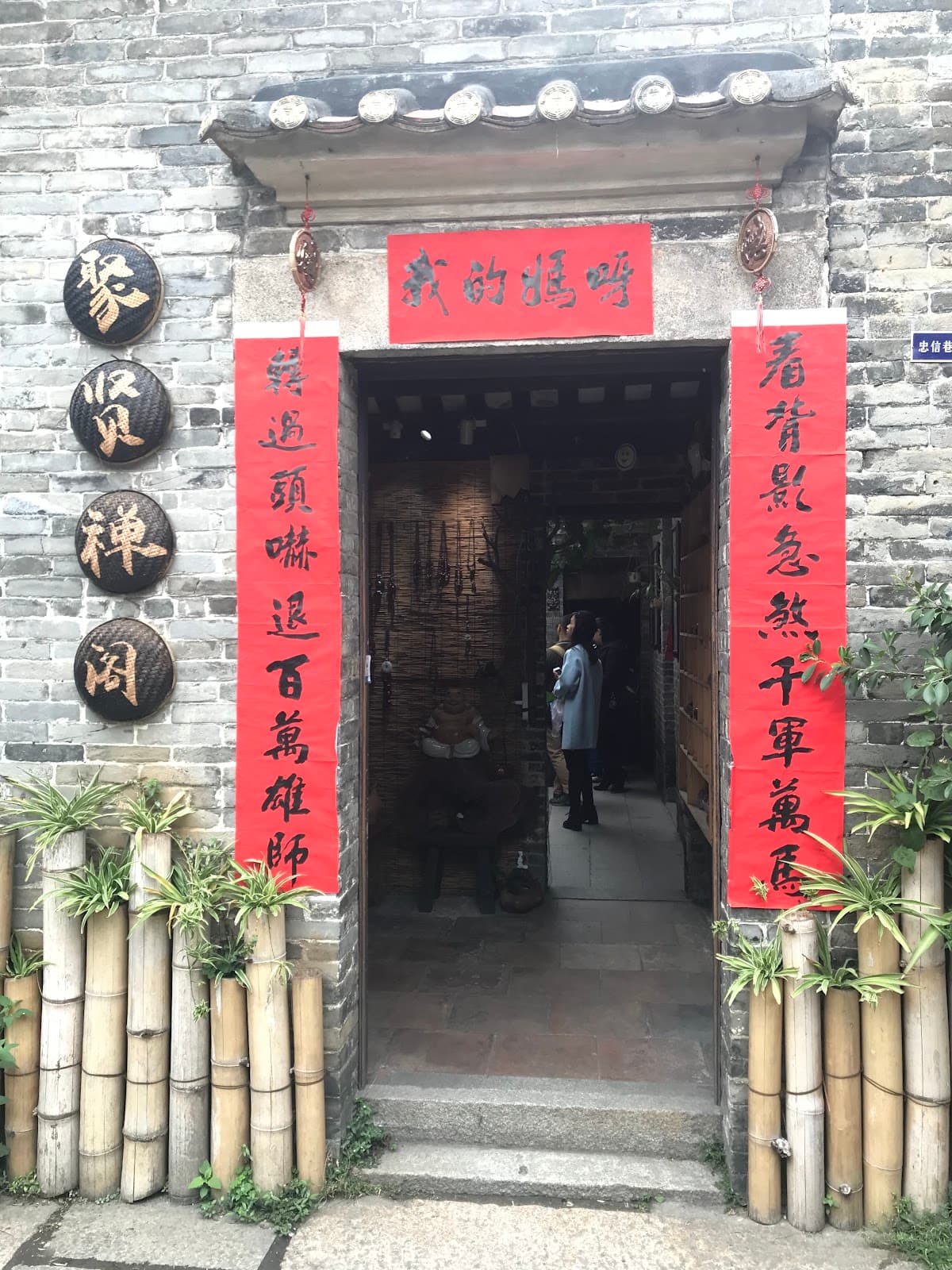
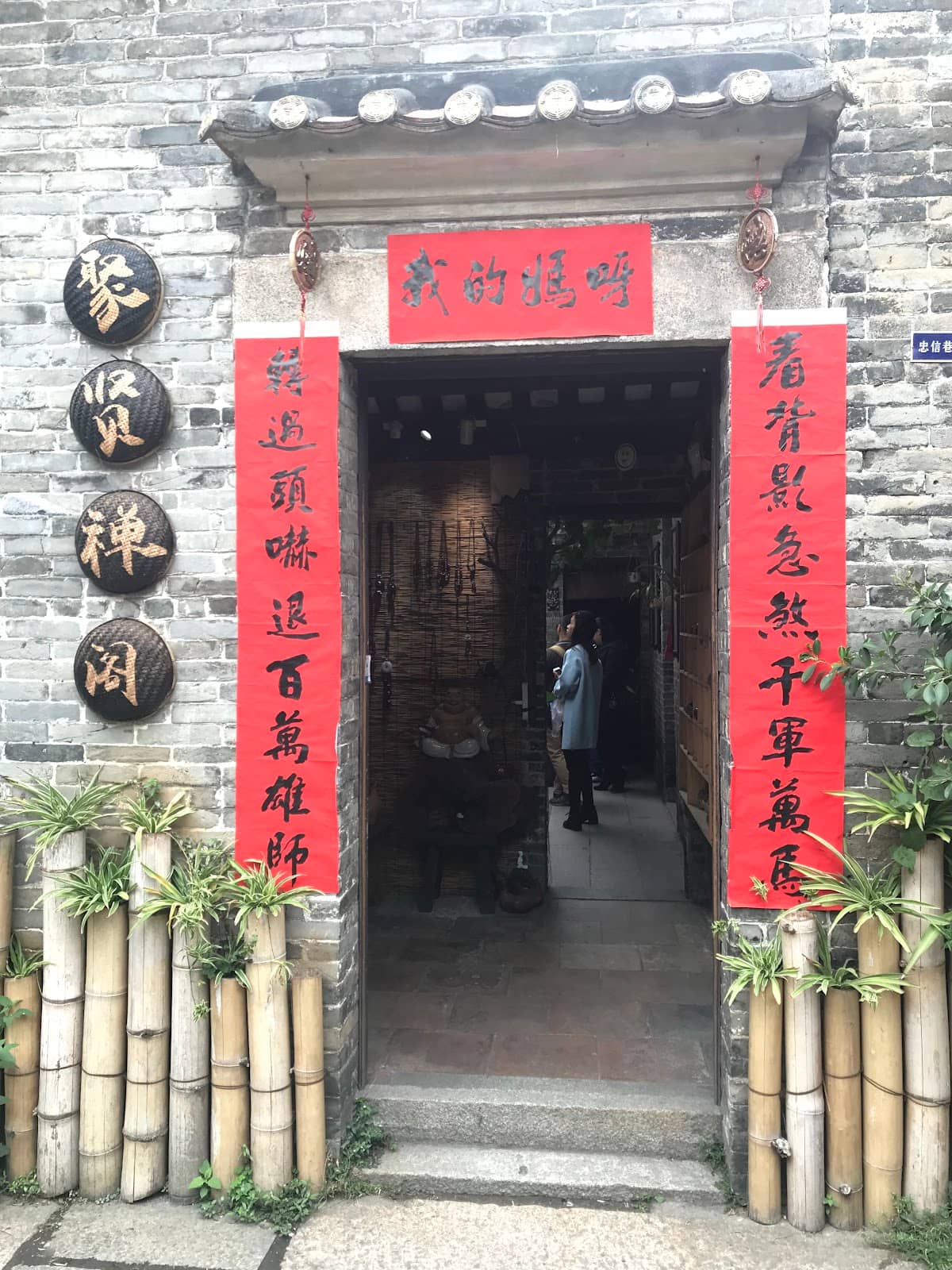
Shiwan Sculpture Street
Explore centuries of ceramic artistry at Shiwan Sculpture Street, a historic town showcasing traditional Ming & Qing dynasty pottery.
Highlights
Must-see attractions

Social
From TikTok & Reddit
Best Time
Fewer crowds, artisans at work
Shiwan Sculpture Street
Best Time
Fewer crowds, artisans at work
Highlights
Must-see attractions
Explore centuries of ceramic artistry at Shiwan Sculpture Street, a historic town showcasing traditional Ming & Qing dynasty pottery.
"A great museum and town showcasing traditional ceramic making, with welcoming artisans and historical charm."
Allocate Ample Time
Plan for at least half a day to fully explore the street and its many artisan shops. :clock1:
Engage with Artisans
Don't hesitate to chat with the potters; they are welcoming and happy to share their craft. :speech_balloon:
Quick Facts
Rating
3.9 · 10 reviews
Type
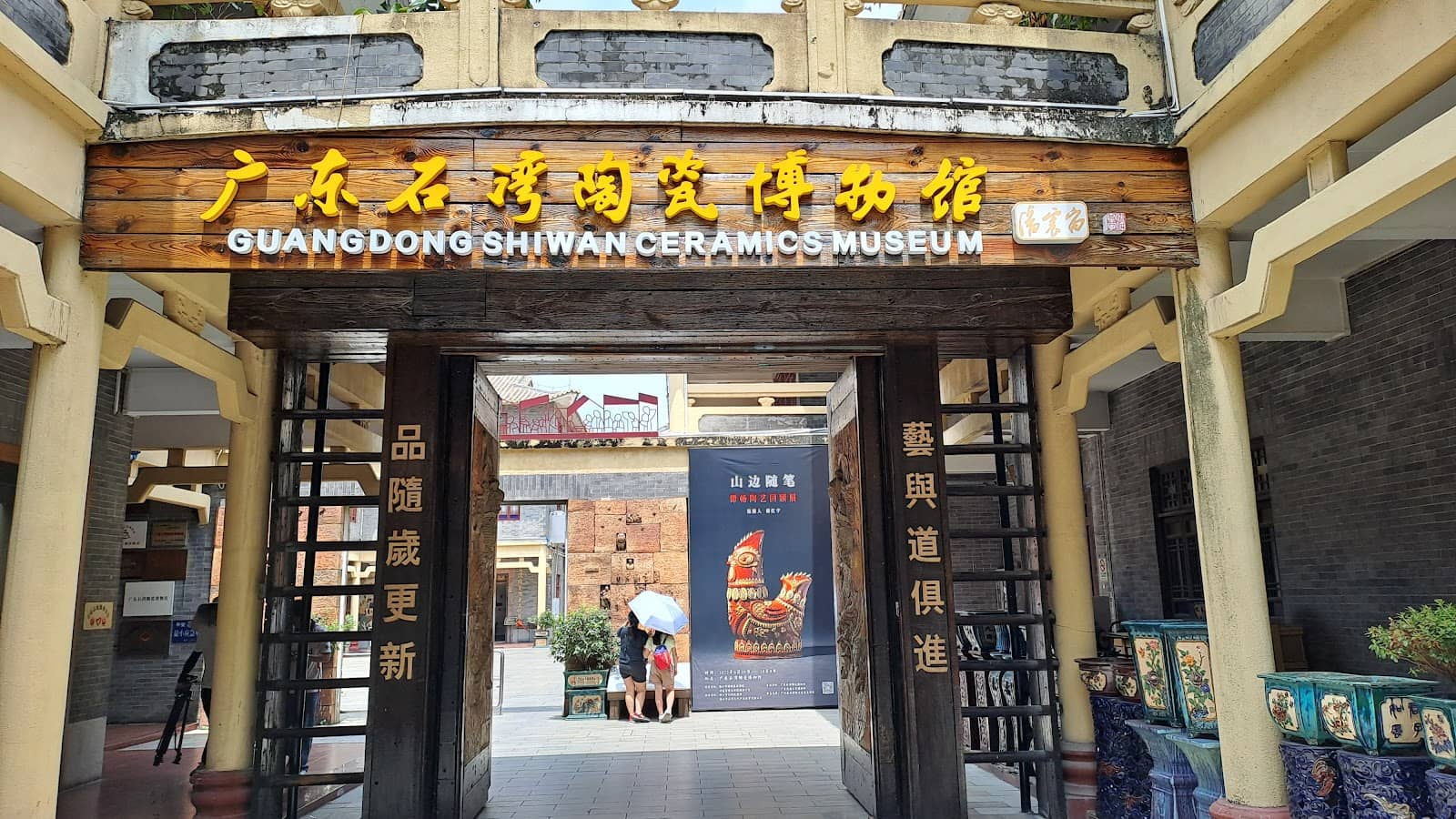
Museum
Highlights
Discover the most iconic attractions and experiences
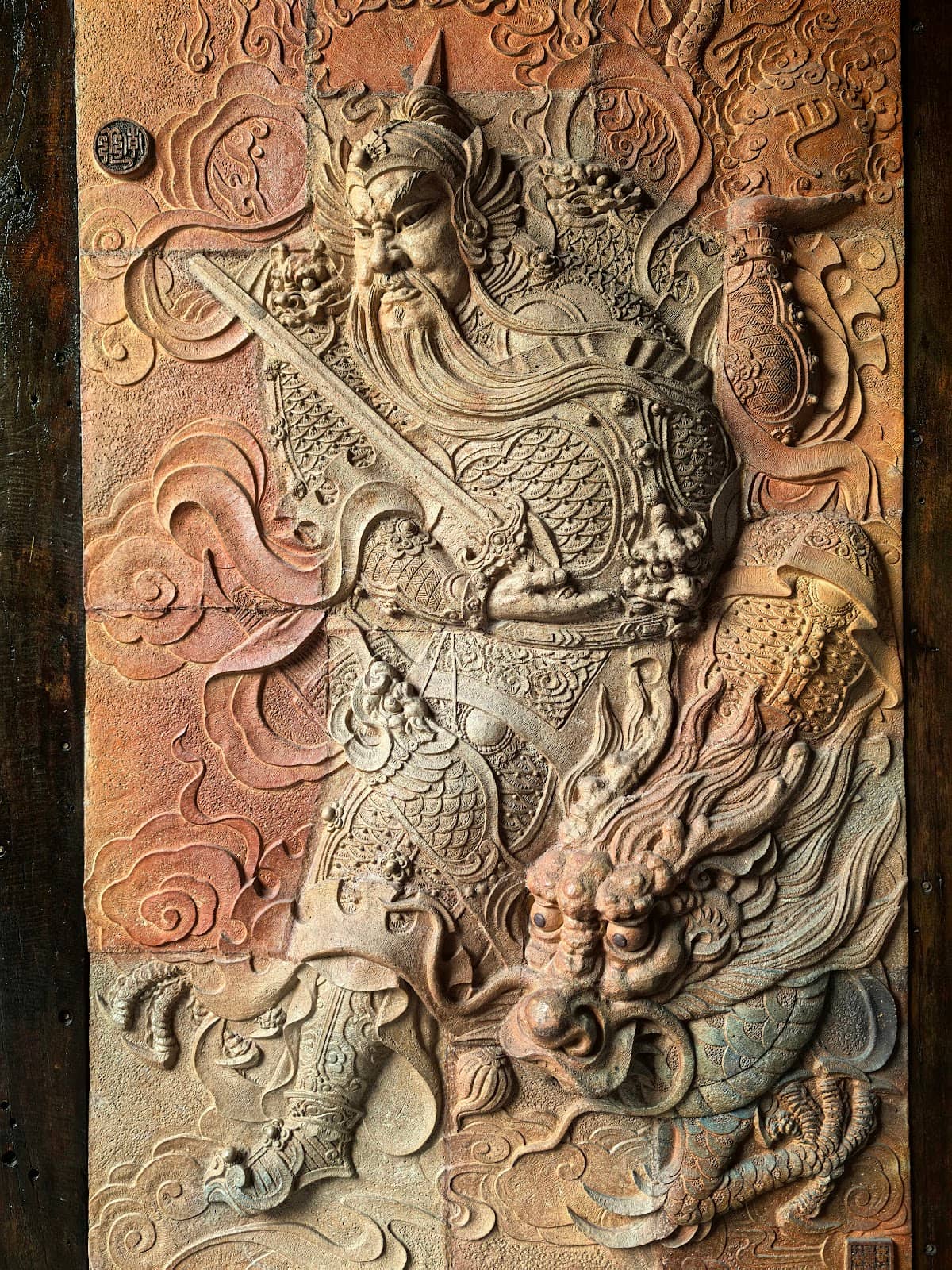
Ming & Qing Dynasty Ceramics
Museum
Discover traditional ceramic-making methods from ancient dynasties in this impressive, free exhibition hall.
Artisan Workshops
Throughout the street
Witness skilled potters crafting unique handmade ceramics using time-honored techniques. Chat with welcoming artisans.
Ancient Kilns
Vicinity of the street
See the traditional kilns that current potters still use, a testament to centuries of ceramic artistry.
Plans like a pro.
Thinks like you
Planning Your Visit
Embrace the Ceramic Charm
Authentic Artisan Encounters
Best Times
Insider Tips
from TikTok, Instagram & Reddit
Allocate Ample Time
Plan for at least half a day to fully explore the street and its many artisan shops. :clock1:
Engage with Artisans
Don't hesitate to chat with the potters; they are welcoming and happy to share their craft. :speech_balloon:
Look for Handmade Treasures
Seek out unique, handmade ceramics for tea appreciation, distinct from mass-produced items. 🍵
Check Performance Schedules
Inquire about the times for pottery performances and magic shows held daily. :performing_arts:
Tips
from all over the internet
Allocate Ample Time
Plan for at least half a day to fully explore the street and its many artisan shops. :clock1:
Engage with Artisans
Don't hesitate to chat with the potters; they are welcoming and happy to share their craft. :speech_balloon:
Look for Handmade Treasures
Seek out unique, handmade ceramics for tea appreciation, distinct from mass-produced items. 🍵
Check Performance Schedules
Inquire about the times for pottery performances and magic shows held daily. :performing_arts:
What Travellers Say
Reviews Summary
Visitors praise Shiwan Sculpture Street for its authentic showcase of traditional ceramic-making from the Ming and Qing dynasties, highlighting the welcoming artisans and the historical charm of the ancient town. The free exhibition hall is a significant plus, offering a deep understanding of Chinese crafts. Some visitors noted that parts of the museum were closed during their visit, but found the town's overall offerings compensated for this.
"Great museum that showcases the traditional methods of ceramic making during the Ming and Qing dynasties. Unfortunately, part of the museum was closed on that particular day which we went. However, the town has so much to offer that we really didn't mind. It is advisable to spend at least half a day perambulating around this ancient ceramic town.
To enter the ancient ceramic town, the entrance fee is RMB25. Within the complex houses many potters and artisans who create handmade ceramics of various uses, mostly for tea appreciation. Unlike those porcelain outside the ancient town that are mostly industrial made. They fire them using traditional methods. Some shops are priced higher than others and there are about 30+ of such shops. There is also a pottery performance and magic show at the main hall that runs a few times a day. The ancient kiln that the current potters still use also reside in the vicinity. We got to chat with 2 of the artisans and they were most welcoming. All the houses date back from the Ming and are similar in design, including their bricks and tiles."
Joshua Caleb Ang
"The unique exhibition hall gives people a simple understanding of Chinese crafts. Although the place is not big, it leaves a deep impression. And it is free."
gary chung
""
Enrique Ramírez Manchado
What People Like
What People Dislike
Frequently Asked Questions
🚇 🗺️ Getting There
Shiwan Sculpture Street is accessible by public transport. Many visitors opt for local buses or taxis to reach the area. It's advisable to check real-time transit apps for the most convenient routes from your location.
While specific parking details can vary, it's generally recommended to use public transportation due to potential parking limitations in historic areas. Taxis offer a direct route.
🎫 🎫 Tickets & Entry
The entrance fee to the ancient ceramic town is RMB25. This grants access to the main exhibition hall and the surrounding artisan areas.
Yes, the unique exhibition hall that provides an understanding of Chinese crafts is free to enter and leaves a deep impression.
Information on specific discounts is not widely available, but the free exhibition hall offers a great experience. It's always worth inquiring locally about any potential concessions.
Opening hours can vary, especially for individual artisan shops. It's best to visit during daytime hours to see the artisans at work and explore the street fully. The free exhibition hall typically has set hours.
🎫 🧭 Onsite Experience
You can explore traditional ceramic-making methods, visit artisan workshops, see ancient kilns, and enjoy pottery performances. The free exhibition hall showcases Chinese crafts.
It is advisable to spend at least half a day perambulating around this ancient ceramic town to fully appreciate its offerings.
Yes, there is a pottery performance and magic show at the main hall that runs a few times a day.
Absolutely! There are over 30 shops selling handmade ceramics, many of which are priced higher than industrial-made porcelain.
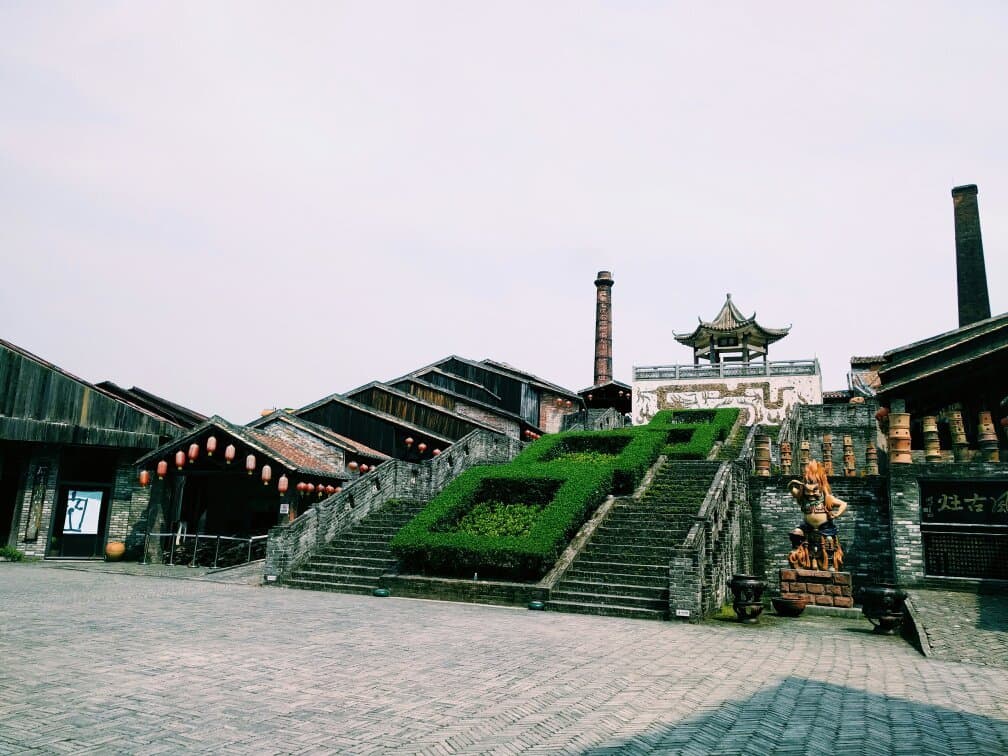
Yes, the historic architecture, artisan processes, and unique ceramic pieces offer many great photo opportunities. The traditional Ming-era houses are particularly picturesque.
🍽️ 🍽️ Food & Dining
While the focus is on ceramics, you can likely find local eateries or tea houses within or near the ancient ceramic town offering refreshments and snacks. Exploring the surrounding areas might yield more dining options.
Yes, the area surrounding Shiwan Sculpture Street will have local restaurants and food stalls where you can sample regional cuisine. It's a good idea to ask locals for recommendations.
📸 📸 Photography
Capture the intricate details of handmade ceramics, the historic Ming-era houses with their traditional bricks and tiles, and the artisans at work. The ancient kilns also make for compelling shots.
Photography is generally allowed in most public areas, but it's always polite to ask permission before taking close-up shots of artisans or their work in private workshops.



Social
from TikTok, Instagram & Reddit