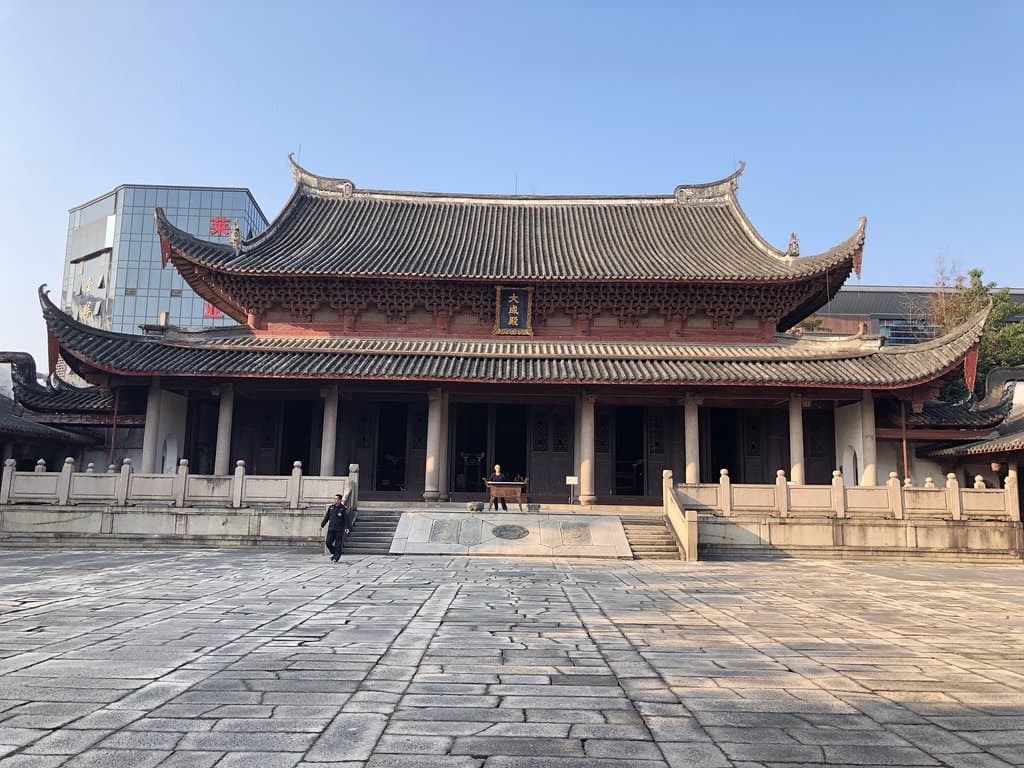
Fuzhou Confucius Temple
A serene provincial cultural relic, Fuzhou Confucius Temple offers a peaceful glimpse into traditional Chinese architecture and history.
Highlights
Must-see attractions

Social
From TikTok & Reddit
Best Time
Peaceful and quiet atmosphere
Fuzhou Confucius Temple
Best Time
Peaceful and quiet atmosphere
Highlights
Must-see attractions
A serene provincial cultural relic, Fuzhou Confucius Temple offers a peaceful glimpse into traditional Chinese architecture and history.
"Free admission and a quiet, open atmosphere make this a peaceful spot to appreciate history."
🤫 Embrace the Quiet
This temple is a place for reflection. Enjoy the peaceful atmosphere and avoid loud conversations.
📚 Brush up on History
Some find the historical displays a bit dry. A little pre-visit reading enhances appreciation.
Quick Facts
Rating
3.4 · 7 reviews
Type
Place of Worship
Highlights
Discover the most iconic attractions and experiences
Dacheng Hall
Main Hall
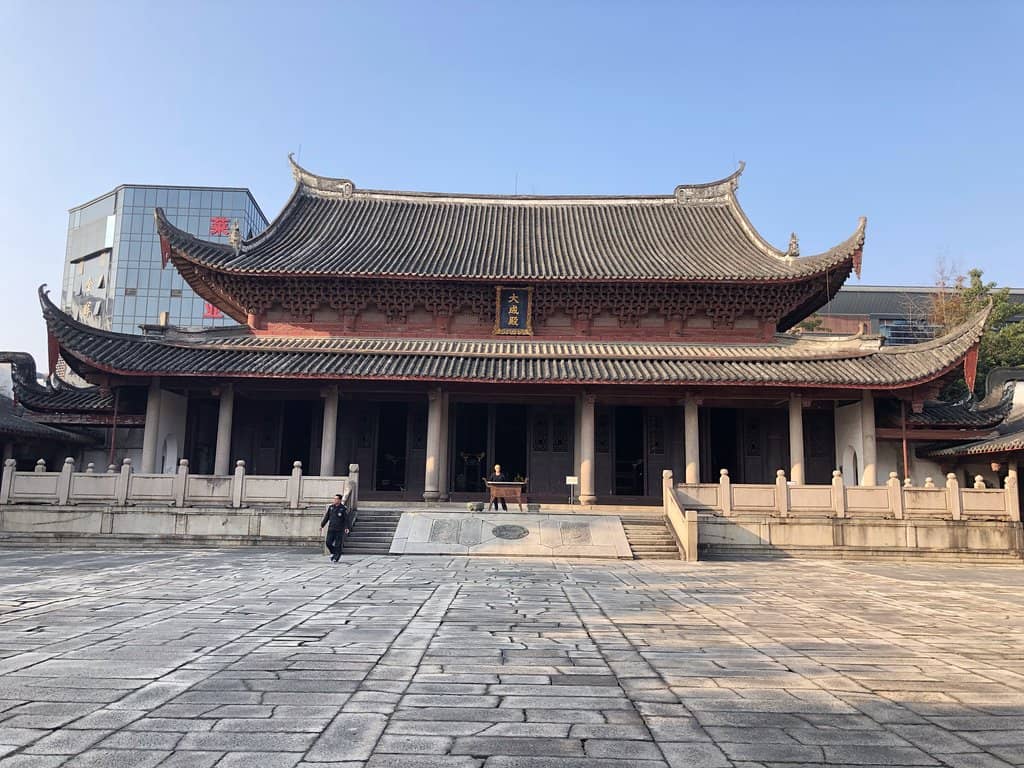
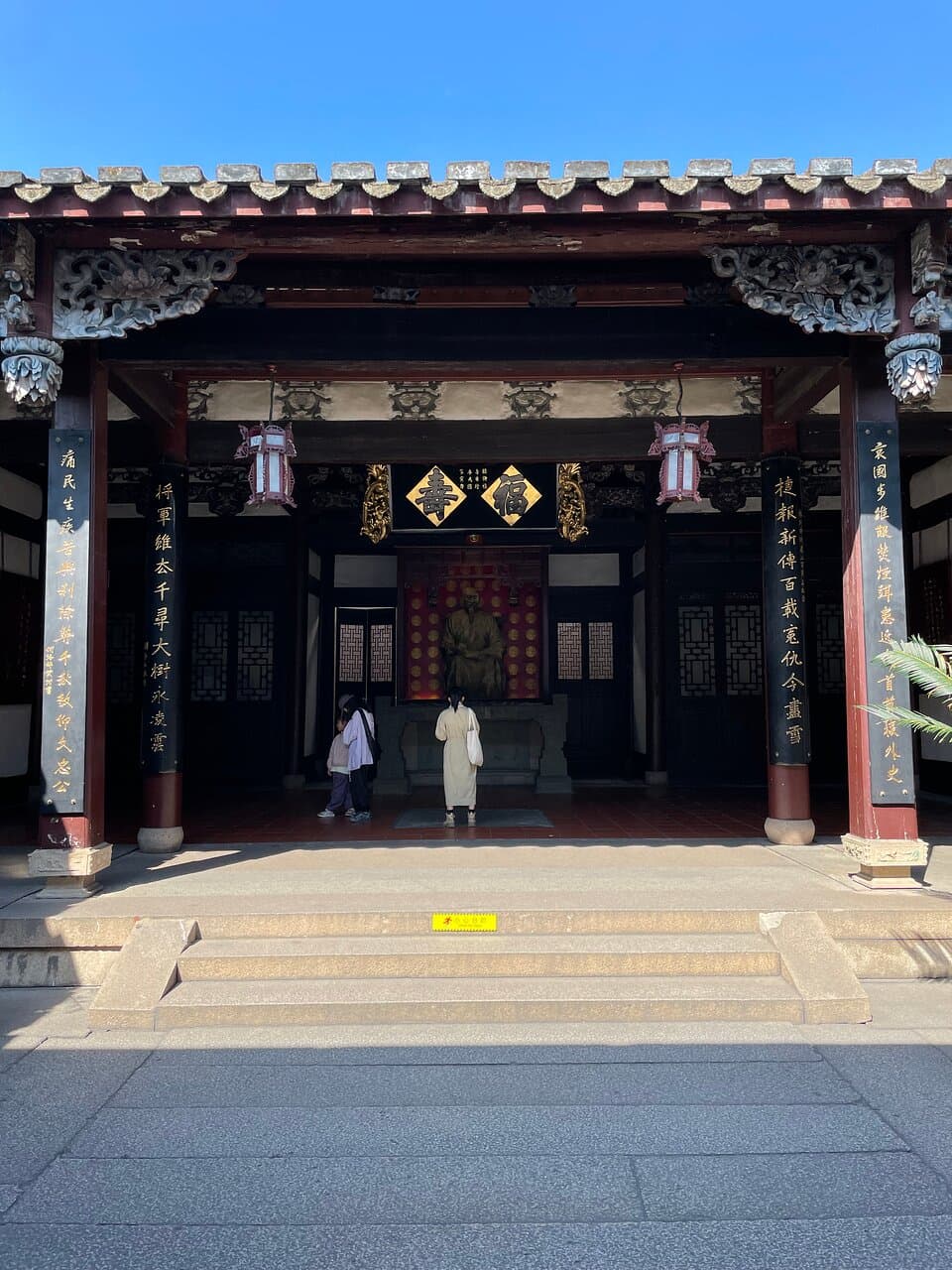
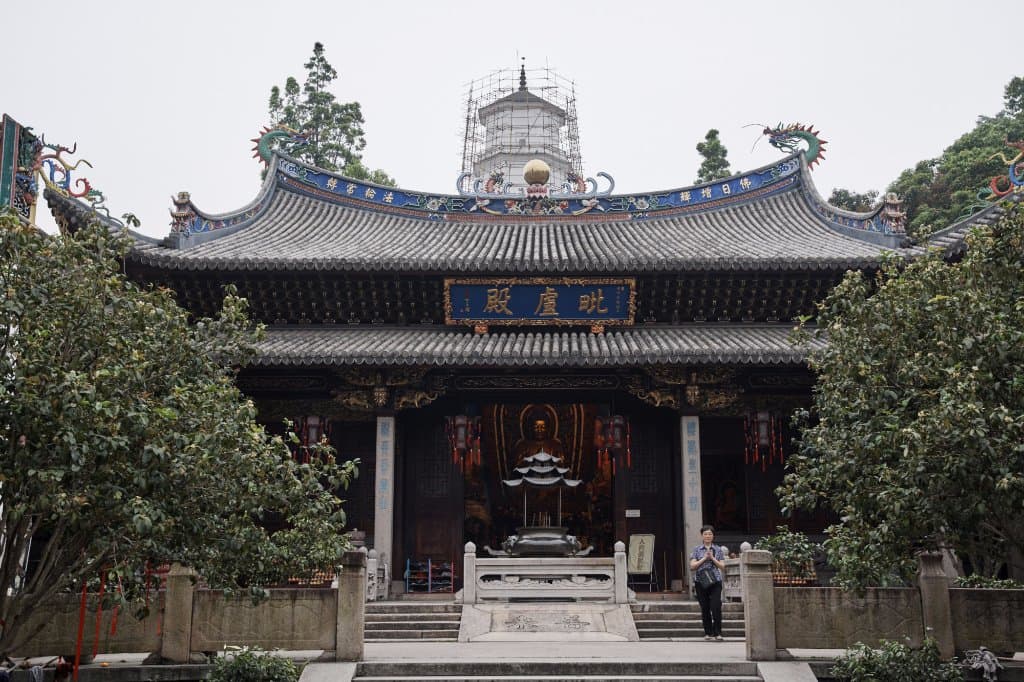
The central and most significant hall, dedicated to Confucius. Admire its traditional architecture and serene ambiance.
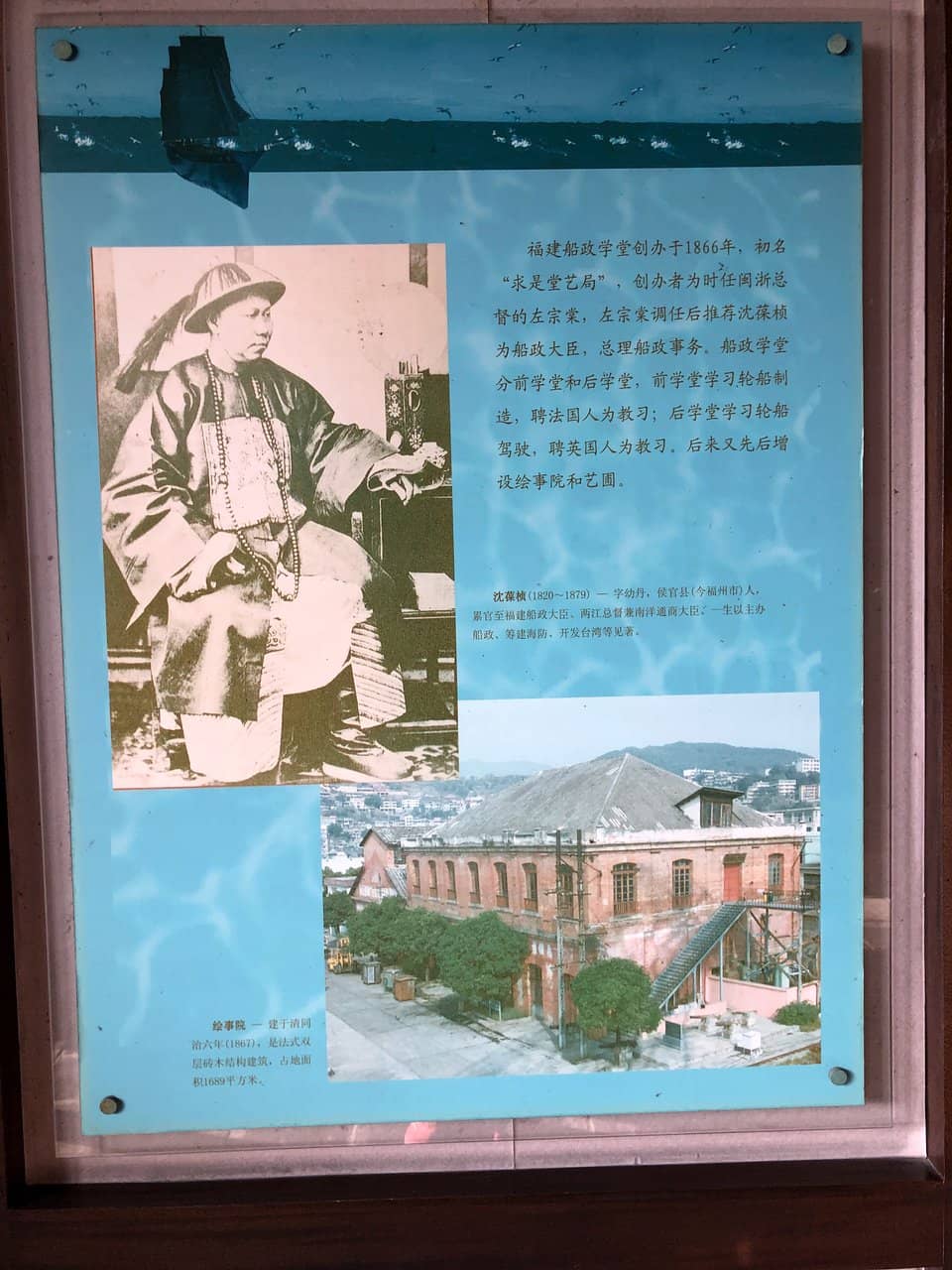
Lingxing Gate
Entrance
The impressive ceremonial gate, marking the entrance to the sacred grounds. A beautiful example of traditional Chinese temple architecture.
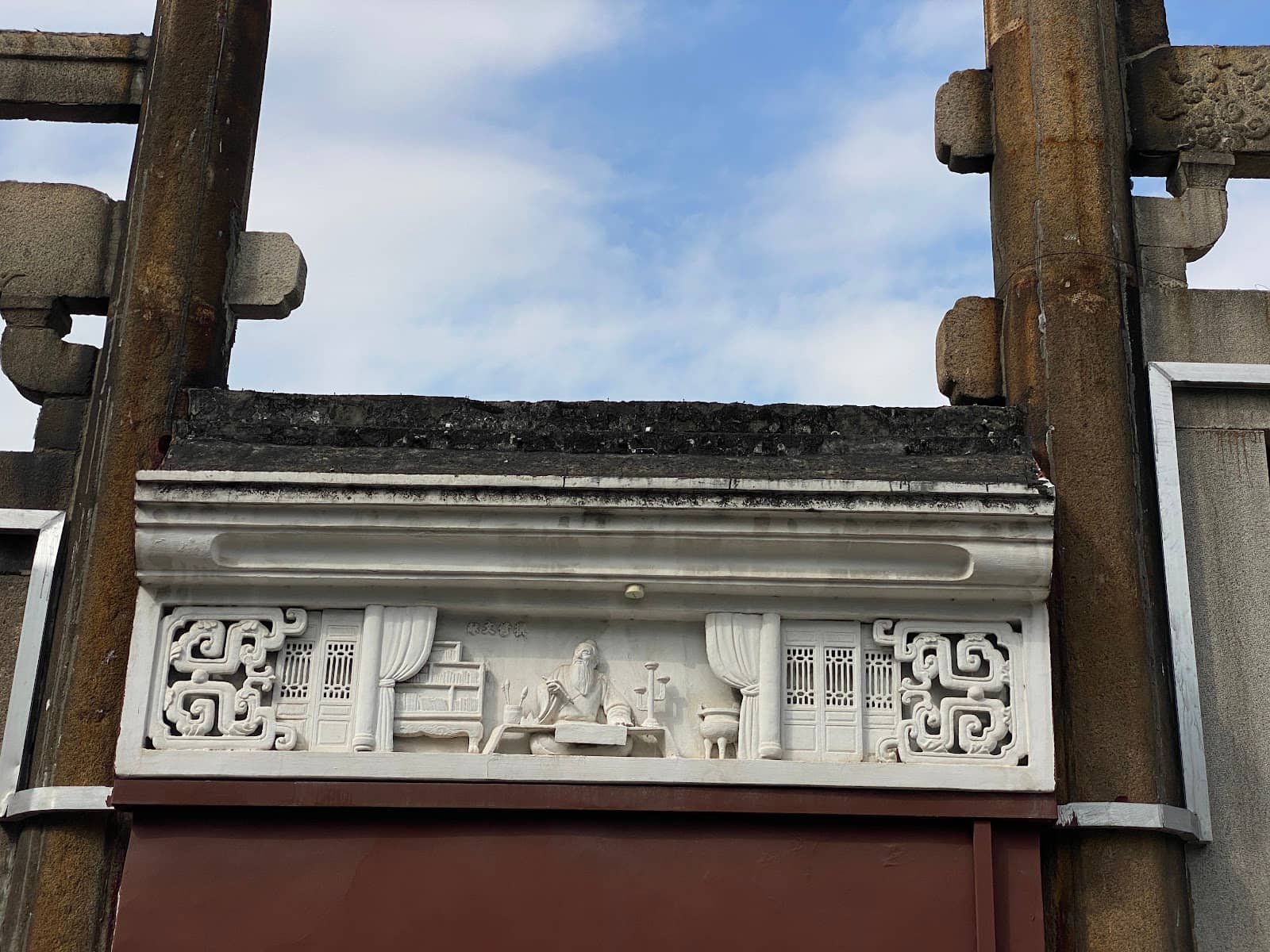
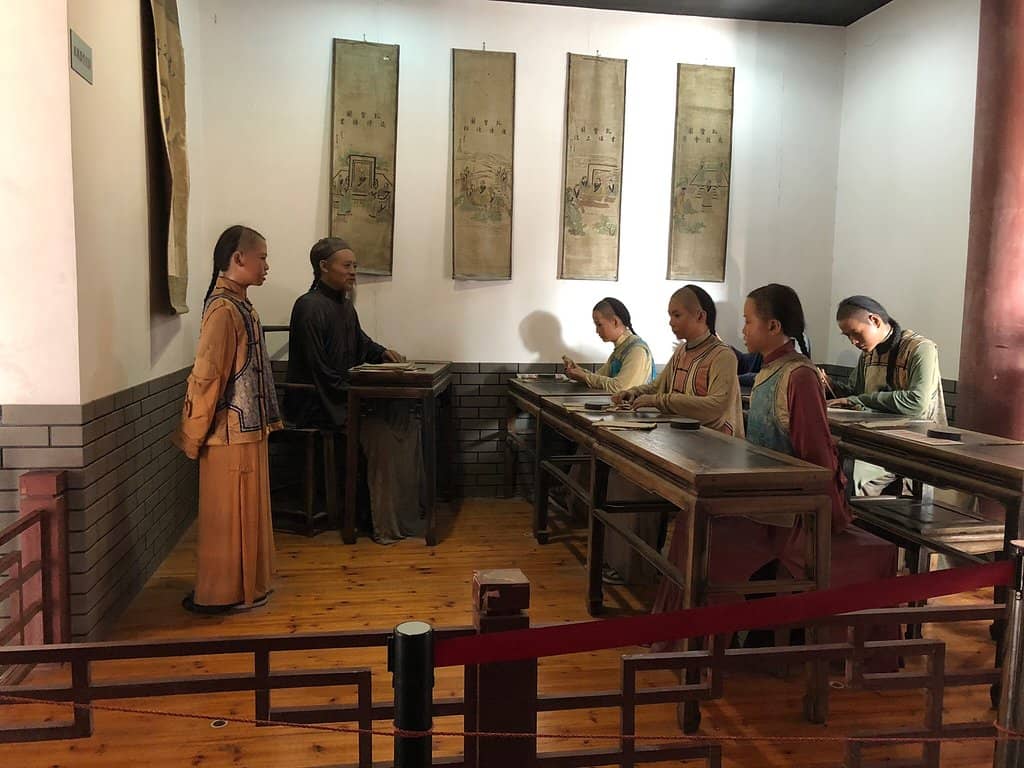
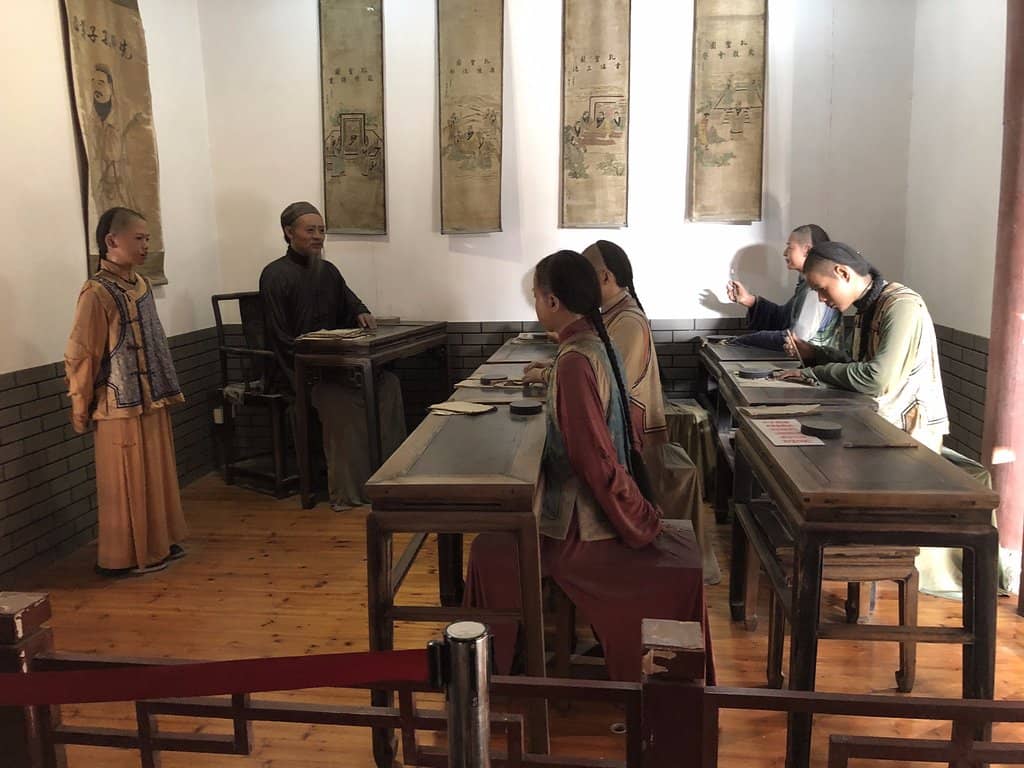
Historical Exhibits
Side Halls
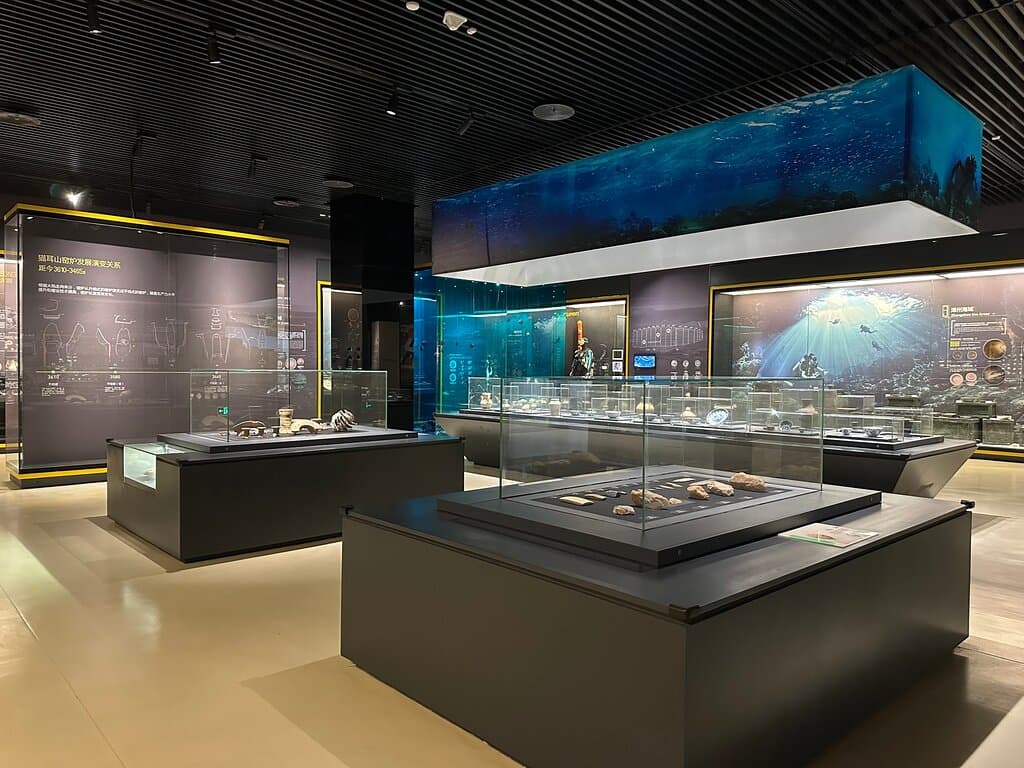
Explore displays detailing the temple's history and its role in Fuzhou's cultural heritage. Offers insight into Confucianism.
Plans like a pro.
Thinks like you
Planning Your Visit
Timing Your Visit
Understanding the History
Best Times
Insider Tips
from TikTok, Instagram & Reddit
🤫 Embrace the Quiet
This temple is a place for reflection. Enjoy the peaceful atmosphere and avoid loud conversations.
📚 Brush up on History
Some find the historical displays a bit dry. A little pre-visit reading enhances appreciation.
🚶♀️ Explore the Courtyards
Wander through the courtyards and admire the traditional architecture. It's a lovely space to stroll.
📸 Capture the Architecture
The temple's design is beautiful. Take your time to photograph the gates and halls.
Tips
from all over the internet
🤫 Embrace the Quiet
This temple is a place for reflection. Enjoy the peaceful atmosphere and avoid loud conversations.
📚 Brush up on History
Some find the historical displays a bit dry. A little pre-visit reading enhances appreciation.
🚶♀️ Explore the Courtyards
Wander through the courtyards and admire the traditional architecture. It's a lovely space to stroll.
📸 Capture the Architecture
The temple's design is beautiful. Take your time to photograph the gates and halls.
What Travellers Say
Reviews Summary
Visitors appreciate the Fuzhou Confucius Temple for its free admission and tranquil atmosphere, offering a peaceful respite in the city. Its historical significance as a protected cultural relic is noted, though some find the historical displays could be more engagingly presented. It's a quiet spot for reflection and appreciating traditional architecture.
"The temple is small but it has a section where you can read about the hisotyr of this place but at the end is a bit borring and not that well presented. I was expecting a bit more tourist place or something which will present this place in a better way."
Przemysław “Shammy” Paluch
"Training site SDI"
Waleed Zain
"The Wenmiao Temple is a Confucius temple located on Shengmiao Road in Gulou District, Fuzhou City. It is also known as the "Temple of the First Teacher" and more commonly as the "Hall of the Sage." The existing temple was built between December 1915 and June 1915. Along its central axis, from south to north, it comprises the outer gate courtyard, Lingxing Gate, Panchi, two corridors on either side, the Dacheng Gate's main hall, two halls on the east and west sides, the moon platform, Dacheng Hall, and the rear screen wall. It covers 7,552 square meters, with a total construction area of 4,000 square meters. After liberation, it served as a school, the Red Guard Marketplace, and a Children's Palace. In September 1961, it was designated a first-batch municipal cultural relic protection site by the Fuzhou Municipal People's Committee, and on September 2, 1996, it was designated a provincial cultural relic protection site by the Fujian Provincial People's Government.
Free admission"
海狼王
What People Like
What People Dislike
Frequently Asked Questions
🚇 🗺️ Getting There
The Fuzhou Confucius Temple is located on Shengmiao Road in Gulou District. You can reach it by local bus or taxi. Many visitors find it convenient to use ride-sharing apps for direct access.
Yes, several local bus routes stop near Shengmiao Road, making it accessible via public transport. Check local bus maps for the most convenient routes from your location.
From the Fuzhou city center, taking a taxi or a ride-sharing service is often the quickest and most direct way to reach the Confucius Temple.
Information on dedicated parking facilities is limited. It's advisable to check with local authorities or consider public transport if driving.
Depending on your starting point, walking might be an option. The temple is situated in the Gulou District, so check a map for proximity to other sites you plan to visit.
🎫 🎫 Tickets & Entry
No, admission to the Fuzhou Confucius Temple is free. You can enter and explore the grounds without purchasing a ticket.
The temple is generally open during daylight hours. It's best to confirm specific opening times closer to your visit, as they can sometimes vary.
There is no entrance fee. The Fuzhou Confucius Temple offers free admission to all visitors.
Yes, the temple is open on weekends. However, it might be slightly busier than on weekdays.
Generally, there are no specific entry restrictions beyond standard respectful behavior expected in a place of worship and historical significance.
🎫 🧭 Onsite Experience
You can explore the main Dacheng Hall, the Lingxing Gate, courtyards, and side halls that house historical exhibits detailing the temple's past.
A visit typically takes about 1-2 hours, depending on your interest in the historical displays and how much time you spend appreciating the architecture.
Yes, the traditional architecture and serene courtyards offer many opportunities for photography.
Official guided tours are not widely advertised. You can explore independently or hire a local guide if available.
It's a designated municipal and provincial cultural relic protection site, built between 1915-1915, serving as a key historical and cultural landmark in Fuzhou.
🍽️ 🍽️ Food & Dining
No, there are no restaurants located directly within the temple grounds.
You'll find various dining options in the surrounding Gulou District, ranging from local eateries to more established restaurants.
The area offers a variety of Fujian cuisine and other Chinese dishes. Explore local streets for authentic flavors.
It's a good idea to eat before or after your visit, as dining options are outside the temple premises.
You may find small snack vendors or cafes in the vicinity, especially along the main roads leading to the temple.
📸 📸 Photography
The Lingxing Gate, the main Dacheng Hall, and the tranquil courtyards offer excellent photographic opportunities.
Photography is generally allowed in most areas, but it's always good practice to be respectful and avoid intrusive shots, especially in sacred spaces.
Early mornings or late afternoons can offer softer light and fewer crowds, enhancing your photographic experience.
While not explicitly stated, it's advisable to avoid using flash photography inside the main halls and to be mindful of other visitors.
Tripod usage might be restricted, especially during peak times. It's best to check on-site signage or inquire if you plan to use one.

Social
from TikTok, Instagram & Reddit