Typhlological Museum
Discover the history of communication for the blind, from evolving scripts to art, and experience the world in darkness. A unique Prague gem.
Highlights
Must-see attractions

Social
From TikTok & Reddit
Best Time
Only open day
Typhlological Museum
Best Time
Only open day
Highlights
Must-see attractions
Discover the history of communication for the blind, from evolving scripts to art, and experience the world in darkness. A unique Prague gem.
"A little treasure and well worth a visit, offering an uplifting and informative experience about blindness."
🎯 Look for the Sign!
It's on the 2nd floor of an anonymous building. Keep an eye out for the sign among other occupants.
💰 Cash Only
Remember to bring cash, as credit cards are not accepted for any purchases.
Quick Facts
Hours
Rating
4.7 · 91 reviews
Type
Museum
Highlights
Discover the most iconic attractions and experiences
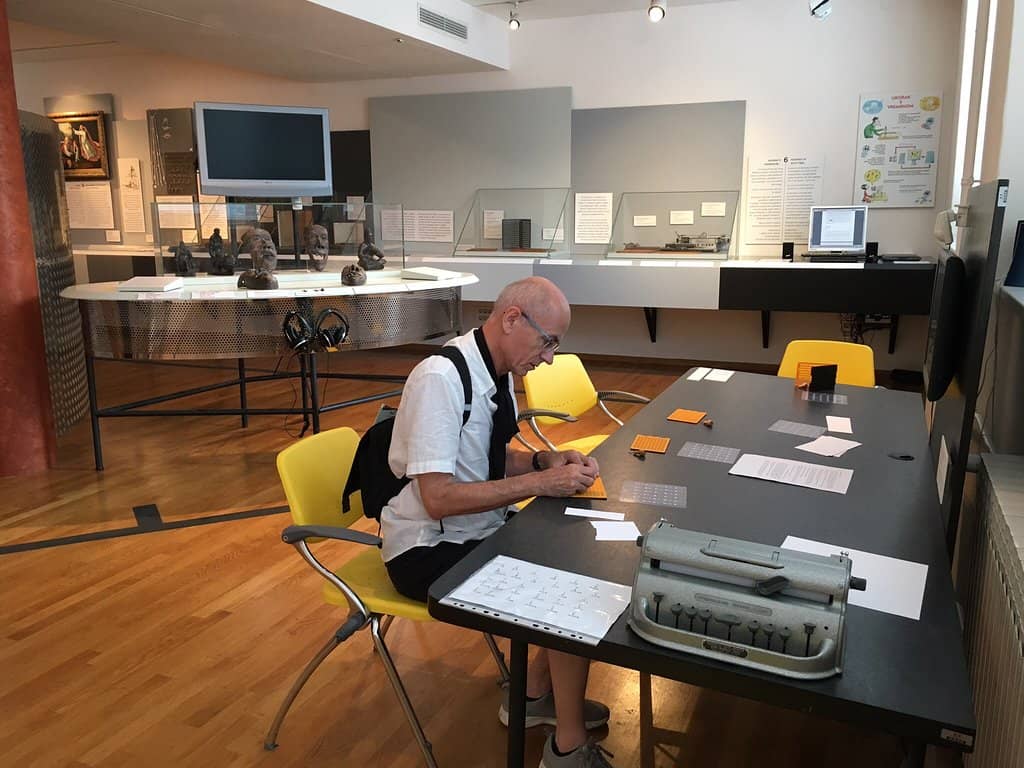
The Braille Experience
Interactive Room
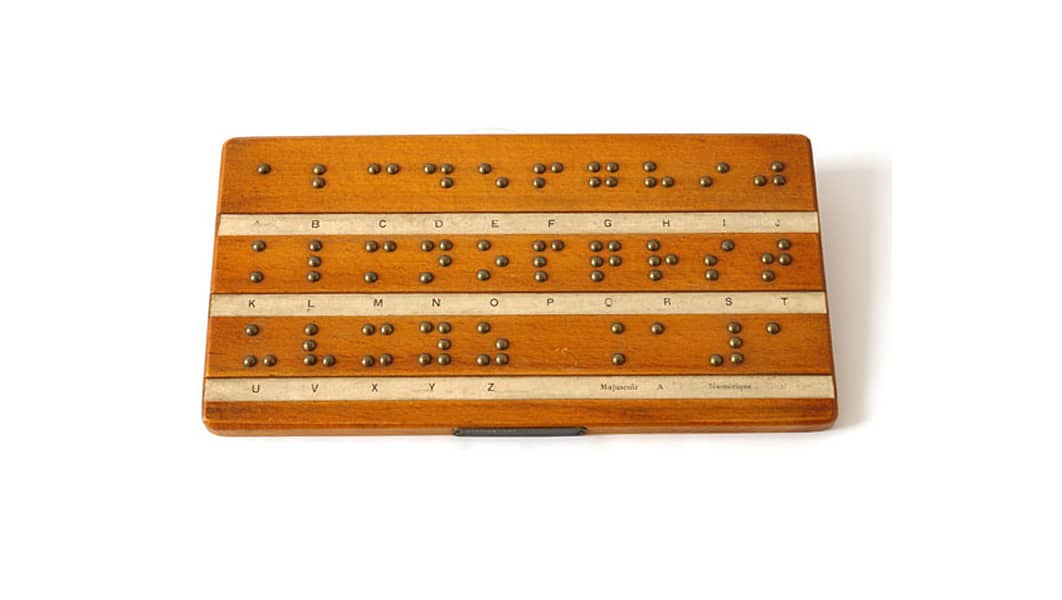
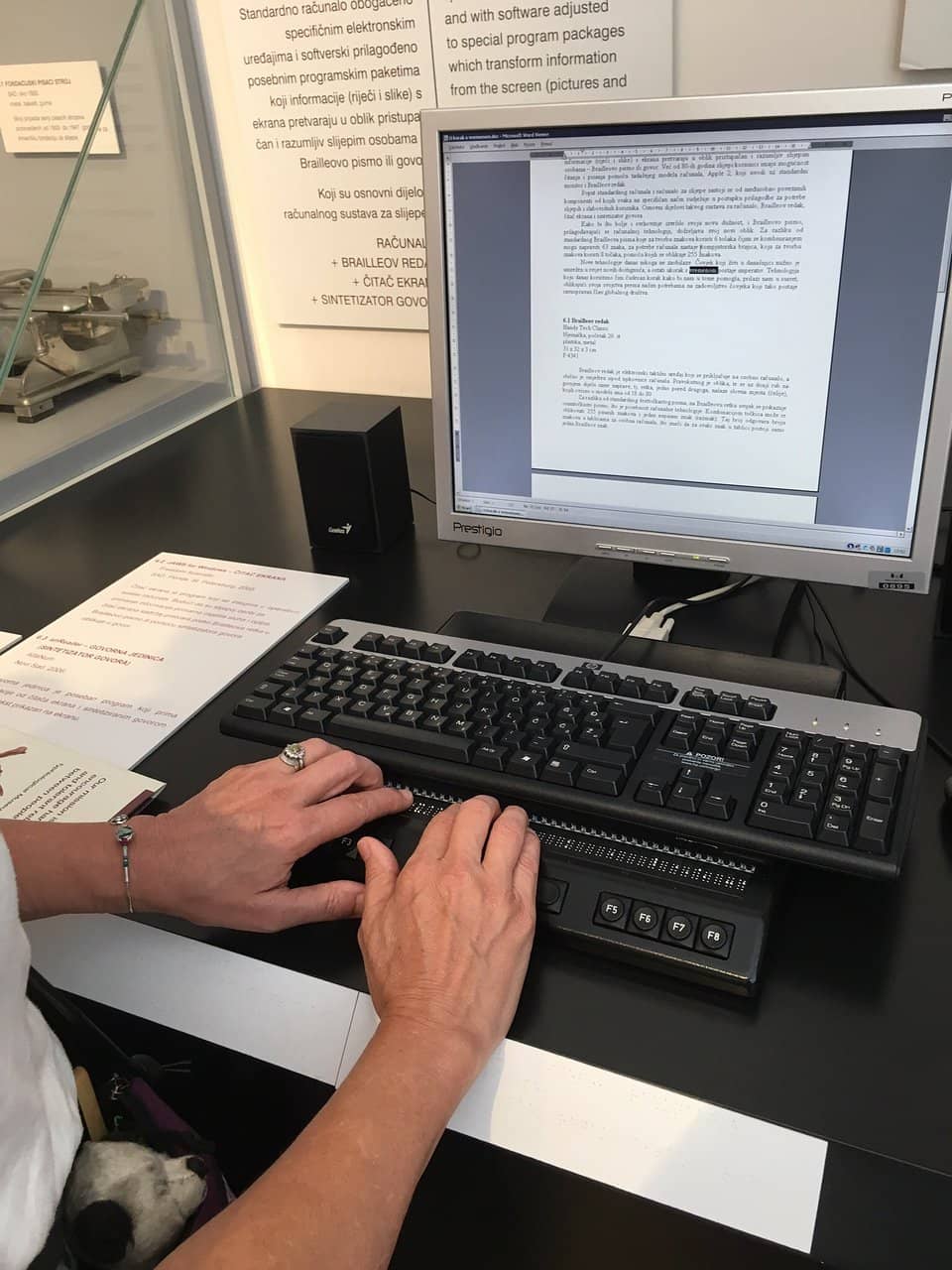
Try your hand at writing a note in Braille and feel the tactile world of the visually impaired.
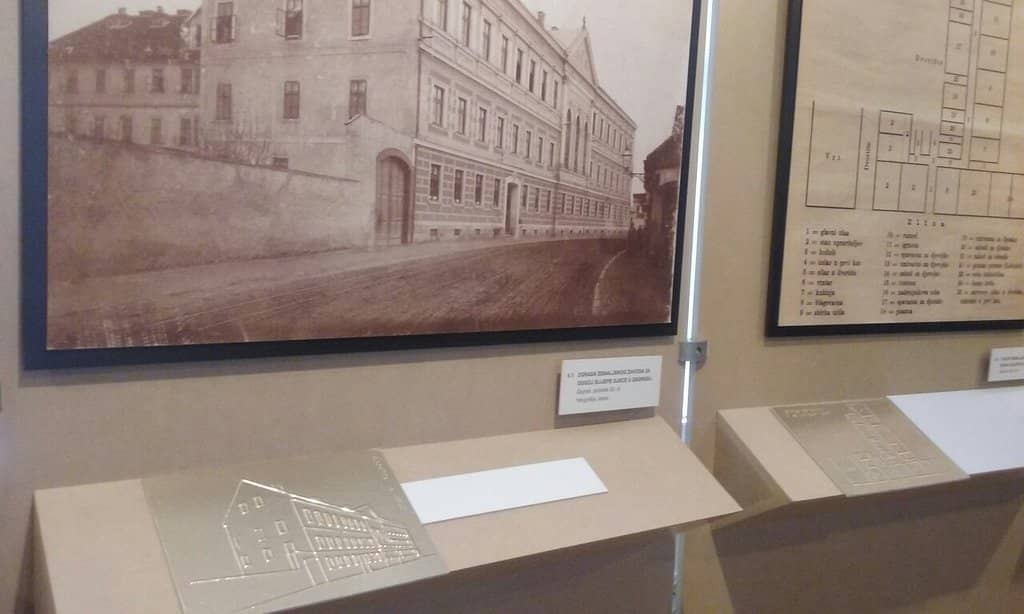
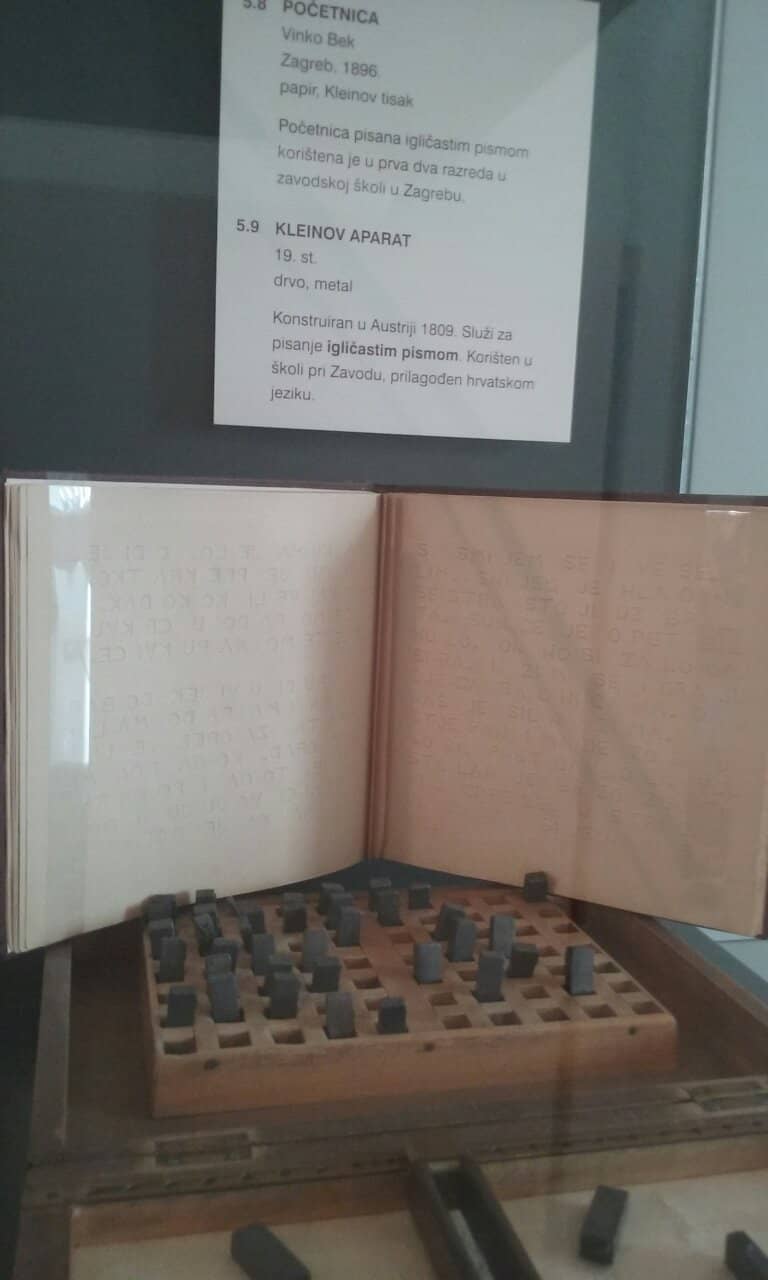
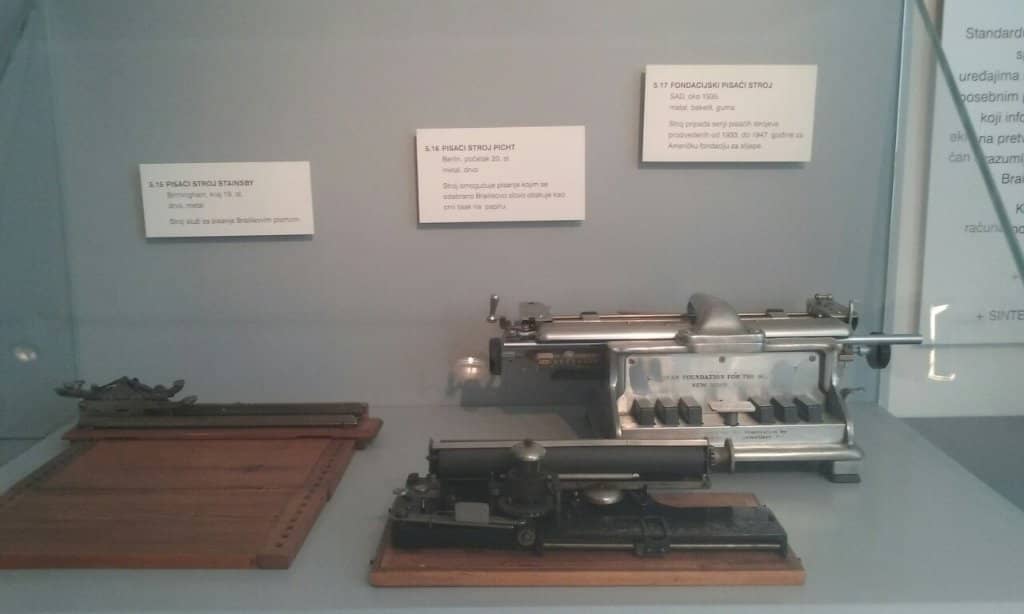
Journey Through Scripts
Exhibition Hall
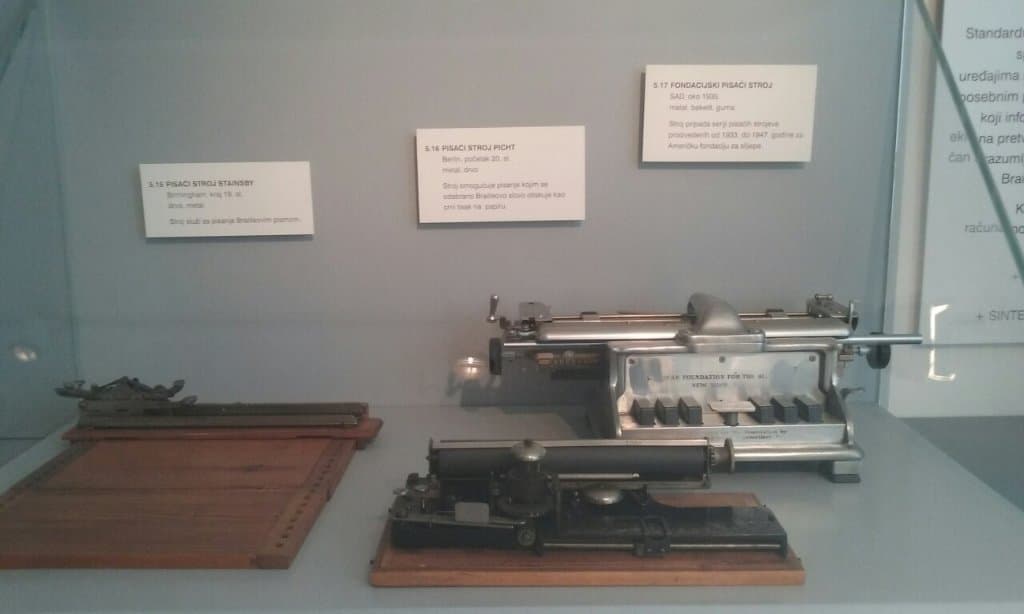
Discover the fascinating evolution of writing systems designed for the blind, culminating in Braille.
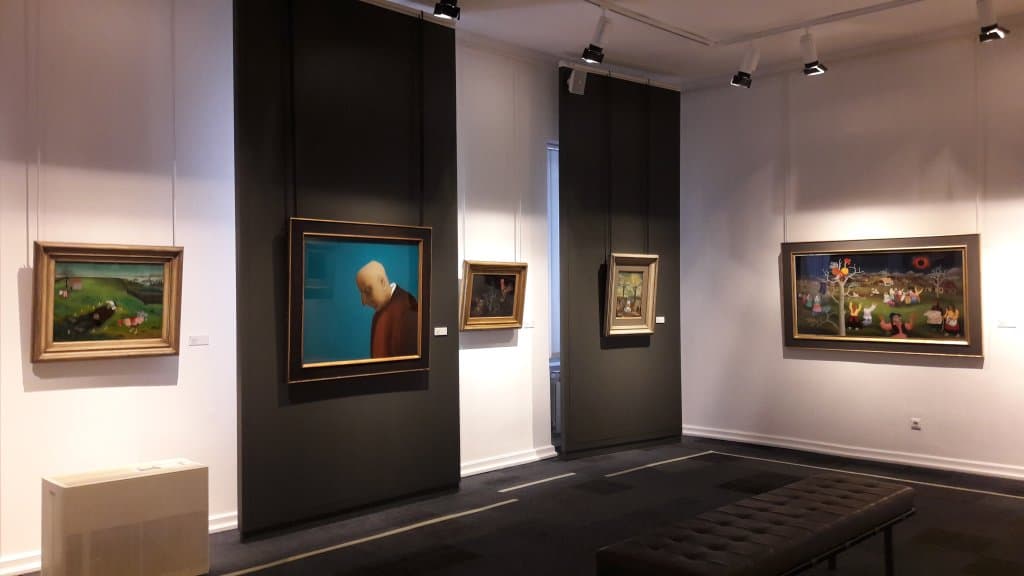
Art by the Visually Impaired
Gallery Space
Explore the creative expressions and artistic talents of individuals who are blind.
Darkness Immersion
Sensory Rooms
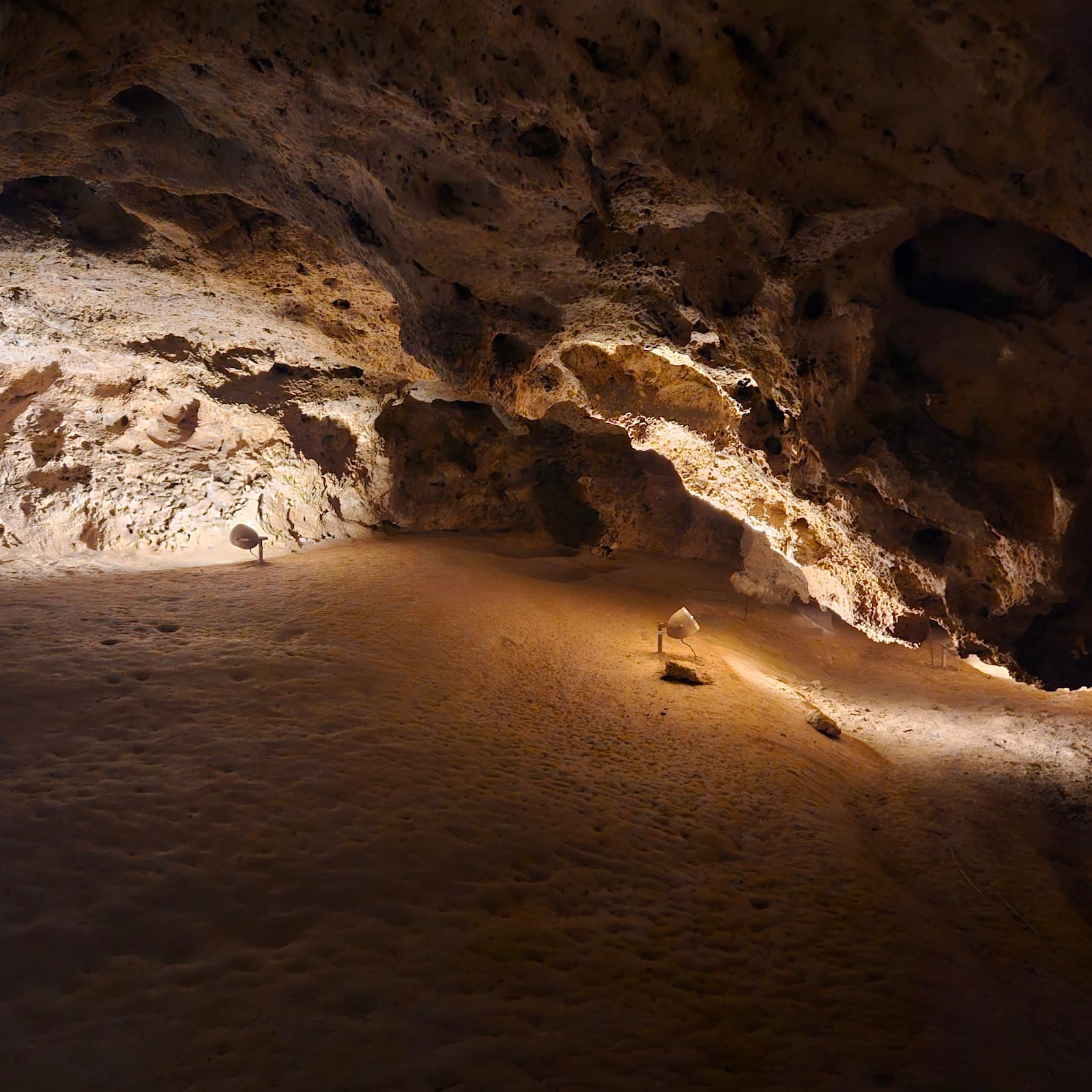
Experience a unique sensory journey by navigating connected rooms in complete darkness.
Plans like a pro.
Thinks like you
Planning Your Visit
Finding This Hidden Gem
Plan Your Visit Wisely
Best Times
Insider Tips
from TikTok, Instagram & Reddit
🎯 Look for the Sign!
It's on the 2nd floor of an anonymous building. Keep an eye out for the sign among other occupants.
💰 Cash Only
Remember to bring cash, as credit cards are not accepted for any purchases.
🗣️ English Signage Available
Many displays have English descriptions, making it accessible for international visitors.
⏳ Allow Extra Time
You might spend longer than planned; the exhibits are surprisingly engaging and informative.
Tips
from all over the internet
🎯 Look for the Sign!
It's on the 2nd floor of an anonymous building. Keep an eye out for the sign among other occupants.
💰 Cash Only
Remember to bring cash, as credit cards are not accepted for any purchases.
🗣️ English Signage Available
Many displays have English descriptions, making it accessible for international visitors.
⏳ Allow Extra Time
You might spend longer than planned; the exhibits are surprisingly engaging and informative.
🎥 Watch the Intro Film
This film provides a great introduction to the history of blind education and the institute.
What Travellers Say
Reviews Summary
Visitors describe the Typhlological Museum as a hidden gem and a 'little treasure' offering a unique and informative experience. Many appreciate the opportunity to learn about the history of communication for the blind and to engage with interactive exhibits like Braille writing and a darkness immersion room. The museum is praised for its educational value and for fostering empathy, though its somewhat hidden location and limited opening hours are noted. +1
"For sure you could walk past this place without ever knowing it was there, but it's a little treasure and well worth a visit. Also free entrance for pensioner.
Watch the film as an introduction describing what life was like in the "National Institute for Education of Blind Children" created towards the end of the 19th Century. The museum describes the development of various "scripts" for blind people, with ultimately Braille being adopted worldwide. There is also an exhibition of some of the art created by the blind. You can also experience what it's like to be without sight by entering several connected rooms in total darkness.
I was the only visitor during my time there and Mia (Staff) was lovely, answering any questions I had.
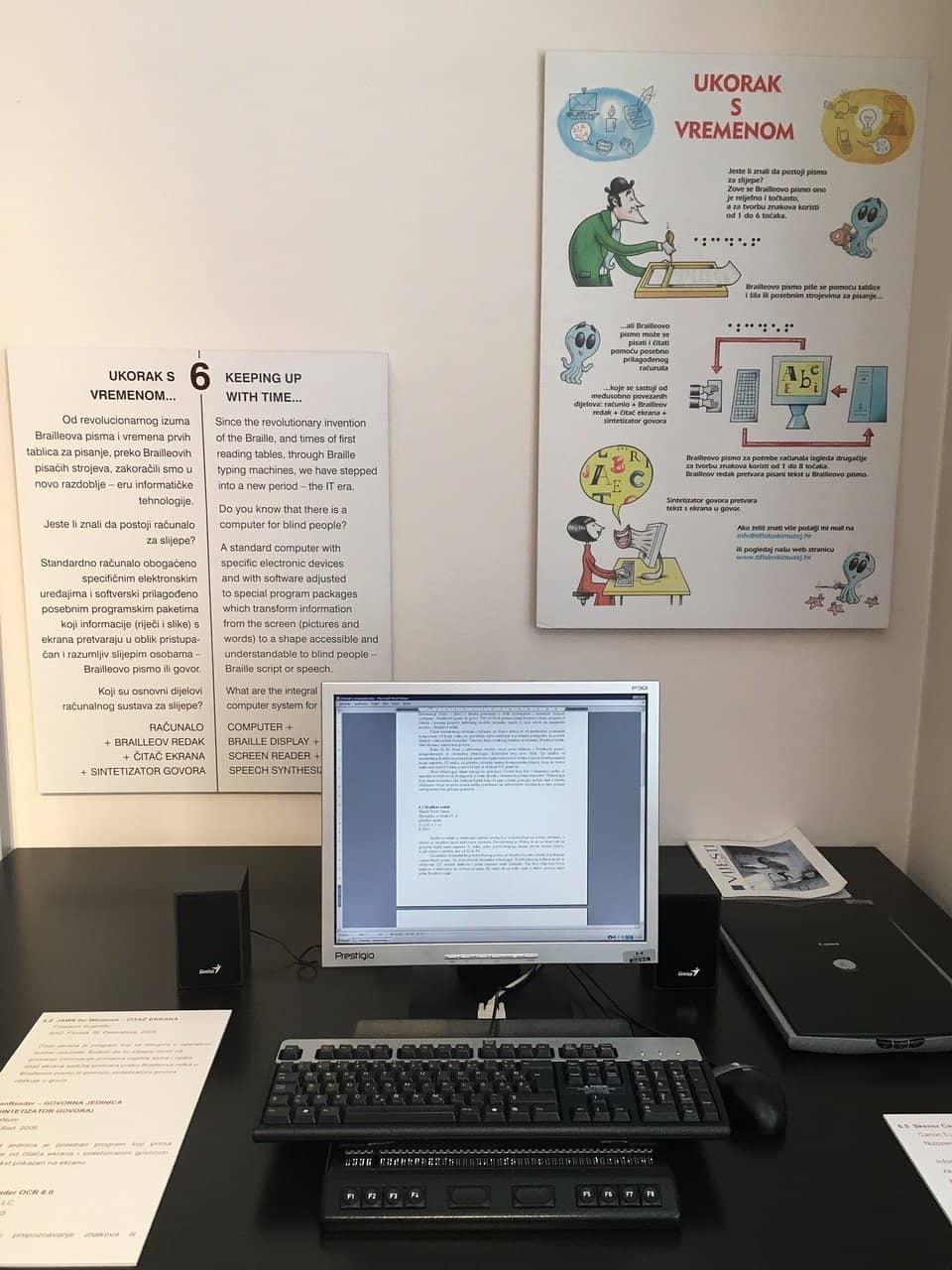
Not every item display has English descriptions but there are quite a few information boards in English. I have included some of these as photos if people want to learn more about this exhibition."
Miles Macdonald
"This little museum is a gem and well worth a visit. Maps will get you there but it’s on the second floor of an anonymous building halfway down the street so a big hard to find. Look out for the sign amongst those identifying the other occupants. It was so interesting and informative that we spent much longer than we’d planned. There is English signage. I enjoyed creating a note in Braille for a blind friend back home. Far from being sad, it was very uplifting to learn that blind people experience the world more intensively in many ways than sighted people."
Donald
"Update November 2023,: only open on Thursday from 9am to 4pm."
hanspeter kolb
What People Like
What People Dislike
Frequently Asked Questions
🚇 🗺️ Getting There
The museum is located on the second floor of an anonymous building. Look for its sign among other occupants' signs. It can be tricky to spot, so pay close attention to the building's directory.
While specific public transport routes aren't detailed in reviews, Prague generally has excellent public transport. Check local transit apps for the best routes to the museum's vicinity.
The museum is located in an anonymous building, and reviews mention it's on the second floor. Specific street addresses are often omitted in casual reviews, but look for signs indicating the 'National Institute for Education of Blind Children' or similar.
Parking information is not readily available in reviews. Given its urban location, street parking might be limited. Public transport is likely the most convenient option.
Yes, taxis and ride-sharing services are a reliable way to reach the museum. Simply provide the general area or building description to your driver.
🎫 🎫 Tickets & Entry
Entrance is free for pensioners. For others, while not explicitly stated as paid, reviews suggest it's a 'little treasure' and 'well worth a visit,' implying it's either free or very low cost. Bring cash just in case.
The museum is currently only open on Thursdays from 9 am to 4 pm. It's crucial to plan your visit around these specific hours.
There's no mention of advance booking requirements in reviews. Given its limited opening hours and potentially low visitor numbers, booking in advance is likely not necessary.
Yes, pensioners receive free entrance. Other discount information is not specified in the provided reviews.
The museum does not accept credit cards. Visitors should be prepared to pay with cash.
🎫 🧭 Onsite Experience
You can learn about the history of scripts for the blind, see art created by visually impaired individuals, and experience navigating in total darkness.
Yes, many of the display items have English descriptions and information boards, making the museum accessible to international visitors.
Yes, there's an introductory film that describes life in the 'National Institute for Education of Blind Children' and the development of scripts for the blind.
Photography is generally allowed in museums unless otherwise stated. Reviews don't mention any restrictions, but it's always good practice to be respectful.
Visitors often spend longer than initially planned due to the engaging and informative nature of the exhibits. Allow at least 1-2 hours.
🍽️ 🍽️ Food & Dining
There are no mentions of food or dining facilities within the museum itself. It's a small, specialized museum.
As the museum is located in an urban area, you'll likely find various cafes and restaurants nearby. Exploring the surrounding streets will offer plenty of dining choices.
It's generally advisable not to consume food or drinks inside museum exhibition spaces. Check for designated areas if available, though none are mentioned in reviews.
📸 📸 Photography
Reviews do not explicitly state photography restrictions. It's usually permitted in such museums, but always be mindful of other visitors and avoid flash photography if it could be disruptive.
The interactive Braille writing station and the historical script displays offer unique visual opportunities. The art by visually impaired individuals can also be very compelling.
The exhibition detailing the evolution of scripts and the art gallery are likely the most visually rich areas for photography. The darkness immersion room is not suitable for photography.



Social
from TikTok, Instagram & Reddit