Museo de las Conceptas Cuenca
Explore religious art and conventual life in a beautifully restored monastery museum in Cuenca.
Highlights
Must-see attractions

Social
From TikTok & Reddit
Best Time
Fewer crowds, more peaceful
Museo de las Conceptas Cuenca
Best Time
Fewer crowds, more peaceful
Highlights
Must-see attractions
Explore religious art and conventual life in a beautifully restored monastery museum in Cuenca.
"Interesting place to see how the nuns lived, definitely worth a visit!"
Consider a Guided Tour
Enhance your understanding of the history and artifacts with a guided tour.
Modest Entry Fee
Expect a small admission fee, unlike many free museums in Cuenca.
Quick Facts
Highlights
Discover the most iconic attractions and experiences
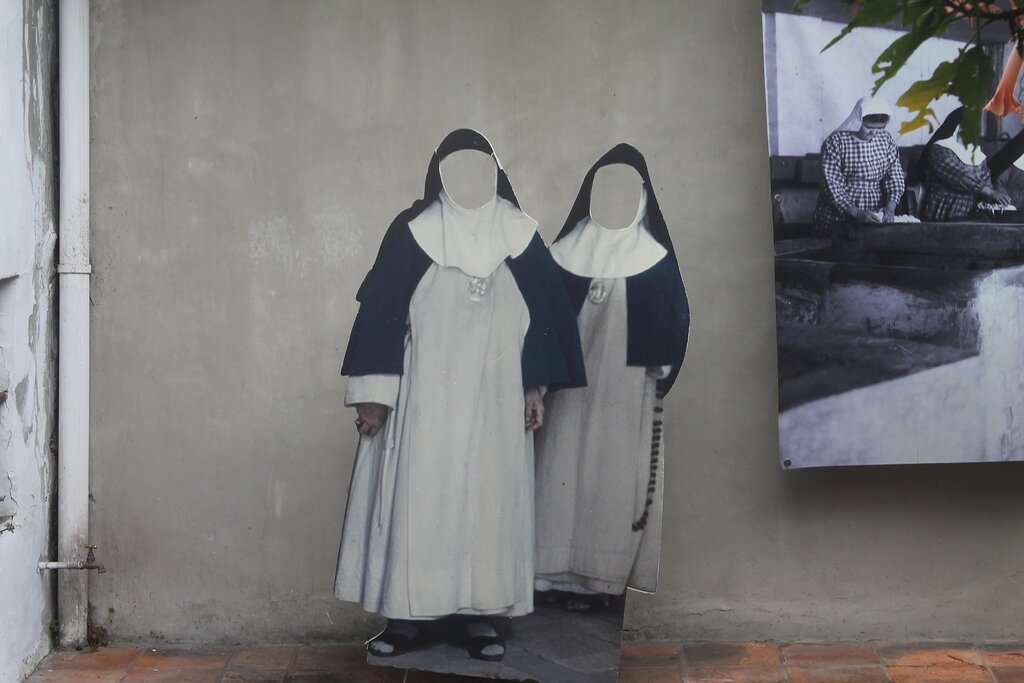
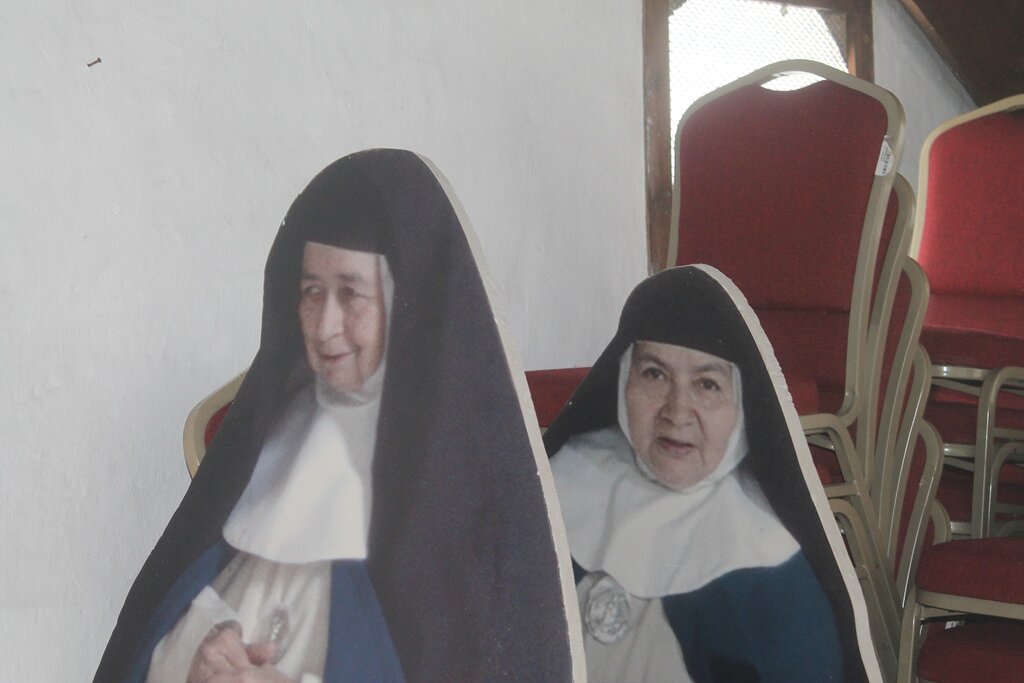
Conventual Life Recreation
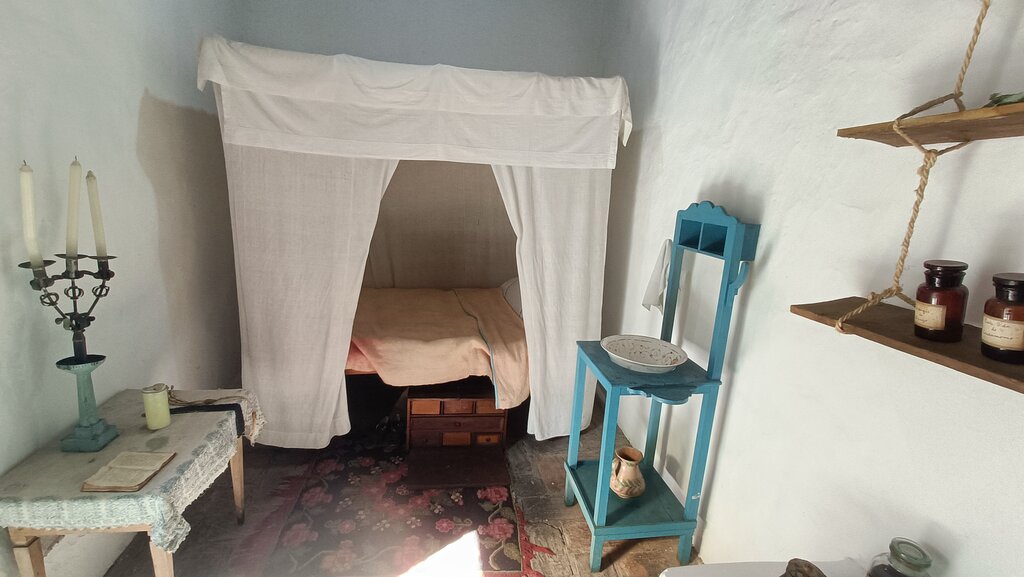
Nuns' Quarters & Infirmary
Step back in time to see how nuns lived, with recreated rooms like their quarters, kitchen, and infirmary.
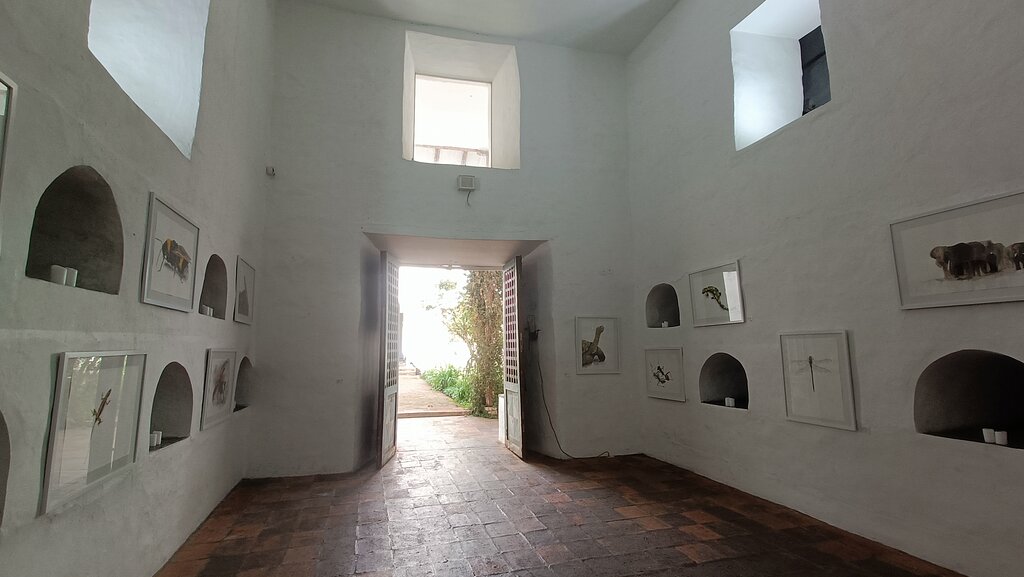
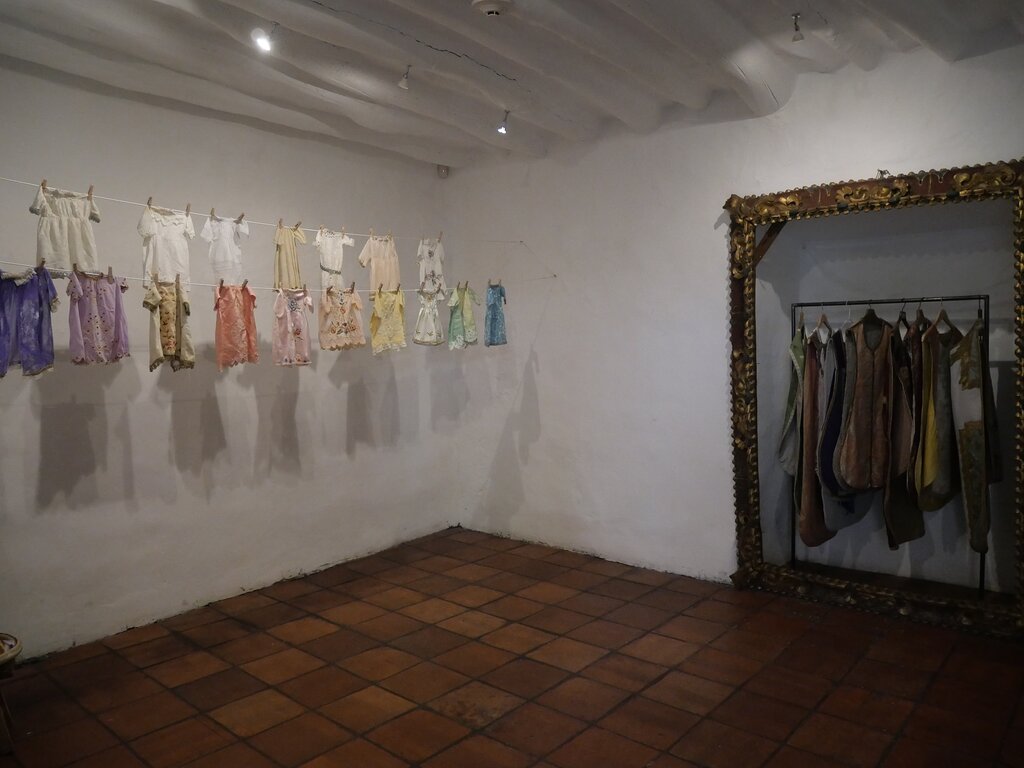
Religious Art Collection
Various Exhibit Halls
Explore a collection of religious paintings, sculptures, and artifacts that tell stories of faith and artistry.
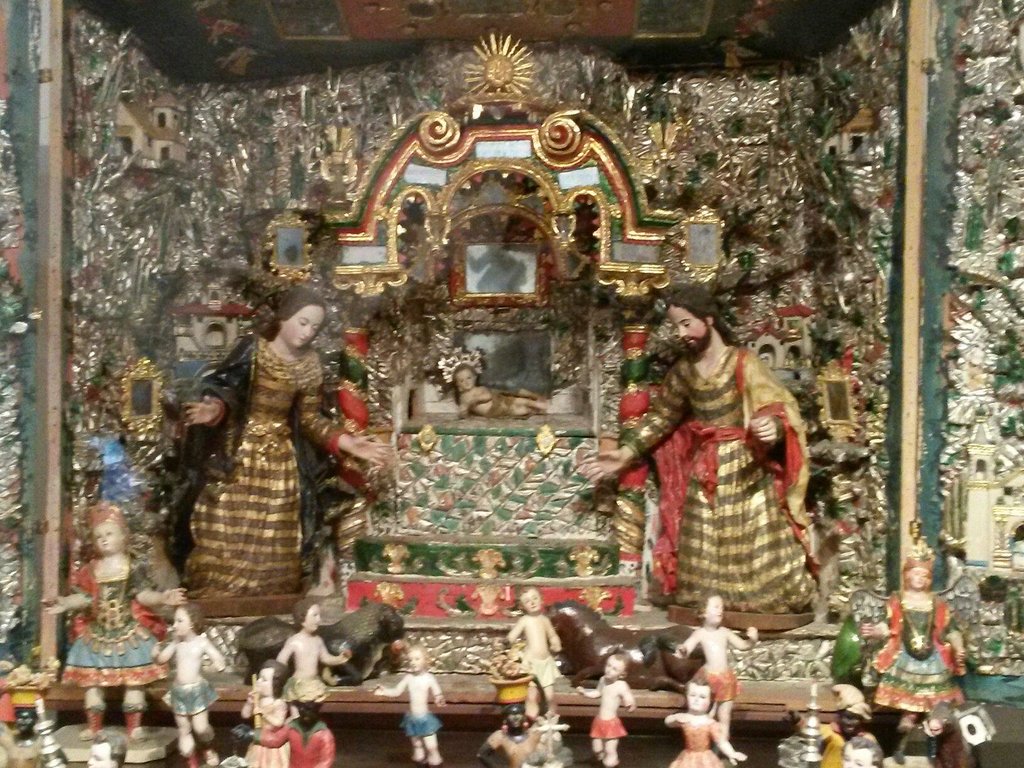
The Nativity Sculpture
Main Exhibit Area
A unique, modernized 3D rendition of the Nativity scene, noted for its artistic interpretation.
Interior Courtyard Gardens
Central Courtyard
Enjoy the serene beauty of well-maintained gardens, offering a peaceful respite within the museum.
Plans like a pro.
Thinks like you
Planning Your Visit
Timing Your Visit
Understanding the Exhibits
Best Times
Insider Tips
from TikTok, Instagram & Reddit
Consider a Guided Tour
Enhance your understanding of the history and artifacts with a guided tour. 
Modest Entry Fee
Expect a small admission fee, unlike many free museums in Cuenca.
Focus on Daily Life
The museum excels at showing the daily routines and living spaces of the nuns.
Appreciate the Architecture
The building itself is a significant part of the experience, showcasing historical architecture.
Tips
from all over the internet
Consider a Guided Tour
Enhance your understanding of the history and artifacts with a guided tour.
Modest Entry Fee
Expect a small admission fee, unlike many free museums in Cuenca.
Focus on Daily Life
The museum excels at showing the daily routines and living spaces of the nuns.
Appreciate the Architecture
The building itself is a significant part of the experience, showcasing historical architecture.
Look for English Signs
Some signs offer information in English, but not all.
What Travellers Say
Reviews Summary
Visitors find the Museo de las Conceptas to be an interesting place to learn about the daily lives of nuns and view religious artifacts, with well-maintained gardens. However, some feel the museum's concept could be better executed, with more engaging exhibits and clearer information, and note the modest entry fee.
"The notion of “heritage” museum is not evident 🫤🫤🫤🫤. As a once residence of nuns, within in convent it is located, this “museum” is very poorly conceived.
It does NOT really give a visitor the sense of what life was like in a cloistered compound.
🫤 Most of rooms are locked OR empty spaces.
🫤 For a “museum”, there are not real exhibits of things associated with a nunnery or whatever religious order those nuns belonged too.
🫤🫤🫤 The main exhibits are icons that look like plastic or resin, many of the icons and idols are like a child’s doll collection.
👍 The single most attractive exhibit is a sculpture or 3D artistic “modernized” and imagined rendition of the birth of Jesus; NOT a manger but a palace.
On the lower part of this rendition are miniatures of European soldiers. Then below that are bizarre (and grotesque) miniatures of beheadings.
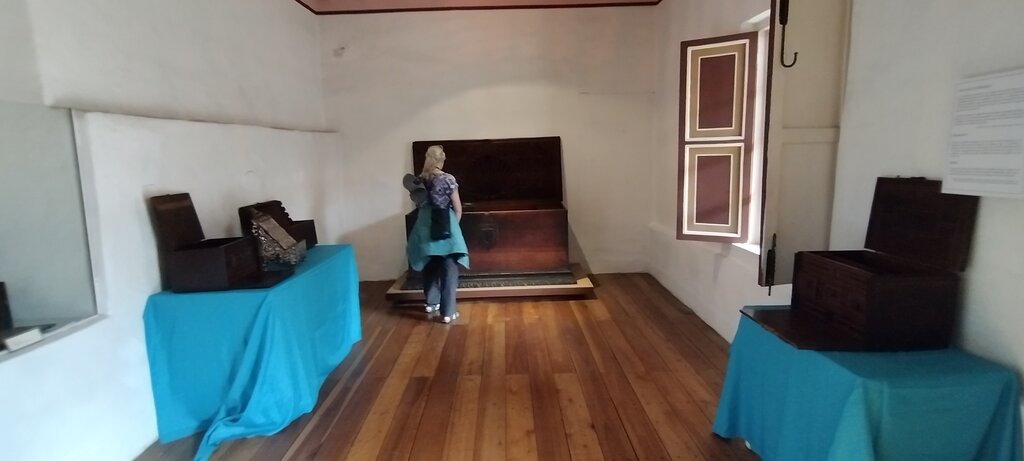
👍 In another room are exhibits of gigantic chests and a nice chair….
Another room is a recreation of a sick room or infirmary….
There’s also the kitchen, from what looks like the 1930s-1950s.
Things like these would have been of interests.
👏👏👏 The interior courtyard gardens looked well maintained.
The whole place needs to be re-imagined/// totally re-conceived."
A V (globetrotter)
"Interesting place to see how the nuns lived, they have set it up very well with rooms of displays, including the bakery and nun's room quarters, as well as many spiritual artifacts. Definitely worth a visit!"
Eileen Weed
"This was an interesting place to visit even though I'm not Catholic. The building itself is beautiful and interesting. Some of the signs had information in English. I'm used to so many of the museums being free, so I was surprised it cost $3.50/adult and $1.50/child."
Katie Muirhead
What People Like
What People Dislike
Frequently Asked Questions
🚇 🗺️ Getting There
The Museo de las Conceptas is centrally located in Cuenca, making it easily accessible. Many visitors find it a short walk from other attractions. Taxis are readily available, and local buses also serve the area.
Street parking can be challenging in the historic center of Cuenca. It's often more convenient to use public transport, taxis, or walk if you are staying nearby.
🎫 🎫 Tickets & Entry
The museum's hours can vary, but it's generally open during the day. It's advisable to check their official social media or website for the most current opening times before your visit.
There is a modest admission fee for the Museo de las Conceptas, which is a departure from many free museums in Cuenca. Adults typically pay around $3.50 and children $1.50.
Information on online ticket purchasing is not widely available. It's generally recommended to purchase tickets upon arrival at the museum.
The museum offers a glimpse into religious history and daily life, which might be more engaging for older children and adults. Younger children might find some exhibits less captivating.
🎫 🧭 Onsite Experience
Expect exhibits focused on religious art, artifacts, and recreations of the nuns' daily living spaces, including their quarters, kitchen, and infirmary.
Yes, guided tours are available and highly recommended to gain a deeper understanding of the museum's history and exhibits.
Information on accessibility is limited. Given it's a historic building, some areas might present challenges. It's best to inquire directly with the museum if you have specific accessibility needs.
Photography policies can vary. It's generally advisable to check for signage or ask staff if photography is permitted, especially without flash, to respect the artifacts and other visitors.
The 'water of pitimas' is a traditional drink made by Carmelite Mothers, often available for tasting near the Plaza de las Flores, not directly within the museum itself.
🍽️ 🍽️ Food & Dining
While the museum itself may not have a full restaurant, Cuenca has many cafes and restaurants nearby. One TikTok mentions a 'Museo del Cafe' which is a separate cafe located near the Remigio Crespo Toral museum.
Typically, food and drinks are not allowed inside museum exhibits to protect the artifacts. It's best to consume them before entering or after your visit.
📸 📸 Photography
The interior courtyard gardens offer beautiful natural light and architectural details. The recreated rooms and religious art also provide unique photographic opportunities.
Flash photography is generally discouraged or prohibited in museums to protect delicate artworks and artifacts from damage. Always check for specific rules.


Social
from TikTok, Instagram & Reddit