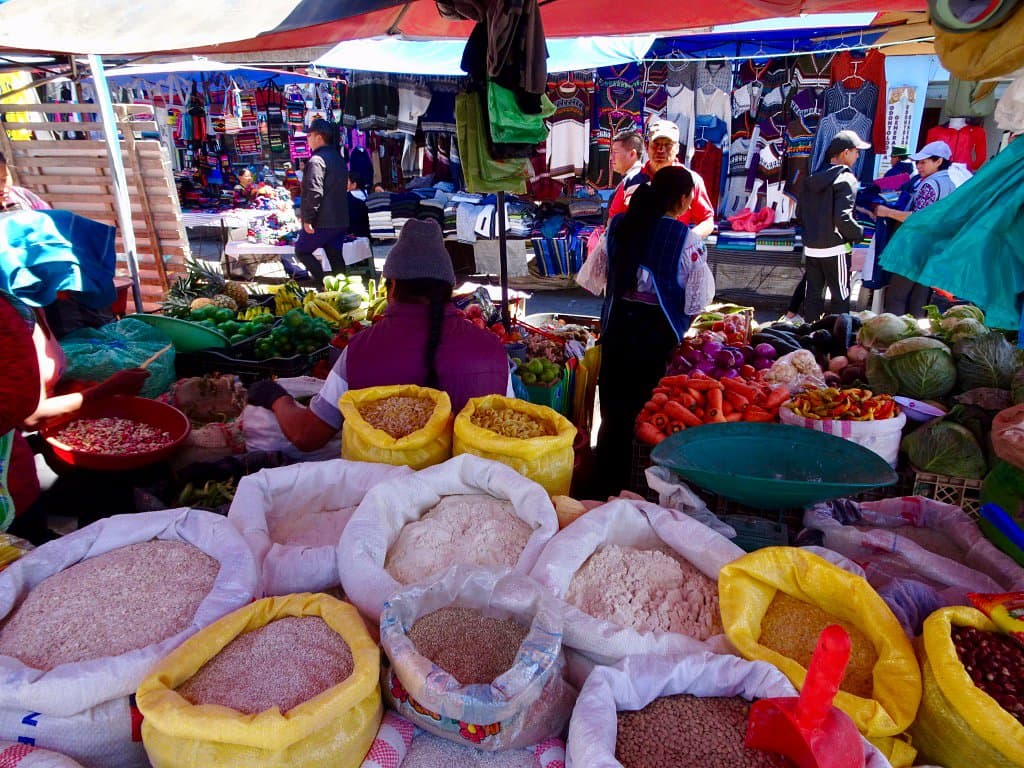
Otavalo Market
Ecuador's largest indigenous market, a vibrant explosion of color, textiles, and crafts in the heart of Otavalo.
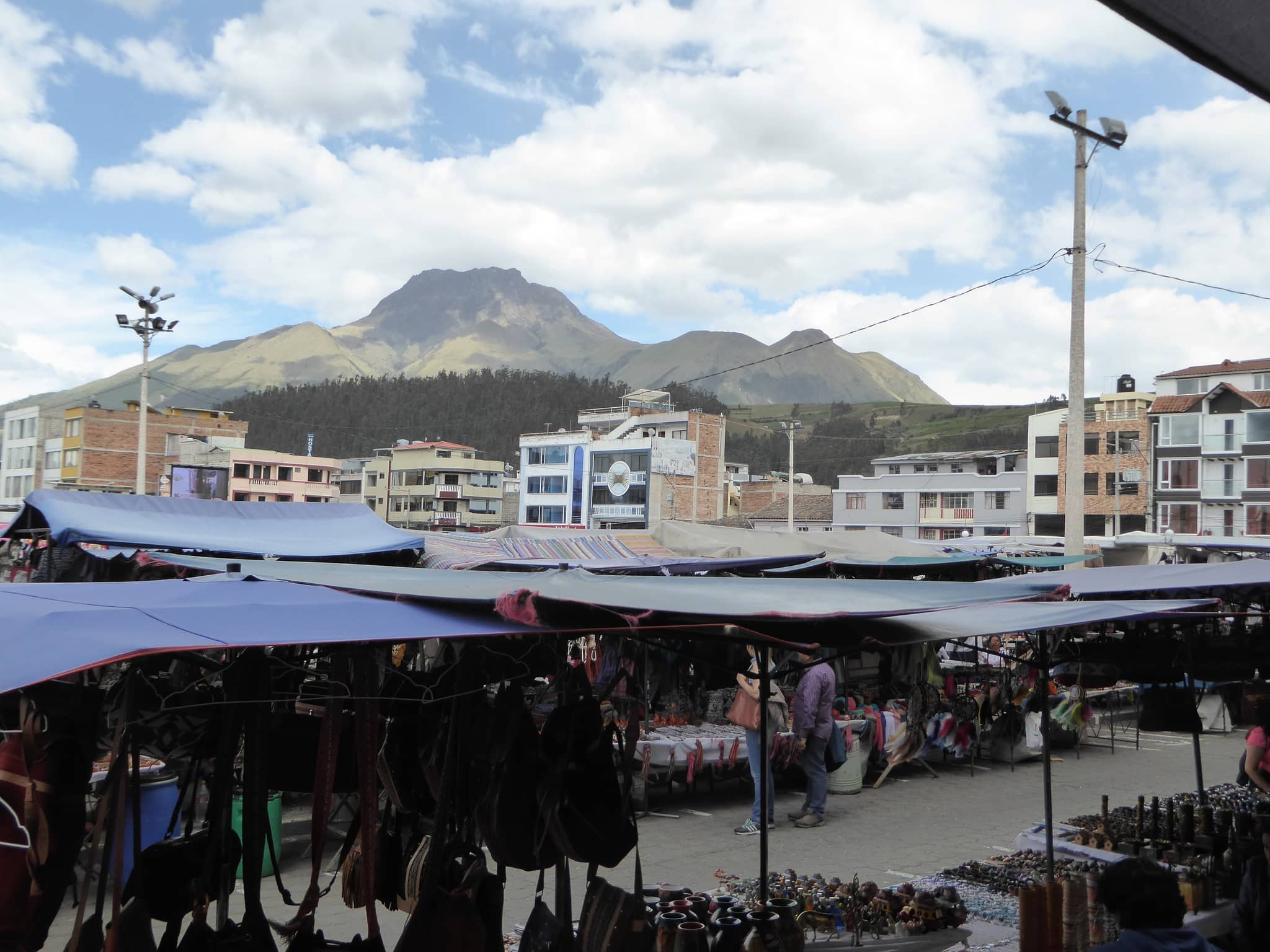
Highlights
Must-see attractions

Social
From TikTok & Reddit
Best Time
Fewer crowds, authentic vibe
Otavalo Market
Best Time
Fewer crowds, authentic vibe
Highlights
Must-see attractions
Ecuador's largest indigenous market, a vibrant explosion of color, textiles, and crafts in the heart of Otavalo.
"A riot of colors, vendors, and lovely stuff all around! A great experience amidst the lovely chaos."
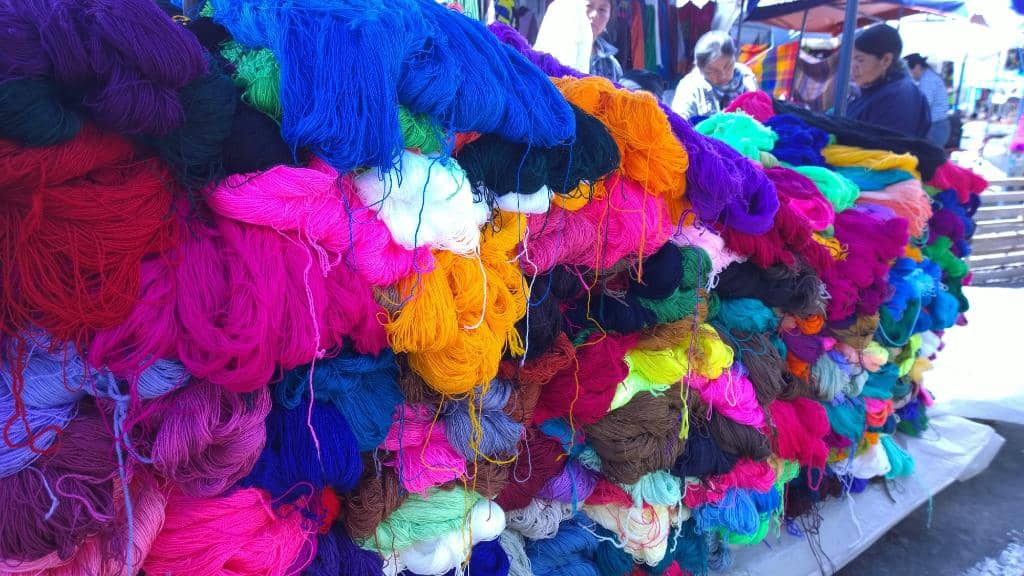
🎯 Bargain with a Smile
Negotiate prices respectfully for textiles and souvenirs. Start lower than you're willing to pay .
👟 Wear Comfortable Shoes
You'll be doing a lot of walking on cobblestone streets and uneven paths.
Quick Facts
Hours
Rating
4.5 · 7,163 reviews
Type
Market
Address
Highlights
Discover the most iconic attractions and experiences
Plaza de Ponchos
Main Square
The heart of the market, brimming with vibrant textiles, handmade crafts, and local culture.
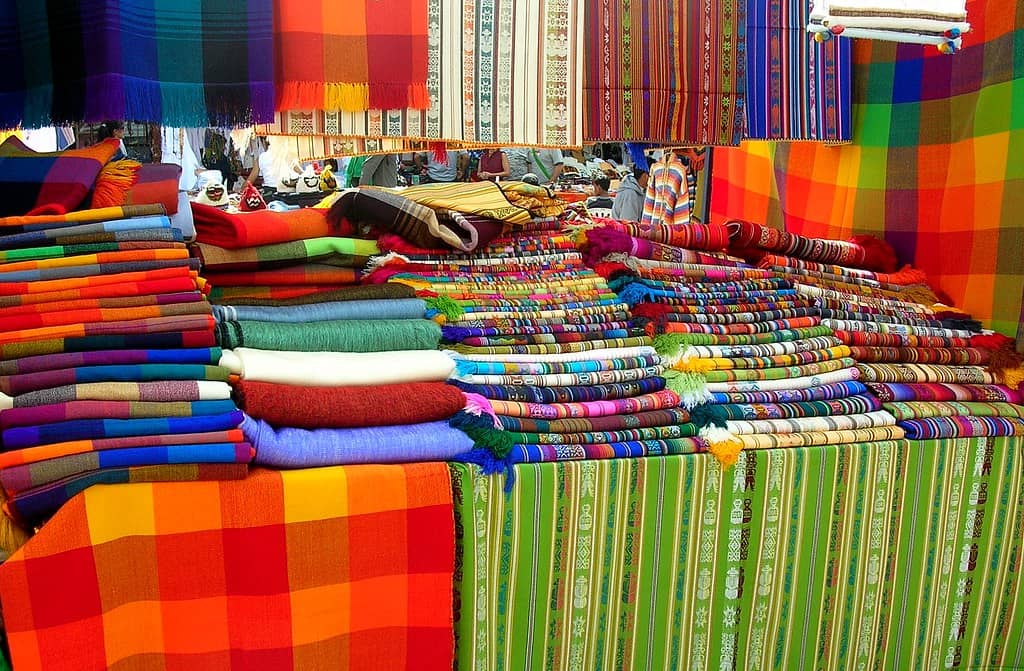
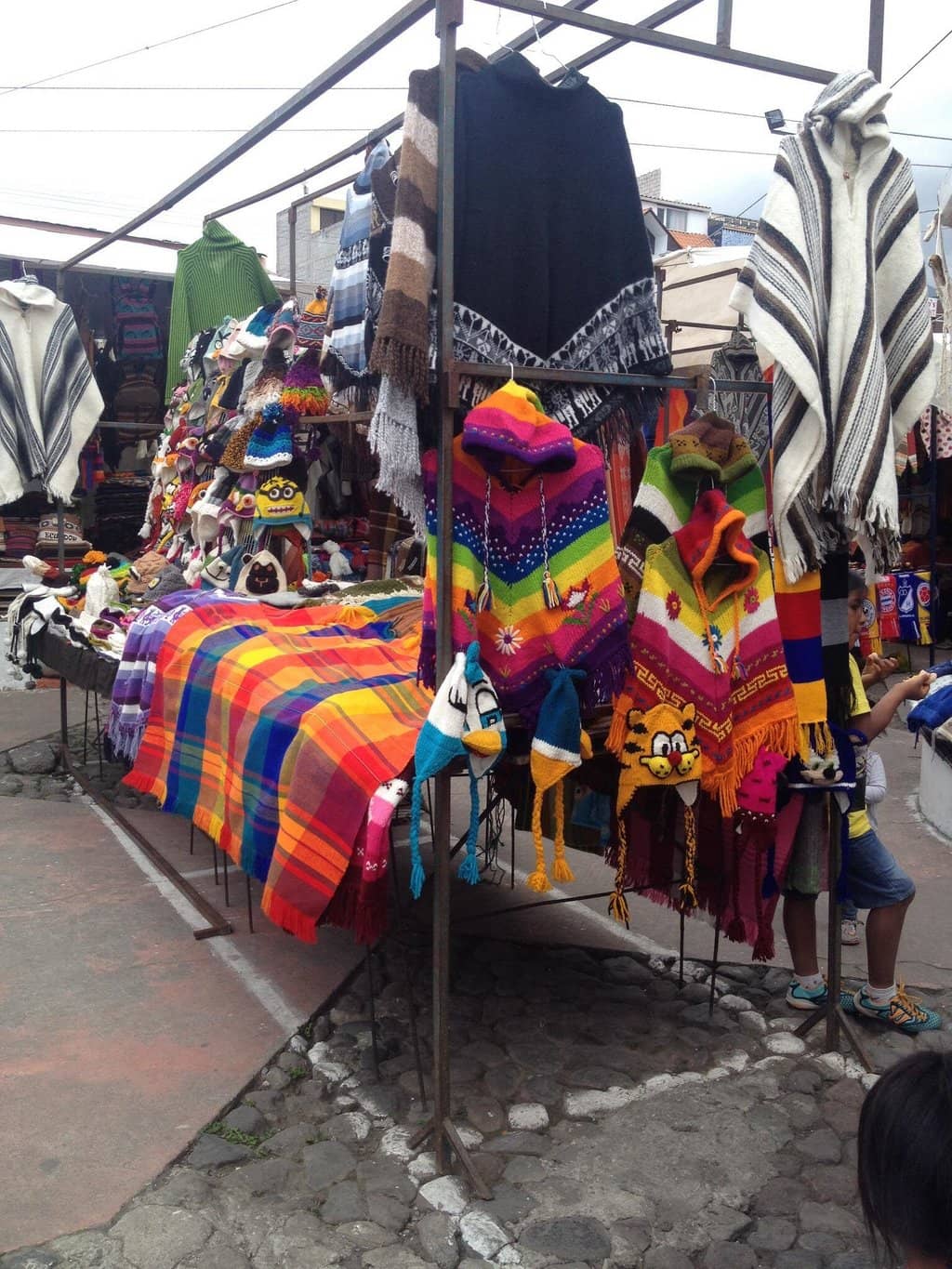
Handwoven Textiles
Various Stalls
Discover intricate ponchos, blankets, and clothing showcasing Ecuador's rich weaving traditions.
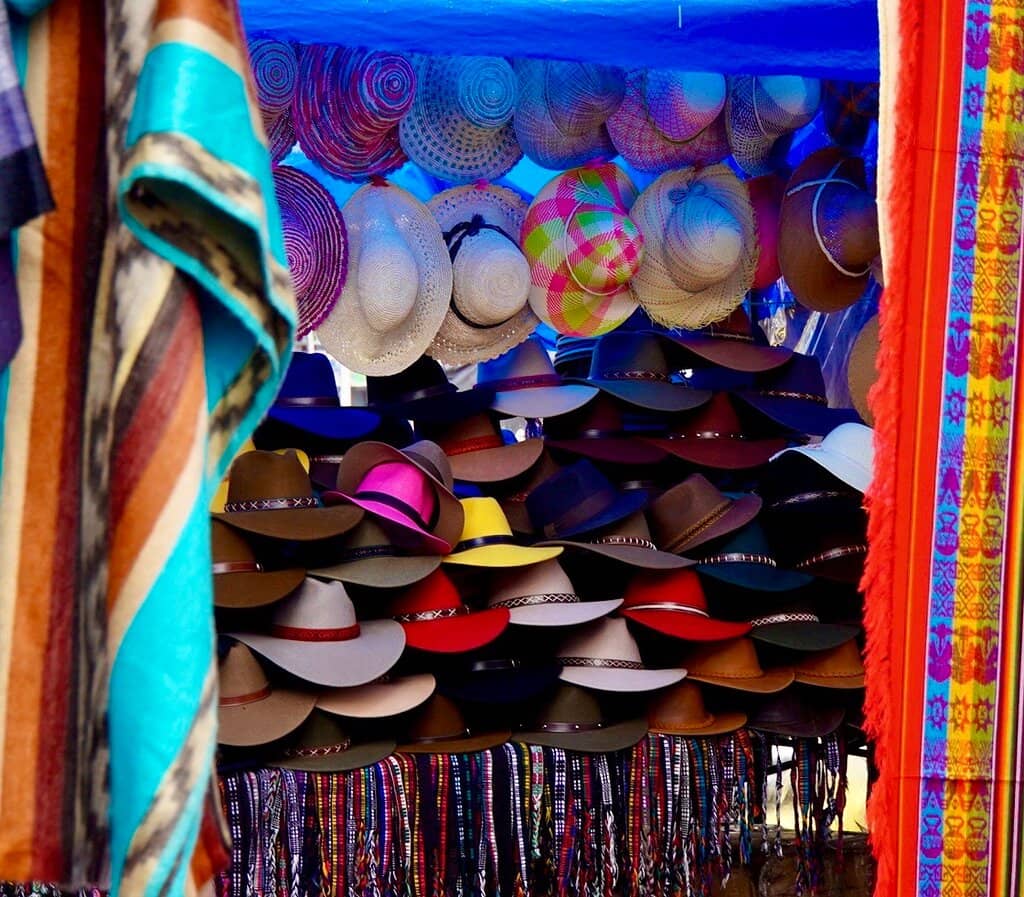
Artisanal Crafts
Throughout the Market
Explore unique jewelry, wooden carvings, and leather goods, perfect for souvenirs.
Plans like a pro.
Thinks like you
Planning Your Visit
Embrace the Bargain
Timing is Key
Best Times
Insider Tips
from TikTok, Instagram & Reddit
🎯 Bargain with a Smile
Negotiate prices respectfully for textiles and souvenirs. Start lower than you're willing to pay.
👟 Wear Comfortable Shoes
You'll be doing a lot of walking on cobblestone streets and uneven paths.
📸 Capture the Colors
The market is incredibly photogenic! Bring your camera or phone for vibrant shots.
🛍️ Explore Beyond Ponchos
While known for ponchos, find unique blouses, jewelry, and home goods too.
Tips
from all over the internet
🎯 Bargain with a Smile
Negotiate prices respectfully for textiles and souvenirs. Start lower than you're willing to pay.
👟 Wear Comfortable Shoes
You'll be doing a lot of walking on cobblestone streets and uneven paths.
📸 Capture the Colors
The market is incredibly photogenic! Bring your camera or phone for vibrant shots.
🛍️ Explore Beyond Ponchos
While known for ponchos, find unique blouses, jewelry, and home goods too.
💧 Stay Hydrated
Especially if visiting during warmer months. Carry a reusable water bottle.
What Travellers Say
Reviews Summary
Visitors praise the Otavalo Market for its vibrant colors, lively atmosphere, and the sheer variety of handmade crafts and textiles. It's a fantastic place to experience local culture and find unique souvenirs. However, some find the market can become repetitive with similar tourist items, and prices can be steep, requiring negotiation.
"A typical outdoor market, but larger than most. Lots of touristy items that are mass produced and not artisanal as I expected. Only a few items of true artisanal quality."
JMQZ
"The Otavalo Market is here and also on surrounding streets. Multiple stalls selling clothes and various souvenirs, as well as fruits, veggies spices etc. Lively and colourful"
Mert Korkusuz
"This place was a riot of colors, vendors and just lovely stuff all around! We went to the Saturday market and there were dozens of vendors selling all sorts of interesting things. The prices are pretty steep but it's a great experience to be amidst the lovely Chaos! I highly recommend this place if you want to get a flavor of the local culture."
Bugs Subu
What People Like
What People Dislike
Frequently Asked Questions
🚇 🗺️ Getting There
The most common way is by bus from Quito's Carcelén terminal, taking about 2 hours.
Yes, buses regularly depart from Otavalo back to Quito. You can also arrange for taxis or pre-booked tours.
Absolutely! It's a popular day trip, often combined with other nearby attractions like Cuicocha Lake.
The market is walkable, and taxis are readily available for shorter distances within the town.
Limited parking is available, but it can fill up quickly, especially on market days. It's often easier to use public transport or tours.
🎫 🎫 Tickets & Entry
No, entry to the Otavalo Market and Plaza de Ponchos is free. You only pay for the items you purchase.
The market is open daily, but the main market day with the most vendors is Saturday. Some vendors start as early as 5 am on Wednesdays and Saturdays.
Saturday is the most vibrant and largest market day. Wednesday also hosts a significant market, often referred to as 'El Madrugón'.
Visiting on a weekday or arriving early on Saturday or Wednesday mornings can help you avoid the biggest crowds.
Yes, while Saturday is the main day, you can still find vendors selling goods on Sundays, though it will be smaller.
🎫 🛍️ Shopping & Souvenirs
You'll find a wide array of handmade textiles like ponchos and blankets, alpaca wool items, jewelry, leather goods, and unique handicrafts.+1
Yes, bargaining is common, especially for textiles and souvenirs. Start by offering a lower price than you're willing to pay.
Prices vary greatly depending on quality and material. Expect to pay anywhere from $30 to $100+ USD for a good quality alpaca poncho.
While there are many mass-produced items, you can find genuine artisanal crafts if you look carefully. Seek out unique designs and quality materials.
Wander through different sections and compare prices. Sometimes vendors on the outer streets offer better deals than those in the main plaza.
📸 📸 Photography
It's polite to ask for permission before taking close-up photos of vendors, especially individuals. A small tip might be appreciated.
The vibrant colors of the textiles, the indigenous people in traditional dress, and the bustling market scenes are all highly photogenic.
Generally, no, but always be respectful. Avoid intrusive photography, especially of children without parental consent.
Early morning or late afternoon light can be softer and more flattering for photos, avoiding the harsh midday sun.
Yes, food stalls offer great opportunities for colorful and appetizing shots. Just be mindful of busy vendors.
🍽️ 🍴 Food & Dining
You can find local Ecuadorian dishes, fresh fruits, juices, empanadas, and snacks. Some vendors offer fig and cheese sandwiches.
Yes, several restaurants and cafes surround the Plaza de Ponchos, offering a wider range of dining options.
Generally, yes, but it's always wise to choose vendors with high turnover and good hygiene practices.
Look for hornado (roasted pork), llapingachos (potato patties), and fresh fruit juices. Try the local 'Yamor' drink during festival times.
Yes, many stalls offer fresh fruit, vegetable dishes, and corn-based items that are vegetarian-friendly.



Social
from TikTok, Instagram & Reddit