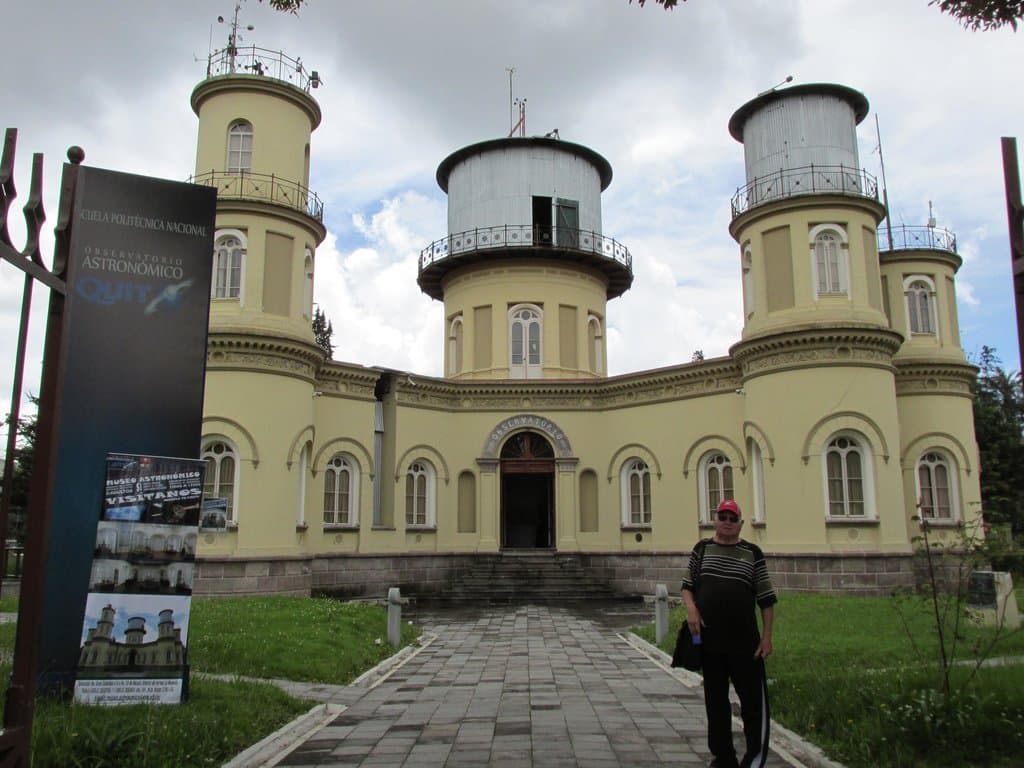
Quito Astronomical Observatory
Explore Quito's scientific past at this historic observatory, featuring antique instruments and panoramic city views.

Highlights
Must-see attractions

Social
From TikTok & Reddit
Best Time
Best for visibility & access
Quito Astronomical Observatory
Best Time
Best for visibility & access
Highlights
Must-see attractions
Explore Quito's scientific past at this historic observatory, featuring antique instruments and panoramic city views.
"A fascinating glimpse into science history, though hours can be unpredictable."
📞 Call Ahead for Hours
Opening times are notoriously unreliable. Always call to confirm before you go!
🚗 Public Transport Recommended
Limited parking. Taxis or public transport are best for reaching the observatory.
Quick Facts
Highlights
Discover the most iconic attractions and experiences
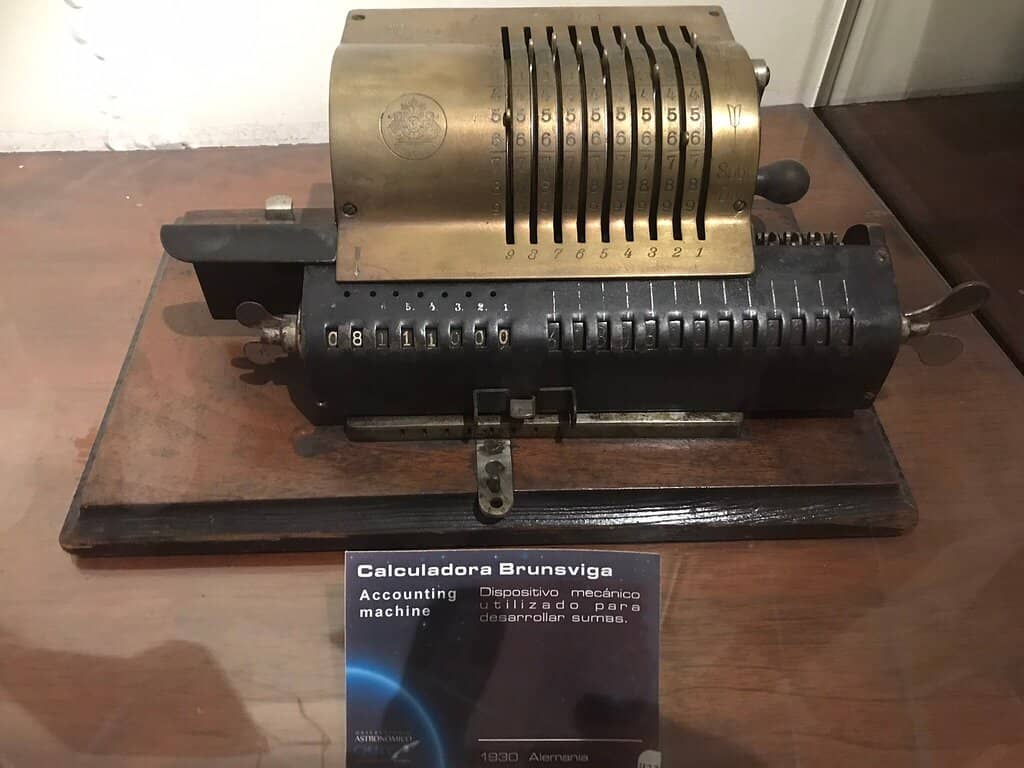
Historical Instruments
Museum Collection
Explore a small but well-presented collection of historical astronomy, geology, and meteorology tools.
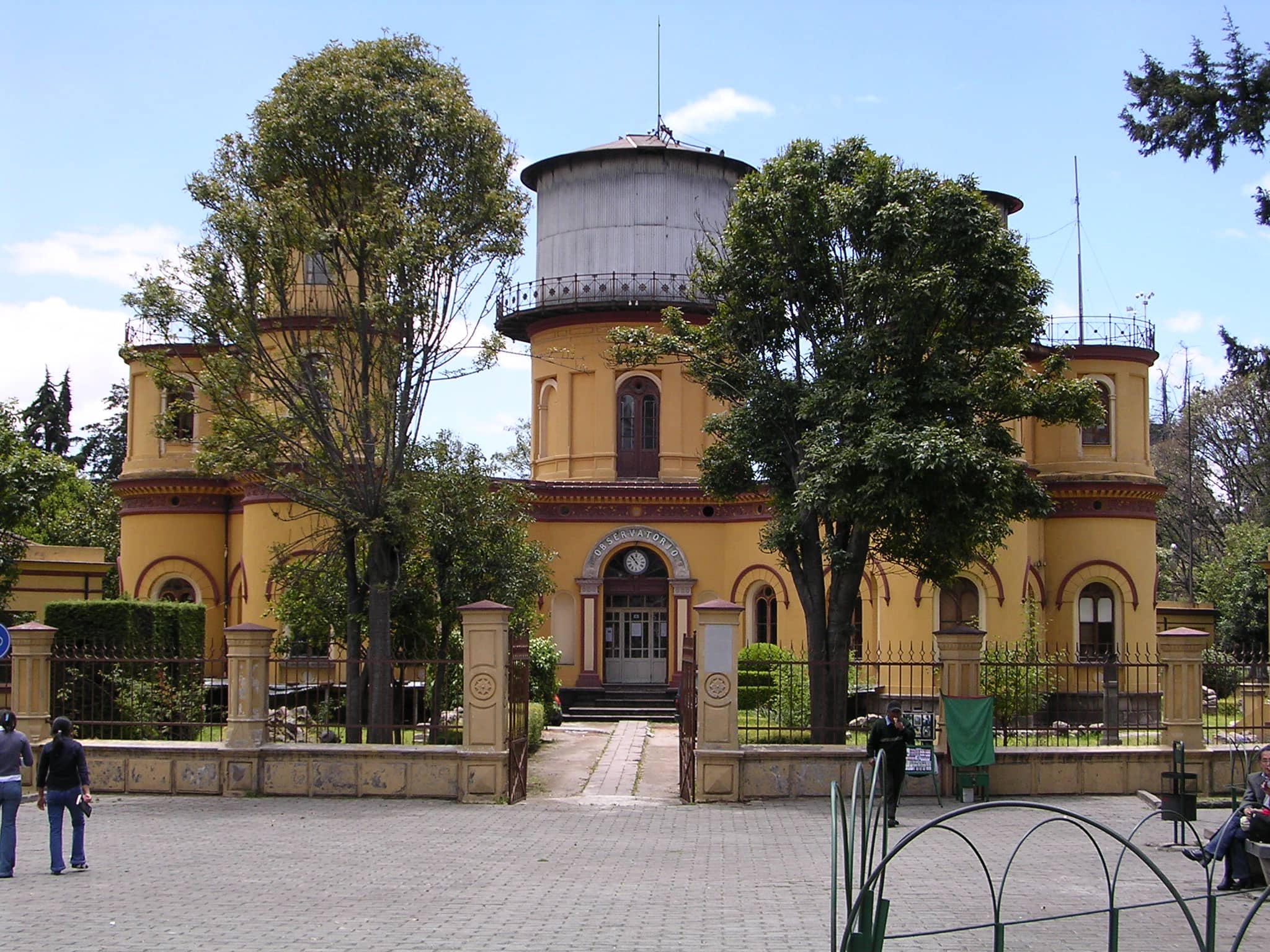
Panoramic Views
Observatory Dome
Ascend to the top of the observatory for unique city views and a glimpse into scientific endeavors.
Park Setting
Surrounding Gardens
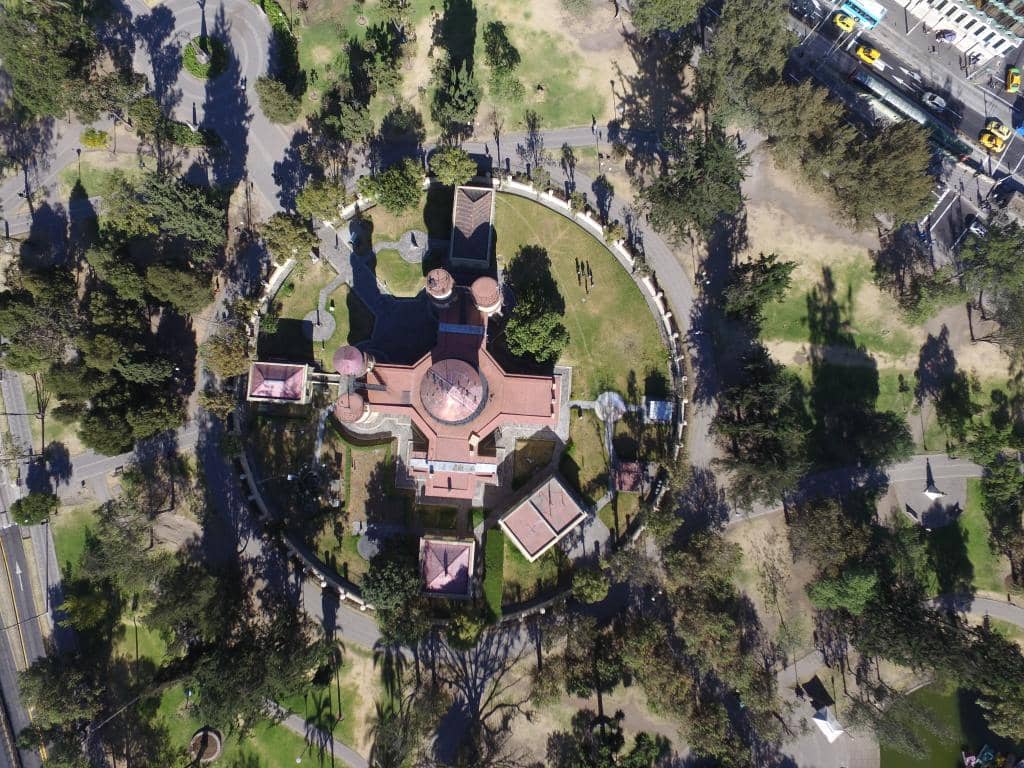
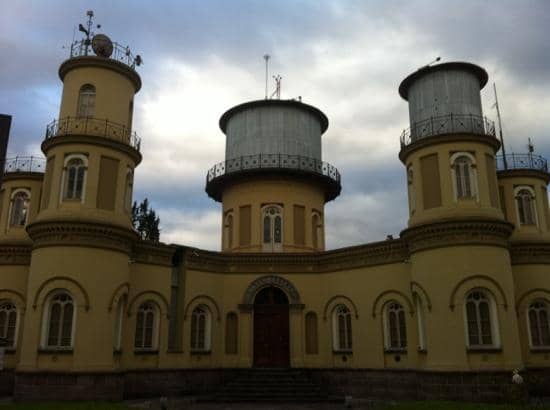
Wander through the park grounds, appreciating the observatory's historic architecture and a notable garden bust.
Plans like a pro.
Thinks like you
Planning Your Visit
Timing is Everything
Getting There & Safety
Best Times
Insider Tips
from TikTok, Instagram & Reddit
📞 Call Ahead for Hours
Opening times are notoriously unreliable. Always call to confirm before you go!
🚗 Public Transport Recommended
Limited parking. Taxis or public transport are best for reaching the observatory.
☀️ Visit During Daylight
For safety and better experience, plan to leave by 4:30-5:00 PM.
🔭 Check for Events
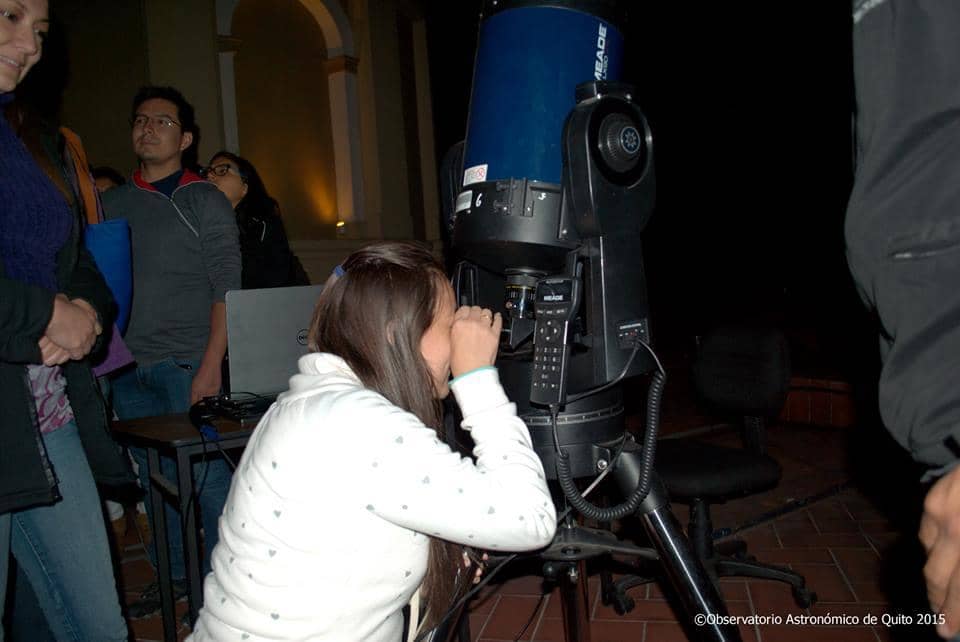
Inquire about potential 'under the stars' events or educational days.
Tips
from all over the internet
📞 Call Ahead for Hours
Opening times are notoriously unreliable. Always call to confirm before you go!
🚗 Public Transport Recommended
Limited parking. Taxis or public transport are best for reaching the observatory.
☀️ Visit During Daylight
For safety and better experience, plan to leave by 4:30-5:00 PM.
🔭 Check for Events
Inquire about potential 'under the stars' events or educational days.
What Travellers Say
Reviews Summary
Visitors find the Quito Astronomical Observatory a fascinating place for its historical scientific instruments and unique architecture, offering a glimpse into the city's scientific past. However, the experience can be marred by inconsistent opening hours and a somewhat run-down appearance of the grounds and building.
"Wonderful astronomy museum. The collection of historical tools and instruments is small, but well presented and very unique. If you are interested in Astronomy, Geology or Meteorology, or the history of science in Quito, this museum and observatory are a must-see."
Evelyn Anne
"The history of this building & people who worked there is very well presented. It includes up-to-date information such as the James Webb telescope. The bonus is that you can go to the top."
Alan Wilson
"This could be a fascinating place to visit but activities and engagement are minimal. Also ,the building itself is run down and the garden is scruffy and unkempt.
They could encourage lots of events and informative days ,educationally.
They could have events under the stars. There is a beautiful bust in the garden.
I am still glad I went at $2,I had very little to lose."
Liza Boon
What People Like
What People Dislike
Frequently Asked Questions
🚇 🗺️ Getting There
The observatory is located in a central Quito park and is easily accessible by public transportation. Many travelers suggest taking a taxi or ride-sharing service due to limited parking availability nearby.
No, there are no dedicated parking areas directly at the observatory. It's recommended to use public transport or a taxi.
Given the lack of parking, public transportation or a taxi/ride-share is the most convenient option for visitors.
The area is generally considered secure during daylight hours. Visitors are advised to leave by late afternoon, around 4:30-5:00 PM.
Depending on your starting point, walking might be an option, but public transport is generally more efficient and recommended. The observatory is situated within a significant city park.
🎫 🎫 Tickets & Entry
The opening hours are highly unpredictable and can change without notice. It's crucial to call ahead or check their social media for the most up-to-date information.
Admission is very affordable, with one reviewer mentioning a cost of $2, making it a low-risk visit.
Advance booking is generally not required, but confirming opening hours is more important due to their inconsistent schedule.
Information on guided tours is not widely available. It's best to inquire upon arrival or check if any special events are scheduled.
Visiting earlier in the day is recommended for better chances of the observatory being open and for clearer views.
🎫 🔭 Onsite Experience
You can explore a collection of historical astronomy, geology, and meteorology instruments, see up-to-date scientific information, and go to the top of the observatory for views.
While it offers historical scientific instruments, the engagement and activities might be minimal, which could affect younger children's interest.
Some visitors have noted that the building appears run-down and the garden is unkempt, though others find charm in its historic nature.
There's potential for events like 'under the stars' nights or educational days, but these are not consistently advertised. Inquiring locally is advised.
Photography is generally permitted, but it's always good practice to be respectful of the exhibits and other visitors.
📸 📸 Photography
Capture the unique architecture of the domes, the historical instruments inside, and the panoramic views from the top. The surrounding park also offers scenic shots.
Yes, photography is generally allowed inside the museum, allowing you to document the historical scientific tools.
While not explicitly stated, it's always best to be mindful of other visitors and avoid flash photography that might disturb exhibits or people.
Early afternoon light can be good for exterior shots of the observatory and park. For interior shots, the available light will depend on the building's windows.
Drone usage is typically restricted in urban parks and historical sites. It's advisable to check local regulations before attempting to fly a drone.
You may also like

Quito Historic Center

Parque La Alameda

Quito Planetarium

Pasochoa Wildlife Refuge

Papallacta Hot Springs

La Floresta neighborhood street art
Quito Historic Center
Parque La Alameda
Quito Planetarium
Pasochoa Wildlife Refuge
Papallacta Hot Springs
La Floresta neighborhood street art
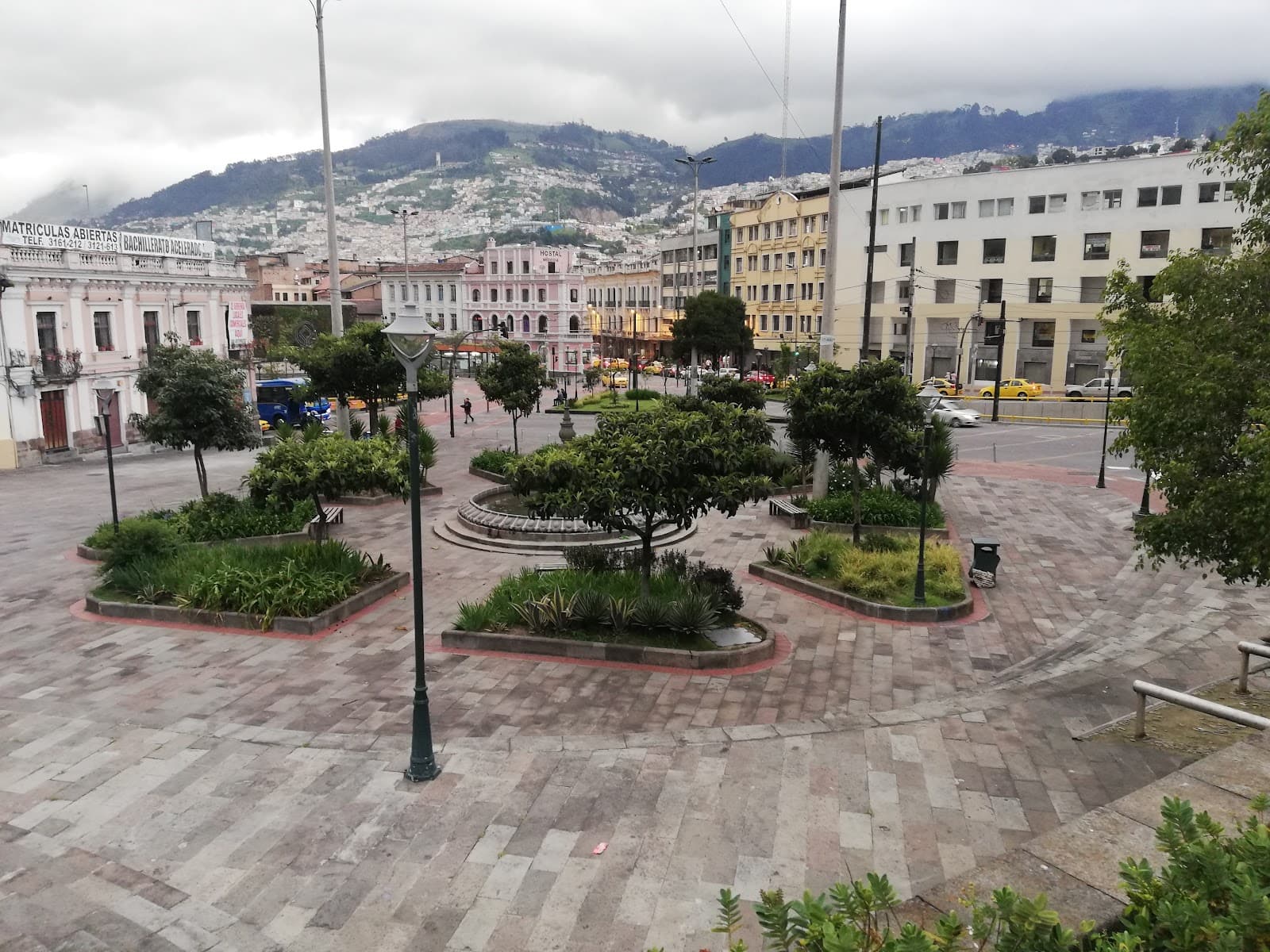
Plaza de San Blas and Church

Parque El Ejido

San Agustín Church and Convent

Itchimbía Park and Crystal Palace

Pululahua Geobotanical Reserve

Social
from TikTok, Instagram & Reddit