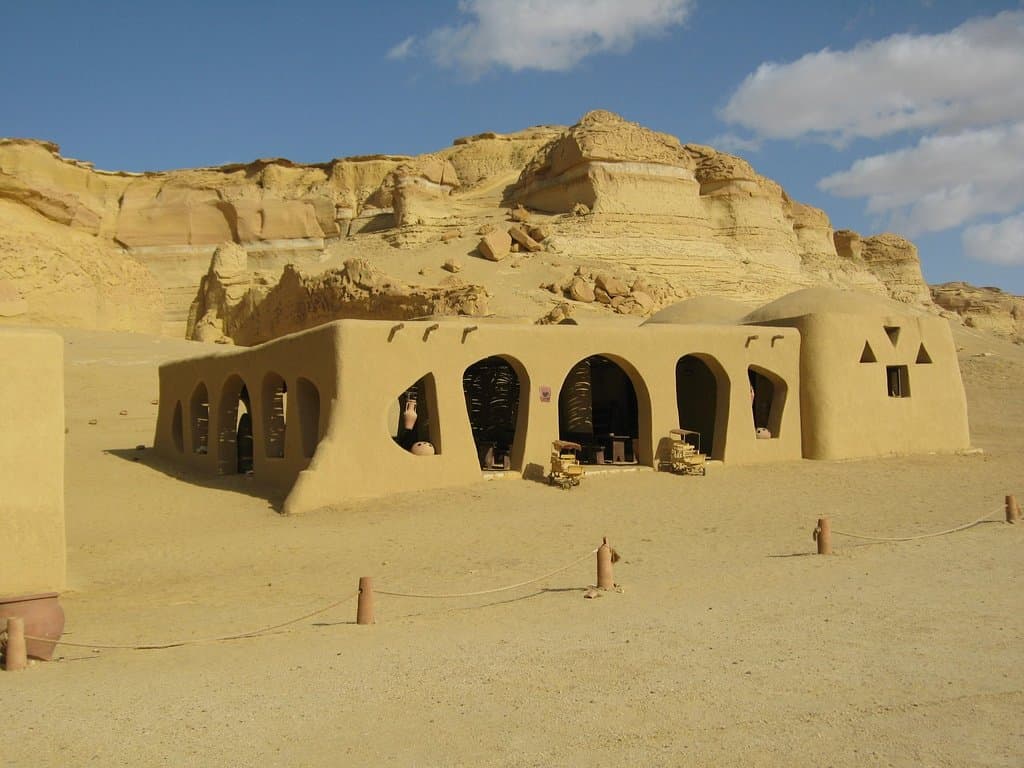
Wadi Al-Hitan (Whale Valley) Cairo
Discover ancient whale fossils in the desert at Wadi Al-Hitan, a UNESCO site showcasing evolution's incredible journey from land to sea.

Highlights
Must-see attractions

Social
From TikTok & Reddit
Best Time
Pleasant temperatures for exploring
Wadi Al-Hitan (Whale Valley) Cairo
Best Time
Pleasant temperatures for exploring
Highlights
Must-see attractions
Discover ancient whale fossils in the desert at Wadi Al-Hitan, a UNESCO site showcasing evolution's incredible journey from land to sea.
"Impressive to see these old bones in the middle of desert after a wonderful drive."
🚗 4x4 Recommended
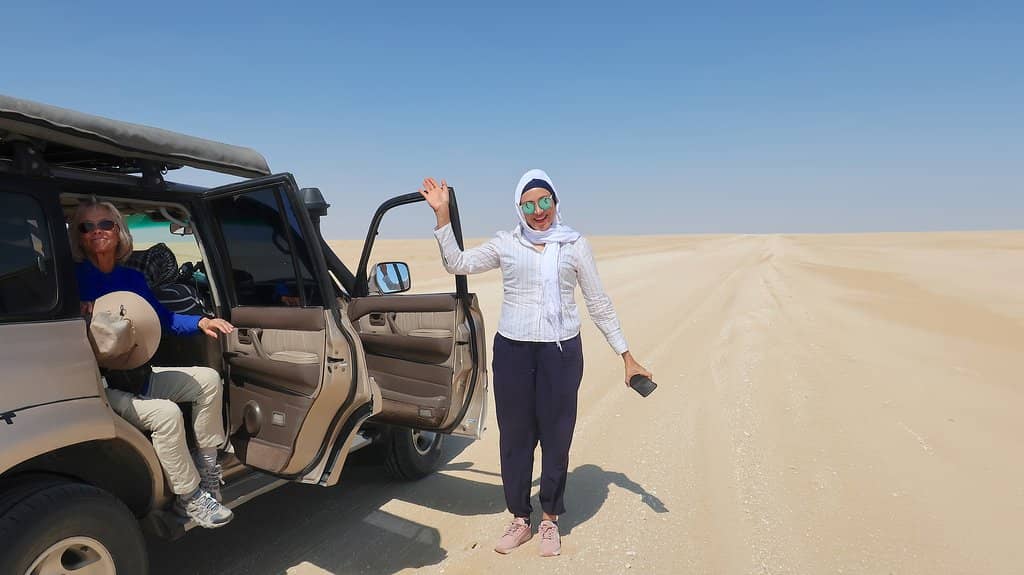
The final road to Wadi Al-Hitan is bumpy. A 4x4 vehicle is highly recommended for a smoother journey.
💧 Stay Hydrated
It's the desert! Bring ample water, especially during warmer months. Sunscreen and hats are essential.
Quick Facts
Hours
Rating
4.7 · 976 reviews
Type
National Park
Highlights
Discover the most iconic attractions and experiences
Ancient Whale Fossils
Wadi Al-Hitan
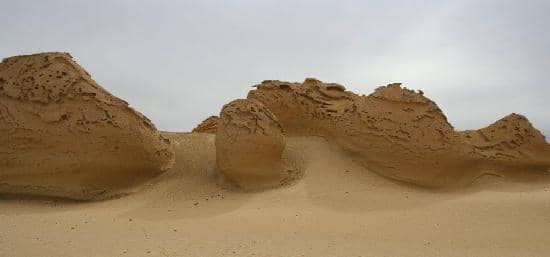
Marvel at the fossilized remains of ancient whales, showcasing their incredible evolution from land to sea. Truly mind-blowing!

On-site Museum
Wadi Al-Hitan Visitor Center
Explore an amazing museum detailing the paleontological significance of the valley and the evolution of whales.

Desert Drive
Route to Wadi Al-Hitan
Enjoy a scenic, albeit bumpy, drive through the desert landscape leading to this extraordinary paleontological site.
Plans like a pro.
Thinks like you
Planning Your Visit
Desert Heat & 4x4 Necessity
Fossil Focus & Limited Amenities
Best Times
Insider Tips
from TikTok, Instagram & Reddit
🚗 4x4 Recommended
The final road to Wadi Al-Hitan is bumpy. A 4x4 vehicle is highly recommended for a smoother journey.
💧 Stay Hydrated
It's the desert! Bring ample water, especially during warmer months. Sunscreen and hats are essential.
🦟 Mosquito Repellent
Don't forget your mosquito repellent, particularly if you plan to camp overnight.
📸 Capture the Fossils
The whale bone fossils are incredibly preserved and a sight to behold. Take your time to appreciate them.
Tips
from all over the internet
🚗 4x4 Recommended
The final road to Wadi Al-Hitan is bumpy. A 4x4 vehicle is highly recommended for a smoother journey.
💧 Stay Hydrated
It's the desert! Bring ample water, especially during warmer months. Sunscreen and hats are essential.
🦟 Mosquito Repellent
Don't forget your mosquito repellent, particularly if you plan to camp overnight.
📸 Capture the Fossils
The whale bone fossils are incredibly preserved and a sight to behold. Take your time to appreciate them.
🏕️ Camping Option
For a unique experience, consider camping. Bathrooms are cleaner in the morning if you plan to stay overnight.
What Travellers Say
Reviews Summary
Visitors consistently praise Wadi Al-Hitan for its unique and impressive paleontological significance, calling it a majestic and awe-inspiring UNESCO World Heritage site. The well-preserved whale fossils and informative museum are major highlights. However, the journey can be challenging due to bumpy roads, and amenities like bathrooms are basic.
"It was great!!!... hot, but its summer!!!... amazing place and very interesting. Never would guess this place was once underwater..."
Ced
"One of the most majestic places in Fayoum city, bathrooms a bit smelly but if you plan on having a camping you will find the bathroom cleaner in the morning, there is a decent cafeteria and the museum is amazing and the people are very friendly the only downside is the road is bumpy at the end a 4x4 is recommended, bring your mosquito repellent with you."
aly hazzaa
"What Unesco World Heritage is meant for. Impressive to see these old bones in the middle of desert after a wonderful drive."
Dennis van Bart
What People Like
What People Dislike
Frequently Asked Questions
🚇 🗺️ Getting There
Wadi Al-Hitan is located in the Western Desert, about 3-4 hours from Cairo. The best way to get there is by hiring a private car, preferably a 4x4, as the final stretch of the road is quite bumpy. Many tour operators in Cairo offer day trips to Wadi Al-Hitan, which often include transportation and a guide.
While not strictly mandatory, a 4x4 vehicle is highly recommended. The road leading to the site can be challenging, with rough terrain and sand. A standard car might struggle, and you risk getting stuck.
Yes, it's a popular day trip destination from Cairo. However, be prepared for a long day of travel due to the distance and road conditions. Starting early is key.
Public transportation directly to Wadi Al-Hitan is very limited, if available at all. Hiring a private driver or joining a guided tour is the most practical way to reach the site.
The drive involves highways for the initial part, transitioning to desert tracks. The latter part of the journey is known for its bumpy and uneven terrain, making a 4x4 a significant advantage.
🎫 🎫 Tickets & Entry
Yes, there is an entrance fee for Wadi Al-Hitan. The fee typically covers access to the site and the visitor center. It's advisable to check current pricing before your visit, as it can change.
Wadi Al-Hitan is generally open during daylight hours. It's best to confirm the exact opening and closing times with your tour operator or local authorities, as they can vary.
The entrance fee for Wadi Al-Hitan usually includes access to the visitor center and museum. The museum provides valuable context to the fossil discoveries.
Tickets are typically purchased on-site upon arrival. If you are joining a tour, the ticket cost will likely be included in your tour package.
Information on specific discounts is not widely available. It's always a good idea to inquire locally or with your tour provider if you believe you might qualify for any concessions.
🎫 🧭 Onsite Experience
Wadi Al-Hitan is famous for its remarkably preserved fossilized skeletons of ancient whales, showcasing their evolutionary transition from land mammals to marine life. You can see whale skeletons with visible back feet, offering a unique glimpse into prehistoric life.
Yes, there is an excellent visitor center and museum at Wadi Al-Hitan. It provides detailed information about the fossils, the geological history of the area, and the evolution of whales.
Facilities are basic. There is a visitor center with a museum and a cafeteria. Restrooms are available, though some reviews mention they can be a bit smelly.
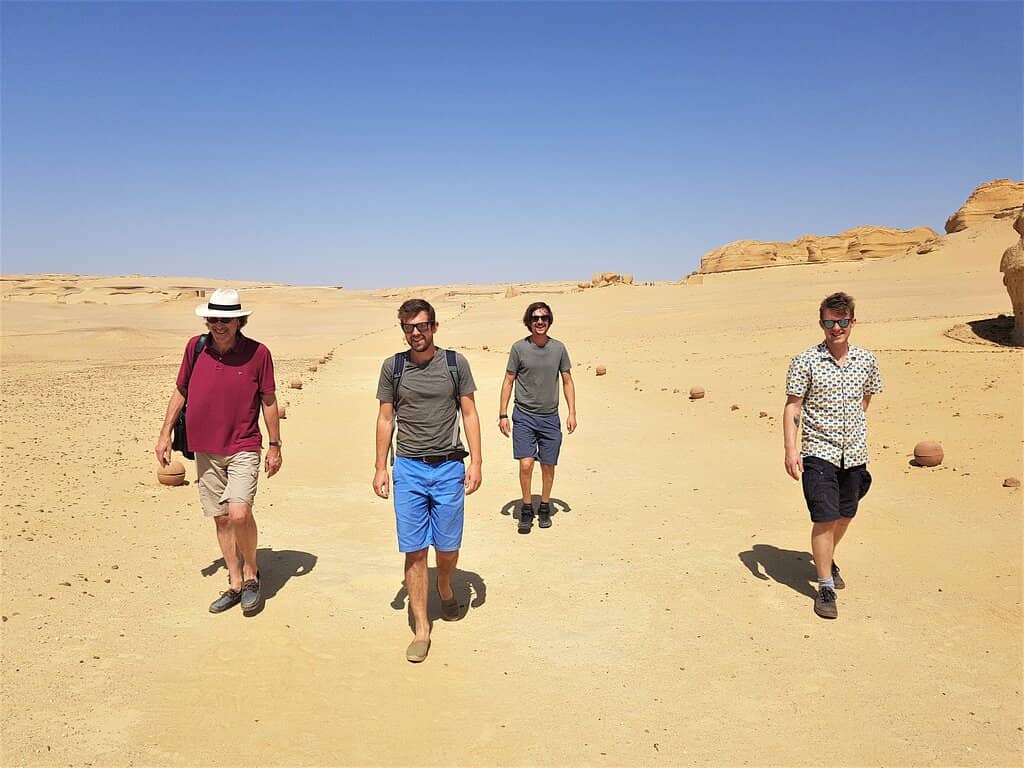
Yes, you can walk around the site to view the exposed fossils. The area is designed to protect the excavations while allowing visitors to observe them. Wear comfortable shoes.
Camping is an option at Wadi Al-Hitan, offering a unique desert experience. If you plan to camp, be prepared for basic facilities and bring necessary supplies.
🍽️ 🍽️ Food & Dining
There is a cafeteria at the Wadi Al-Hitan visitor center that offers some food and drinks. However, options are limited, so it's advisable to bring your own snacks and plenty of water, especially for a day trip.
The cafeteria typically offers basic refreshments and snacks. Don't expect a wide gourmet menu; it's more for quick bites and drinks to sustain you during your visit.
Reviews suggest it's decent for basic needs, but many visitors opt to bring their own food or eat before/after their visit to ensure variety and satisfaction.
Yes, bringing your own food and drinks is highly recommended. This gives you more flexibility and ensures you have what you need, especially given the remote desert location.
Wadi Al-Hitan is quite remote, so dining options immediately nearby are scarce. Most visitors either pack a picnic or dine in Fayoum city or back in Cairo after their visit.
📸 📸 Photography
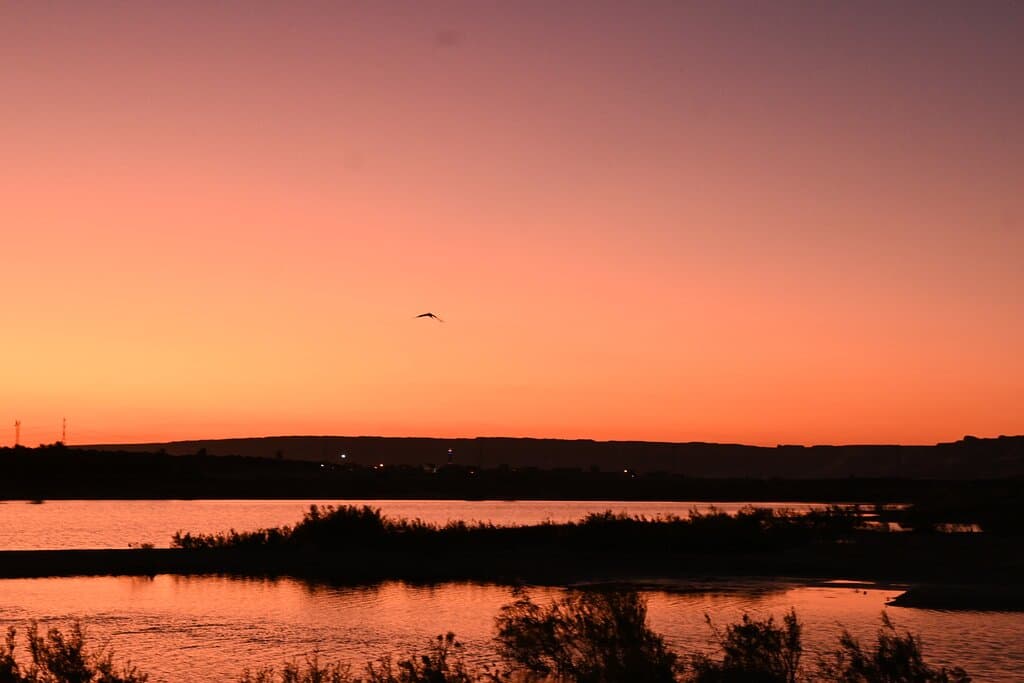
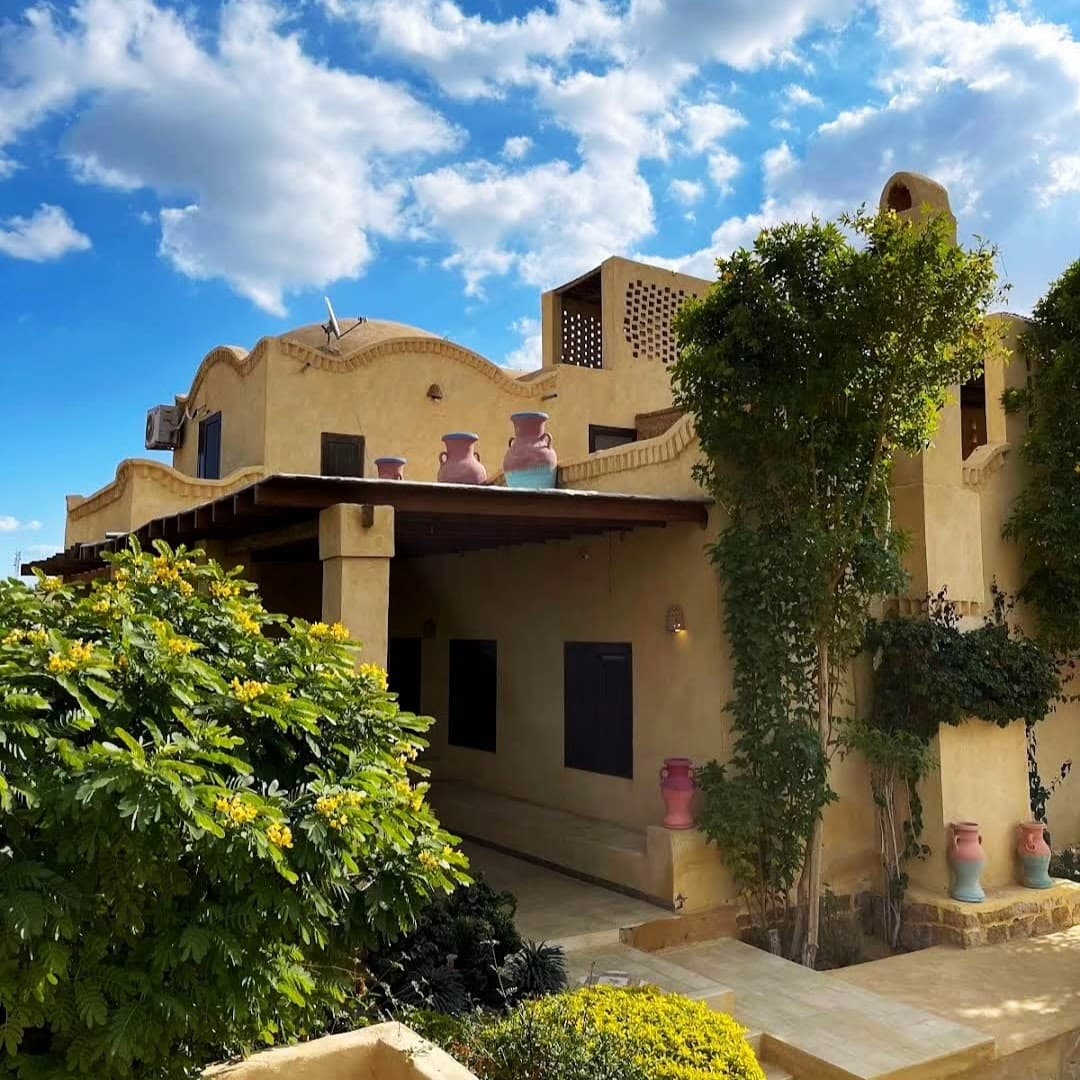
The primary photo opportunities are the incredibly preserved whale fossils themselves, showcasing their ancient forms in the desert landscape. The vast desert scenery and the visitor center architecture also offer unique shots.
Photography is generally allowed inside the museum, but it's always good practice to check for any specific signage or ask staff if you're unsure. Be mindful of other visitors.
Early morning or late afternoon offers the best light for photography, with softer shadows and a more dramatic desert glow. Midday sun can be harsh.
While generally permitted, avoid intrusive photography that disturbs other visitors or the site itself. Respect any designated no-photography zones.
A versatile lens (like a 24-70mm equivalent) is useful for both landscapes and close-ups of fossils. A wide-angle lens can capture the expansive desert views. Consider a tripod for low-light conditions if camping.






Social
from TikTok, Instagram & Reddit