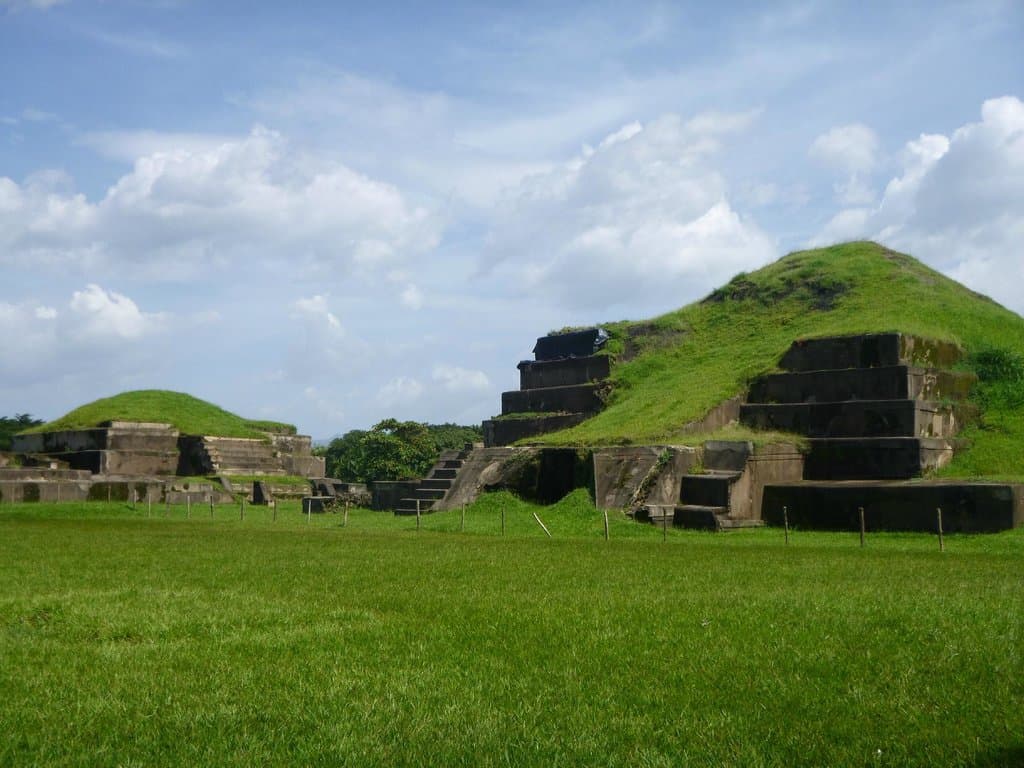
Joya de Cerén Archaeological Site
El Salvador's 'Pompeii,' a Mayan village preserved by volcanic ash, offering a rare look at ancient daily life.
Highlights
Must-see attractions

Social
From TikTok & Reddit
Best Time
Fewer school groups
Joya de Cerén Archaeological Site
Best Time
Fewer school groups
Highlights
Must-see attractions
El Salvador's 'Pompeii,' a Mayan village preserved by volcanic ash, offering a rare look at ancient daily life.
"A unique place offering a glimpse into everyday life, preserved by volcanic ash."
🎯 Visit Museum First
Get the full story! The museum explains the site's history and preservation before you see the ruins.
👟 Comfortable Shoes
You'll be walking around the site, so wear comfy shoes for exploring the ruins.
Quick Facts
Hours
Rating
4.5 · 1,679 reviews
Highlights
Discover the most iconic attractions and experiences
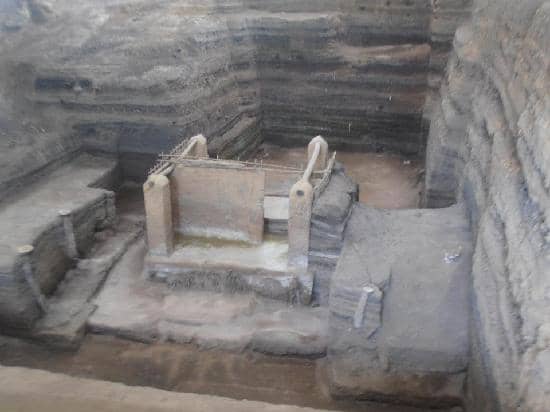
The Preserved Village
Under protective canopies
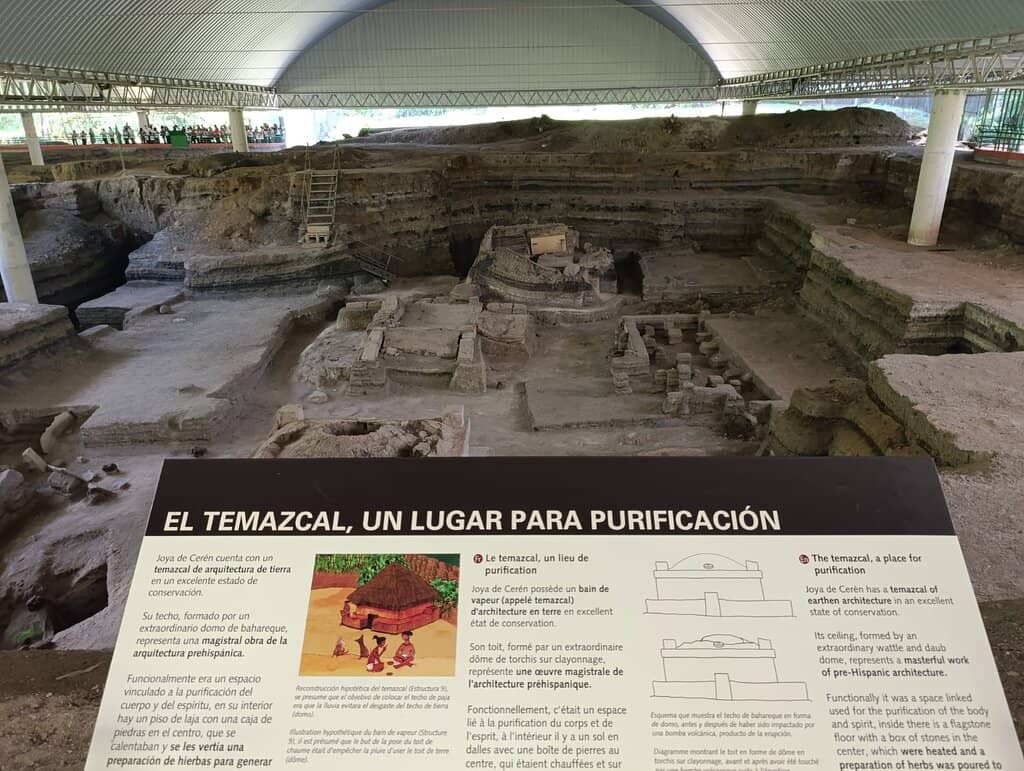
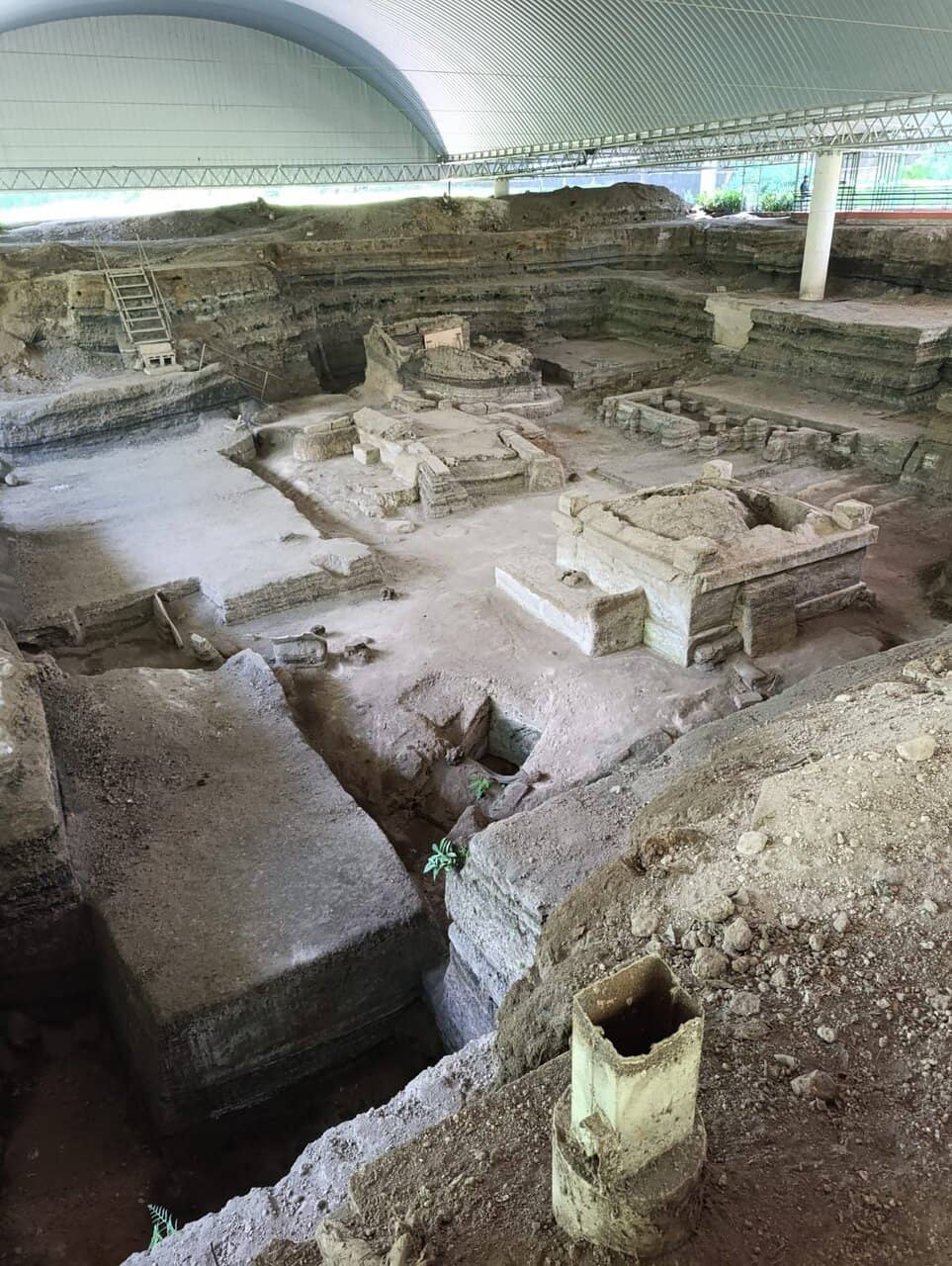
Walk through the remarkably preserved ruins of a Mayan farming village, frozen in time by volcanic ash.
The On-Site Museum
Entrance area
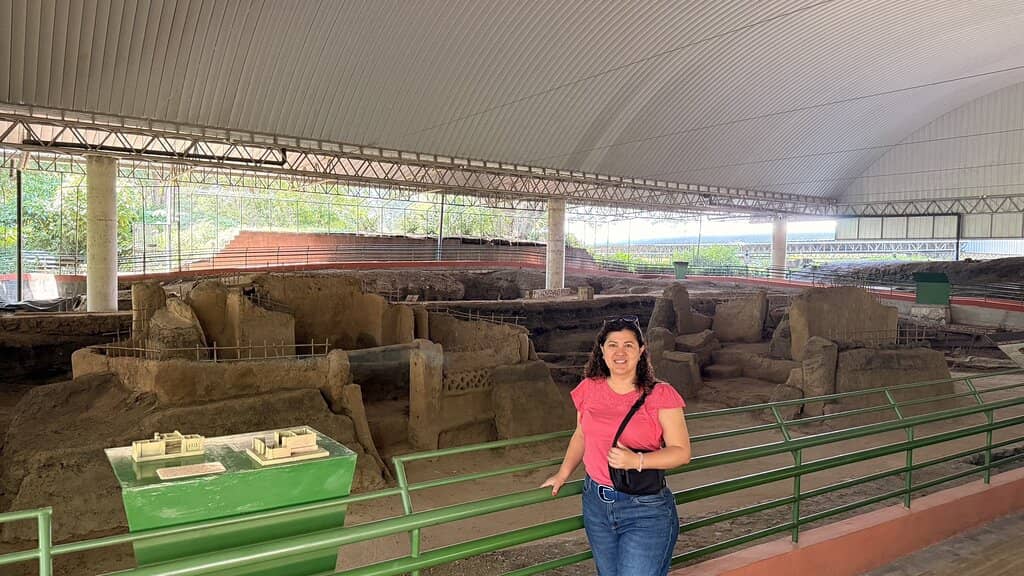
Gain insights into the excavation process and daily Mayan life through artifacts and multilingual displays.
Replicas of Daily Life
Throughout the site
See accurate replicas that help visualize how the inhabitants lived and worked in this ancient community.
Plans like a pro.
Thinks like you
Planning Your Visit
El Salvador's Pompeii
 +1
+1Museum First for Context
Best Times
Insider Tips
from TikTok, Instagram & Reddit
🎯 Visit Museum First
Get the full story! The museum explains the site's history and preservation before you see the ruins.
👟 Comfortable Shoes
You'll be walking around the site, so wear comfy shoes for exploring the ruins.
💧 Stay Hydrated
El Salvador can be warm. Bring water, especially if visiting during the hotter parts of the day.
🚗 Easy to Find
The site is straightforward to locate, with clear signage and parking available.
Tips
from all over the internet
🎯 Visit Museum First
Get the full story! The museum explains the site's history and preservation before you see the ruins.
👟 Comfortable Shoes
You'll be walking around the site, so wear comfy shoes for exploring the ruins.
💧 Stay Hydrated
El Salvador can be warm. Bring water, especially if visiting during the hotter parts of the day.
🚗 Easy to Find
The site is straightforward to locate, with clear signage and parking available.
📸 Capture History
While photography is allowed, focus on capturing the unique preservation and historical context.
What Travellers Say
Reviews Summary
Visitors praise Joya de Cerén as a unique and historically significant site, often comparing it to the "Pompeii of the Americas" for its exceptional preservation of a Mayan farming village under volcanic ash. The on-site museum is highly recommended for providing essential context. While some find the site smaller than expected, its distinctiveness and educational value make it a worthwhile attraction, especially for those interested in everyday ancient life.
"What a unique place! Not only is it the only Mayan place preserved that wasn't a temple, giving us a glimpse into everyday life, but it is also one of the only volcanically preserved places on earth!
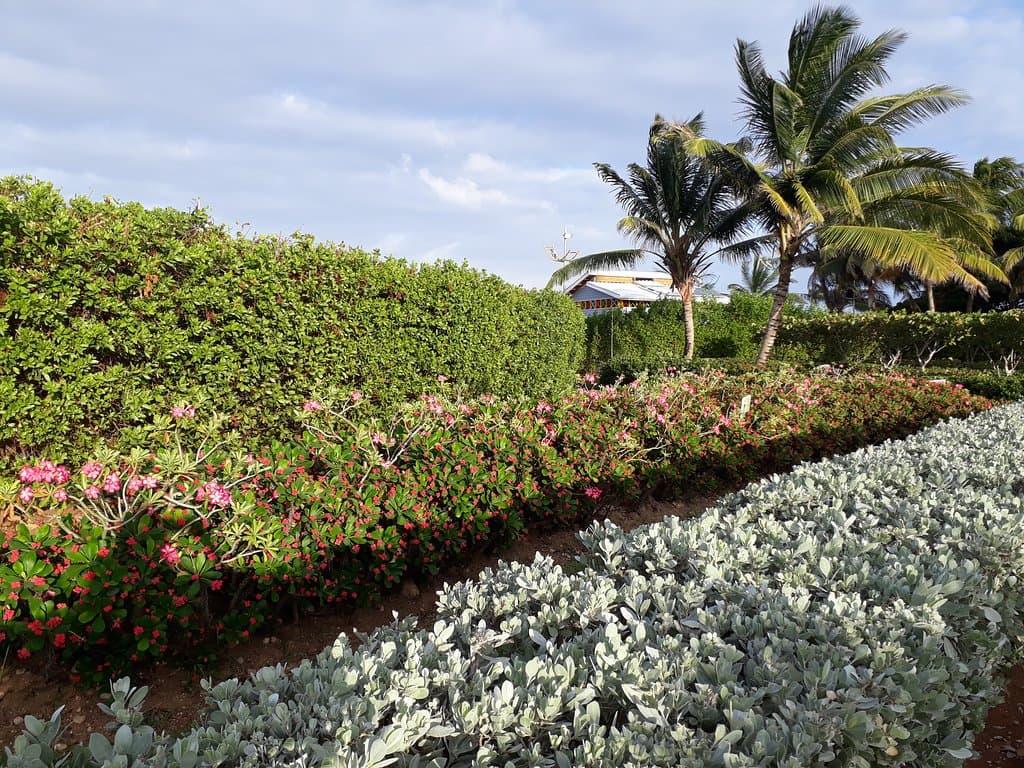
The whole place is well shaded and a nice walk. There are lots of flowers and trees.
Ticket includes the museum, I wish we went to the museum first as some of the best information was there. Highly recommended attraction."
Ben R
"This is a very cool attraction. The only time I’ve seen an entire village as ruins underground and covered by dirt and volcanic ash. There is a small but beautiful museum at the entrance with descriptions in three languages. It explains their process of digging these artifacts. Then replicas of items they have found.
The ruins themselves are all underground and covered for protection under big canopies. There are two sites. Both are fascinating. You can also pay for a guided tour but you don’t really need too.
It was easy to find, has clean bathrooms and large areas for seating or a picnic. I imagine this is a popular place for school field trips.
I didn’t give it 5 stars only because it’s smaller than I expected. You’ll be in and out in about 30 mins. Still, worth the hour drive it took me to get there."
Karen Melo Ticas, CFP
"Tour guides are included in purchase of ticket, I always tip them but it doesn’t seem like it’s expected. Tourist entrance was kind of pricey…$10 per person and $1 parking fee.
Very cool place and worth visiting, probably spent around 30 mins there. No souvenirs nearby."
Sil Via
What People Like
What People Dislike
Frequently Asked Questions
🚇 🗺️ Getting There
You can reach Joya de Cerén by car or public bus. If taking the bus, Route 202 from San Salvador is a common option, connecting to other nearby archaeological sites like Tazumal and San Andrés. The drive is approximately 36 kilometers northwest of San Salvador.
Yes, public transport is a viable option. Bus route 202 is frequently mentioned for connecting San Salvador to Joya de Cerén and other archaeological sites in the region.
Yes, there is parking available at the site. It's generally considered easy to find parking, and there's a small fee associated with it.
Absolutely! Many visitors combine Joya de Cerén with nearby sites like Tazumal and San Andrés for a comprehensive Mayan history tour in a single day.
Joya de Cerén has made efforts towards inclusion, with some areas being accessible for people with visual impairments. Inquire at the site for the most current accessibility information.
🎫 🎫 Tickets & Entry
Joya de Cerén is typically open daily from 9 AM to 4 PM. It's always a good idea to confirm hours before your visit, especially on holidays.
The entrance fee is around $10 USD per person, with an additional small fee for parking. While some find it a bit pricey, many consider it worthwhile for the unique experience.
Yes, guided tours are often included with the ticket purchase. While not strictly necessary, a guide can significantly enhance your understanding of the site. Tipping guides is appreciated but not always expected.
Information on online ticket purchasing is not widely available. It's best to plan on purchasing tickets upon arrival at the site.
Yes, your admission ticket to Joya de Cerén typically includes access to the on-site museum, which is highly recommended to visit first.
🎫 🧭 Onsite Experience
The primary draw is the remarkably preserved Mayan farming village, buried by volcanic ash around AD 600. It offers a rare look into the daily lives of common people, unlike most Mayan sites focused on temples. +1
Most visitors spend about 30 minutes to an hour exploring the site and museum. It's a relatively compact but impactful experience.
Yes, the site is well-shaded by canopies covering the ruins, making it a comfortable place to visit even during warmer parts of the day.
The site offers clean restrooms, making it a comfortable stop for visitors.
Yes, there are large areas suitable for seating and picnics, making it a pleasant spot to relax after exploring the ruins.
📸 📸 Photography
Photography is generally permitted at Joya de Cerén. Visitors are encouraged to capture the unique preservation and historical significance of the site.
Focus on capturing the preserved structures under the protective canopies and any visible artifacts or replicas. The museum also offers interesting photographic opportunities.
While specific restrictions are not widely detailed, it's always respectful to avoid intrusive photography, especially if there are guided tours in progress or if photographing individuals.
Social
from TikTok, Instagram & Reddit