
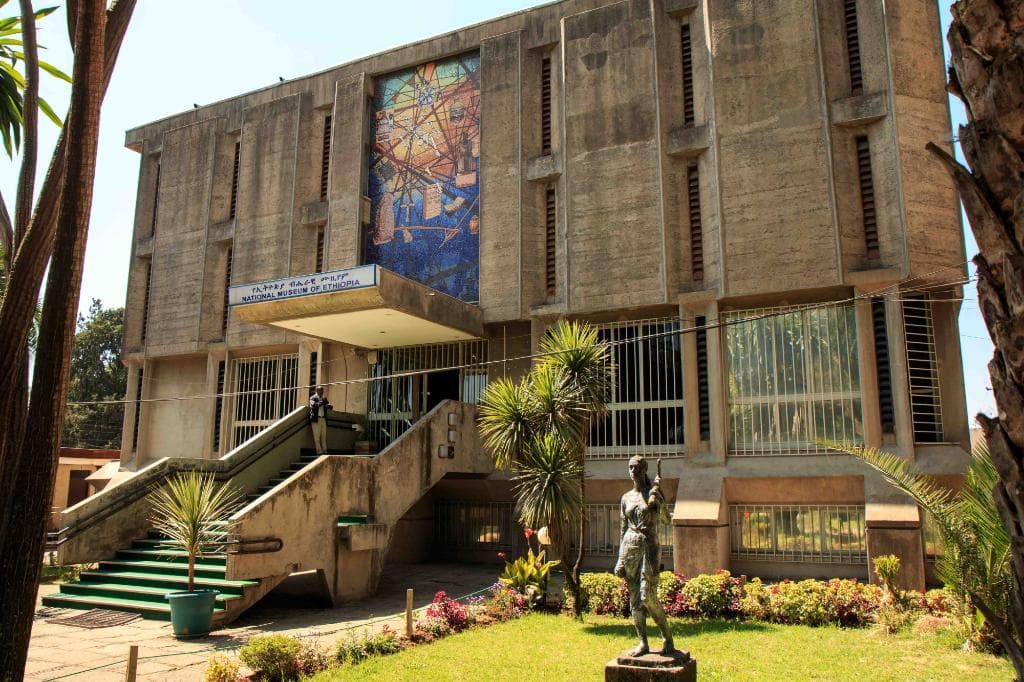
National Archives and Library of Ethiopia
Preserving Ethiopia's rich history through invaluable archives and a comprehensive library for research and learning.
Highlights
Must-see attractions

Social
From TikTok & Reddit
Best Time
Fewer crowds, more focus
National Archives and Library of Ethiopia
Best Time
Fewer crowds, more focus
Highlights
Must-see attractions
Preserving Ethiopia's rich history through invaluable archives and a comprehensive library for research and learning.
"It's great for work and a place for minds of youth, offering deep historical insights."

Handle with Respect
Be mindful of delicate older books; consider wearing gloves if handling them.
Quiet Study Zone
Ideal for researchers and students seeking a peaceful environment for study.

Quick Facts
Hours
Rating
4.4 · 18 reviews
Type
Library
Highlights
Discover the most iconic attractions and experiences
Historical Document Collection
Explore a vast array of ancient manuscripts and official records, offering deep insights into Ethiopia's past.
Library Reading Rooms
A quiet sanctuary for researchers and students to delve into Ethiopia's literary and historical treasures.

Archival Exhibits
Discover curated displays showcasing significant moments and figures in Ethiopian history.
Plans like a pro.
Thinks like you
Planning Your Visit
Handle with Care: Preserving History
A Glimpse into Ethiopia's Past
Best Times
Insider Tips
from TikTok, Instagram & Reddit
Handle with Respect
Be mindful of delicate older books; consider wearing gloves if handling them.
Quiet Study Zone
Ideal for researchers and students seeking a peaceful environment for study.
Check Exhibition Schedules
Inquire about any special exhibitions or events during your visit.
Tips
from all over the internet
Handle with Respect
Be mindful of delicate older books; consider wearing gloves if handling them.
Quiet Study Zone
Ideal for researchers and students seeking a peaceful environment for study.
Check Exhibition Schedules
Inquire about any special exhibitions or events during your visit.
What Travellers Say
Reviews Summary
The National Archives and Library of Ethiopia is recognized as a valuable resource for research and intellectual exploration, with visitors noting its suitability for focused work. However, there's a specific concern raised about the handling of older books, emphasizing the need for proper preservation techniques like wearing gloves.
"I saw some workers touch older books by their hands without gloves.
It will be good if they use gloves when they touch older books. This is because our hands have germs, enzyms like protases which may distruct the composition of the book in the long run.
Please make it the habit to wear gloves when touching them."
Hope Hope
"it's great for work"
ebenz
"Place for minds of youth"
nebiyu mulugeta
What People Like
What People Dislike
Frequently Asked Questions
🚇 🗺️ Getting There
The National Archives and Library of Ethiopia is located in Addis Ababa. Visitors can reach it via local taxis or ride-sharing services. Public transportation options might be available, but taxis offer more direct access.
Information on dedicated parking facilities is limited. It's advisable to check with the institution directly or rely on taxi services for convenient drop-off and pick-up.
Travel times can vary significantly due to traffic in Addis Ababa. From areas like Bole, it might take 20-40 minutes by car, depending on the time of day. +1
The Archives is situated within the city, and while specific nearby landmarks aren't widely publicized, using GPS navigation with the official address is recommended.
Yes, taxis and ride-sharing services are generally available in Addis Ababa, making it relatively easy to find transportation after your visit.
🎫 🎫 Tickets & Entry
Entry to the National Archives and Library of Ethiopia is generally free for general access, though specific exhibitions or research areas might have different policies. It's always best to confirm on-site.
The operating hours can vary. Typically, institutions like this are open during weekdays, often from morning to late afternoon. It's recommended to check their official schedule before visiting.
Weekend access might be limited or unavailable, as many archives and libraries operate primarily on weekdays for research and administrative purposes. Confirm their weekend schedule.
While general entry is often free, special exhibitions may incur a fee. Information regarding such charges is usually available at the entrance or on their official website.
For general visits, advance booking is usually not required. However, if you plan to conduct in-depth research or access specific collections, contacting the archives beforehand is advisable.
🎫 🏛️ Onsite Experience
You can find a wide range of historical documents, including ancient manuscripts, government records, and cultural artifacts that chronicle Ethiopia's past.
Photography policies can vary. Some areas might permit non-flash photography for personal use, while others, especially those with delicate artifacts, may prohibit it. Always check for signage or ask staff.
Guided tours may be offered, especially for specific exhibitions or historical overviews. Inquire at the information desk upon arrival for availability.
The atmosphere is generally quiet and studious, conducive to research and reflection on historical materials.
Yes, dedicated research areas with study desks are typically available for those needing to consult documents. Access to computers might also be provided.
🎫 📚 Research & Collections
Researchers usually need to fill out a request form detailing the materials they wish to access. Staff will then retrieve the documents for consultation in designated areas.
Handle all materials with extreme care. It's recommended to use gloves when touching older books to prevent damage from skin oils and germs.
Yes, most archives and libraries maintain a catalog or database to help users find specific items within their collections. Inquire about accessing this resource.
Copying policies vary. Some documents may be photocopied or digitized for a fee, while others, due to their fragility or copyright restrictions, cannot be reproduced.
The archives cover a broad spectrum of Ethiopian history, from ancient times to more recent periods, offering a comprehensive view of the nation's development.





Social
from TikTok, Instagram & Reddit