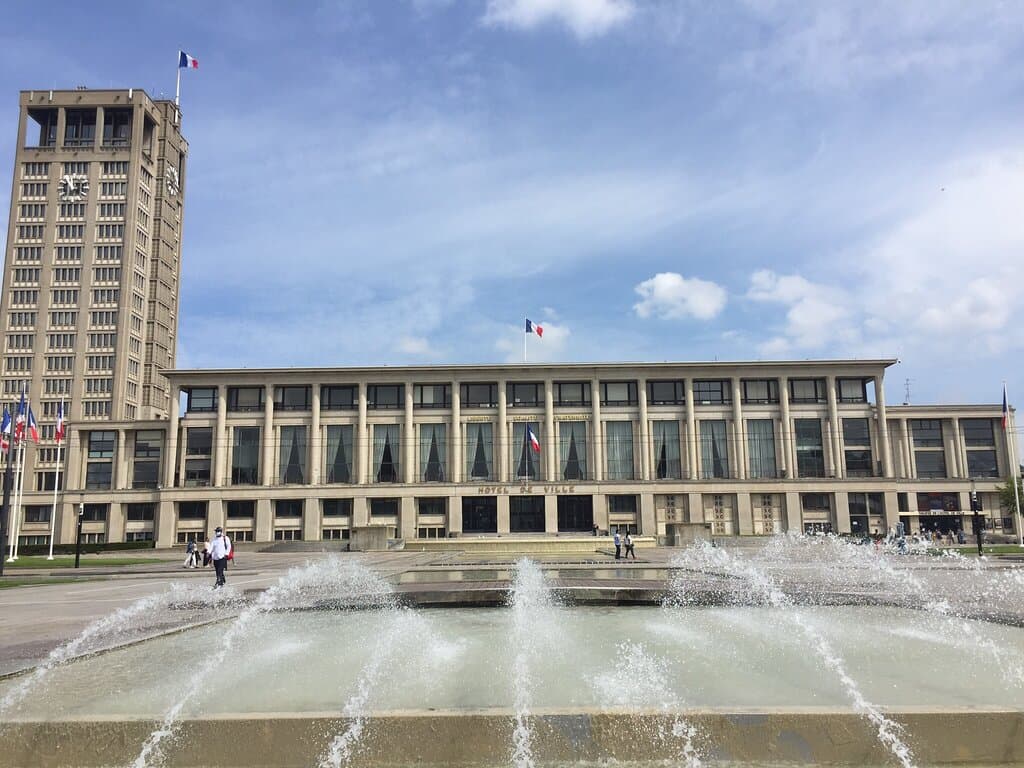
Perret District UNESCO
A UNESCO World Heritage site showcasing groundbreaking post-war reconstruction and modernist concrete architecture by Auguste Perret.
Highlights
Must-see attractions

Social
From TikTok & Reddit
Best Time
Fewer crowds, better light for photos
Perret District UNESCO
Best Time
Fewer crowds, better light for photos
Highlights
Must-see attractions
A UNESCO World Heritage site showcasing groundbreaking post-war reconstruction and modernist concrete architecture by Auguste Perret.
"A gorgeous space, rich with history, showcasing Perret's vision for a rebuilt city."
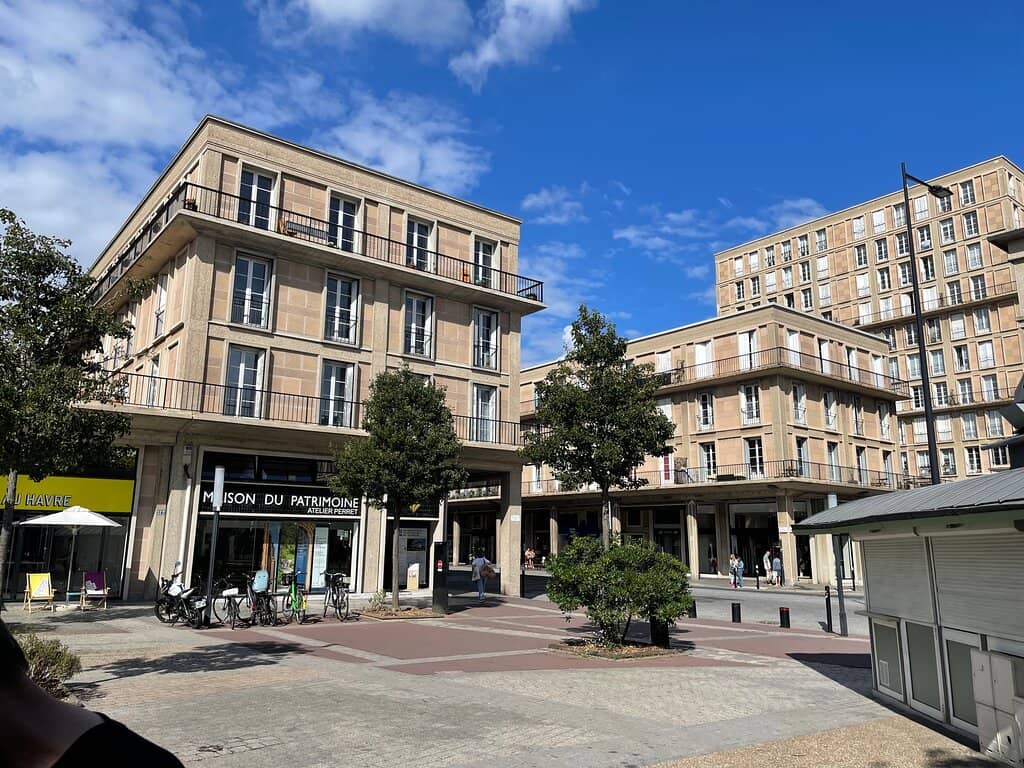
🚶♀️ Walk the District
Explore on foot to truly appreciate the scale and details of Perret's urban design.
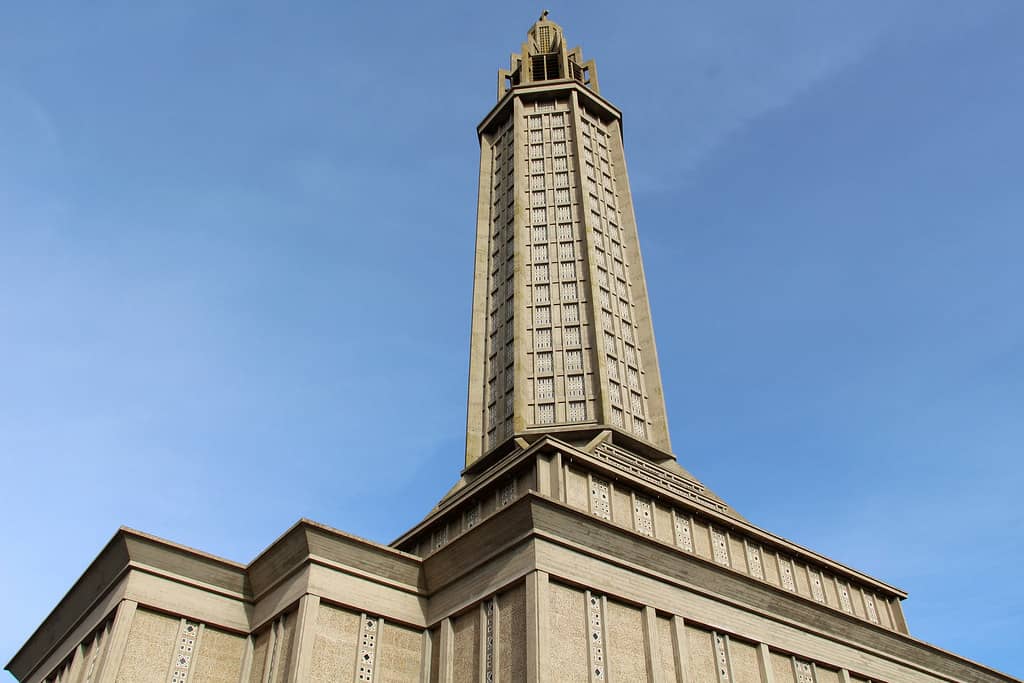
⛪ Admire Saint-Joseph
Don't miss the impressive Saint-Joseph Church, a landmark of post-war architecture.
Quick Facts
Hours
Rating
4.2 · 177 reviews
Type
Tourist Attraction
Highlights
Discover the most iconic attractions and experiences
Saint-Joseph Church
Place de l'Hôtel de Ville
A striking modernist church with a towering lantern spire, a symbol of Le Havre's rebirth.
Hôtel de Ville (City Hall)
Place de l'Hôtel de Ville
The administrative heart of the district, showcasing Perret's signature concrete aesthetic.
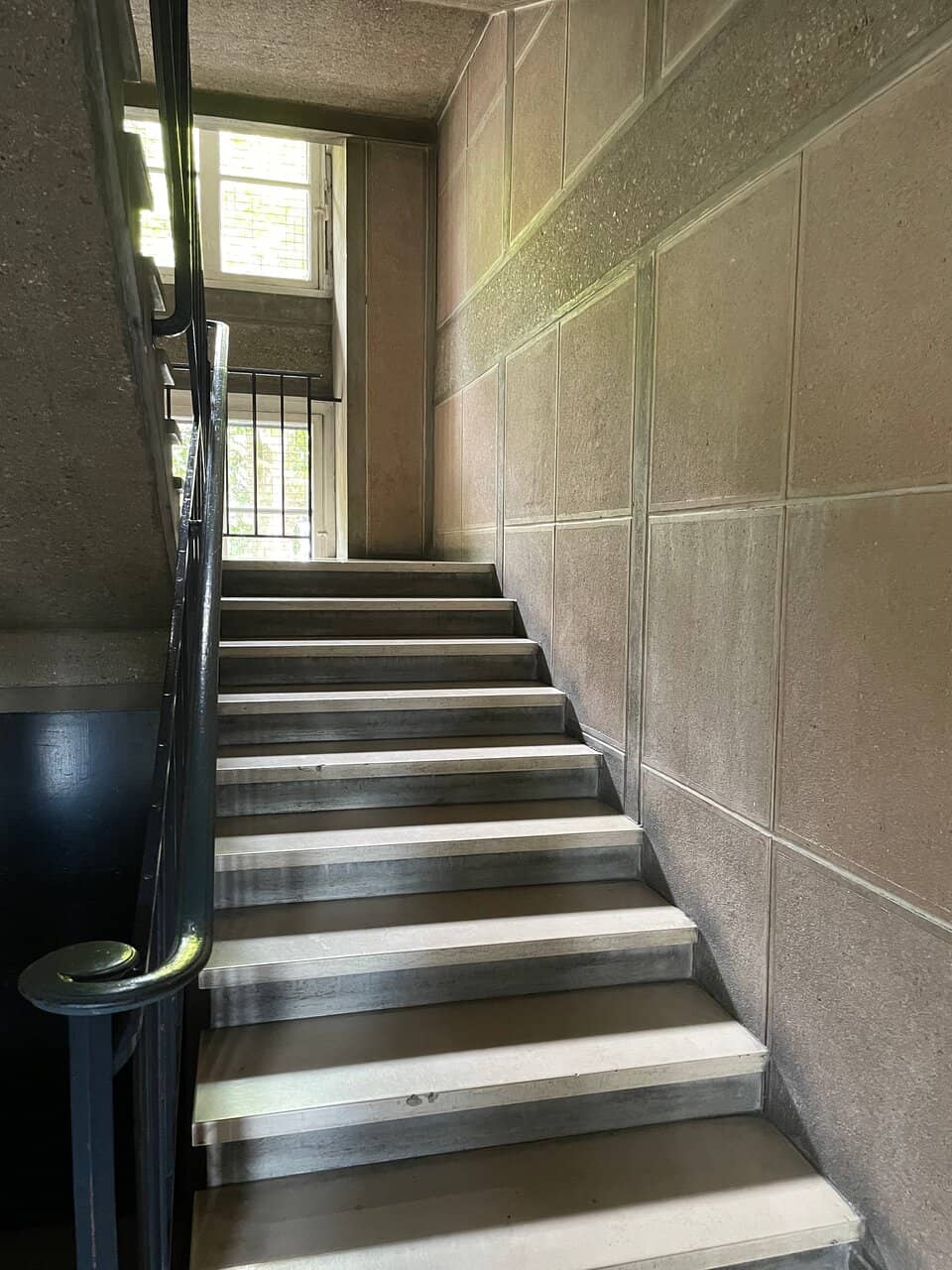
Perret's Residential Blocks
Various streets within the district
Experience the innovative urban planning with these iconic concrete apartment buildings.
Plans like a pro.
Thinks like you
Planning Your Visit
Embrace the Post-War Vision
Timing is Key for Exploration
Best Times
Insider Tips
from TikTok, Instagram & Reddit
🚶♀️ Walk the District
Explore on foot to truly appreciate the scale and details of Perret's urban design.
⛪ Admire Saint-Joseph
Don't miss the impressive Saint-Joseph Church, a landmark of post-war architecture.
🗣️ Consider a Guided Tour
Gain deeper insights into the history and architecture with a knowledgeable guide.
📸 Capture the Lines
The geometric patterns and concrete structures offer fantastic photo opportunities.
Tips
from all over the internet
🚶♀️ Walk the District
Explore on foot to truly appreciate the scale and details of Perret's urban design.
⛪ Admire Saint-Joseph
Don't miss the impressive Saint-Joseph Church, a landmark of post-war architecture.
🗣️ Consider a Guided Tour
Gain deeper insights into the history and architecture with a knowledgeable guide.
📸 Capture the Lines
The geometric patterns and concrete structures offer fantastic photo opportunities.
What Travellers Say
Reviews Summary
Visitors praise the Perret District for its unique and impressive modernist architecture, highlighting the historical significance of Le Havre's post-war reconstruction. The Saint-Joseph Church and the overall urban planning are frequently mentioned as highlights. Some find it a pleasant area for a short exploration, while others recommend guided tours for a deeper understanding.
"Lots of fun to walk around and just enough to see as you're waiting for a tour bus to take you somewhere else! Lots of sites and just a quaint quiet little spot for an hour or two."
nanci brillant
"The Tour Guide we had was very knowledgeable about the history of Le Havre, France. The tour was extremely informative and the history very interesting. I truly had a fantastic time."
Marsha
"Visited the Seaman's Mission in Le Havre which is close by. Nice area and city . Not a fan of the Volcano. Lots of shops . Safe and friendly. Good for cheese, bread and oysters ."
Guy Hamilton
What People Like
What People Dislike
Frequently Asked Questions
🚇 🗺️ Getting There
The Perret District is centrally located in Le Havre. If arriving by cruise ship, it's a walkable distance or a short taxi ride. Public buses also serve the area frequently.
Yes, several bus lines run through and around the Perret District, making it easily accessible from other parts of Le Havre.
There are parking facilities available, but it's recommended to check for specific street parking regulations or public garages. Walking is often the best way to explore.
Absolutely! The district was designed with pedestrian flow in mind. Many visitors find walking to be the most enjoyable way to experience the architecture.
For a short visit, focus on the central area around the Hôtel de Ville and Saint-Joseph Church. A guided walking tour can efficiently cover the key sights.
🎫 🎫 Tickets & Entry
The Perret District itself is an open urban area, so no tickets are required to walk around and admire the architecture.
While the district is free to explore, some individual buildings like the Saint-Joseph Church may have specific visiting hours or donation requests.
As an urban area, the district is always accessible. However, for specific attractions within it, it's best to check individual opening times.
Yes, booking guided tours in advance is highly recommended, especially during peak season, to secure your spot and ensure availability.
Generally, there is no admission fee for the Saint-Joseph Church, but donations are appreciated to help with its upkeep.
📸 📸 Photography
The area around the Hôtel de Ville and the views looking up at Saint-Joseph Church's spire are prime photography locations. The geometric lines of the residential blocks also make for striking shots.
Morning light often provides softer shadows and clearer skies, ideal for capturing the architectural details. Golden hour in the late afternoon can also be beautiful.
Generally, photography is allowed in public spaces. However, always be respectful of private residences and any specific signage within buildings.
A wide-angle lens is useful for capturing the scale of the buildings and the urban landscape. A standard zoom lens will also be versatile.
Drone usage is typically regulated in urban areas. It's essential to check local regulations and obtain any necessary permits before flying a drone.
🍽️ 🍽️ Food & Dining
Le Havre offers a range of dining options. You can find bistros and restaurants near the city center and along the waterfront, offering local specialties.
Several cafes are scattered throughout the city, offering coffee, pastries, and light lunches. Look for local boulangeries for fresh bread and sandwiches.
Seafood is a must-try, given Le Havre's port city status. Also, look for regional cheeses and pastries.
Yes, you can find more affordable options like creperies, sandwich shops, and bakeries for a more budget-conscious meal.
Some restaurants in the city center might offer views of the Perret-era buildings, especially those closer to the Hôtel de Ville.






Social
from TikTok, Instagram & Reddit