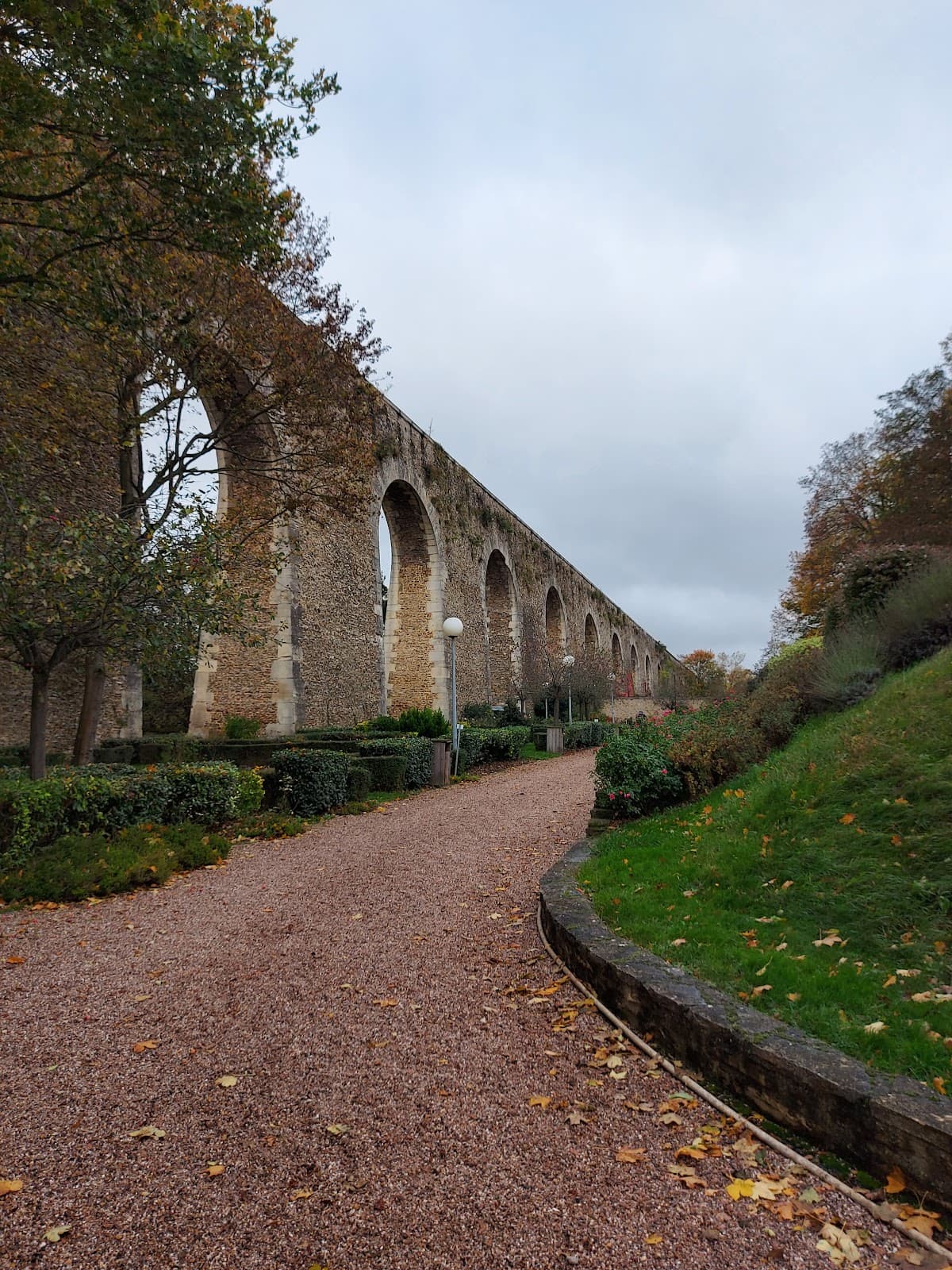
Machine de Marly and Louveciennes Aqueduct
A monumental 17th-century aqueduct, part of Louis XIV's ambitious system to supply water to Versailles, offering a glimpse into historical engineering...
Highlights
Must-see attractions

Social
From TikTok & Reddit
Best Time
Easier walking conditions
Machine de Marly and Louveciennes Aqueduct
Best Time
Easier walking conditions
Highlights
Must-see attractions
A monumental 17th-century aqueduct, part of Louis XIV's ambitious system to supply water to Versailles, offering a glimpse into historical engineering.
"Impressive part of the aqueduct built under Louis XIV to supply water to his new Chateau Versailles."

Wear Comfortable Shoes
The walk along the aqueduct and to the Seine can be steep and uneven. :athletic_shoe:
Explore the Surroundings
Combine your visit with Marly Park for a more complete historical and natural experience.

Quick Facts
Hours
Rating
4.8 · 38 reviews
Type
Museum
Highlights
Discover the most iconic attractions and experiences
Louveciennes Aqueduct Arches
Louveciennes
Marvel at the 643-meter long aqueduct, a testament to 17th-century engineering, supplying water to Versailles.
Reservoirs of Marly
Near Marly Park
See the remnants of the hydraulic system, including reservoirs that once held water pumped from the Seine.
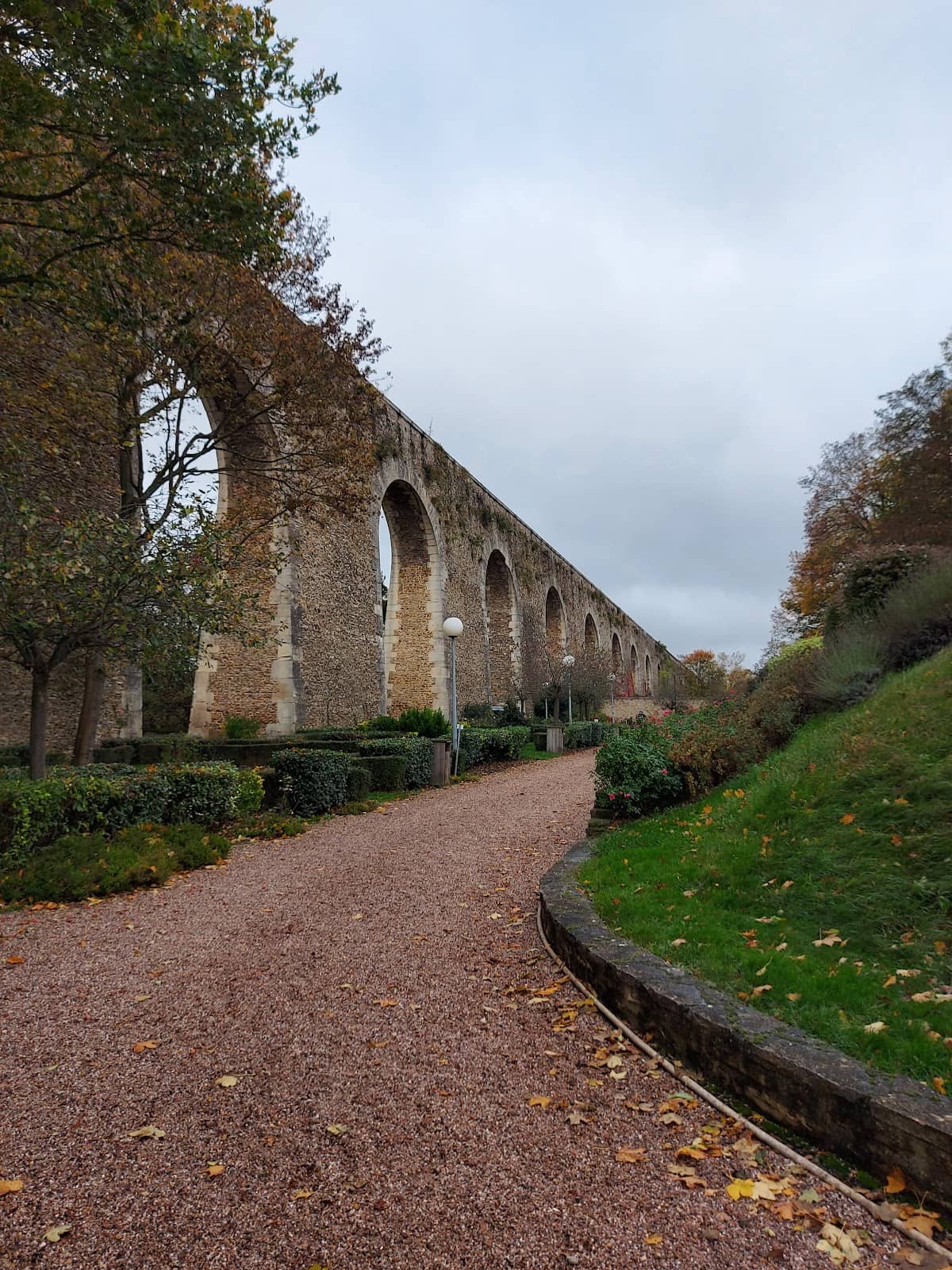
Scenic Walk to the Seine
From Aqueduct to Seine River
Enjoy a pleasant, albeit steep, walk tracing the water's path, offering technical insights and beautiful views.
Plans like a pro.
Thinks like you
Planning Your Visit
Plan Your Visit to the Aqueduct
Understanding the Marly Machine
Best Times
Insider Tips
from TikTok, Instagram & Reddit
Wear Comfortable Shoes
The walk along the aqueduct and to the Seine can be steep and uneven. :athletic_shoe:
Explore the Surroundings
Combine your visit with Marly Park for a more complete historical and natural experience.
Understand the History
Research the Machine de Marly to fully appreciate the engineering behind the aqueduct.
Check Access Points
Note that direct access to the old Marly pumping station site from the aqueduct's northern end is not possible.
Tips
from all over the internet
Wear Comfortable Shoes
The walk along the aqueduct and to the Seine can be steep and uneven. :athletic_shoe:
Explore the Surroundings
Combine your visit with Marly Park for a more complete historical and natural experience.
Understand the History
Research the Machine de Marly to fully appreciate the engineering behind the aqueduct.
Check Access Points
Note that direct access to the old Marly pumping station site from the aqueduct's northern end is not possible.
What Travellers Say
Reviews Summary
Visitors are impressed by the historical significance and engineering marvel of the Louveciennes Aqueduct, a key part of Louis XIV's water supply system for Versailles. The scenic walk along the aqueduct and towards the Seine is highly praised, offering a tangible connection to the past. However, some find the access to certain historical sites within the Marly machine complex to be indirect.
"Impressive part of the aquaduct that was built under the reign of King Louis XIV between 1681 and 1685 to supply water from the Seine to his new Chateau Versailles.
It's 643 meters long was fed with water by the Machine of Marly, an enormous hydraulic pumping system that lifted water 160 meters from the Seine"
Seimen Burum
"Excellent"
Loran
"Top"
Marc Perret
What People Like
What People Dislike
Frequently Asked Questions
🚇 🗺️ Getting There
The aqueduct is accessible by car, with parking available near Marly Park. Public transport options include RER C to Marly-le-Roi station, followed by a bus or a walk. Check local transport schedules for the most up-to-date information.
Parking is generally available near Marly Park, which provides access to the aqueduct and its surroundings. Be prepared for potentially limited spots, especially during peak seasons.
Yes, a pleasant walk is possible from the aqueduct towards the Seine. It can be steep in parts, so comfortable footwear is recommended.
The aqueduct can be viewed and walked along from various points. Access is often facilitated by paths leading from Marly Park or nearby roads.
While specific guided tours for the aqueduct might be limited, local tourist information centers or historical societies may offer insights or suggest self-guided routes.
🎫 🎫 Tickets & Entry
Generally, visiting the exterior of the Louveciennes Aqueduct and walking along its path is free of charge. Access to Marly Park may have specific regulations or fees depending on the area.
The aqueduct is an open-air historical site, so it is accessible at all times. However, park areas may have specific opening and closing hours.
No, there is typically no entrance fee to view and walk alongside the Louveciennes Aqueduct. It's a historical monument integrated into the landscape.
The original Machine de Marly was dismantled. However, you can visit the site where it stood and see the associated reservoirs and the aqueduct, which are remnants of its impressive system.
While generally open, be mindful of any local signage or park regulations. Respect the historical integrity of the site.
🎫 🏞️ Onsite Experience
You can admire the impressive 17th-century aqueduct, explore the surrounding parkland, and see the historical reservoirs that were part of the water supply system for the Palace of Versailles.
Allow at least 1-2 hours to walk along a significant portion of the aqueduct and explore the nearby park. If you plan a longer walk towards the Seine, allocate more time.
The walk is generally pleasant, but can be steep in certain sections, especially when descending towards the Seine. Dry weather is recommended for easier passage.
Facilities may be limited directly at the aqueduct. It's advisable to check for amenities within Marly Park or in the nearby towns of Louveciennes or Marly-le-Roi.
The Machine de Marly was an extraordinary hydraulic pumping system built under Louis XIV to supply water to the Palace of Versailles, showcasing incredible engineering for its time.
📸 📸 Photography
Capture the grandeur of the aqueduct's arches from different angles. The surrounding landscape and the reservoirs also offer picturesque opportunities. Consider sunrise or sunset for dramatic lighting.
Drone usage is often restricted in historical sites and parks. Always check local regulations and obtain necessary permissions before flying a drone.
Early morning or late afternoon light can create beautiful shadows and highlights on the aqueduct's structure. Midday sun can be harsh.
Walk along the aqueduct and explore the paths leading away from it to find unique perspectives. The reservoirs also provide interesting photographic subjects.
A wide-angle lens is useful for capturing the scale of the aqueduct. A telephoto lens can be helpful for details or distant views. A tripod can be beneficial for low-light conditions.
You may also like
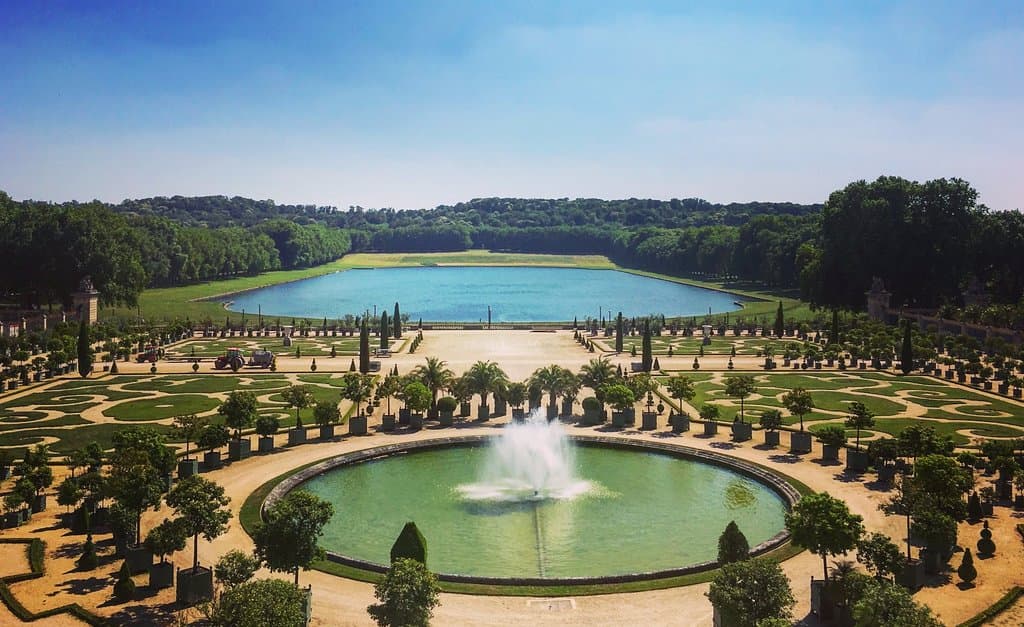
Versailles Gardens
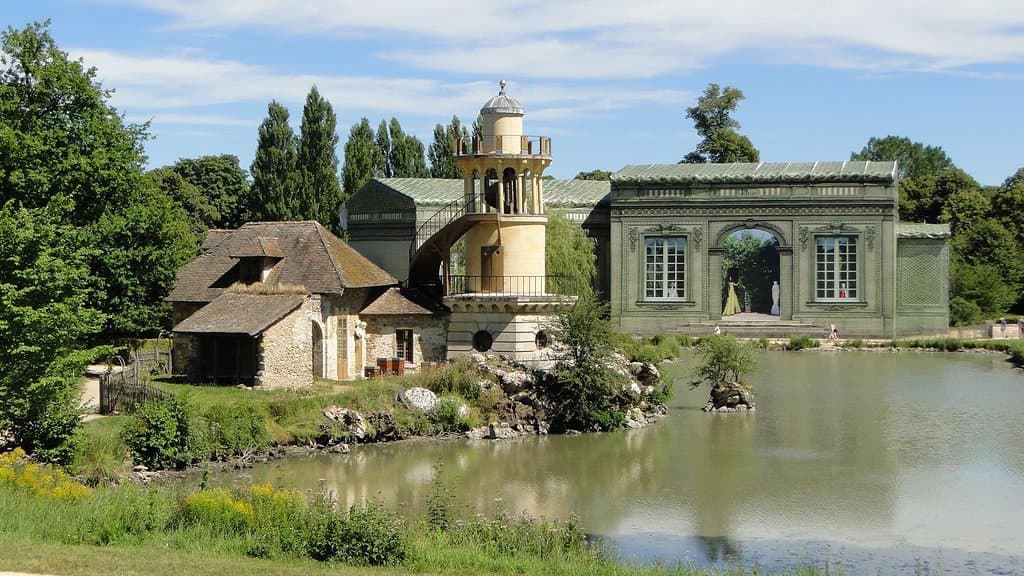
Queen's Hamlet
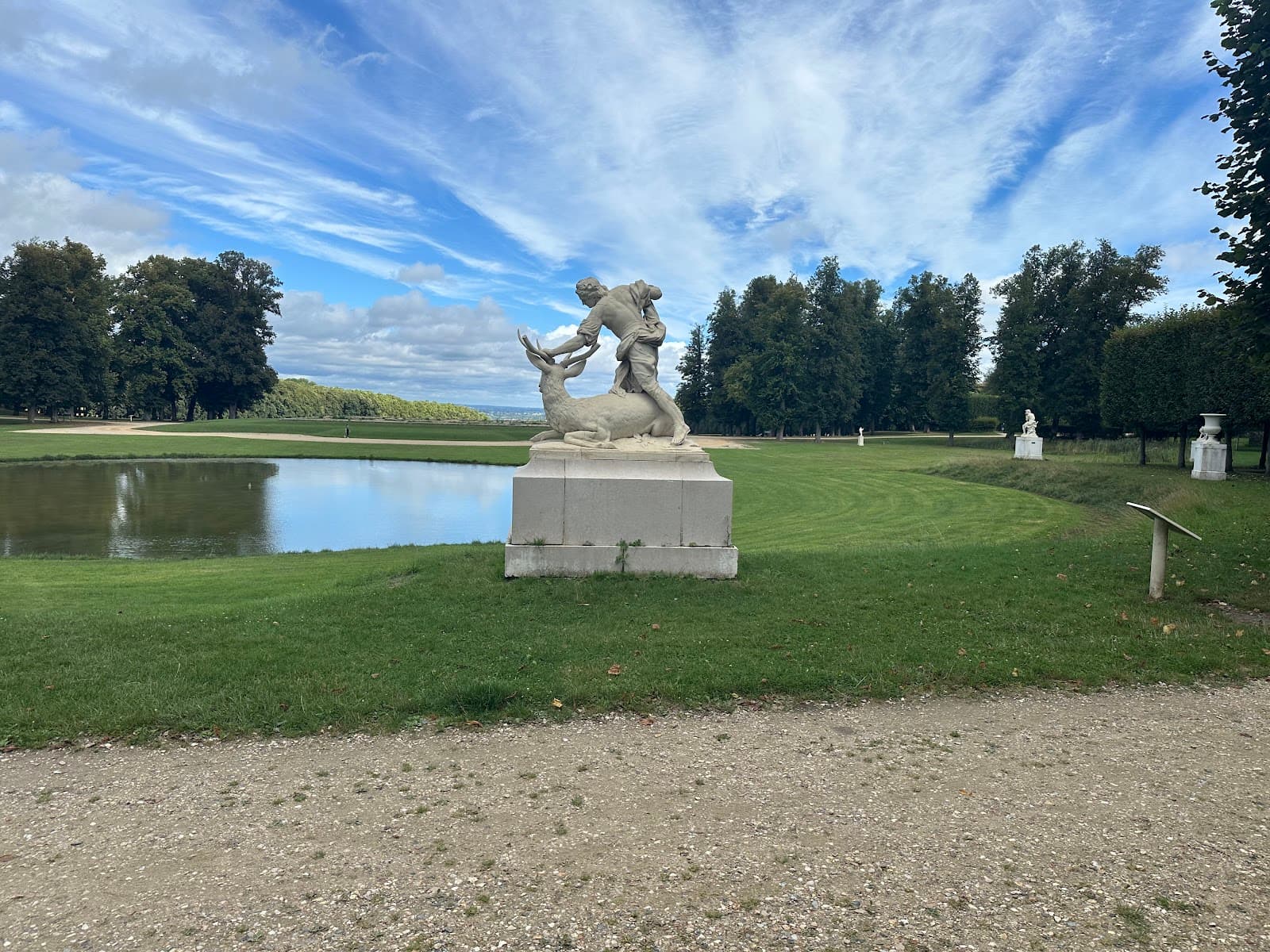
Domaine royal de Marly Marly-le-Roi Park & Museum
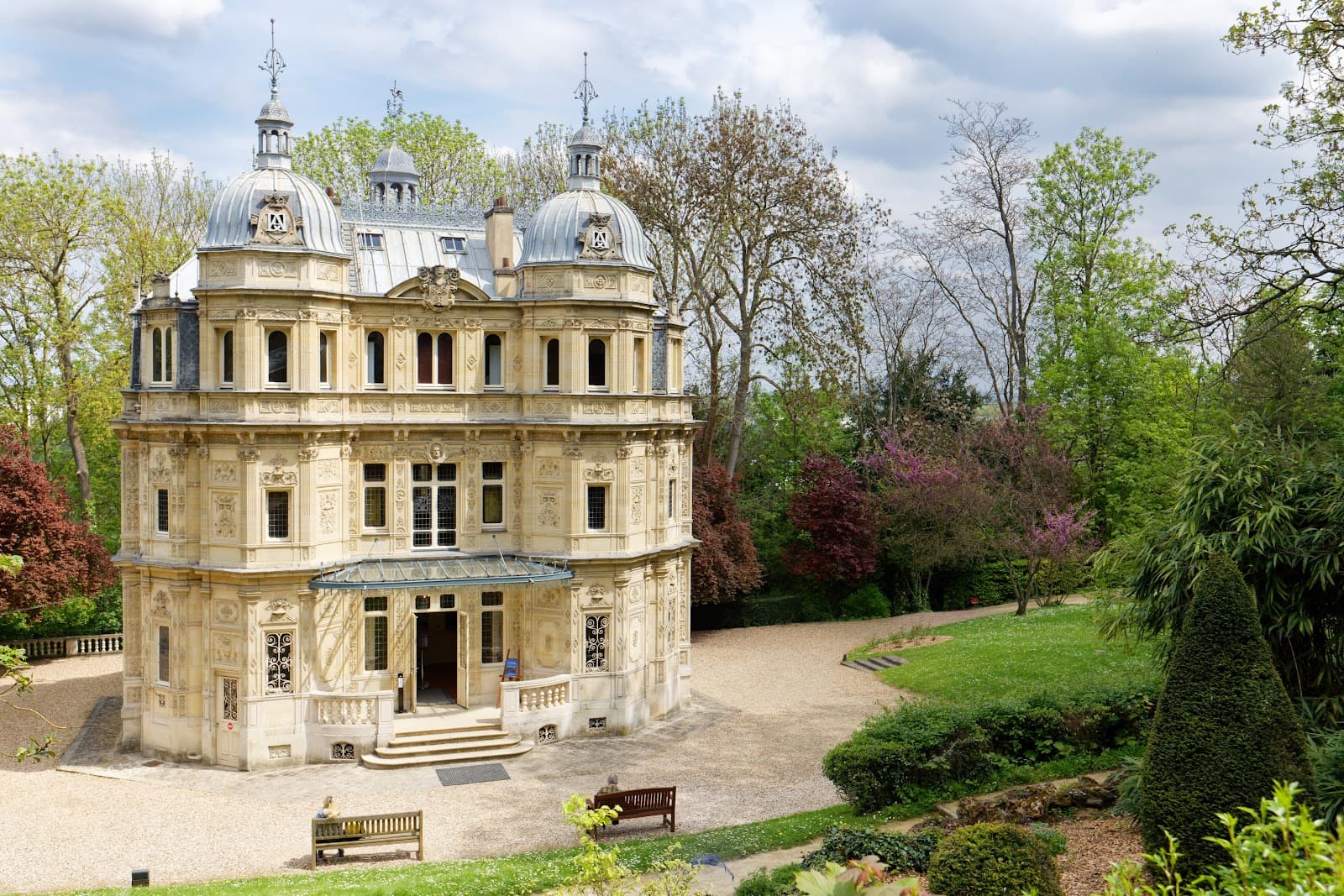
Château de Monte-Cristo Le Port-Marly
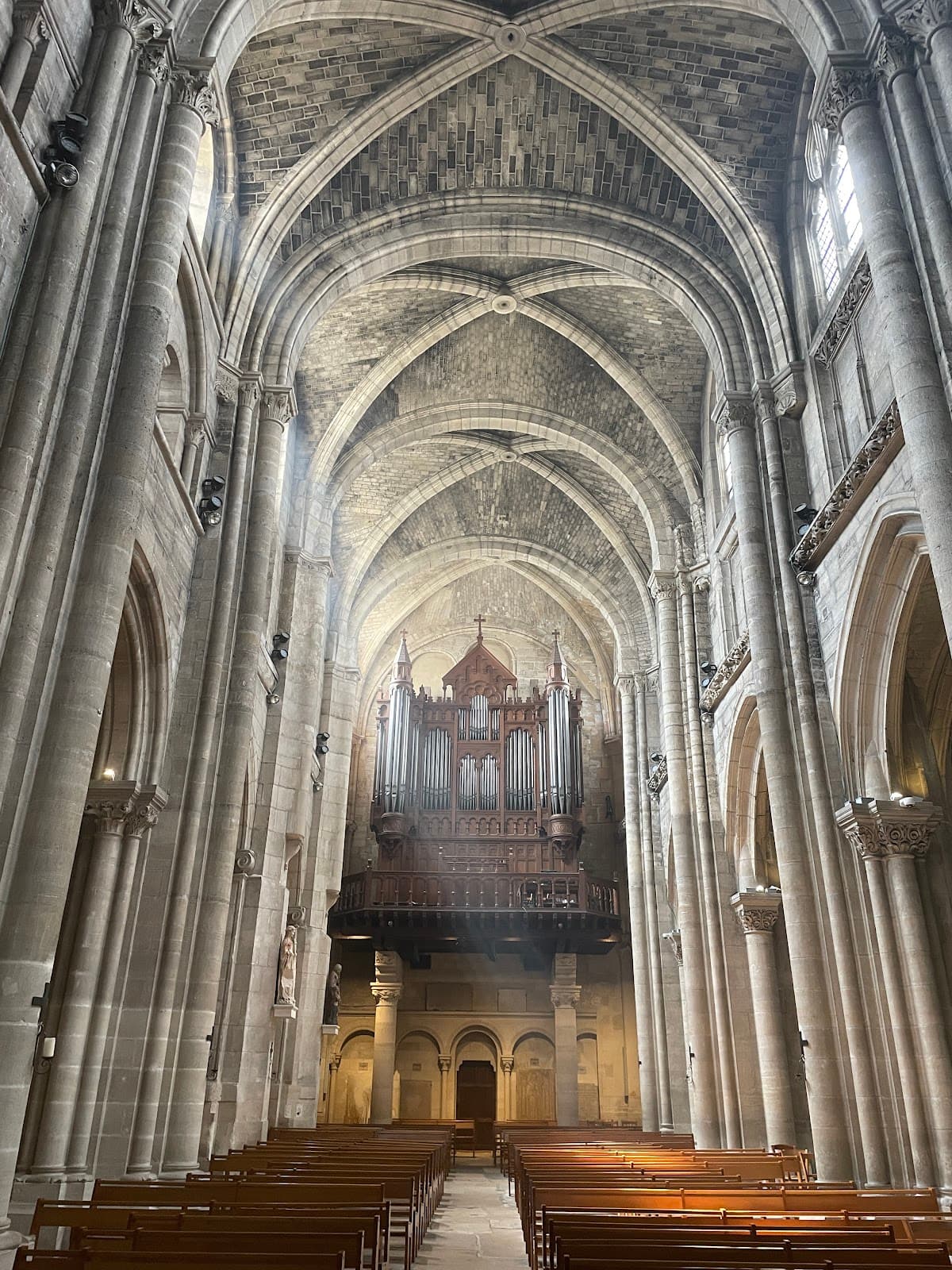
Collégiale Notre-Dame de Poissy

Golf de Saint-Germain
Versailles Gardens
Queen's Hamlet
Domaine royal de Marly Marly-le-Roi Park & Museum
Château de Monte-Cristo Le Port-Marly
Collégiale Notre-Dame de Poissy
Golf de Saint-Germain
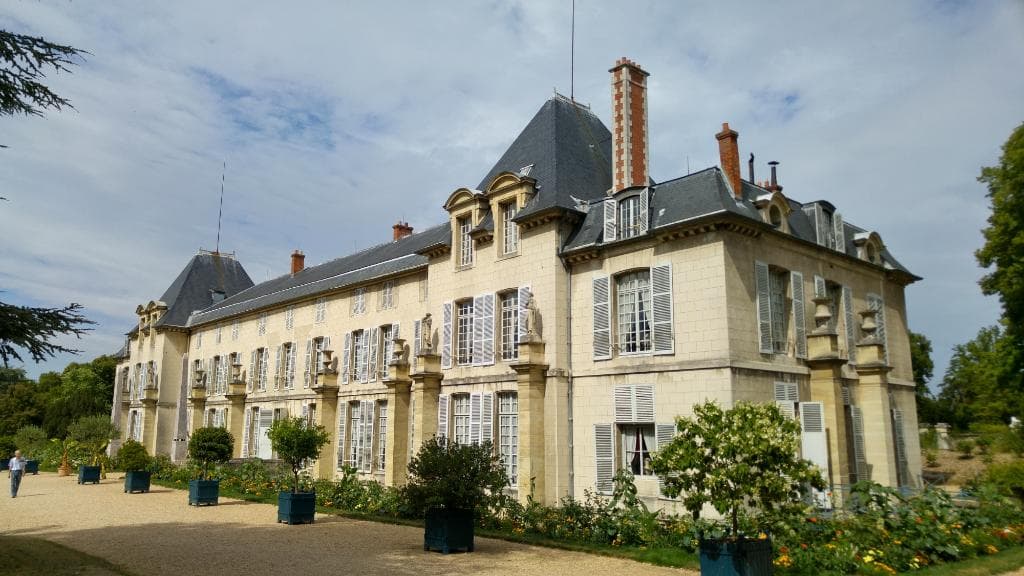
Château de Malmaison

Palace of Versailles

Île des Impressionnistes Chatou

Chemin des Impressionnistes Rueil
Social
from TikTok, Instagram & Reddit