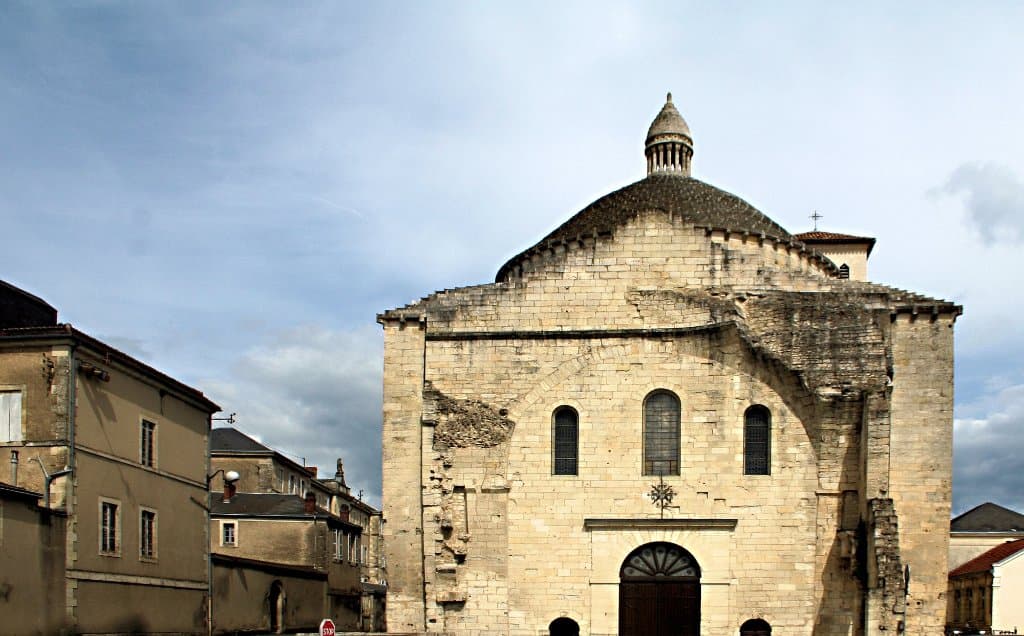
Église Saint-Étienne-de-la-Cité
Périgueux's first cathedral, showcasing Roman foundations and unique 'école du Périgord' cupola architecture.
Highlights
Must-see attractions

Social
From TikTok & Reddit
Best Time
Fewer crowds, peaceful atmosphere
Église Saint-Étienne-de-la-Cité
Best Time
Fewer crowds, peaceful atmosphere
Highlights
Must-see attractions
Périgueux's first cathedral, showcasing Roman foundations and unique 'école du Périgord' cupola architecture.
"An imposing building with a cavernous and relatively plain interior - as far a churches go."
🗺️ Historical Walk Map
Grab a map from the Périgueux tourism office for a 'Gallo Romain' walk that includes the church. :world_map:
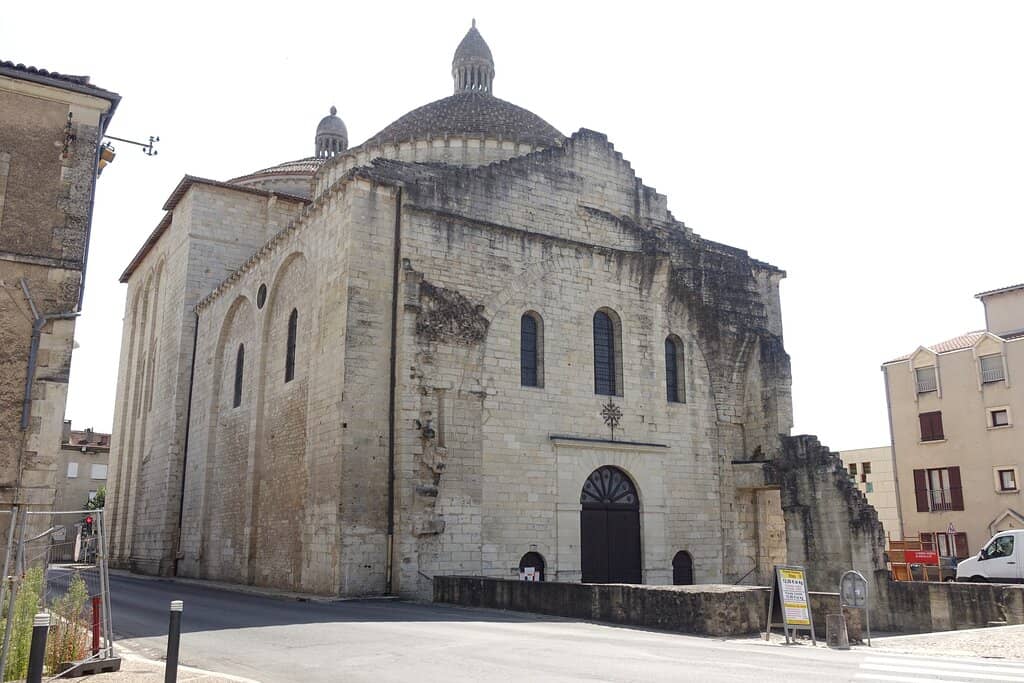
🏛️ Architectural Blend
Notice the mix of Romanesque and Gothic styles, reflecting centuries of history and restoration. :building_construction:
Quick Facts
Hours
Rating
4.3 · 81 reviews
Type
Church
Address
Highlights
Discover the most iconic attractions and experiences
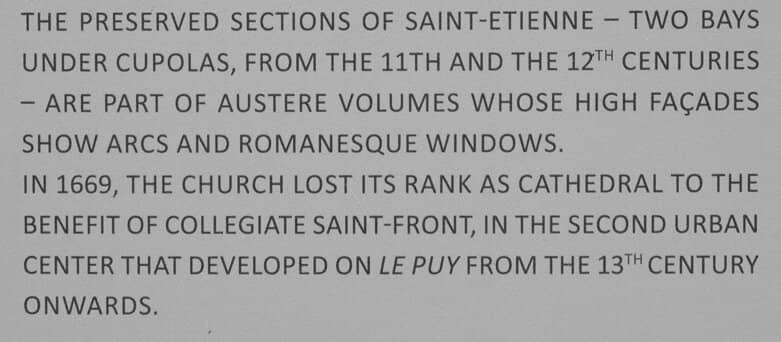
11th Century Romanesque Cupola
Western part of the church
Experience the enduring Romanesque integrity of the western cupola, a testament to its 11th-century origins.
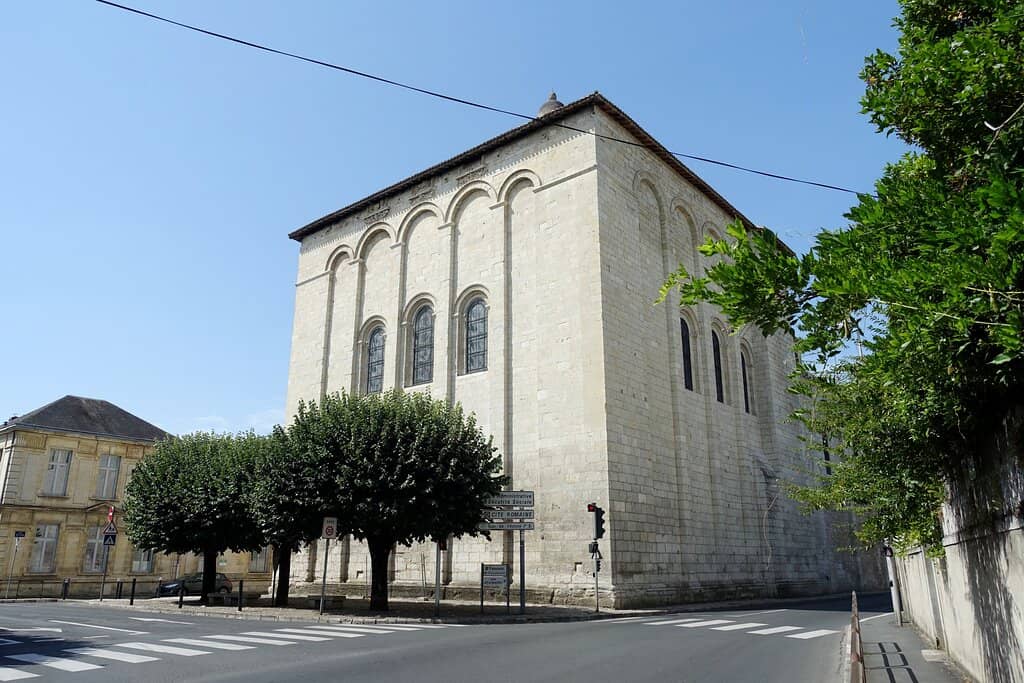
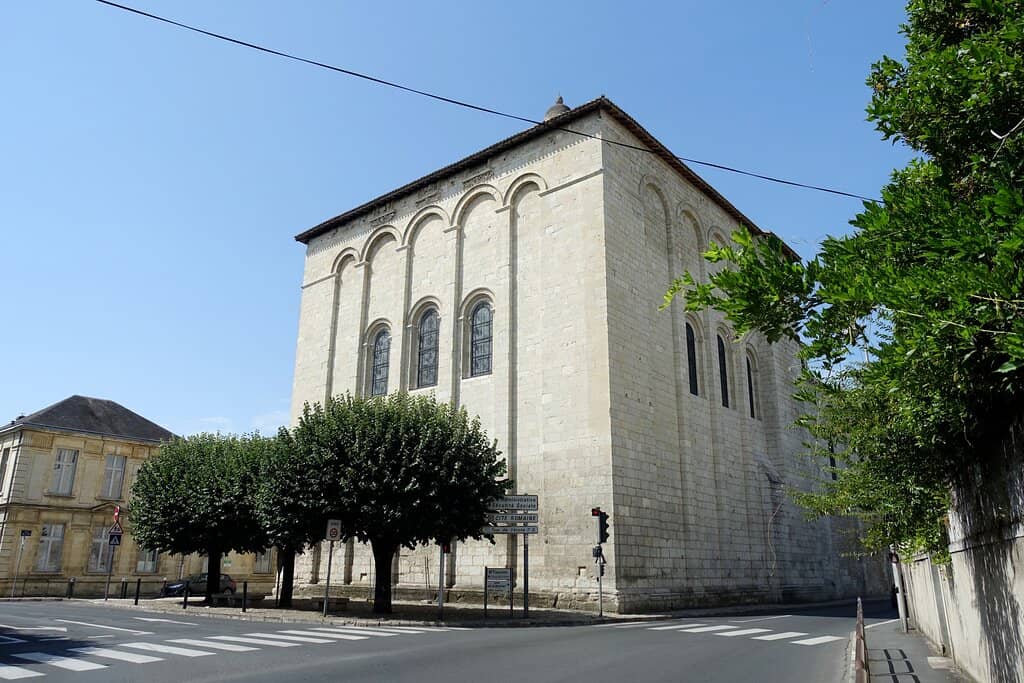
17th Century Gothic Arches
Eastern part of the church
Admire the restored eastern cupola, featuring 17th-century Gothic arches that add a different dimension to the architecture.
Roman Foundations
Beneath the current structure
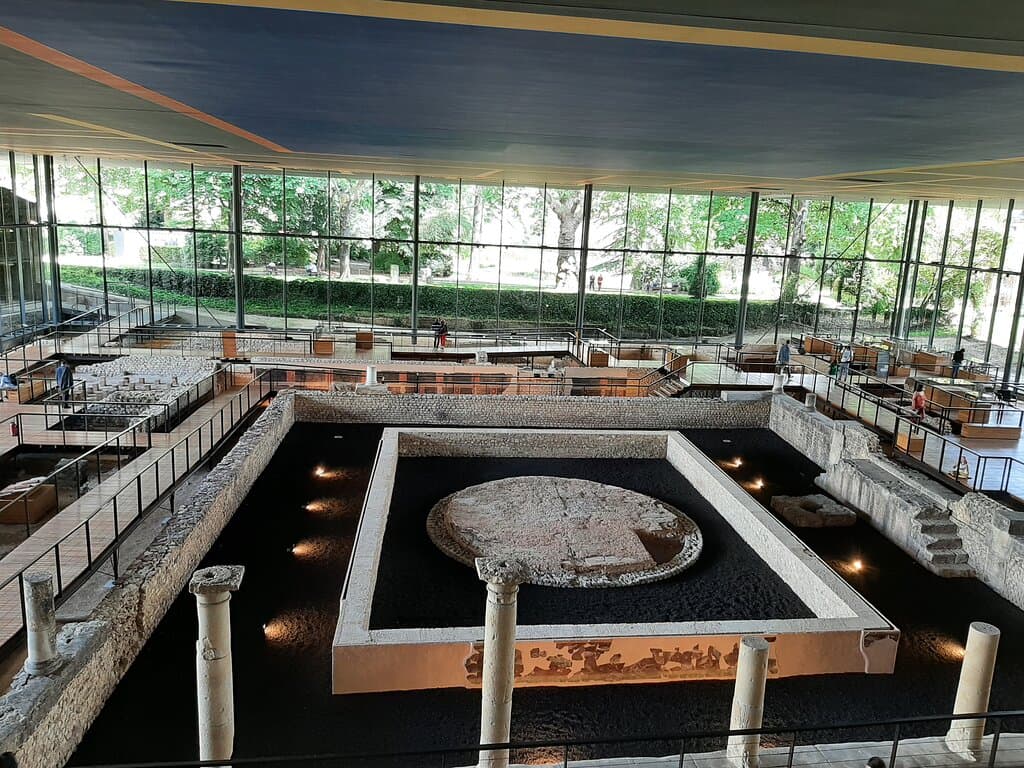
Imagine the ancient Roman past beneath your feet, where the church's earliest foundations were laid.
Plans like a pro.
Thinks like you
Planning Your Visit
A Glimpse into History
Architectural Significance
Best Times
Insider Tips
from TikTok, Instagram & Reddit
🗺️ Historical Walk Map
Grab a map from the Périgueux tourism office for a 'Gallo Romain' walk that includes the church. :world_map:
🏛️ Architectural Blend
Notice the mix of Romanesque and Gothic styles, reflecting centuries of history and restoration. :building_construction:
⛪ Former Cathedral
Remember this was the first cathedral in Périgueux before Saint Front. ⛪
🚶♂️ Explore the Ruins
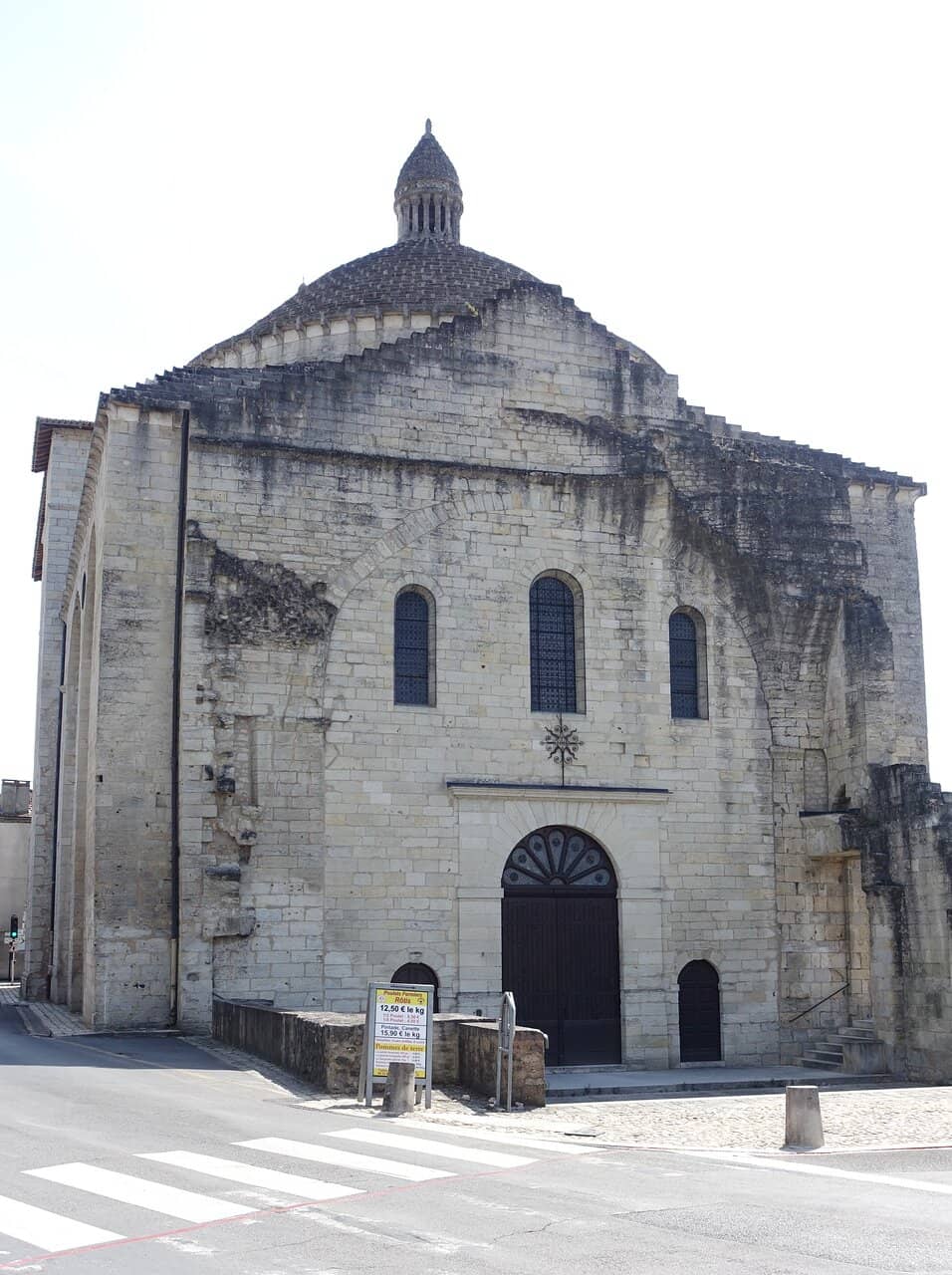
Appreciate its authentic, though partially ruined, exterior, a sign of its long history. :ruins:
Tips
from all over the internet
🗺️ Historical Walk Map
Grab a map from the Périgueux tourism office for a 'Gallo Romain' walk that includes the church. :world_map:
🏛️ Architectural Blend
Notice the mix of Romanesque and Gothic styles, reflecting centuries of history and restoration. :building_construction:
⛪ Former Cathedral
Remember this was the first cathedral in Périgueux before Saint Front. ⛪
🚶♂️ Explore the Ruins
Appreciate its authentic, though partially ruined, exterior, a sign of its long history. :ruins:
What Travellers Say
Reviews Summary
Visitors find Église Saint-Étienne-de-la-Cité to be an imposing and historically significant building, offering a glimpse into Périgueux's past as its first cathedral. While the interior is noted for its simplicity, the unique 'école du Périgord' architecture, with its blend of Romanesque and Gothic cupolas, is a highlight. Some find it less grand than the Saint Front Cathedral, but its authentic, ancient feel is appreciated.
"An imposing building with a cavernous and relatively plain interior - as far a churches go. Nice to visit but I assume the Cathedral Periguex gets all the glory, despite this bring the first in the city!"
Vincent Oliver
"Wow, now THIS is a Church ! It is such a beautiful home for God. You can actually feel His presence. It's absolutely Perfect...I would not change a thing.
"If these walls could talk...""
its Mel
"The tourism office of Perigueux has a map (in English) with two history walks. The ‘Gallo Romain’ walk includes the St. Etienne church. Though the parts of the present building date back to the 11th century, its fundaments go back to roman times, the building is situated within the wall build in a hurry as the roman empire collapsed.
The building functioned as the first cathedral of Perigueux until the Protestants destroyed two of its cupolas and the bell tower in 1577. With the construction of the Saint Front cathedral, it lost its functions and the remnants became a cavalry training center. The design follows the ‘ecole du Perigord’ with its typical lines of cupolas. Other well known examples from Cahors, Souillac, Solignac and Angouleme, and of course the Saint Front cathedral of Perigueux.
The western cupola retains its 11th century Romanesque integrity, whiles the eastern cupola was restored during the 17th century and given Gothic arches. Inside the church (it has since reclaimed its function) are a number of interesting relics. Interesting stop on the historical walk."
joost
What People Like
What People Dislike
Frequently Asked Questions
🚇 🗺️ Getting There
The church is located within the historic center of Périgueux. It's easily accessible on foot as part of the city's historical walks. If arriving by car, look for public parking areas near the city center. Public transport options within Périgueux can also lead you close to the church.
Yes, the church is a key stop on the 'Gallo Romain' historical walk offered by the Périgueux tourism office. This walk provides context about the church's Roman origins and its historical significance.
🎫 🎫 Tickets & Entry
Entry to Église Saint-Étienne-de-la-Cité is generally free, as it has reclaimed its function as a place of worship. However, it's always a good idea to check for any special event closures or potential small fees for specific areas if applicable.
As a functioning church, its opening hours typically align with religious services and general visiting times. It's advisable to check with the local tourism office or a reliable online source for the most current opening hours, as these can vary.
Typically, there is no admission fee to enter Église Saint-Étienne-de-la-Cité. Visitors are welcome to explore its interior and appreciate its historical architecture.
🎫 🧭 Onsite Experience
The interior is described as cavernous and relatively plain, with a simple design and no particular ornamentation. Despite its simplicity, visitors can feel a sense of presence and history within its walls.
The church follows the 'école du Périgord' style, featuring characteristic cupolas. It showcases a blend of Romanesque integrity in the western cupola and 17th-century Gothic arches in the eastern cupola.
While the interior is noted for its simplicity, it houses a number of interesting relics. The architectural contrast between the western and eastern cupolas is also a significant feature to observe.
Photography is generally permitted inside churches for personal use, but it's always respectful to be mindful of ongoing services or other visitors. Check for any posted signs regarding photography restrictions.
It was the first cathedral of Périgueux, with foundations dating back to Roman times. It suffered damage from Protestants in 1577 and later lost its cathedral functions, eventually being used as a cavalry training center before reclaiming its religious role.
📸 📸 Photography
Focus on capturing the unique cupola architecture, both from the exterior and interior. The contrast between the Romanesque and Gothic elements offers great photographic opportunities. The historical context of its Roman foundations also adds depth to your shots.

Yes, while parts of the exterior facade might be considered ruins, they contribute to its authentic charm. Try to frame the church with its surroundings to highlight its historical presence in the city.
Morning light can be soft and flattering for exterior shots, while afternoon light might highlight the textures of the stone. Inside, consider the natural light filtering through the windows, which can create dramatic effects.
Social
from TikTok, Instagram & Reddit