Côtes du Rhône Wine Route North Vaucluse
Discover the heart of Rhône wines in North Vaucluse, a scenic route through charming villages and world-class vineyards.
Highlights
Must-see attractions

Social
From TikTok & Reddit
Best Time
Budding vines, pleasant weather
Côtes du Rhône Wine Route North Vaucluse
Best Time
Budding vines, pleasant weather
Highlights
Must-see attractions
Discover the heart of Rhône wines in North Vaucluse, a scenic route through charming villages and world-class vineyards.
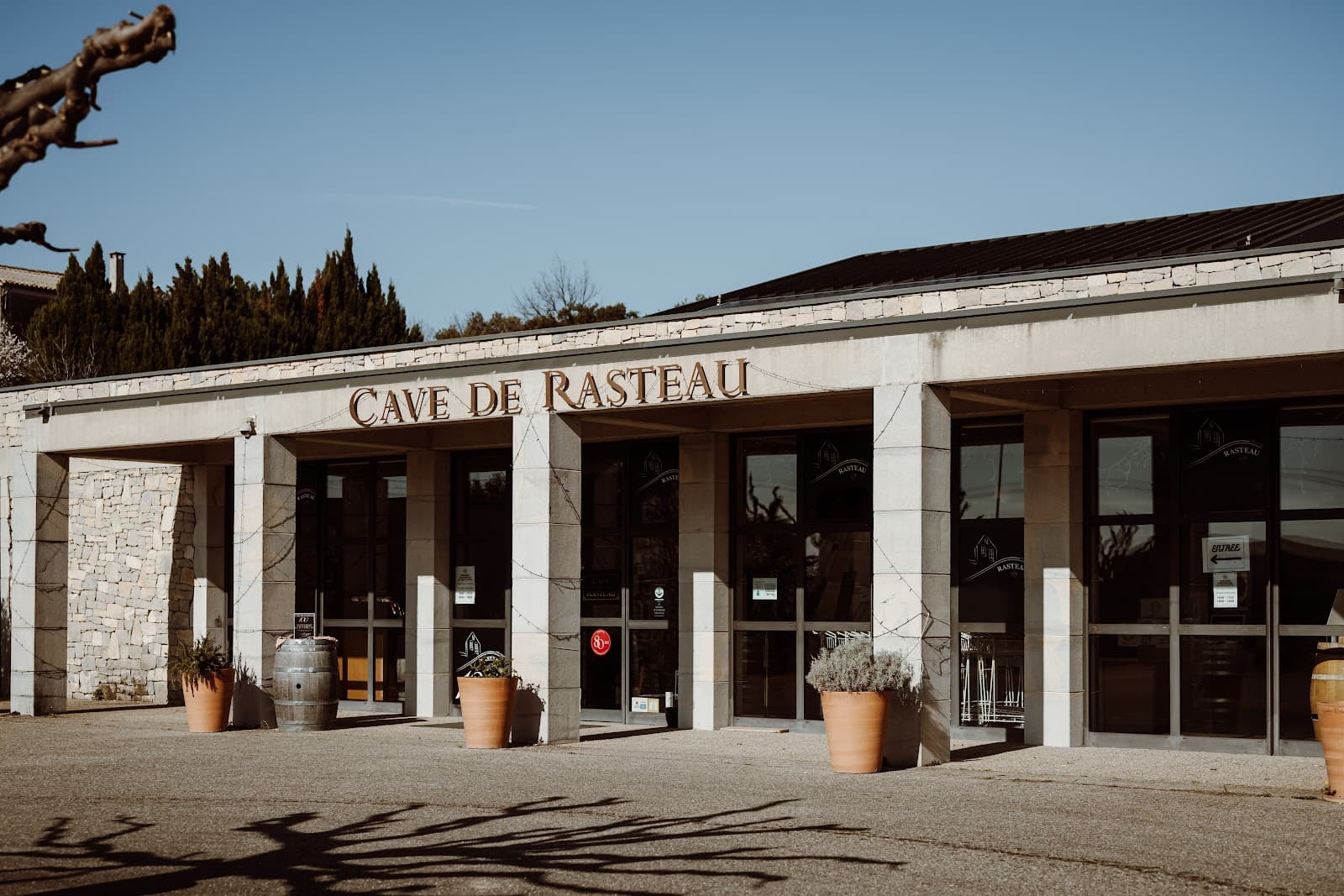
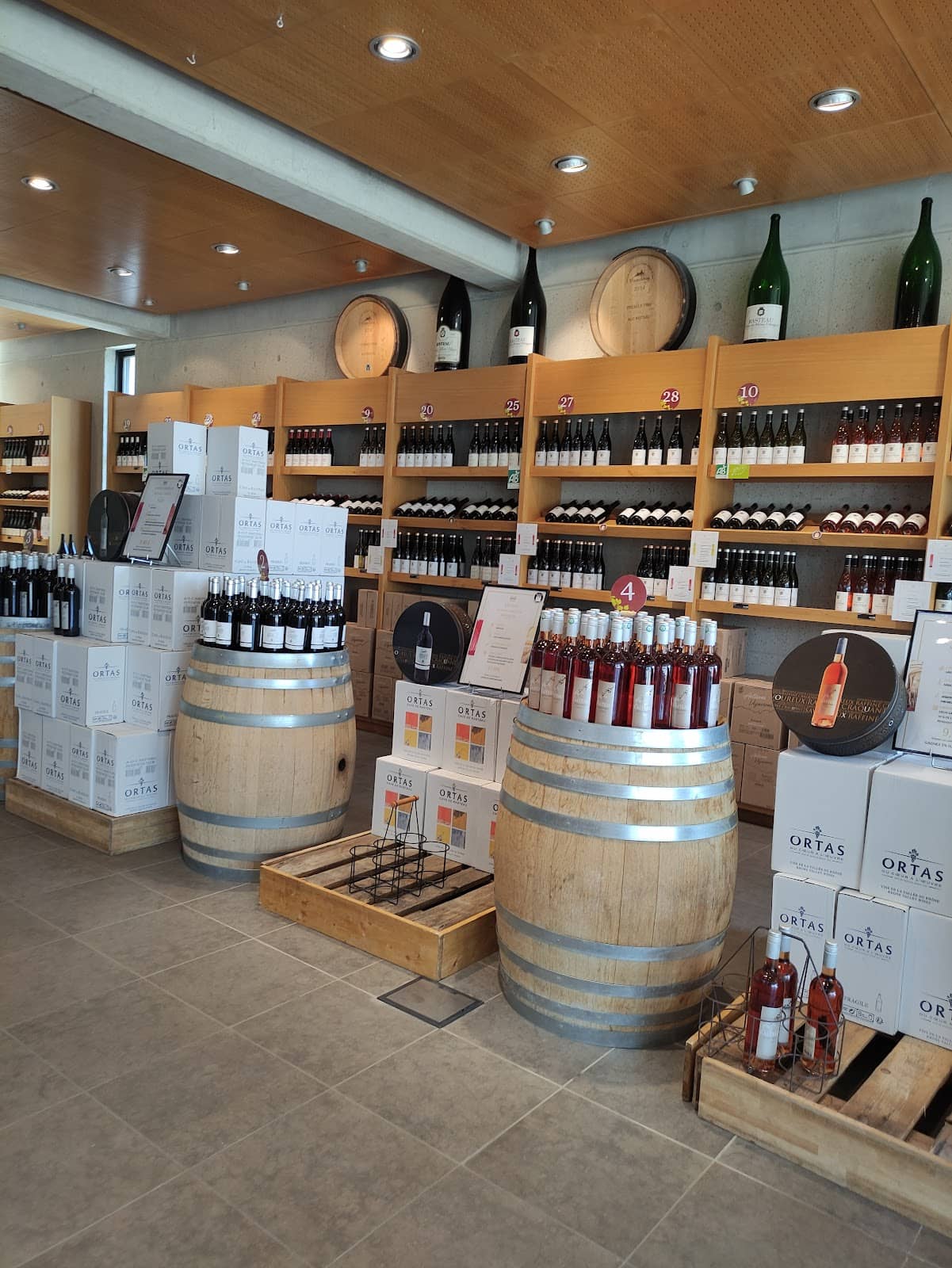
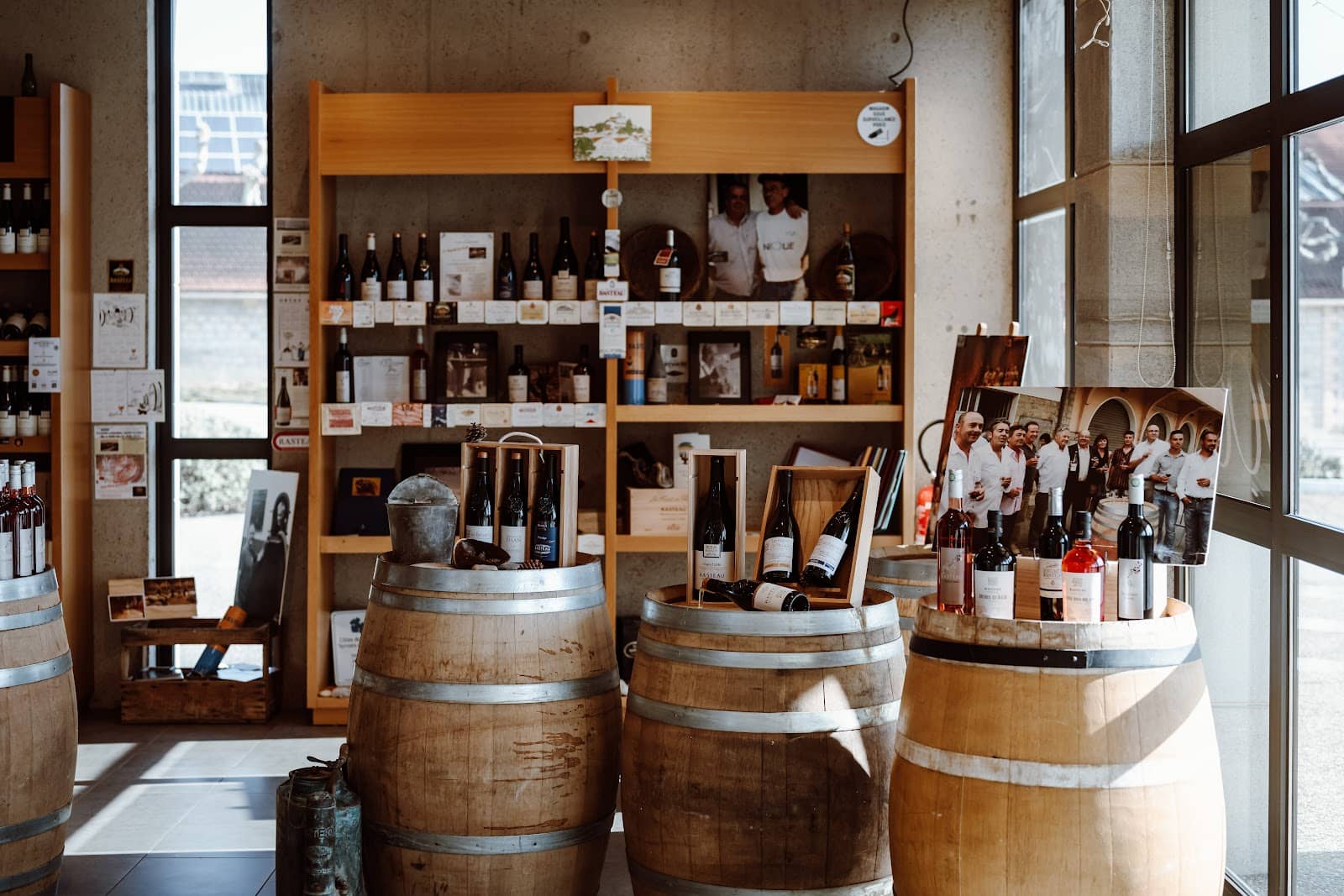
"Great wine cooperative with a fine selection of their wine. Attentive and helpful staff."
🚗 Rent a Car for Freedom
Essential for exploring the villages and vineyards at your own pace. Book in advance!
🍷 Book Tastings Ahead
Many wineries recommend or require reservations for tastings. Call or check online!
Quick Facts
Hours
Rating
4.5 · 330 reviews
Type
Liquor Store
Highlights
Discover the most iconic attractions and experiences
Châteauneuf-du-Pape
Southern end of the route
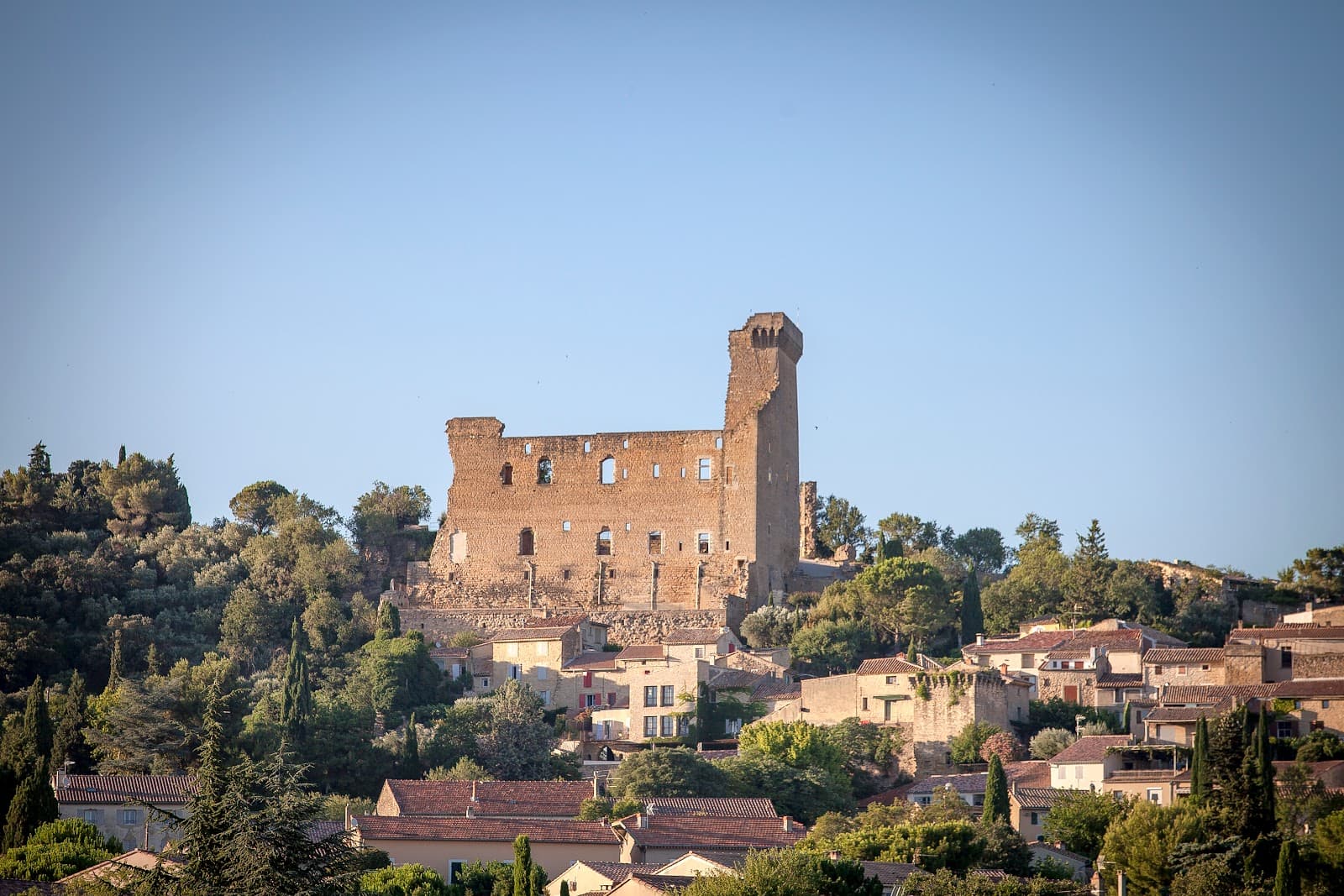
Iconic appellation known for its powerful red wines and historic papal connections. Explore the ruins of the papal palace.
Gigondas
Foot of the Dentelles de Montmirail
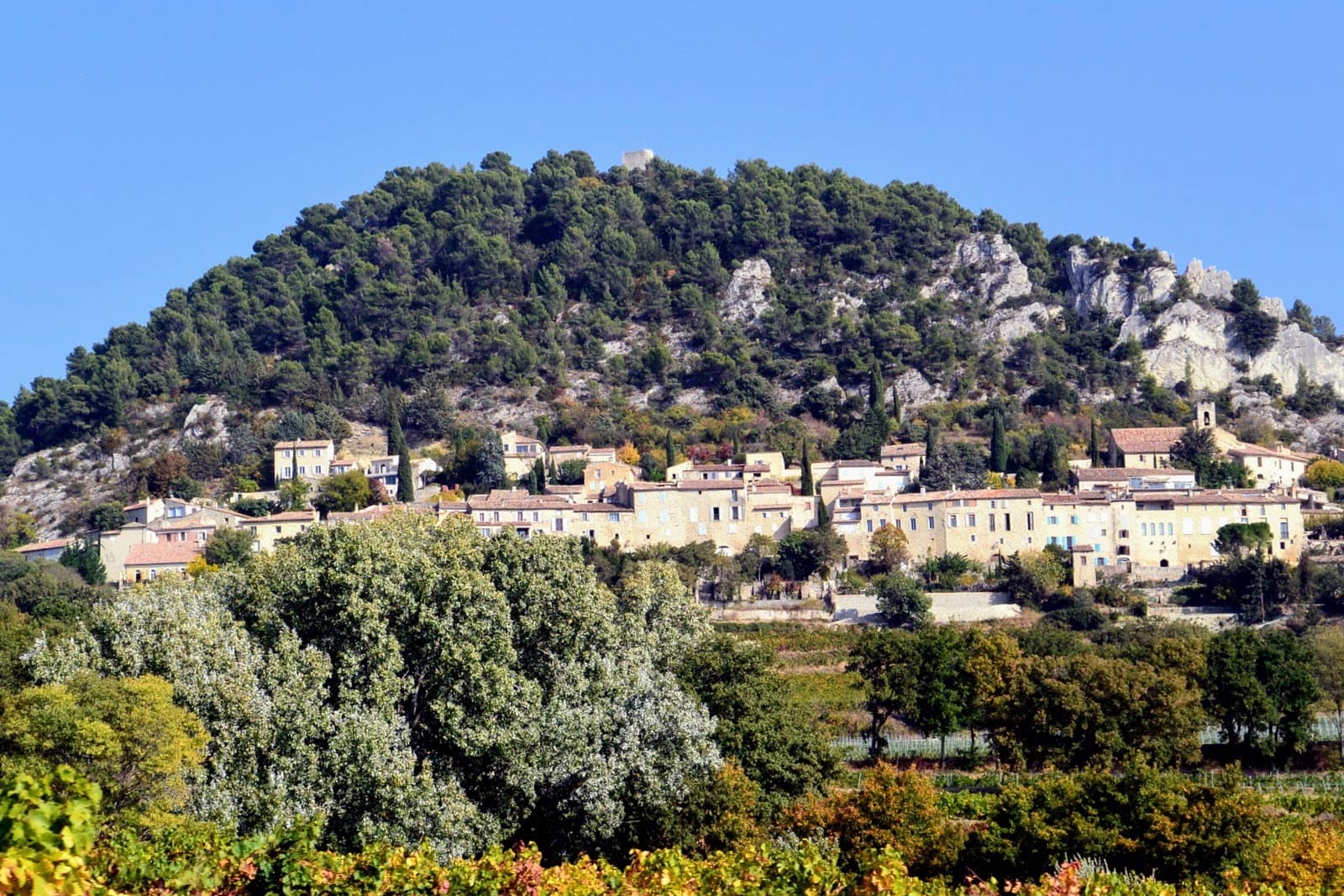
Renowned for its robust, complex red wines. The dramatic backdrop of the Dentelles mountains is breathtaking.
Rasteau
Vineyards overlooking the valley
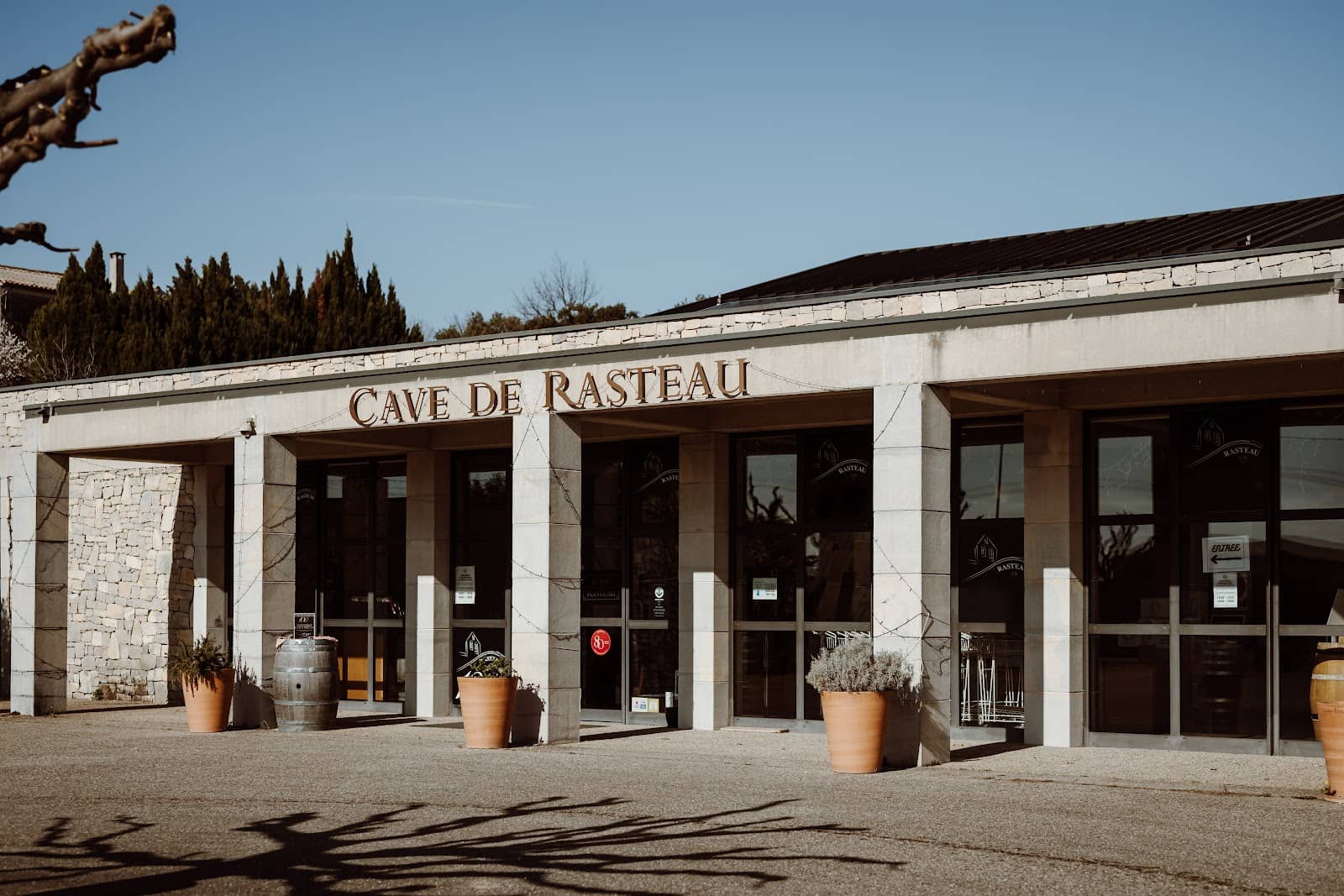
Famous for its sweet Vin Doux Naturel wines. The 'Hauts du Village' and Hors d'age are must-tries.
Vacqueyras
Near Gigondas
Offers rich, full-bodied red wines and a charming village atmosphere. A delightful stop for wine lovers.
Plans like a pro.
Thinks like you
Planning Your Visit
Embrace the Scenic Drive
Savor Local Flavors
Best Times
Insider Tips
from TikTok, Instagram & Reddit
🚗 Rent a Car for Freedom
Essential for exploring the villages and vineyards at your own pace. Book in advance!
🍷 Book Tastings Ahead
Many wineries recommend or require reservations for tastings. Call or check online!
🗺️ Download Offline Maps
Cell service can be spotty in rural areas. Essential for navigation.
🛍️ Explore Local Markets
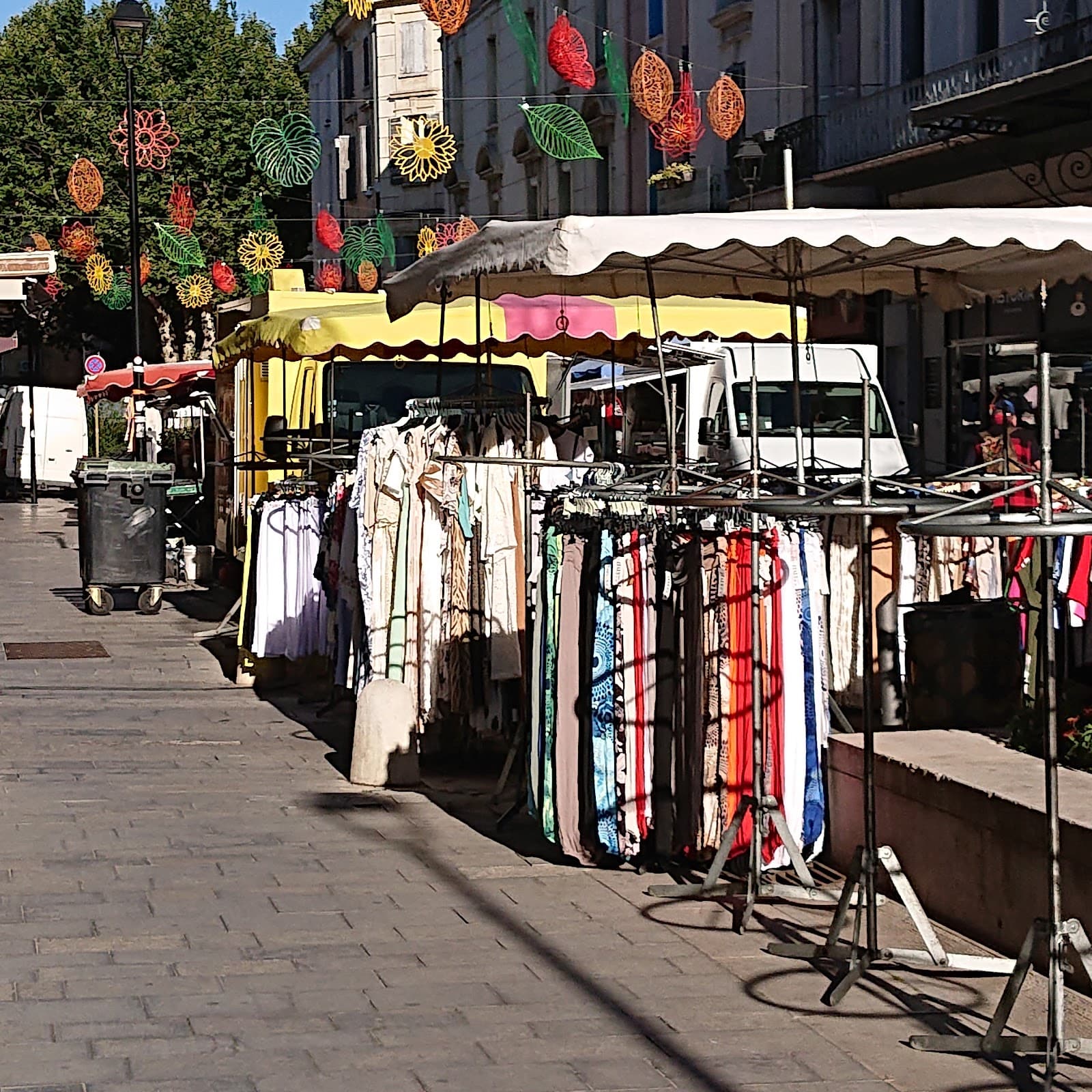
Discover regional produce and artisanal goods. Check market days for each village.
Tips
from all over the internet
🚗 Rent a Car for Freedom
Essential for exploring the villages and vineyards at your own pace. Book in advance!
🍷 Book Tastings Ahead
Many wineries recommend or require reservations for tastings. Call or check online!
🗺️ Download Offline Maps
Cell service can be spotty in rural areas. Essential for navigation.
🛍️ Explore Local Markets
Discover regional produce and artisanal goods. Check market days for each village.
What Travellers Say
Reviews Summary
Visitors consistently praise the Côtes du Rhône Wine Route for its exceptional wines, beautiful scenery, and friendly, knowledgeable staff at the cooperatives. The region offers a delightful experience for wine enthusiasts and those seeking to explore the Provençal countryside. Some visitors note that booking tastings in advance is advisable.
"Great wine cooperative with a fine selection of their wine. Attentive and helpful staff. Try the 'Hauts du Village' Rasteau and the Hors d'age Rasteau Vin Doux Naturel."
Colin Merriman
"Nice cooperative with wine tasting. Great selection, friendly and well organised."
Katie Jones
"Lovely helpful wine merchant with local products."
Anne Lamacraft
What People Like
What People Dislike
Frequently Asked Questions
🚇 🗺️ Getting There
The most convenient way to explore the Côtes du Rhône Wine Route North Vaucluse is by car. The nearest major airports are Marseille Provence Airport (MRS) and Avignon-Provence Airport (AVN). From these airports, you can rent a car and drive to the region. Major train stations like Avignon TGV also offer car rental services.
While challenging, it's possible to use a combination of local buses and taxis, but this significantly limits your flexibility. Some organized wine tours also operate from nearby cities like Avignon, offering a guided experience without the need for your own vehicle.
Popular starting points include Avignon, Orange, or Carpentras. These towns offer good access to the various appellations and provide accommodation and car rental options.
The route is not marked by a single designated road but rather a network of scenic byways connecting the wine villages. Look for signs indicating 'Route des Vins' or specific appellation signs.
The distances between villages can vary, but expect to drive several hours if you plan to visit multiple key locations in a day. It's best to plan your itinerary geographically to minimize backtracking.
🎫 🎫 Tickets & Entry
There are no general admission tickets for the wine route itself. Access to the villages and scenic drives is free. However, wine tastings at individual wineries or cooperatives typically have a fee, which is often waived if you purchase wine.
Tasting fees can range from €5 to €20 per person, depending on the winery and the number of wines offered. Some producers offer complimentary tastings with a minimum purchase.
It's highly recommended to book wine tastings in advance, especially for popular wineries or during peak tourist seasons. Many wineries prefer or require reservations to ensure they can provide a quality experience.
Winery hours vary, but generally, they are open from Monday to Saturday, typically from 9 AM or 10 AM to 12 PM or 1 PM, and then from 2 PM or 3 PM to 5 PM or 6 PM. Sunday openings are less common. Always check individual winery websites for the most accurate information.
While there isn't a single pass for the entire route, some regional tourism offices might offer wine route guides or maps that include information on participating wineries. Look for local tourist office brochures.
🎫 🧭 Onsite Experience
Key villages include Châteauneuf-du-Pape, Gigondas, Rasteau, Vacqueyras, and Cairanne. Each offers unique wines and charming Provençal atmospheres.
The region is famous for its Grenache-based red blends, known for their richness and complexity. You'll also find excellent rosés and some white wines, as well as sweet Vin Doux Naturel wines, particularly in Rasteau.
Yes, many local tour operators offer guided wine tours, either by van or even by bicycle for shorter routes. These tours often include transportation, tastings, and insights from a local guide.
Driving through the vineyards offers stunning views. For a more immersive experience, consider a guided bike tour or a leisurely walk through designated vineyard paths. Some wineries also offer vineyard tours.
Enjoy the picturesque villages, explore local markets, hike in the Dentelles de Montmirail, or visit historical sites like the papal palace ruins in Châteauneuf-du-Pape.
🍽️ 🍽️ Food & Dining
Savor Provençal specialties like ratatouille, daube (beef stew), and tapenade. Look for dishes featuring local lamb, olives, and herbs. Many restaurants offer menus that pair perfectly with the regional wines.
Yes, most villages have charming restaurants and bistros offering authentic regional cuisine. From casual eateries to more refined dining, you'll find options to suit every taste and budget.
Absolutely! Visiting local markets to gather cheese, charcuterie, bread, and fruits for a picnic amidst the vineyards is a quintessential Provençal experience.
Expect to pay around €15-€25 for a main course in a mid-range restaurant. Set menus (prix fixe) often offer good value, typically ranging from €25-€40 for two or three courses.
While traditional Provençal cuisine is meat-heavy, many restaurants are increasingly offering vegetarian and vegan options. It's always best to inquire when booking or ordering.
📸 📸 Photography
Capture panoramic vineyard views from elevated points, picturesque village streets, and the dramatic Dentelles de Montmirail mountains. Golden hour light is magical for vineyard shots.
Early morning and late afternoon (golden hours) offer the most beautiful light for landscape and vineyard photography, minimizing harsh shadows and creating a warm glow.
The ruins of the papal palace in Châteauneuf-du-Pape, the jagged peaks of the Dentelles de Montmirail, and the charming village squares are all excellent photographic subjects.
A wide-angle lens is great for landscapes and vineyards, while a telephoto lens can capture details in the mountains or distant villages. A tripod can be useful for low-light shots or capturing the Dentelles at sunset.
Generally, yes, but it's polite to ask permission from the winery staff before taking extensive photos, especially inside cellars or tasting rooms.

Social
from TikTok, Instagram & Reddit