Art Deco Center Centre-Ville
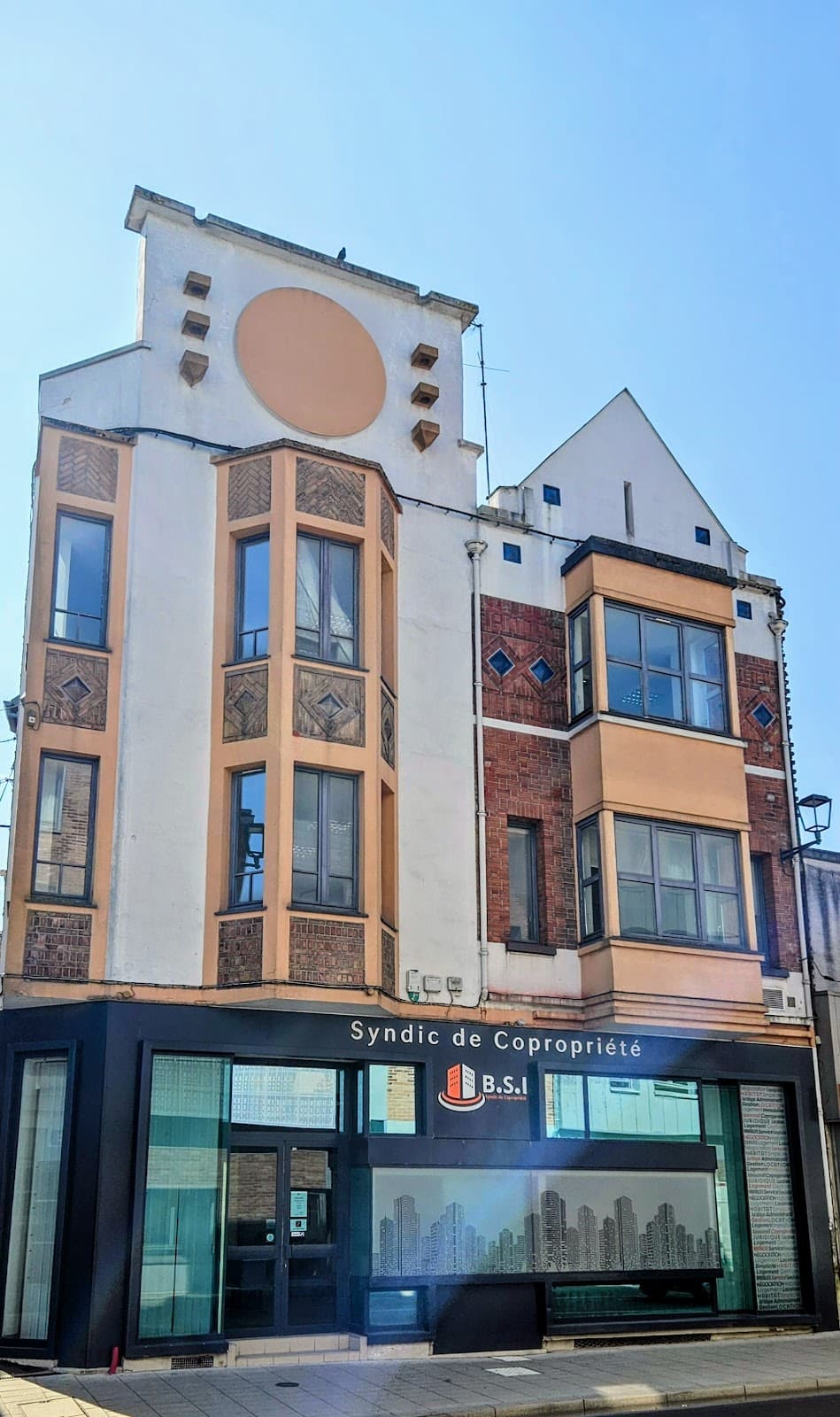
Discover Saint-Quentin's stunning Art Deco architectural renaissance, a vibrant legacy of post-WWI reconstruction.
Highlights
Must-see attractions

Social
From TikTok & Reddit
Best Time
Best for architectural viewing
Art Deco Center Centre-Ville
Best Time
Best for architectural viewing
Highlights
Must-see attractions
Discover Saint-Quentin's stunning Art Deco architectural renaissance, a vibrant legacy of post-WWI reconstruction.
"The 'Art Deco Trail' is the perfect way to explore Saint-Quentin's magnificent and iconic sites."
🚶♀️ Grab the Art Deco Trail Map
Get the official brochure from the Tourist Office to navigate the key Art Deco sites efficiently. :world_map:
👟 Wear Comfortable Shoes
The trail involves walking, so comfortable footwear is essential for exploring the city's Art Deco gems. :athletic_shoe:

Highlights
Discover the most iconic attractions and experiences
Municipal Fish Market
A striking example of Art Deco architecture, showcasing the city's post-war rebuilding efforts with unique design elements.
Bow Windows & Stained Glass
Discover intricate bow windows and the breathtaking stained-glass artistry within the basilica, reflecting the era's decorative flair.
Rue de la Sous-Préfecture
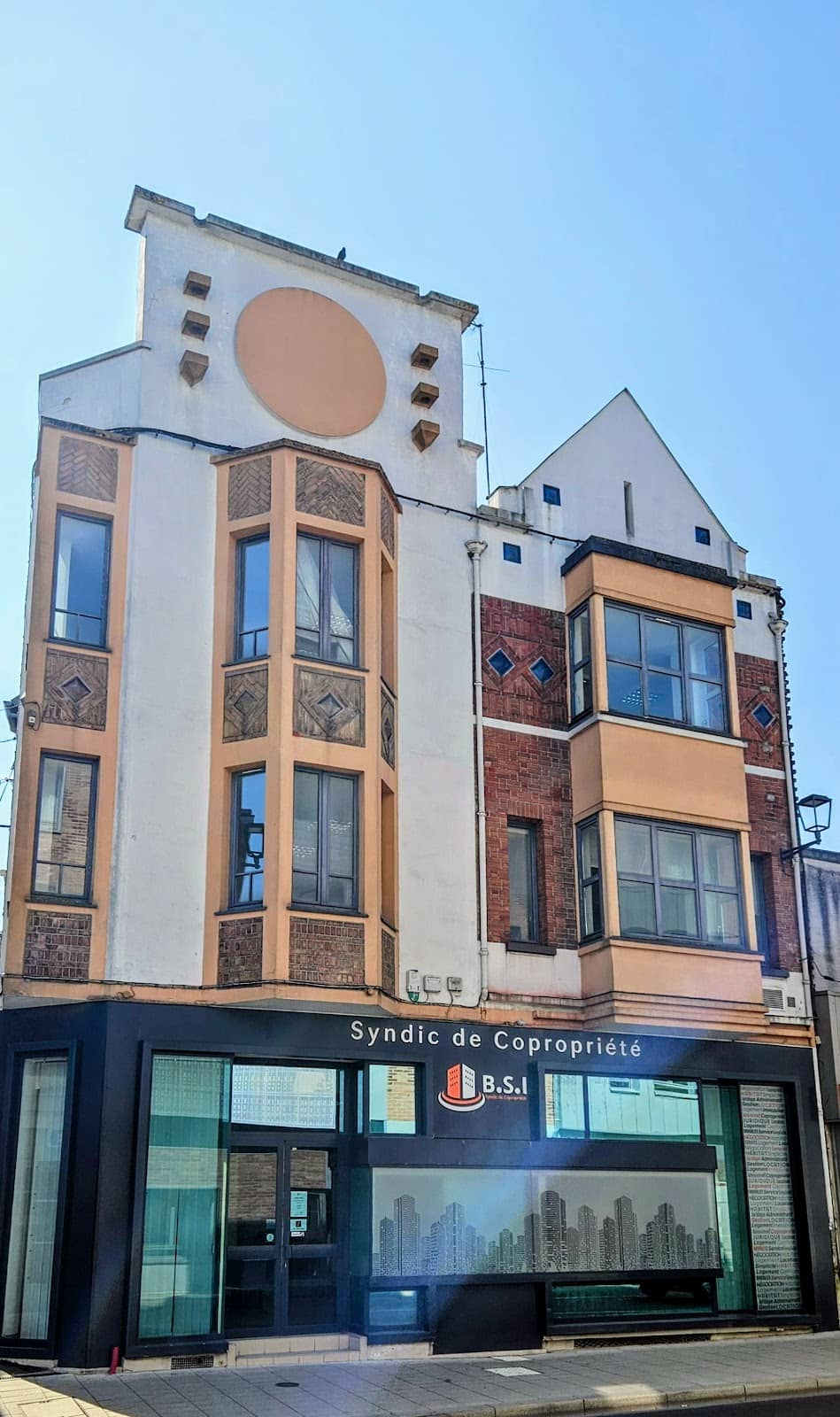
Explore this street for a concentration of Art Deco buildings, offering a glimpse into the residential and commercial architecture of the 1920s.
Town Hall Council Chamber
Marvel at the Art Deco chandelier and the ornate Council Chamber, a testament to the city's commitment to modern design post-war.
Plans like a pro.
Thinks like you
Planning Your Visit
Embrace the Art Deco Trail
Understand the City's Rebirth
Best Times
Insider Tips
from TikTok, Instagram & Reddit
🚶♀️ Grab the Art Deco Trail Map
Get the official brochure from the Tourist Office to navigate the key Art Deco sites efficiently. :world_map:
👟 Wear Comfortable Shoes
The trail involves walking, so comfortable footwear is essential for exploring the city's Art Deco gems. :athletic_shoe:
📸 Capture the Details
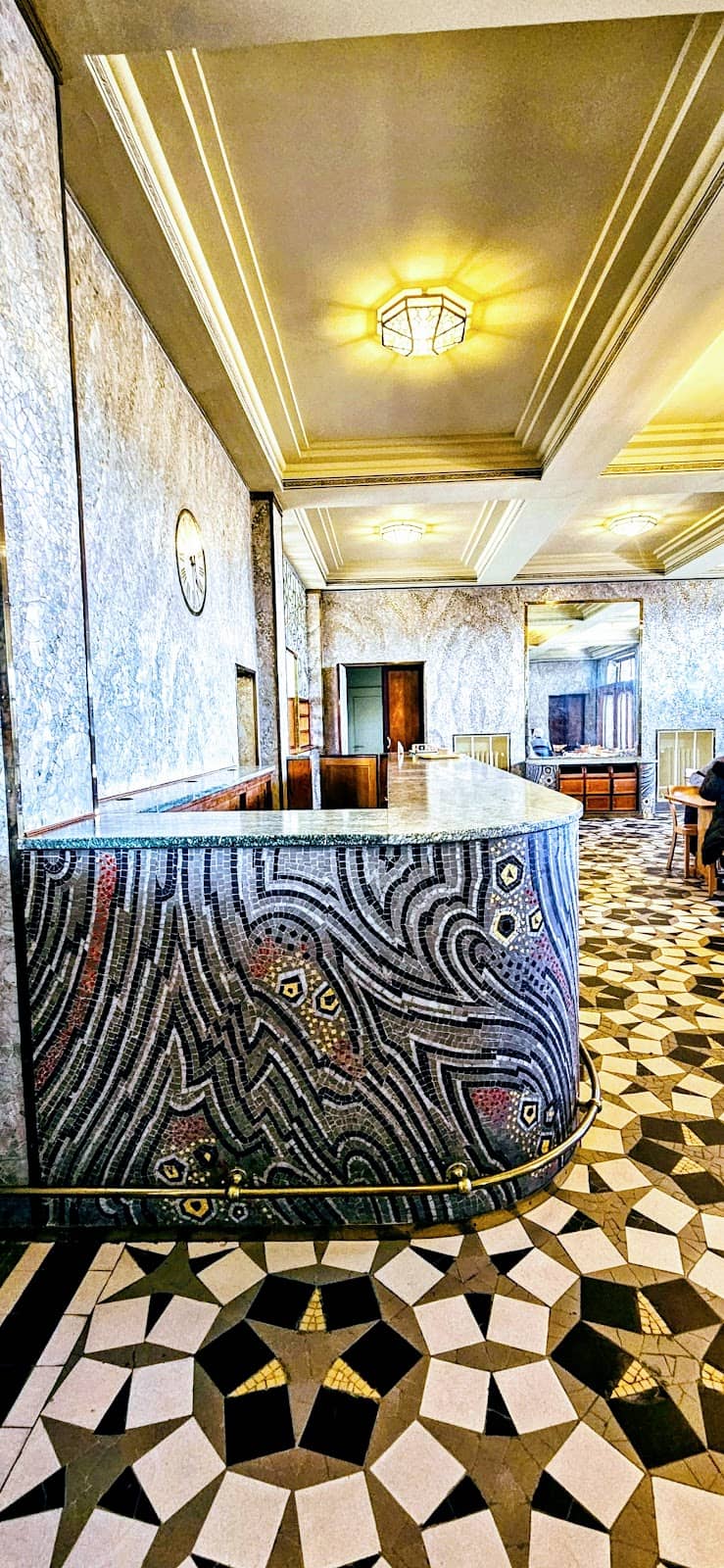
Look for stylized geometrics, bas-reliefs, wrought iron, and mosaics – hallmarks of the Art Deco style. :camerawithflash:
⏳ Allow Ample Time
While the trail is about two hours, take your time to truly appreciate the intricate designs and historical context. :hourglass:
Tips
from all over the internet
🚶♀️ Grab the Art Deco Trail Map
Get the official brochure from the Tourist Office to navigate the key Art Deco sites efficiently. :world_map:
👟 Wear Comfortable Shoes
The trail involves walking, so comfortable footwear is essential for exploring the city's Art Deco gems. :athletic_shoe:
📸 Capture the Details
Look for stylized geometrics, bas-reliefs, wrought iron, and mosaics – hallmarks of the Art Deco style. :camerawithflash:
⏳ Allow Ample Time
While the trail is about two hours, take your time to truly appreciate the intricate designs and historical context. :hourglass:
What Travellers Say
Reviews Summary
Visitors praise Saint-Quentin's remarkable Art Deco architecture, a testament to its post-war reconstruction. The 'Art Deco Trail' is highly recommended for its comprehensive guide to the city's unique style. Some find the trail extensive, suggesting comfortable shoes are essential for full enjoyment.
"By visiting the Saint-Quentin Tourist Office, you can obtain an "Art Deco Trail" brochure, which allows you to discover these magnificent and iconic sites in approximately two hours. The trail includes: the Municipal Fish Market, the bow windows, the stained-glass windows of the basilica, the Rue de la Sous-Préfecture, the "Quatre Vents" crossroads, the Rue de Lyon, the Carillon, the Rue de la Sellerie, the Conservatory of Music and Theatre, the École des Patriotes, the Rue Voltaire, the public baths, the Place de l'Hôtel de Ville, the Council Chamber, the train station area, the Buffet de la Gare, the Casino, the Fraternelle and the Maison du Peuple... and other points of interest such as the Orientalist palmette decoration of the former Nouvelles Galeries department store, and the Art Deco chandelier on the landing leading to the Council Chamber of the Town Hall. At the end of the First World War, Saint-Quentin, occupied from 1914 to 1918 by the German army and located on the Hindenburg Line, was more than 70% destroyed. During the 1920s, the city was rebuilt. Alongside restorations and reconstructions identical to the originals, and neoclassical, neo-Gothic, or regionalist creations, the Art Deco style quickly emerged in Saint-Quentin. In 1925, the International Exhibition of Modern Decorative and Industrial Arts in Paris was the culmination of the aesthetic movement that would be called "Art Deco." This artistic movement, particularly in architecture, has its origins on the eve of the Great War (the exhibition was initially scheduled for 1915), but the reconstruction of devastated cities offered designers a tremendous opportunity to apply the principles of a new way of life, that of the Roaring Twenties. Art Deco aimed to be a A break with the "disorder of Art Nouveau" and a return to classical tradition, blended with influences as diverse as Cubism, Antiquity, and the arts of Africa and the Far East. Bas-reliefs in concrete or sculpted stone, wrought ironwork, and mosaics, which made a strong comeback, were all mediums and materials exploited by artists in a spirit of stylization and geometrization of natural forms. In Saint-Quentin, architects worked on the reconstruction of the homes of wealthy clients, businesses, and public buildings. Art Deco was undoubtedly the most remarkable style of the city's architectural renaissance after the trauma of the First World War.
* Restrictive algorithms of Google Maps"
Gilles Lemoine
What People Like
What People Dislike
Frequently Asked Questions
🚇 🗺️ Getting There
The Art Deco Center Centre-Ville is spread throughout the city of Saint-Quentin. The best way to explore is by foot, starting from the Saint-Quentin Tourist Office to pick up the 'Art Deco Trail' brochure. Public transport within the city is limited for this specific trail, so walking is highly recommended.
Yes, there are several public parking lots available in the city center of Saint-Quentin. Consider parking near the Town Hall or the Tourist Office to begin your Art Deco trail.
While buses serve Saint-Quentin, they are not ideal for following the Art Deco trail as the sites are spread out. Walking is the most effective way to experience the architectural details.
🎫 🎫 Tickets & Entry
No, most of the Art Deco buildings are exterior views and part of the city's fabric, so no tickets are required to see them from the outside. The 'Art Deco Trail' brochure is free from the Tourist Office.
The Art Deco Trail is an outdoor walking tour, so you can explore it at any time. However, visiting during daylight hours is best for appreciating the architecture. The Tourist Office has specific opening hours for brochure pickup.
There is no general entrance fee for the Art Deco Center Centre-Ville as it refers to the collection of Art Deco architecture throughout the city. The 'Art Deco Trail' brochure is complimentary.
The Town Hall and its Council Chamber are generally accessible, but it's advisable to check with the Saint-Quentin Tourist Office for any specific visiting hours or potential restrictions.
📸 📸 Photography
Key spots include the Municipal Fish Market, the Town Hall, and various buildings along Rue de la Sous-Préfecture and Rue Voltaire. Look for unique facades, decorative elements, and geometric patterns.
Generally, exterior photography is permitted. However, if you plan to enter public buildings like the Town Hall, check for any internal photography policies.
Early morning or late afternoon light can highlight the textures and details of the Art Deco buildings beautifully. Avoid harsh midday sun if possible.
🎫 🏛️ History & Style
Saint-Quentin was heavily destroyed in WWI and rebuilt in the 1920s. Art Deco became the dominant style, reflecting a modern, optimistic spirit and a break from pre-war aesthetics.
Expect stylized geometric forms, decorative bas-reliefs, wrought ironwork, mosaics, and a blend of classical tradition with influences from Cubism and exotic arts.
The 'Art Deco Trail' is designed to be completed in approximately two hours of walking and observation.
For Different Travelers
Tailored advice for your travel style
👨👩👧 Families with Kids
To make the most of it with kids, consider breaking the trail into smaller segments or focusing on a few key highlights rather than attempting the full two-hour walk at once. Bringing along snacks and ensuring everyone has comfortable shoes will enhance the experience. The 'Art Deco Trail' brochure from the Tourist Office can be a good starting point for planning.
🚶 Budget Travelers
This self-guided walking tour requires no admission fees for the architectural exteriors. You can save money by packing your own snacks and water, and by utilizing public transport to reach the city center before embarking on the walking tour. The experience offers a rich cultural and historical immersion without significant expense.
Deep Dives
In-depth insights and expert knowledge
The Art Deco Renaissance of Saint-Quentin
The Art Deco movement in Saint-Quentin is characterized by its stylization and geometrization of natural forms. You'll find striking bas-reliefs in concrete and sculpted stone, intricate wrought ironwork, and vibrant mosaics adorning buildings. This style aimed to embody the spirit of the Roaring Twenties – a blend of tradition and modernity, drawing inspiration from diverse sources including Cubism, classical antiquity, and the arts of Africa and the Far East.
Key examples of this architectural renaissance can be seen across the city, from public buildings like the Municipal Fish Market and the Town Hall to residential homes and businesses. The 'Art Deco Trail,' available from the Saint-Quentin Tourist Office, guides visitors through these magnificent sites, allowing them to appreciate the city's resilience and its commitment to a bold, new architectural vision.
Navigating the Art Deco Trail
Key stops on the trail include the Municipal Fish Market, the bow windows and stained-glass windows of the basilica, and various streets like Rue de la Sous-Préfecture and Rue Voltaire. Don't miss the Town Hall, particularly its Council Chamber with its impressive Art Deco chandelier, or the Buffet de la Gare and Maison du Peuple, which showcase the style's application in public and community spaces.
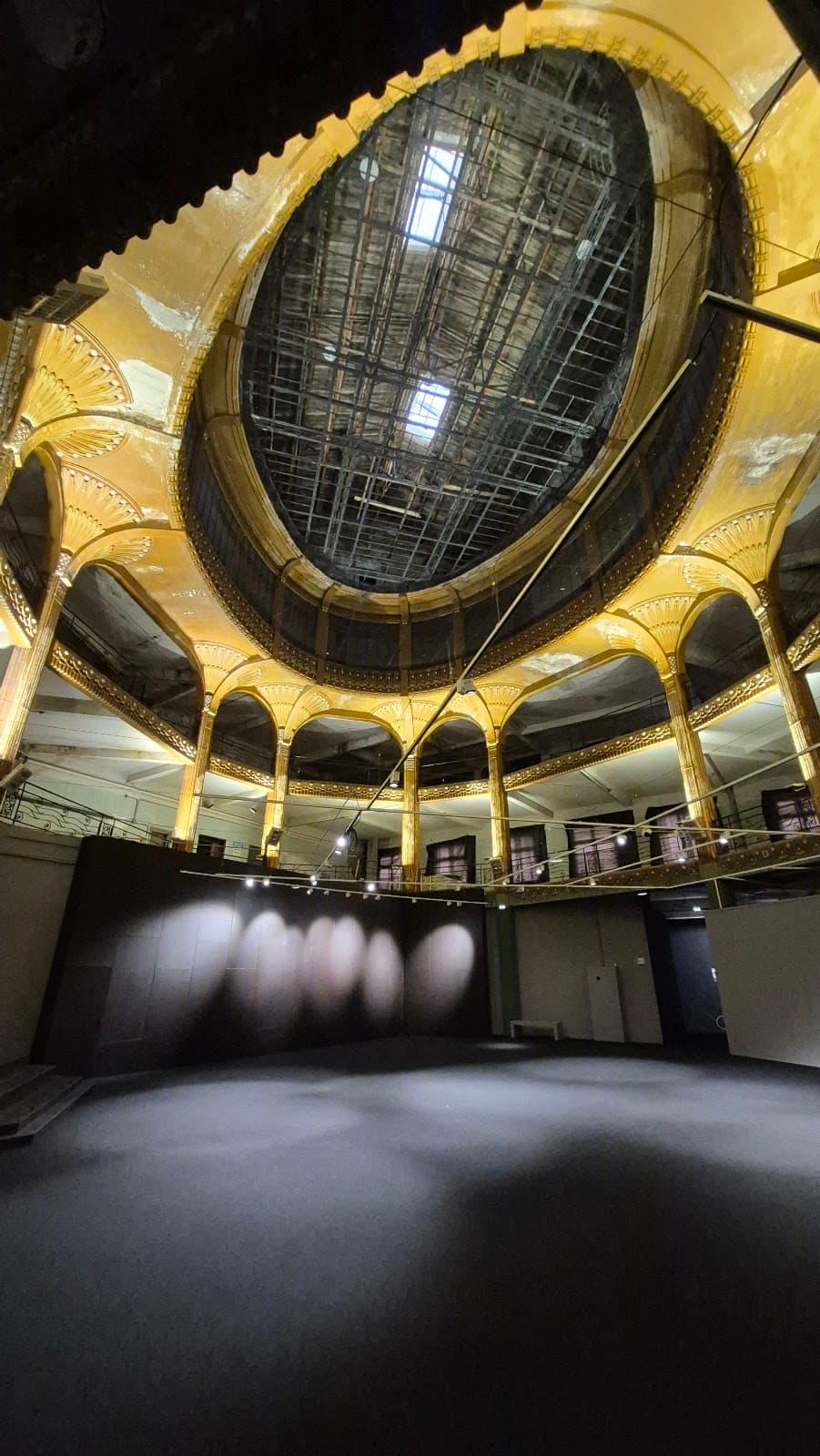
When exploring, pay close attention to the decorative details: the Orientalist palmette on the former Nouvelles Galeries department store, the stylized motifs, and the geometric patterns that are hallmarks of the Art Deco movement. Comfortable shoes are a must, as you'll be doing a fair amount of walking to fully appreciate the breadth of this architectural revival.



Social
from TikTok, Instagram & Reddit