Raiatea Taputapuatea
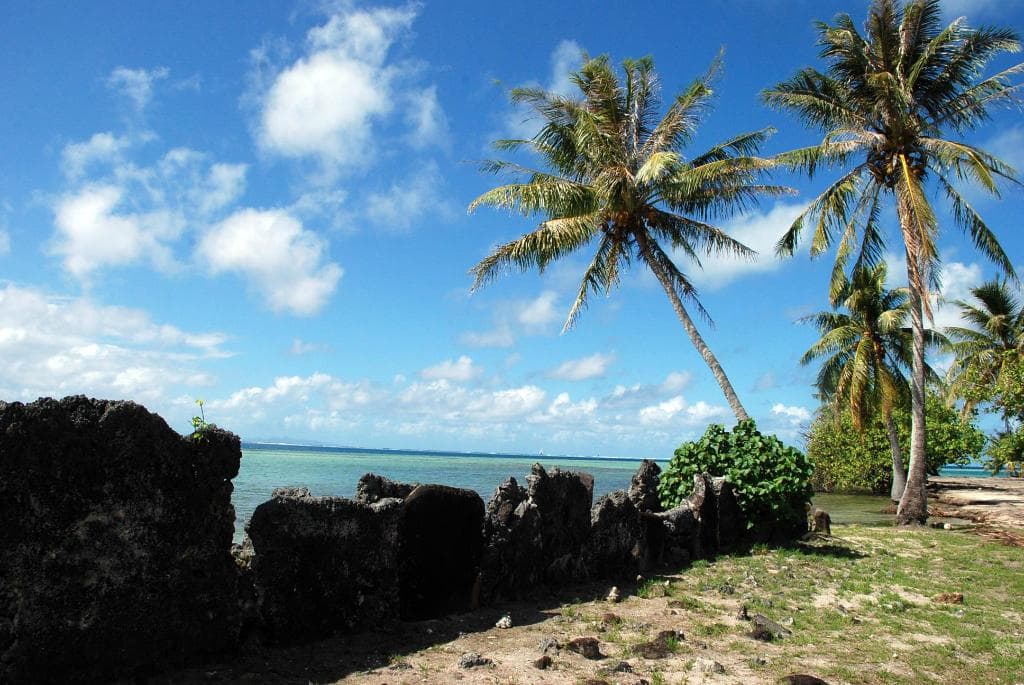
Raiatea Taputapuatea: UNESCO site, the spiritual and political heart of ancient Polynesia, a testament to a rich cultural legacy.
Highlights
Must-see attractions

Social
From TikTok & Reddit
Best Time
Beat the heat and crowds.
Raiatea Taputapuatea
Best Time
Beat the heat and crowds.
Highlights
Must-see attractions
Raiatea Taputapuatea: UNESCO site, the spiritual and political heart of ancient Polynesia, a testament to a rich cultural legacy.
"Taputapuatea Marae is a must-stop, the heart of French Polynesia, offering a deeply spiritual experience."

Grab the Info Pamphlets
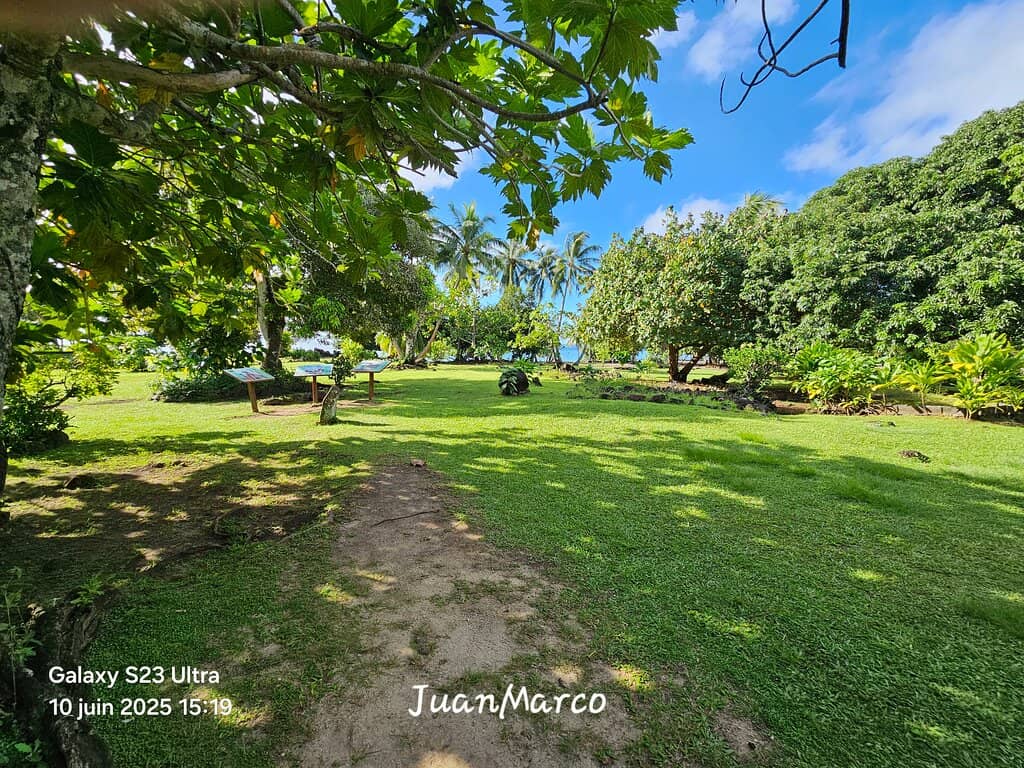
Numbered pamphlets at the information booth are key to understanding the site. :iphone:
Wear Appropriate Footwear
It can be muddy and sandy; there's a shoe-cleaning station for after. :athletic_shoe:
Quick Facts
Hours
Rating
4.7 · 541 reviews
Type
Historical Place
Highlights
Discover the most iconic attractions and experiences
Taputapuatea Marae
Opoa, Raiatea
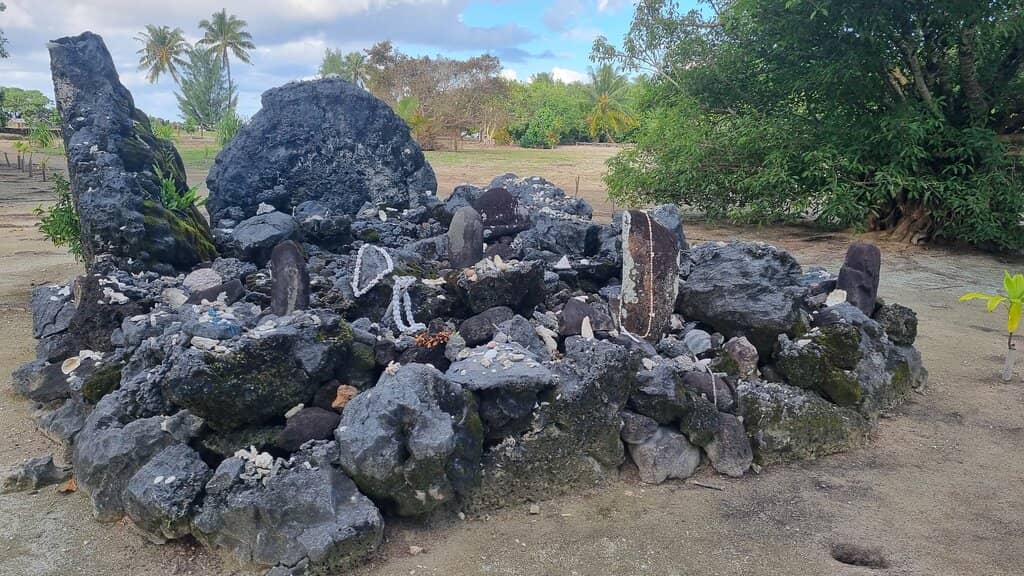
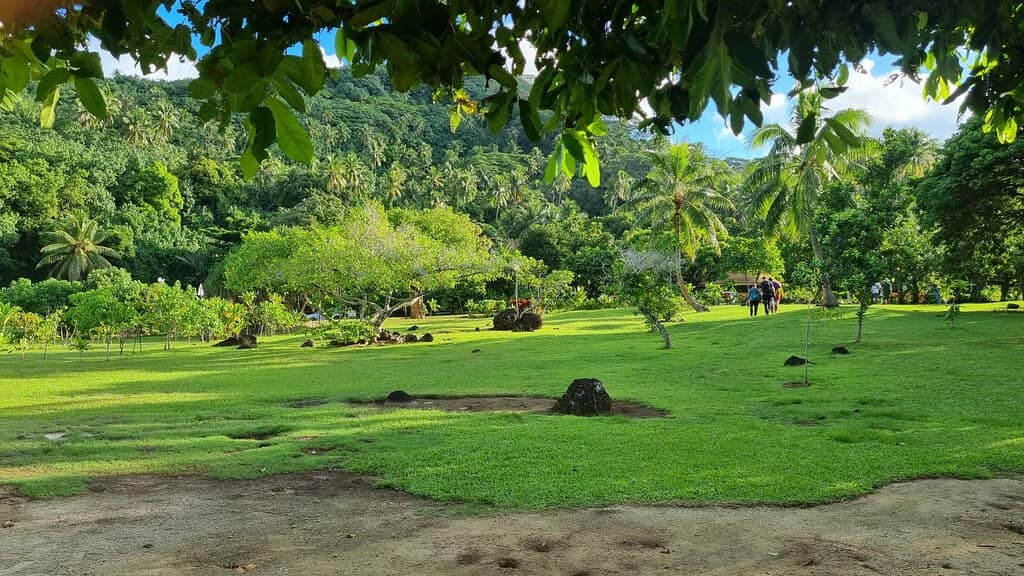
The spiritual heart of Polynesia, a UNESCO site where ancient chiefs and priests gathered.
Faaroa River Kayaking
Faaroa River
Paddle through lush rainforests on the only navigable river in French Polynesia.
Vanilla Plantations
Raiatea Island
Discover the fragrant world of vanilla cultivation on this fertile island.
Plans like a pro.
Thinks like you
Planning Your Visit
Respect the Sacred Ground
Allocate Sufficient Time
Best Times
Insider Tips
from TikTok, Instagram & Reddit
Grab the Info Pamphlets
Numbered pamphlets at the information booth are key to understanding the site. :iphone:
Wear Appropriate Footwear
It can be muddy and sandy; there's a shoe-cleaning station for after. :athletic_shoe:
Allow Time for Reflection
Take your time to read plaques and absorb the gravity of this sacred site.
Embrace the Sacredness
Feel the spiritual energy and connect with Polynesian heritage.

Tips
from all over the internet
Grab the Info Pamphlets
Numbered pamphlets at the information booth are key to understanding the site. :iphone:
Wear Appropriate Footwear
It can be muddy and sandy; there's a shoe-cleaning station for after. :athletic_shoe:
Allow Time for Reflection
Take your time to read plaques and absorb the gravity of this sacred site.
Embrace the Sacredness
Feel the spiritual energy and connect with Polynesian heritage.
Consider an Island Tour
Truck tours offer access to beautiful, diverse spots across the island.
What Travellers Say
Reviews Summary
Visitors consistently praise Taputapuatea Marae for its profound historical and spiritual significance, calling it a 'must-stop' and a 'memorable experience.' The site's role as the cultural heart of Polynesia resonates deeply. Some reviewers note the importance of respecting the sacred ground and suggest allocating ample time to fully appreciate its gravity.
"Taputapuatea Marae definitely a memorable experience. Maohi - to return to the whenua where Tainui waka began the historical journey to Aotearoa. I can report your legacy is thriving in Aotearoa. I am truly grateful for all that our tupuna endured to make the journey to Aotearoa and am truly honoured to represent a fraction of your legacy."
Shirl Tata
"This is one of the most beautiful areas of the island if you want to see the island right take a truck tour and you will get to stop and see some of the most beautiful places I am so happy that I was able to do this.
To the team that got me in the tour and through the tour thank you so very much and God bless you.
Thank you for your time, talent, and energy. I value and appreciate your service.
TEAM is Together Everyone Achieves More"
James Coonrod
"Marae Taputapuātea, located on Ra'iātea Island in French Polynesia, stands as one of the most sacred and historically significant sites in Polynesian culture. This UNESCO World Heritage Site represents both the spiritual heart of Polynesian civilization and a poignant testament to the disruptive forces of colonialism.
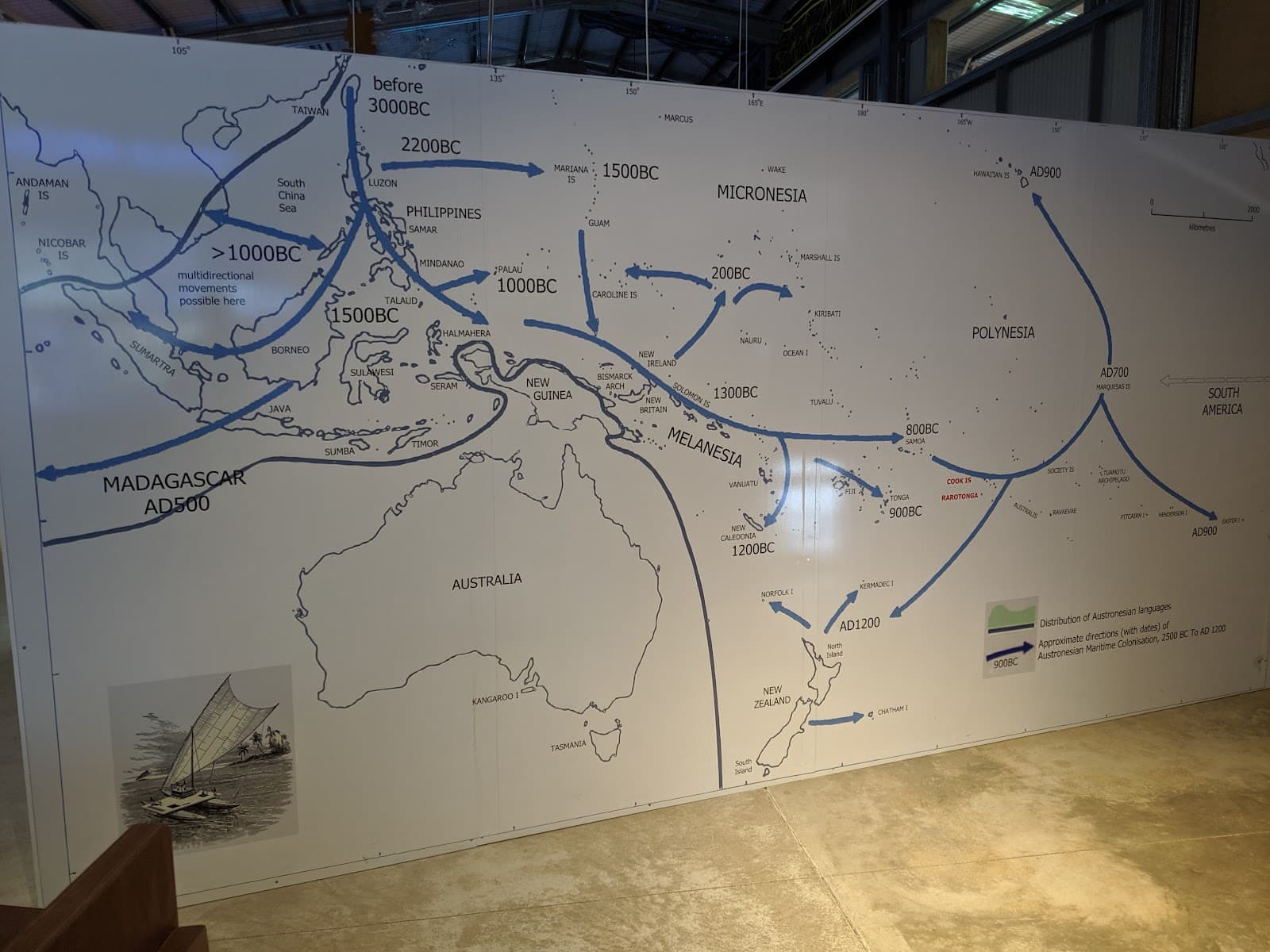
Marae Taputapuātea served as the religious and political epicenter of Eastern Polynesia for nearly a millennium, with its importance radiating across the vast Polynesian Triangle that connects Hawai'i, New Zealand, and Rapa Nui Easter Island .
The marae complex was dedicated to 'Oro, the god of life and death, though it was originally consecrated to Ta'aroa, the creator god.
It functioned as a sacred conduit where the world of the living Te Ao intersected with the world of ancestors and gods Te Po.
The site hosted important rituals including human sacrifices when the drum Ta'imoana sounded, chiefly inaugurations, and ceremonies where priests donned yellow and red feather belts to honor 'Oro.
From approximately 1000 AD to the 18th century, it was the center of a vast political alliance network spanning most of Polynesia.
Chiefs, warriors and priests from across the Pacific gathered here regularly to maintain alliances, share navigational knowledge, and conduct ceremonies.
New marae throughout Polynesia were often established with stones taken from Taputapuātea, creating spiritual links between distant islands.
Positioned at the center of the Polynesian Triangle, it was a crucial waypoint for voyaging canoes.
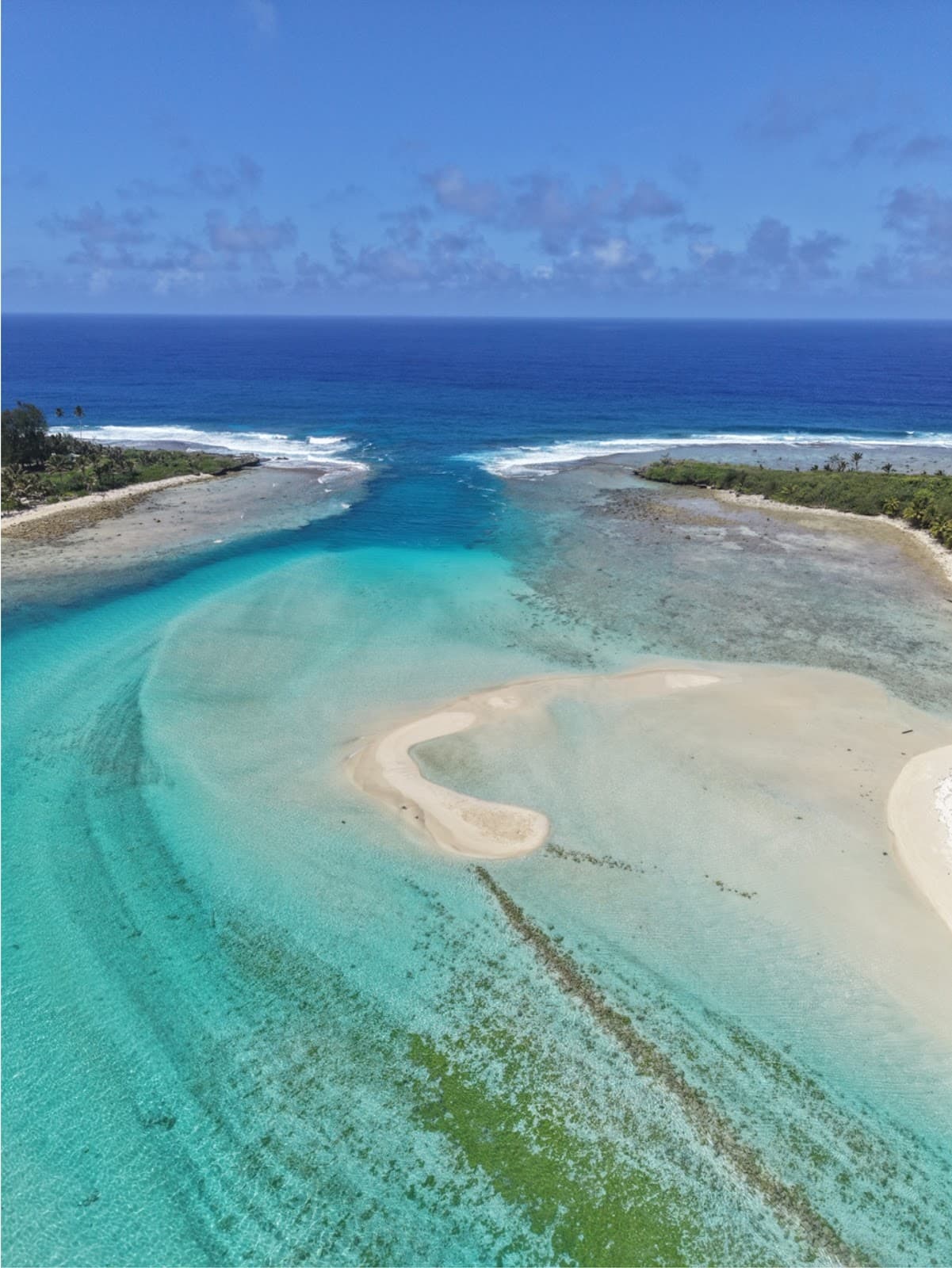
The site faces Te Ava Mo'a, a sacred reef passage that ancient navigators used when arriving for ceremonies.
It served as a school where priests and navigators shared knowledge of celestial navigation and genealogical origins of the universe.
The arrival of European colonizers in the 18th century marked the beginning of a devastating period for Taputapuātea and Polynesian culture as a whole.
Warriors from Bora Bora invaded Ra'iātea, destroying godhouses at Taputapuātea, wrecking platforms, and cutting down sacred trees
This attack displaced many Raiateans, including Mai later known as Omai, who became the first Polynesian to visit England.
In 1769, James Cook claimed the island for Britain, fulfilling a Polynesian prophecy about outriggerless canoes bringing new rulers.
Early 19th century missionaries prompted the abandonment of traditional practices and the marae complex fell into disuse.
Christian conversion efforts actively suppressed indigenous spiritual practices centered around the marae.
By 1929, when ethnographer Te Rangi Hīroa visited, he found the site in ruins, writing mournfully about the bleak wind of oblivion that had swept over Opoa.
The complex interisland alliance system maintained through Taputapuātea ceremonies was shattered.
Traditional knowledge systems including navigation techniques and spiritual practices were nearly lost.
Despite colonial disruptions, Taputapuātea has regained its status as a living cultural center in recent decades.
Restored in 1994 and designated a UNESCO World Heritage site in 2017 for its outstanding testimony to 1,000 years of mā'ohi civilization.
Still serves as a pilgrimage site where Polynesians from across the Pacific reconnect with their ancestral roots.
The Association Na Papa E Va'u Raiatea works to preserve the site and revive connections throughout Polynesia.
Balancing tourism with sacredness visitors are asked to stay on paths, avoid climbing stones, and maintain respectful silence.
Ongoing efforts to reclaim and preserve traditional knowledge nearly erased by colonialism.
Maintaining the site's physical integrity while honoring its spiritual significance.
Marae Taputapuātea stands as both a monument to Polynesia's remarkable precolonial achievements and a reminder of colonialism's disruptive power. Its story encapsulates the resilience of indigenous cultures and their ongoing efforts to reclaim and celebrate their heritage in the postcolonial era. Today, as voyaging canoes once again stop to pay tribute, Tapu"
Weaning Ping
What People Like
What People Dislike
Frequently Asked Questions
🚇 🗺️ Getting There
Raiatea Taputapuatea is located on Raiatea Island in French Polynesia. You can reach Raiatea by flight to Raiatea Airport (RFP). From the airport, taxis or rental cars are available to take you to the Marae.
Yes, there is a small parking lot available near the information booth at Taputapuatea Marae.
Public transportation options on Raiatea can be limited. Renting a car or taking a taxi is generally more convenient for reaching the Marae.
Many visitors opt for truck tours to see various beautiful locations across the island, including the Marae.
Raiatea is known as the 'sacred island' and offers lush landscapes. Navigating by car or guided tour is recommended.
🎫 🎫 Tickets & Entry
Entry to Taputapuatea Marae is generally free, but donations are appreciated to support its preservation. Check for any specific tour fees if you opt for a guided experience.
The Marae is typically accessible during daylight hours. It's best to visit during the day to fully appreciate the site and its historical context.
There is no mandatory entrance fee for Taputapuatea Marae itself, but respecting the site and its cultural significance is paramount.
Yes, you can visit the Marae independently. However, utilizing the provided pamphlets can greatly enhance your understanding of the site.
Guided tours, often part of island excursions, can provide deeper insights into the history and cultural importance of the Marae.
🎫 🧭 Onsite Experience
Taputapuatea Marae was the religious and political epicenter of Eastern Polynesia for nearly a millennium, a sacred conduit between the living and the divine.
Wear comfortable clothing and footwear suitable for walking on potentially muddy and sandy terrain. Avoid climbing on any structures.
A thorough visit, including reading the plaques, can take about an hour. However, you might want to spend more time reflecting.
Yes, there are restrooms available near the parking lot and information booth.
Visitors must stay on paths, avoid climbing stones, and maintain respectful silence. Do not walk on the marae grounds or artifacts.
📸 📸 Photography
Photography is generally allowed, but always be mindful of the sacred nature of the site. Avoid intrusive photography and focus on capturing the historical and cultural essence respectfully.
The central platform and the sacred passage (Te Ava Mo'a) offer iconic views. Capture the interplay of ancient stones with the surrounding lagoon.
Drone usage may be restricted due to the site's cultural and religious significance. It's advisable to check local regulations before flying.
Early morning or late afternoon light can create beautiful, dramatic shots. The golden hour can highlight the ancient stones.
Be respectful and avoid photographing any ceremonies or private rituals. Focus on the landscape and the historical structures.



Social
from TikTok, Instagram & Reddit