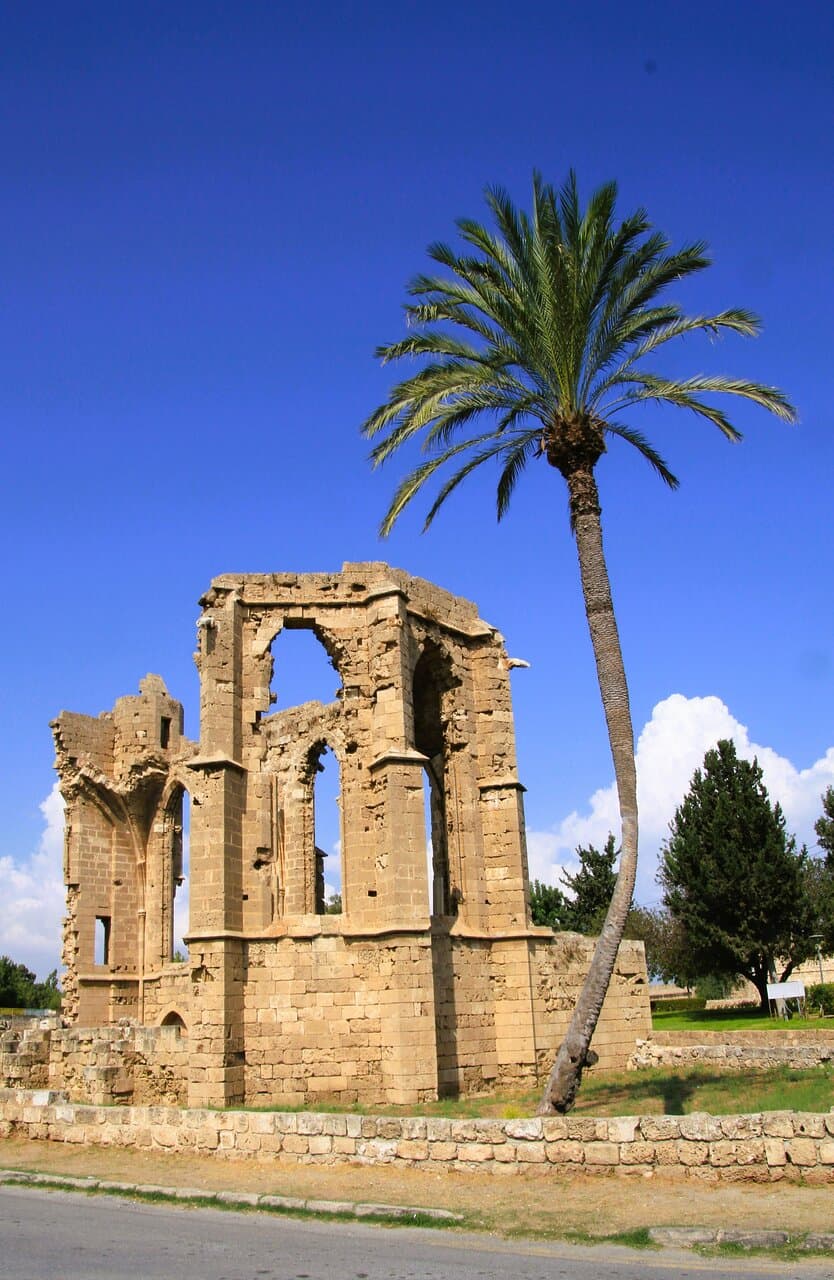
St George of the Latins
Explore the evocative ruins of St. George of the Latins, a 13th-century church in Famagusta, offering a glimpse into Lusignan-era architecture and his...
Highlights
Must-see attractions

Social
From TikTok & Reddit
Best Time
Fewer crowds, softer light
St George of the Latins
Best Time
Fewer crowds, softer light
Highlights
Must-see attractions
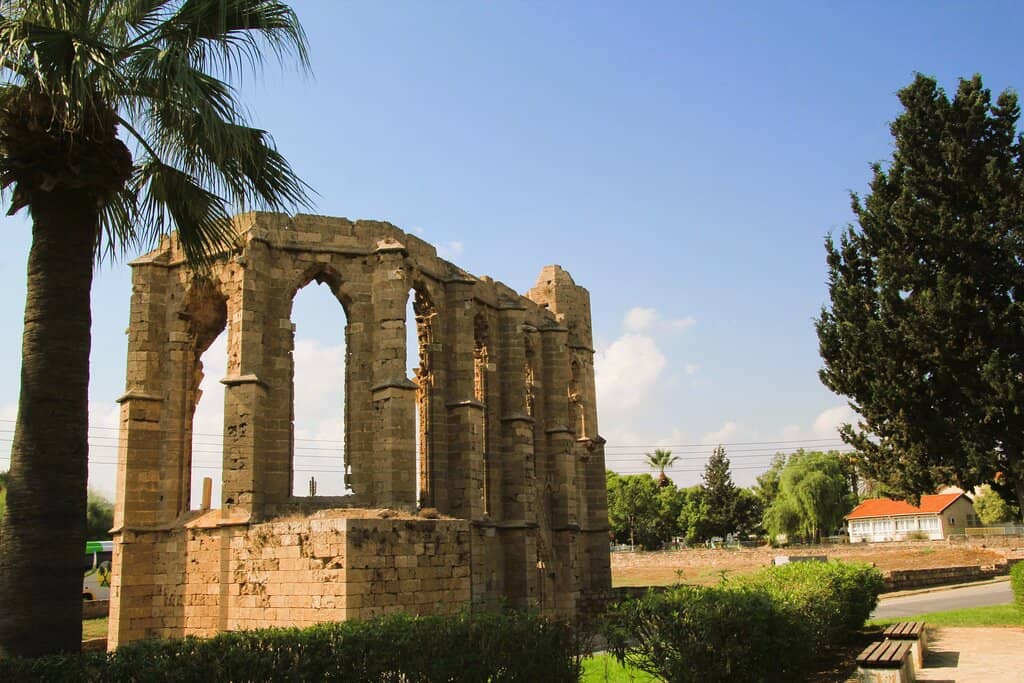
Explore the evocative ruins of St. George of the Latins, a 13th-century church in Famagusta, offering a glimpse into Lusignan-era architecture and history.
"You needn't be religious to find it saddening to see the remains of what must once have been a majestic piece of architecture reduced to nothing more than a mere skeleton."
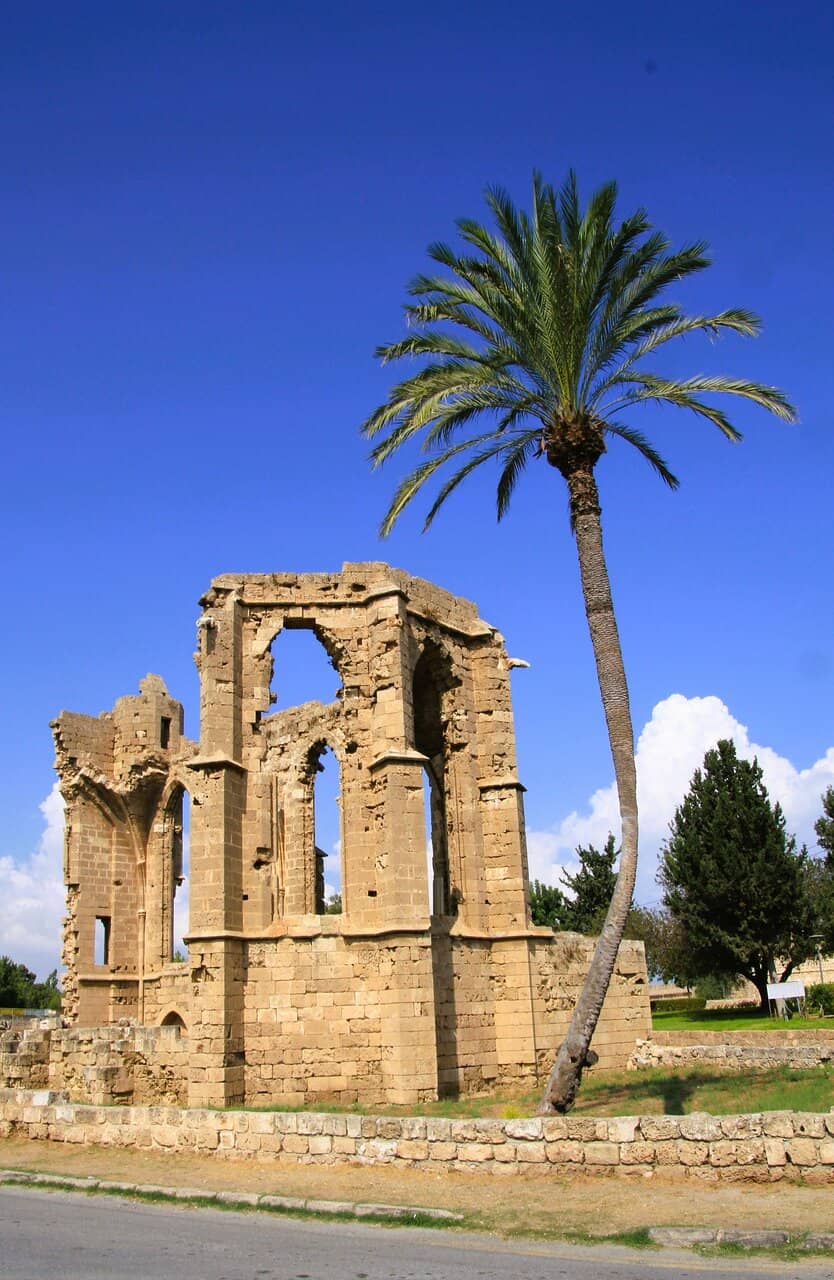
📸 Capture the History
Focus on the textures and details of the ruins for evocative photos.
🚶♀️ Explore the Old City
Combine your visit with Othello's Tower and the city walls for a full historical experience.
Quick Facts
Rating
4.4 · 49 reviews
Type
Church
Highlights
Discover the most iconic attractions and experiences
Architectural Remnants
Northern Old City, Famagusta
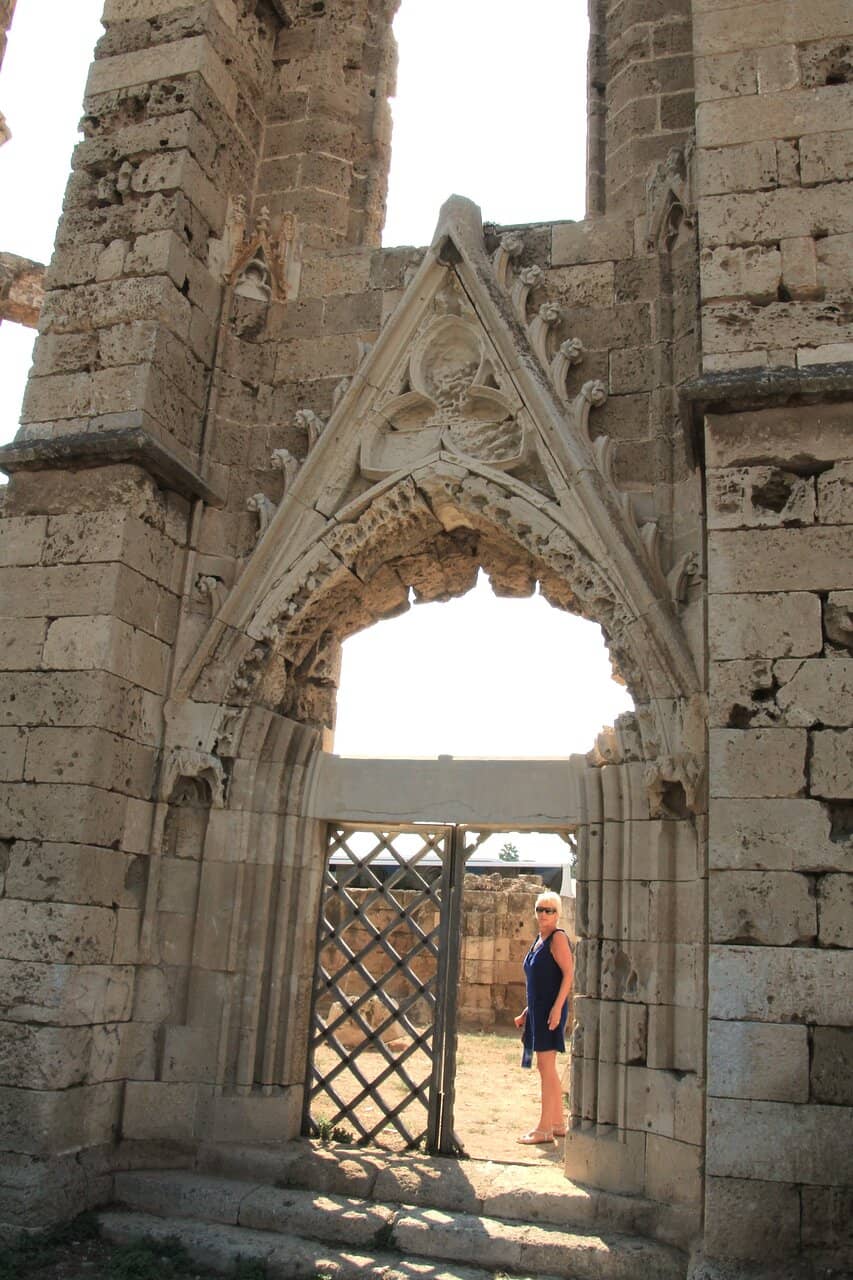
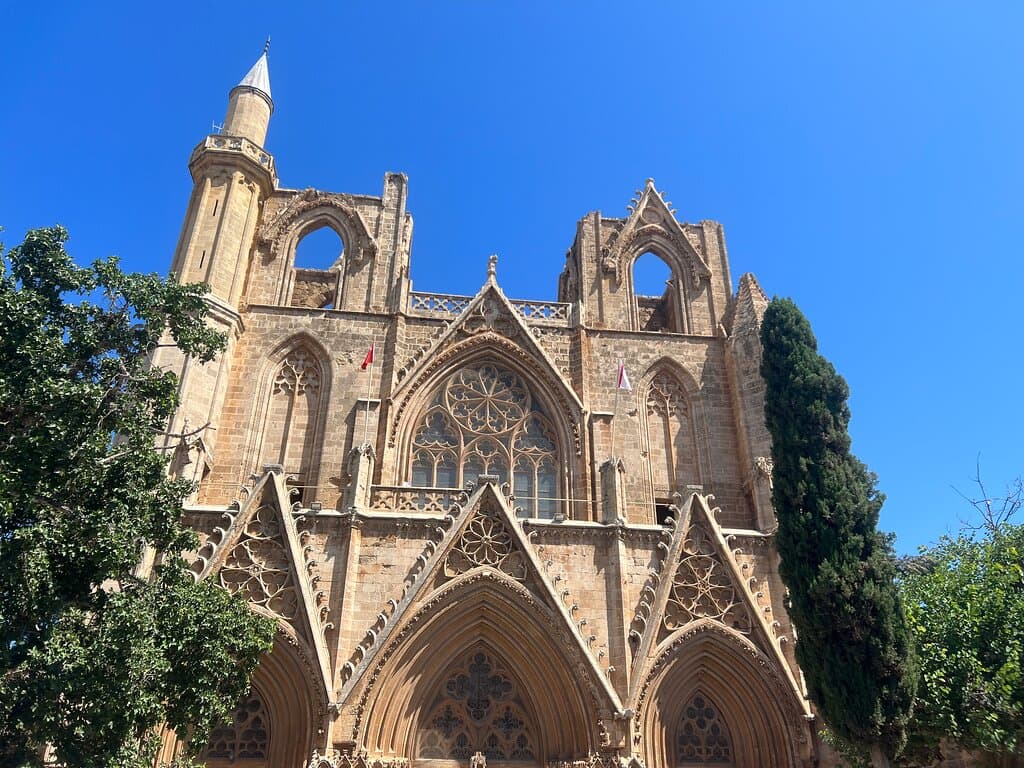
Explore the skeletal remains of a once-majestic church, a testament to Lusignan-era architecture.
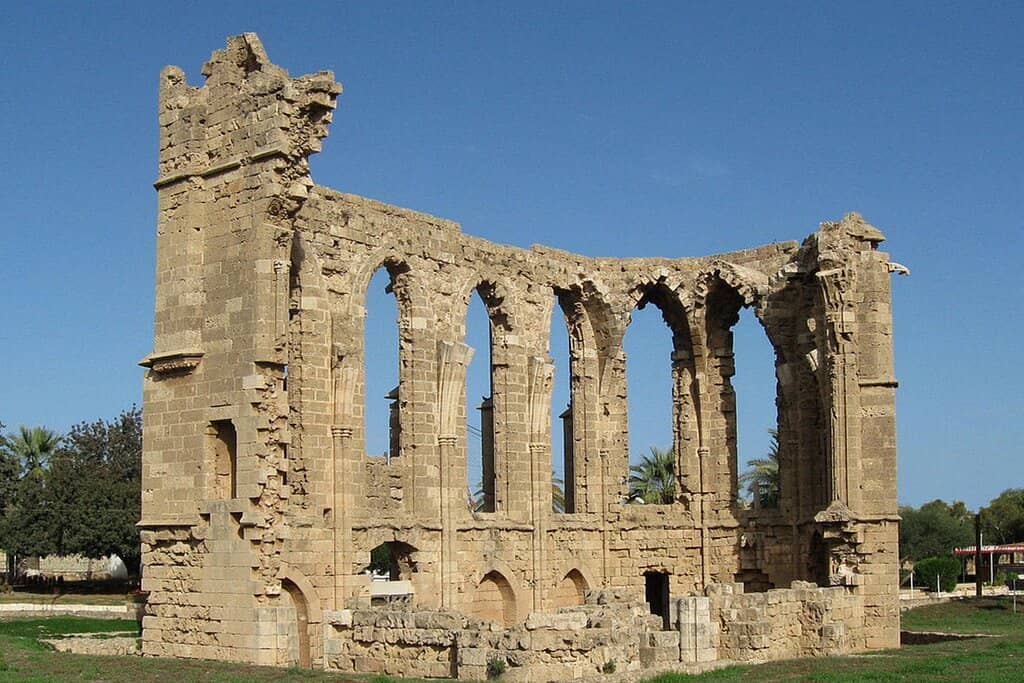
Spiral Staircase
Southwest corner
Discover the first steps of a spiral staircase, hinting at access to the roof and past defensive capabilities.
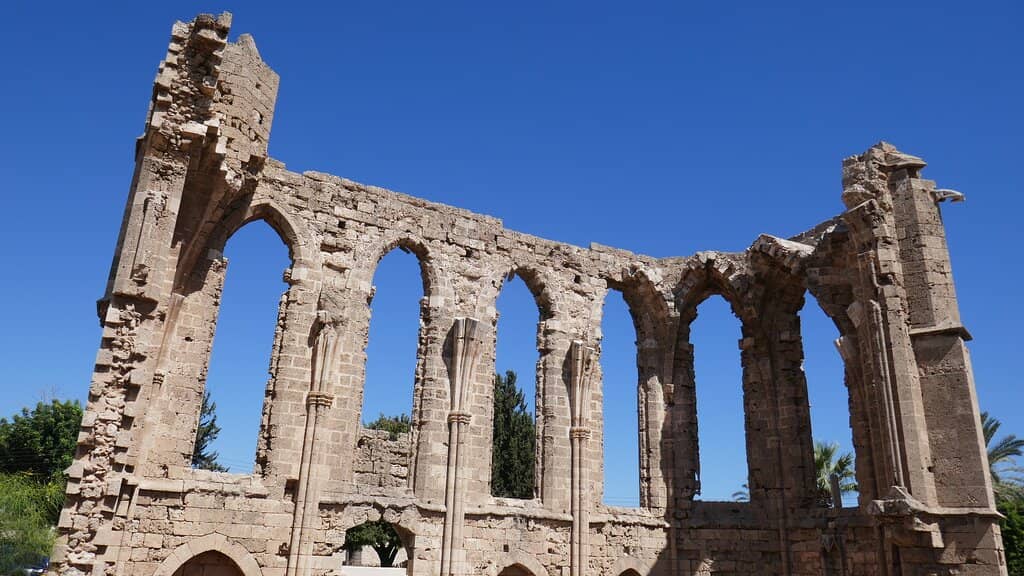
Guard House Ruins
Northwest section
See the remnants of a guard house with a visible conical roof and entrance, adding to the historical narrative.
Plans like a pro.
Thinks like you
Planning Your Visit
Embrace the Ruins
Strategic Location

Best Times
Insider Tips
from TikTok, Instagram & Reddit
📸 Capture the History
Focus on the textures and details of the ruins for evocative photos.
🚶♀️ Explore the Old City
Combine your visit with Othello's Tower and the city walls for a full historical experience.
🤔 Imagine the Past
Reflect on its former grandeur and the historical events it witnessed.
👟 Comfortable Footwear
You'll be walking on uneven ground, so wear sturdy shoes. :athletic_shoe:
Tips
from all over the internet
📸 Capture the History
Focus on the textures and details of the ruins for evocative photos.
🚶♀️ Explore the Old City
Combine your visit with Othello's Tower and the city walls for a full historical experience.
🤔 Imagine the Past
Reflect on its former grandeur and the historical events it witnessed.
👟 Comfortable Footwear
You'll be walking on uneven ground, so wear sturdy shoes. :athletic_shoe:
What Travellers Say
Reviews Summary
Visitors find St. George of the Latins to be a poignant reminder of past architectural grandeur, though primarily existing as ruins. While some lament its current state, others appreciate the historical insights and the evocative atmosphere it provides, especially when combined with nearby historical sites.
"You needn't be religious to find it saddening to see the remains of what must once have been a majestic piece of architecture reduced to nothing more than a mere skeleton of what it used to be.
Hopefully, it will one day be restored to its former grandeur."
Nikola Radovanović
"St George of the Latins is the remains of one of the earliest churches in Famagusta. It can be found in the northern part of the old city, close to Othello's tower.
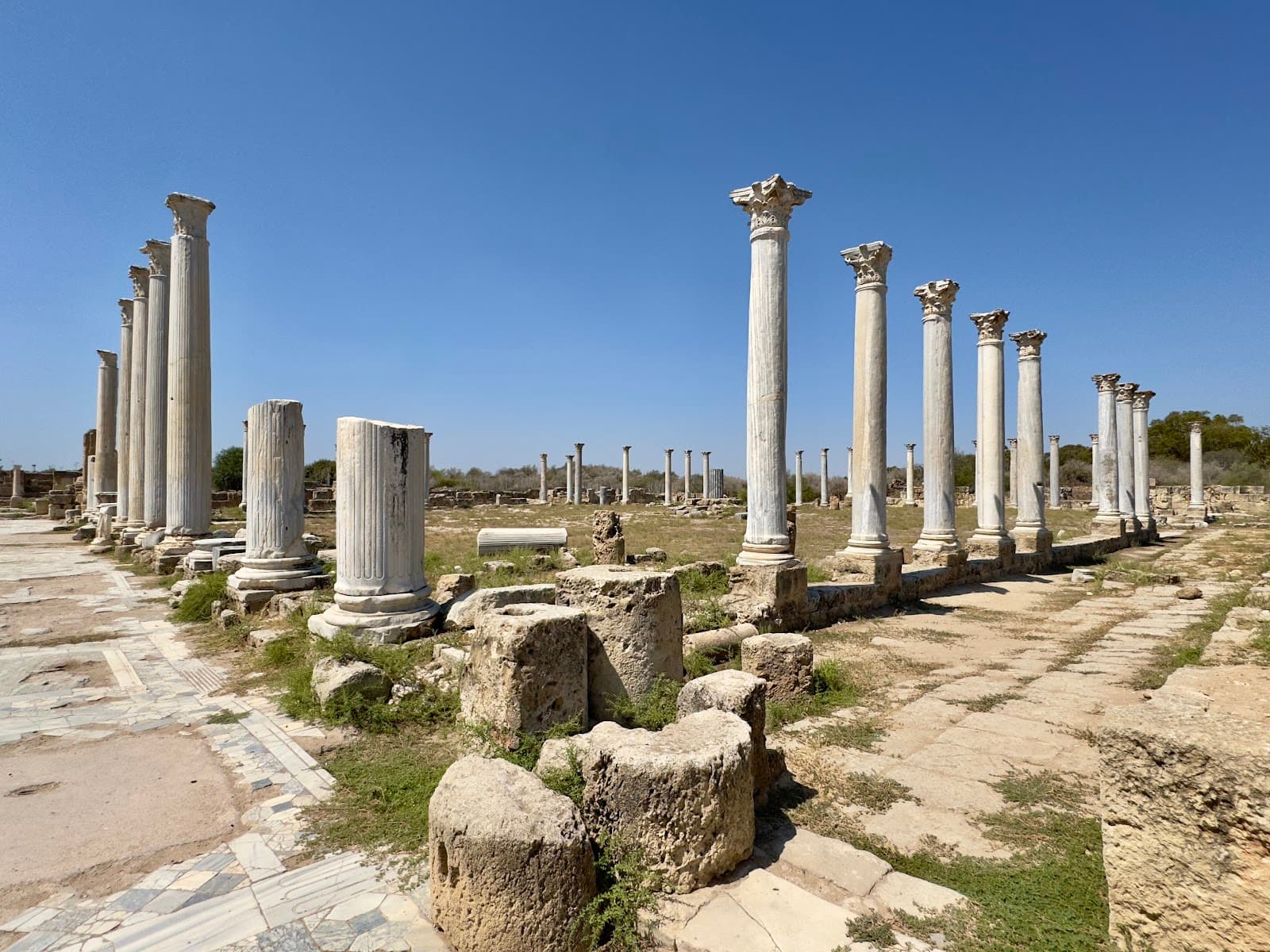
The exact date of construction is a little vague, but evidence of a crenellated parapet where defenders could protect the church, hints that it was built at a time when the Lusignans had not yet completed the city walls. Its design was supposedly inspired by St Chapelle church in Paris, which was built in 1241. Generally, it is thought that the church was built in the last quarter of the 13th century, using material removed from the Salamis ruins.
From inside the church, have a look towards the south west corner. Here you will see the first steps of what was a spiral staircase leading up to the roof. Looking to the north west, you can see the remnants of a guard house with a conical roof and the entrance doorway still visible.
Following the line of the roof, you can still see some of the protective wall, complete with arrow slots. It is partially because of these that it is felt that the church was built in the period before the city walls were completed.
However, the city walls did not provide complete protection. In common with all the tall buildings in the city, the church suffered damage during the Ottoman siege of 1570, and some of this damage can still be seen on the eastern wall of the church."
Ian Fergusson-Sharp
"Small but beautiful remains of the old church."
Ron van Bruchem
What People Like
What People Dislike
Frequently Asked Questions
🚇 🗺️ Getting There
St. George of the Latins is located within the northern part of Famagusta's old city, near Othello's Tower. If you're already exploring the walled city, it's easily walkable. Taxis are readily available to reach the old city entrance.
Parking can be found in designated areas outside the old city walls. From there, it's a short walk to the church ruins.
While direct public transport to the exact site might be limited, you can take buses or dolmuş (minibuses) to Famagusta and then walk or take a short taxi ride into the old city.
🎫 🎫 Tickets & Entry
As it is primarily ruins, there is typically no admission fee to view St. George of the Latins. However, it's always good to check for any local regulations or potential small charges for access to certain areas.
The ruins are generally accessible during daylight hours. Since it's an open-air site, there are no strict opening or closing times, but it's best to visit when there's sufficient light for exploration and photography.
Typically, there is no entrance fee for St. George of the Latins as it is an open-air historical site.
📸 📸 Photography
The best times for photography are during the golden hours – early morning or late afternoon – when the light is soft and creates dramatic shadows on the ruins.
Focus on the architectural details, the textures of the stone, and the interplay of light and shadow. Capture the scale of the ruins against the sky.
Drone usage is often restricted in historical and urban areas. It's advisable to check local regulations before flying a drone.
🎫 🏛️ History & Architecture
Built in the late 13th century, likely using materials from Salamis ruins, it was inspired by St. Chapelle in Paris. It suffered damage during the Ottoman siege of 1570.
You can see remnants of a crenellated parapet, a spiral staircase, a guard house with a conical roof, and protective walls with arrow slots.
The name refers to the Latin Christian communities who were dominant in the region during the Crusader period.

Social
from TikTok, Instagram & Reddit