Museum für Naturkunde Berlin
Explore a world of ancient giants and cosmic wonders at Berlin's renowned natural history museum, home to the world's tallest dinosaur skeleton.
Highlights
Must-see attractions

Social
From TikTok & Reddit
Best Time
Fewer school groups
Museum für Naturkunde Berlin
Best Time
Fewer school groups
Highlights
Must-see attractions
Explore a world of ancient giants and cosmic wonders at Berlin's renowned natural history museum, home to the world's tallest dinosaur skeleton.
"The Museum für Naturkunde Berlin is a must-visit for its incredible dinosaur exhibits and vast meteorite collection."
🎟️ Book Tickets Online
Secure your entry and skip the lines by purchasing tickets in advance.
🚲 Bike to the Museum
A flexible and fast way to get around Berlin, especially for museum hopping.
Quick Facts
Hours
Rating
4.5 · 7,515 reviews
Type
Museum
Highlights
Discover the most iconic attractions and experiences
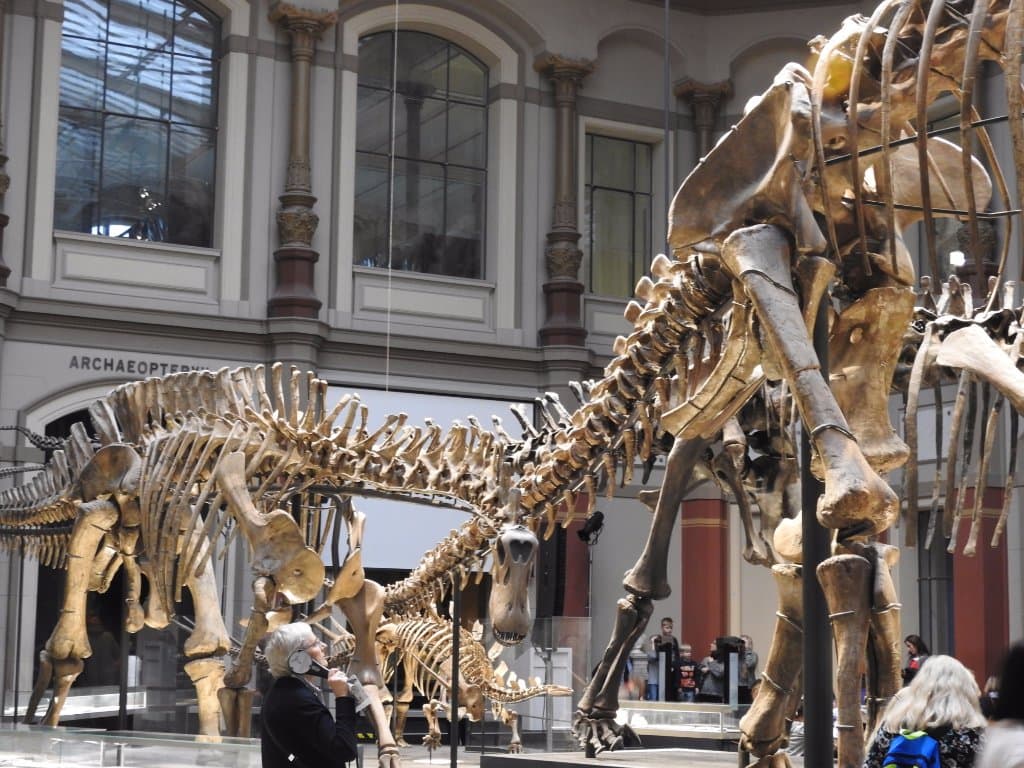
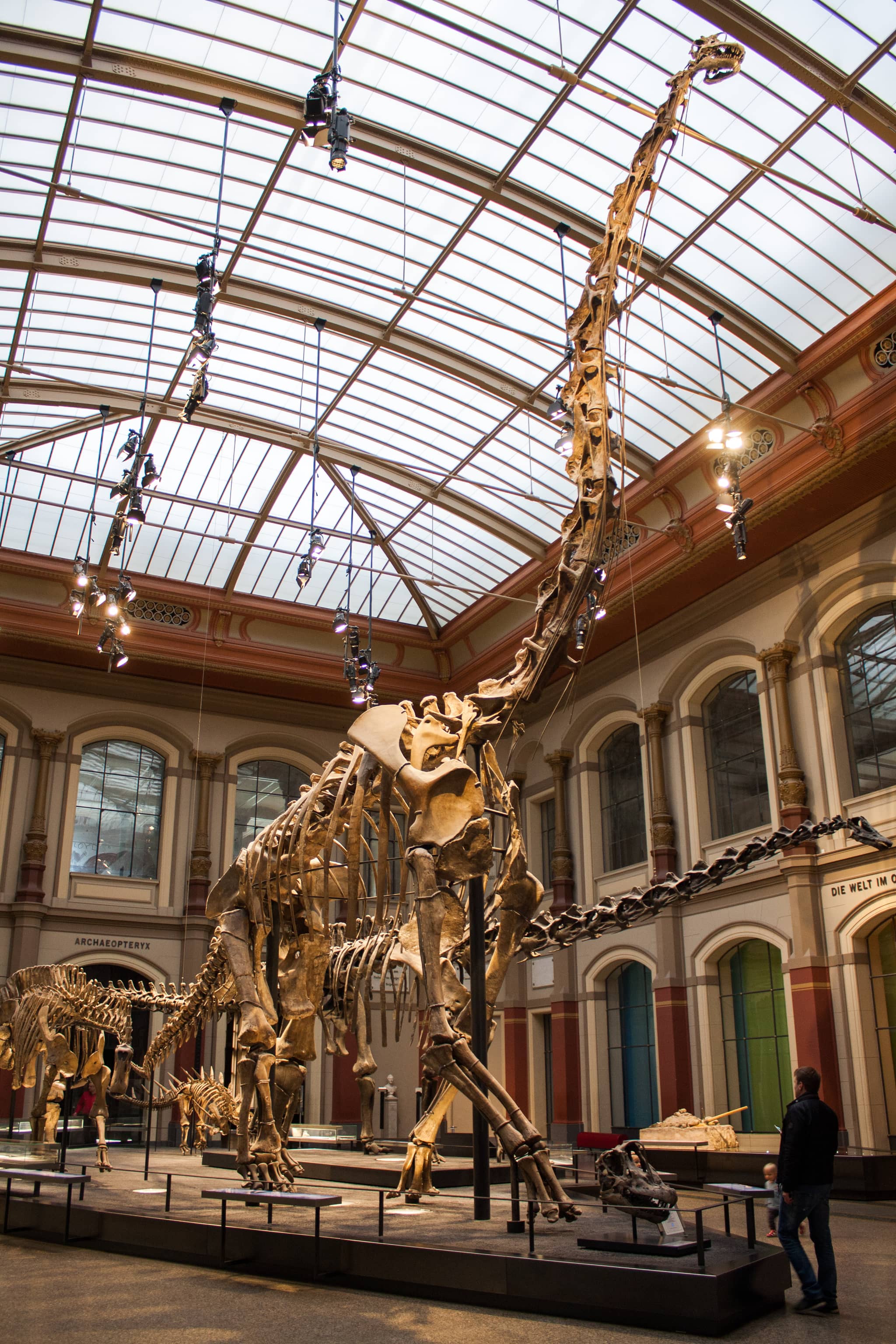
The Majestic Giraffatitan
Main Hall
Stand in awe of the world's tallest mounted dinosaur skeleton, a truly breathtaking sight.
 +1
+1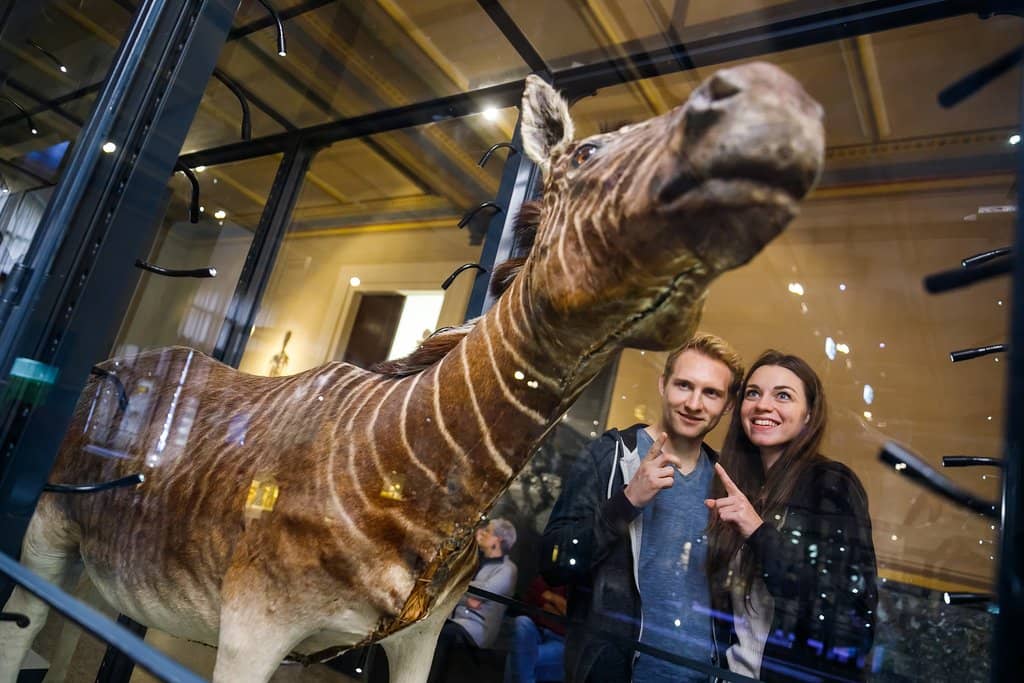
Tristan Otto T. Rex
Dinosaur Hall
Marvel at one of the most complete T. rex skeletons ever discovered, a must-see for any dino fan.
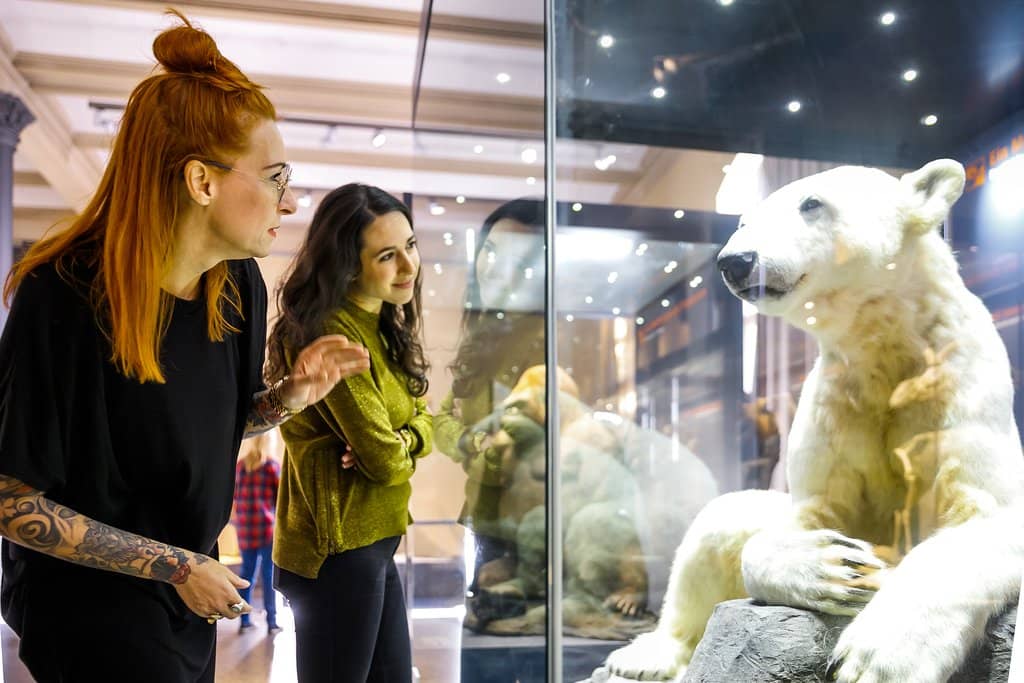
Extinct Wonders
Various Exhibits
Explore fascinating displays of extinct animals like the Dodo bird, offering a glimpse into lost worlds.
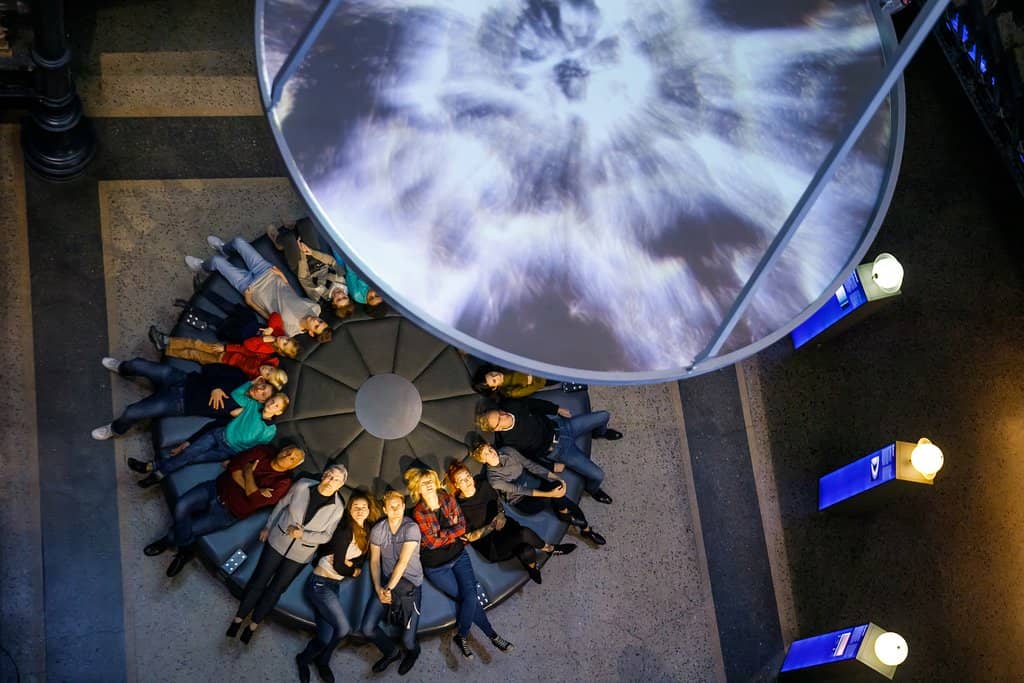
Meteorite Collection
Special Exhibit Area
Discover a stunning array of meteorites, including one of the largest ever found, from outer space.
Plans like a pro.
Thinks like you
Planning Your Visit
Beat the Crowds for a Roaring Good Time
Navigating Your Visit with Ease
Best Times
Insider Tips
from TikTok, Instagram & Reddit
🎟️ Book Tickets Online
Secure your entry and skip the lines by purchasing tickets in advance.
🚲 Bike to the Museum
A flexible and fast way to get around Berlin, especially for museum hopping.
🎒 Bag Storage Check
Lockers can be tricky; inquire about availability or token system beforehand.
📸 Capture the Giants
Get your camera ready for the towering dinosaur skeletons!
Tips
from all over the internet
🎟️ Book Tickets Online
Secure your entry and skip the lines by purchasing tickets in advance.
🚲 Bike to the Museum
A flexible and fast way to get around Berlin, especially for museum hopping.
🎒 Bag Storage Check
Lockers can be tricky; inquire about availability or token system beforehand.
📸 Capture the Giants
Get your camera ready for the towering dinosaur skeletons!
💡 Check for Events
Look out for special exhibitions or 'Night at the Museum' events.
What Travellers Say
Reviews Summary
Visitors consistently praise the Museum für Naturkunde Berlin for its awe-inspiring dinosaur skeletons, especially the towering Giraffatitan and the impressive T. rex. The extensive meteorite collection and the sheer scale of the exhibits are frequently highlighted as major draws. While generally well-received, some visitors note that the museum can get quite crowded, and information on bag storage can be inconsistent.
"Naturkundemuseum Berlin is an amazing museum and a must-visit for anyone interested in natural history. The building is modern and spacious, making it easy to explore. The exhibits are well organized and very informative. From the moment you enter, you are surrounded by fascinating displays.
The dinosaur skeletons are incredible. The Brachiosaurus model is huge and very realistic, and it is definitely a highlight of the museum. There are also many other fossils, minerals, and specimens that are beautifully presented. Each display has detailed information, which makes it easy to learn about the history and science behind the exhibits.
The museum is very clean and well maintained. The lighting and layout make it easy to navigate. Staff are friendly and helpful, answering questions and providing guidance when needed. There are interactive sections for kids, which makes it a great place for families as well.
Tickets are reasonably priced, considering the quality and size of the collection. There is also a café and gift shop on site. Overall, Naturkundemuseum Berlin combines education, fun, and awe-inspiring exhibits perfectly. It is one of the best museums I have visited in Europe. Definitely five stars."
Felix s
"This was a great place to visit. There is lot to see including huge collections of sealife and birds. There was also a stone collection and of course the famous dinosaur department.
There is also a souvenir shop.
Ticket booth is located outside and when it rained a lot it was not so nice."
Janne Kuntola
"A fantastic museum with easy-to-follow exhibits and a great variety of displays. There’s plenty of interesting information throughout, and everything is well-organised and clean. The staff were friendly and helpful too — a great experience overall!"
Connor Fraser
What People Like
What People Dislike
Frequently Asked Questions
🚇 🗺️ Getting There
The museum is easily accessible by public transport. You can take the U-Bahn (subway) to stations like Naturkundemuseum (U6) or Hauptbahnhof (U5, U7, S-Bahn). Buses also stop nearby. Many visitors find biking a convenient option for exploring Berlin.
Parking in central Berlin can be challenging and expensive. It's generally recommended to use public transportation or bike to the museum. If you must drive, look for paid parking garages in the vicinity.
Yes, Berlin Hauptbahnhof (Central Station) is a major transport hub and is relatively close to the museum. You can take a short U-Bahn ride or even a brisk walk.
From BER Airport, you can take the Airport Express train (FEX) or regional trains to Hauptbahnhof, then transfer to public transport heading towards the museum. Allow ample travel time.
The museum generally strives to be accessible. It's advisable to check their official website for the most up-to-date information on accessibility features and any potential limitations.
🎫 🎫 Tickets & Entry
Ticket prices can vary, and it's best to check the official Museum für Naturkunde website for current admission fees. Booking online in advance is highly recommended to avoid queues and guarantee entry.
Yes, booking tickets online in advance is strongly advised, especially during peak seasons or for special events, to secure your preferred time slot and avoid disappointment.
Opening hours can vary, so always consult the museum's official website before your visit. They are typically open on Tuesdays through Sundays, with potential closures on certain holidays.
The museum may offer concessions for students, seniors, or children. Check their website for details on discounted entry options and eligibility requirements.
Some visitors have inquired about lockers. While availability can be inconsistent, you might be able to borrow Euro-shaped tokens from the museum shop. It's best to confirm directly with the museum or consider alternatives if you have a large bag.
🎫 🧭 Onsite Experience
The absolute highlights are the towering Giraffatitan skeleton, one of the world's tallest mounted dinosaurs, and the impressive Tristan Otto T. rex skeleton. Don't miss the extensive meteorite collection and exhibits on extinct animals like the Dodo.
Absolutely! Kids are often captivated by the dinosaur skeletons and the vast array of preserved animals. The museum offers an engaging and educational experience for younger visitors.
To fully appreciate the exhibits, especially the dinosaur halls and meteorite collection, plan for at least 2-3 hours. If you're a dedicated enthusiast, you could easily spend half a day.
The museum sometimes offers guided tours, including live sessions on TikTok with guides like Parima. Check their schedule for any available tours or special presentations.
Photography for personal use is generally allowed in most areas, but it's always a good idea to check for any specific restrictions, especially in temporary exhibition spaces. Tripods or flash photography might be prohibited.
📸 📸 Photography
The main hall with the Giraffatitan skeleton offers iconic shots. The Tristan Otto T. rex is another prime photo opportunity. Look for interesting displays of preserved animals and the meteorite collection for unique perspectives.
While personal photography is usually permitted, flash photography is often discouraged or prohibited in natural history museums to protect delicate exhibits. Always look for signage or ask staff if unsure.
Tripods are typically not allowed in museum spaces to avoid obstructing pathways and other visitors. It's best to rely on handheld shots or check the museum's specific photography policy.
A camera with good low-light performance is beneficial, especially for the dinosaur halls. A versatile lens that can capture both wide shots of the skeletons and details of smaller exhibits would be ideal.
Beyond the dinosaurs, the detailed dioramas of preserved animals and the dramatic presentation of the meteorites offer excellent photographic opportunities. The sheer scale of some exhibits makes for impressive shots. +1


Social
from TikTok, Instagram & Reddit