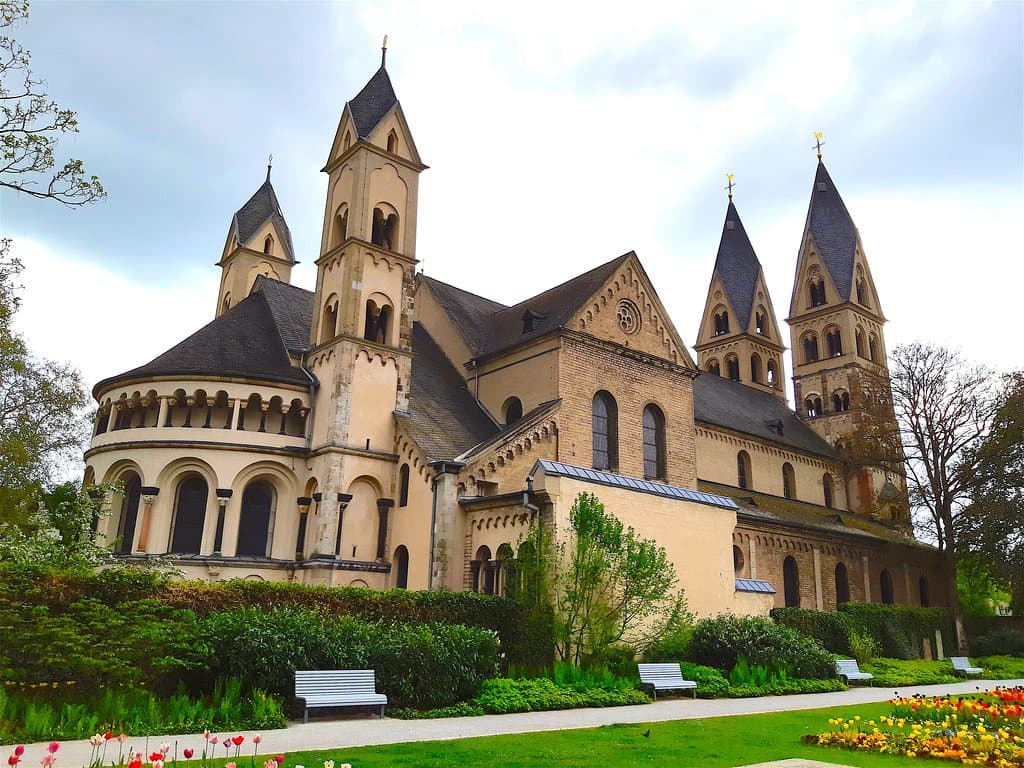
Basilica of St. Castor Koblenz
Koblenz's oldest church, a Romanesque gem with over 1,000 years of history, offering a peaceful sanctuary.
Highlights
Must-see attractions

Social
From TikTok & Reddit
Best Time
Fewer crowds, peaceful atmosphere
Basilica of St. Castor Koblenz
Best Time
Fewer crowds, peaceful atmosphere
Highlights
Must-see attractions
Koblenz's oldest church, a Romanesque gem with over 1,000 years of history, offering a peaceful sanctuary.
"A peaceful, historic, and architecturally striking gem nestled near the Deutsches Eck."
🚶♀️ Stroll the Monastery Garden
Don't miss the serene monastery garden beside the basilica; it's a hidden gem with fountains and sculptures.
🕰️ Embrace the History
The Basilica is over 1,000 years old! Look for interpretive signs to learn about its rich past.
Quick Facts
Hours
Rating
4.6 · 729 reviews
Type
Church
Highlights
Discover the most iconic attractions and experiences
Romanesque Architecture
Exterior and Interior
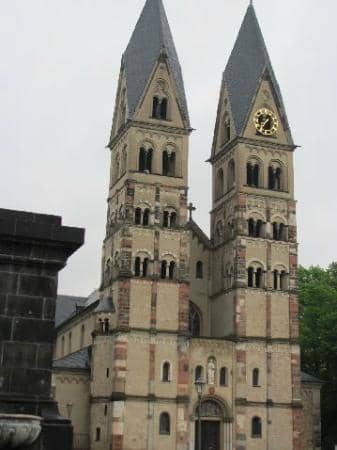
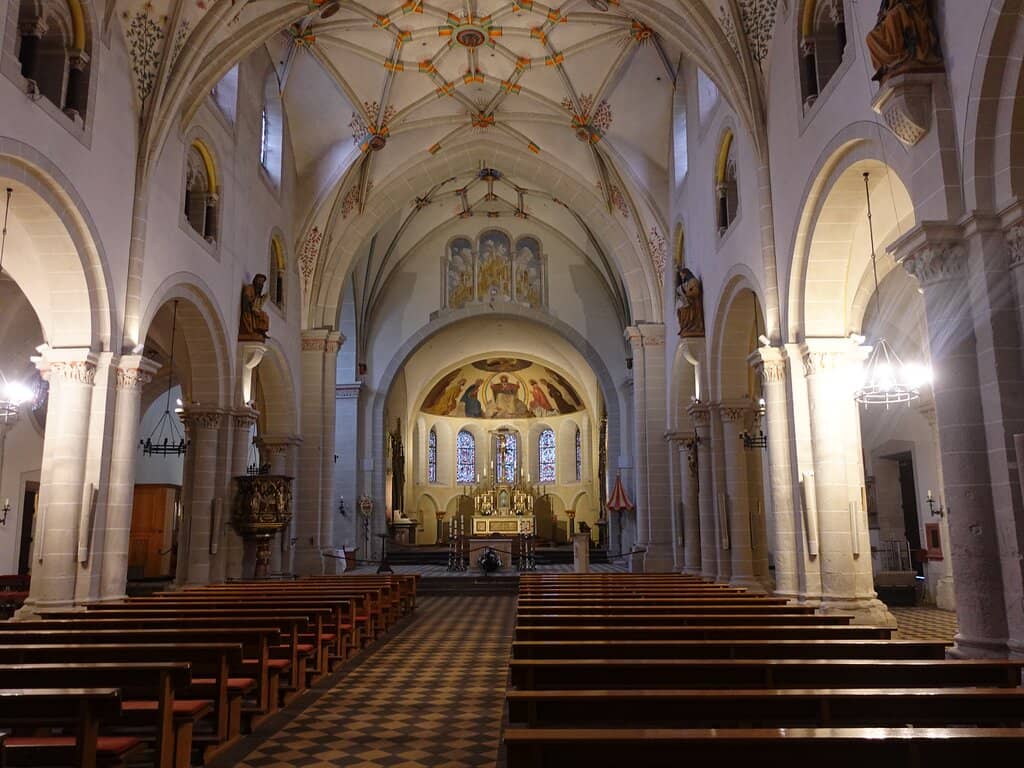
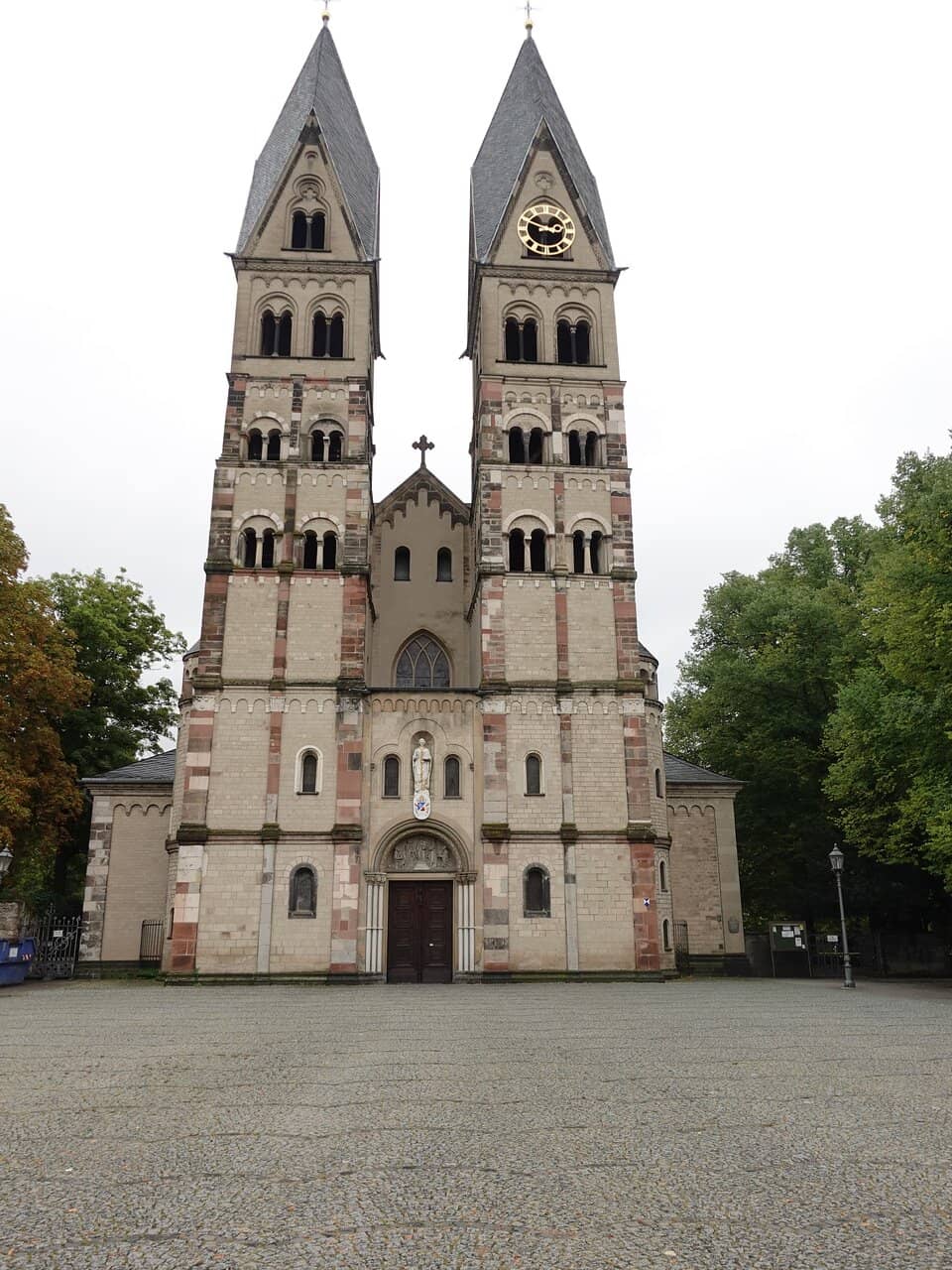
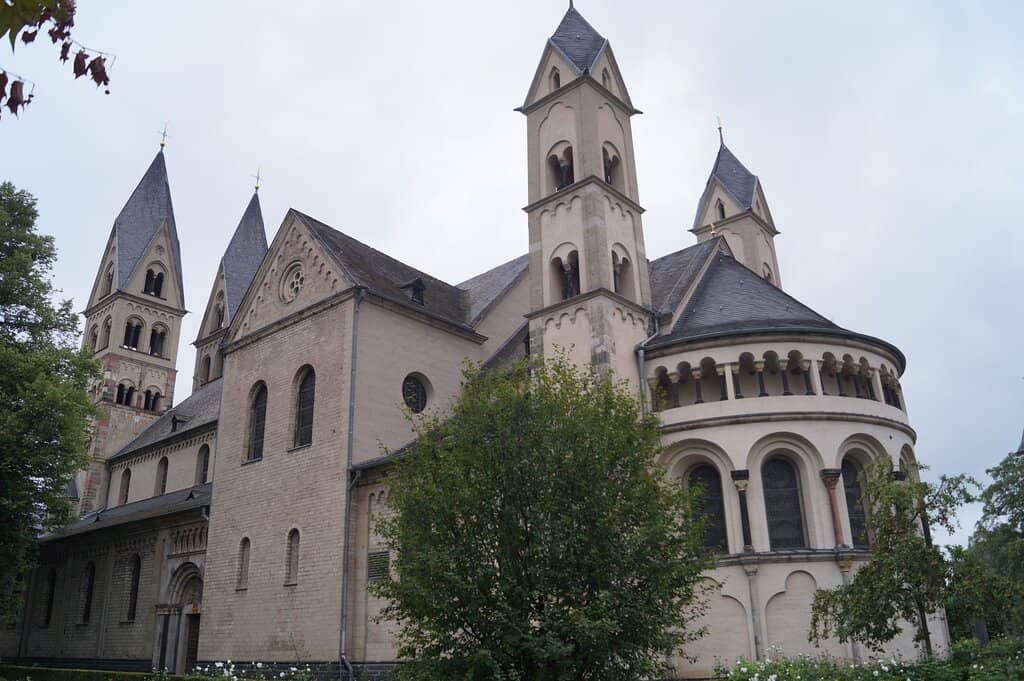
Admire the 9th-century Romanesque design, featuring twin towers, rounded arches, and elegant vaulted ceilings.
Monastery Garden
Adjacent to the Basilica
A peaceful oasis with well-kept grounds, fountains, and occasional quirky sculptures. Perfect for a quiet moment.
Historic Significance
Throughout the Basilica
Discover its role in over 1,000 years of history, including treaty negotiations and religious events.
Plans like a pro.
Thinks like you
Planning Your Visit
Timing Your Visit for Serenity
Beyond the Altar: Exploring the Grounds
Best Times
Insider Tips
from TikTok, Instagram & Reddit
🚶♀️ Stroll the Monastery Garden
Don't miss the serene monastery garden beside the basilica; it's a hidden gem with fountains and sculptures.
🕰️ Embrace the History
The Basilica is over 1,000 years old! Look for interpretive signs to learn about its rich past.
📸 Capture the Architecture
The Romanesque design, with its twin towers and arches, is a photographer's delight. 
🎶 Listen for Music
Sometimes, impromptu singing or music can be heard, adding to the magical atmosphere.
Tips
from all over the internet
🚶♀️ Stroll the Monastery Garden
Don't miss the serene monastery garden beside the basilica; it's a hidden gem with fountains and sculptures.
🕰️ Embrace the History
The Basilica is over 1,000 years old! Look for interpretive signs to learn about its rich past.
📸 Capture the Architecture
The Romanesque design, with its twin towers and arches, is a photographer's delight.
🎶 Listen for Music
Sometimes, impromptu singing or music can be heard, adding to the magical atmosphere.
📍 Easy to Find
It's a short walk from Deutsches Eck and the old town, making it a convenient stop.
What Travellers Say
Reviews Summary
Visitors consistently praise the Basilica of St. Castor for its peaceful atmosphere, significant historical importance, and understated Romanesque architecture. Many highlight the charming monastery garden as a delightful bonus for quiet reflection. While not overly ornate, its authenticity and historical weight are deeply appreciated.
"⭐️⭐️⭐️⭐️☆
Peaceful, Historic, and Architecturally Striking
The Basilica of St. Castor (Basilika St. Kastor) is one of Koblenz’s true historical gems. Nestled just a short walk from the Deutsches Eck, this Romanesque church dates back to the 9th century and carries with it over 1,000 years of history—from religious significance to political events like treaty negotiations during the Holy Roman Empire.
The architecture is understated but elegant, with twin towers, rounded arches, and a sense of solemnity both outside and in. Inside, you’ll find a calm, meditative atmosphere, with beautiful stained-glass windows, frescoes, and a modest but moving altar. It’s not overly ornate, which adds to its authenticity and sense of reverence.
The surrounding garden is especially lovely—quiet, well-kept, and great for a short walk or a break from the busier tourist sites. Interpretive signs provide helpful context, though a guided tour would definitely add more depth if you’re a history enthusiast.
📍 Highly recommended for lovers of architecture, history, or anyone seeking a quiet, contemplative space in Koblenz."
Irene Lim
"I didn't go inside but walked around the outer areas, gardens, and then down to the waterfront. Its a short walk from the old town and only a short walk to the Eke statue and the access up the fort."
Tom Brennan
"Set back from the main street, but admired & toured by many Germans, the Basilica of St. Castor has a lot to see. Don't miss the fountains in the monastery garden beside the basilica. This Romanesque basilica is a must-see if you go to Koblentz."
JB Lighter
What People Like
What People Dislike
Frequently Asked Questions
🚇 🗺️ Getting There
The Basilica of St. Castor is conveniently located near the Deutsches Eck and Koblenz's old town. It's easily accessible on foot from these popular landmarks. If you're arriving by public transport, local buses stop nearby, and it's a pleasant walk from the main Koblenz train station (Hauptbahnhof).
While direct parking right at the basilica is limited, there are several public parking garages in the vicinity of Koblenz's city center, including those near the Deutsches Eck. From there, it's a short and scenic walk to the basilica.
Absolutely! The Basilica of St. Castor is very walkable from Koblenz's old town and the famous Deutsches Eck. It's a pleasant stroll along the Rhine promenade, offering lovely views.
Yes, many European river cruises on the Rhine stop in Koblenz, and the Basilica of St. Castor is often a key stop on shore excursions. It's typically a short walk from the cruise ship docks.
From Koblenz Hauptbahnhof (main train station), you can take a local bus towards the city center or enjoy a walk of about 15-20 minutes. The walk is quite scenic, leading you towards the confluence of the Rhine and Moselle rivers.
🎫 🎫 Tickets & Entry
Entry to the Basilica of St. Castor is generally free. As a place of worship, it's open to visitors to explore its historical and architectural significance without an admission fee. Donations are always appreciated.
The Basilica is typically open daily, but hours can vary. It's best to check locally or look for signs upon arrival. Generally, it's accessible during daylight hours for visitors to admire its interior and exterior.
The monastery garden adjacent to the Basilica of St. Castor is also free to enter and explore. It offers a peaceful retreat and is a lovely complement to visiting the church itself.
Photography is usually permitted inside the Basilica of St. Castor, but it's important to be respectful of worshippers and any ongoing services. Avoid using flash photography, especially during services.
While not always formally advertised, guided tours might be available, especially for groups or through river cruise excursions. Informative signs are present, and a guided tour can offer deeper historical context.
🎫 🏛️ Onsite Experience
The Basilica of St. Castor is a prime example of Romanesque architecture, dating back to its origins in the 9th century. It features characteristic elements like twin towers, rounded arches, and a three-aisled basilica layout with a 12th-century round apse.
The Basilica holds significant historical importance, notably as the site where negotiations for the Treaty of Verdun took place in 843, which divided the Carolingian Empire. It has witnessed over a millennium of religious and political events.
Inside, you'll find a calm and meditative atmosphere, featuring beautiful stained-glass windows, frescoes, and a modest altar. The elegant vaulted ceilings and architectural details contribute to its grandeur and intimacy.
Visitors often mention quirky items and sculptures around the church area. There was historically an unusually decorated piano outside, though its current presence may vary. The monastery garden also features interesting artistic elements.
Yes, the Basilica is known for its quiet and peaceful ambiance, making it an ideal spot for reflection and a break from busier tourist activities. The monastery garden further enhances this sense of tranquility.
📸 📸 Photography
The exterior, with its twin towers and Romanesque arches, offers great photo opportunities. The monastery garden provides a charming backdrop with its greenery and fountains. Capture the interplay of light and shadow on the ancient stone.
Early mornings and late afternoons often provide the best light for photography, casting a warm glow on the basilica's facade. The blue sky and surrounding greenery also make for vibrant shots.
It's ideal for architectural photography, historical site documentation, and capturing serene, contemplative moments. The contrast between the old stone and surrounding nature is also a popular subject.
Generally, photography is allowed, but always be mindful of ongoing services and avoid flash photography to respect the solemnity of the space.
Yes, interior photography is usually permitted, but with the same considerations as exterior photography – be respectful of worshippers and avoid disruptive flash.


Social
from TikTok, Instagram & Reddit