German Salt Museum
Explore Lüneburg's 1,000-year salt-mining legacy through interactive exhibits and historical artifacts in a former salt factory.
Highlights
Must-see attractions

Social
From TikTok & Reddit
Best Time
Fewer crowds, more interaction
German Salt Museum
Best Time
Fewer crowds, more interaction
Highlights
Must-see attractions
Explore Lüneburg's 1,000-year salt-mining legacy through interactive exhibits and historical artifacts in a former salt factory.
"Fantastically interesting museum in one of the former salt factories."
Book English Tours Ahead
Info plaques are German-only. Book a guided tour for English insights . 🎤
Interactive Fun for Kids
Many exhibits are playful and interactive, great for children and families . :child:
Quick Facts
Hours
Rating
4.4 · 2,714 reviews
Type
Museum
Highlights
Discover the most iconic attractions and experiences
The Heart of Salt Production
Main exhibition halls
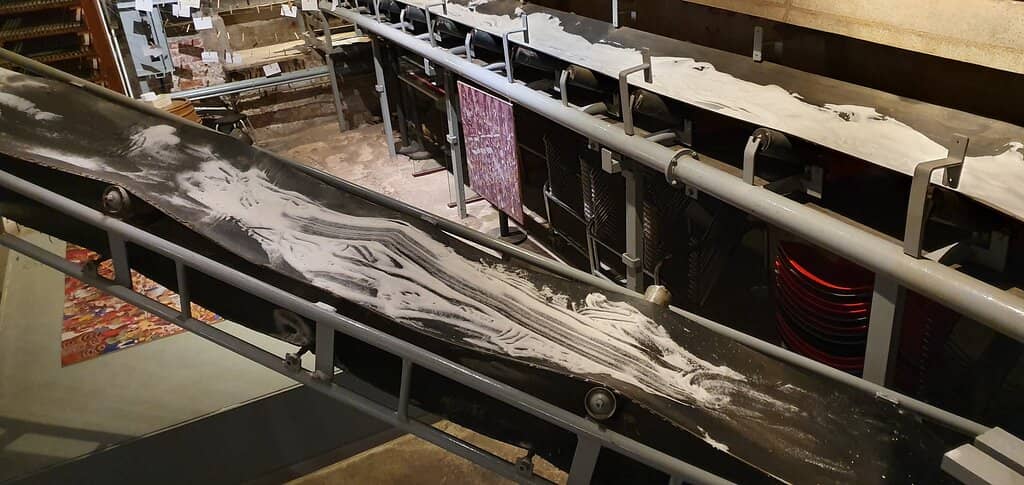
Explore Lüneburg's 1,000-year salt-mining history through fascinating displays and old machinery.
Salt-Glazed 'Bartmann' Figures
Ceramics and artifacts section
Discover the iconic 'wild man' or 'bearded man' figures, a unique symbol of Northern European pottery.
Original Washroom from the Salt Mine
Specific exhibit area
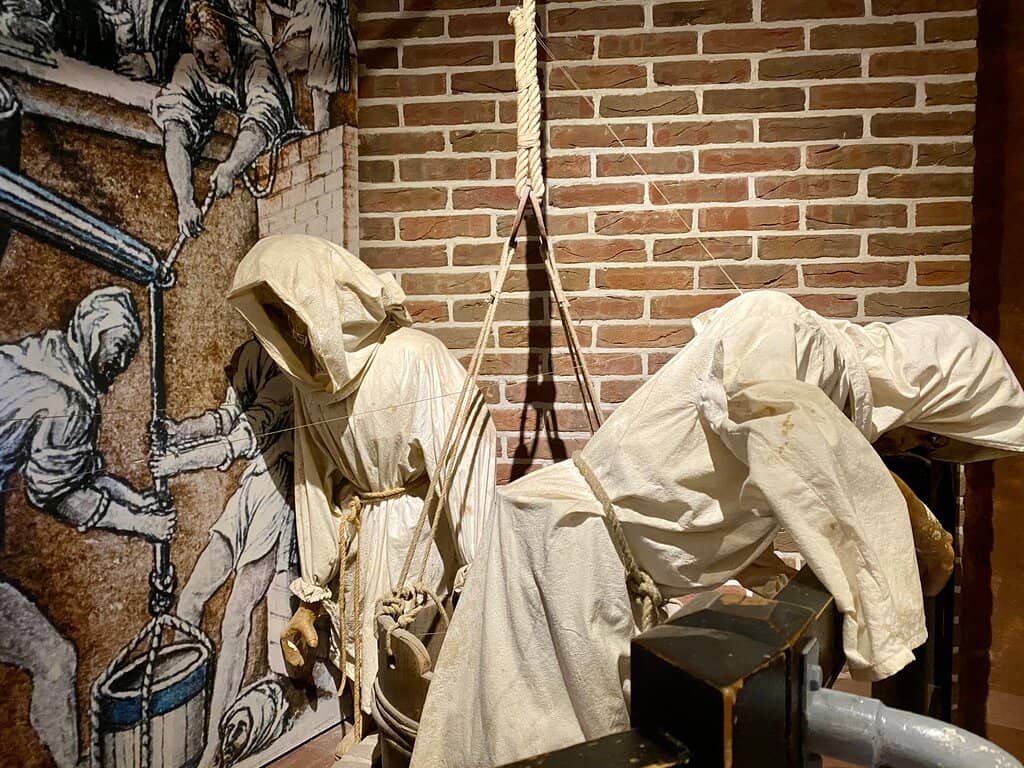
See a preserved washroom from the salt mine, offering a glimpse into the harsh working conditions of past miners.
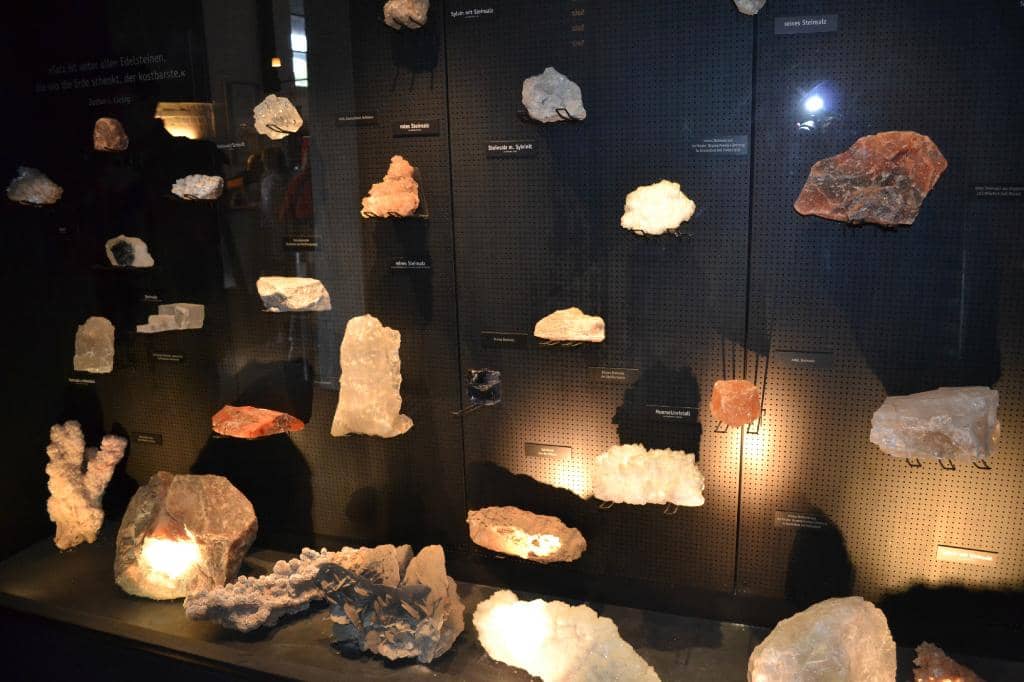
Global Salt Collection
Specialized display
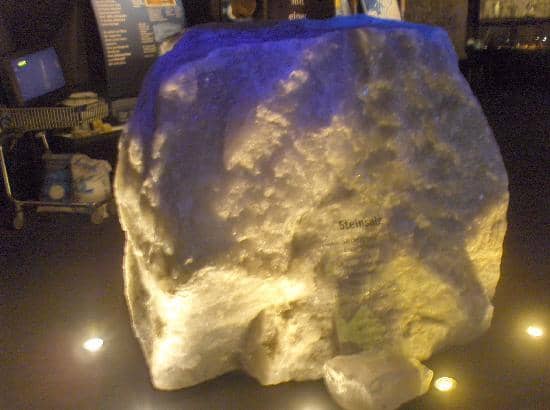
Marvel at a diverse collection of salts from around the world, showcasing salt's global significance.
Plans like a pro.
Thinks like you
Planning Your Visit
Timing Your Visit for Salt Secrets

Language & Accessibility Notes
Best Times
Insider Tips
from TikTok, Instagram & Reddit
Book English Tours Ahead
Info plaques are German-only. Book a guided tour for English insights. 🎤
Interactive Fun for Kids
Many exhibits are playful and interactive, great for children and families.
Explore the Salty Shop
Discover a variety of unique salt products in the museum's small but well-stocked shop. :shopping_bags:
Walkable from City Center
The museum is conveniently located and easy to reach on foot from Lüneburg's center. 🚶 :city_sunrise:
Tips
from all over the internet
Book English Tours Ahead
Info plaques are German-only. Book a guided tour for English insights. 🎤
Interactive Fun for Kids
Many exhibits are playful and interactive, great for children and families.
Explore the Salty Shop
Discover a variety of unique salt products in the museum's small but well-stocked shop. :shopping_bags:
Walkable from City Center
The museum is conveniently located and easy to reach on foot from Lüneburg's center. 🚶 :city_sunrise:
What Travellers Say
Reviews Summary
Visitors find the German Salt Museum fantastically interesting, offering a well-told, complex story of Lüneburg's salt history and the harsh lives of its workers. While the museum technology can be dated and information is primarily in German, the exhibits are engaging, especially for older children, and the shop offers a good variety of salty products.
"Fantastically interesting museum in one of the former salt factories. A complicated story told well but with old museological technology which does not always function. The shop has a great variety of salty products. The question who owns the salt-mines remains open even after the visit."
Andrea Pető
"Very interesting visit in Lüneburg — learned a lot about the town’s historic salt production and how it shaped the city’s prosperity. The exhibits show the tough and harsh working conditions of the salt workers — impressive and humbling to see how hard life once was."
Markus M
"The lady at the reception was very nice!
The museum had niceee different kinds of salt
The water source was also random but interesting!
The little shop was LITTLE!
The museum wasn’t in English you had to book a tour guide for that.
The museum also included many languages such as Kurdish! Which as a Kurdish person I very adore"
The hamster
What People Like
What People Dislike
Frequently Asked Questions
🚇 🗺️ Getting There
The German Salt Museum is centrally located in Lüneburg and is easily accessible on foot from the city center. If arriving by public transport, check local bus routes that stop nearby. Parking is available in the vicinity, though it can be busy.
Yes, it's quite straightforward to find, especially if you're already exploring the historic heart of Lüneburg. Look for signs directing you to the museum or ask locals for directions.
Lüneburg's main train station is a short distance away, and several local bus lines serve the area around the museum. Check the local transport authority's website for the most up-to-date routes and schedules.
🎫 🎫 Tickets & Entry
Admission prices can vary, but a typical ticket for adults is around €7.50.
While advance booking isn't always mandatory, it can be a good idea, especially during peak tourist seasons or for special events. This helps ensure your entry and can sometimes offer a slight discount.
Discounts are often available for students, seniors, and children. Check the museum's official website or inquire at the ticket counter for details on eligibility and pricing.
Opening hours typically vary by season. Generally, the museum is open during daytime hours, often from Tuesday to Sunday. It's advisable to confirm the exact opening times on their website before your visit.
Yes, guided tours are available. Importantly, if you require an English-language tour, it's essential to book this in advance, as the main exhibit information is in German.
🎫 🧭 Onsite Experience
You can explore exhibits on Lüneburg's salt production history, see old mining machinery, learn about salt-glazed pottery like 'Bartmann' figures, There are also interactive elements for children.
Absolutely! The museum features many interactive and playful exhibits that are engaging for children, making it a great family outing.
The primary information plaques are in German. For English explanations, you'll need to book a guided tour in advance. Some multilingual content, like Kurdish, has been noted.
Most visitors spend around 1.5 to 2 hours exploring the museum. This allows ample time to engage with the exhibits and learn about the history of salt production.
Yes, the museum has restrooms. There is also a small gift shop offering a variety of salt-related products.
🍽️ 🍽️ Food & Dining
The museum itself has a small shop, but no full-service restaurant. However, Lüneburg's city center, which is a short walk away, offers numerous cafes, bakeries, and restaurants to enjoy a meal or snack.
Generally, it's best to consume outside food and drinks before entering the exhibition areas. Check the museum's specific policy upon arrival, but it's common practice to keep food and drinks out of exhibit spaces.
📸 📸 Photography
Photography for personal use is usually permitted inside the German Salt Museum, but without flash. For commercial photography or filming, you'll likely need to obtain prior permission from the museum.
The 'Bartmann' figures,

Social
from TikTok, Instagram & Reddit