Roman Theatre Ruins
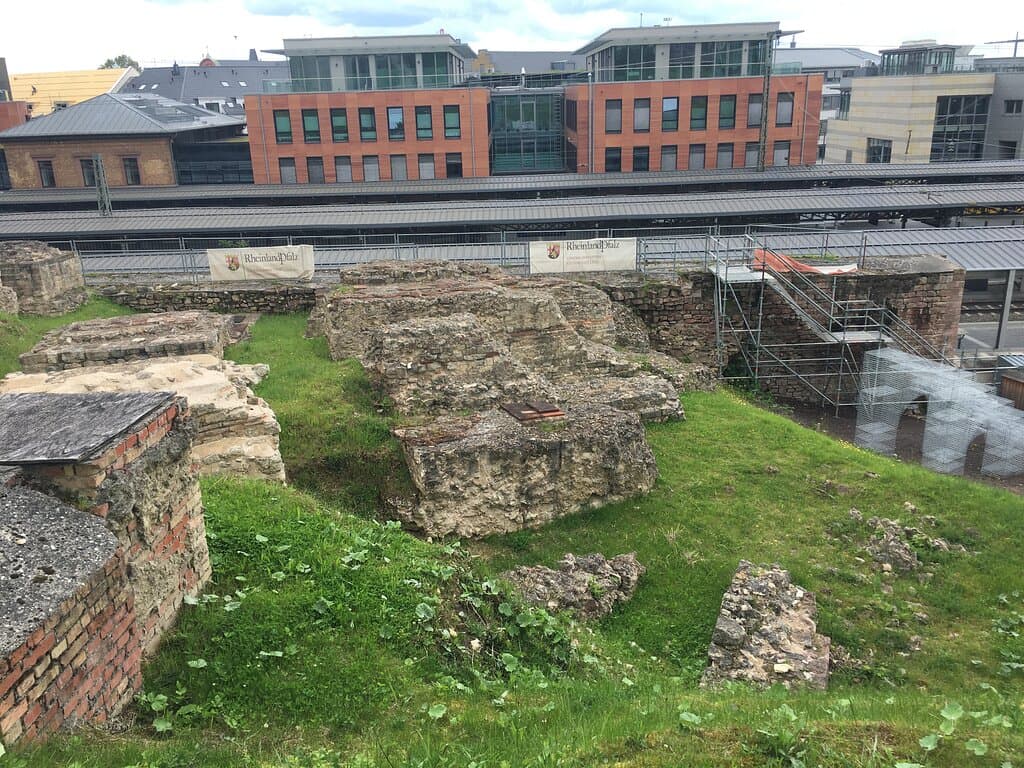
Explore the impressive remains of the largest Roman Theatre north of the Alps, a testament to ancient engineering and public life.
Highlights
Must-see attractions

Social
From TikTok & Reddit
Best Time
Fewer crowds, serene atmosphere
Roman Theatre Ruins
Best Time
Fewer crowds, serene atmosphere
Highlights
Must-see attractions
Explore the impressive remains of the largest Roman Theatre north of the Alps, a testament to ancient engineering and public life.
"Impressive historical ruins, offering a glimpse into ancient entertainment and engineering marvels."
📸 Capture the Grandeur
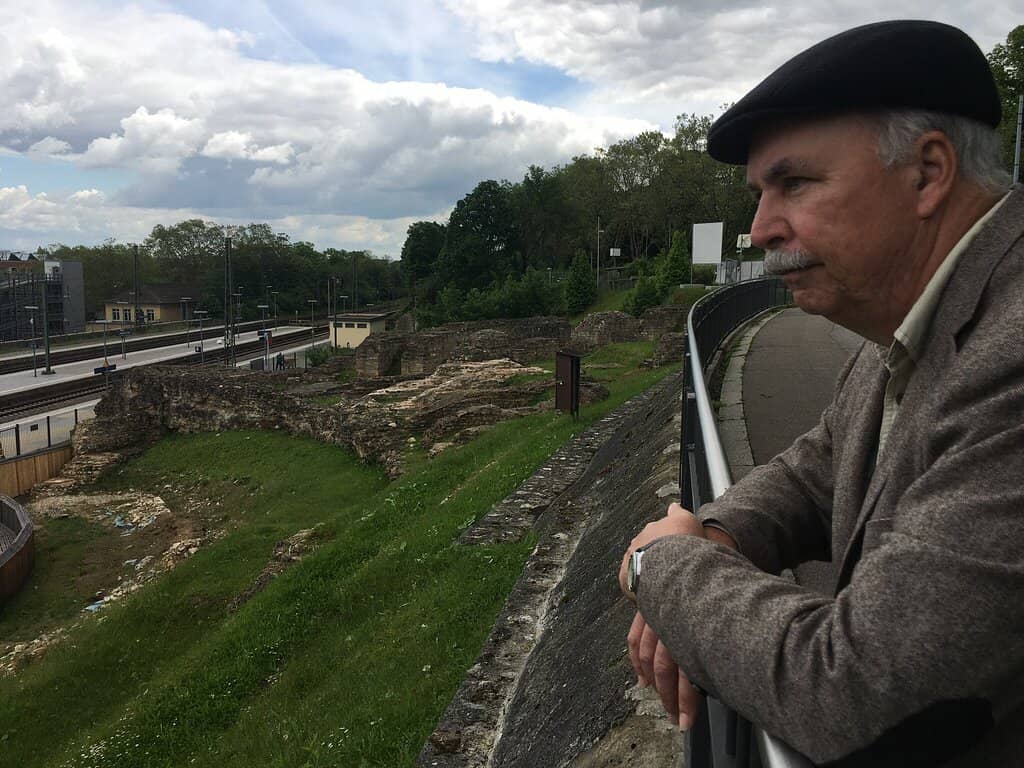
Use wide-angle lenses to showcase the vastness of the amphitheater and its surrounding ruins.
🚶♀️ Visualize the Past
Take advantage of the provided seating to imagine the original scale and atmosphere.
Quick Facts
Highlights
Discover the most iconic attractions and experiences
The Grand Amphitheater
Main area of the ruins
Imagine 20,000 spectators filling these ancient seats for gladiator contests or grand performances.

Visualizing Original Scale
Seating areas
Seating arrangements help you grasp the immense size and original glory of this Roman marvel.
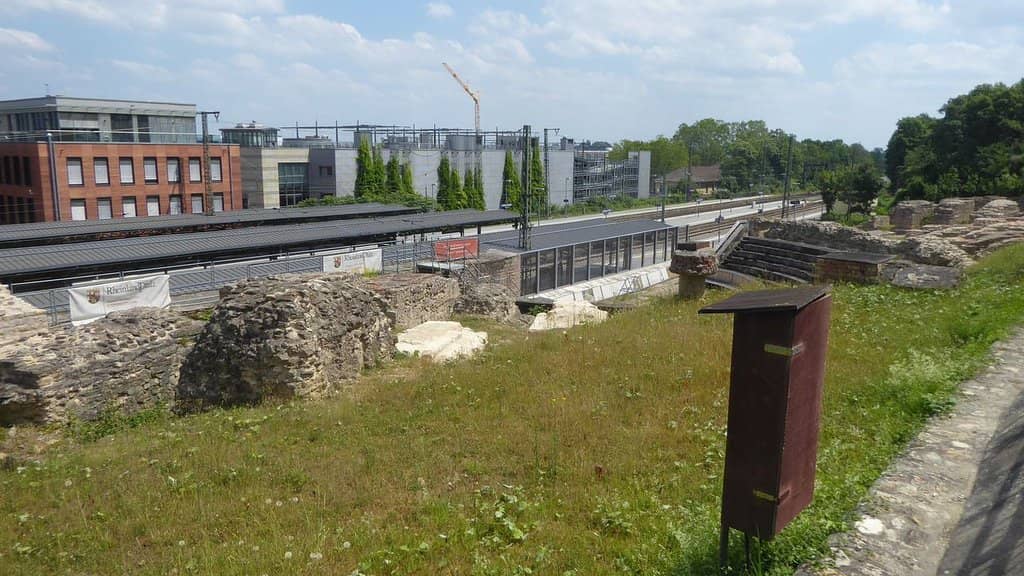
Historical Context Plaque
Near the train station
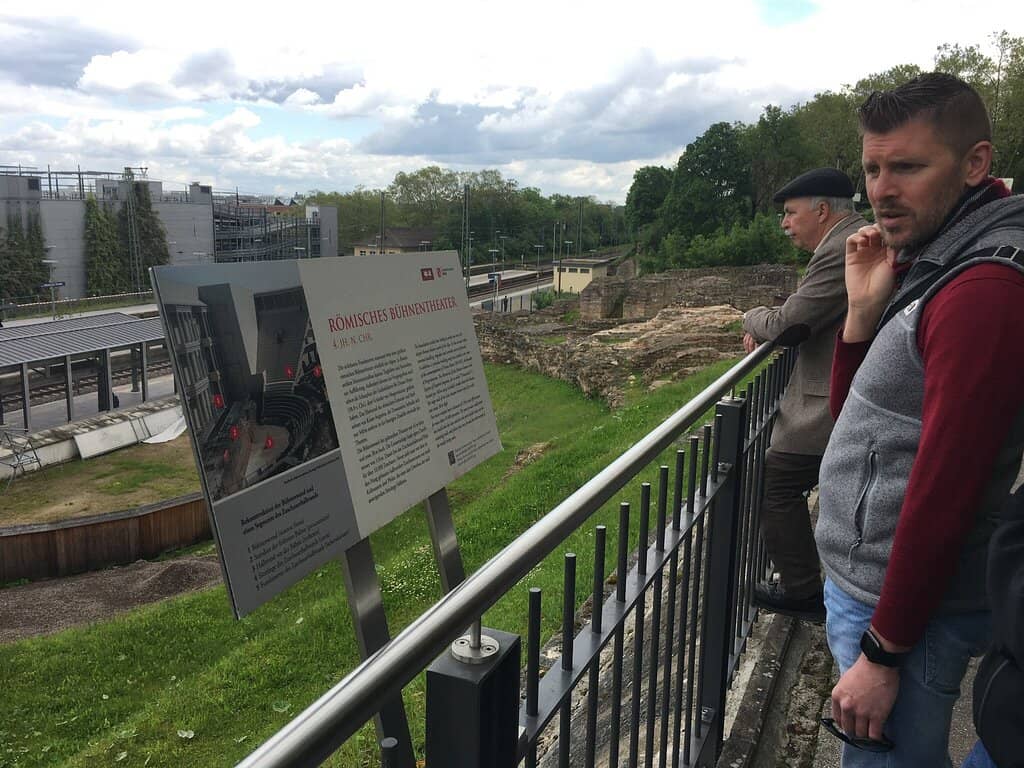
A small plaque offers a glimpse into the rich Roman history embedded in this location.
Plans like a pro.
Thinks like you
Planning Your Visit
Timing is Key for the Best Experience
Understanding the Scale of History
Best Times
Insider Tips
from TikTok, Instagram & Reddit
📸 Capture the Grandeur
Use wide-angle lenses to showcase the vastness of the amphitheater and its surrounding ruins.
🚶♀️ Visualize the Past
Take advantage of the provided seating to imagine the original scale and atmosphere.
📍 Location Insight
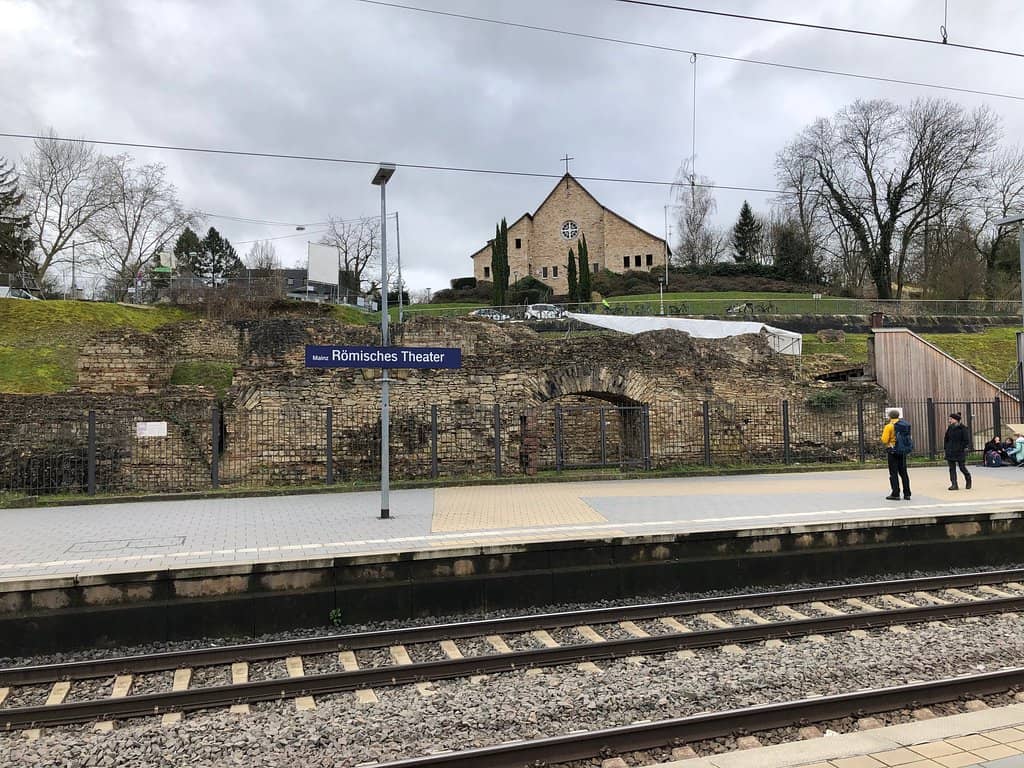
The ruins are conveniently located near the train station, offering easy access.
🏛️ Appreciate the History
Understand its significance as the largest Roman Theatre north of the Alps.
Tips
from all over the internet
📸 Capture the Grandeur
Use wide-angle lenses to showcase the vastness of the amphitheater and its surrounding ruins.
🚶♀️ Visualize the Past
Take advantage of the provided seating to imagine the original scale and atmosphere.
📍 Location Insight
The ruins are conveniently located near the train station, offering easy access.
🏛️ Appreciate the History
Understand its significance as the largest Roman Theatre north of the Alps.
What Travellers Say
Reviews Summary
Visitors find the Roman Theatre Ruins to be an impressive historical site, particularly noting its scale as the largest Roman Theatre north of the Alps. While some wish for more reconstruction to better visualize its original grandeur, the existing ruins and provided seating offer a valuable glimpse into the past. Its convenient location near the train station makes it an accessible point of interest.
"Not much can be seen, hopefully a bit more can be rebuilt so you better understand the size. It is the largest Roman Theatre north of the Alps."
Mats Lundgren
"The ruins are interesting. There is seating set up so you can visualize how it originally looked. The most interesting point for me is that the amphitheater seating extended to the height of the cross of the church that sits behind it."
Roswitha Firth
"Wish there was more. Just a small plaque next to the train station"
Justin Smith
What People Like
What People Dislike
Frequently Asked Questions
🚇 🗺️ Getting There
The Roman Theatre Ruins are conveniently located near the train station, making them easily accessible by public transport. Many visitors arrive via train, and the site is often mentioned as a point of interest when exploring the city, sometimes even having a small plaque near the station. If driving, check for nearby parking options, though public transit is often recommended for ease.
Yes, the ruins are generally well-signposted, especially given their proximity to the train station. Travelers often note its location in relation to the station, so using that as a landmark is helpful.
Absolutely! The Roman Theatre Ruins are a popular destination for day trips, especially from nearby cities like Frankfurt. Their accessibility and historical significance make them a perfect half-day excursion.
🎫 🎫 Tickets & Entry
Information regarding ticket requirements can vary. While some ancient sites have entry fees, others are freely accessible. It's advisable to check the official local tourism website or recent visitor reviews for the most up-to-date information on admission and any associated costs.
Opening hours for historical sites can change seasonally or due to events. It's best to consult the official local tourism board or the site's management for the most accurate and current operating hours before your visit.
The cost of entry can vary. Some ruins are free to explore, while others may charge a nominal fee. Checking official sources or recent visitor feedback is recommended to confirm any admission charges.
While the site itself might be accessible, it's wise to confirm official visiting hours to ensure you can fully experience and appreciate the ruins. Some areas might have restricted access outside of designated times.
🎫 🏛️ Onsite Experience
You can explore the impressive remains of a large Roman amphitheater, which was once the largest north of the Alps. While some parts are ruins, seating is often set up to help visualize the original structure and its capacity for spectators.
A historical plaque near the train station also provides context.
Many visitors find the ruins to be impressive and historically significant, especially considering their scale. While some wish for more reconstruction,
the opportunity to stand in such an ancient space and imagine past events is a compelling reason to visit.
Wandering through the ruins at your own pace is a great way to absorb the history. Use the provided seating to visualize the original layout and consider the historical plaque for context. Early mornings or late afternoons offer a more peaceful experience.
Information on guided tours can vary. It's recommended to check with the local tourist information center or the official website of the historical site to inquire about available guided tours, which can offer deeper insights into the history and architecture.
Comfortable walking shoes are essential, as you'll be exploring uneven terrain. Depending on the weather, bring layers, sun protection, and perhaps a hat.
📸 📸 Photography
The best photo opportunities are from various vantage points within the amphitheater, capturing the scale of the seating and the stage area. Wide-angle shots are great for showcasing the vastness.
Generally, photography for personal use is allowed at historical sites like the Roman Theatre Ruins. However, it's always a good idea to check for any specific restrictions, especially if you plan to use professional equipment or tripods, or if there are ongoing events.
The 'golden hours' – shortly after sunrise and before sunset – offer the most dramatic and beautiful lighting for photography. The soft, warm light can highlight the textures of the ancient stones and create captivating shadows.
Drone usage is often restricted at historical and archaeological sites due to preservation concerns and privacy regulations. It's crucial to check local drone laws and obtain any necessary permits before flying a drone in the vicinity of the Roman Theatre Ruins.

Social
from TikTok, Instagram & Reddit