Ancient Marble Quarries
Step into the earth's history at ancient marble quarries, the source of stone for world-famous sculptures and buildings.
Highlights
Must-see attractions

Social
From TikTok & Reddit
Best Time
For safety and visibility
Ancient Marble Quarries
Best Time
For safety and visibility
Highlights
Must-see attractions
Step into the earth's history at ancient marble quarries, the source of stone for world-famous sculptures and buildings.
"It's amazing to know that marble was taken from here and used for many other ancient sites across Greece."
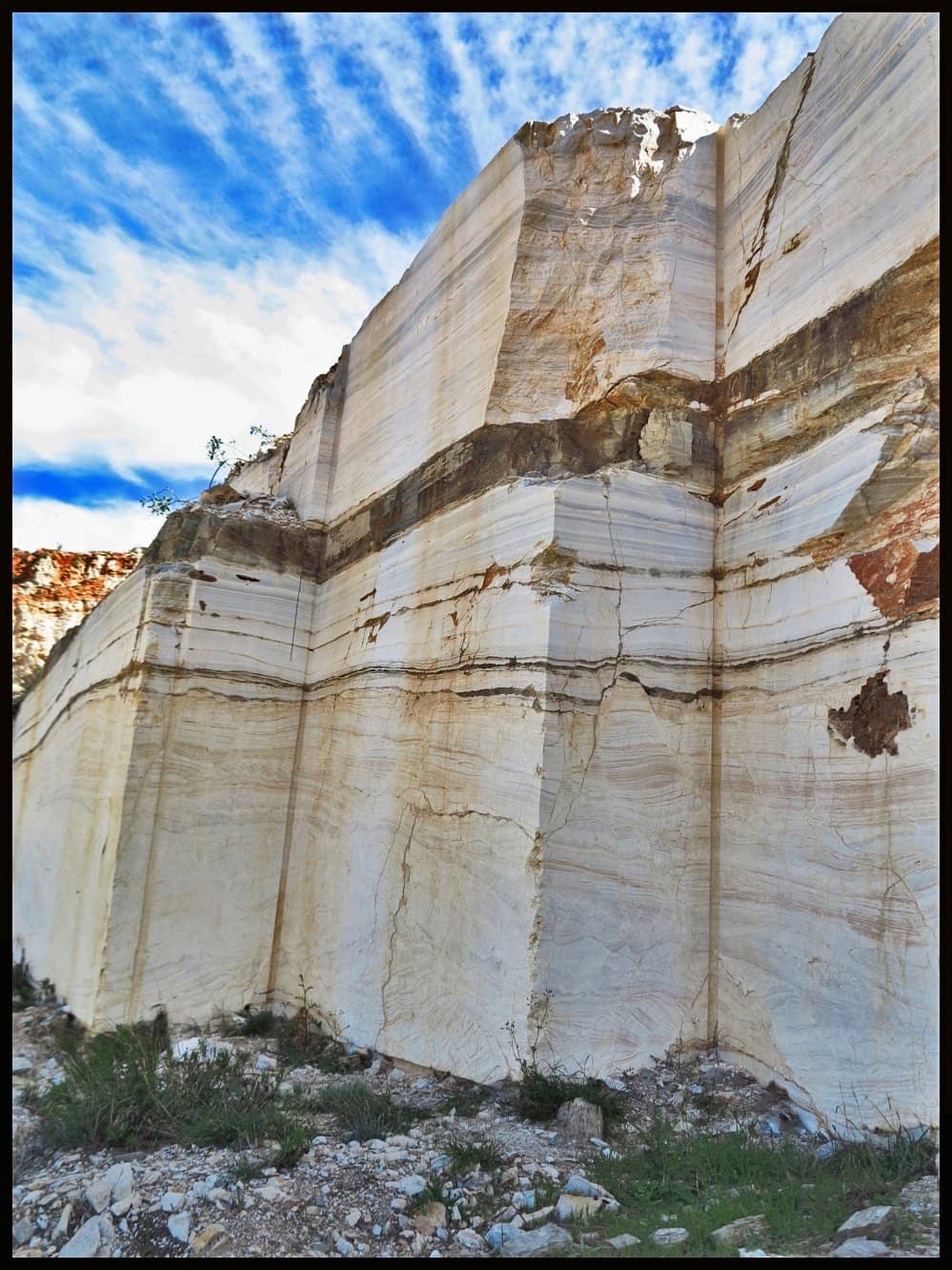
🚫 Don't Take Rocks!
Removing marble is illegal and disrespectful. Admire and photograph, but leave the stone in place. :noentrysign:
🔦 Explore with Caution
If entering quarry tunnels, bring a strong flashlight. Some tunnels can be dark and chilly. 🔦
Quick Facts
Hours
Rating
3.8 · 299 reviews
Highlights
Discover the most iconic attractions and experiences
The Birthplace of Masterpieces
Carrara, Italy
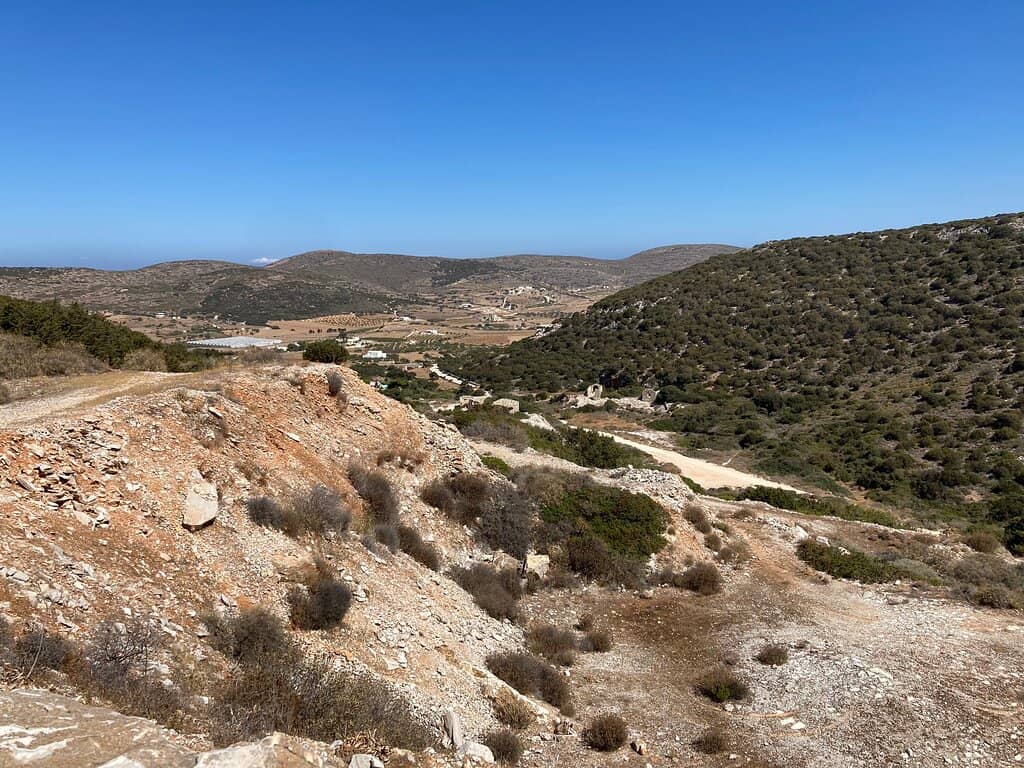
Stand where legendary artists like Michelangelo sourced the marble for their iconic sculptures. Feel the history etched into the very stone.

Ancient Roman Marble Sites
Karystos, Greece
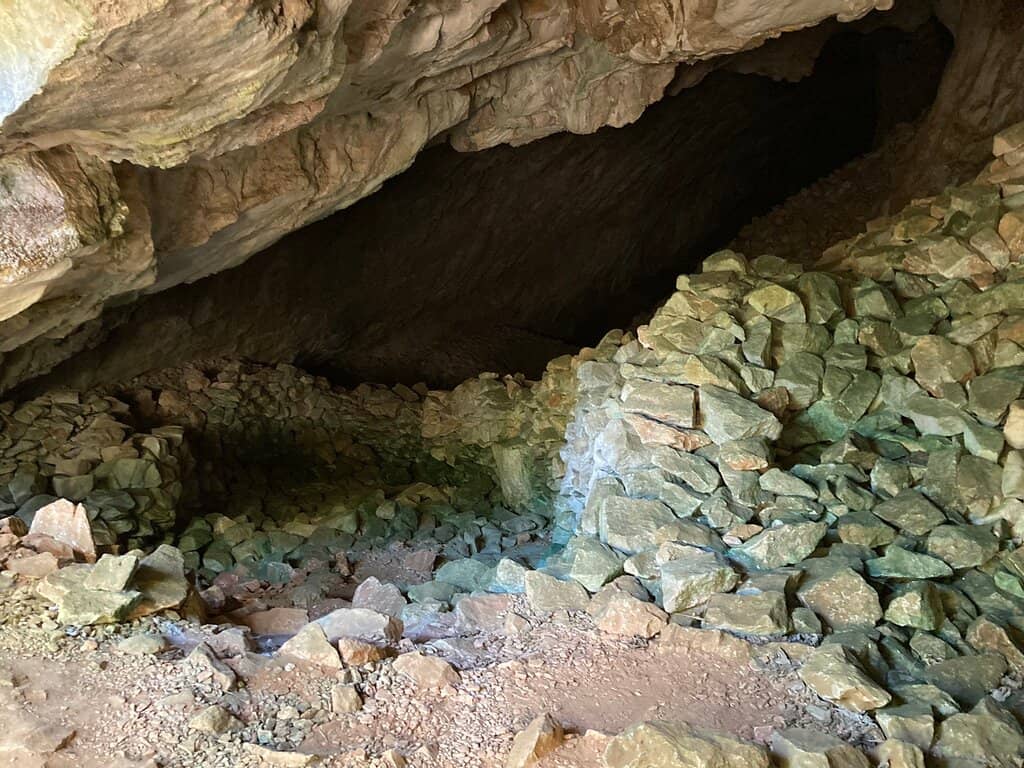
Explore the slopes where 'Karystos columns' were quarried, monoliths that built ancient landmarks.
The Purest White Marble
Thasos Island, Greece
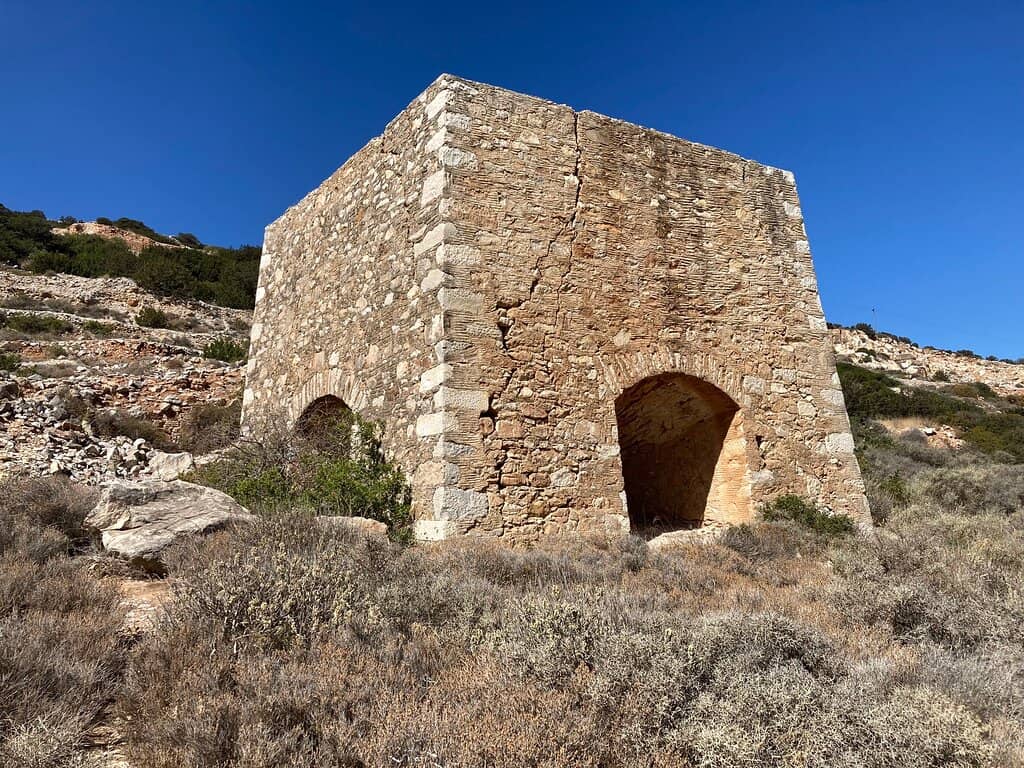
Discover the legendary quarries of Thasos, home to the world's purest white marble, shining from antiquity to today.
The Unfinished Obelisk
Aswan, Egypt
Marvel at the sheer scale of the Unfinished Obelisk, a 1,200-ton granite block, showcasing ancient Egyptian stone-cutting prowess.
Plans like a pro.
Thinks like you
Planning Your Visit
Respect the Stone: Leave No Trace
Timing Your Visit for the Best Experience
Best Times
Insider Tips
from TikTok, Instagram & Reddit
🚫 Don't Take Rocks!
Removing marble is illegal and disrespectful. Admire and photograph, but leave the stone in place. :noentrysign:
🔦 Explore with Caution
If entering quarry tunnels, bring a strong flashlight. Some tunnels can be dark and chilly. 🔦
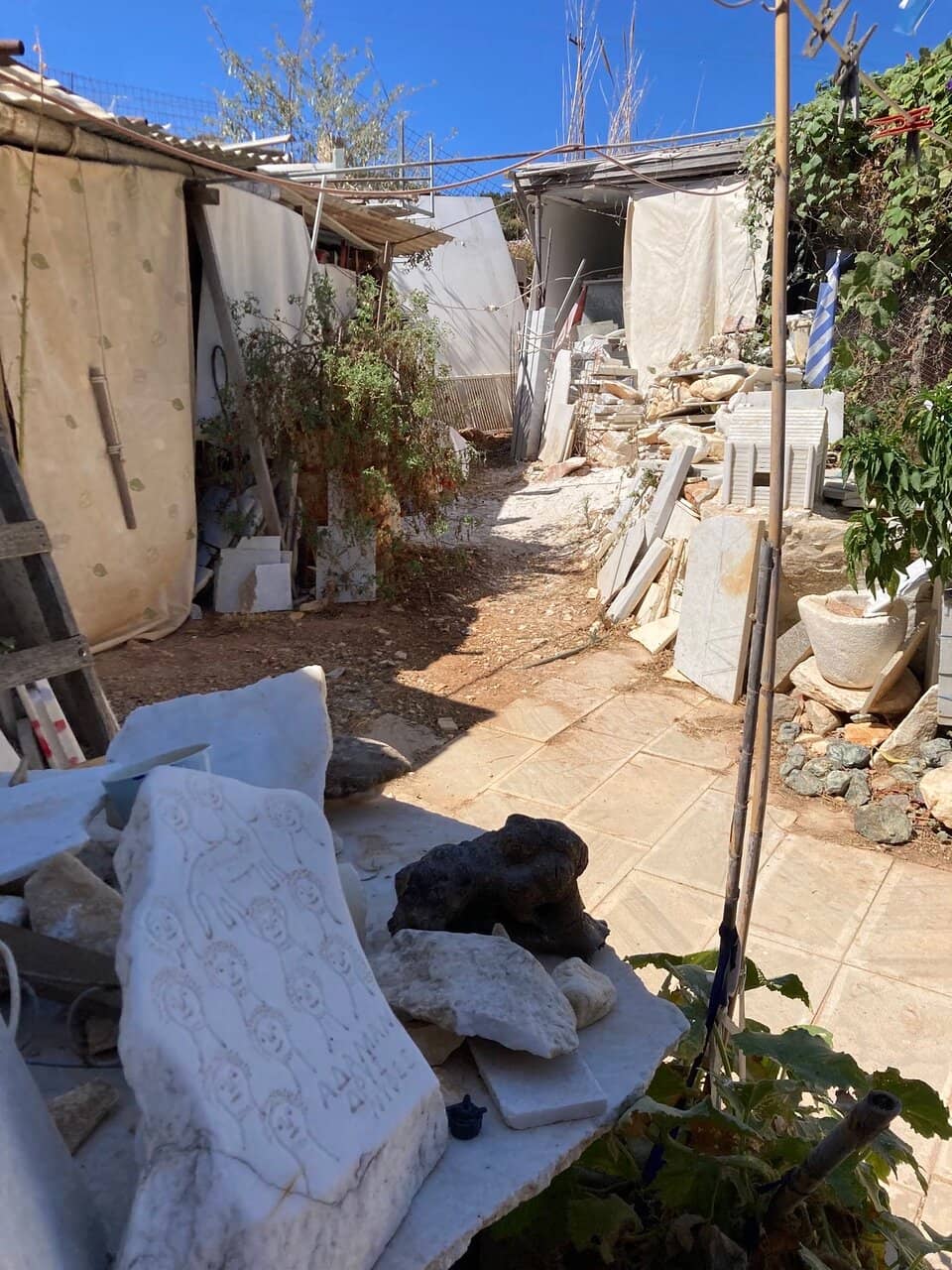
🤝 Support Local Artisans
Visit marble workshops and buy from local carvers; it makes their day and supports their craft. :handshake:
🚶♀️ Walk the Quarry Paths
Many quarries offer scenic paths. Enjoy the unique landscape and historical significance.
Tips
from all over the internet
🚫 Don't Take Rocks!
Removing marble is illegal and disrespectful. Admire and photograph, but leave the stone in place. :noentrysign:
🔦 Explore with Caution
If entering quarry tunnels, bring a strong flashlight. Some tunnels can be dark and chilly. 🔦
🤝 Support Local Artisans
Visit marble workshops and buy from local carvers; it makes their day and supports their craft. :handshake:
🚶♀️ Walk the Quarry Paths
Many quarries offer scenic paths. Enjoy the unique landscape and historical significance.
📱 Capture the Beauty
These sites are incredibly photogenic. Get creative with shots of the stone and surrounding landscape. 📷
What Travellers Say
Reviews Summary
Visitors find the ancient marble quarries to be fascinating historical sites, offering a unique glimpse into the origins of world-renowned stone. The sheer scale and the connection to art and architecture are major highlights. Some visitors appreciate the opportunity to support local artisans by purchasing their work. However, safety concerns, particularly regarding unmaintained tunnels and potential hazards, are noted.
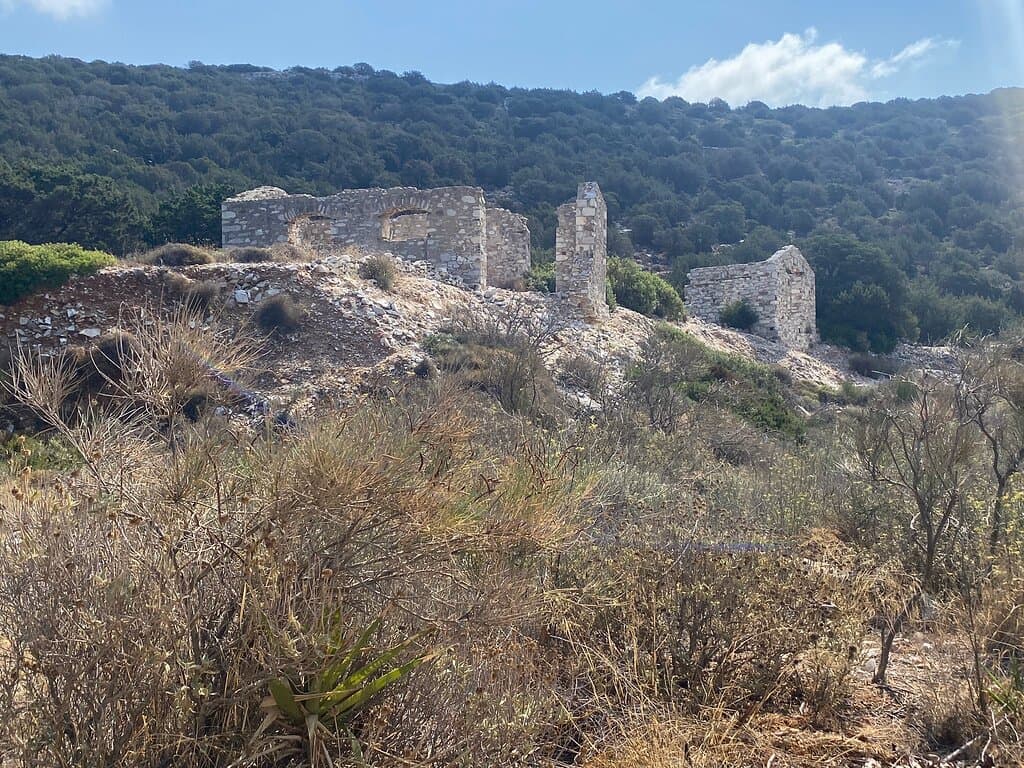
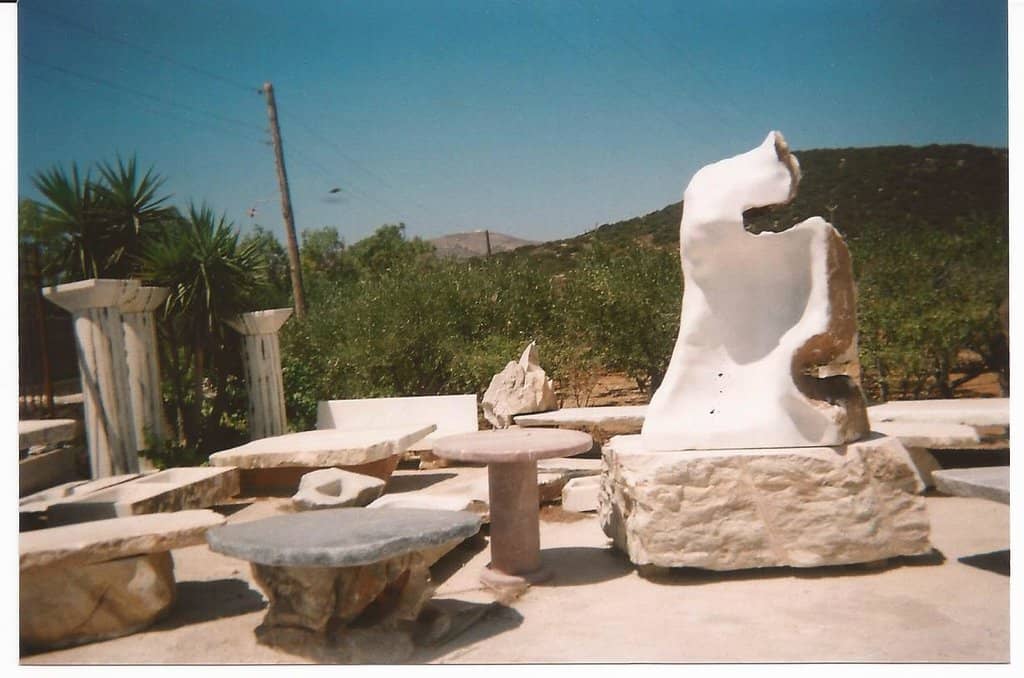
"We found the marble quarry a nice little outing from Parikia. We went through the very welcoming hole in the fence and had a little look, it was interesting to see the mouth of the quarry. There was also a nice man selling hand carved marble figures which was really cool."
Daniel Dimmock
"We knew nothing about this, but our taxi driver/ guide brought us here. I have seen Parian marble from this site in the Louvre, the Athens archeological museum and I'm sure many more, as some of the most famous sculptures in the world, and now I'll know it came from here. So amazing."
Heidi Bohan
"If you visit, please go to the small marble workshop and meet one of the nicest men in Paros. Buy a marble work of his and make his day! Fun historical site as well, informative signs and history to read."
Brandon Wilmoth
What People Like
What People Dislike
Frequently Asked Questions
🚇 🗺️ Getting There
Access varies by location. Many quarries, like those in Carrara, Italy, are accessible by car or tour bus. For Greek sites like Karystos or Thasos, local transport or guided tours are often best. Some smaller sites might be reached via hiking trails.
Public transport can be limited, especially to more remote quarry locations. It's often recommended to rent a car or hire a local taxi/guide for easier access to sites like the Carrara quarries or those on Greek islands.
In many cases, yes, you can drive close to the quarry entrances. However, be aware that some areas might have restricted access or require navigating unpaved roads. Always check local conditions before you go.
For Greek quarries like those in Karystos or Thasos, consider booking a guided tour that includes transportation. This ensures you reach the sites safely and learn about their history from an expert.
Yes, many popular marble quarry locations, especially in Italy and Greece, offer guided tours. These tours provide valuable historical context and often include access to areas not open to the public.
🎫 🎫 Tickets & Entry
Entry fees vary greatly. Some quarries are free to visit and explore, while others, particularly those with visitor centers or organized tours, may charge a fee. Always check the specific site's policy beforehand.
Many quarries are open during daylight hours, but specific times can vary. Some may have restricted access due to ongoing operations or safety concerns. It's best to confirm hours with local tourism offices or tour operators.
Entering quarry tunnels is at your own risk. While some are accessible, they can be dark, unstable, and have hazards like falling rocks. Bring a good flashlight and be cautious.
Visiting active quarries usually requires special arrangements or joining an organized tour. These tours are designed for safety and provide a unique behind-the-scenes look at modern stone extraction. +1
Generally, photography is allowed and encouraged. However, in active quarry areas, there might be restrictions for safety reasons. Always be mindful of your surroundings and any posted signs.
🎫 🧭 Onsite Experience
You'll see massive stone blocks, quarry faces, and sometimes historical tools or unfinished sculptures. Many sites offer interpretive signs detailing the history and significance of the marble. +1
Wear sturdy, closed-toe shoes suitable for uneven terrain. Comfortable clothing is recommended, and consider layers as quarry environments can be cooler.
While visually impressive, some quarries may not be ideal for very young children due to safety concerns like uneven ground and open pits. Older children can find the scale and history fascinating.
Yes, many quarry areas are integrated with hiking trails, offering stunning views and a chance to explore the landscape. The Apuane Alps in Tuscany are a great example.
The type of marble varies by location. Famous examples include Calacatta and Statuario from Carrara, Italy, known for their distinct veining, and the pure white marble of Thasos, Greece.
🍽️ 🍽️ Food & Dining
Typically, there are no dining facilities directly within the quarries themselves. You'll usually find restaurants and cafes in nearby towns or villages.
Yes, bringing your own food and drinks is generally permitted. It's a good idea to pack a picnic, especially if you plan to spend several hours exploring the area.
Explore the charming towns and villages surrounding the quarries for authentic local cuisine. Look for trattorias in Italy or tavernas in Greece for regional specialties.
📸 📸 Photography
Capture the immense scale of the quarry faces, the intricate veining of the marble blocks, and the dramatic landscapes. Sunrise and sunset can offer beautiful lighting.
Drone usage is often restricted in quarry areas due to safety regulations and potential interference with operations. Always check local drone laws and quarry policies before flying.
A wide-angle lens is great for capturing the vastness of the quarries. A sturdy tripod can be useful for low-light conditions or long exposures.
Get up close to the stone and use natural light to highlight the textures and patterns of the marble veins. Experiment with different angles and focus points.
Many quarries have designated viewpoints or accessible paths that offer panoramic vistas. Ask locals or guides for the best spots.


Social
from TikTok, Instagram & Reddit