
Aptera Fortress Koules
An imposing Ottoman fortress offering panoramic views of Souda Bay and a glimpse into Crete's strategic military past.
Highlights
Must-see attractions

Social
From TikTok & Reddit
Best Time
Fewer crowds, easier parking
Aptera Fortress Koules
Best Time
Fewer crowds, easier parking
Highlights
Must-see attractions
An imposing Ottoman fortress offering panoramic views of Souda Bay and a glimpse into Crete's strategic military past.
"Beautiful place with a perfect view, absolutely worth to stop."
Check for Events First
The fortress hosts concerts and festivals! Check schedules before you go.
Drive Carefully Uphill
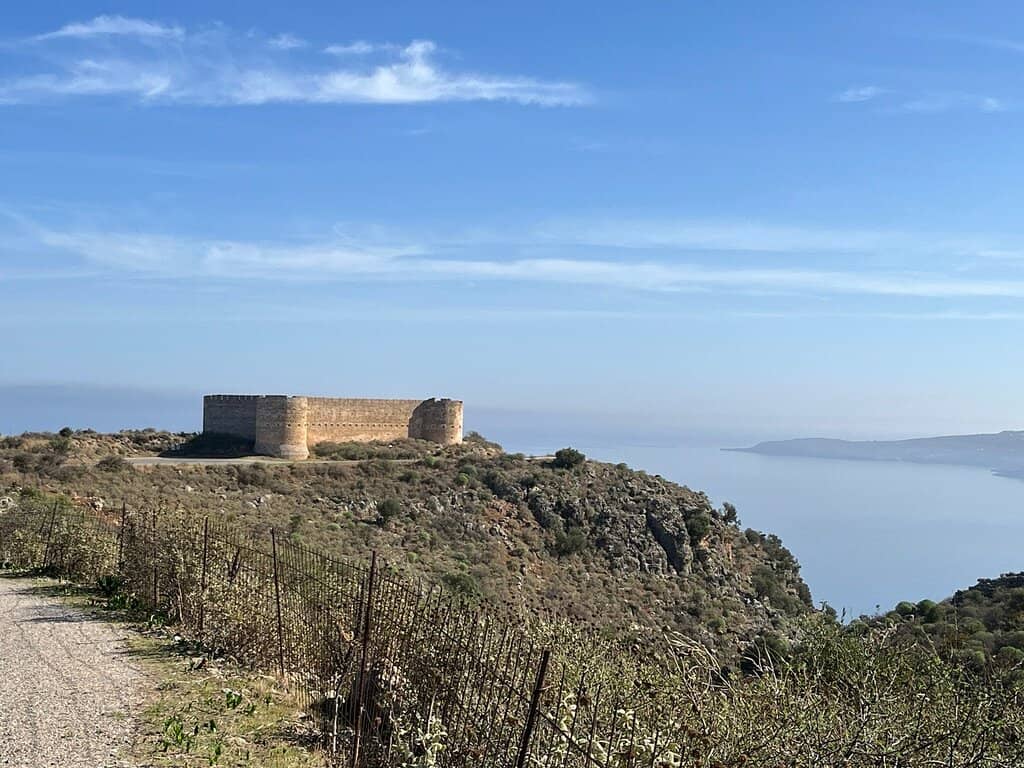
The road up can be steep and challenging. Take your time and be cautious.
Quick Facts
Hours
Rating
4.4 · 986 reviews
Highlights
Discover the most iconic attractions and experiences
Ottoman Military Architecture
Koules Fortress
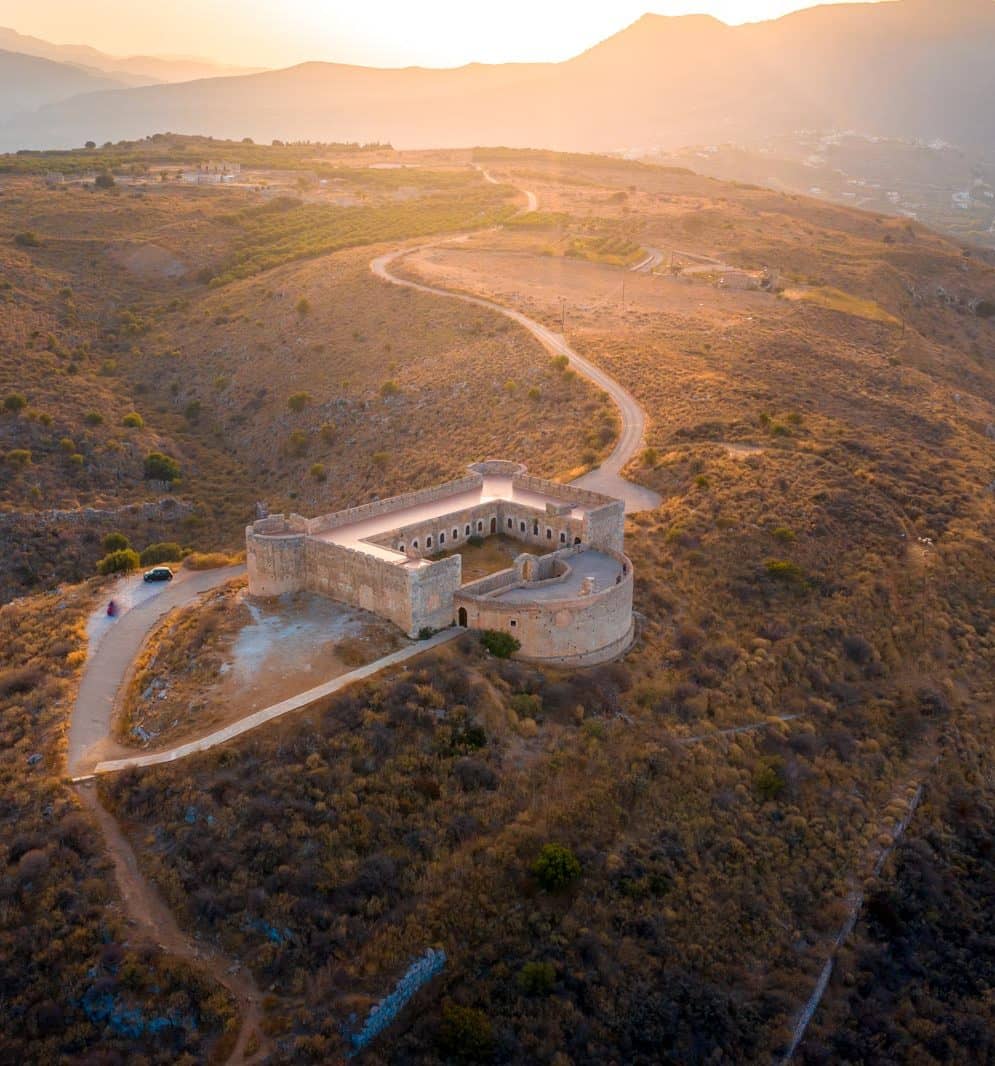
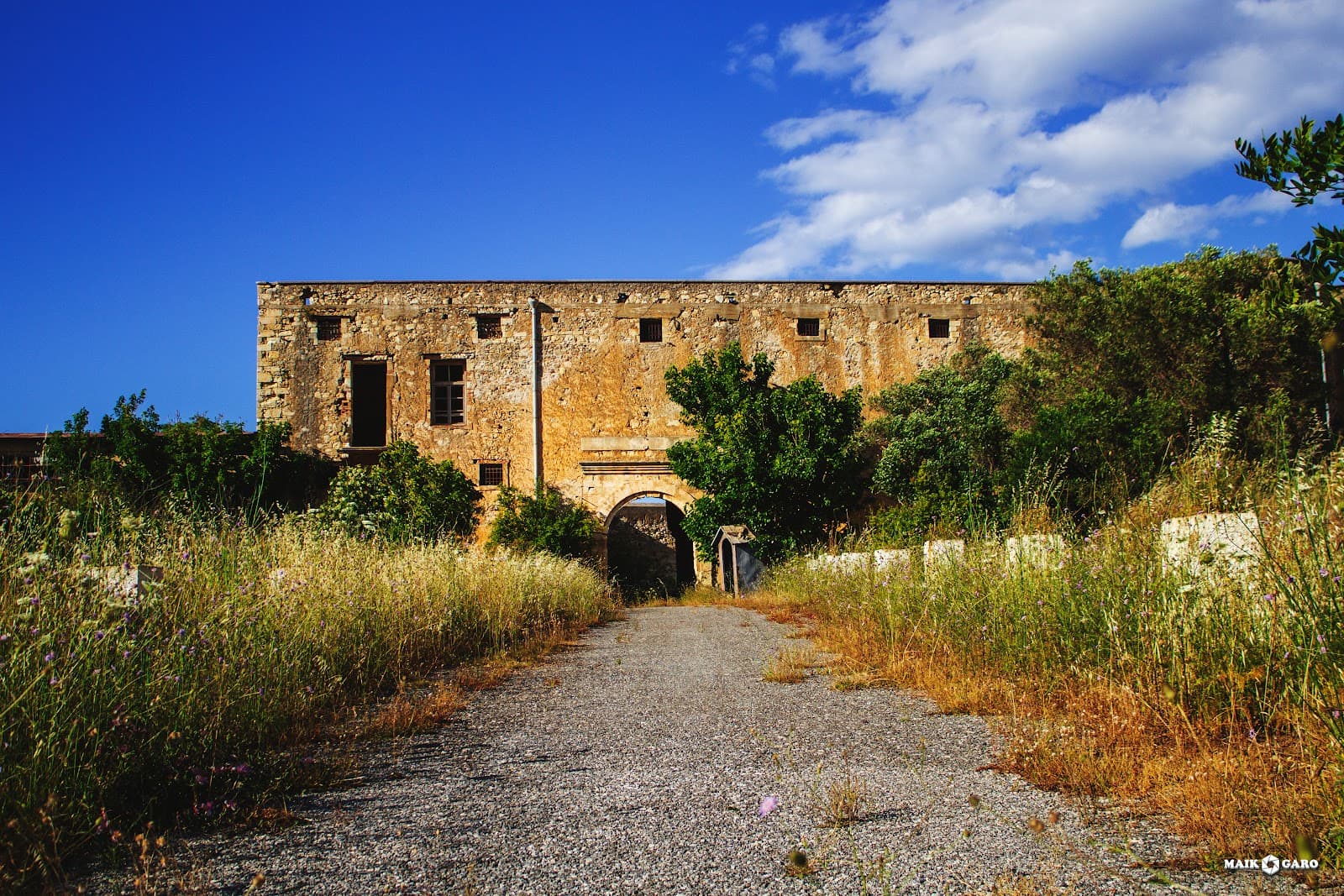
Explore the imposing P-shaped fortress, a 19th-century relic built by the Ottomans to control Souda Bay.
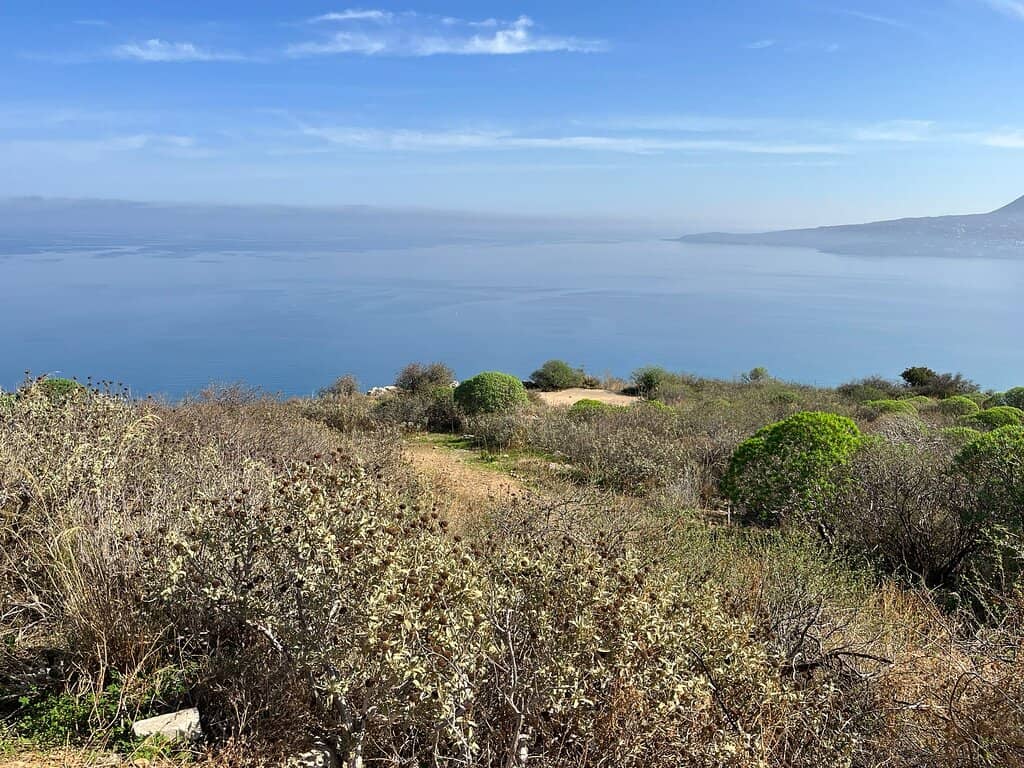
Panoramic Souda Bay Views
Fortress Ramparts
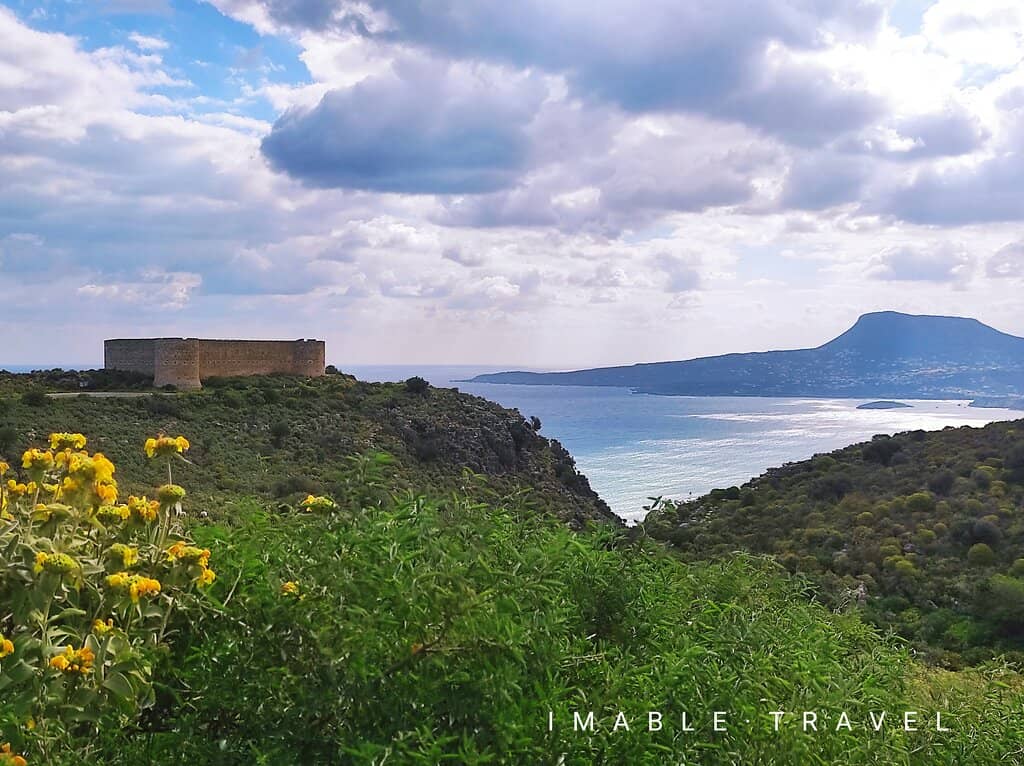
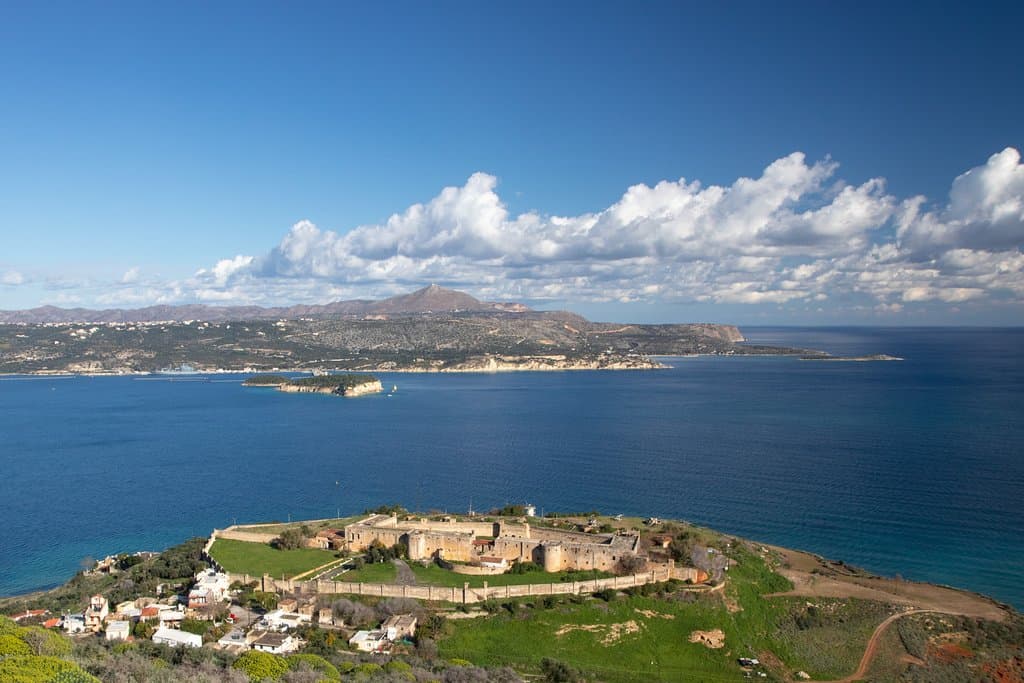
Soak in breathtaking vistas of Souda Bay, one of the Mediterranean's safest and most strategic natural harbors.
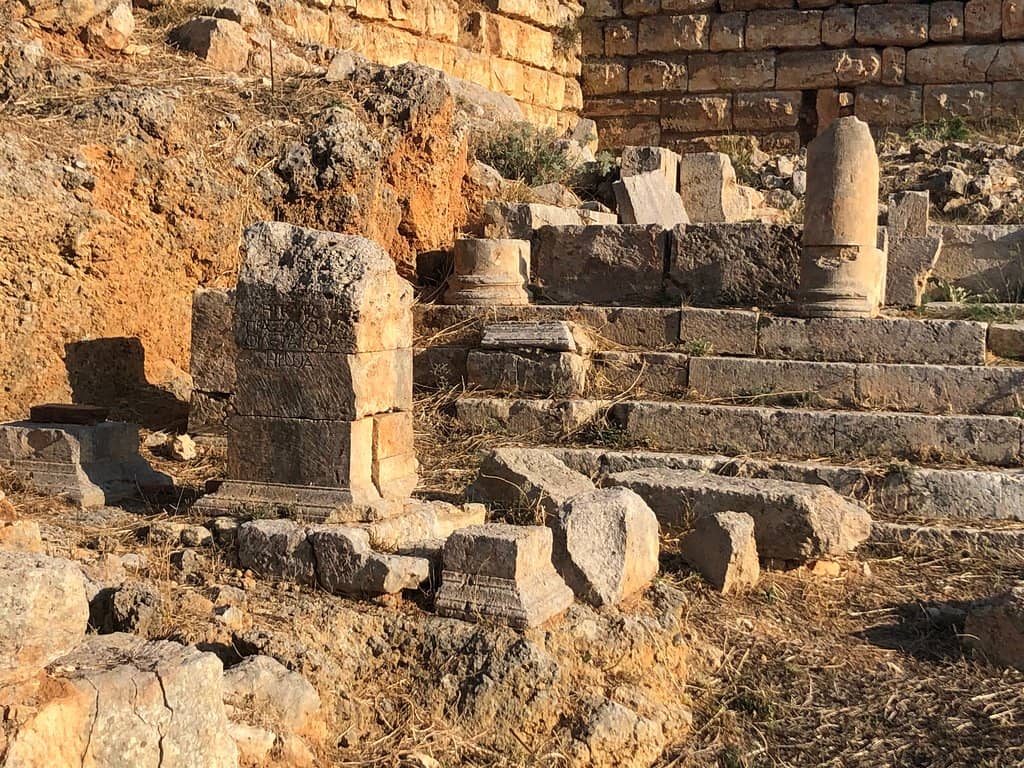
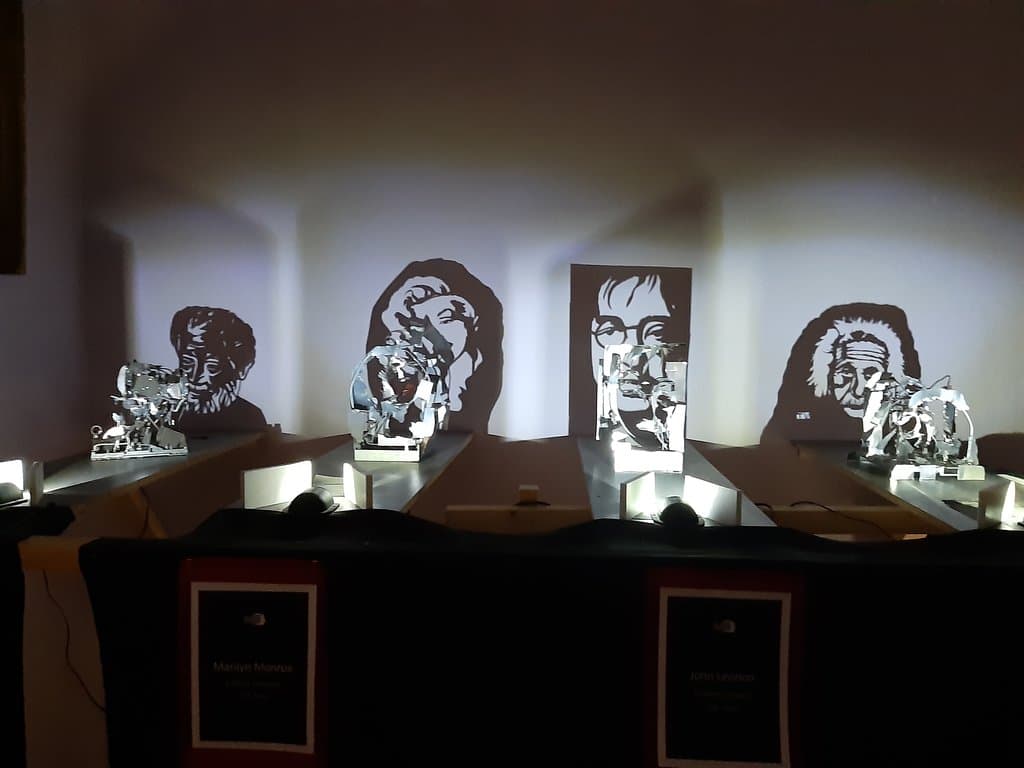
Guardians of Souda Bay Exhibition
Inside the Fortress
Discover the fortress's history and strategic importance through archival materials, maps, and photographs.
Plans like a pro.
Thinks like you
Planning Your Visit
Timing Your Visit
Getting There & Parking
Best Times
Insider Tips
from TikTok, Instagram & Reddit
Check for Events First
The fortress hosts concerts and festivals! Check schedules before you go. 
Drive Carefully Uphill
The road up can be steep and challenging. Take your time and be cautious.
Parking Can Be Tricky
Parking is available but limited, especially during events. Arrive early if possible.
Entry Fee Varies
Some visitors report free entry, others a €2 fee. Be prepared for either.
Tips
from all over the internet
Check for Events First
The fortress hosts concerts and festivals! Check schedules before you go.
Drive Carefully Uphill
The road up can be steep and challenging. Take your time and be cautious.
Parking Can Be Tricky
Parking is available but limited, especially during events. Arrive early if possible.
Entry Fee Varies
Some visitors report free entry, others a €2 fee. Be prepared for either.
Wear Comfortable Shoes
You'll be exploring uneven terrain and historic structures.
What Travellers Say
Reviews Summary
Visitors praise Koules Fortress for its impressive Ottoman architecture and the breathtaking panoramic views of Souda Bay. The historical exhibition offers valuable insights into the region's past. However, some find the access road challenging and note inconsistency in entry fees.
"Beautiful place with a perfect view. I was confused cause during first visit the entrance was free but two days after other lady wanted 2 euros per person. Weird. But visit was worth for our time. Love this place."
Playbox Guest
"The Koules Ottoman Fortress located near Souda, Crete, stands as a imposing relic of 19th-century military architecture, built by the Ottomans shortly after the Cretan Revolution of 1866 as part of a strategic network to control Crete and its key passageways.
Positioned in the Paleokastro area close to the ruins of ancient Aptera and near the village of Megala Chorafia, this fortress was constructed under the direction of Hussein Avni Pasha, the Turkish governor of Crete.
Its primary purpose was to oversee and secure the Apokoronas valley, the main route into the Chania region from central Crete, and to simultaneously protect the bay of Souda through coordination with other nearby fortresses, notably the fortress on Souda islet and the Intzedin fortress.
Architecturally, the Koules fortress is distinguished by its symmetrical P-shaped layout centered around a rectangular courtyard. It features two prominent towers, one facing west toward the Keramia area and another eastward toward Kalives, providing an unbroken visual and defensive connection with surrounding watchtowers and forts.
This interconnected system of fortifications extended widely across the region with over twenty towers communicating with the fortress, enabling comprehensive surveillance and control over movements in the area.
Inside, the fortress was well-equipped for sustained military occupation with facilities including quarters for officers, barracks, storage rooms, prisons, and areas for food preparation and catering.
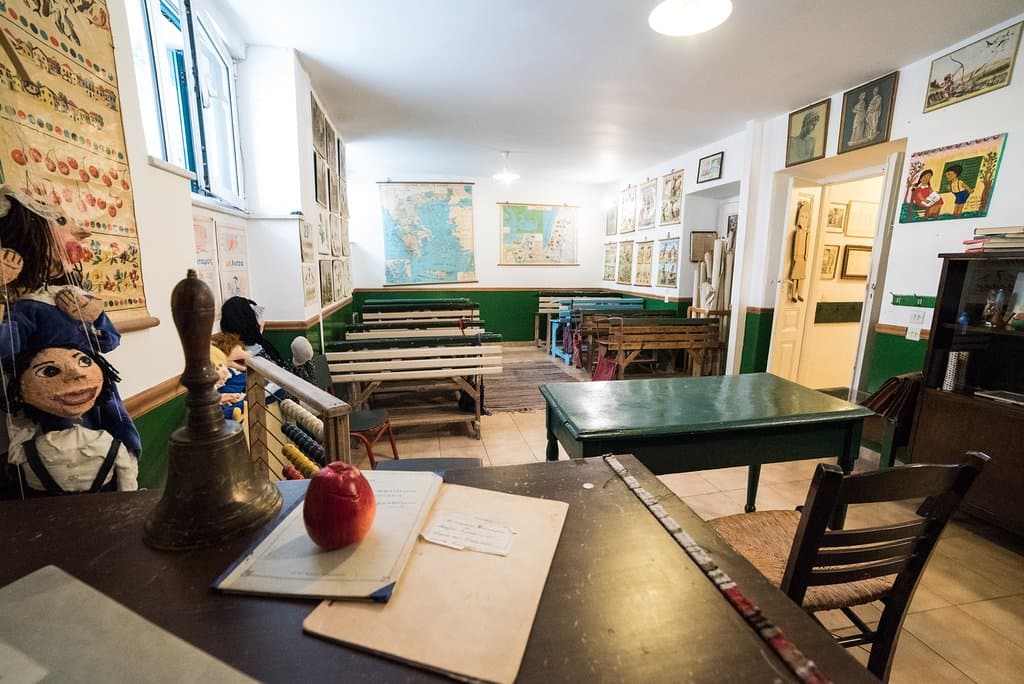
The construction quality is evident in the fortress’s excellent preservation, attributable to the solid workmanship of its walls. After Ottoman rule ended, the fortress found a new role as a school for the community of Megala Chorafia, demonstrating its adaptive reuse.
Today, the fortress not only serves as a monument to the region’s turbulent history but also houses a cultural exhibition called "The Guardians of Souda Bay", which highlights the fortress's role alongside the other castles protecting Souda Bay, as well as the rich history of the surrounding area.
The exhibition includes archival materials, rare maps, historical photographs, and literary excerpts, offering visitors an immersive experience that blends history with culture.
Visitors can appreciate the fortress’s commanding views over the impressive natural harbor of Souda, one of the safest Mediterranean ports, underscoring the fortress’s strategic significance past and present.
Overall, Koules Ottoman Fortress is a remarkable site blending architectural resilience, military history, and cultural narratives. Its location near beautiful ancient ruins and a picturesque village adds further appeal, making it not only a significant historical landmark but also a meaningful destination for those interested in the layered history of Crete and its defensive heritage."
A J Bashha
"Small compact significant, one of three „guardians” defending entrance to Souda Bay with small exhibition, convinient parking, entrance Euro 2"
Maciek Klosinski
What People Like
What People Dislike
Frequently Asked Questions
🚇 🗺️ Getting There
The fortress is located near the village of Megala Chorafia, close to ancient Aptera. Driving is the most common way, but be prepared for steep and narrow roads. Parking is available but can be limited.
Yes, the drive can be challenging with steep inclines and winding roads. Visitors recommend taking your time and driving cautiously.
There is parking available at the fortress, but it is often limited, especially when events are taking place. Arriving early is advisable.
Public transport options are limited for reaching the fortress directly. Renting a car or taking a taxi from Chania or nearby towns is generally recommended.
Yes, maps of hiking trails around the area are available at the fortress, suggesting opportunities for exploration beyond the immediate site.
🎫 🎫 Tickets & Entry
Entry fees can vary. Some visitors have reported free admission, while others mention a fee of around €2 per person. It's advisable to be prepared for a small charge.
Opening hours can be inconsistent. It's best to check local listings or inquire locally, especially as the fortress sometimes hosts events that might affect public access.
Generally, advance booking is not required for regular visits, but it's always a good idea to check if any special events are scheduled that might require tickets or have limited availability.
Some visitors have described the entry as donation-based, with some contributing around €10 for two people, suggesting flexibility in payment.
This cultural exhibition inside the fortress highlights its historical role in defending Souda Bay, alongside other fortifications, and showcases the region's rich history through various artifacts and information.
📸 📸 Photography
The ramparts offer stunning panoramic views of Souda Bay, perfect for landscape shots. The fortress architecture itself, with its thick stone walls and P-shaped layout, is also highly photogenic.
Yes, photography is generally allowed inside the fortress, allowing you to capture the historical details and the exhibition content.
Sunset can offer dramatic lighting over Souda Bay, as seen in some event promotions. However, morning light can also be beautiful and less harsh for capturing the fortress details.
Drone usage regulations can vary. It's advisable to check local drone laws and any specific restrictions at the fortress before flying.
A wide-angle lens is great for capturing the expansive views and the fortress's scale. A standard zoom lens is versatile for details and general shots.
🎫 🏛️ History & Culture
The Koules Fortress was built by the Ottomans between 1866 and 1869, shortly after the Cretan Revolution, as part of a strategic defensive network.
Its primary purpose was to control and defend the Apokoronas valley and the bay of Souda, coordinating with other fortresses in the region.
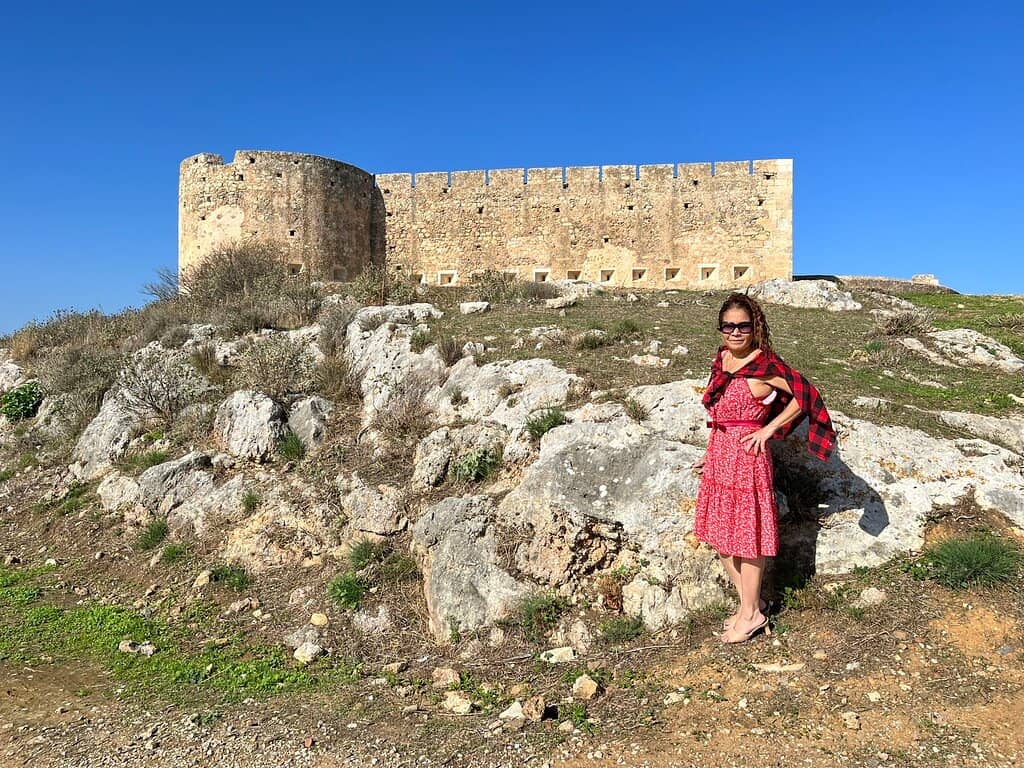
The fortress features a symmetrical P-shaped layout centered around a rectangular courtyard, with thick stone walls constructed using materials from ancient Aptera ruins.
After Ottoman rule, it served as a school for the community of Megala Chorafia, demonstrating adaptive reuse of the structure.
The exhibition provides insights into the fortress's role in defending Souda Bay, the history of the surrounding area, and features archival materials, maps, and photographs.
Social
from TikTok, Instagram & Reddit