Hvalsey Church Ruins
Explore Greenland's best-preserved Norse ruins, a UNESCO site marking the last known Viking settlement.
Highlights
Must-see attractions

Social
From TikTok & Reddit
Best Time
Atmospheric and peaceful
Hvalsey Church Ruins
Best Time
Atmospheric and peaceful
Highlights
Must-see attractions
Explore Greenland's best-preserved Norse ruins, a UNESCO site marking the last known Viking settlement.
"Set foot on Hvalsey Church and feel transported to a Norse saga unfolding by the fjord."
Bring Your Own Info 📚
The onsite sign is unreadable; research the history or hire a guide to truly appreciate the ruins .
Embrace the Weather 🌧️
Rainy days make the ruins even more atmospheric, with puddles reflecting the ancient stone .
Quick Facts
Hours
Rating
4.5 · 83 reviews
Type
Historical Landmark
Address
Highlights
Discover the most iconic attractions and experiences
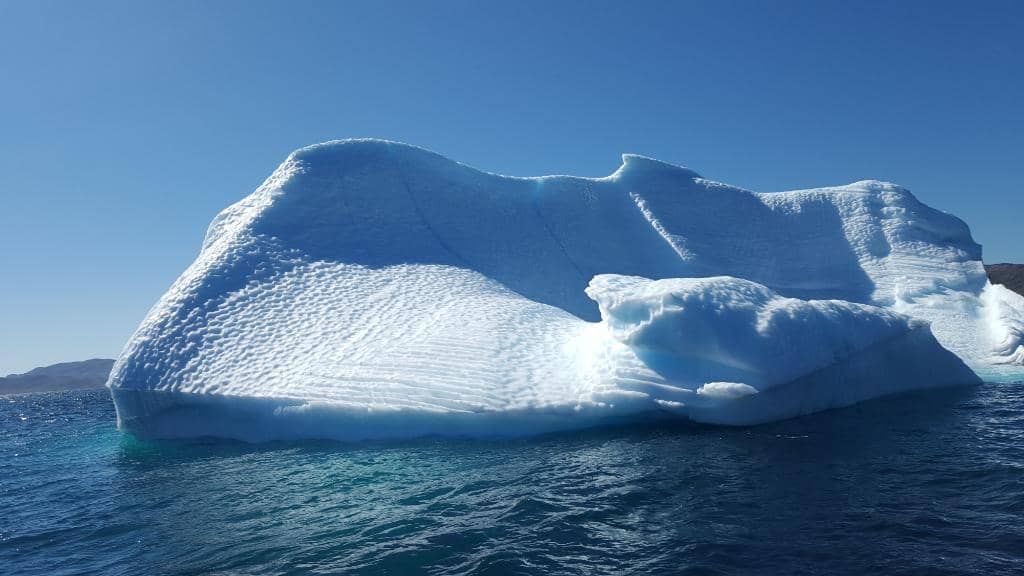
The Standing Walls
Main church structure
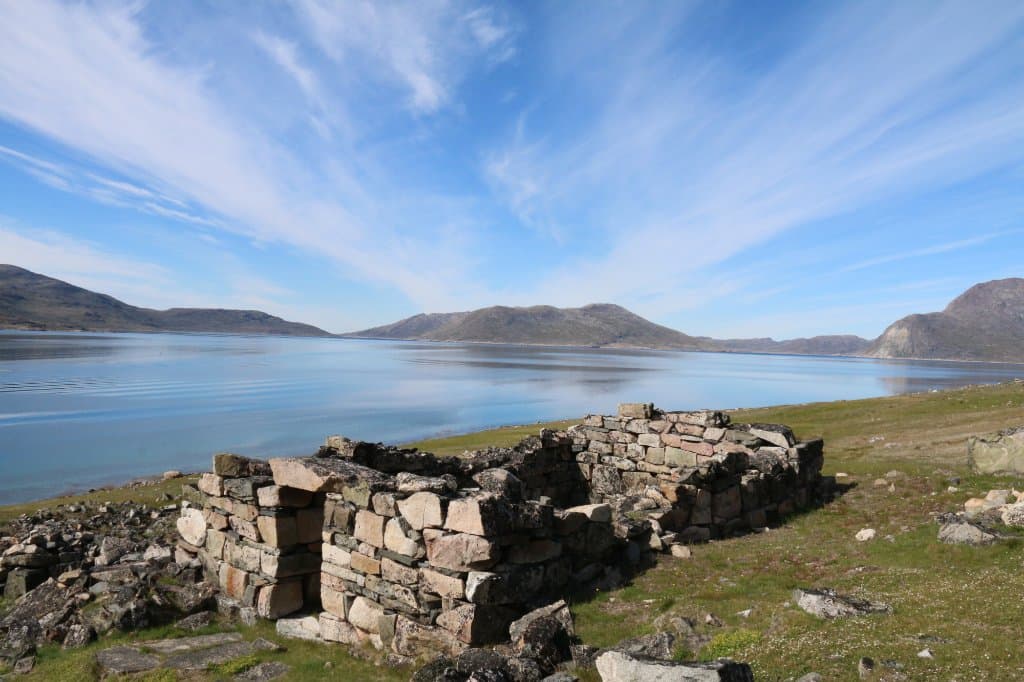
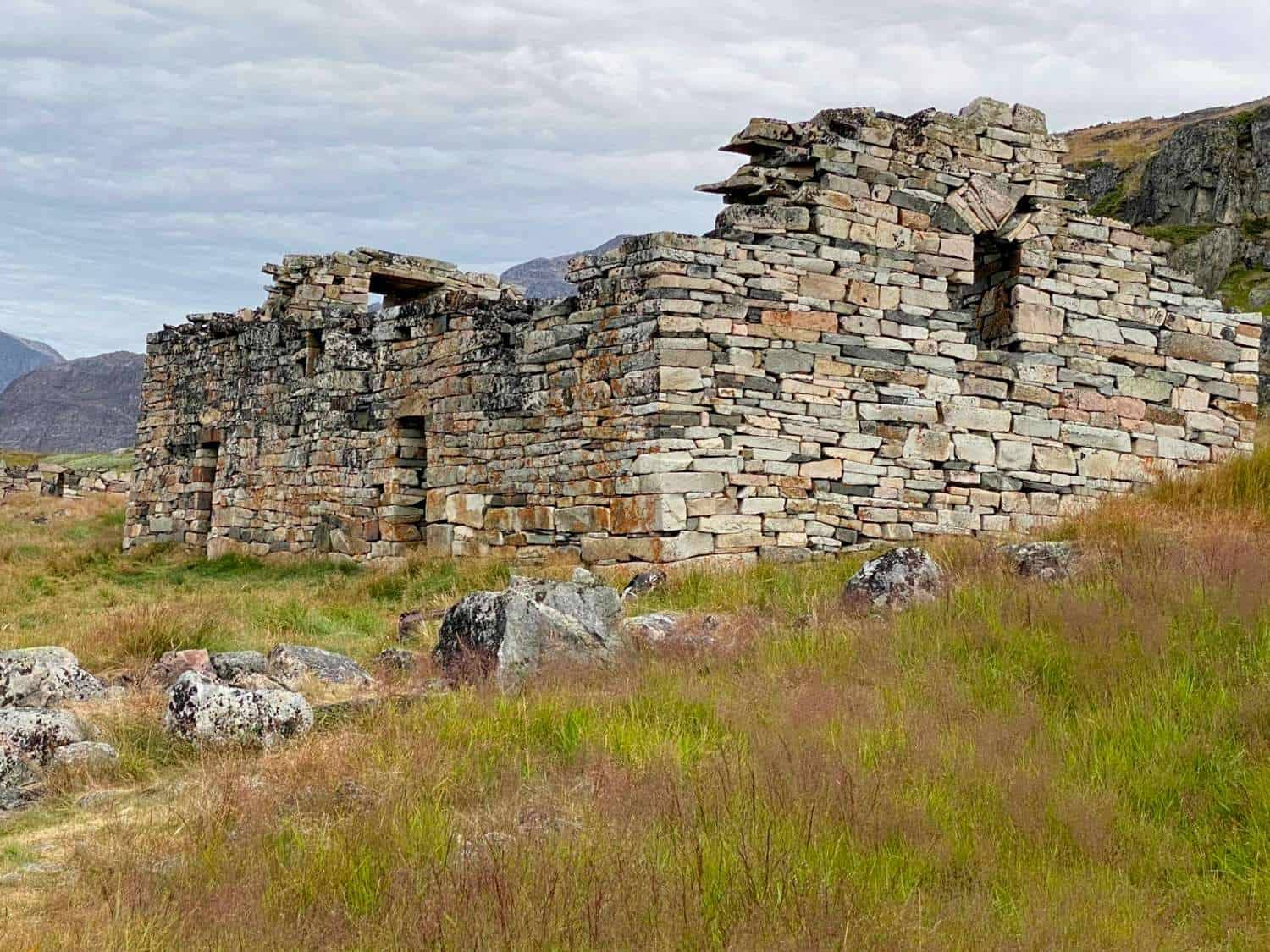
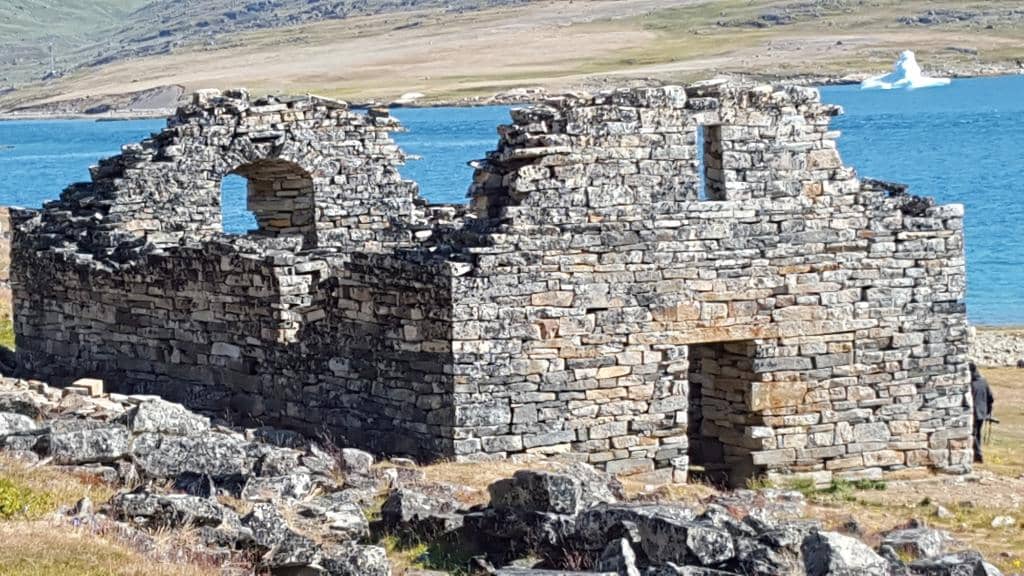
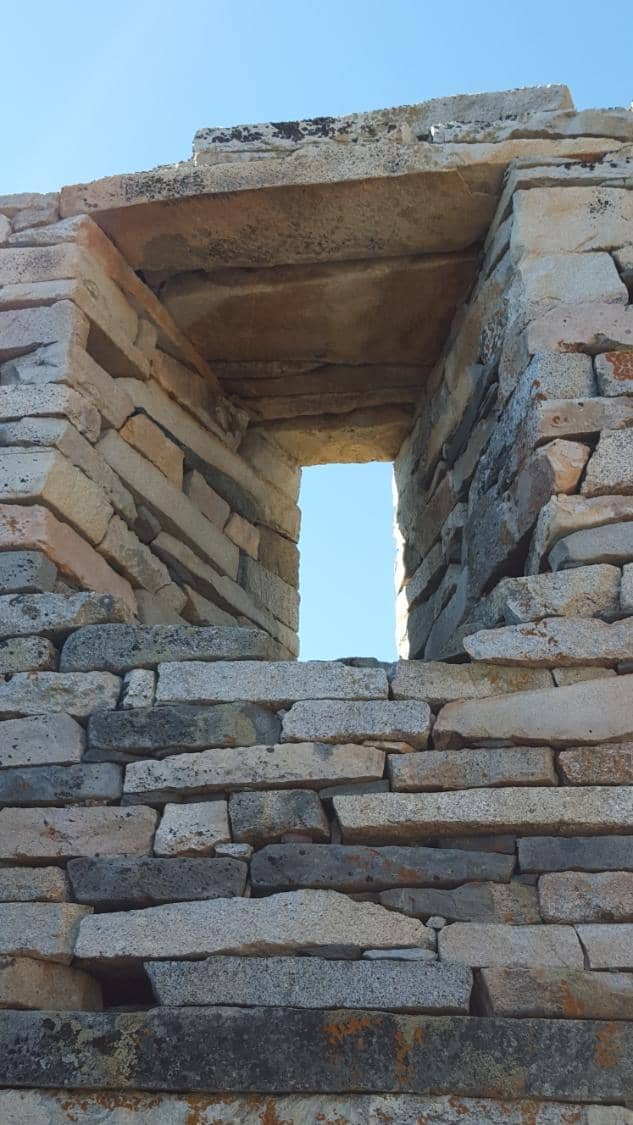
Massive stone walls, up to 6m high, stand as a testament to Norse architecture against the stunning fjord backdrop.
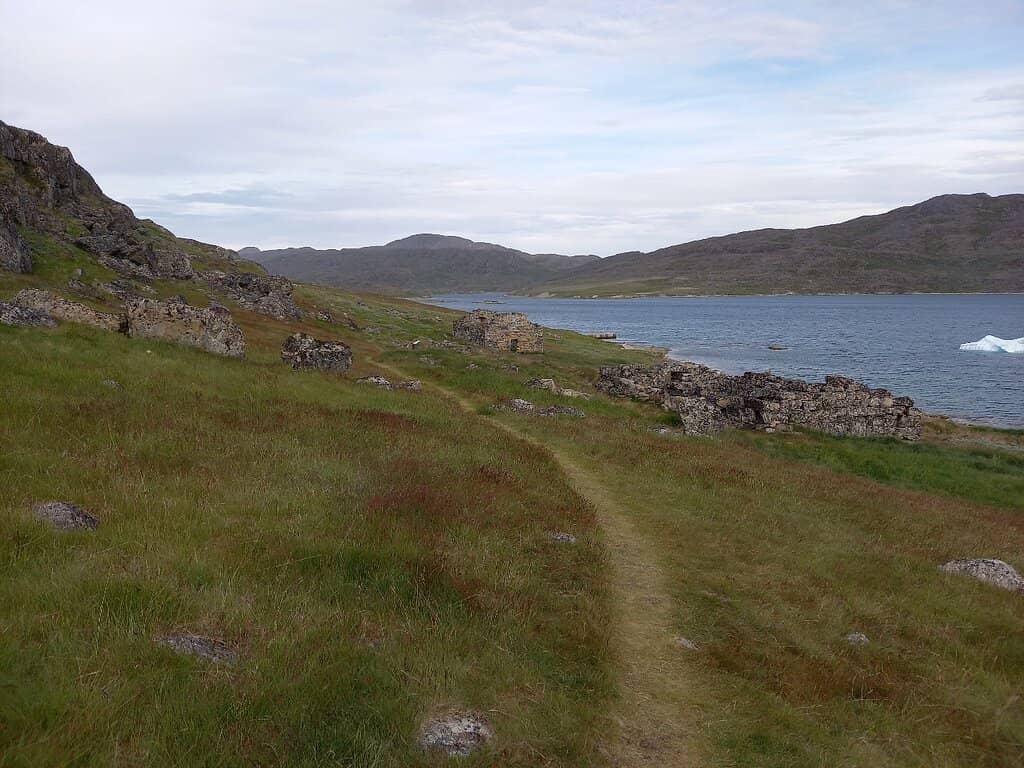
The Last Norse Mention
Church interior
Site of the last documented Norse event in Greenland: a wedding in 1408 before their disappearance.
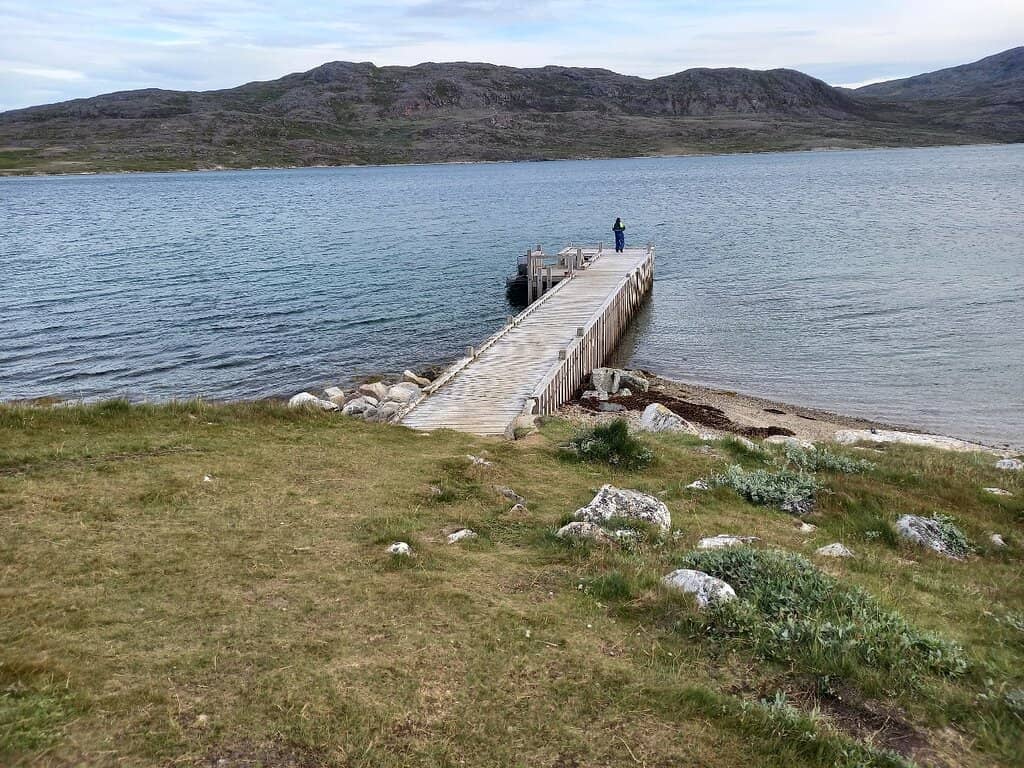
Fjord Views
Overlooking the bay
The ruins offer dramatic views of the glassy water, perfect for quiet contemplation or even a bracing dip.
Plans like a pro.
Thinks like you
Planning Your Visit
Embrace the Atmosphere
Plan Your Visit Wisely
Best Times
Insider Tips
from TikTok, Instagram & Reddit
Bring Your Own Info 📚
The onsite sign is unreadable; research the history or hire a guide to truly appreciate the ruins.
Embrace the Weather 🌧️
Rainy days make the ruins even more atmospheric, with puddles reflecting the ancient stone.
Consider a Dip! 🏊
The bay in front of the ruins is a spot for a quick, invigorating swim in Greenlandic waters.
Best if Localized 📍
Worth visiting if you're nearby, but not a destination to travel to solely for.
Tips
from all over the internet
Bring Your Own Info 📚
The onsite sign is unreadable; research the history or hire a guide to truly appreciate the ruins.
Embrace the Weather 🌧️
Rainy days make the ruins even more atmospheric, with puddles reflecting the ancient stone.
Consider a Dip! 🏊
The bay in front of the ruins is a spot for a quick, invigorating swim in Greenlandic waters.
Best if Localized 📍
Worth visiting if you're nearby, but not a destination to travel to solely for.
What Travellers Say
Reviews Summary
Visitors find Hvalsey Church Ruins to be a historically significant and atmospheric site, especially on moody days. Its status as the best-preserved Norse ruin and the location of the last Norse mention in Greenland are major draws. However, the lack of readable information onsite and its remote location mean it's best appreciated as part of a broader itinerary.
"Set foot on Hvalsey Church during a crisp summer afternoon and instantly felt transported to a Norse saga unfolding by the fjord. The stone walls—still standing 4.5–6 m high—loom dramatically against the glassy water, weathered but resolutely intact"
Axel
"These are largest and best preserved Viking ruins in Greenland. It's the site of the last mention of them in 1408 before they disappeared from history. Many of the pictures linked are from other places."
Neil Laird
"Very nice historic place. There is a information sign in front of the first ruin but it is not possible to read it anymore. Be sure to go with a guide or bring your own information of the layout of the ruins in order to enjoy your visit!
If time allows, the bay in front of the ruins might offer possibilities for a short dip in the Greenlandic water!"
Crister Sahlén
What People Like
What People Dislike
Frequently Asked Questions
🚇 🗺️ Getting There
Hvalsey Church Ruins are located near Qaqortoq in Southern Greenland. Access is typically via boat tour or as part of a guided excursion from Qaqortoq. Public transport options are limited, so booking a tour is the most common and convenient way to visit.
While there might be some local roads, direct car access to the ruins themselves is not typical for tourists. Most visitors arrive by boat as part of organized tours that dock nearby.
Many visitors recommend joining a guided tour that includes Hvalsey Church Ruins. This ensures you have access to historical information, as the onsite signage is difficult to read.
The nearest significant town is Qaqortoq, which serves as a hub for tours and accommodations in the region. The ruins are situated in a more remote, scenic area.
Tours often include Hvalsey Church Ruins as part of a broader exploration of Southern Greenland's Norse history and natural beauty, sometimes including glacier visits or fjord cruises.
🎫 🎫 Tickets & Entry
Entry to the Hvalsey Church Ruins site itself is generally free. However, if you are visiting as part of a cruise ship excursion or a local tour, the cost of the tour will cover your access.
As an open-air archaeological site, Hvalsey Church Ruins do not have set opening hours. They are accessible whenever tours are operating or when visitors can reach the location.
There is no specific entrance fee for the Hvalsey Church Ruins. The site is a UNESCO World Heritage site and is open for exploration.
Independent visits are possible if you arrange your own transport, but it's challenging due to the remote location. Most visitors opt for guided tours for ease of access and historical context.
No specific booking is required for the ruins themselves. However, booking tours or excursions in advance, especially during peak season, is highly recommended.
🎫 🧭 Onsite Experience
You'll see the remarkably well-preserved stone ruins of a medieval Norse church, the largest and best-preserved Viking ruins in Greenland. It's the site of the last mention of Norse settlers in 1408.
A visit typically takes about 1-2 hours, allowing time to explore the ruins, take photos, and absorb the historical atmosphere. This can vary if you're on a guided tour with a set schedule.
It's a UNESCO World Heritage site and the location of the last documented event of the Norse in Greenland – a wedding in 1408. It represents the end of the Norse era in Greenland.
Facilities are minimal. There are no restrooms or cafes directly at the ruins. Visitors should come prepared with water and snacks. The information sign is also unreadable.
Wear sturdy walking shoes as the terrain can be uneven. Dress in layers, as Greenland's weather can change quickly. Waterproof and windproof outer layers are advisable, especially if visiting on a moody day.
📸 📸 Photography
Capture the imposing stone walls against the dramatic fjord backdrop. Moody, rainy days offer unique atmospheric shots, with puddles reflecting the ruins. The sheer scale and preservation make for striking images.
Absolutely. The combination of ancient ruins, the vast Greenlandic landscape, and the serene fjord provides excellent opportunities for landscape photography.
Early morning or late afternoon light can be beautiful, but the ruins are also incredibly photogenic on overcast or rainy days, adding to their mystique.
Drone regulations can vary. It's best to check local guidelines and any specific rules associated with UNESCO World Heritage sites before flying a drone.
A wide-angle lens is great for capturing the scale of the ruins and the surrounding landscape. A telephoto lens can be useful for details or distant fjord views. A sturdy tripod is helpful for low-light conditions or capturing reflections.




Social
from TikTok, Instagram & Reddit