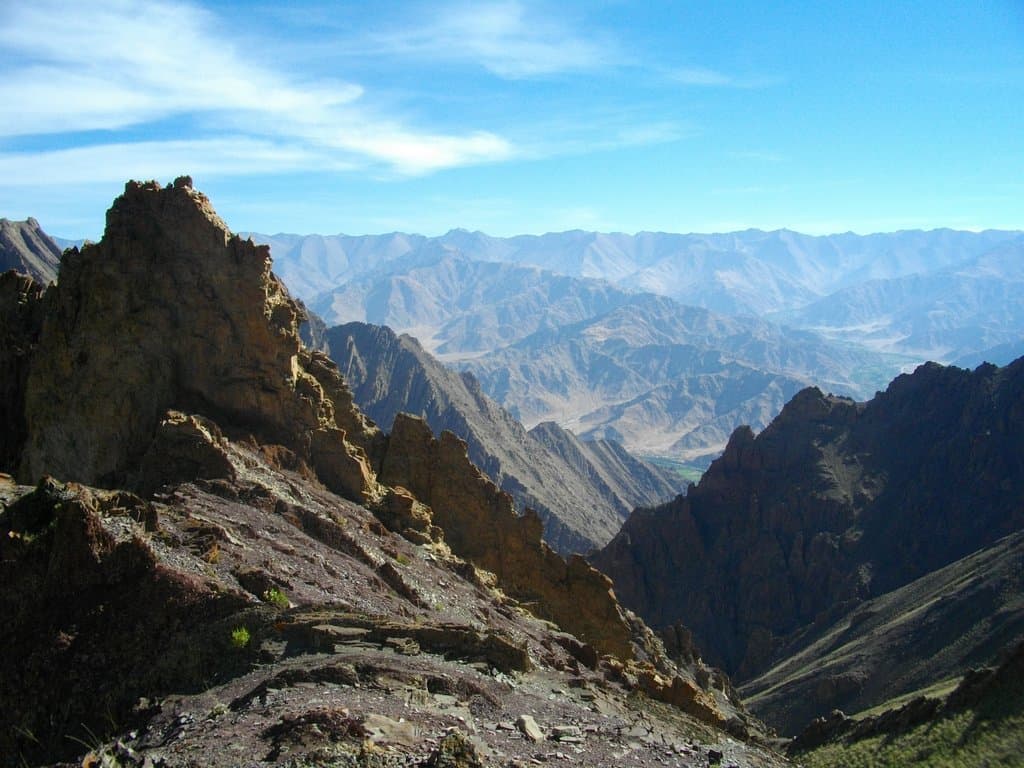
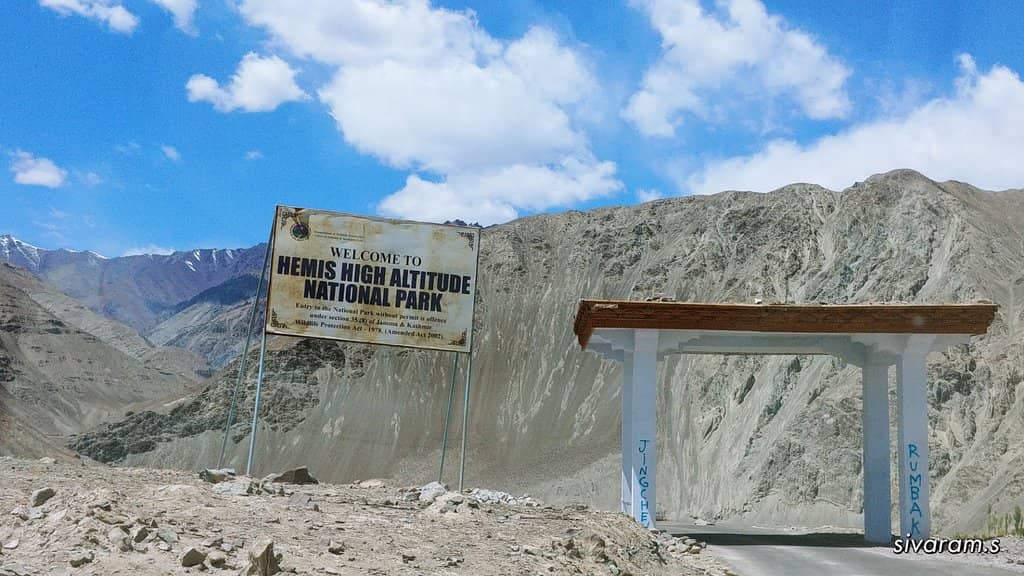
Hemis National Park Ladakh
Hemis National Park, Ladakh: A high-altitude sanctuary famed for its elusive snow leopards and dramatic Himalayan landscapes.
Highlights
Must-see attractions

Social
From TikTok & Reddit
Best Time
Best snow leopard sightings
Hemis National Park Ladakh
Best Time
Best snow leopard sightings
Highlights
Must-see attractions
Hemis National Park, Ladakh: A high-altitude sanctuary famed for its elusive snow leopards and dramatic Himalayan landscapes.
"This is a place just like a fairy tale.. A calmness is all over the valley.. I just fall in love of the place.."
Pack for Extreme Cold
Temperatures can plummet below -30°C in winter. Layer up with thermal wear, down jackets, and warm accessories. :cloud_snow:
Hire a Local Guide
Essential for spotting snow leopards and navigating the terrain safely. They know the best spots! :hiking_boot:
Quick Facts
Highlights
Discover the most iconic attractions and experiences
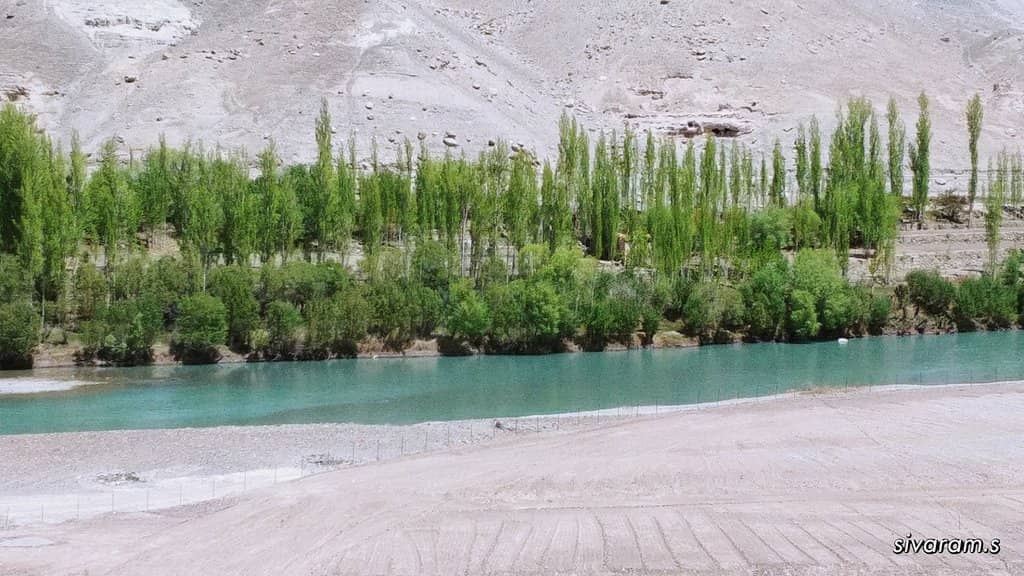
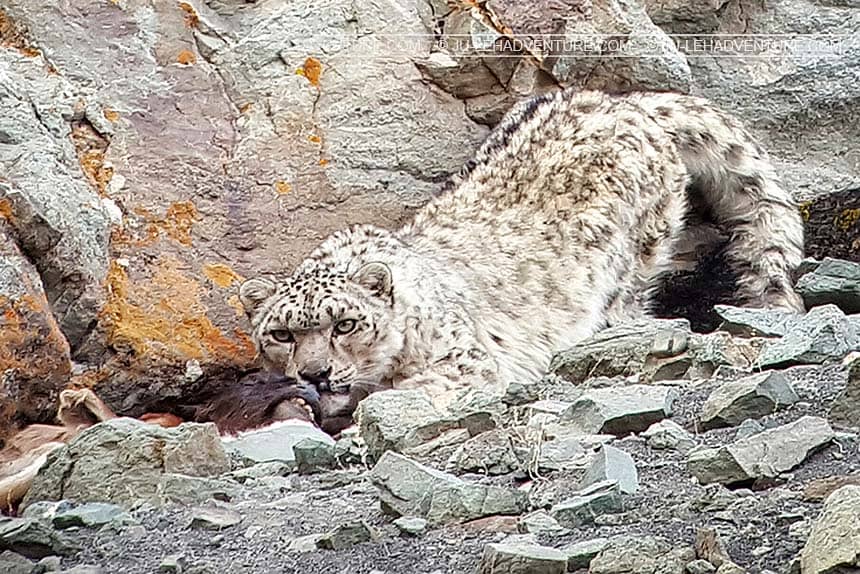
Snow Leopard Spotting
Various valleys within the park
The 'Ghost of the Himalayas' is the star attraction. Patience and a good guide are key to spotting this elusive big cat.

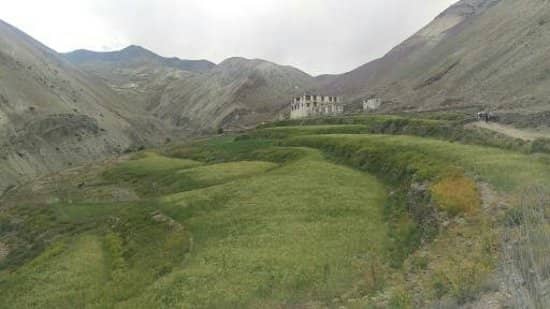
Rumbak Village
Within Hemis National Park
A charming hamlet offering a glimpse into local life and a base for wildlife viewing.
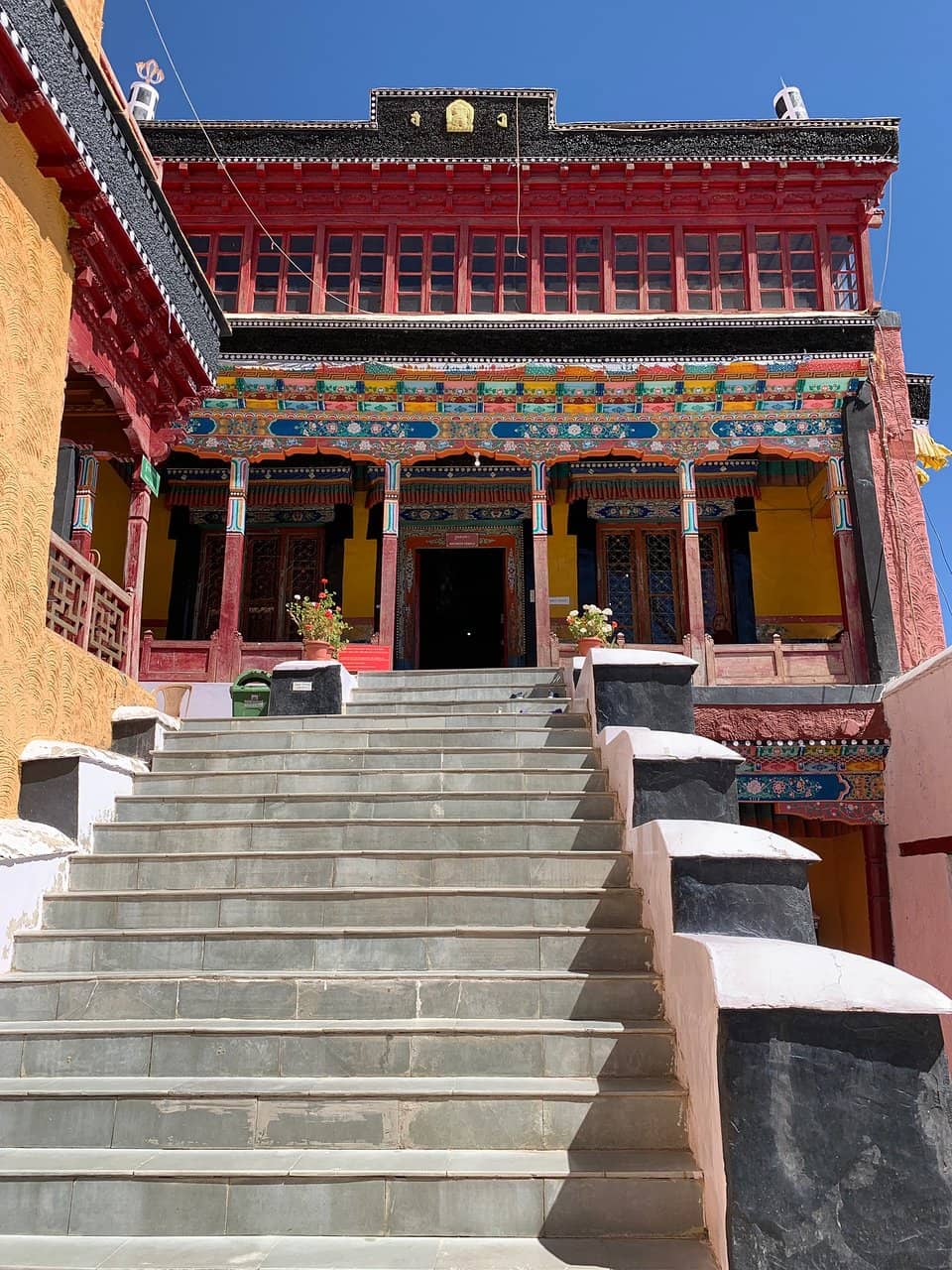
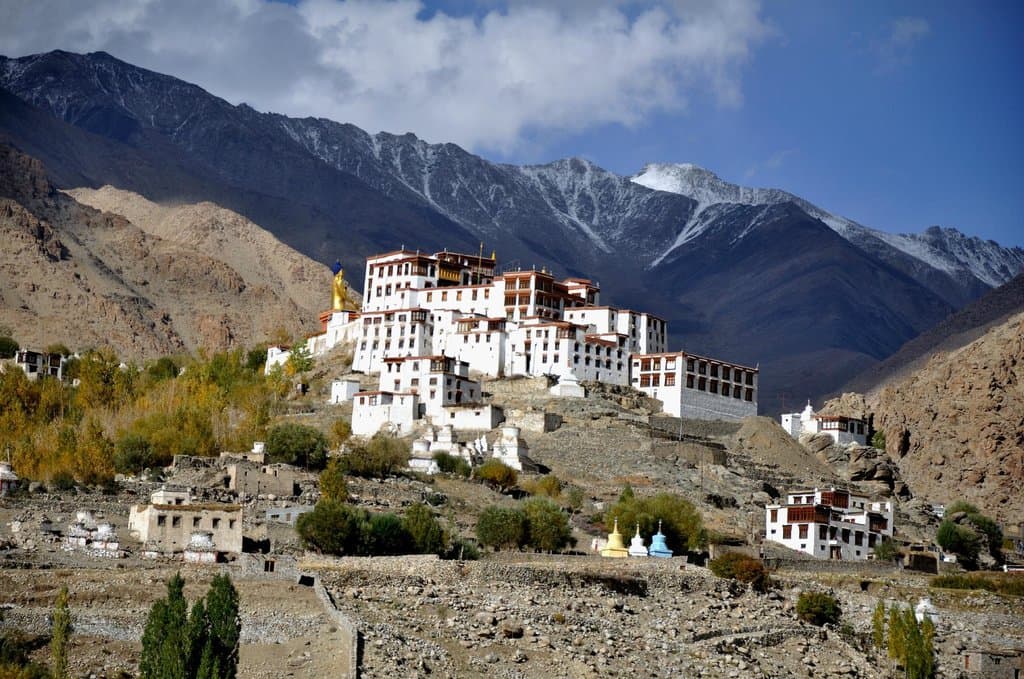
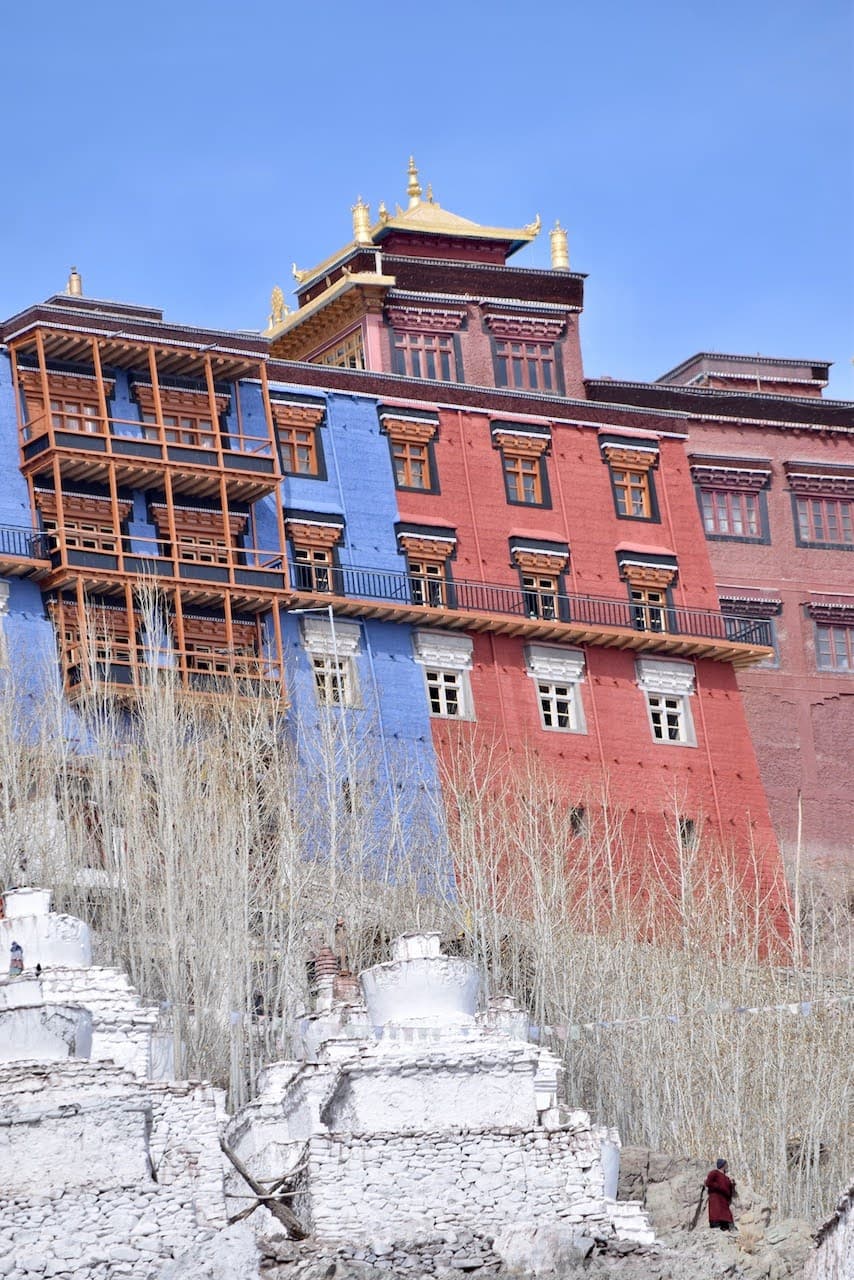
Hemis Monastery
Within Hemis National Park
One of Ladakh's largest and most significant monasteries, steeped in history and culture.
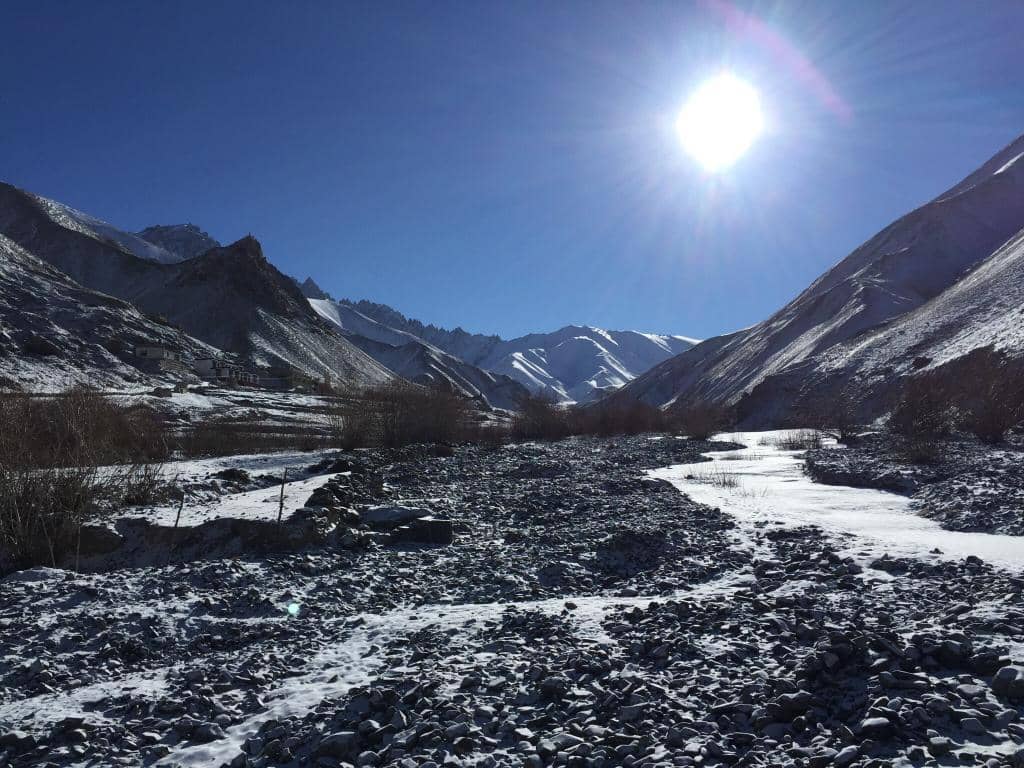
Stok Pass Trek
Connecting to Hemis National Park
An unforgettable trek offering stunning landscapes and wildlife viewing opportunities.
Plans like a pro.
Thinks like you
Planning Your Visit
Best Time for Snow Leopard Sightings
Altitude and Acclimatization
Best Times
Insider Tips
from TikTok, Instagram & Reddit
Pack for Extreme Cold
Temperatures can plummet below -30°C in winter. Layer up with thermal wear, down jackets, and warm accessories. :cloud_snow:
Hire a Local Guide
Essential for spotting snow leopards and navigating the terrain safely. They know the best spots! :hiking_boot:
Acclimatize Properly
Spend 2-3 days in Leh before heading to the park to avoid altitude sickness. Stay hydrated! :droplet:
Binoculars are Key
Crucial for spotting wildlife from a distance. High-quality optics make a huge difference. :binoculars:
Tips
from all over the internet
Pack for Extreme Cold
Temperatures can plummet below -30°C in winter. Layer up with thermal wear, down jackets, and warm accessories. :cloud_snow:
Hire a Local Guide
Essential for spotting snow leopards and navigating the terrain safely. They know the best spots! :hiking_boot:
Acclimatize Properly
Spend 2-3 days in Leh before heading to the park to avoid altitude sickness. Stay hydrated! :droplet:
Binoculars are Key
Crucial for spotting wildlife from a distance. High-quality optics make a huge difference. :binoculars:
Respect Local Culture
Be mindful of local customs, especially when visiting monasteries. Dress modestly. 🙏
What Travellers Say
Reviews Summary
Visitors rave about Hemis National Park's breathtaking landscapes and the thrilling possibility of spotting snow leopards, calling it a 'fairytale' and 'heaven on Earth.' The extreme weather and rugged terrain offer a unique adventure, though some find it challenging.
"Amazing experience. The road was almost completed and I was able to travel to this beautiful place. Try this road and believe me you'll love it. Zanskar to Leh via Chadar Trek."
Ngawang Phuntsok Tsahrong
"Awesome place. Best place to sight snow leopard and wildlife of Himalayas. Trek to stok pass was unforgettable.Globaly known for its highest density of Snow Leopards in a protected area, the Hemis National Park in the eastern Ladakh region of the state of Jammu and Kashmir is India's only protected area inside the Palearctic ecozone. A good place for photographers and nature lovers."
Praveen Gola
"An extreme weather condition. A harsh nature will provide you a totally different experience. I visited in January when the tempareture is always below -8°c. I got minimum of -32°c. Rough terrain, snow covered land, frozen river, no greenery , ibex , snow leopard, and freezing cold are the main features here. Get ready for adventure...."
asif iqbal
What People Like
What People Dislike
Frequently Asked Questions
🚇 🗺️ Getting There
The most common way to reach Hemis National Park is by flying into Leh Kushok Bakula Rimpochee Airport (IXL). From Leh, you can hire a taxi or arrange for a jeep safari to enter the park. The roads can be challenging, especially in winter.
Yes, driving is possible, but the roads are often rough and can be affected by snow and landslides, particularly during winter. Many visitors opt for guided tours or hire local drivers experienced with Ladakh's terrain.
Within the park, travel is typically done by jeep or on foot. Trekking is a popular way to explore the park's diverse landscapes and wildlife.
Popular routes include driving from Leh to the park entrance, often passing through scenic villages. Some adventurous travelers undertake treks like the Stok Pass trek which can lead into areas near Hemis.
Road conditions vary greatly. While some main routes are maintained, many internal tracks are rough, unpaved, and can be impassable after heavy snowfall. Always check current conditions before your trip.
🎫 🎫 Tickets & Entry
Yes, you will need to obtain an Inner Line Permit (ILP) to visit Ladakh and its protected areas, including Hemis National Park. These can usually be arranged through your tour operator or at designated government offices in Leh.
Entry fees can vary, and it's best to check with local authorities or your tour operator for the most current pricing. Fees often cover vehicle entry and camera charges.
Hemis National Park is generally accessible year-round, but access can be restricted during severe winter conditions. The park itself doesn't have strict 'opening hours' like a museum, but daylight hours are best for wildlife viewing.
While park entry tickets are usually purchased on-site or through your tour package, the Inner Line Permit (ILP) should ideally be arranged in advance to avoid last-minute hassles.
Discounts are typically not advertised, but it's always worth inquiring about potential concessions for students or specific group bookings if applicable.
🎫 🏞️ Onsite Experience
Hemis is globally famous for its high density of snow leopards. You can also spot Bharal (blue sheep), Asiatic ibex, Tibetan wolf, Eurasian brown bear, and various bird species.
Spotting snow leopards requires patience, a good guide, and binoculars. They are most active during dawn and dusk. Winter months offer the best chances as they descend to lower altitudes.
Yes, hiring local guides and joining organized tours is highly recommended. They possess invaluable knowledge of the terrain and wildlife, significantly increasing your chances of sightings.
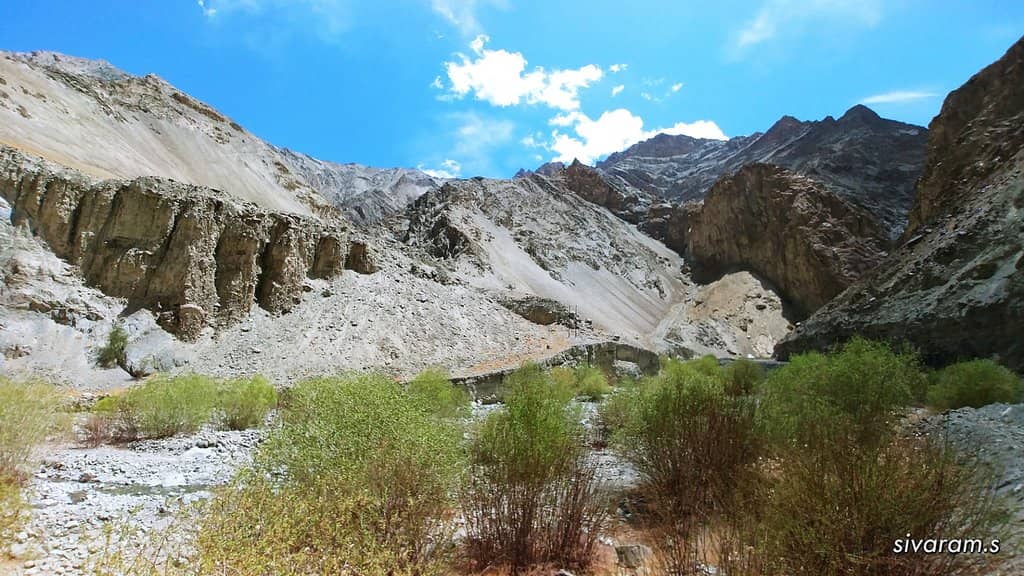
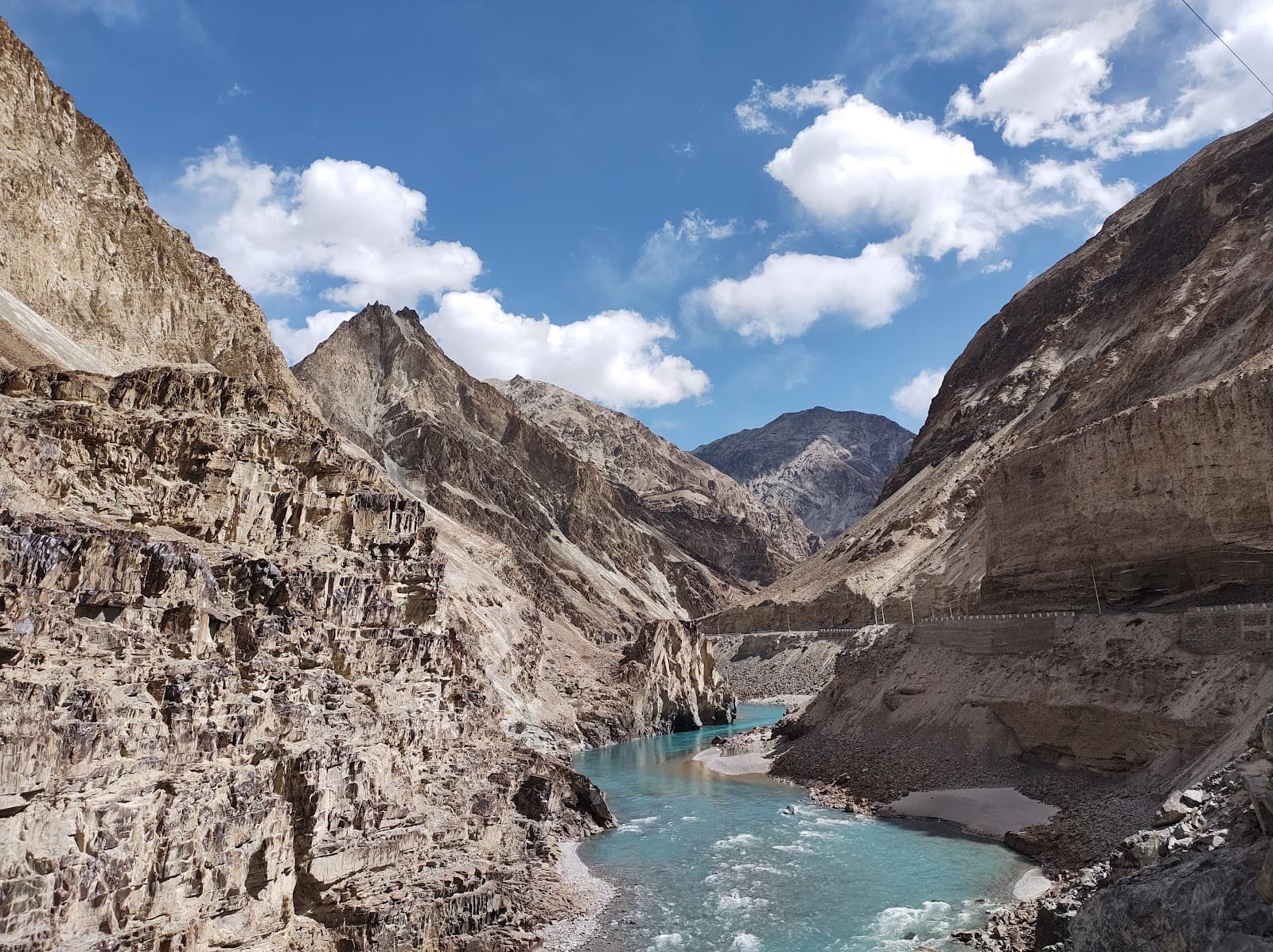
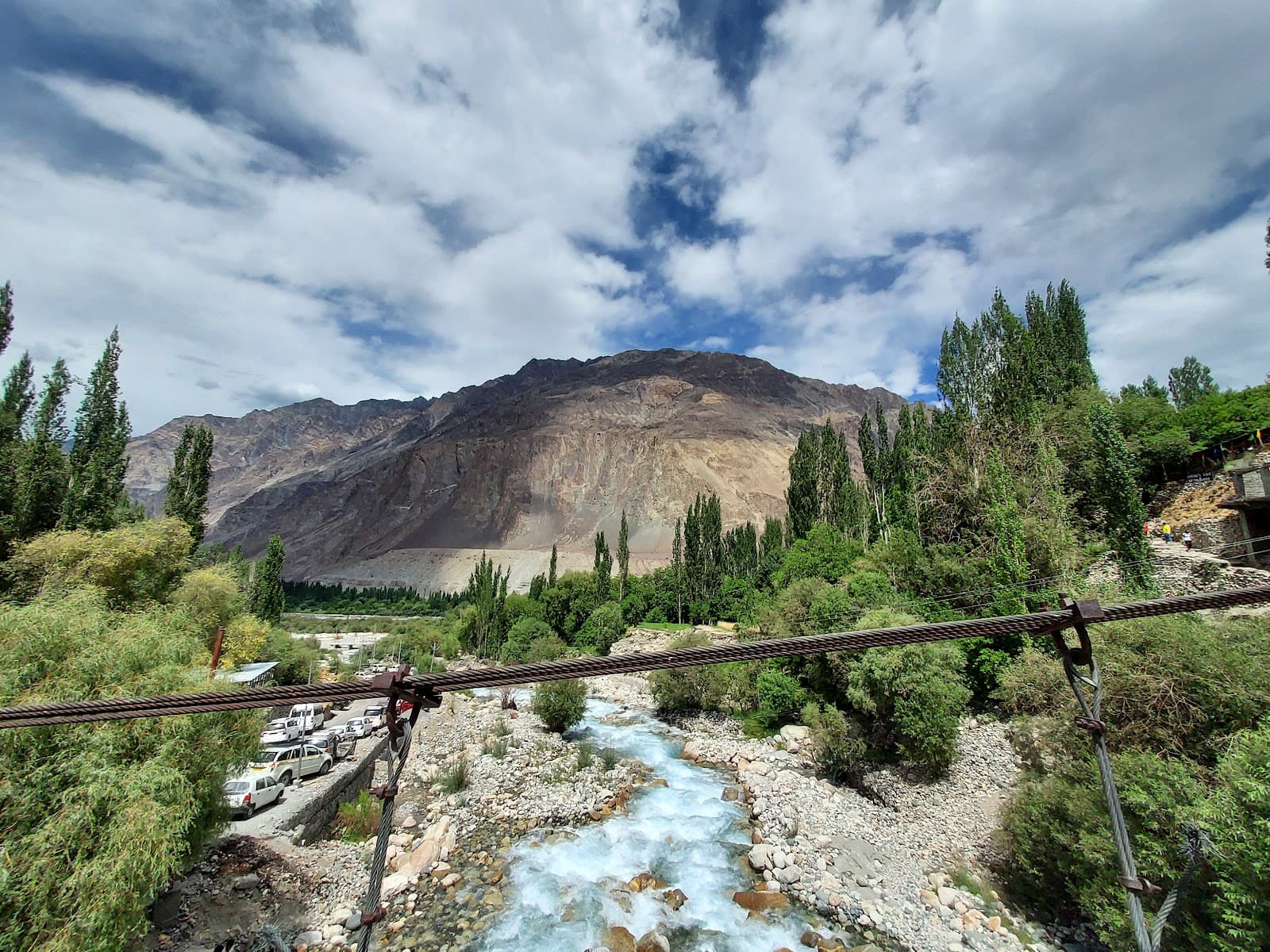
The terrain is rugged and mountainous, with steep slopes, rocky outcrops, and deep valleys. It's a high-altitude desert environment. Proper hiking gear is essential.
Dress in layers, including thermal wear, fleece, and a heavy down jacket for winter. Waterproof and windproof outer layers are crucial. Warm hats, gloves, and sturdy hiking boots are a must.
🍽️ 🍽️ Food & Dining
There are no formal restaurants within the park. Basic food options might be available in villages like Rumbak, but it's advisable to carry your own snacks and packed meals, especially for longer excursions.
Ladakhi cuisine is hearty and influenced by Tibetan and Indian flavors. Expect dishes like Thukpa (noodle soup), Momos (dumplings), and Tsampa (roasted barley flour).
Yes, vegetarian options are generally available, especially in guesthouses and homestays in nearby villages. Many local dishes can be prepared without meat.
It is strongly advised not to drink tap water. Always carry bottled water or use water purification tablets/filters. Staying hydrated is crucial at high altitudes.
High-energy snacks like nuts, dried fruits, energy bars, and chocolates are excellent for treks. Also, carry instant soup packets and tea/coffee for warmth.
📸 📸 Photography
The park offers incredible opportunities for wildlife photography, especially snow leopards and blue sheep. The dramatic mountain landscapes, monasteries, and local life also make for stunning shots.
A telephoto lens (300mm or more) is essential for wildlife. A wide-angle lens is great for landscapes. A sturdy tripod and extra batteries are also recommended, as cold can drain them quickly.
Generally, photography is allowed, but always be respectful. Avoid disturbing wildlife and ask for permission before photographing people or religious sites. Drone usage may be restricted.
The 'golden hours' around sunrise and sunset offer the best light for both wildlife and landscape photography. Dawn and dusk are also prime times for snow leopard activity.
Patience is key. Use a telephoto lens, a fast shutter speed, and be prepared to wait. Look for tracks and signs of activity. Hiring a local guide who specializes in snow leopard tracking is highly beneficial.



Social
from TikTok, Instagram & Reddit