Semmelweis Museum of Medical History Budapest
Explore Hungary's rich medical past at the Semmelweis Museum, dedicated to Ignaz Semmelweis and historical healthcare.
Highlights
Must-see attractions

Social
From TikTok & Reddit
Best Time
Fewer crowds, better focus
Semmelweis Museum of Medical History Budapest
Best Time
Fewer crowds, better focus
Highlights
Must-see attractions
Explore Hungary's rich medical past at the Semmelweis Museum, dedicated to Ignaz Semmelweis and historical healthcare.
"A poignant journey into medical history, honoring the life-saving work of Ignaz Semmelweis."
Plan for student crowds
Medical students frequent the museum. Visiting early on weekdays can help you avoid larger groups.
Check tram schedules
Tram 2 is a convenient way to reach the museum. Look up schedules beforehand for smooth travel.
Quick Facts
Highlights
Discover the most iconic attractions and experiences
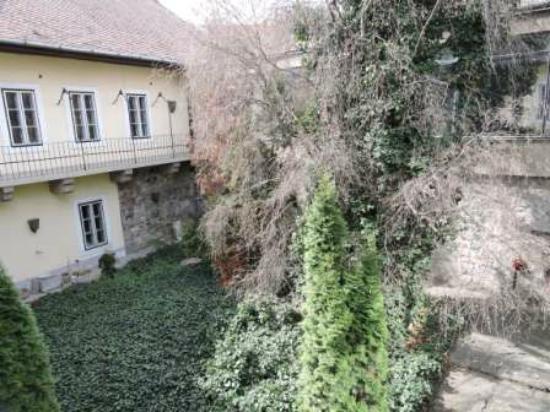
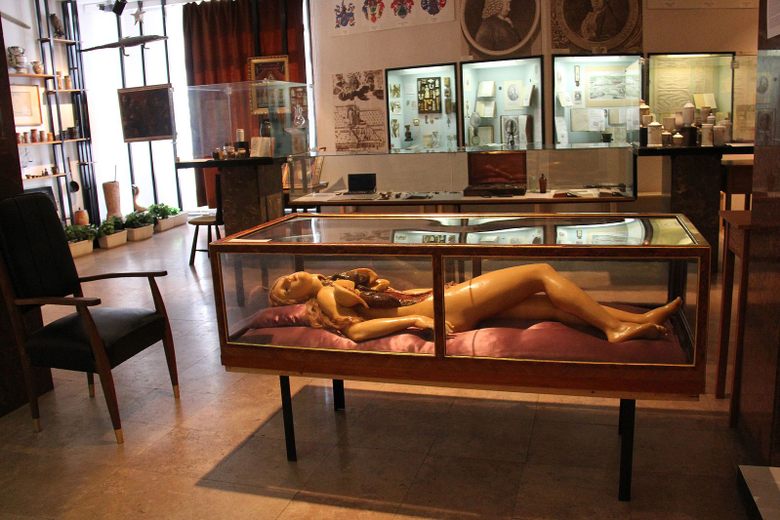
Anatomical Venus
Exhibition Hall
A striking display of anatomical models, offering a unique and somewhat eerie glimpse into historical medical education.
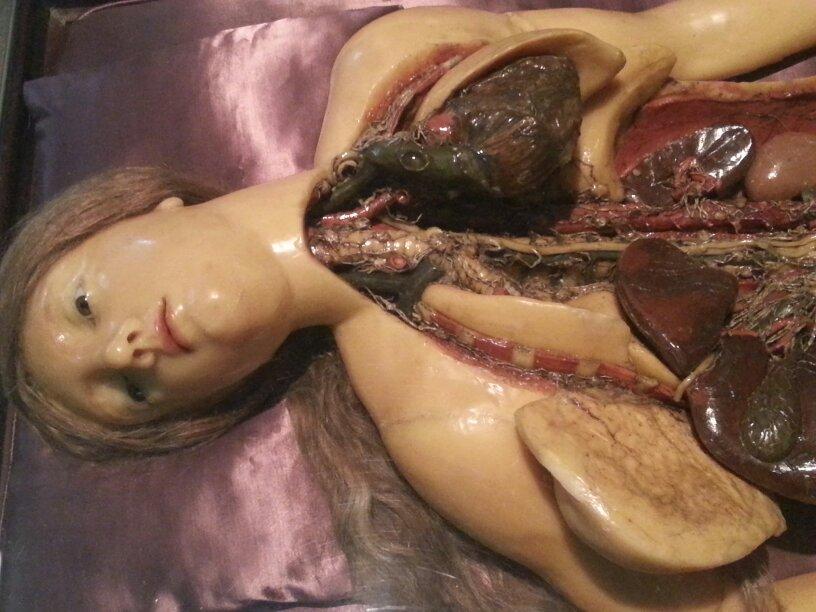
Ignaz Semmelweis's Birthplace
Museum Building
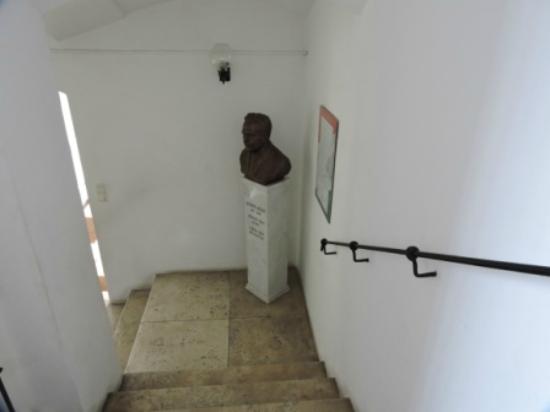
Explore the house where the pioneer of handwashing was born, a poignant connection to a life that revolutionized healthcare.
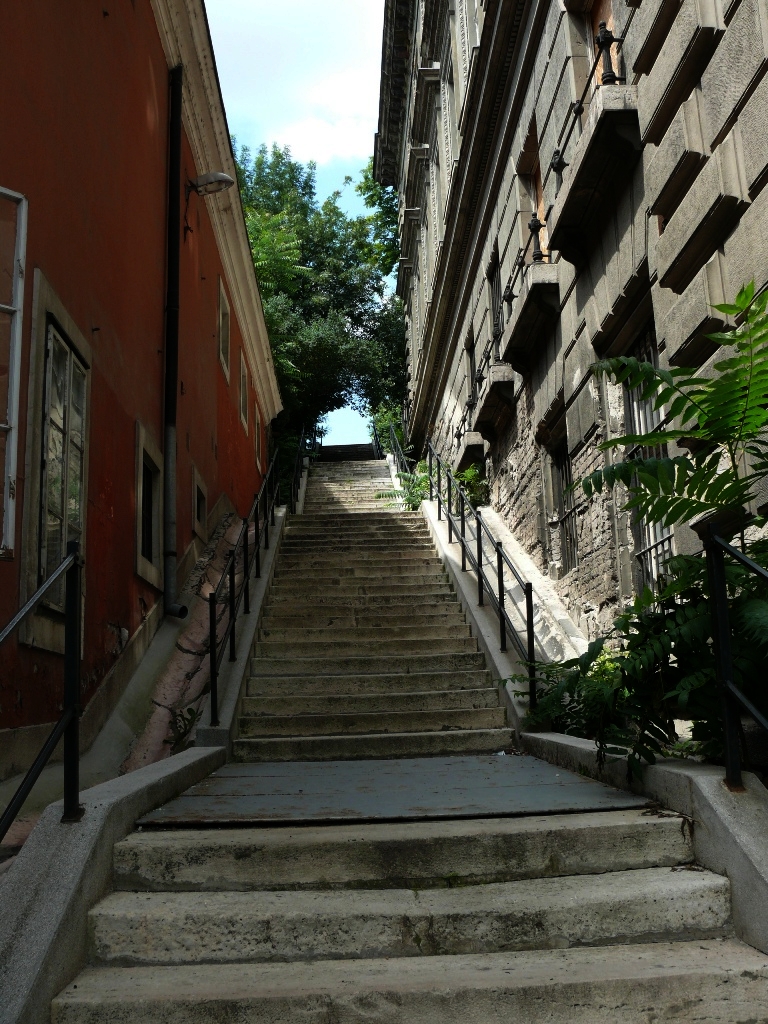
Historical Medical Instruments
Various Exhibits
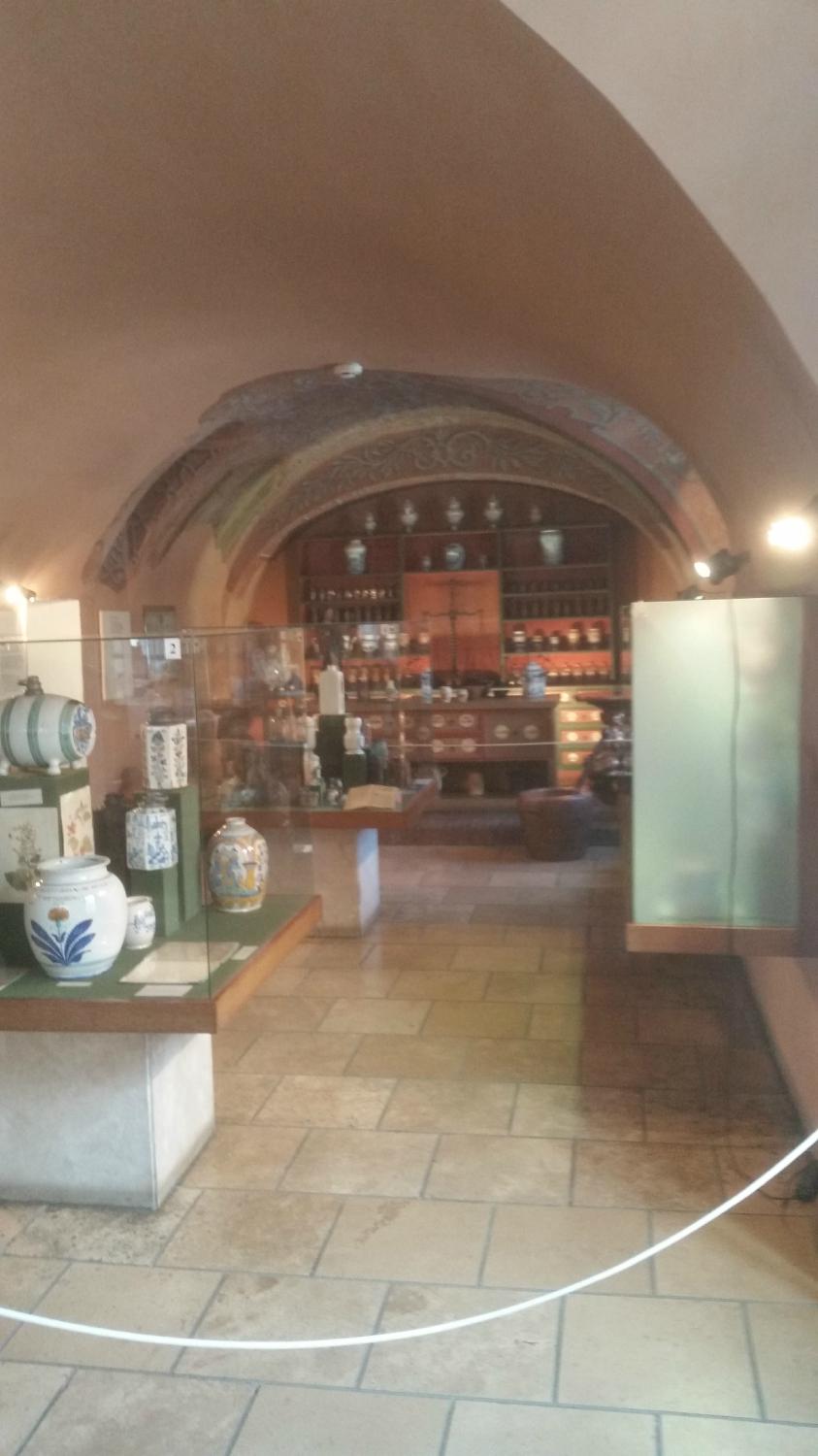
Discover a fascinating collection of antique surgical tools, pharmaceutical equipment, and early medical devices.
Plans like a pro.
Thinks like you
Planning Your Visit
Timing Your Visit
Getting There
Best Times
Insider Tips
from TikTok, Instagram & Reddit
Plan for student crowds
Medical students frequent the museum. Visiting early on weekdays can help you avoid larger groups. +1
Check tram schedules
Tram 2 is a convenient way to reach the museum. Look up schedules beforehand for smooth travel.
Embrace the history
The museum delves deep into medical history, including the tragic story of Semmelweis.
Unique anatomical models
Don't miss the 'Anatomical Venus' for a truly memorable and slightly macabre experience.
Tips
from all over the internet
Plan for student crowds
Medical students frequent the museum. Visiting early on weekdays can help you avoid larger groups. +1
Check tram schedules
Tram 2 is a convenient way to reach the museum. Look up schedules beforehand for smooth travel.
Embrace the history
The museum delves deep into medical history, including the tragic story of Semmelweis.
Unique anatomical models
Don't miss the 'Anatomical Venus' for a truly memorable and slightly macabre experience.
What Travellers Say
Reviews Summary
Visitors praise the Semmelweis Museum for its deep dive into medical history, particularly the life of Ignaz Semmelweis and its unique collections of historical instruments. Some find the anatomical models striking, though potentially unsettling. The museum offers a niche but rewarding experience for those interested in the evolution of healthcare.
"Excellent cheap little museum.
Quirky and interesting pharmaceutical history museum based in a former chemist.
There's a selection of information sheets in a variety of languages and is very accessible.
Good way to pass half an hour or so."
Anita Hunt
"It's quite small, but very well kept. I wish there was a bit more background information on tools and practices. While there are a lot of artifacts to view, there isn't much information on how and when they were used. Deeper information about Semmelweis and his studies was also lacking.
Still, it's a beautiful museum with so much to see, definitely worth a visit!"
Bianca W
"A very nice museum good for about 3 hours with both a permanent exhibition and a temporary one that changes regularly. They have a massive collection of old medical instruments. There are also some English language texts available :3"
Uke Yaoi Fan
What People Like
What People Dislike
Frequently Asked Questions
🚇 🗺️ Getting There
The museum is easily accessible by public transport. Tram 2 stops at 'MüpA - Nemzeti színház', which is a short walk away. It's a scenic route along the Danube, offering great views of the city.
Street parking in Budapest can be challenging and often metered. It's generally recommended to use public transportation to reach the museum for convenience and to avoid parking hassles.
Depending on your starting point in the city center, walking might be an option. It's a pleasant walk along the Danube promenade, allowing you to see other landmarks along the way.
🎫 🎫 Tickets & Entry
Opening hours can vary, so it's best to check the official museum website or a reliable tourist information source before your visit. Generally, museums in Budapest are open during standard daytime hours.
Admission fees are typically modest for this type of museum. Check the museum's official website for the most current ticket prices and any potential discounts for students or seniors.
For most visits, booking tickets in advance is not strictly necessary, especially if you visit during off-peak hours. However, during peak tourist seasons or if you are part of a large group, pre-booking might be advisable.
The museum occasionally hosts temporary exhibitions that delve into specific aspects of medical history. It's worth checking their website for any current special displays that might interest you.
🎫 🏛️ Onsite Experience
Key highlights include the 'Anatomical Venus' for its unique display, the birthplace of Ignaz Semmelweis, and the extensive collection of historical medical instruments and pharmaceutical items. 
While the museum offers a historical perspective on medicine, some exhibits might be graphic or complex for very young children. It's more suited for older children and teenagers interested in science and history.
A typical visit can last between 1 to 2 hours, depending on your level of interest in medical history and the specific exhibits you wish to explore in detail.
Photography policies can vary. It's best to look for signage within the museum or ask a staff member. Generally, non-flash photography for personal use is often permitted, but check for specific restrictions.
Ignaz Semmelweis was a Hungarian physician who pioneered antiseptic procedures, particularly handwashing, in the mid-19th century. His work dramatically reduced mortality rates from puerperal fever, saving countless mothers' lives.
🍽️ 🍽️ Food & Dining
The museum itself may not have extensive dining facilities, but Budapest offers a wide array of cafes and restaurants nearby. You can find traditional Hungarian cuisine or international options within a short walk.
Typically, food and drinks are not allowed inside museum exhibition halls to preserve the artifacts. There might be designated areas where you can consume them, or you can enjoy them before or after your visit.
📸 📸 Photography
The 'Anatomical Venus' is a visually striking subject. The historical instruments and the architecture of the building itself also offer great photographic potential.
Flash photography is usually prohibited in museums to protect delicate exhibits from light damage. Always check for signs or ask staff if you are unsure.
You may also like

Hungarian Natural History Museum Budapest

Shoes on the Danube Bank Budapest

Liszt Academy of Music Budapest

Pálvölgyi Cave Budapest

National Theatre Budapest

Hungarian National Museum Budapest
Hungarian Natural History Museum Budapest
Shoes on the Danube Bank Budapest
Liszt Academy of Music Budapest
Pálvölgyi Cave Budapest
National Theatre Budapest
Hungarian National Museum Budapest

Citadella Budapest
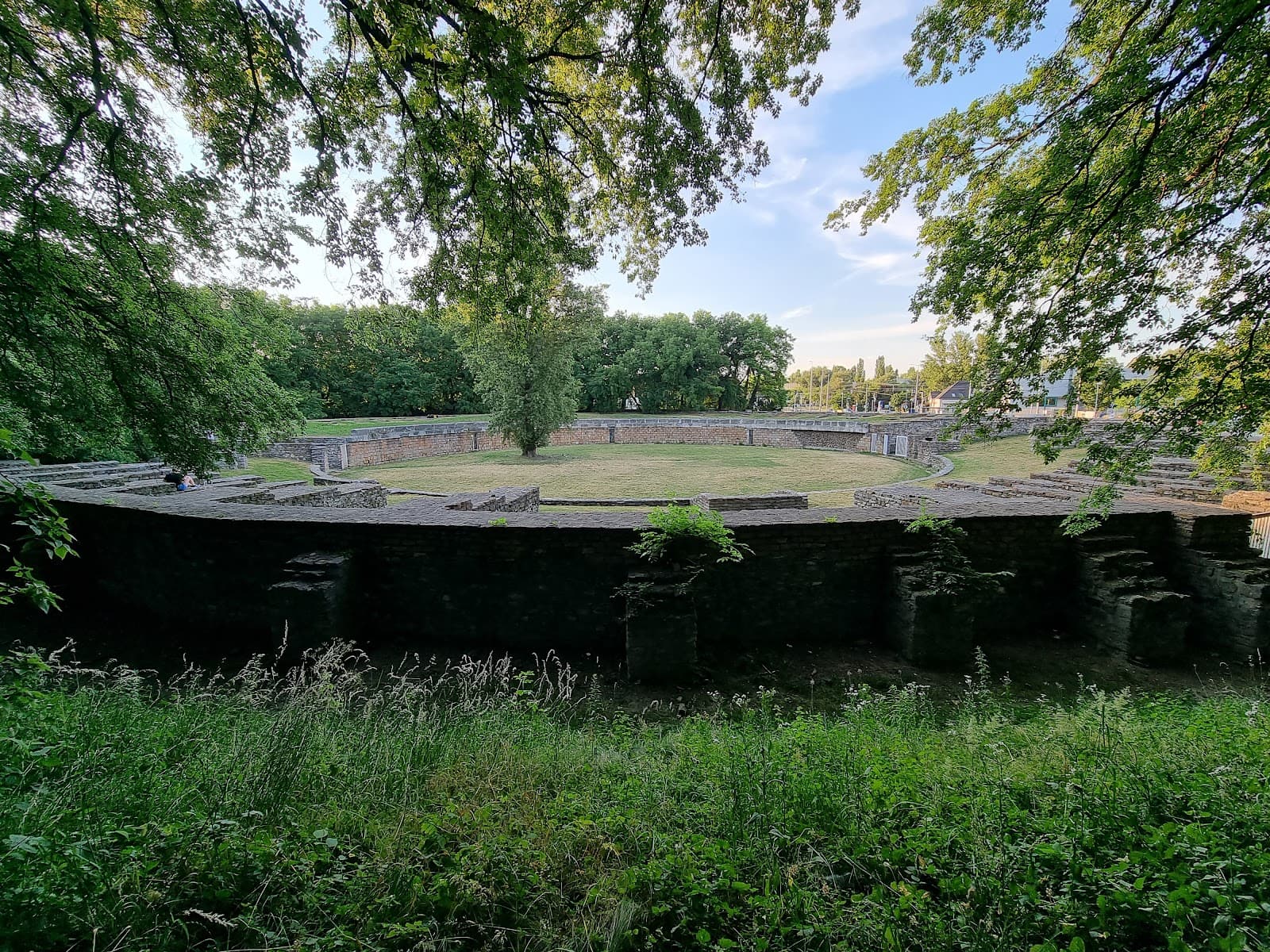
Aquincum Civil Amphitheatre Budapest

Váci Street Budapest

Szabó Ervin Library (Wenckheim Palace) Budapest

Párizsi Udvar Budapest

Social
from TikTok, Instagram & Reddit