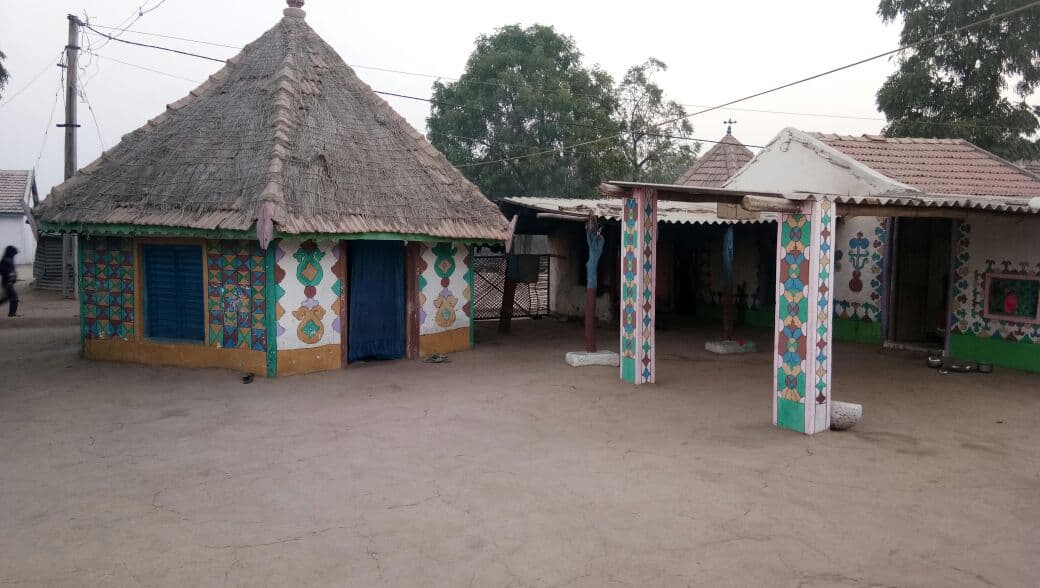
Banni Grasslands Kutch
Asia's second-largest grassland, Banni offers a unique 'Savanna of India' experience with diverse wildlife, vibrant pastoral culture, and the bird hav...
Highlights
Must-see attractions

Social
From TikTok & Reddit
Best Time
Peak bird migration season
Banni Grasslands Kutch
Best Time
Peak bird migration season
Highlights
Must-see attractions
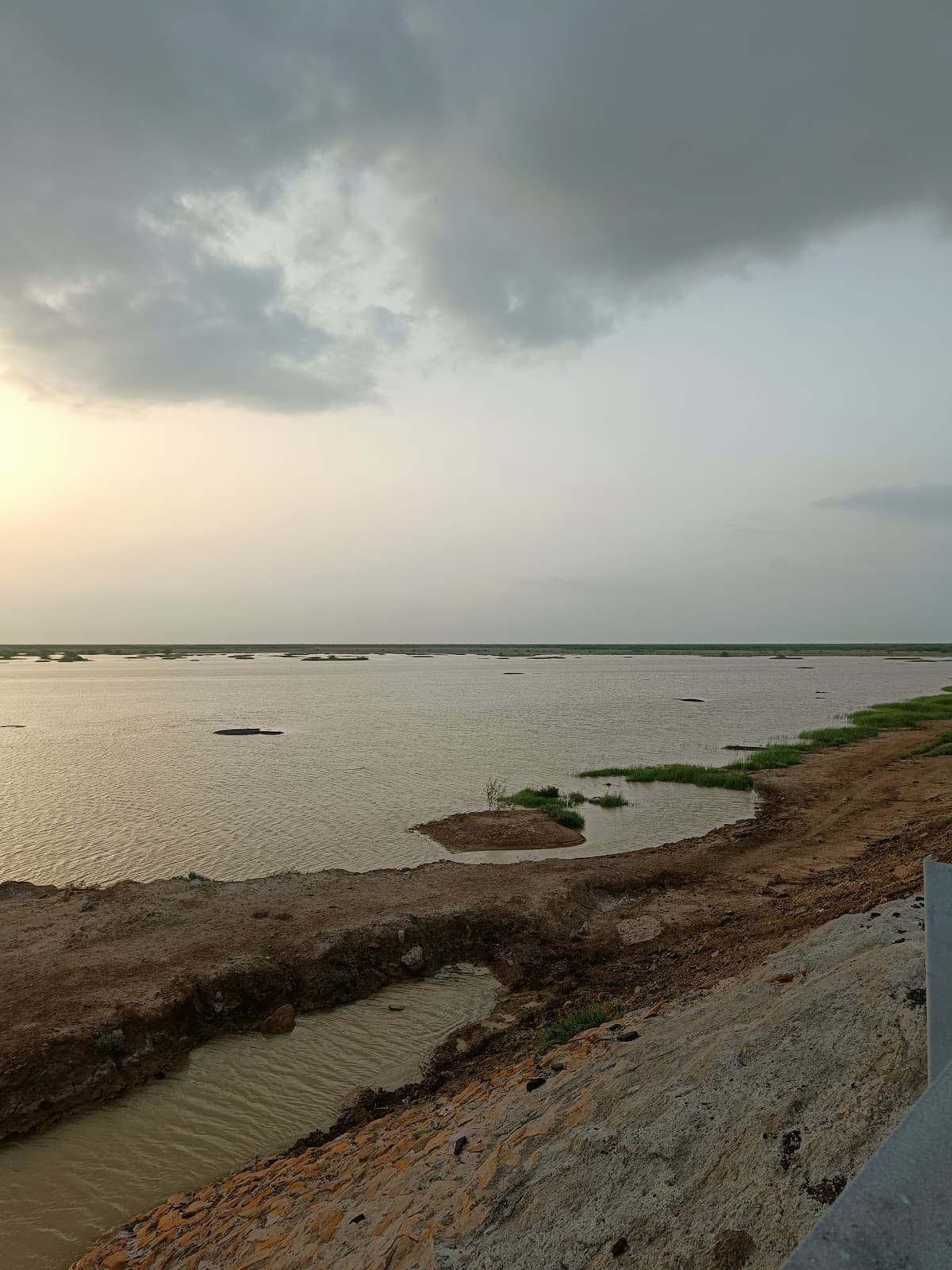
Asia's second-largest grassland, Banni offers a unique 'Savanna of India' experience with diverse wildlife, vibrant pastoral culture, and the bird haven of Chhari-Dhandh.
"It is Asia’s second largest grassland. It is very famous all around the world among tourists."

📶 Limited Mobile Network
Download offline maps & inform others of your itinerary. Network is a pain out there!
🚗 Essential Emergency Gear
Carry all emergency equipment; amenities are scarce. Be prepared for remote travel.
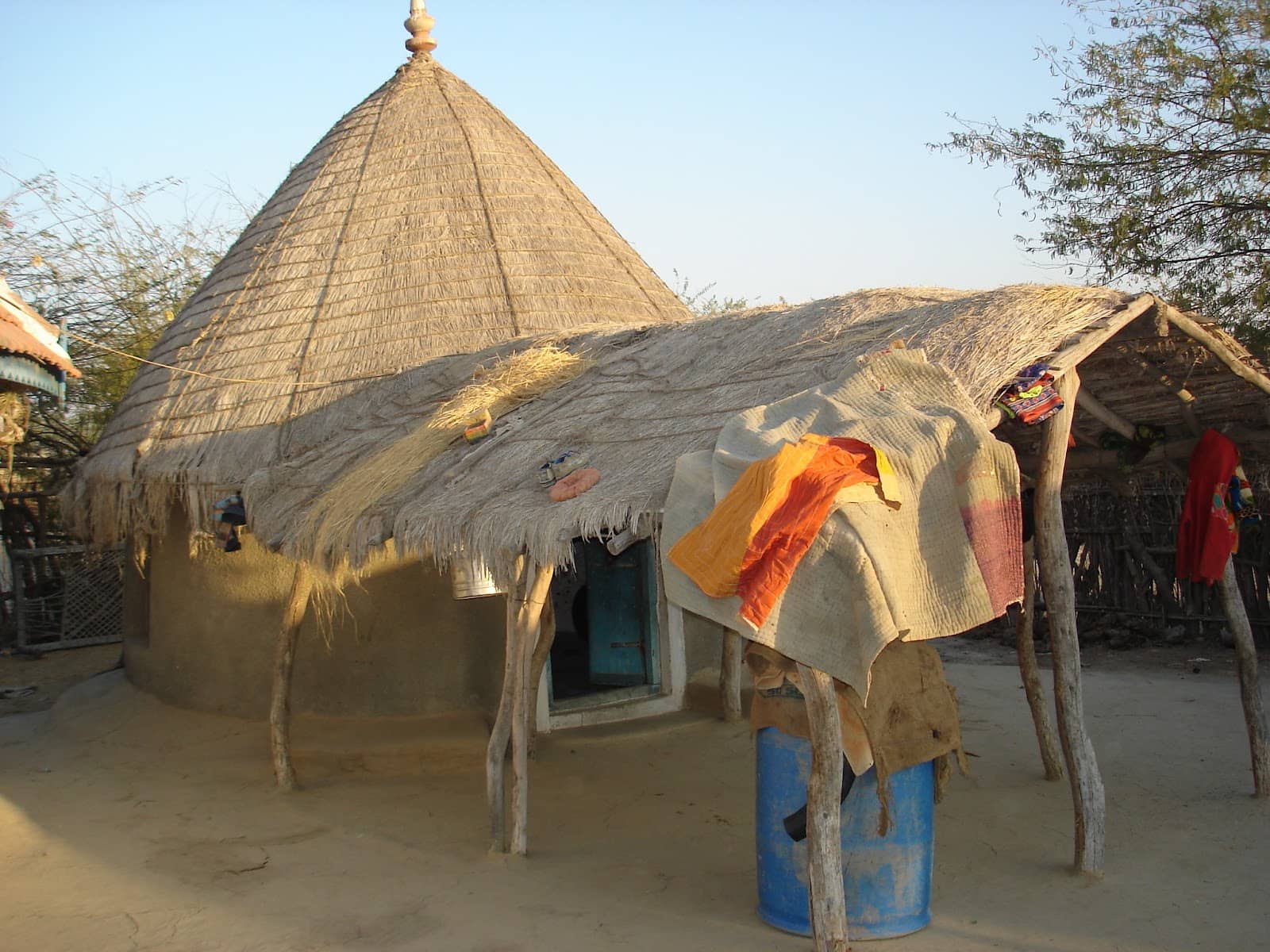
Quick Facts
Rating
4.3 · 254 reviews
Type
Natural Feature
Highlights
Discover the most iconic attractions and experiences
Chhari-Dhandh Wetland
Edge of Banni Grasslands
A haven for nearly two lakh birds, including migratory and endangered species. A must-visit for birdwatchers and nature lovers.
Banni Buffalo & Kankrej Cow
Banni Grasslands
Witness these hardy, distinct Indian breeds thriving in extreme temperatures. They are a symbol of the region's unique pastoral heritage.

Vast Grassland Landscapes
Across Banni
Experience the 'Savanna of India' with its endless horizons, unique scrub forests, and seasonal wetlands. Perfect for photographers and nature enthusiasts.
Plans like a pro.
Thinks like you
Planning Your Visit
Prepare for Vastness & Limited Connectivity
Respect the Ecosystem & Local Culture
Best Times
Insider Tips
from TikTok, Instagram & Reddit
📶 Limited Mobile Network
Download offline maps & inform others of your itinerary. Network is a pain out there!
🚗 Essential Emergency Gear
Carry all emergency equipment; amenities are scarce. Be prepared for remote travel.
📸 Drone Photography
Capture stunning aerial views of buffalo herds and landscapes. Check local regulations.
🥾 Sturdy Footwear Recommended
The terrain can be uneven. Comfortable and durable shoes are a must for exploring.
Tips
from all over the internet
📶 Limited Mobile Network
Download offline maps & inform others of your itinerary. Network is a pain out there!
🚗 Essential Emergency Gear
Carry all emergency equipment; amenities are scarce. Be prepared for remote travel.
📸 Drone Photography
Capture stunning aerial views of buffalo herds and landscapes. Check local regulations.
🥾 Sturdy Footwear Recommended
The terrain can be uneven. Comfortable and durable shoes are a must for exploring.
💧 Stay Hydrated
Carry plenty of water, especially during warmer months, as it can get very hot.
What Travellers Say
Reviews Summary
Visitors rave about Banni Grasslands as a unique and vast natural wonder, often calling it Asia's second-largest grassland and India's Savanna. The diverse wildlife, particularly the Banni buffalo and the birdlife at Chhari-Dhandh, are major highlights. However, the extreme remoteness, limited amenities, and challenging mobile network connectivity are frequently mentioned drawbacks.
"It is Asia’s second largest grassland. It is very famous all around the world among tourists. Protected by gujarat forest."
Farhan Khan
"One of its kind to visit... Please have all your emergency equipment ready because you won't find thing on the way... Mobile network is a pain out there."
Umesh Manwara
"Asia's biggest grass land Banni Grasslands in Kutchh. ♥️"
Viralkumar Pandya
What People Like
What People Dislike
Frequently Asked Questions
🚇 🗺️ Getting There
The Banni Grasslands are located in the Kutch district of Gujarat. The nearest major city is Bhuj. From Bhuj, you can hire a private vehicle or taxi to reach the grasslands. It's advisable to arrange transportation in advance, especially if you plan to explore deeper into the region.
Exploring Banni Grasslands is best done with a sturdy vehicle, preferably a 4x4, as the terrain can be challenging. Hiring a local guide is also highly recommended to navigate the vast area and understand the local ecosystem and culture.
Public transport directly to the heart of Banni Grasslands is very limited. Buses typically run to nearby villages, but further exploration will require private transport.
Road conditions can vary significantly. While some main routes might be paved, many internal tracks are unpaved, sandy, or muddy, especially after the monsoon. A 4x4 vehicle is often recommended for a smoother experience.
It is generally safe to drive with proper preparation. However, due to limited connectivity and potential for getting stuck, it's crucial to have emergency supplies and inform someone of your route.
🎫 🎫 Tickets & Entry
While Banni Grasslands itself is a vast natural area, specific protected zones like the Chhari-Dhandh wetland may have entry fees or require permits. It's best to check locally or with your guide upon arrival.
For certain areas, especially wildlife sanctuaries or conservation reserves within the Banni region, permits might be necessary. It's advisable to inquire about this beforehand or through your local guide.
Banni Grasslands is a natural expanse and doesn't have fixed opening or closing hours like a typical tourist attraction. However, visiting during daylight hours is recommended for safety and better wildlife viewing.
While accessible year-round, the best times to visit are during the post-monsoon (October to March) for pleasant weather and lush greenery, and during winter for birdwatching. Summers can be extremely hot.
Information on specific entry fees for Chhari-Dhandh can vary. It's recommended to confirm with local authorities or your tour operator upon arrival for the most current details.
🎫 🧭 Onsite Experience
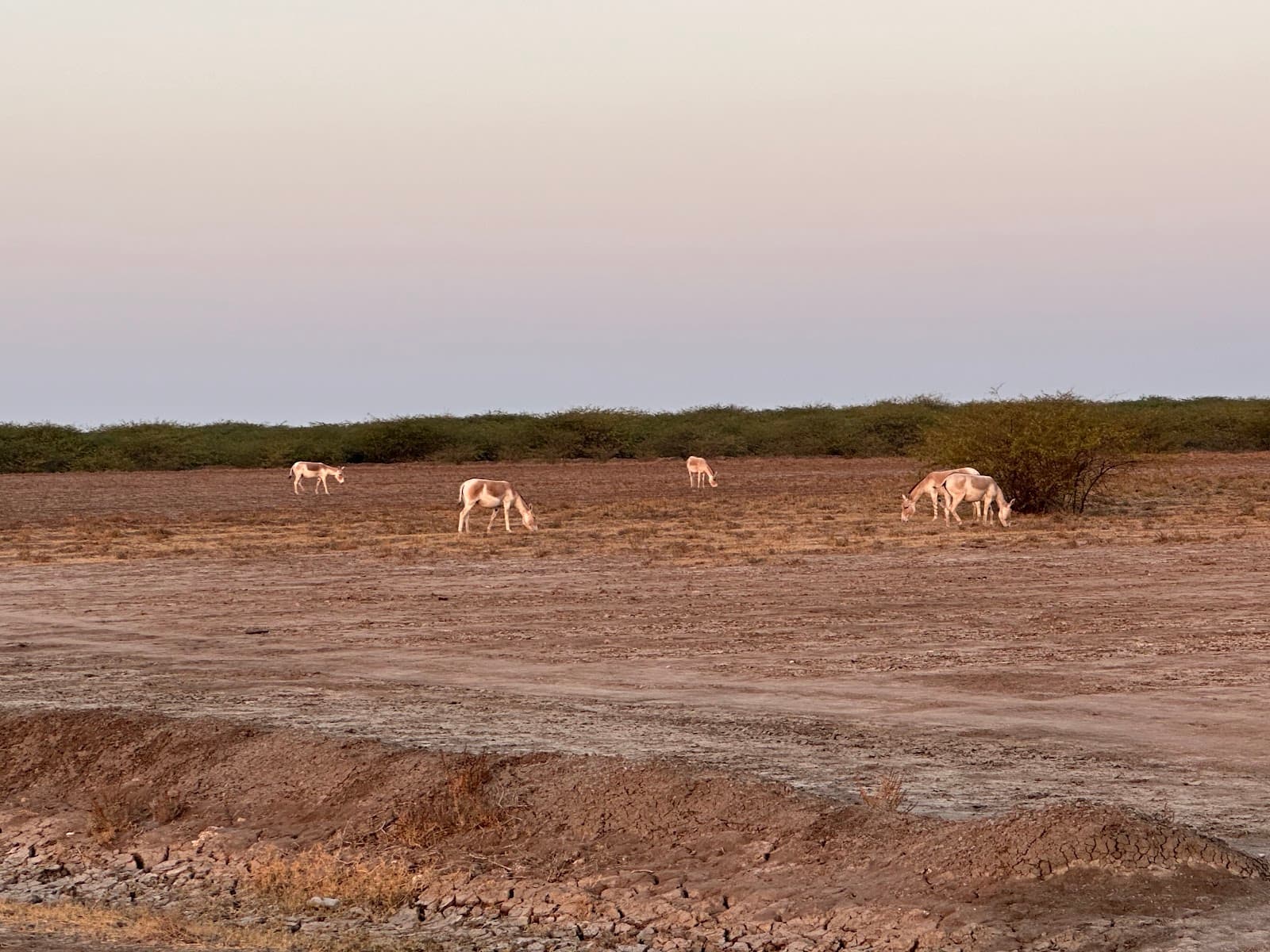
Banni is home to diverse wildlife, including the Banni buffalo, Kankrej cow, various bird species (especially at Chhari-Dhandh), reptiles, and mammals. You might also spot the unique Kharai camel. 
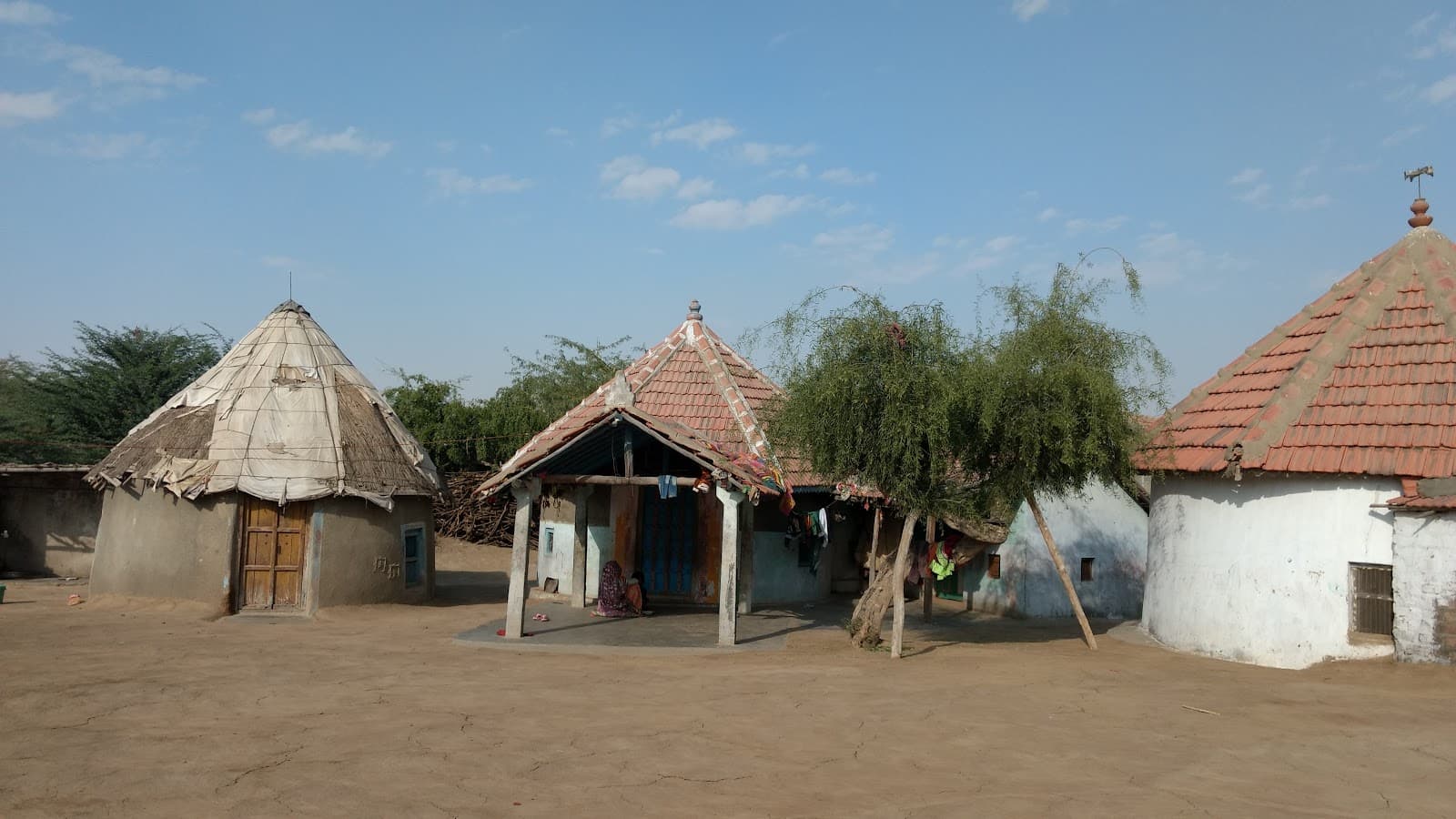
Activities include birdwatching at Chhari-Dhandh, wildlife spotting, photography of the vast landscapes and local breeds, and experiencing the unique culture of the pastoralist communities.
Absolutely! Banni Grasslands offer incredible photographic opportunities, from sweeping landscapes and unique wildlife to the vibrant culture of its people. The vastness and unique light conditions are a photographer's dream.
Pack light, breathable clothing, a hat, sunglasses, sunscreen, insect repellent, a first-aid kit, plenty of water, snacks, and a good camera. Binoculars are a must for birdwatching.
Yes, hiring local guides is highly recommended. They can help you navigate, spot wildlife, and provide insights into the local culture and ecosystem. Many tour operators in Kutch offer Banni Grasslands tours.
🍽️ 🍽️ Food & Dining
Dining options within the Banni Grasslands are very limited. It's best to carry your own food and snacks. Some local communities might offer simple meals if pre-arranged through a guide.
Kutch cuisine is known for its simple yet flavorful dishes. Expect local specialties like Bajra no rotlo (millet flatbread), various vegetable curries, and dairy products like buttermilk and curd, often made from Banni buffalo milk.
If you manage to arrange a meal with a local community, vegetarian options are usually available. However, carrying your own vegetarian snacks and meals is the most reliable approach.
The best place to find a variety of food options is in Bhuj, the nearest major city. Here you'll find restaurants serving Gujarati and other Indian cuisines.
With prior arrangement through a trusted local guide or tour operator, it might be possible to experience a home-cooked meal with a pastoralist family, offering a unique cultural immersion.
📸 📸 Photography
The entire expanse of Banni offers stunning photographic opportunities. Chhari-Dhandh is excellent for bird photography, while the open grasslands are perfect for capturing the Banni buffalo, Kankrej cows, and vast landscapes.
The golden hours, just after sunrise and before sunset, offer the most beautiful light for landscape and wildlife photography. Midday sun can be harsh.
Generally, photography is allowed in open areas. However, always be respectful of local communities and ask permission before photographing people. Drone usage might require specific permissions.
A telephoto lens is great for wildlife and birds. A wide-angle lens is perfect for capturing the vast landscapes. A sturdy tripod can be useful for low-light conditions.
Drone photography is possible and can yield spectacular results, as seen in some reels. However, it's crucial to check current regulations and obtain any necessary permits before flying a drone in the area.

Social
from TikTok, Instagram & Reddit