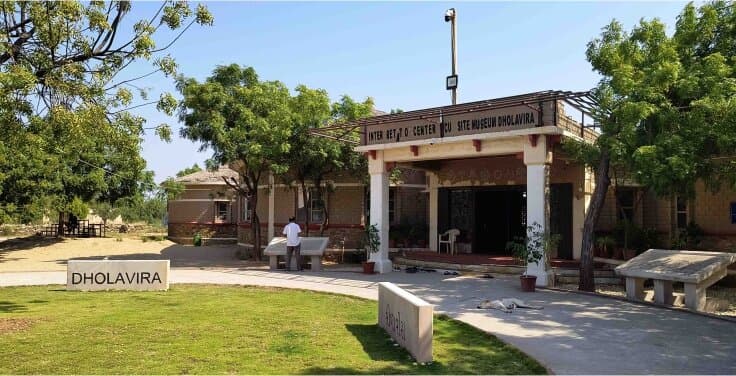
Dholavira Archaeological Museum
Step back 4,500 years at Dholavira, a UNESCO site showcasing the advanced Indus Valley Civilization's urban planning and water systems.
Highlights
Must-see attractions

Social
From TikTok & Reddit
Best Time
Cooler weather for exploration
Dholavira Archaeological Museum
Best Time
Cooler weather for exploration
Highlights
Must-see attractions
Step back 4,500 years at Dholavira, a UNESCO site showcasing the advanced Indus Valley Civilization's urban planning and water systems.
"An incredible UNESCO World Heritage Site that takes you back 4,500 years into the Indus Valley Civilization."
Carry Water & Snacks
Amenities are limited nearby, so pack essentials for your visit. :water_buffalo:
Visit in Cooler Months
October to March offers pleasant weather for exploring the expansive site. :sunwithface:
Quick Facts
Hours
Rating
4.6 · 1,316 reviews
Type
Historical Landmark
Highlights
Discover the most iconic attractions and experiences
Ancient City Layout
Archaeological Site
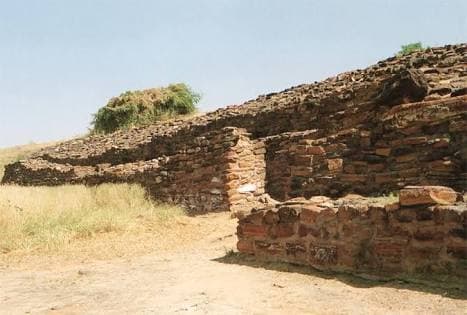
Explore the brilliant Harappan town planning, water reservoirs, and ancient structures of a 4,500-year-old civilization.
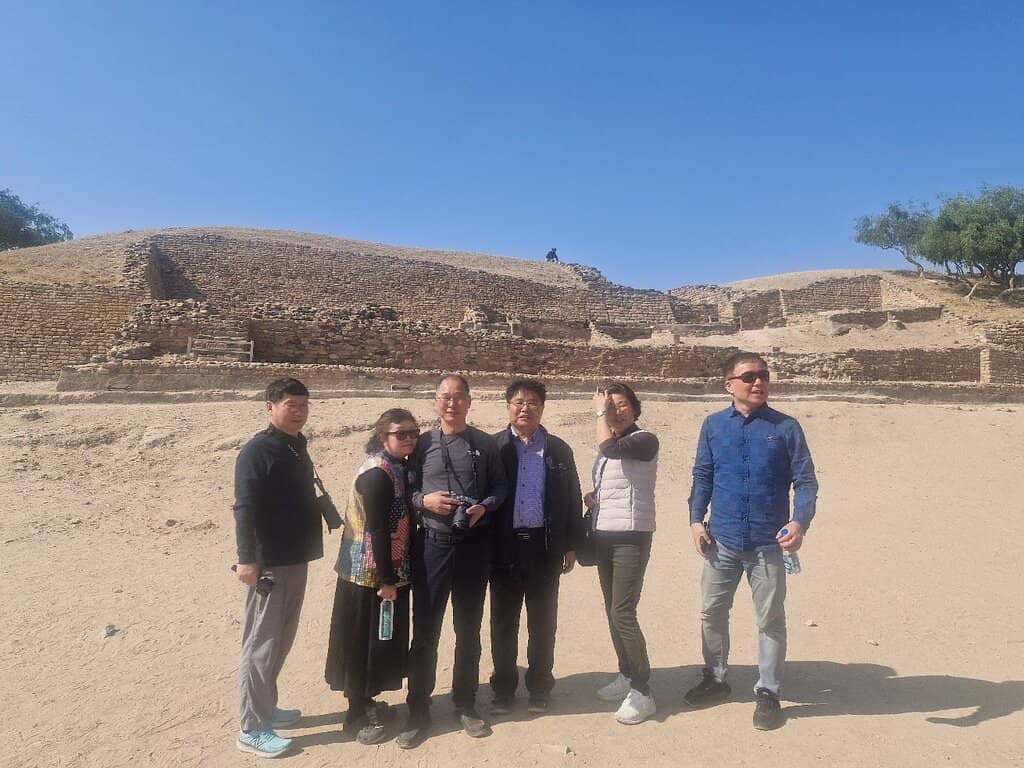
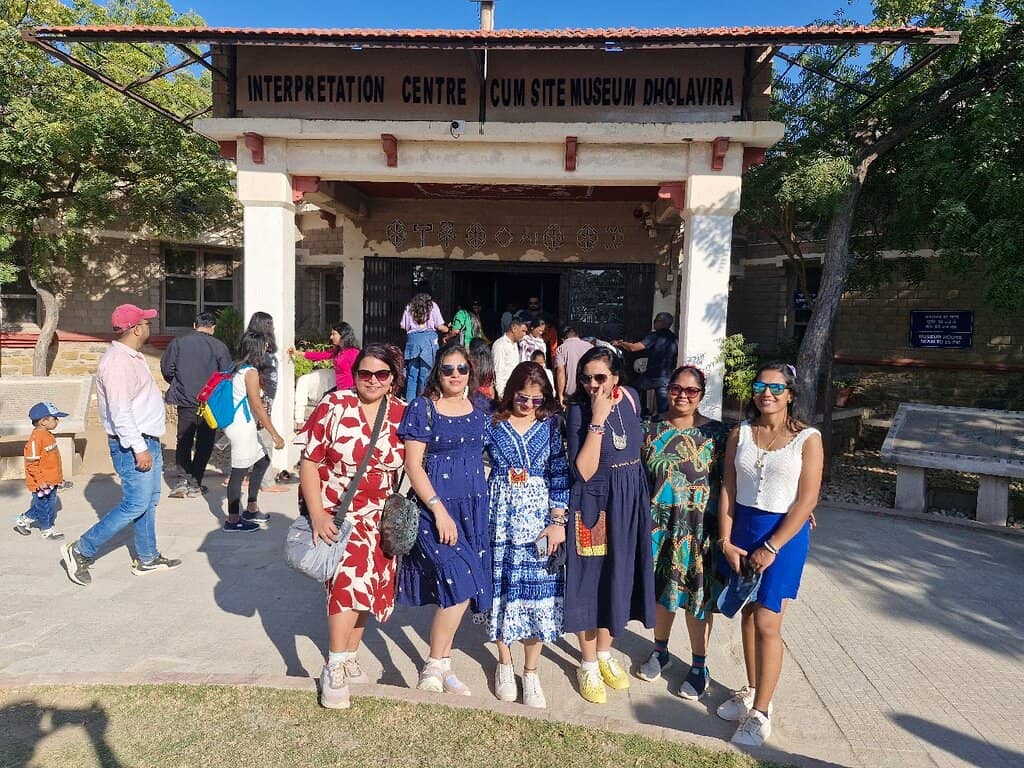
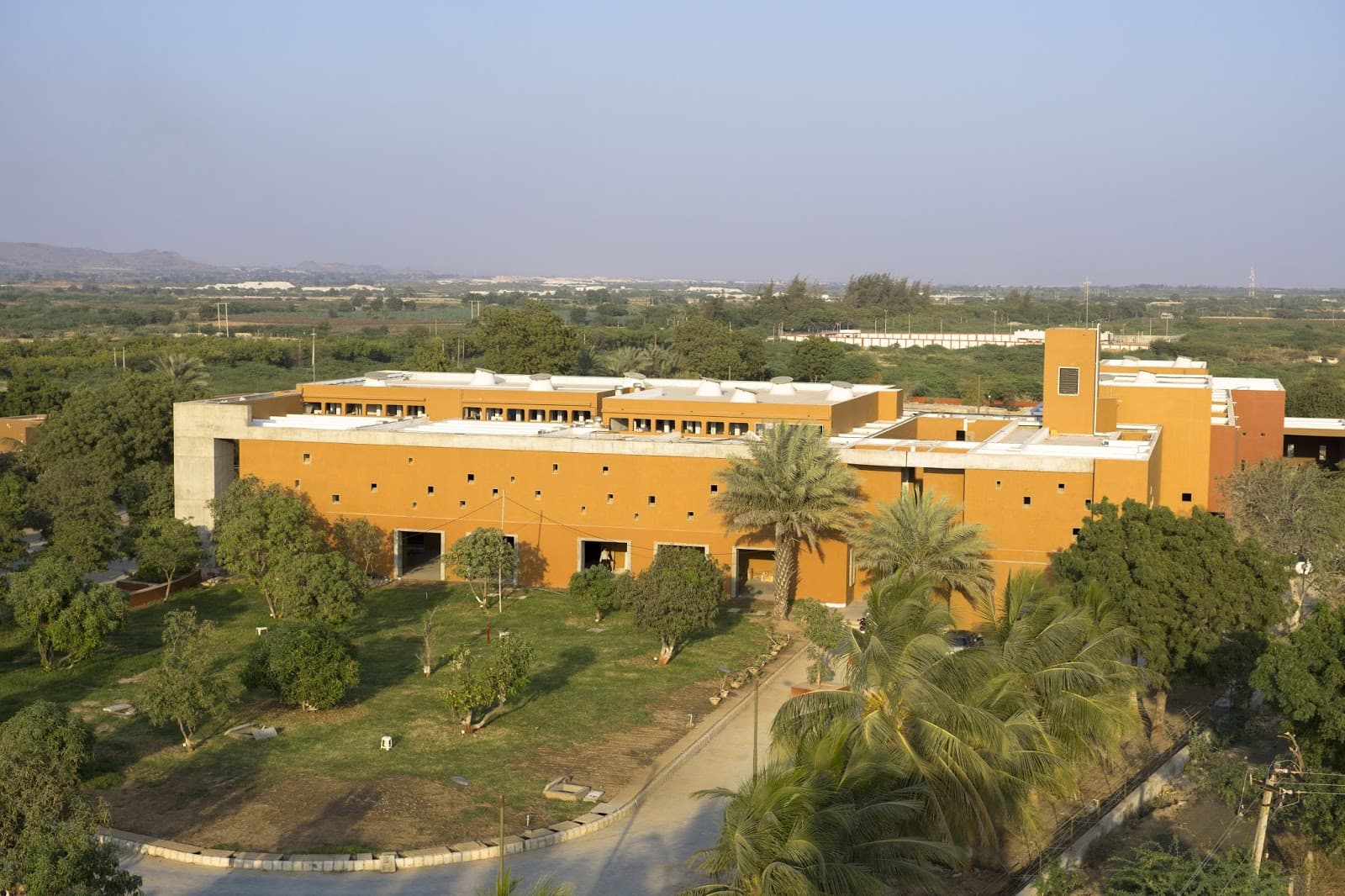
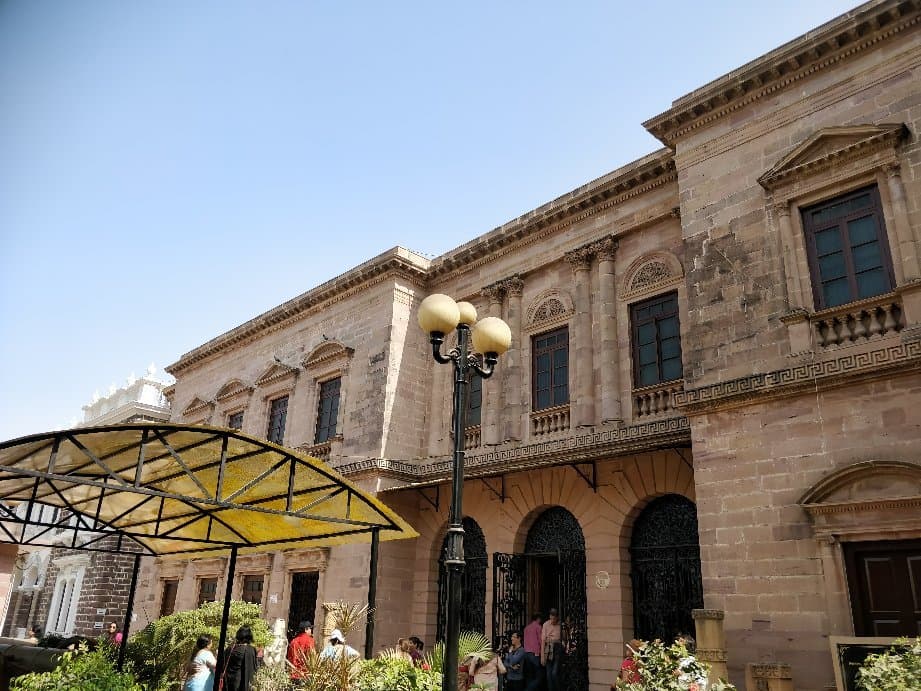
Dholavira Archaeological Museum
Museum
Discover fossils, beads, pottery, and inscriptions that bring the Indus Valley Civilization to life.
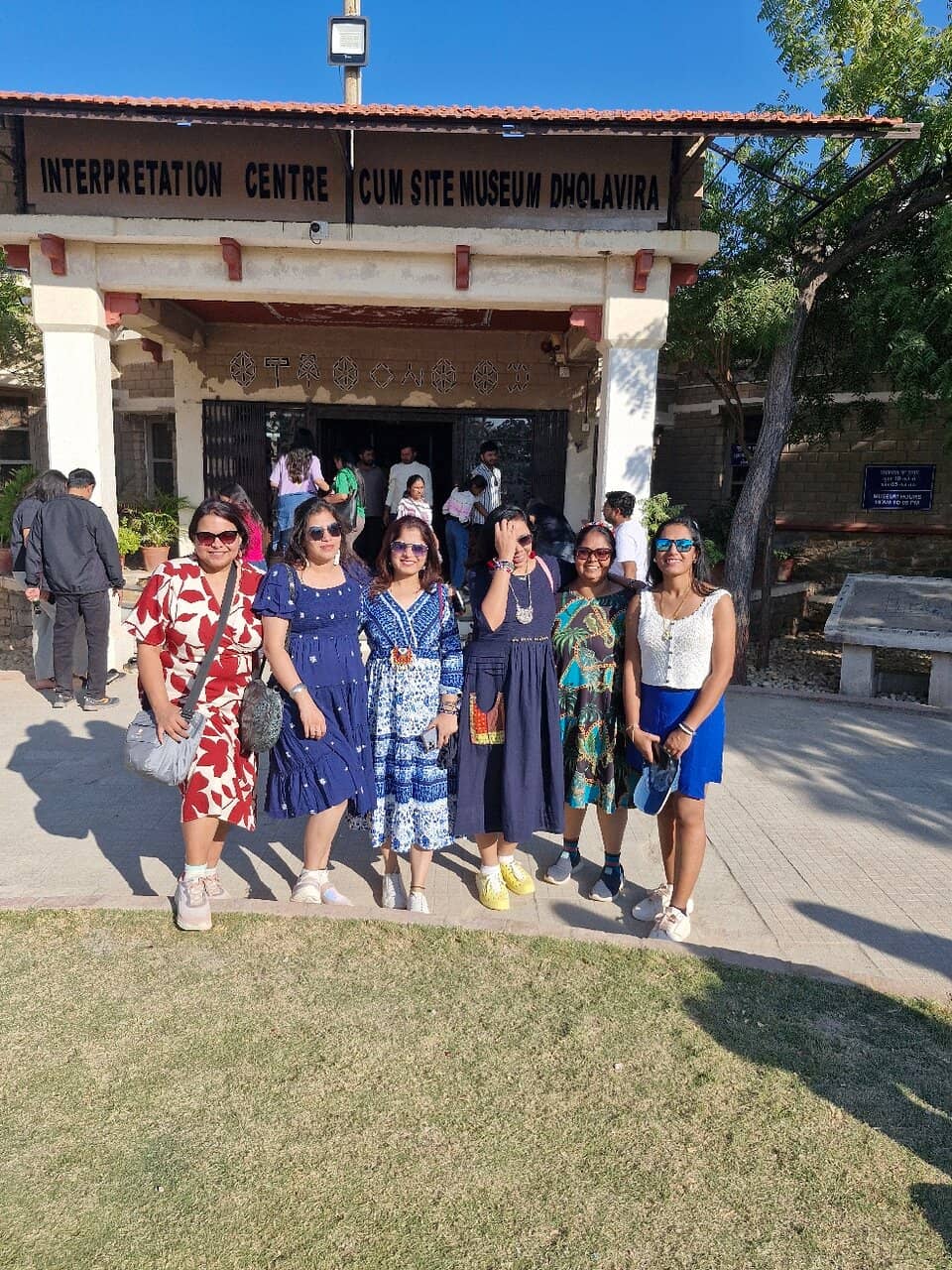
Fossil Park
Near Dholavira
A fascinating glimpse into prehistoric life, adding another layer to your historical exploration.
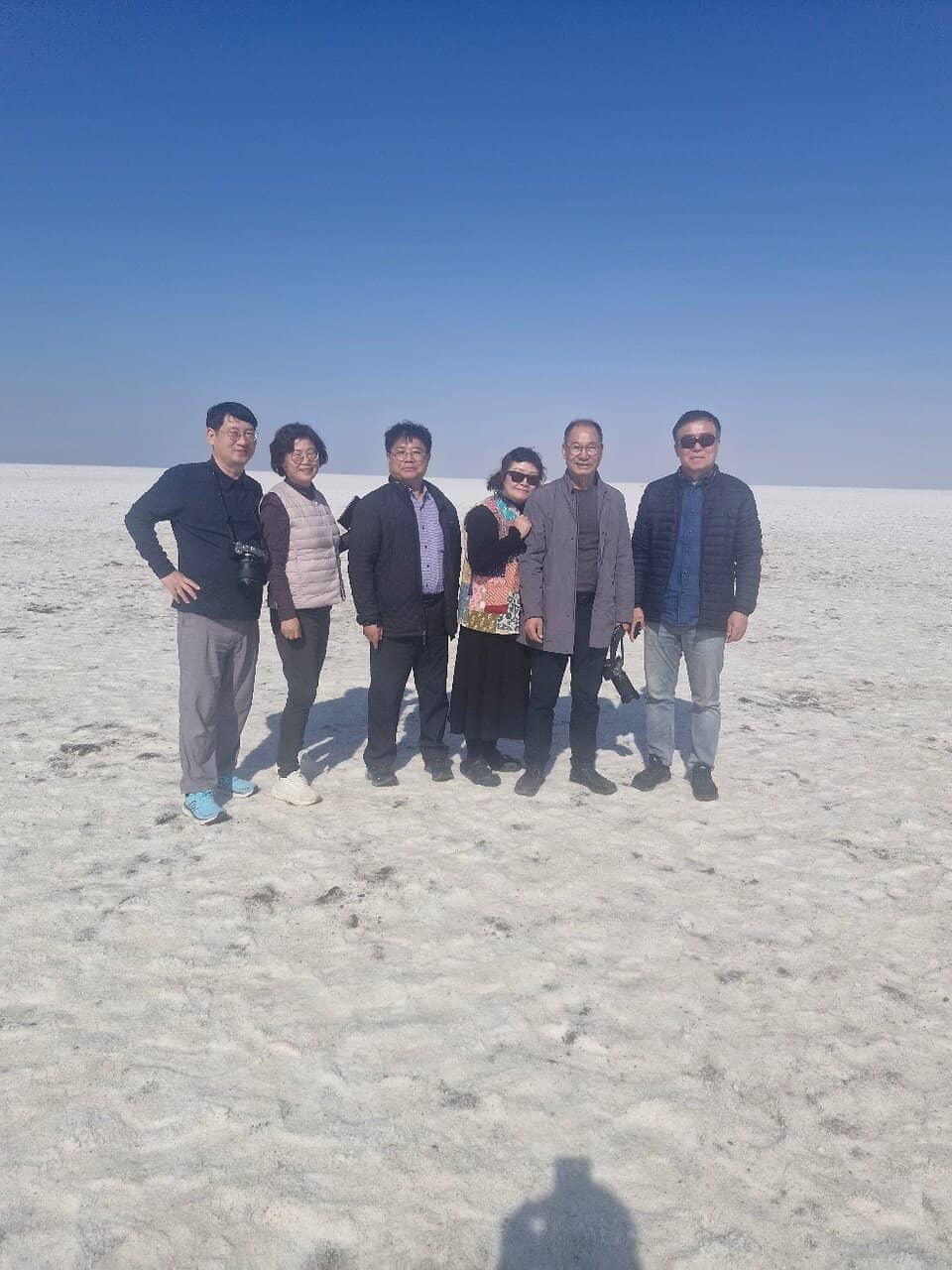
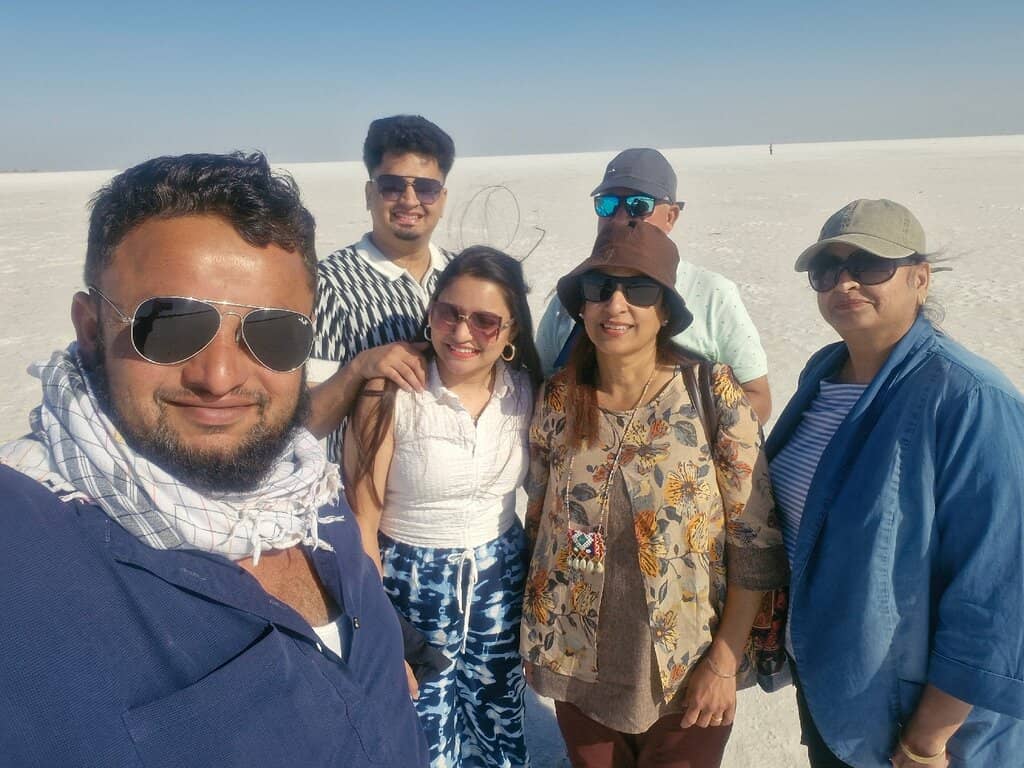
Sunset over the White Rann
White Rann of Kutch
Experience surreal views and a sense of timelessness as the sun sets over the vast salt desert.
Plans like a pro.
Thinks like you
Planning Your Visit
Plan Your Visit to Dholavira
Getting to Dholavira
Best Times
Insider Tips
from TikTok, Instagram & Reddit
Carry Water & Snacks
Amenities are limited nearby, so pack essentials for your visit. :water_buffalo:
Visit in Cooler Months
October to March offers pleasant weather for exploring the expansive site. :sunwithface:
Embrace the Journey
The drive across the Rann of Kutch is scenic; enjoy the 'Road to Heaven.' 🚗
Read the Signboards
Informative signs explain the ancient structures and their significance. 📝
Tips
from all over the internet
Carry Water & Snacks
Amenities are limited nearby, so pack essentials for your visit. :water_buffalo:
Visit in Cooler Months
October to March offers pleasant weather for exploring the expansive site. :sunwithface:
Embrace the Journey
The drive across the Rann of Kutch is scenic; enjoy the 'Road to Heaven.' 🚗
Read the Signboards
Informative signs explain the ancient structures and their significance. 📝
Less Crowded Gem
Enjoy a peaceful and authentic heritage experience without large tourist throngs. ✨
What Travellers Say
Reviews Summary
Dholavira is lauded as an incredible UNESCO World Heritage Site, offering a profound journey back 4,500 years to the Indus Valley Civilization. Visitors are awestruck by the advanced Harappan town planning, water reservoirs, and well-preserved ancient structures. The museum and surrounding landscape, including the White Rann, add to its charm, making it a peaceful and unique experience for history lovers.
"Dholavira Harappan Civilization Archaeological Site and Museum is absolutely incredible. Visiting this place feels like stepping 4,500 years back in time. This was one of the largest and most important cities of the Indus Valley Civilization, and the ruins are so well preserved that you can clearly understand how advanced the people were. The water management system, reservoirs, and town planning are mind-blowing considering how ancient the site is. You really see the intelligence and engineering skills of the Harappans.
The Fossil Park, museum, and sunset views over the White Rann add to the charm. Fossils, beads, pottery, and inscriptions give a fascinating glimpse of one of the world’s oldest civilizations.
Well-maintained, peaceful, and less crowded compared to other heritage sites – making it a truly unique experience. A must-visit for history lovers, students, and explorers.
The museum is also excellent. It displays original artifacts like pottery, beads, tools, inscriptions, and models explaining how the city once looked. The staff has done a great job with information boards that tell the history in a simple way. The whole experience teaches you a lot about how our ancestors lived, traded, and built their society in such a harsh desert environment."
Ashish Dode
"Dholavira is one of the most remarkable and well-preserved sites of the Harappan (Indus Valley) Civilization. Located in the Great Rann of Kutch, this UNESCO World Heritage Site gives a deep look into the advanced urban planning of a 4,500-year-old city. The water conservation system, huge reservoirs, fortifications, and neatly designed streets show how intelligent and progressive the people of that era were.
Walking through Dholavira feels like stepping back into ancient history. The museum is informative, the site is clean, and the overall experience is peaceful and educational. A must-visit for anyone who loves history, archaeology, or unique travel experiences."
pRiNcE DuDhAtRa
"⭐⭐⭐⭐⭐
Dholavira Harappan Civilization Archaeological Site and Museum is absolutely incredible. Visiting this place feels like stepping 4,500 years back in time. This was one of the largest and most important cities of the Indus Valley Civilization, and the ruins are so well preserved that you can clearly understand how advanced the people were. The water management system, reservoirs, and town planning are mind-blowing considering how ancient the site is. You really see the intelligence and engineering skills of the Harappans.
The museum is also excellent. It displays original artifacts like pottery, beads, tools, inscriptions, and models explaining how the city once looked. The staff has done a great job with information boards that tell the history in a simple way. The whole experience teaches you a lot about how our ancestors lived, traded, and built their society in such a harsh desert environment.
If you love history, archaeology, or just want to feel proud of India’s ancient heritage, Dholavira is a must-visit. Totally worth the trip and a strong reminder of how rich and advanced our civilization has always been. Highly recommended!"
Fabian Felix Valles (Fabiano)
What People Like
What People Dislike
Frequently Asked Questions
🚇 🗺️ Getting There
Dholavira is located in the Kutch district of Gujarat. The nearest major airport is Bhuj (BHU), about 250 km away. From Bhuj, you can hire a taxi or take a bus towards Rapar and then to Dholavira. The journey involves crossing the Rann of Kutch, offering scenic views often called the 'Road to Heaven.'
Once you reach the Dholavira site, it's best to explore on foot to truly appreciate the scale and details of the ancient city. For longer distances or to visit nearby attractions like the Fossil Park, hiring a local guide with a vehicle is recommended.
While buses are available to nearby towns like Rapar, direct public transport to Dholavira can be infrequent. Hiring a private taxi or arranging transport through a tour operator is often more convenient, especially given the site's remote location.
From Bhuj, the drive to Dholavira can take approximately 4-5 hours, depending on road conditions and stops. It's advisable to start your journey early to maximize your time at the site.
Yes, local guides are often available at the site who can provide in-depth information about the history and significance of the ruins. Some tour operators also offer guided packages.
🎫 🎫 Tickets & Entry
The Dholavira Archaeological Site and Museum are typically open from sunrise to sunset. It's best to confirm the exact timings locally or with your guide, as they can vary.
There is usually a nominal entry fee for the Dholavira Archaeological Site. The museum may have a separate, small fee. It's advisable to carry cash for these payments.
Currently, online ticket booking for Dholavira is not widely available. Tickets are typically purchased at the site's entrance.
Visiting in the morning hours is highly recommended to avoid the midday heat and enjoy a more comfortable exploration of the site.
Photography is generally allowed at the Dholavira site and museum, but it's always good practice to be respectful of the historical artifacts and structures. Tripods or professional equipment might require special permission.
🎫 🏛️ Onsite Experience
The site showcases the well-preserved ruins of a Harappan city, including its advanced town planning, elaborate water reservoirs, citadel, middle town, and lower town. You can see ancient structures, streets, and evidence of sophisticated drainage systems. +1
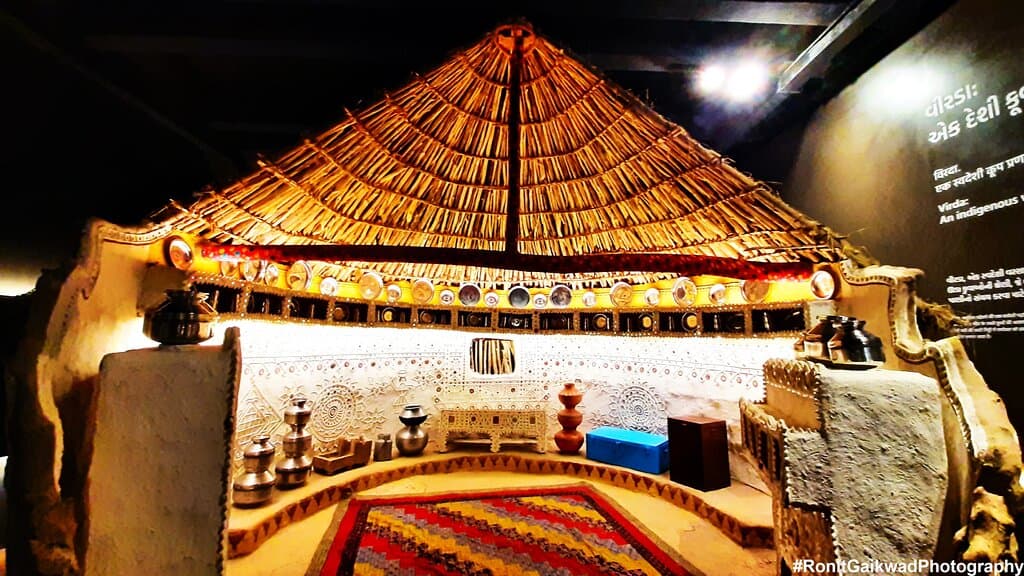
The museum exhibits artifacts unearthed from the site, such as pottery, beads, seals, tools, and inscriptions, offering a tangible connection to the Indus Valley Civilization.
Absolutely! Dholavira is a UNESCO World Heritage Site and one of the most significant discoveries of the Indus Valley Civilization, making it a paradise for history buffs and archaeology enthusiasts. +1
The large, well-engineered water reservoirs highlight the advanced water management system of the Harappans, crucial for sustaining life in an arid region. They are a testament to their engineering prowess.
To fully appreciate the site and museum, allocate at least 3-4 hours. If you plan to visit the nearby Fossil Park and enjoy the sunset, consider dedicating a full day.
🍽️ 🍽️ Food & Dining
Food options directly at the Dholavira archaeological site are very limited. It's advisable to carry your own snacks and water. Some resorts or tent cities in the Rann of Kutch area offer dining facilities.
Dining options are scarce in the immediate vicinity of the archaeological site. You might find basic eateries in nearby villages or larger restaurants if you are staying at a resort in the Rann of Kutch.
Yes, bringing your own food and water is highly recommended, especially if you plan to spend several hours exploring the site. Ensure you dispose of any waste responsibly.
The Kutch region offers traditional Gujarati cuisine, which is predominantly vegetarian and known for its sweet and savory flavors. Dishes like dhokla, thepla, and various lentil preparations are common.
Fine dining is generally not available in the immediate vicinity of Dholavira due to its remote location. Upscale dining experiences are more likely to be found in larger towns or at specialized resorts in the Rann of Kutch.
📸 📸 Photography
The ancient city layout, particularly the water reservoirs and the remnants of buildings, offer unique photographic opportunities. The vast expanse of the Rann of Kutch, especially during sunset, is also incredibly photogenic. 
Drone usage is typically restricted at archaeological sites and protected heritage areas. It's best to check with the Archaeological Survey of India or local authorities before attempting to fly a drone.
A wide-angle lens is great for capturing the scale of the ruins and the landscape. A telephoto lens can be useful for details. Given the dusty environment, protecting your gear is important.
The golden hours, shortly after sunrise and before sunset, provide the most dramatic and flattering light for photographing the ancient structures and the surrounding landscape.
Photography inside museums can sometimes be restricted, especially for artifacts. Check for signage or ask museum staff for guidelines on photography.

Social
from TikTok, Instagram & Reddit